Baum mit Wasservögel, Tierbild, Pflanzenmosaik, Wasservögel
nach 1600 (um 1610)
The mosaic, part of a serie of 4, are mainly made from parts of insects. The individual materials were cut into small, sometimes even miniscule pieces and then, using great artistic skill, arranged into portrayals of birds or plants. The iridescent green oft he trees comes from the wings of another leaf beetle, while the feathers oft the ducks were made of wings of butterflies. The next picture shows different waterfowls.
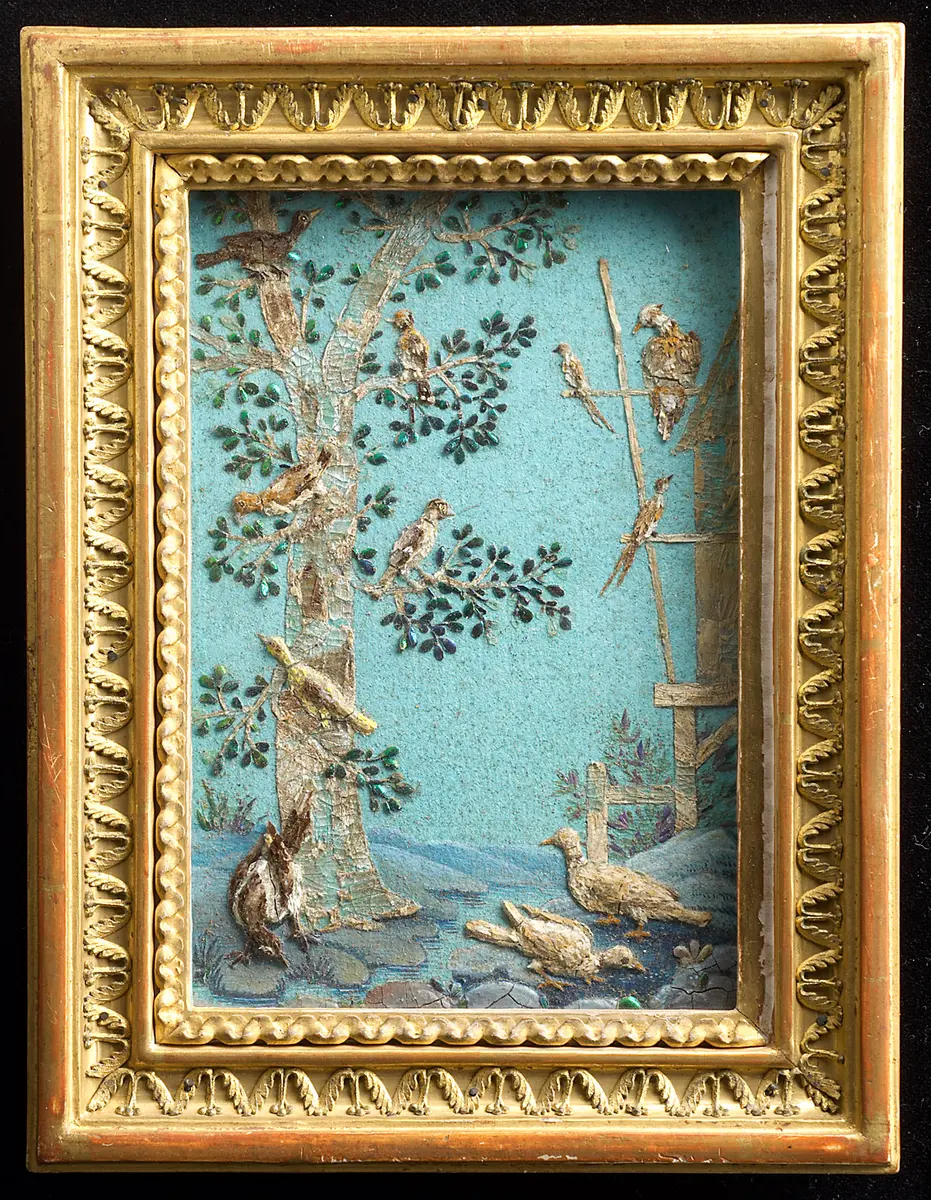
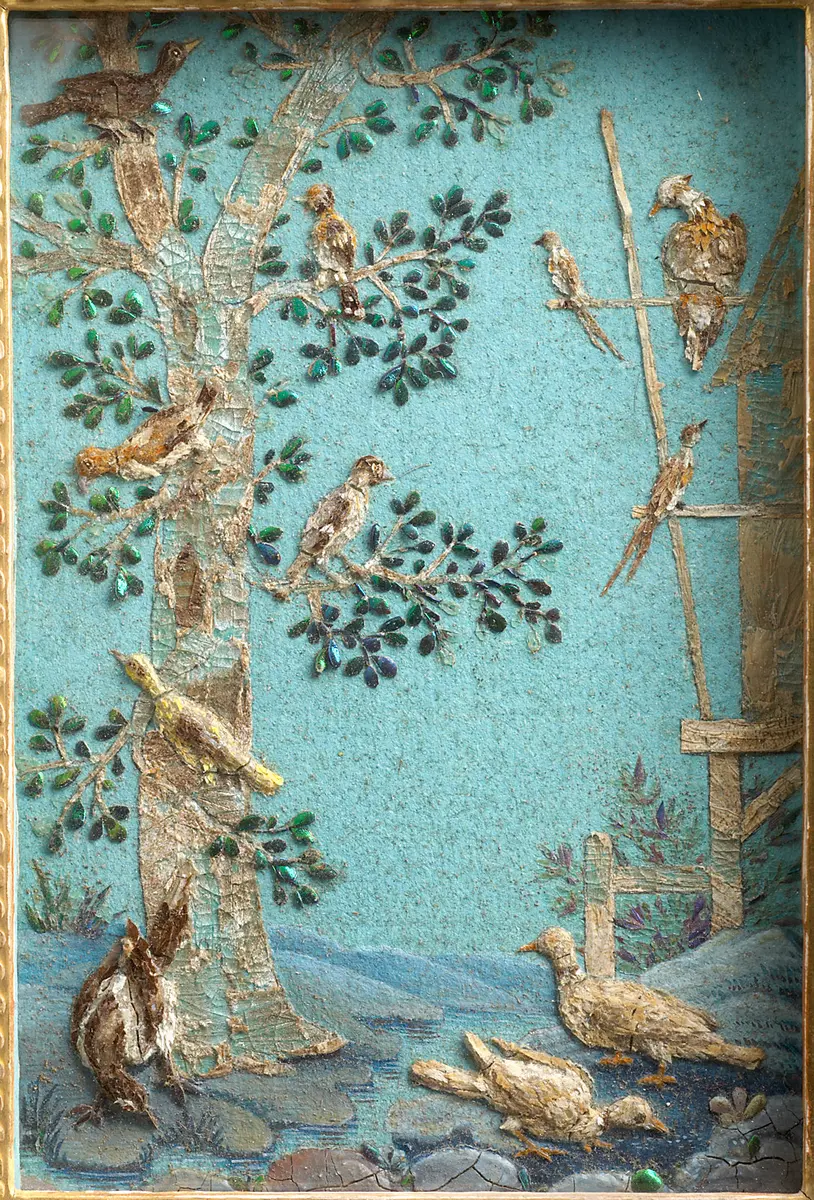
The mosaic, part of a serie of 4, are mainly made from parts of insects. The individual materials were cut into small, sometimes even miniscule pieces and then, using great artistic skill, arranged into portrayals of birds or plants. The iridescent green oft he trees comes from the wings of another leaf beetle, while the feathers oft the ducks were made of wings of butterflies. The next picture shows different waterfowls.
Time:
nach 1600 (um 1610)
Object Name
Tierbild, Pflanzenmosaik, Wasservögel
Culture
Prag (?)
Material/technology:
Insektenflügel; die schillernd grünen Blätter am Baum: Blattkäferart (chrysolina oder oreina); blauviolette Wasserpflanzen: blauvioletter Scheibenbock (callidium violaceum); Enten sind aus Schmetterlingsflügel
Dimensions:
mit Rahmen: H. 195 cm × B. 14,5 cm
Copyright
Schloss Ambras Innsbruck
Invs.
Schloss Ambras Innsbruck, PA 445
Provenance
vielleicht aus der Prager Kunstkammer Kaiser Rudolfs II. (?); 1847 vom k.k. physikalischen Kabinett in Wien an die Ambraser Sammlungen übergeben (s. Supplement-Inventar der K.K. Ambraser Sammlung, Nachtrag zum Inventar 1880, S. 14)
Browse more
Similar items you might be interested in
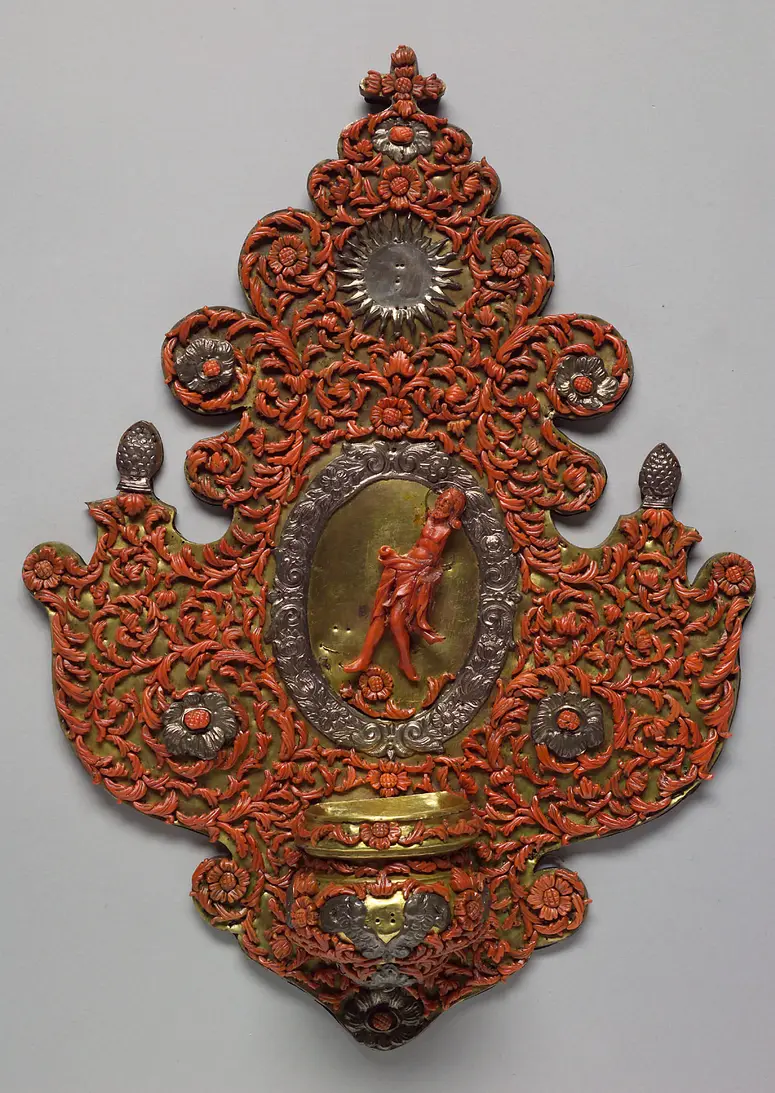
Weihwasserbecken, Gefäß; Becken, Weihwasserbecken, Korallenmosaik, Einlegearbeit 17. Jahrhundert ?, Anfang 18. Jahrhundert (?)
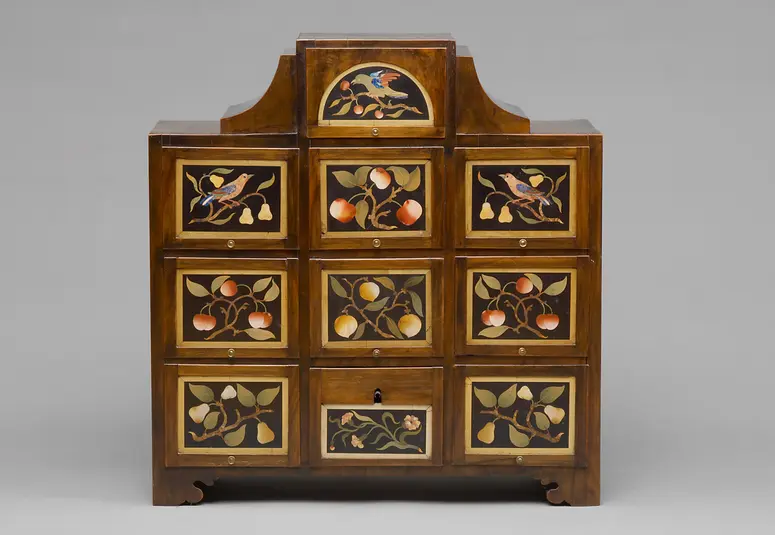
Schmuckkästchen, Kabinettschrank, Pietra-Dura-Kästchen Mitte 17. Jahrhundert
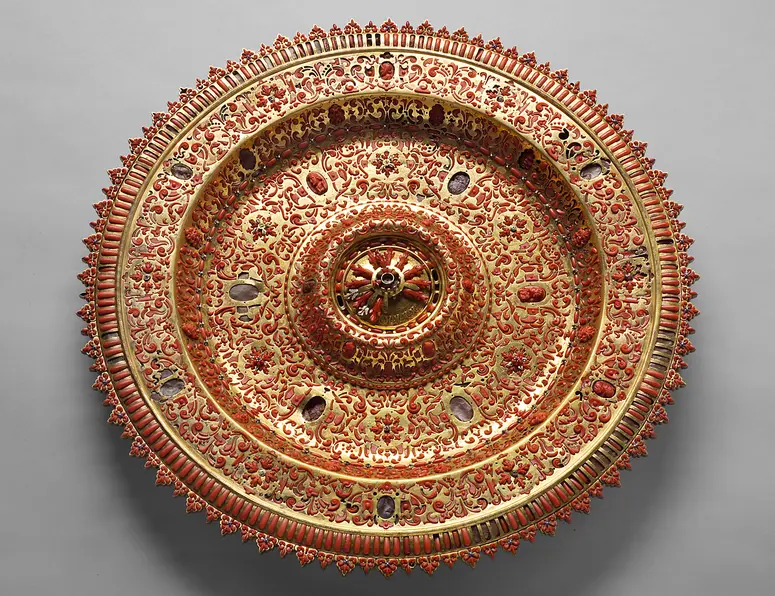
Becken, Teller, Rundteller, Platte, Korallenmosaik, Einlegearbeit Anfang 17. Jahrhundert
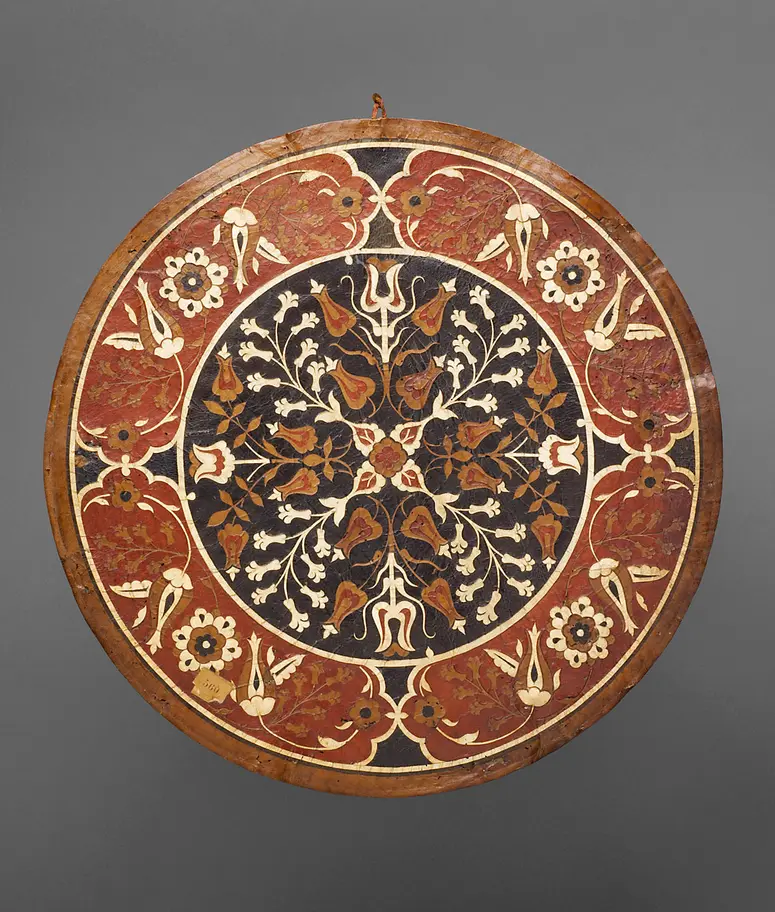
Lederteller, Lederintarsie, Intarsie, Mosaik 2. Viertel 16. Jahrhundert

Lederteller, Mosaik, Ledermosaik 1. Hälfte 16. Jahrhundert
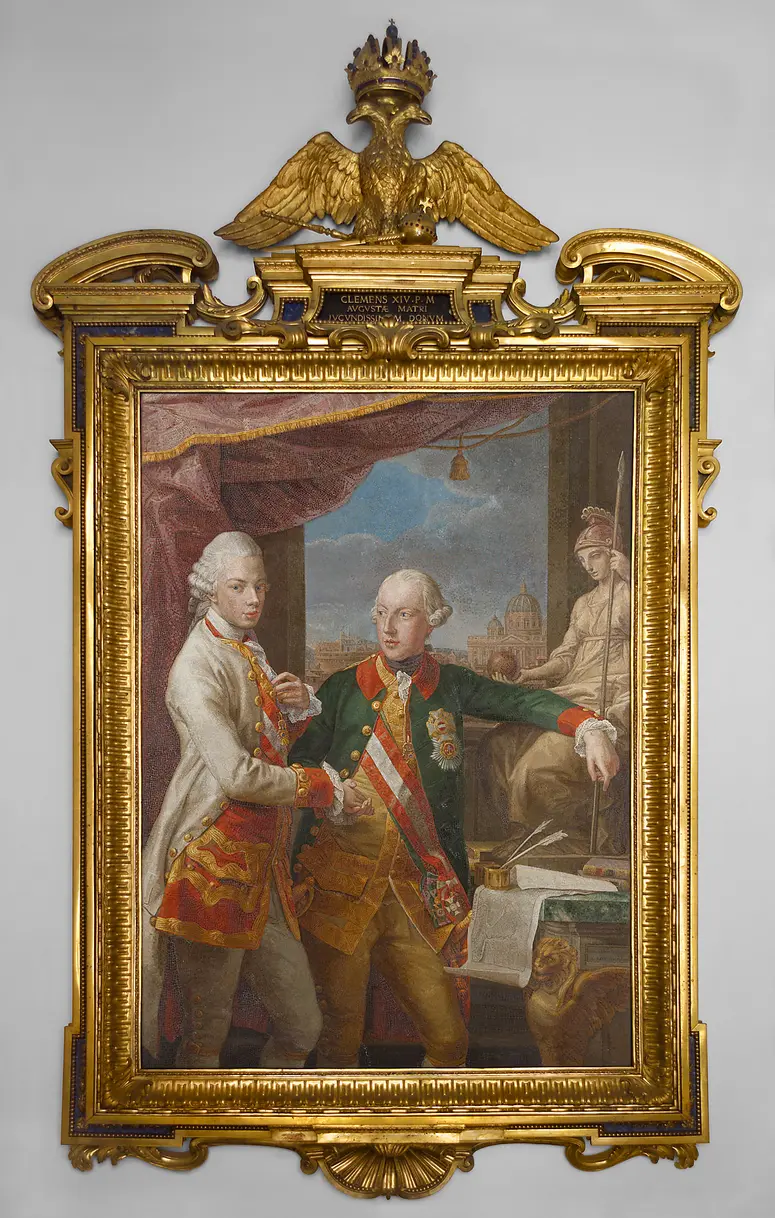
Emperor Joseph II with Grand Duke Pietro Leopoldo of Tuscany Bernardino Regoli 1769–73

Wanddekoration, Platte, Teller, Einlegearbeit, Korallenmosaik, Maria Immaculata um 1650
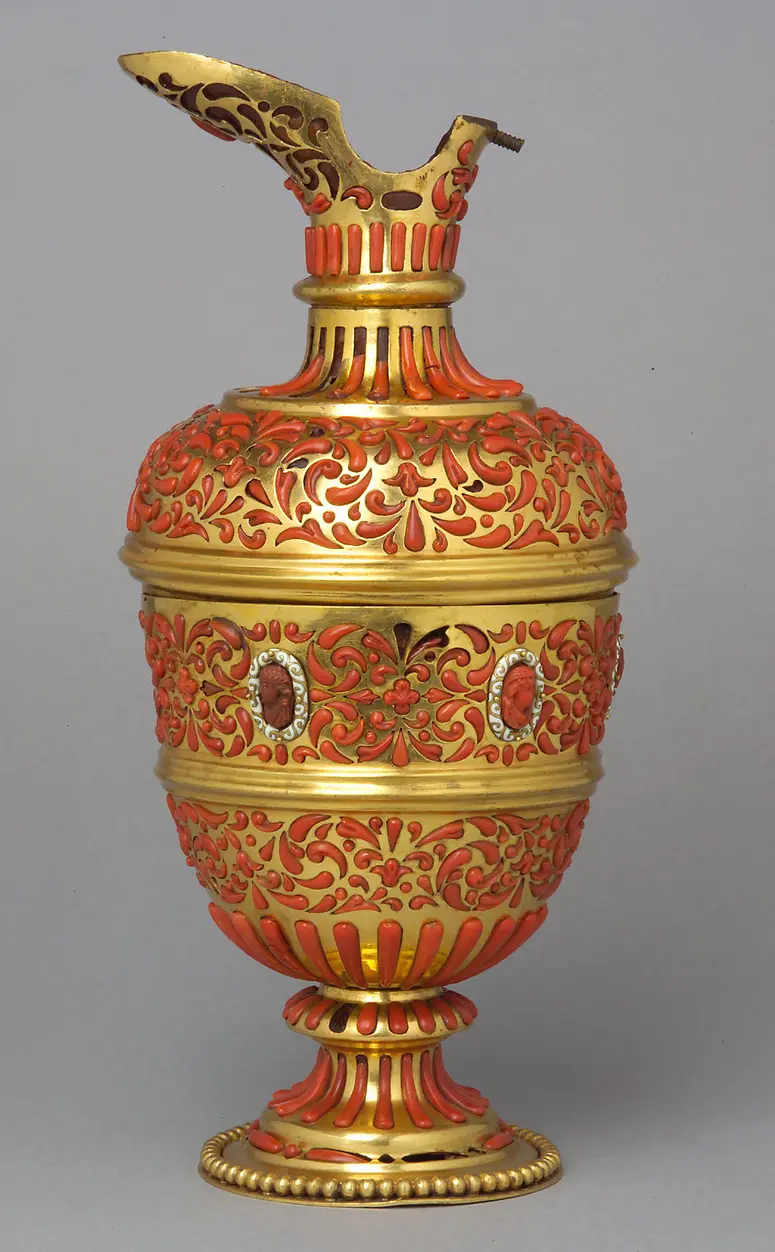
Gefäß; Krug, Kanne, Korallenmosaik, Einlegearbeit Ende 16. Jahrhundert / Anfang 17. Jahrhundert
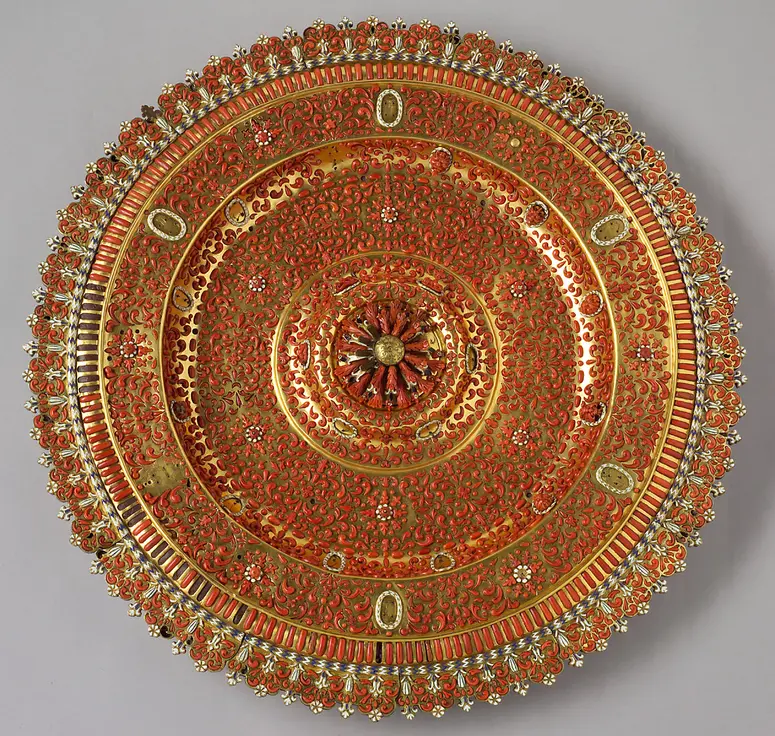
Becken mit durchbrochenen Verzierungen, Gefäß; Becken, Teller, Korallenmosaik, Einlegearbeit Anfang 17. Jahrhundert
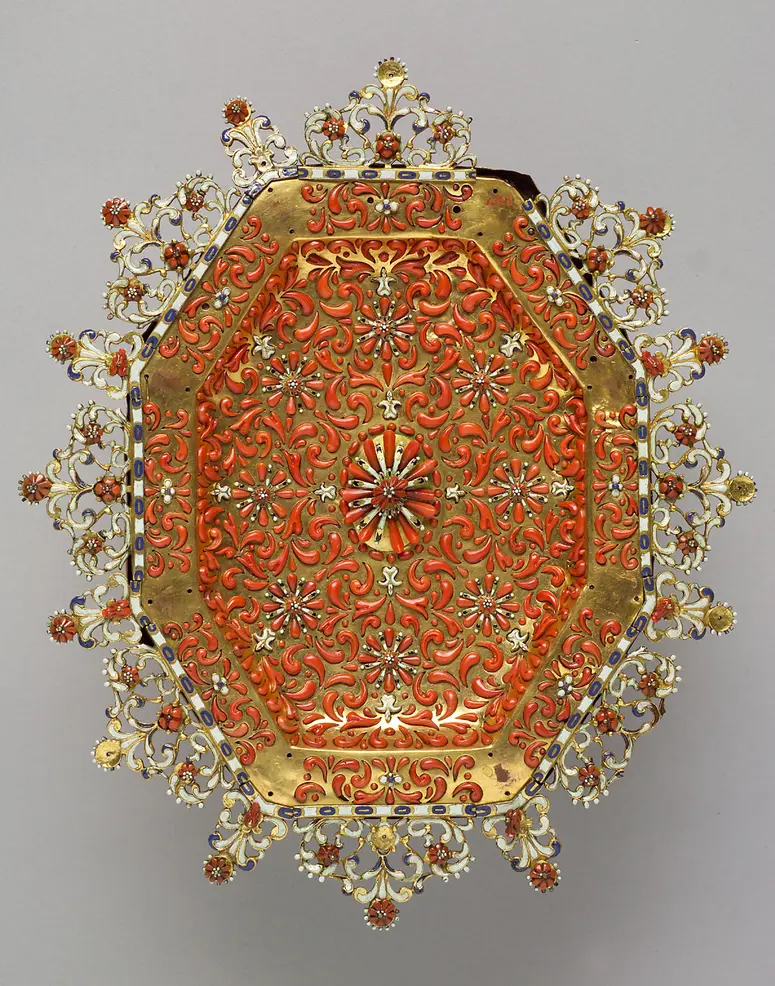
Gefäß, Teller, Platte, Korallenmosaik, Einlegearbeit Ende 16. Jahrhundert / Anfang 17. Jahrhundert
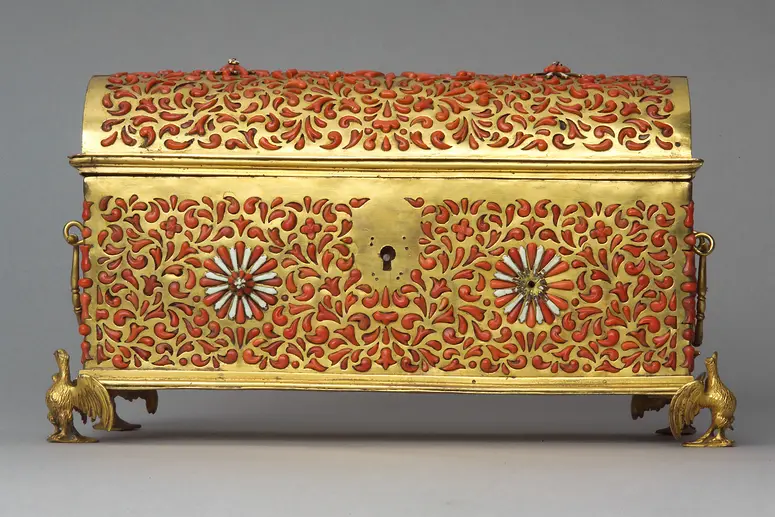
Kästchen mit Adlerfüßen, Korallenmosaik, Einlegearbeit Anfang 17. Jahrhundert
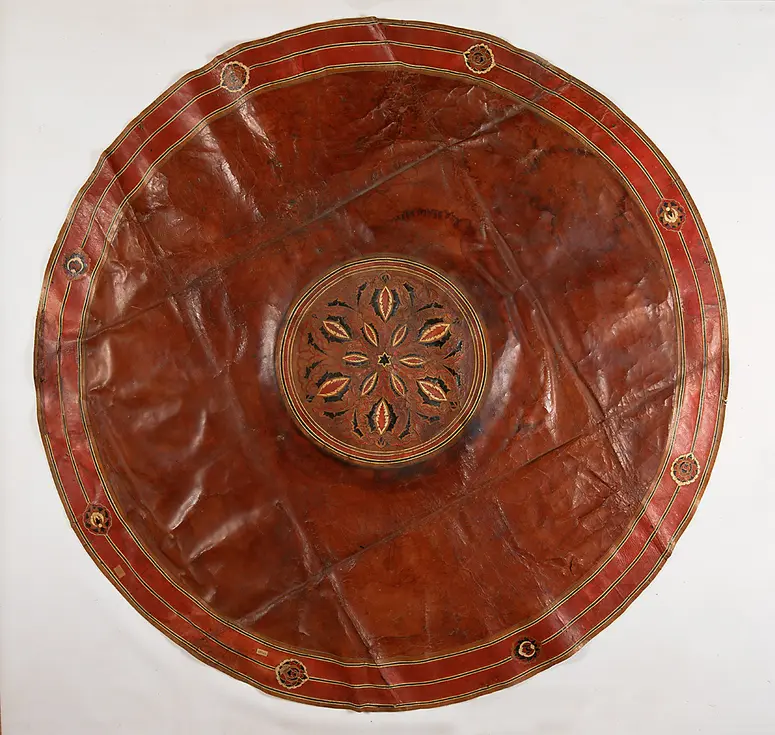
Wanddekoration, Relief, Einlegearbeit, Korallenmosaik 1. Hälfte 17. Jahrhundert
Wanddekoration, Platte, Teller, Einlegearbeit, Korallenmosaik 1. Hälfte 17. Jahrhundert
Mosaik: Mosaikfragment: Eros auf Biga Römisch, Spätantik 6. Jh. n. Chr.