Fisch, Fossil, Fischabdruck
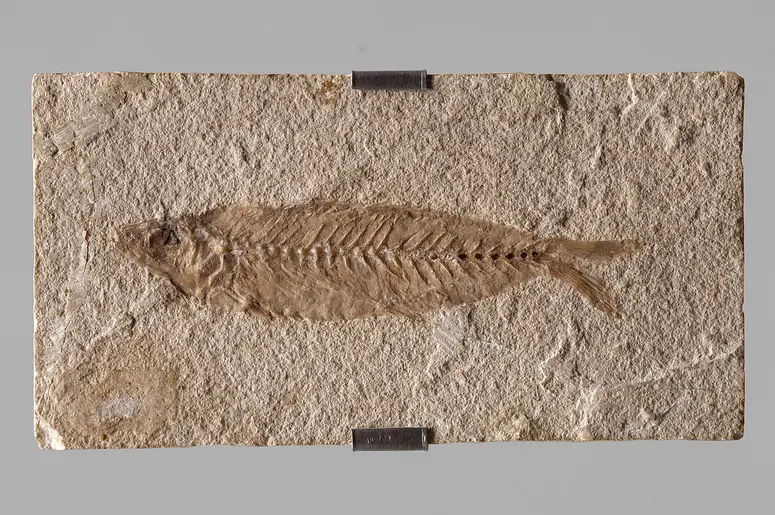
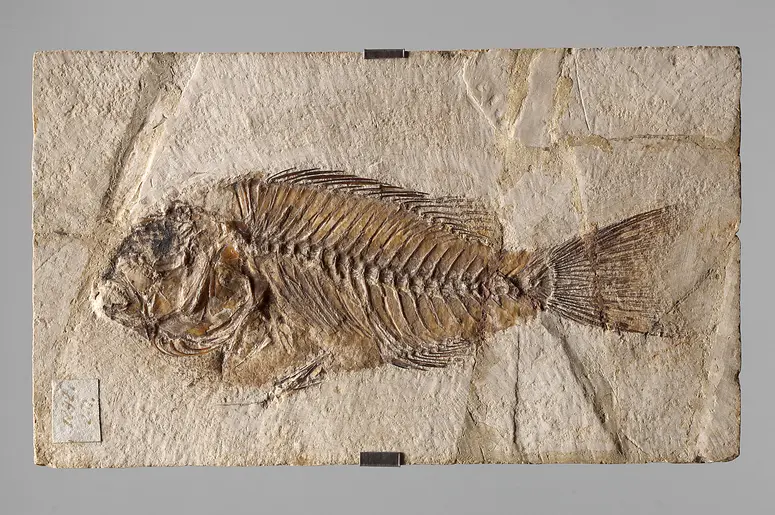
Fossils were not recogniced as fossilized primeval plants or animals up to the 17th/18th century. They were favourite pieces in the chambers of art and curiosities. The origin of the fossilized fish in the collection of Ambras was seen in connection with the Flood. Fossilized fish of unknown origin are already mentioned in the inventory of 1596.
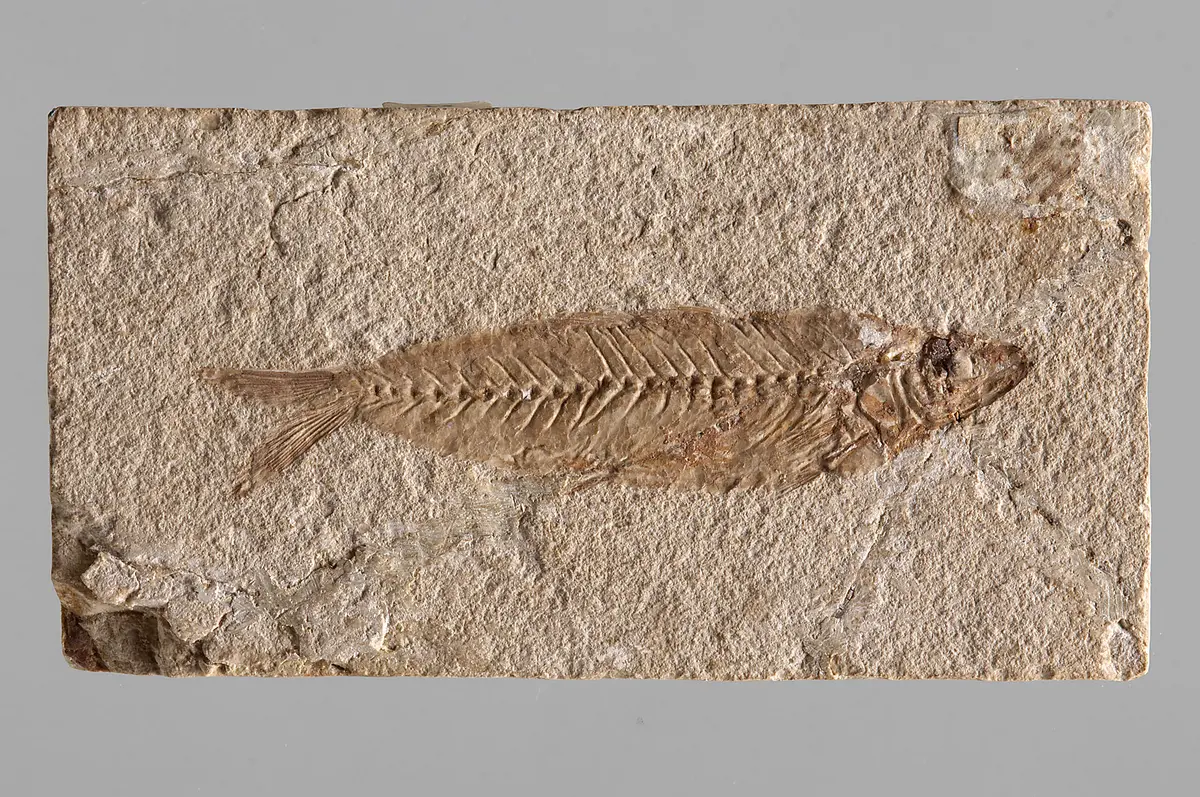
Fossils were not recogniced as fossilized primeval plants or animals up to the 17th/18th century. They were favourite pieces in the chambers of art and curiosities. The origin of the fossilized fish in the collection of Ambras was seen in connection with the Flood. Fossilized fish of unknown origin are already mentioned in the inventory of 1596.
Object Name
Fossil, Fisch, Fischabdruck
Culture
Italien (Venetien?)
Material/technology:
Kalkstein
Dimensions:
H. 6 cm × B. 12 cm
Copyright
Schloss Ambras Innsbruck
Invs.
Schloss Ambras Innsbruck, PA 927
Browse more
Similar items you might be interested in
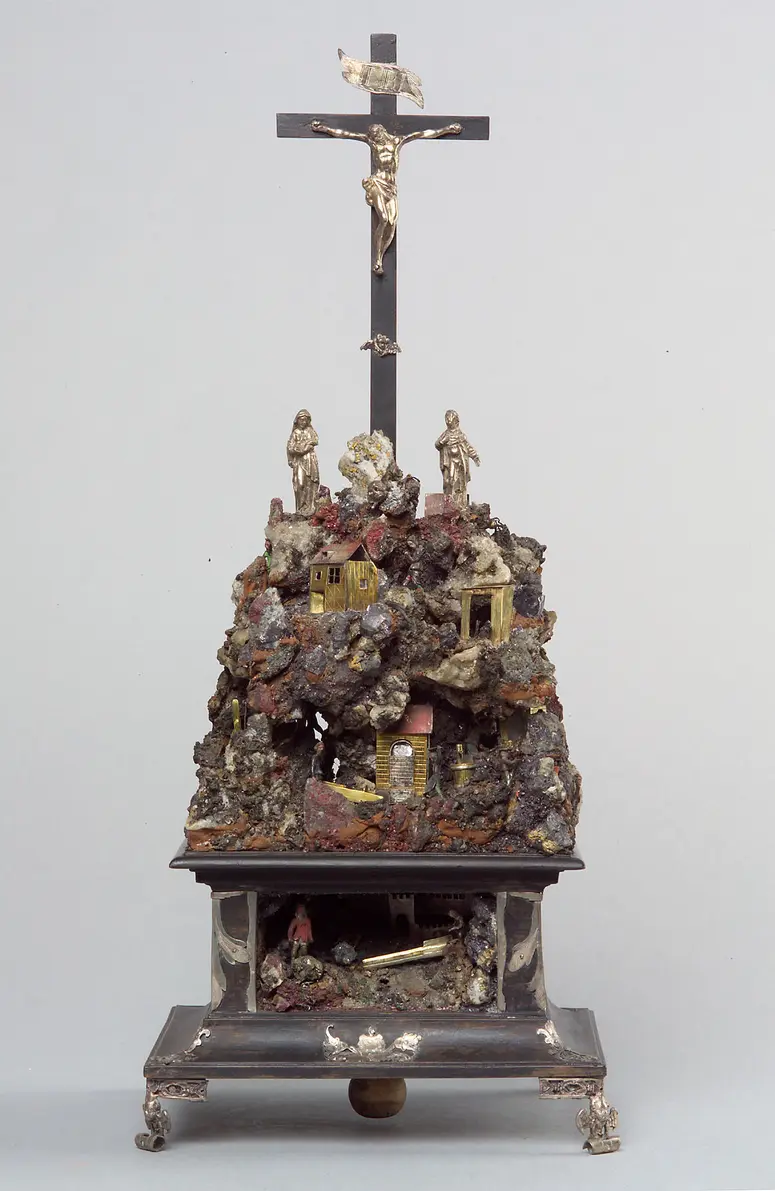
Handstein mit Bergwerk und Kreuzigung 3. Viertel 16. Jahrhundert
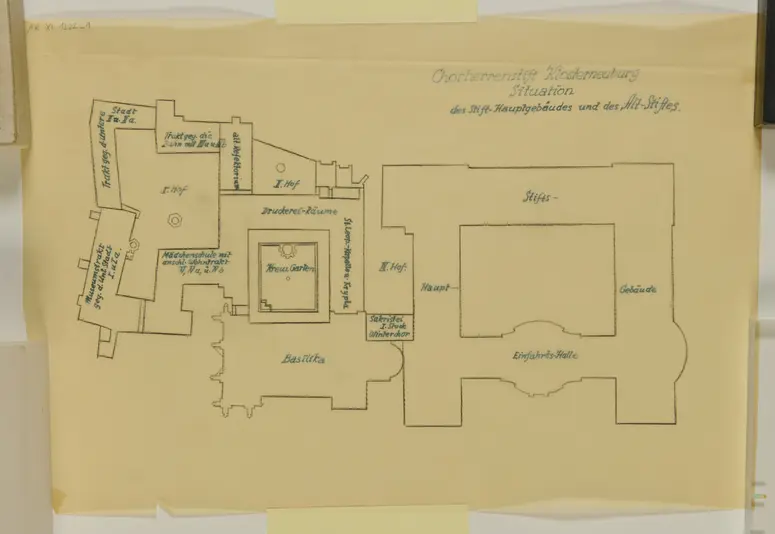
Plan: Chorherrenstift Klosterneuburg. Situation des Stift-Hauptgebäudes und des Alt-Stiftes Stift Klosterneuburg undatiert (um 1941)
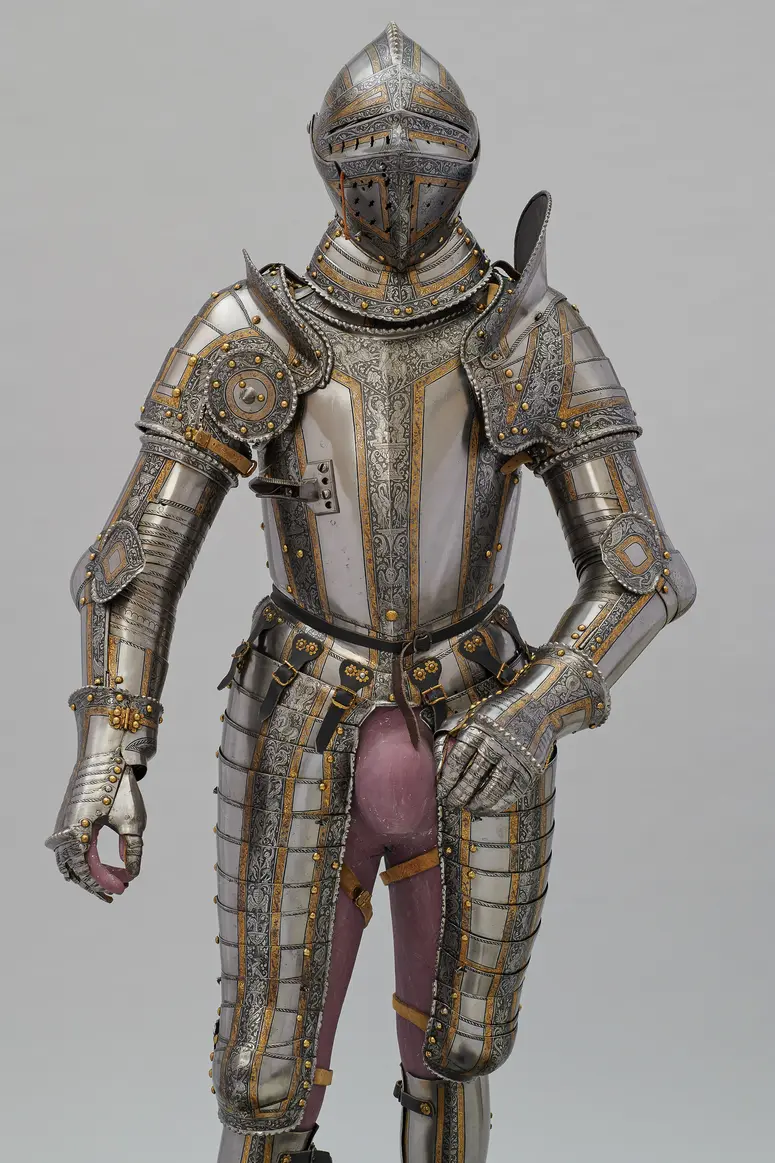
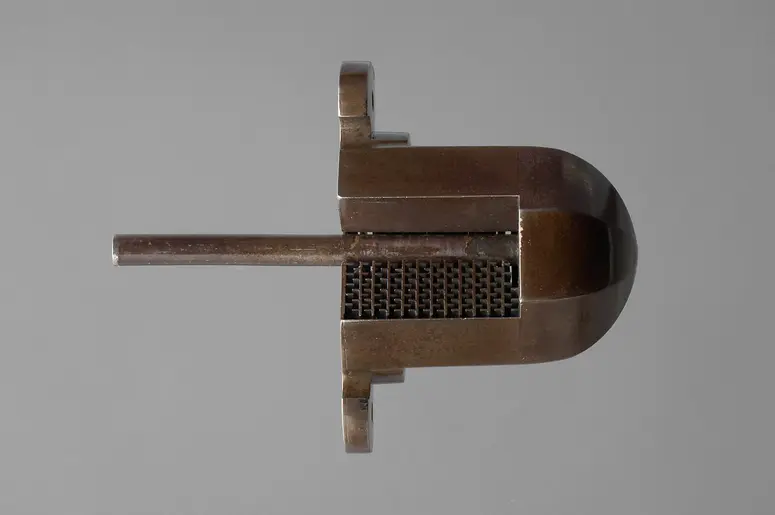
Schloss, Kapelleneingerichte Anfang 16. Jahrhundert
Gefäß; Krug, Kanne, Korallenmosaik, Einlegearbeit Ende 16. Jahrhundert / Anfang 17. Jahrhundert


Elisabeth von Görz-Tirol, Statue, Statuette, Terracotta Dominicus Custos um 1600
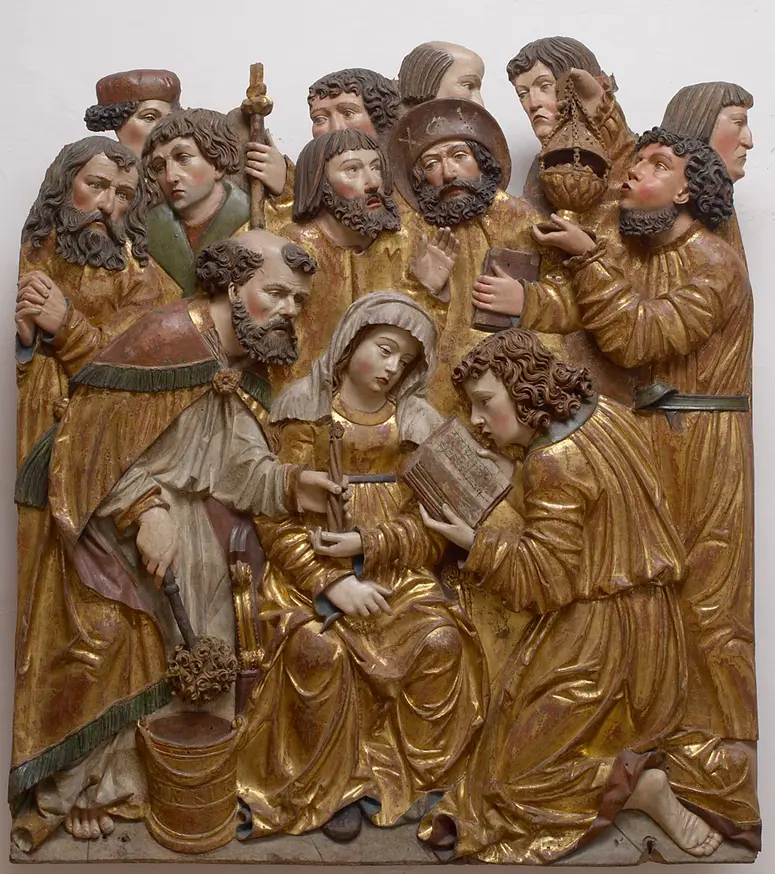

Ferdinand II. (1564-1595), Erzherzog von Österreich und Landesherr von Tirol 3. Viertel 16. Jahrhundert
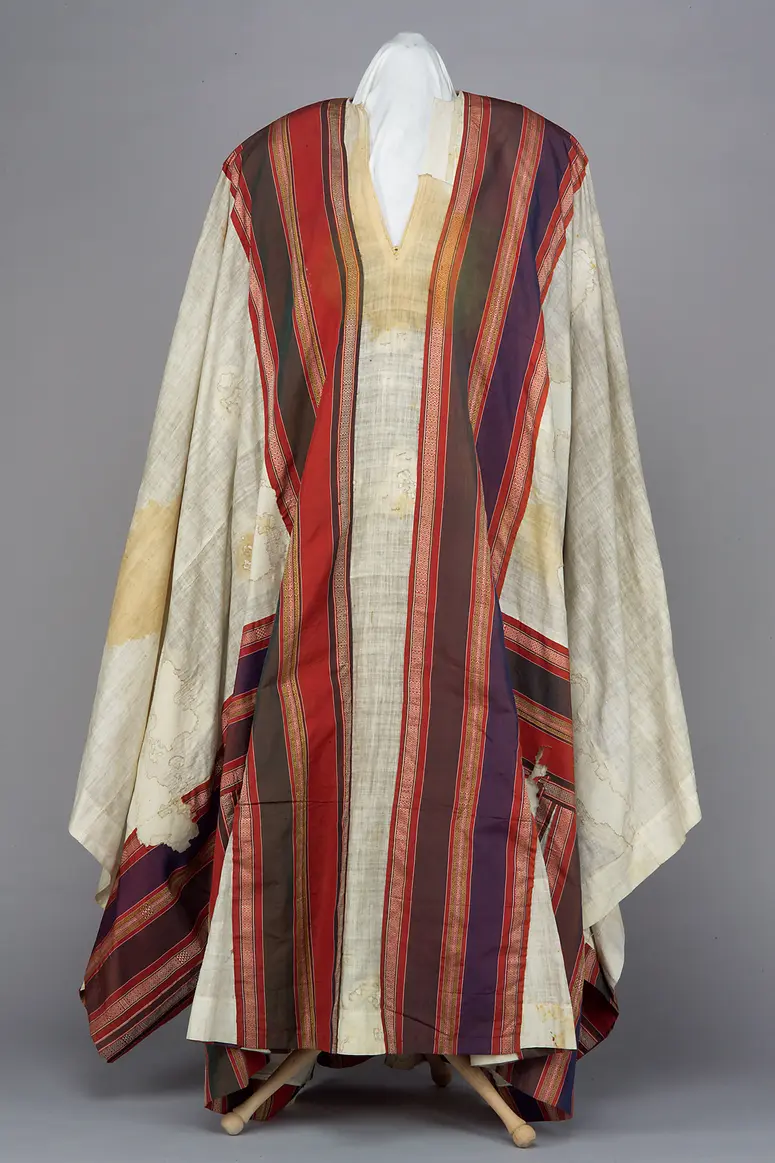
Kleid, Obergewand, Textil, Kleidung 16. Jahrhundert
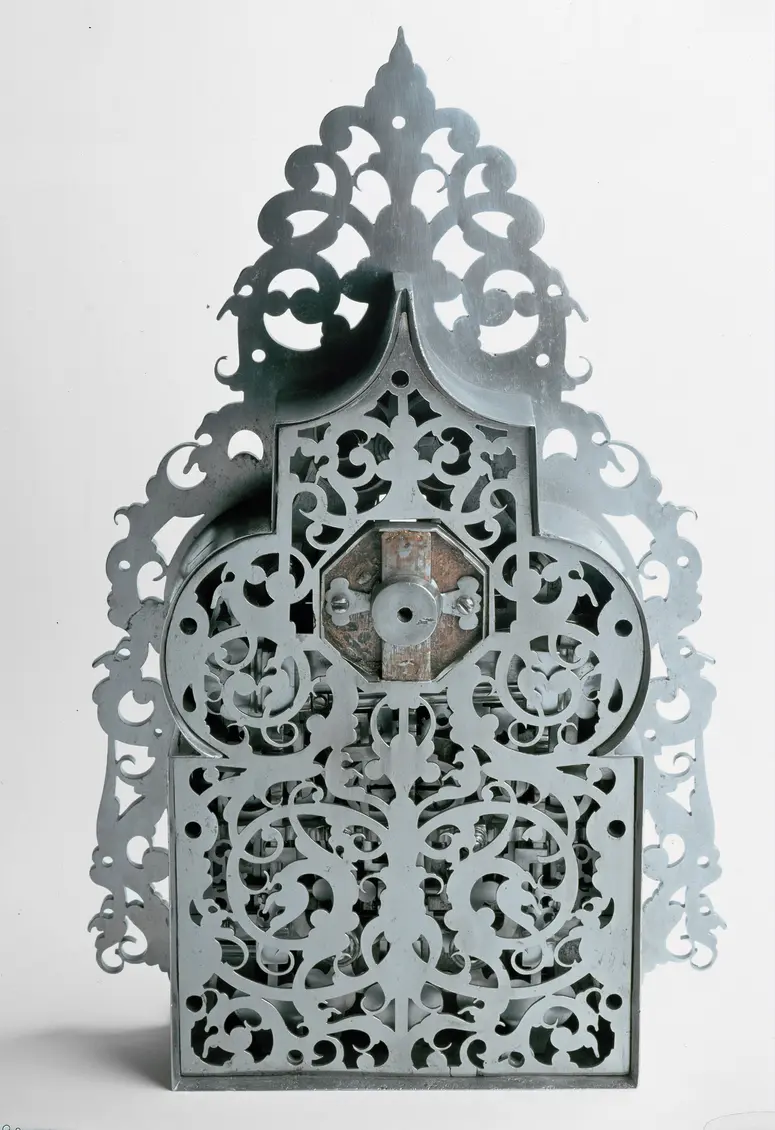
Truhenschloss, Schloss, Gerät, Werkzeug, Schmiedearbeit 16. Jahrhundert
Becher, Herzbecher, Gefäß 2. Hälfte 17. Jahrhundert