Samurai, Samurairüstung
um 1580, Ende 16. Jahrhundert
The armour shows two red letters which can be read as »to get to the right of reign from heaven«. They could go back to Toyotomi Hideyoshi (1537–1598), a man of lower social rank who became souvereign in Japan, to show his legitimacy. Samurai armours are already recorded in the 1607–1611 inventory of the Prague Kunstkammer of Emperor Rudolf II. However, the two armours shown here came via Brussels to Franzensburg in Laxenburg near Vienna only in 1794 and finally were transferred to Ambras Castle in 1880.
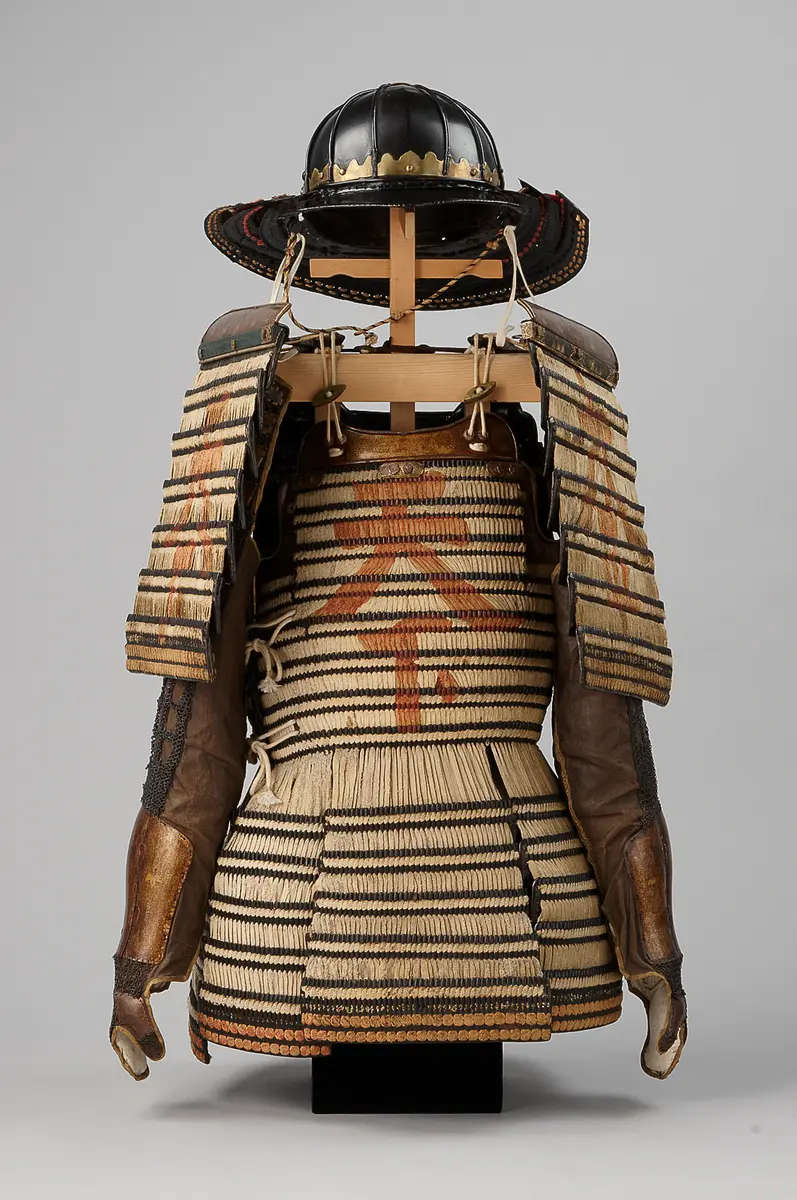
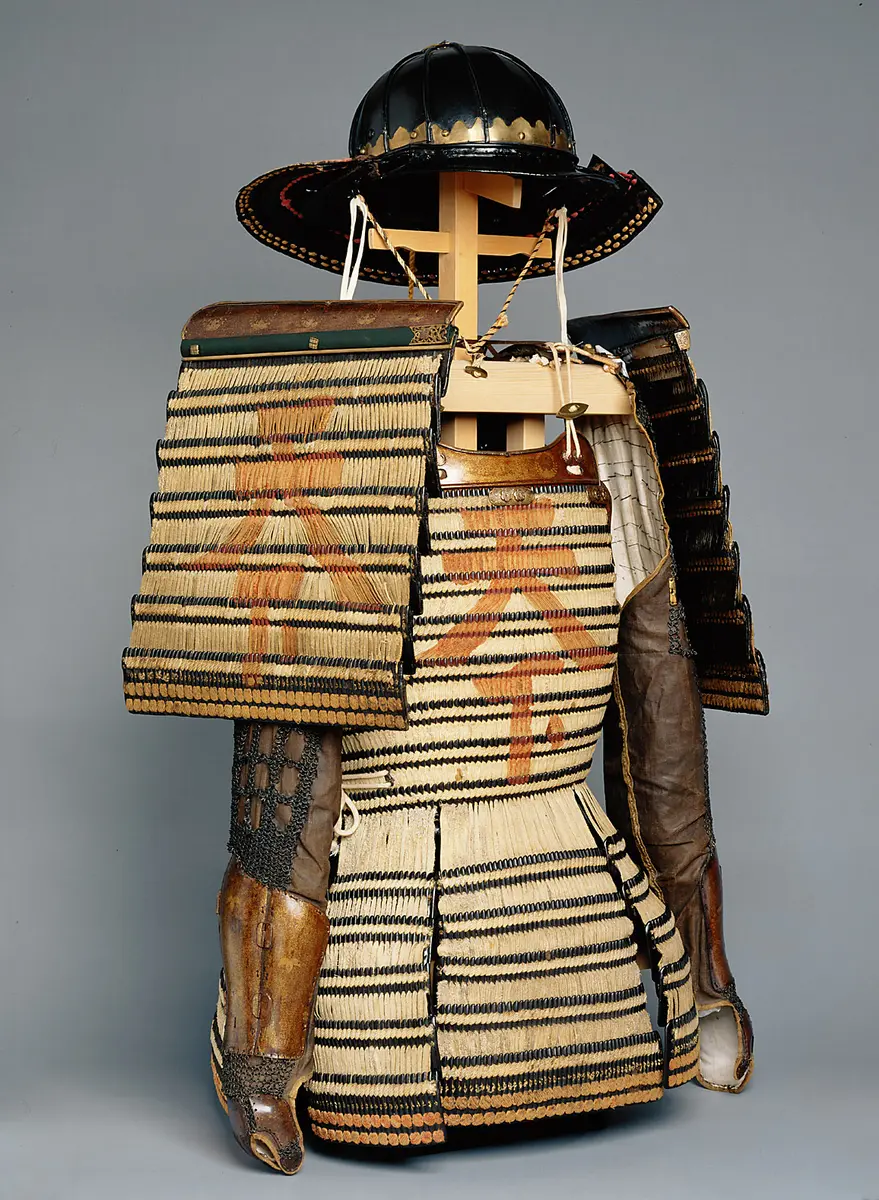
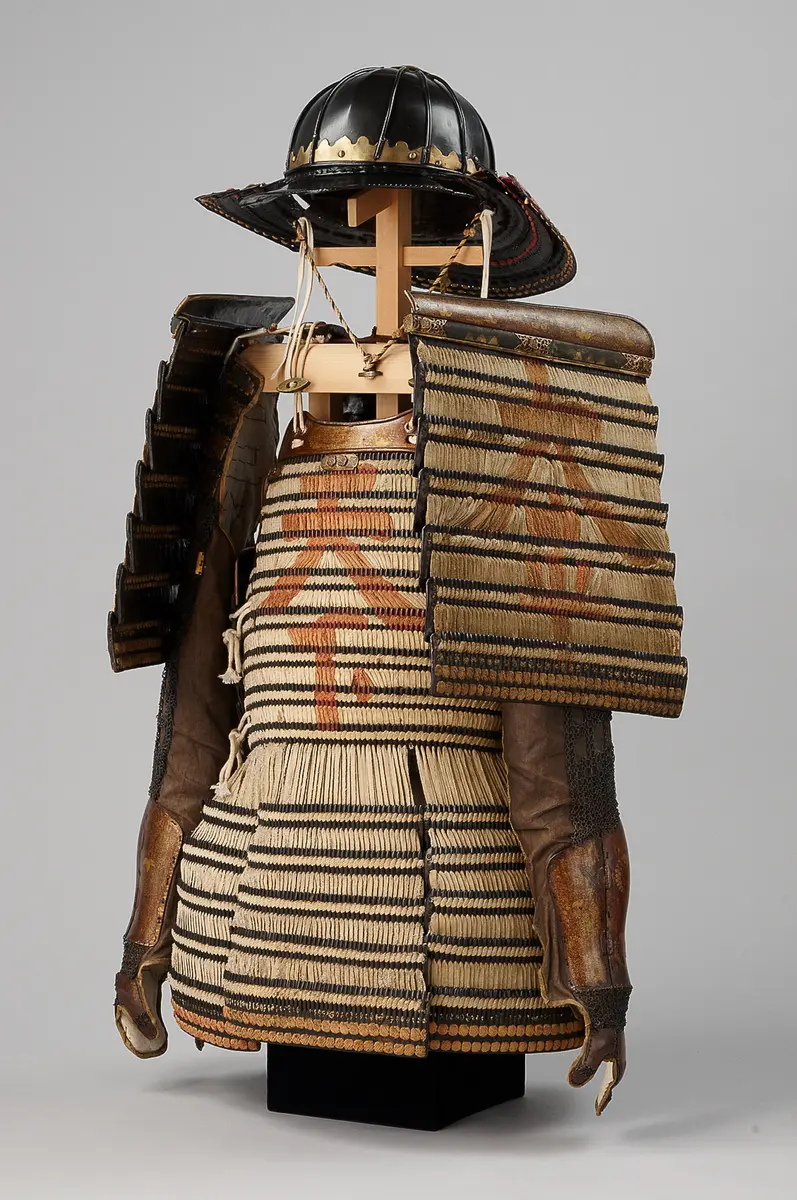
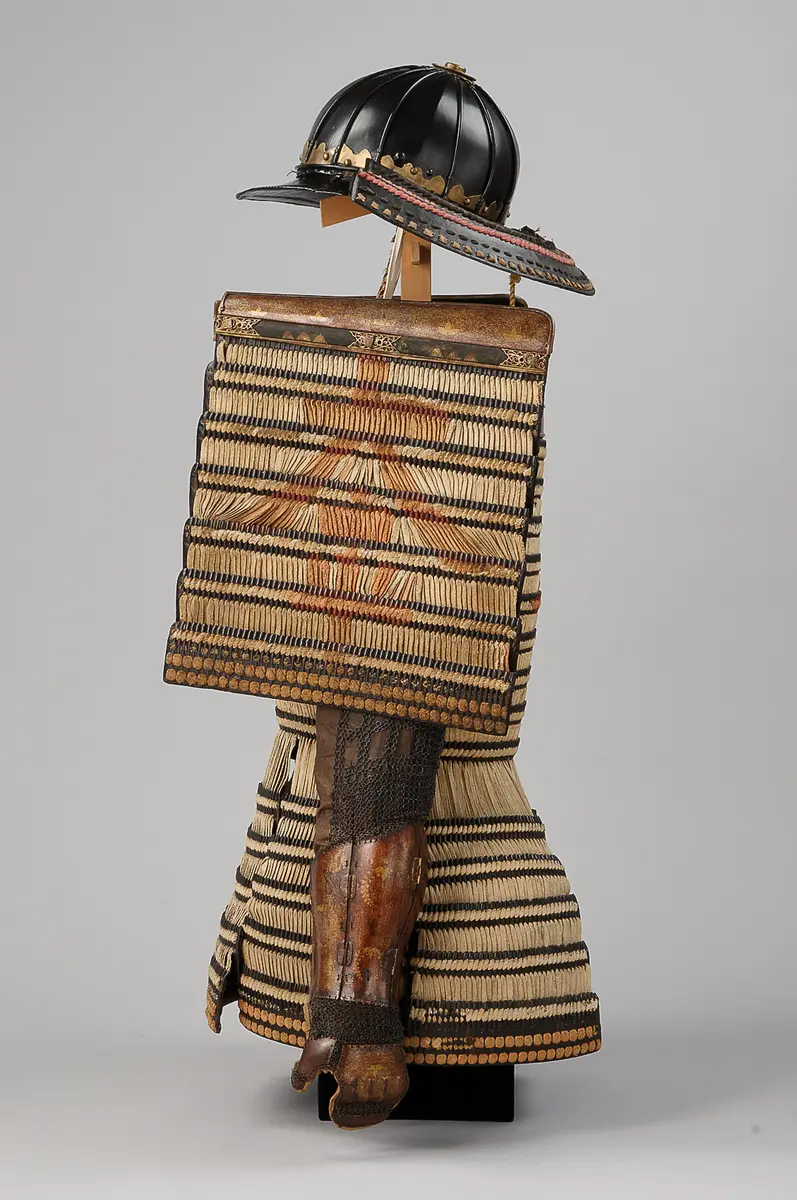
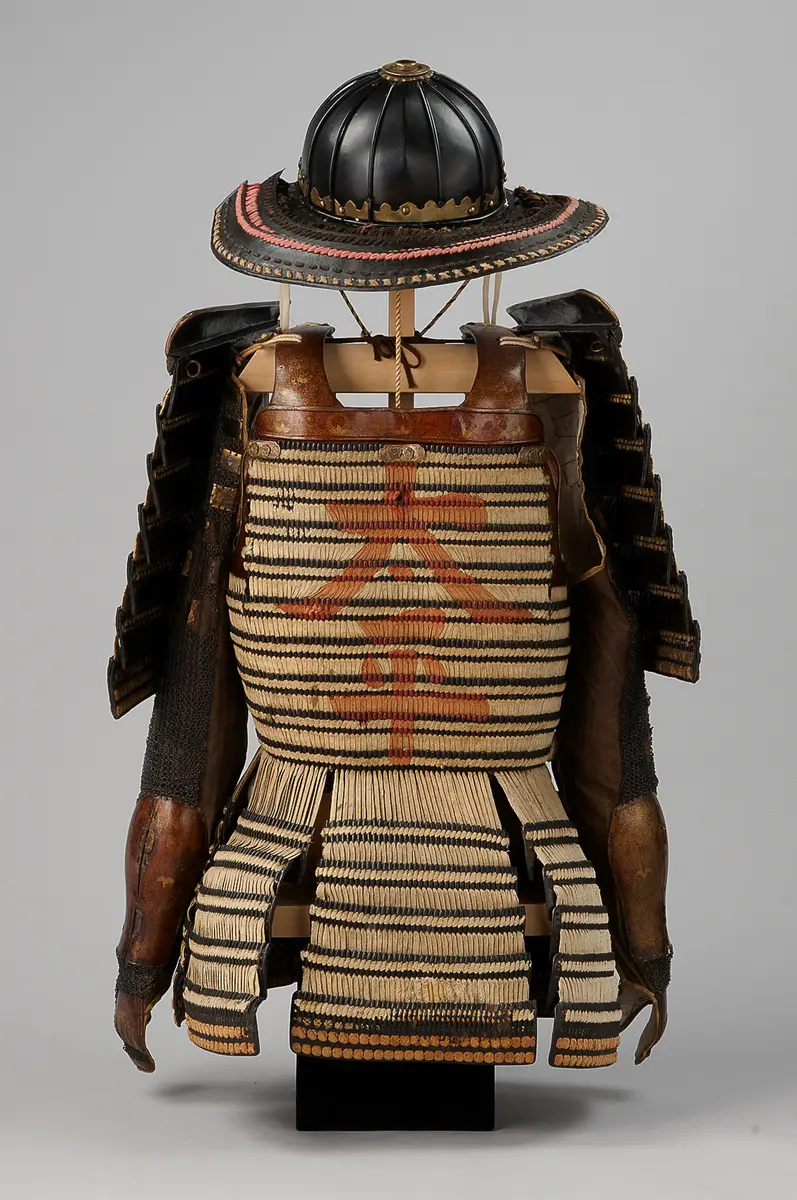
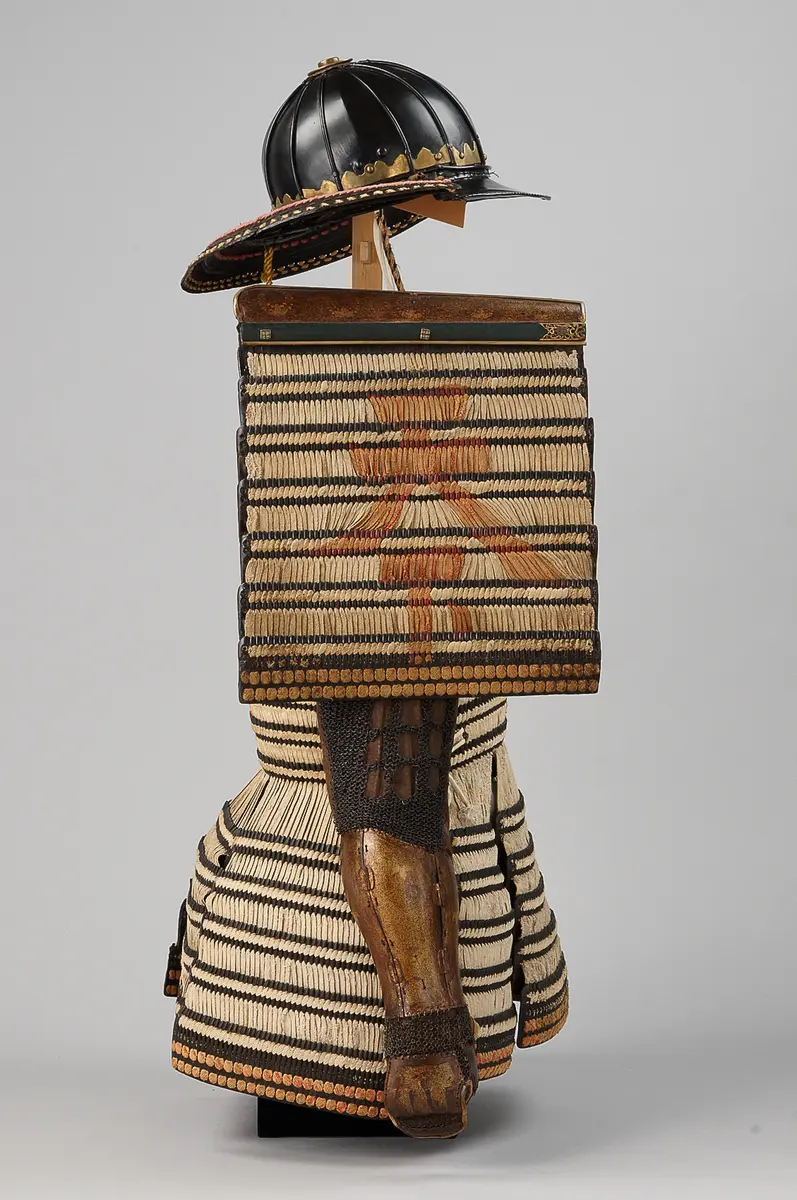
The armour shows two red letters which can be read as »to get to the right of reign from heaven«. They could go back to Toyotomi Hideyoshi (1537–1598), a man of lower social rank who became souvereign in Japan, to show his legitimacy. Samurai armours are already recorded in the 1607–1611 inventory of the Prague Kunstkammer of Emperor Rudolf II. However, the two armours shown here came via Brussels to Franzensburg in Laxenburg near Vienna only in 1794 and finally were transferred to Ambras Castle in 1880.
Time:
um 1580, Ende 16. Jahrhundert
Object Name
Samurai-Rüstung (MOJI-ODOSHI DOMARU GUSOKU), Samurai Harnisch
Culture
Japanisch (Nara?)
Material/technology:
Eisen, Messing, Kupfer, Leder, Lack, textile Knüpfungen
Copyright
Schloss Ambras Innsbruck
Invs.
Schloss Ambras Innsbruck, PA 586
Provenance
Die Rüstung kam wohl 1794 über Brüssel (Sammlung der dortigen habsburgischen Statthalterin) in die Franzensburg/Laxenburg bei Wien und gelangten schließlich 1880 nach Schloss Ambras.
Browse more
Similar items you might be interested in
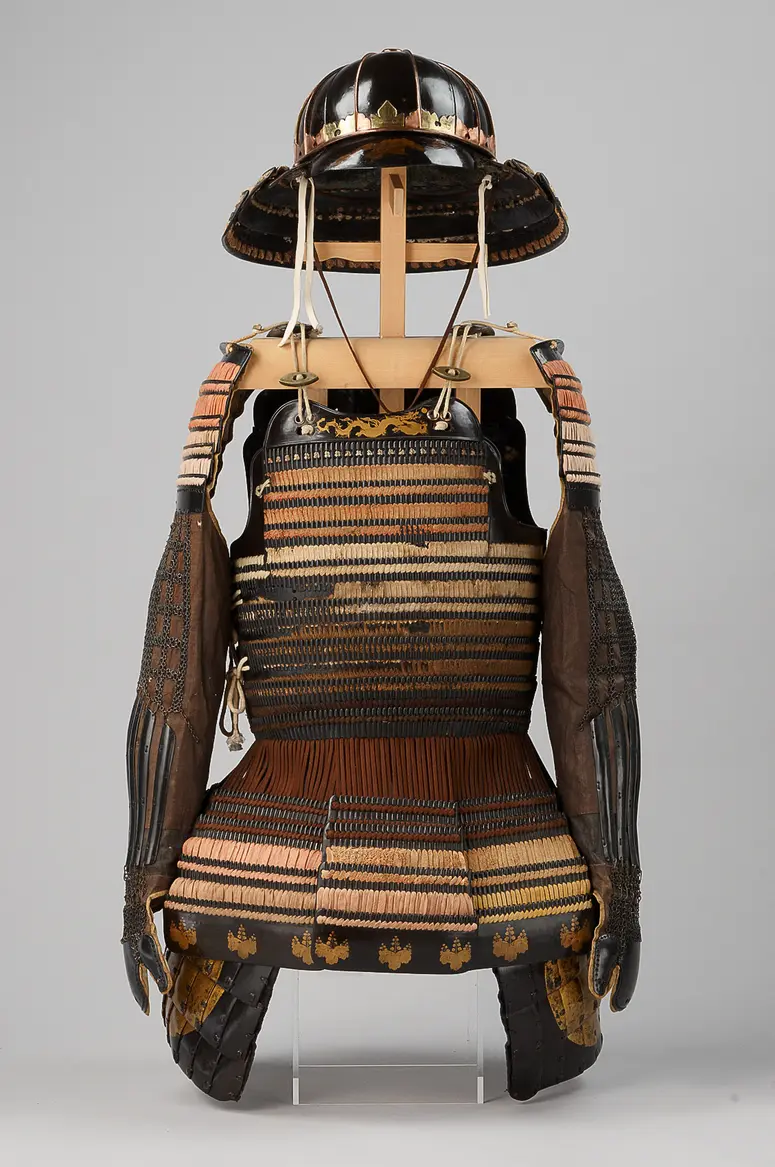
Samurai-Harnisch, Samurai, Samurai Rüstung um 1580, Ende 16. Jahrhundert
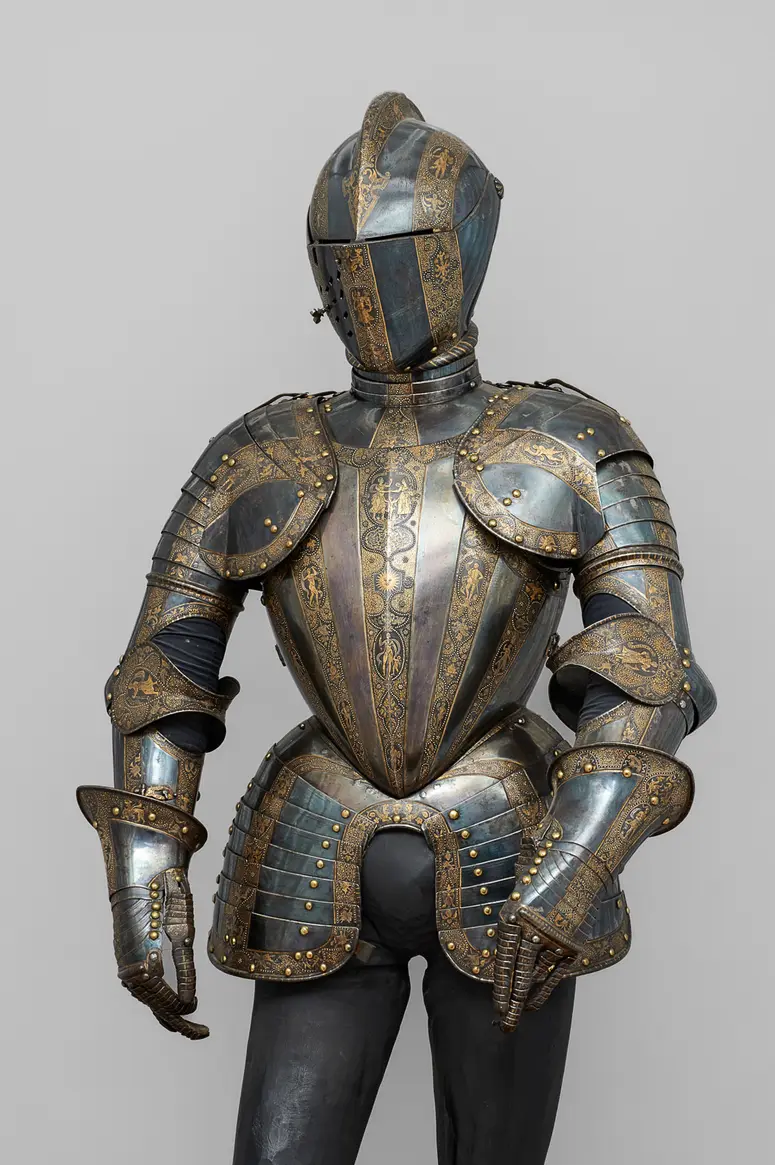
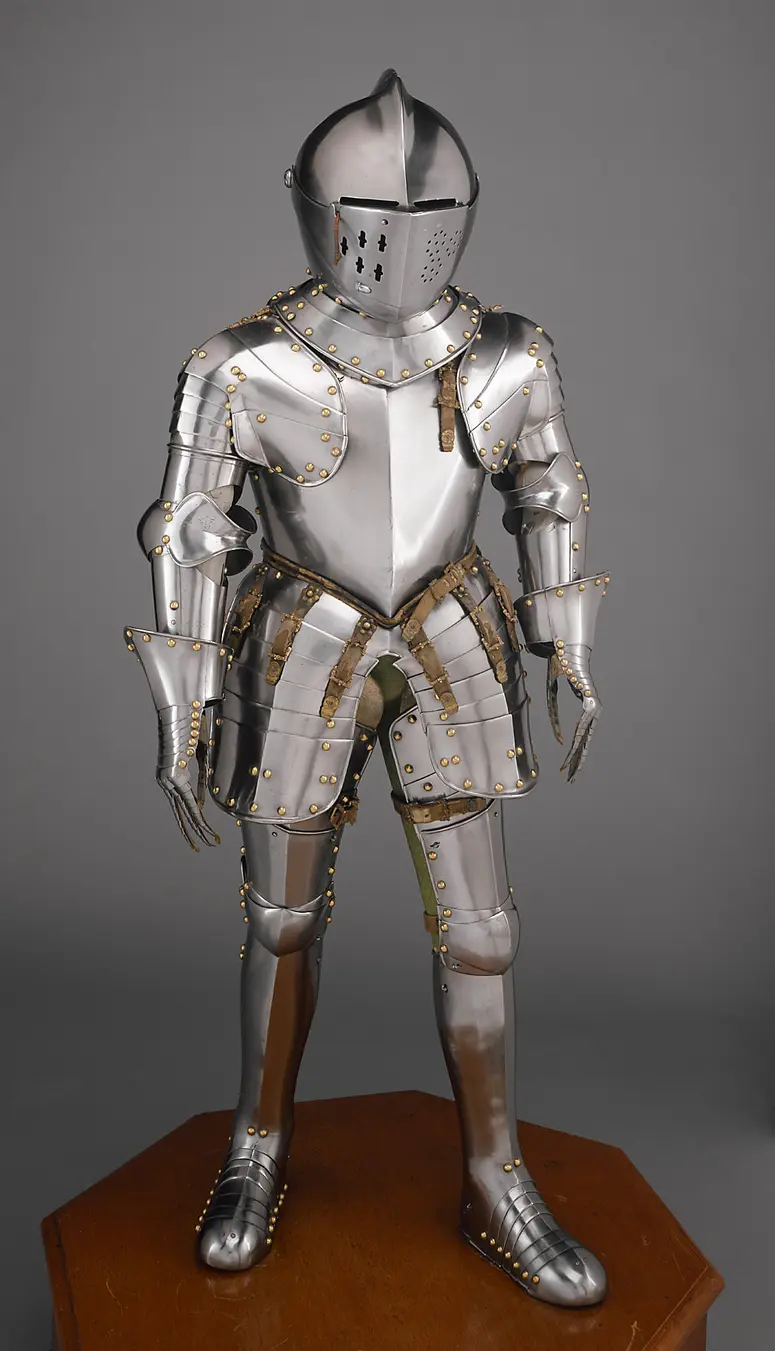
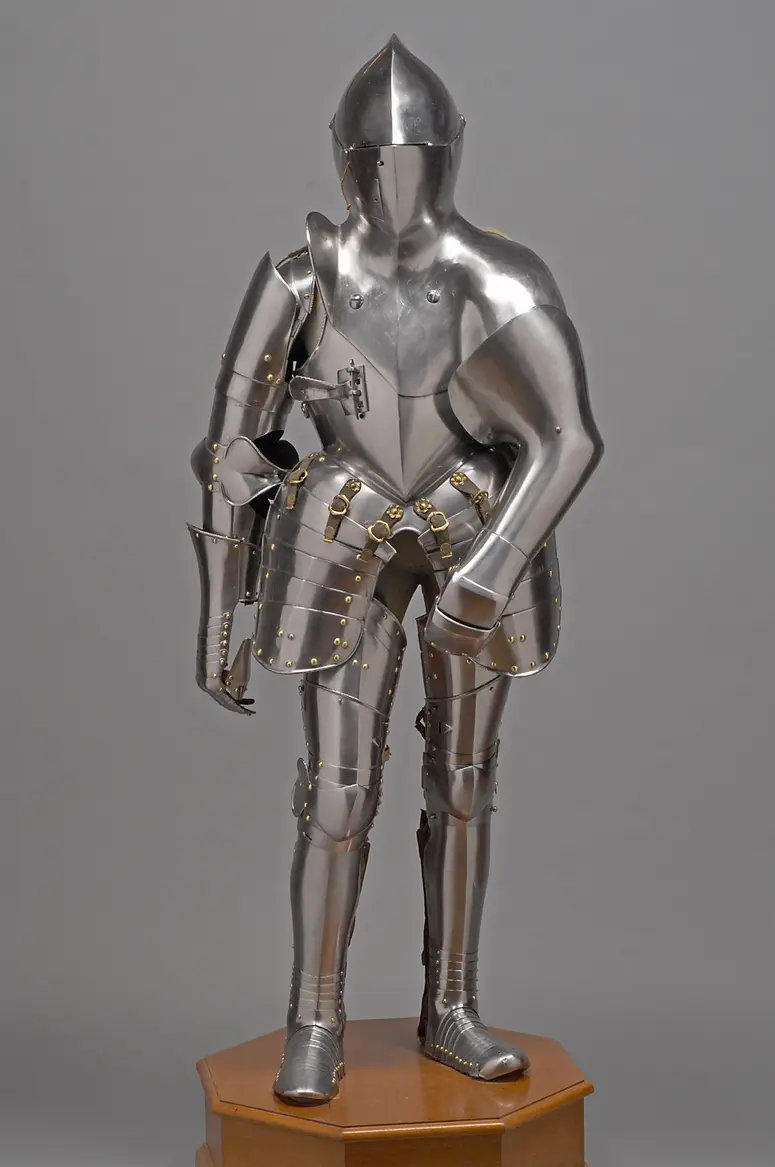
Rüstung zum Plankenstechen (welsches Stechen), ganzer blanker Turnierharnisch Manufacturer: Jakob Topf um 1580/1590
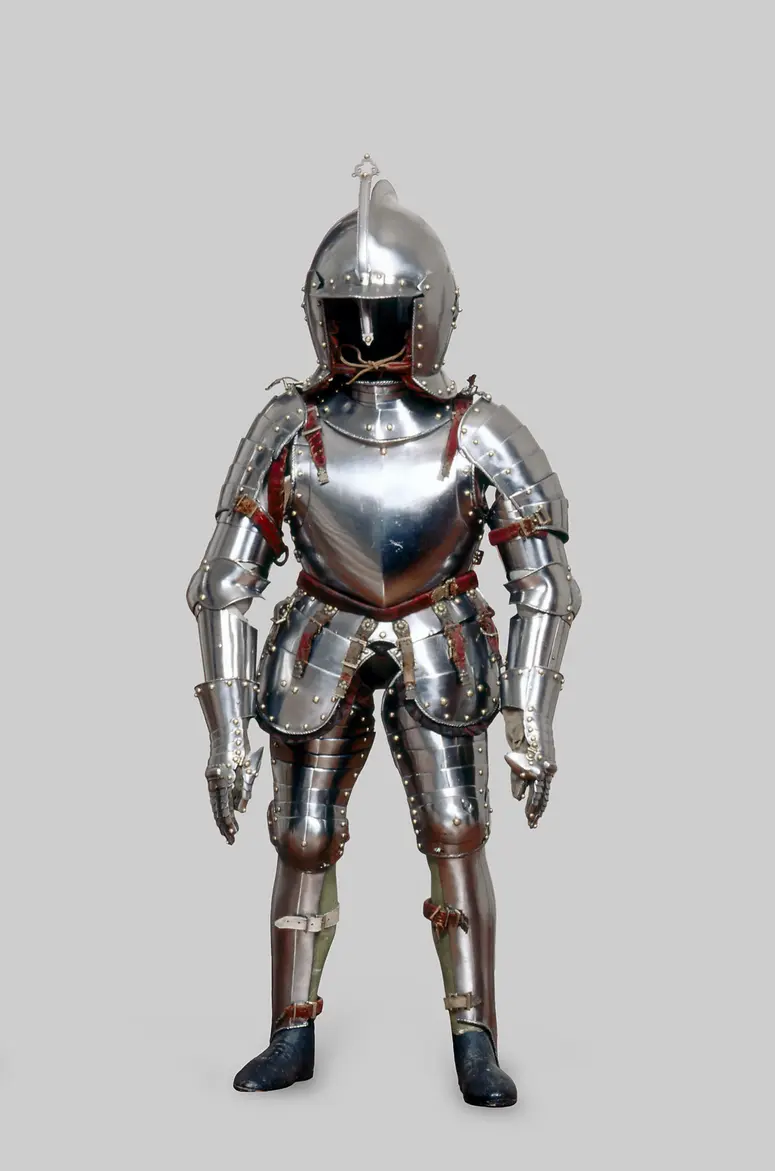
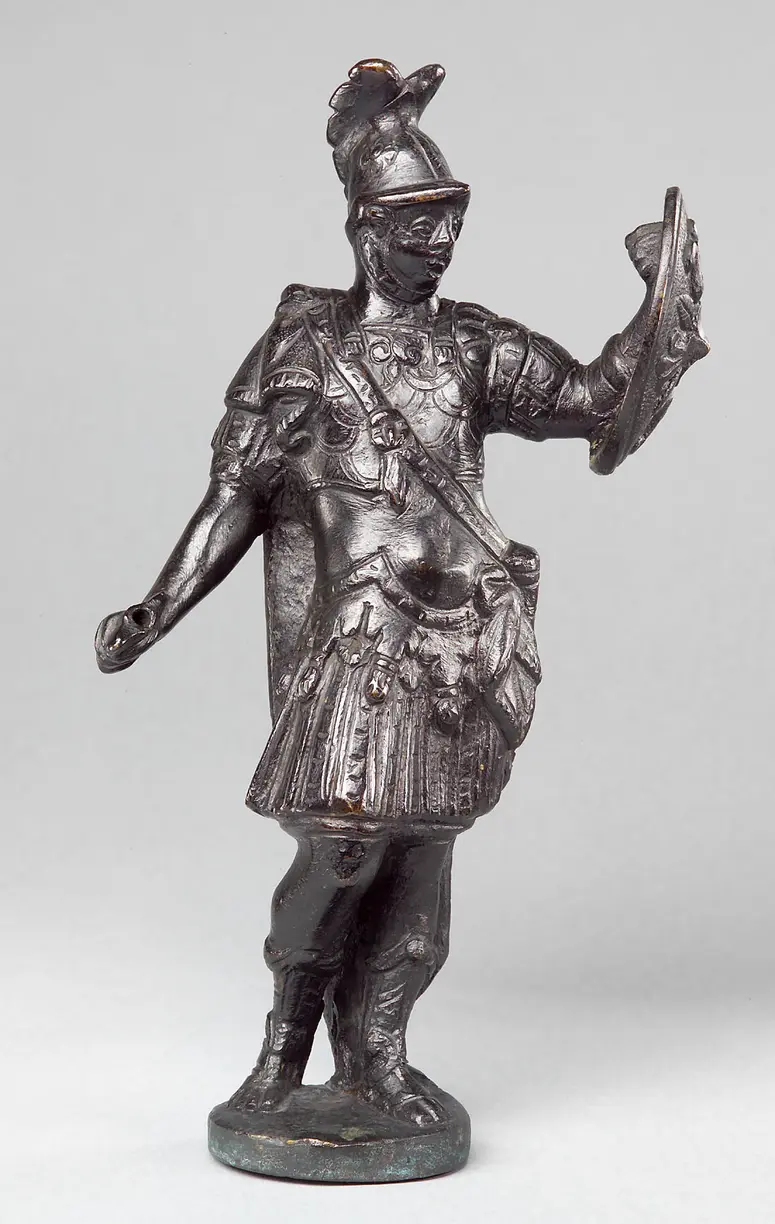
Statuette, Kleinbronze, Bronze, Mars Ende 16. Jahrhundert

Harnisch, Rüstung, Rüstung des Bartlmä Bon, Riesenrüstung, Rüstung Hofriese Knechtsharnisch: um 1560, Knabenrüstungen: um 1575, Gliederpuppe: 1. H. 16. Jh.
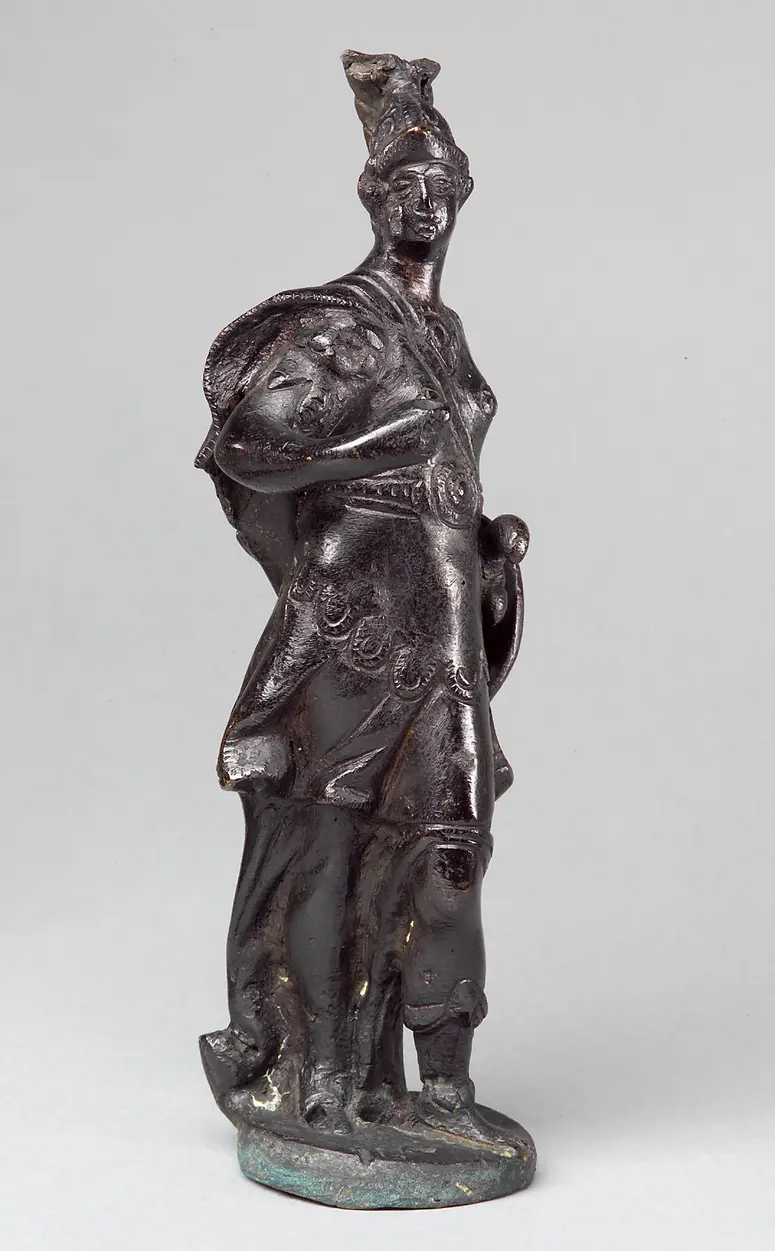
Statuette, Kleinbronze, Bronze, Minverva, Pallas Athene Ende 16. Jahrhundert
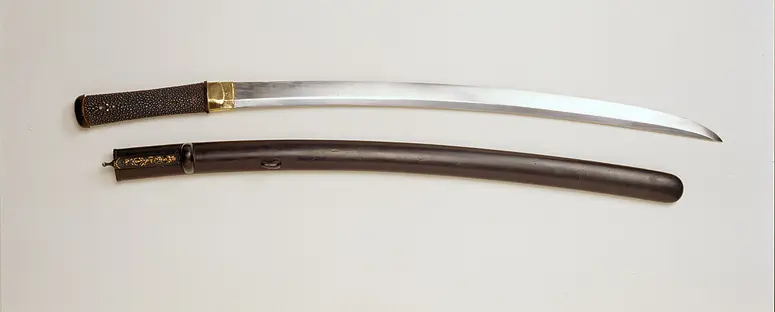

Halbharnisch Ferdinands II. von Tirol mit Harnischröckchen ("Hochzeitsharnisch") 1582
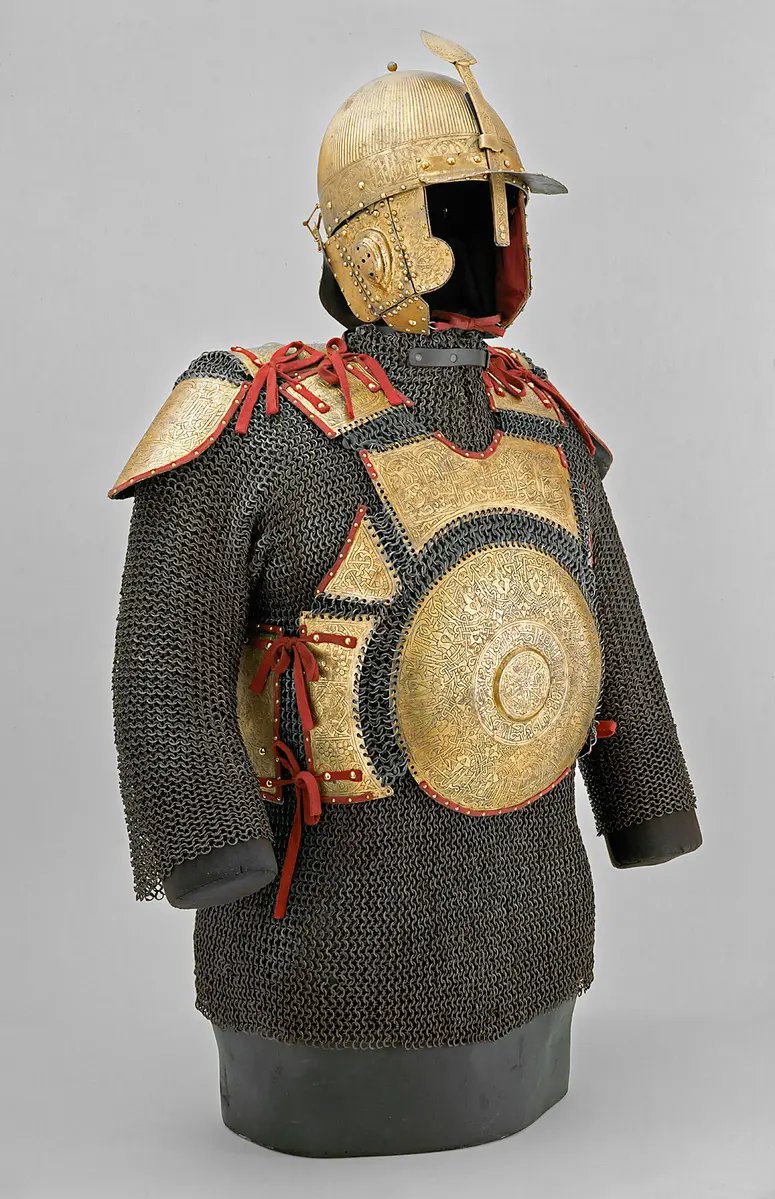
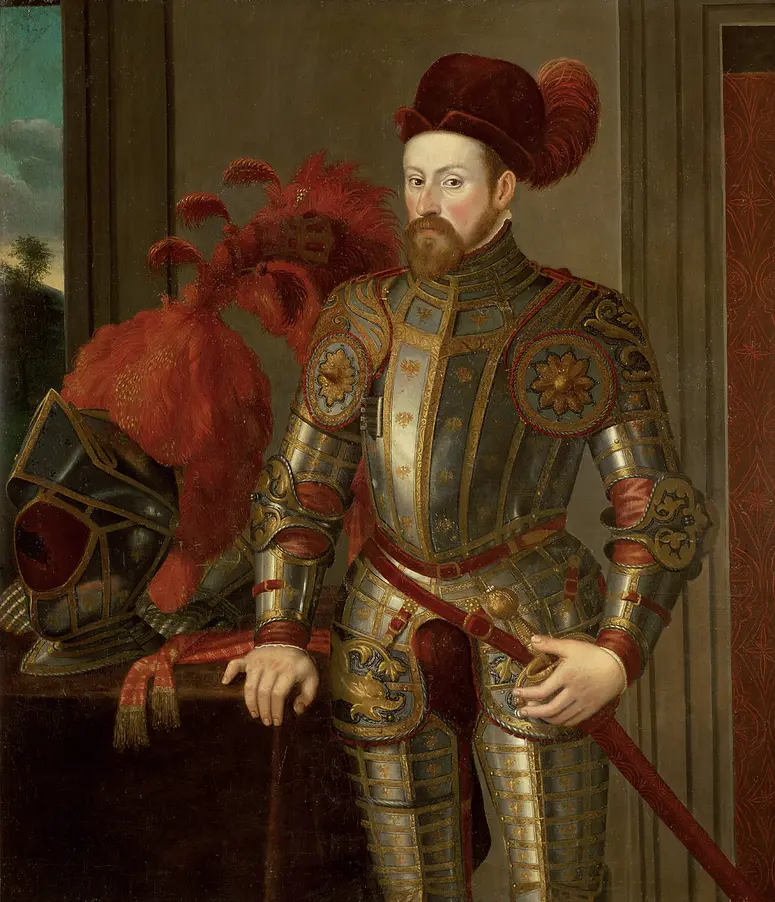
Erzherzog Ferdinand II. (1529-1595), Kniestück in Adlerrüstung Francesco Terzio um 1550
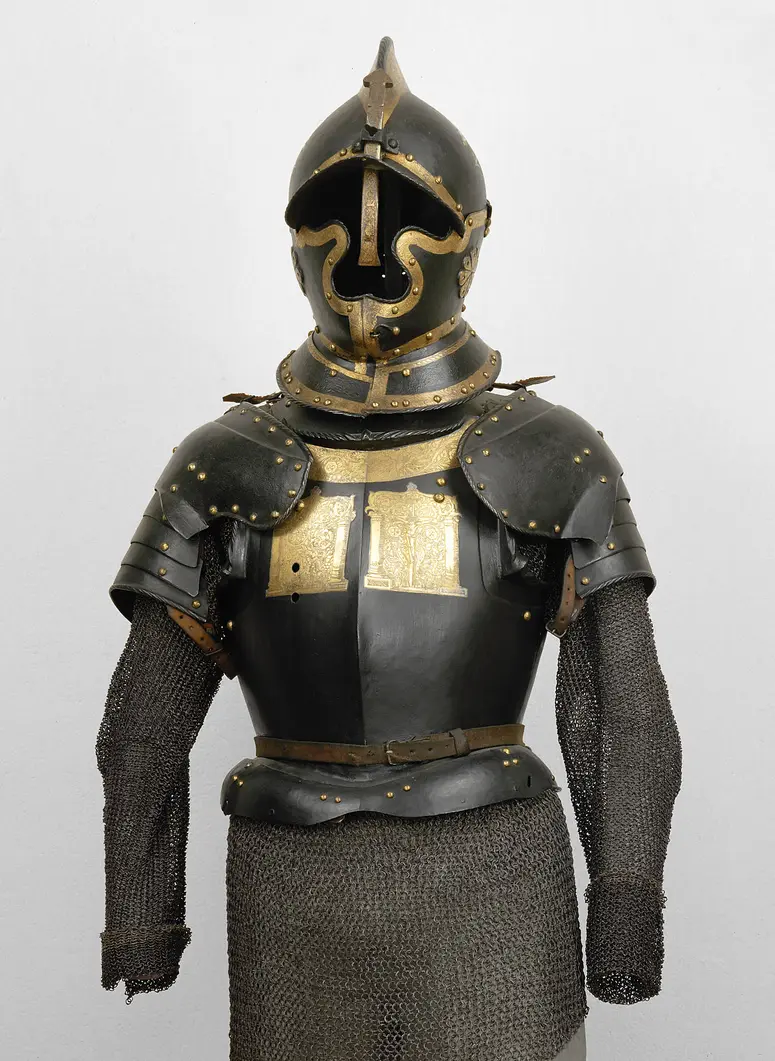
Trabharnisch des Andreas Teufel (Andre Teuffel), Rüstung des Andreas Teufel um 1555
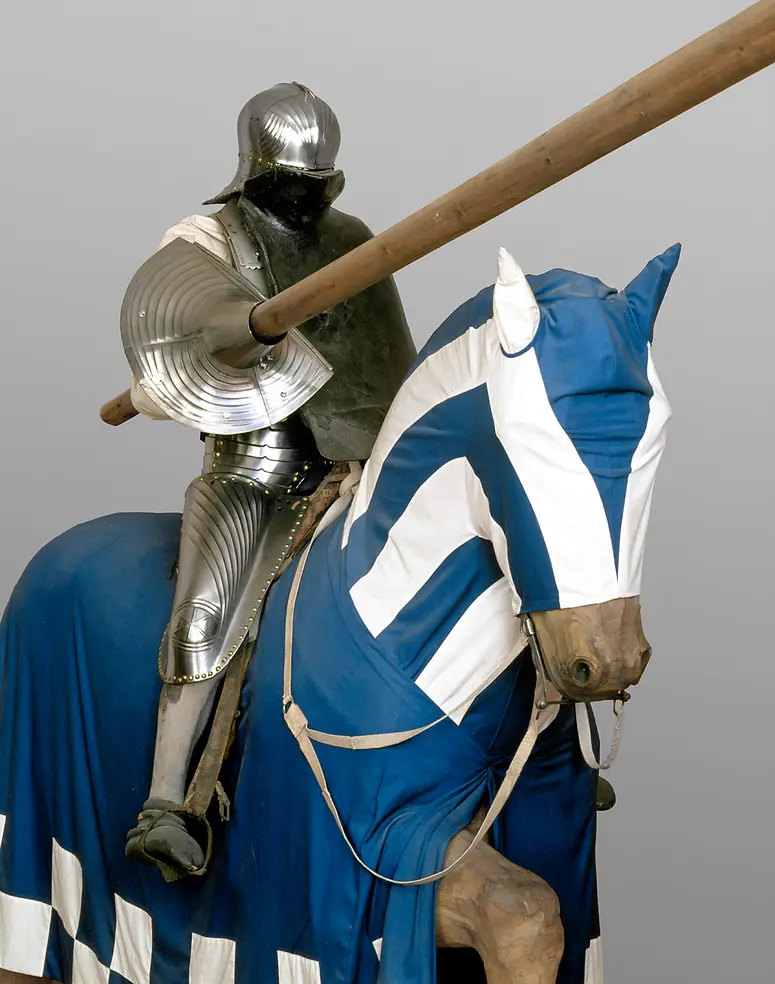
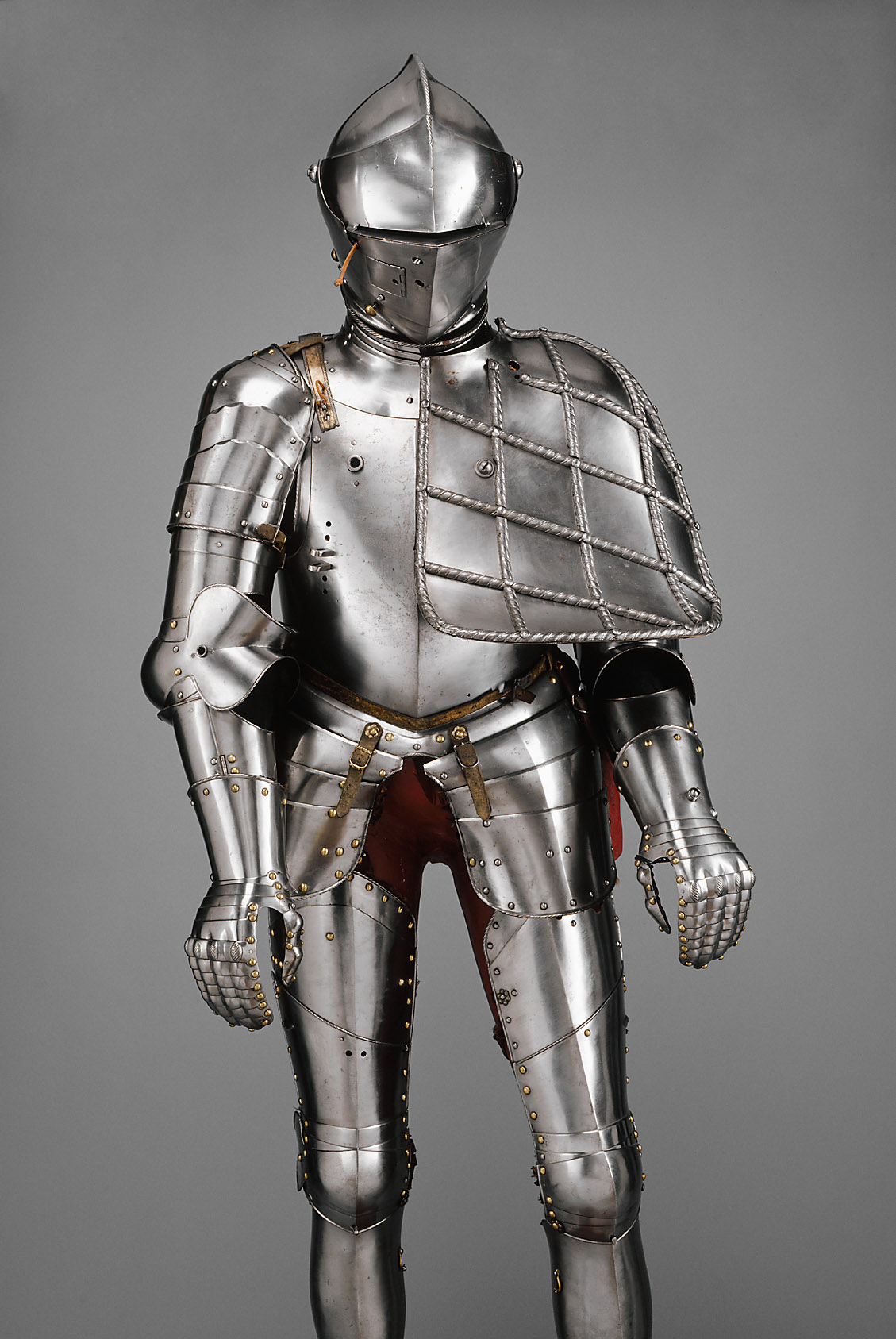
Harnisch zum Plankengestech mit Gittertartsche um 1555/1560