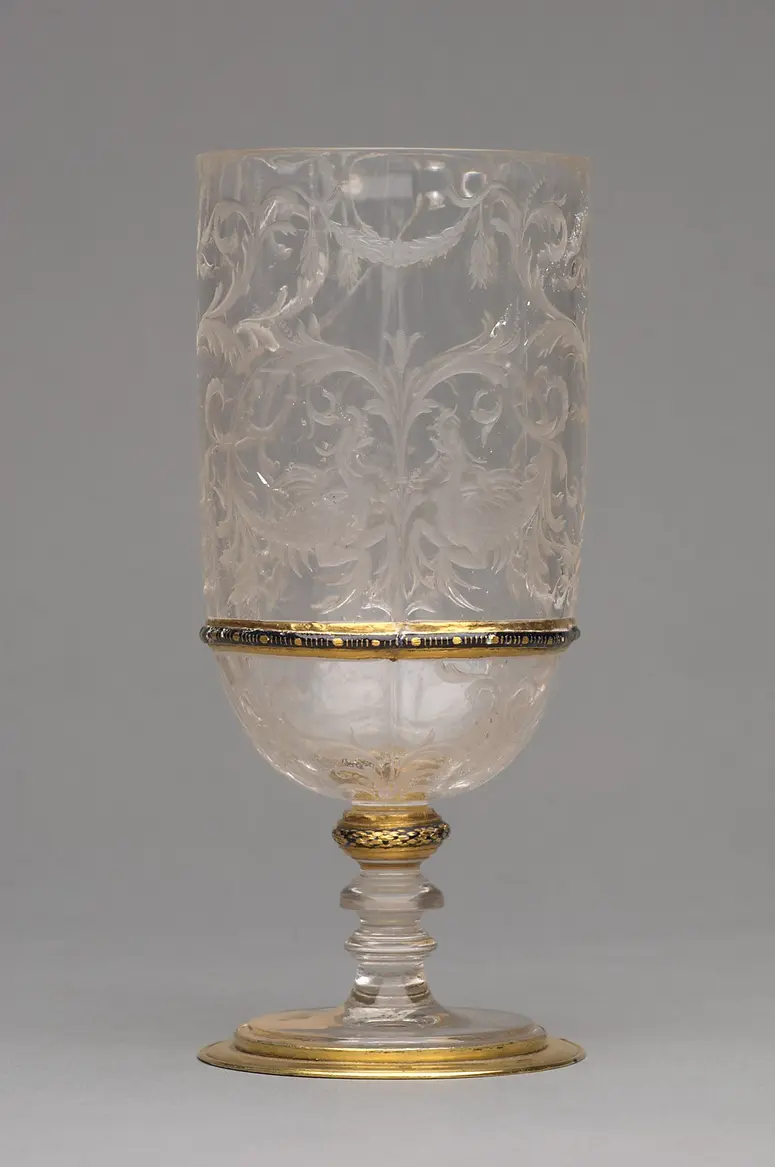
Figurine Bartlmä Bon, Gliederpuppe, Puppe
nach 1560
Bartholomeo (or Bartlmä) Bon came from Riva del Garda near Trento and was a living »Wonder of Nature« with a size of over 2.10 m. In 1560, he accompanied Ferdinand II’s nephews, Archdukes Rudolf (later Emperor Rudolf II) and Ernest, to the imperial tournament in Vienna. The wooden manikin in its typical lancer’s attire is a unique original of the sixteenth century. Already in the original setting of Ferdinand´s collection of the 2nd armoury, the figurine dressed up with a suit of armour was situated at this place, sourrounded by children´s suits of armouries. Bon´s infantry armour might had been manufactured by Ferdinand’s armourers workshop during his reign in Prague before 1567.
Time:
nach 1560
Object Name
Figurine des Bartlmä Bon, Gliederpuppe, Puppe
Culture
Süddeutsch, Tirol (?)
Material/technology:
Holz, zum Teil farbig gefasst, Baumwolle (?)
Dimensions:
H. 283 cm, B. 90 cm, T. 100 cm
Copyright
Schloss Ambras Innsbruck
Invs.
Schloss Ambras Innsbruck, PA 1358
Provenance
aus der Ambraser Sammlung, in der zweiten Ambraser Rüstkammer inventarisch ab 1581/83 nachweisbar; heutiger Standort entspricht der historischen Aufstellungsposition
Browse more
Similar items you might be interested in
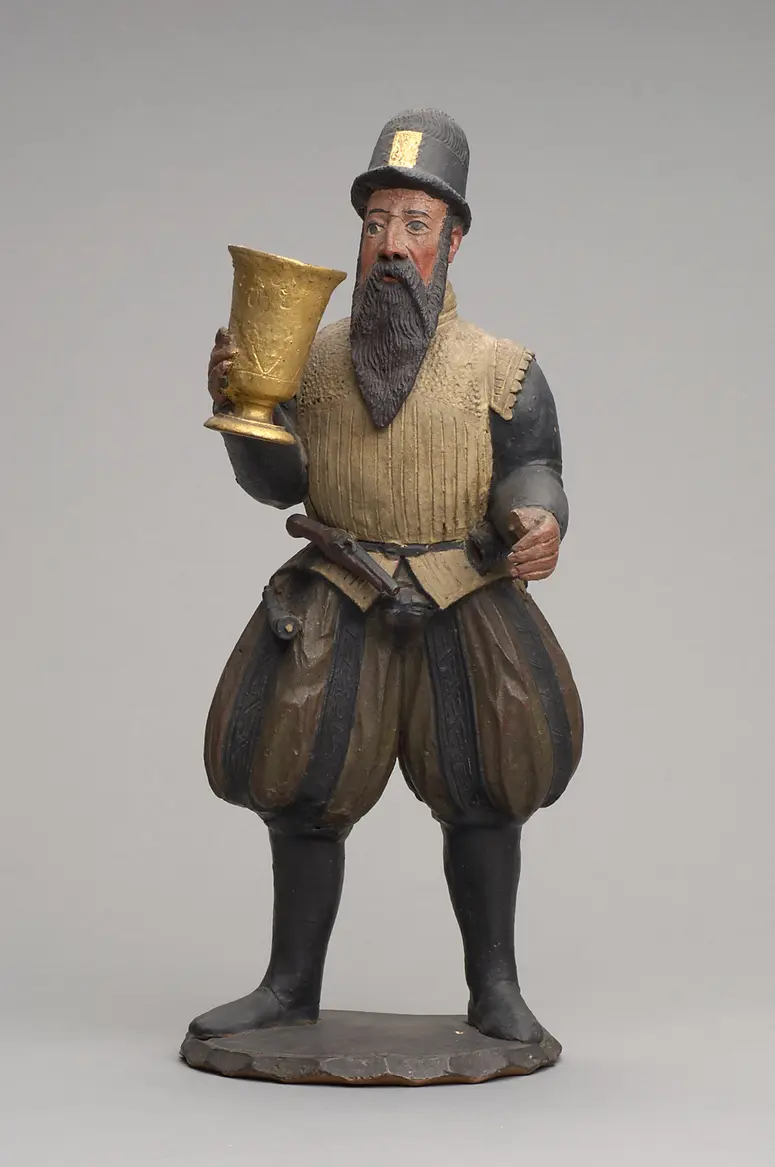
Trinkender Edelmann Christoph Gandtner Ende 16. Jahrhundert
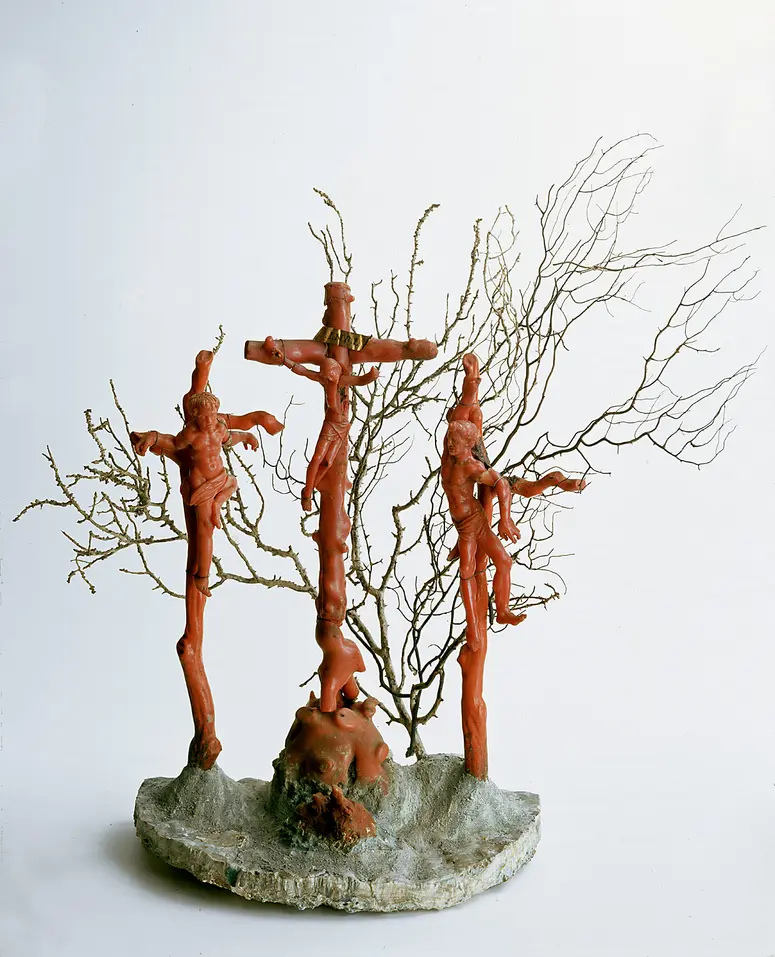
Korallenstamm, Koralle, Kreuzigungsgruppe, Kreuzigung 2. Hälfte 16. Jahrhundert
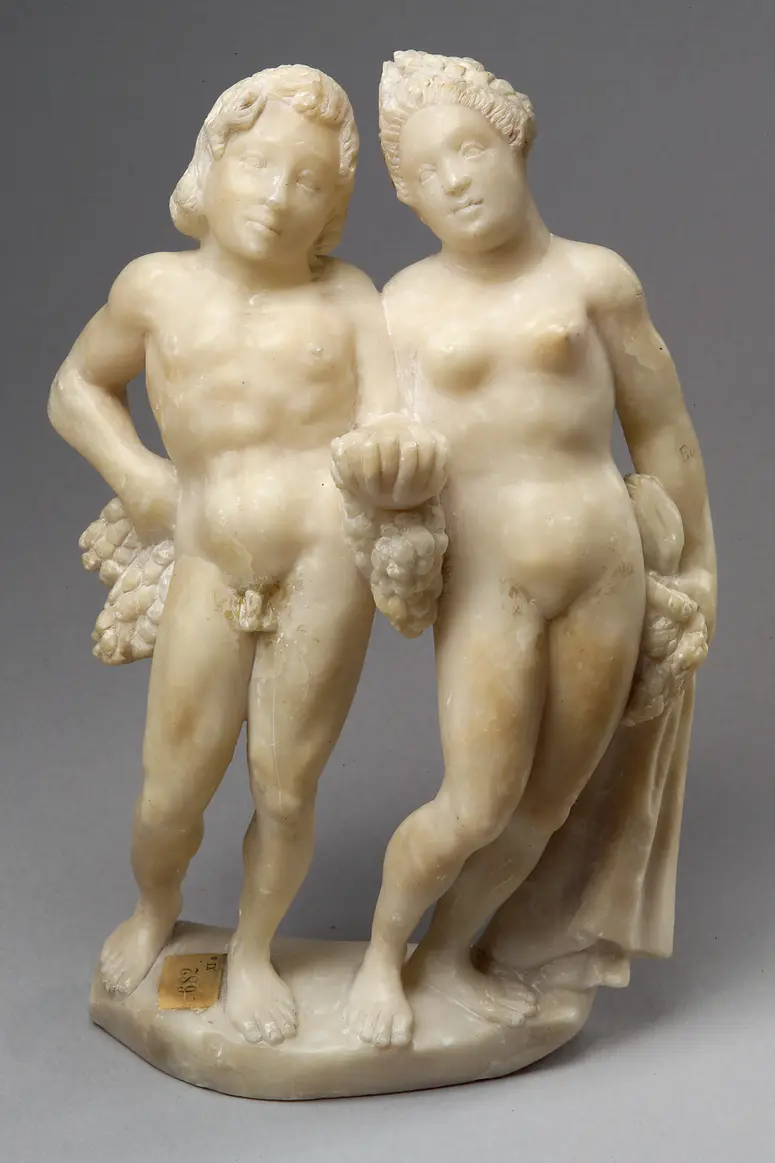
Statuette, Skulptur, Marmorgruppe, Bacchus und Ariadne 16. Jahrhundert

Handstein, Grotte, Kreuzigungsgruppe 3. Viertel 16. Jahrhundert
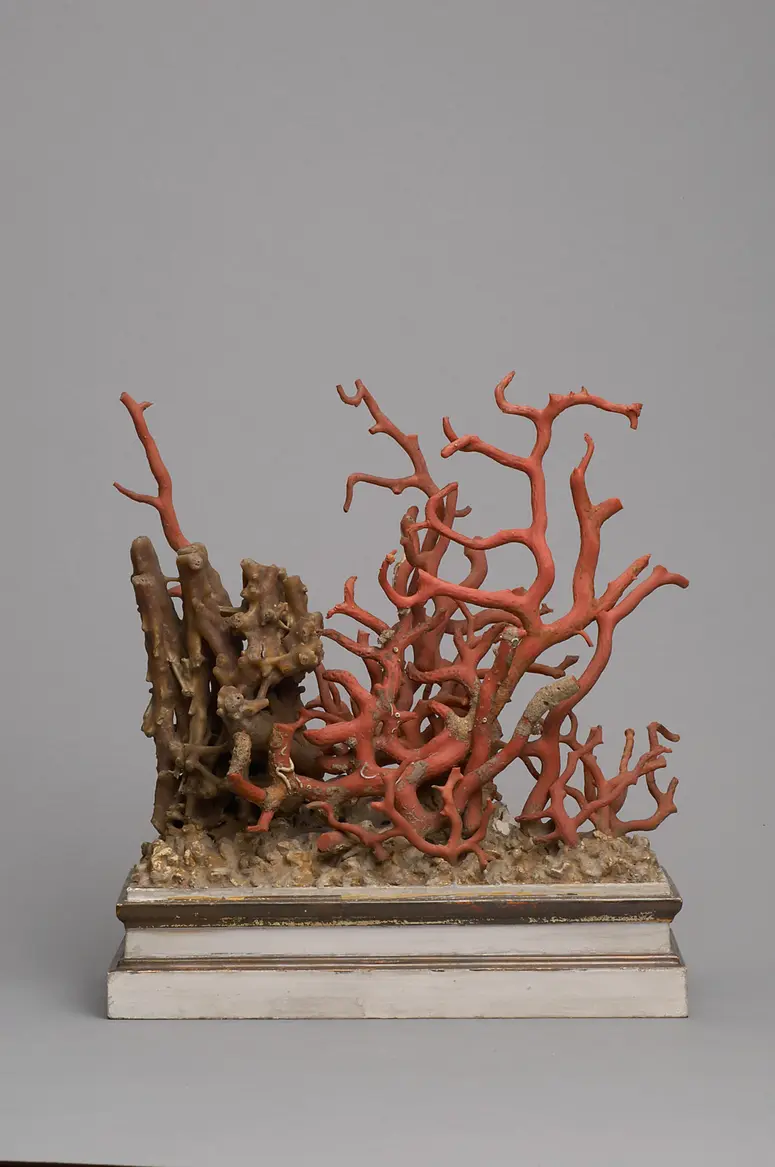
Korallenstamm, Koralle, Naturalie 16. Jahrhundert

Korallenstamm, Koralle, Naturalie 16. Jahrhundert

Korallenstamm, Koralle, Naturalie 16. Jahrhundert

Korallenstamm, Naturalie, Koralle 16. Jahrhundert

Christus am Kreuz zwischen Maria und Johannes; Skulptur, Koralle, Schnitzerei Ende 16. Jahrhundert
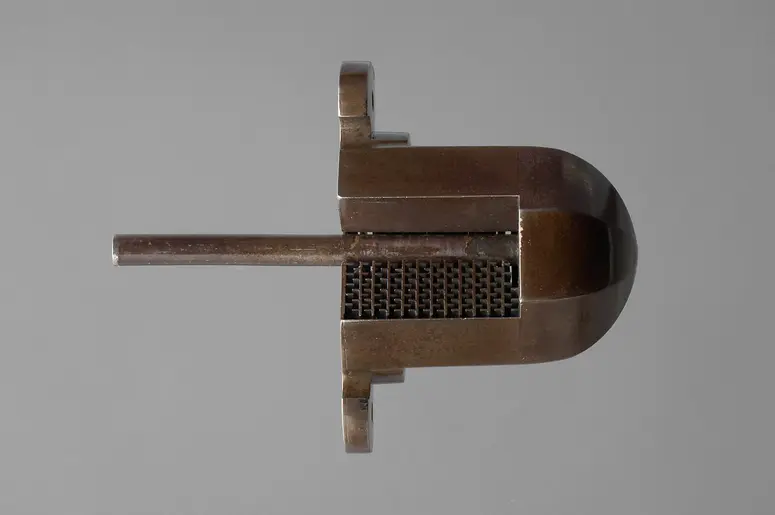
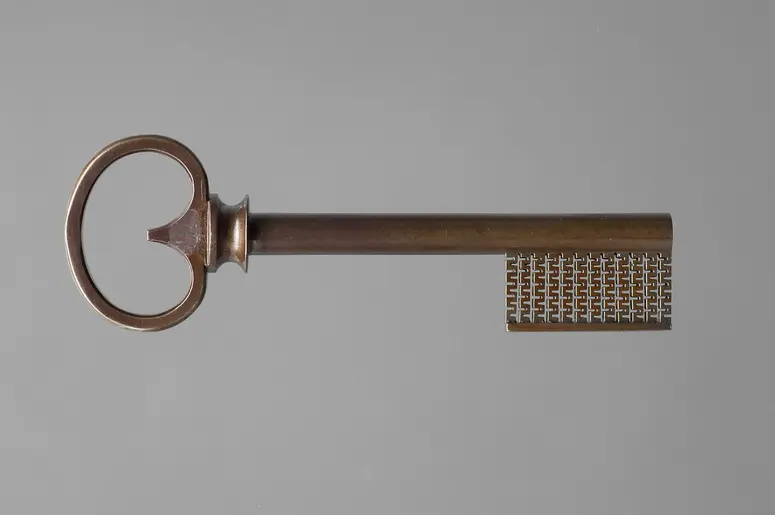
Schloss, Kapelleneingerichte Anfang 16. Jahrhundert
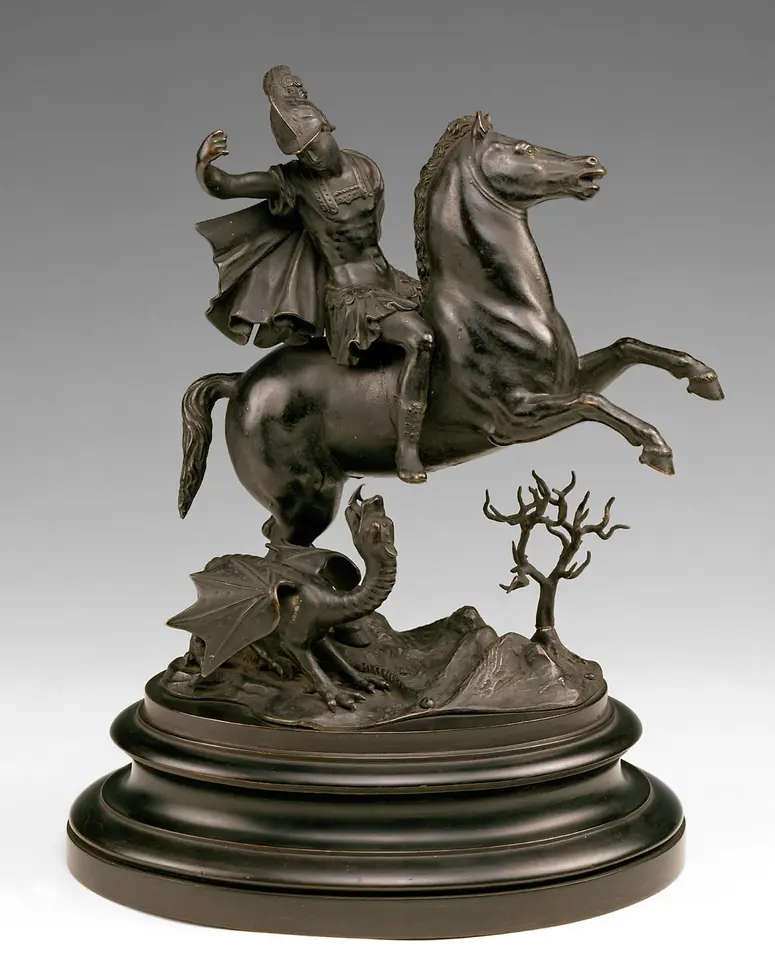
Reiterstatuette des Hl. Georg, Statuette, Kleinbronze, Bronze, Heiliger Georg Caspar Gras spätes 17. Jahrhundert (?)
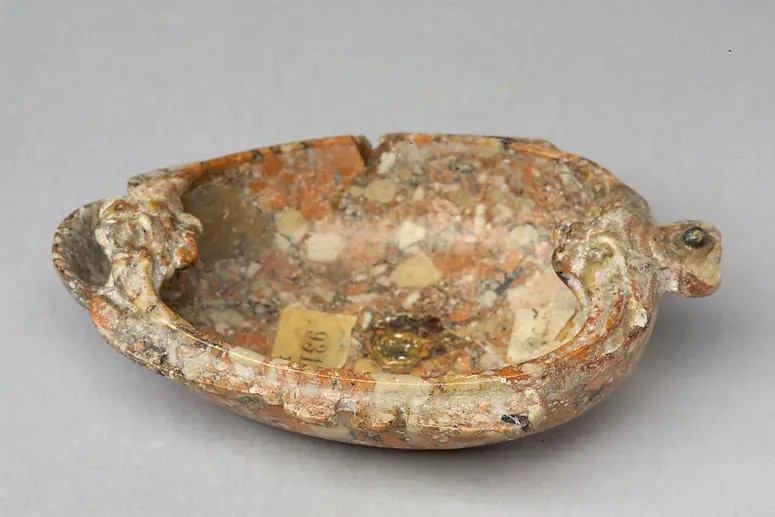
Schale, Marmorschale, Gefäß 16. Jahrhundert