Altar
2. Hälfte 4. Jh. v. Chr.
In ancient sanctuaries the gods were not worshipped in the temple, sacrifices were instead offered and religious feasts celebrated at and around the altar erected in front of the temple. With the ascent of Christianity, ancient temples were often turned into churches but as the actual site of »heathen cults« the altars were generally razed and destroyed. The foundations of the altar of the Temple of Artemis were only discovered in the 1960s. Individual building components had been found around Ephesus earlier – they had been repurposed in Late Antiquity to pave the city’s streets. Subsequent archaeological campaigns found additional fragments that match the pieces now in Vienna, documenting that they belong to the altar. The excavated ground plan and the few assignable building components form the basis for Anton Bammer and Ulrike Muss’s reconstruction. Base stones imitating wooden slats enclose the inner court; the double-meander frieze bears witness to the exceptional quality of late-classical workmanship. Scholars still debate whether the Amazon relief originally decorated the altar. Its subject matter, however, clearly ties it to the Artemision: in the mythical past, the Amazons were allegedly granted asylum in the sanctuary. In the fifth century bc, artists were invited to produce a statue of an Amazon for the Temple of Artemis. Today, the different entries to this competition are only known through Roman copies but the three types are attributed to the competing sculptors Phidias, Polyclitus and Kresilas respectively.
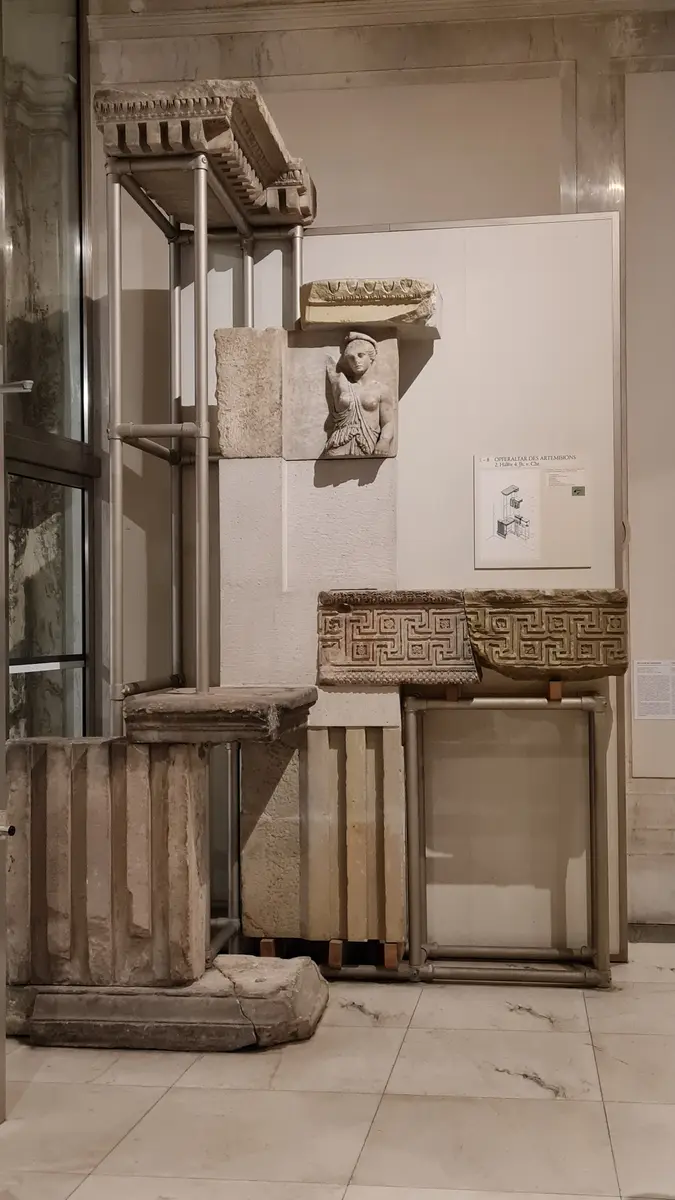
In ancient sanctuaries the gods were not worshipped in the temple, sacrifices were instead offered and religious feasts celebrated at and around the altar erected in front of the temple. With the ascent of Christianity, ancient temples were often turned into churches but as the actual site of »heathen cults« the altars were generally razed and destroyed. The foundations of the altar of the Temple of Artemis were only discovered in the 1960s. Individual building components had been found around Ephesus earlier – they had been repurposed in Late Antiquity to pave the city’s streets. Subsequent archaeological campaigns found additional fragments that match the pieces now in Vienna, documenting that they belong to the altar. The excavated ground plan and the few assignable building components form the basis for Anton Bammer and Ulrike Muss’s reconstruction. Base stones imitating wooden slats enclose the inner court; the double-meander frieze bears witness to the exceptional quality of late-classical workmanship. Scholars still debate whether the Amazon relief originally decorated the altar. Its subject matter, however, clearly ties it to the Artemision: in the mythical past, the Amazons were allegedly granted asylum in the sanctuary. In the fifth century bc, artists were invited to produce a statue of an Amazon for the Temple of Artemis. Today, the different entries to this competition are only known through Roman copies but the three types are attributed to the competing sculptors Phidias, Polyclitus and Kresilas respectively.
Time:
2. Hälfte 4. Jh. v. Chr.
Object Name
Altar
Culture
Griechisch
Location of discovery:
Ephesos (Selçuk, Kleinasien, Türkei)
Material/technology:
Marmor
Copyright
Kunsthistorisches Museum, Antikensammlung
Invs.
Antikensammlung, I Artemisionsaltar
Provenance
Sultan, Abdul, Hamid, II.; Österreichische Ausgrabungen in Ephesos; Geschenk an Kaiser Franz Joseph; 1978 nachträglich inventarisiert
Browse more
Similar items you might be interested in
Inschrift: Türsturz mit Abgaros-Inschrift Frühchristlich, Spätantike 5. - 6. Jh. n. Chr.

Wanddekoration, Platte, Teller, Einlegearbeit, Korallenmosaik 1. Hälfte 17. Jahrhundert
Wanddekoration, Relief, Einlegearbeit, Korallenmosaik 1. Hälfte 17. Jahrhundert
Statuette, Kleinbronze, Bronze, Venus marina Nicolo Roccatagliata Ende 16. Jahrhundert
Aufsatz, Schnitzarbeit, Filigranarbeit, Heiliges Grab 2. Hälfte 16. Jahrhundert
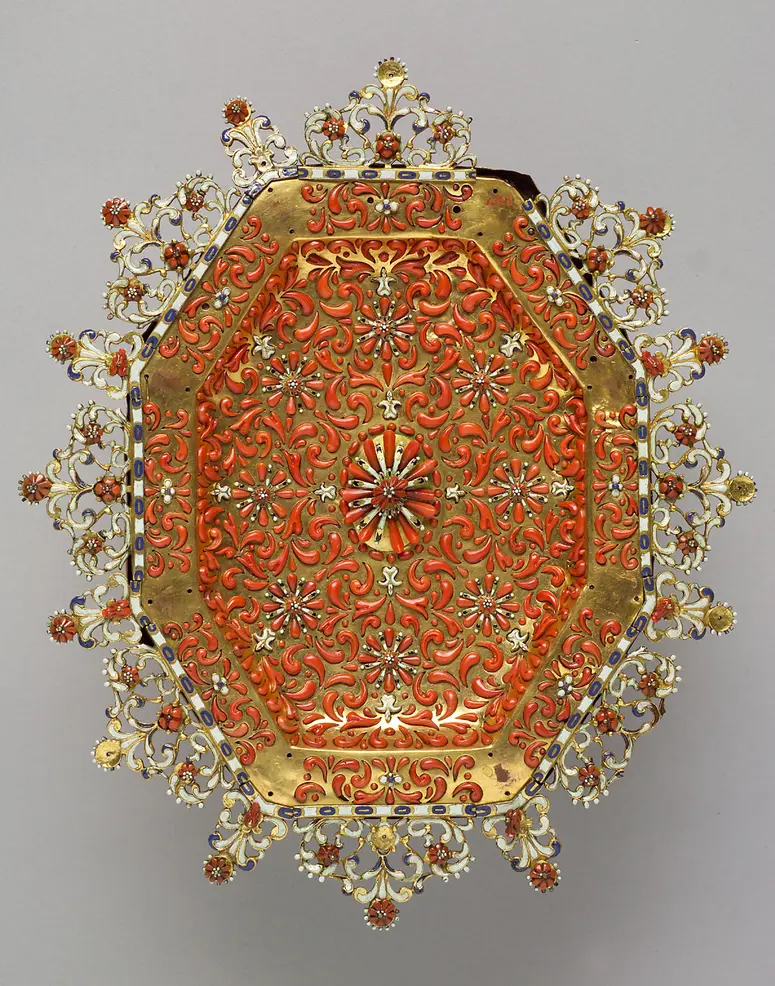
Gefäß, Teller, Platte, Korallenmosaik, Einlegearbeit Ende 16. Jahrhundert / Anfang 17. Jahrhundert
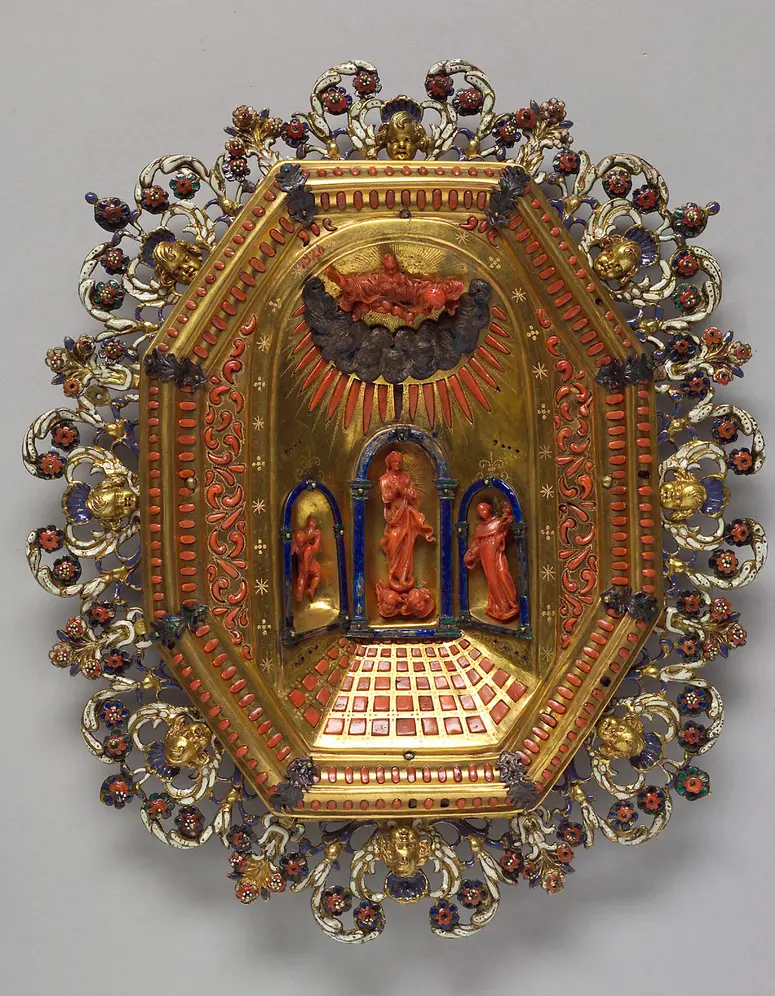
Wanddekoration mit der Darstellung Mariae Empfängnis, Platte, Teller, Einlegearbeit um 1650
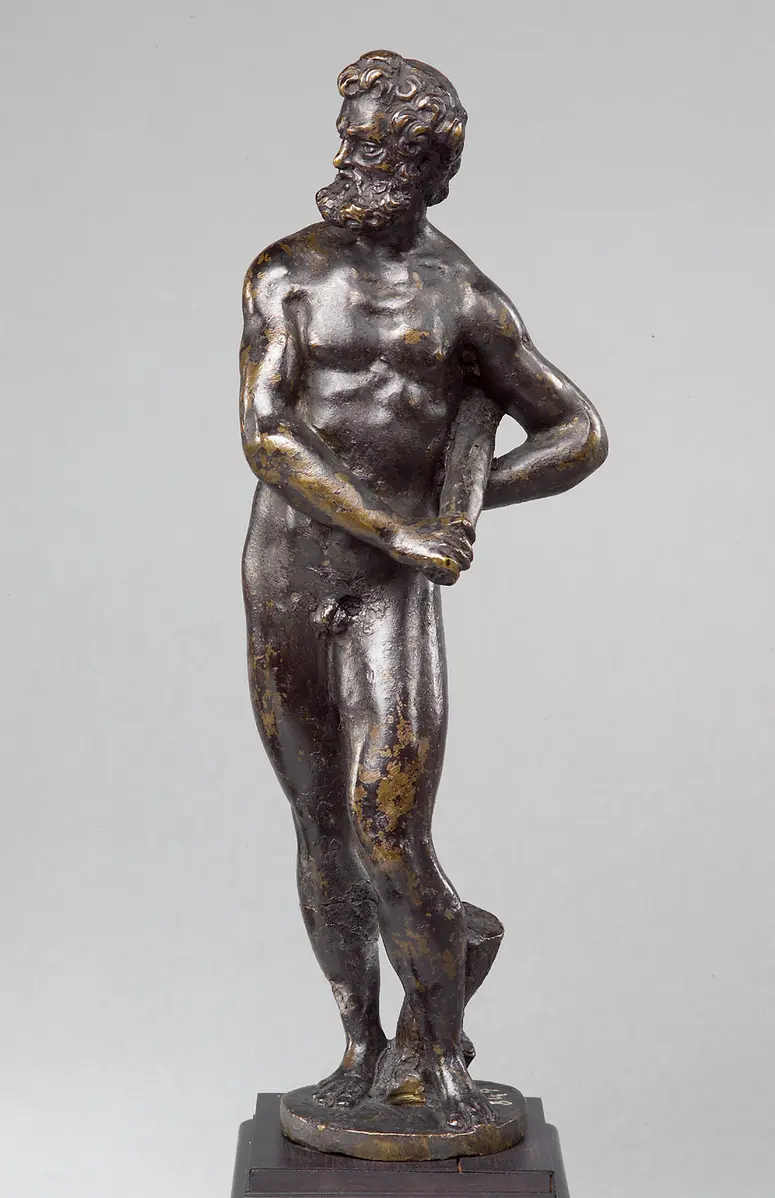
Statuette, Kleinbronze, Herkules, Herakles Nicolo Roccatagliata Ende 16. Jahrhundert / Anfang 17. Jahrhundert
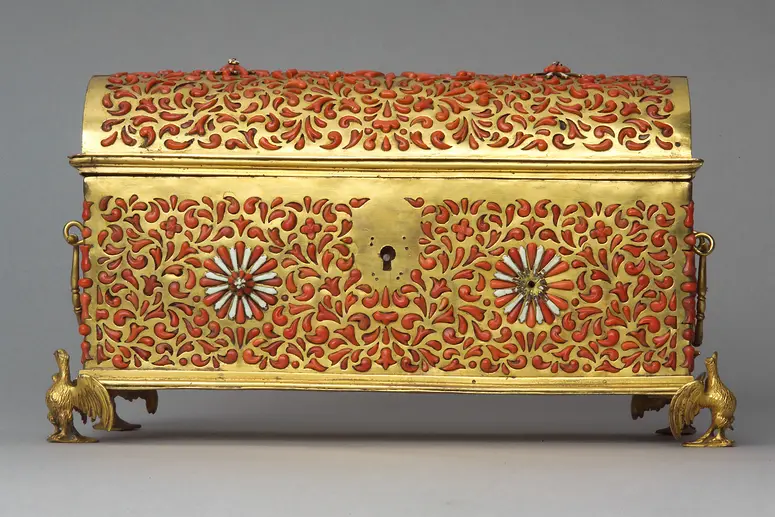
Kästchen mit Adlerfüßen, Korallenmosaik, Einlegearbeit Anfang 17. Jahrhundert
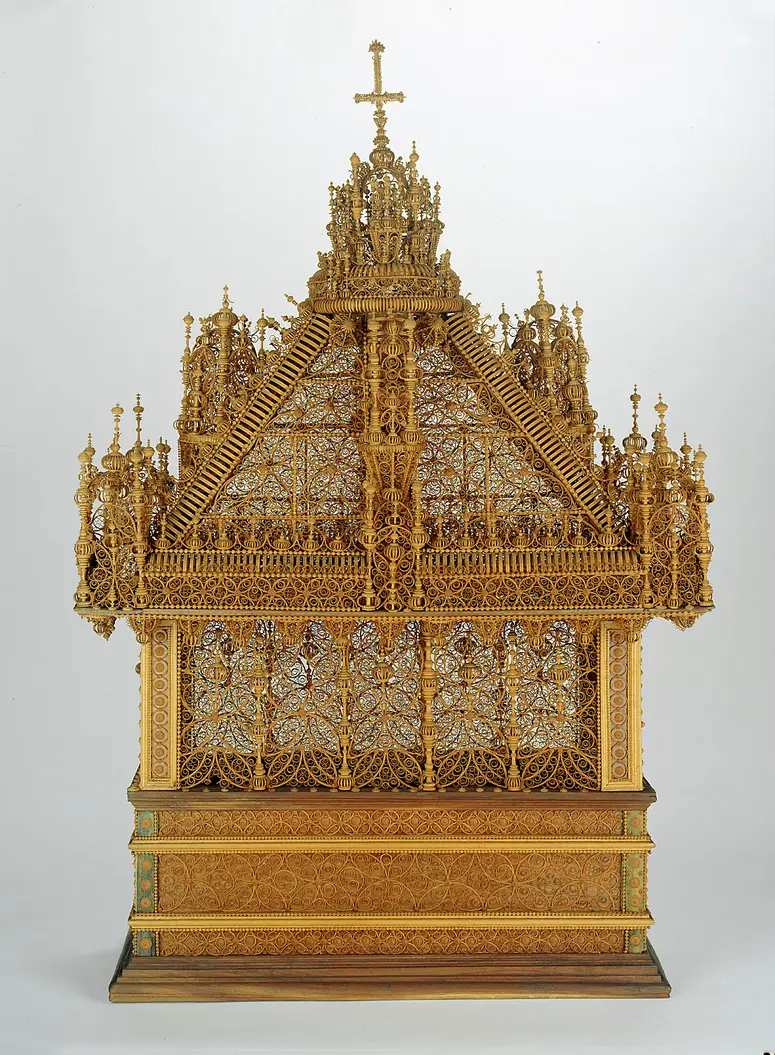
Heiliges Grab, Mikroschnitzerei, Schnitzerei, Holzarbeit 2. Hälfte 16. Jahrhundert
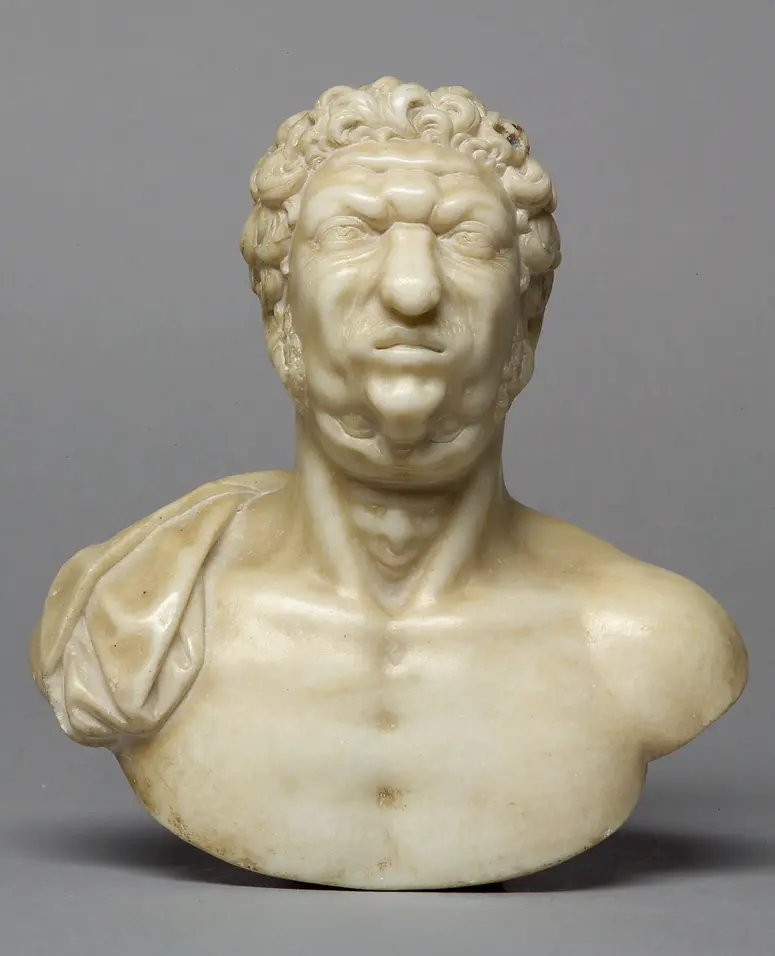
Büste, Faun, Vexierkopf, Vexierbüste Spätes 16. Jahrhundert

Aufsatz, Filigranarbeit, Schnitzarbeit 2. Hälfte 16. Jahrhundert

Pferd, Bronze, Kleinbronze, Pferd in der Levade 1. Hälfte 16. Jahrhundert
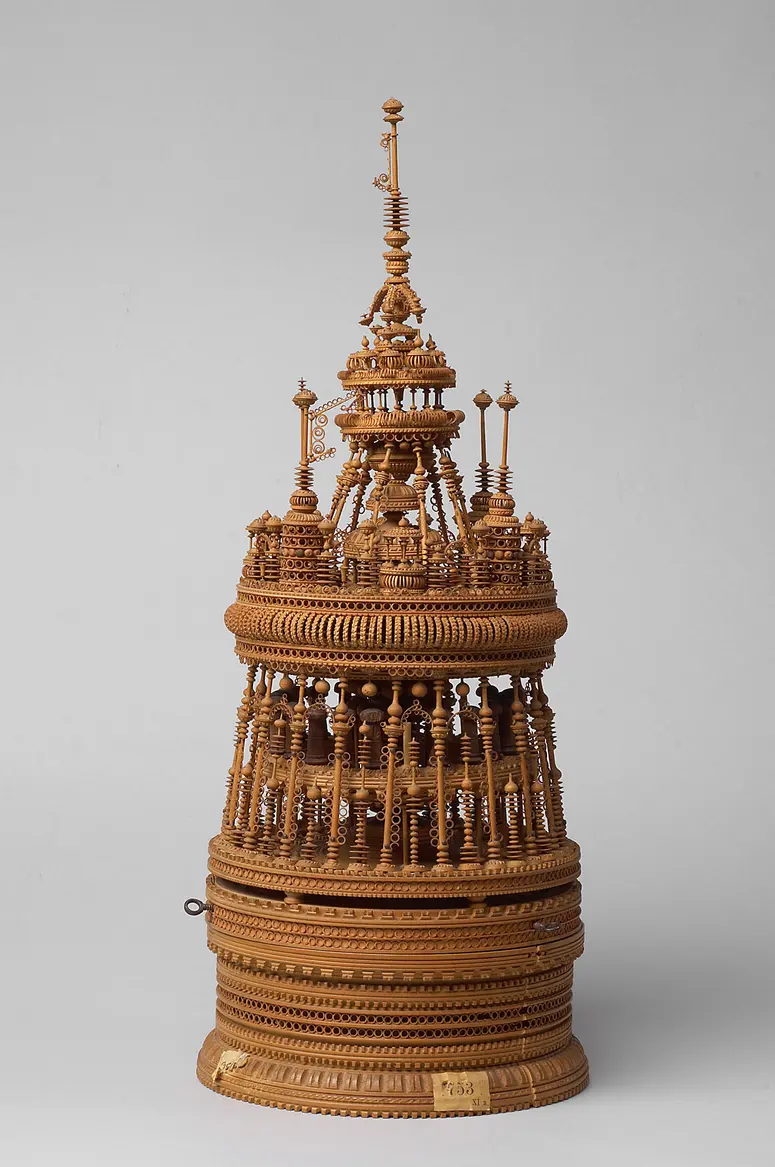
Aufsatz, Mikroschnitzerei, Drechselarbeit, Holzarbeit 2. Hälfte 16. Jahrhundert
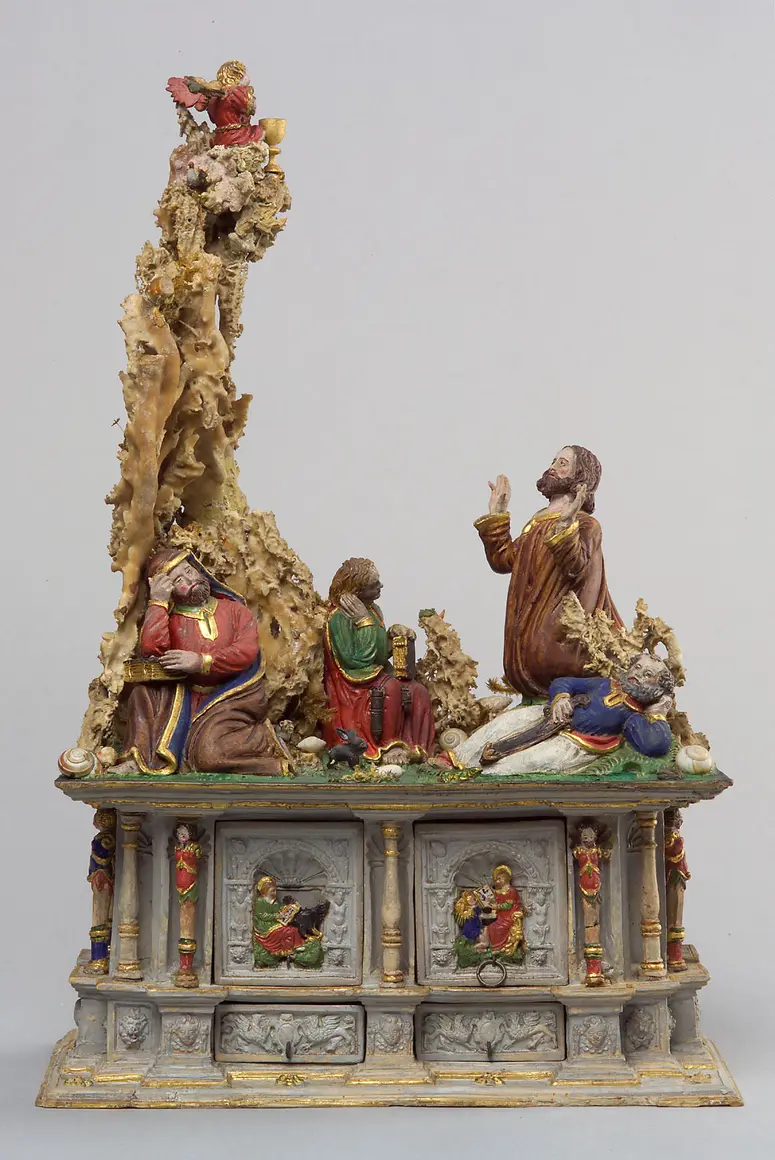
Schreibzeug, Handstein, Aufsatz, Christus am Ölberg 16. Jahrhundert

Statuette, Kleinbronze, Bronze, Herkules, Herakles um 1550