Statuentorso: Aphrodite
1. - 3. Jh. n. Chr.
The torso of a Roman marble statue of the goddess Aphrodite was found in the great theatre of Ephesus (Turkey). The type follows the Venus Felix, a statuary group now in the Vatican Museums in which the goddess is accompanied by Amor. The figure and body motif of Venus resemble the famous Aphrodite of Knidos attributed to the sculptor Praxiteles. The Ephesian sculpture is made of white, coarse grain marble from Aphrodisias (Turkey). It was discovered during the early years of the Austrian excavations at Ephesus and sent to Vienna around 1900 as a gift from the Sultan to Emperor Franz Joseph I.
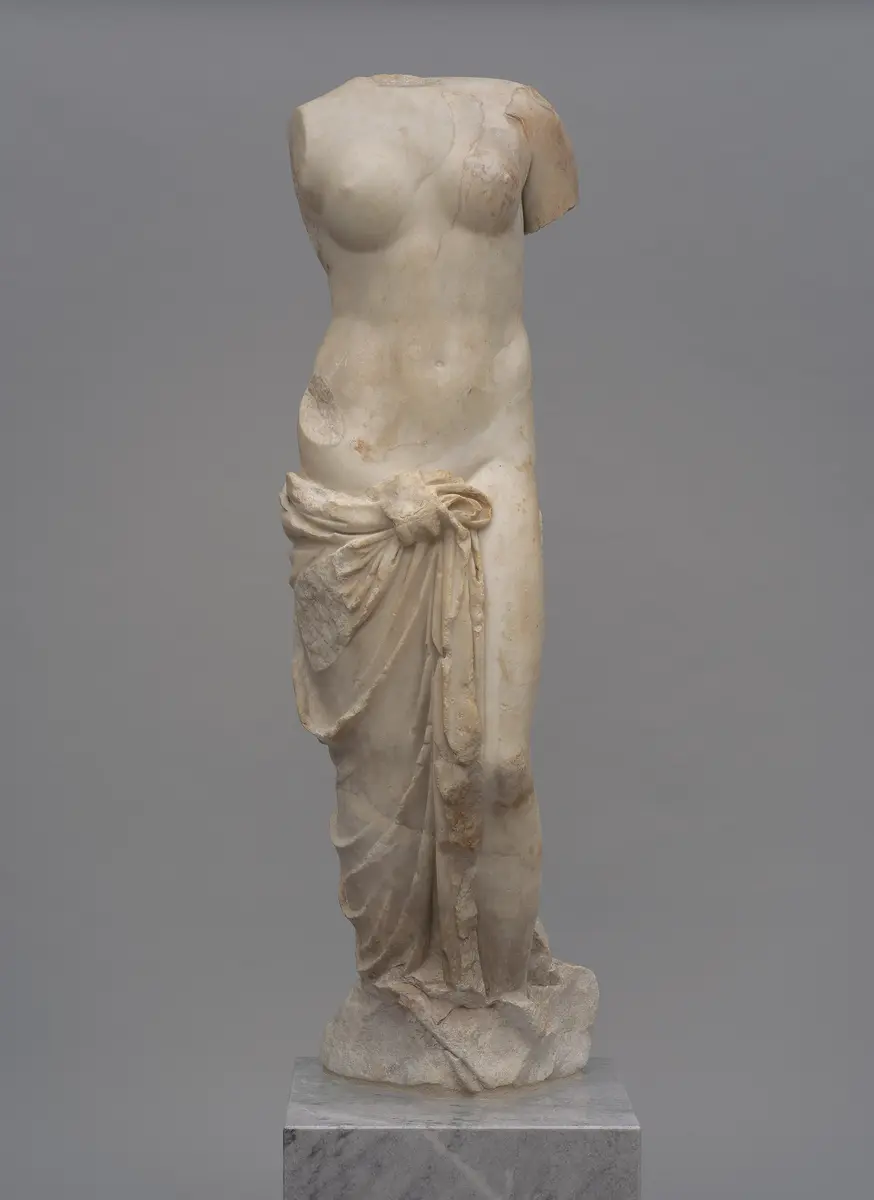
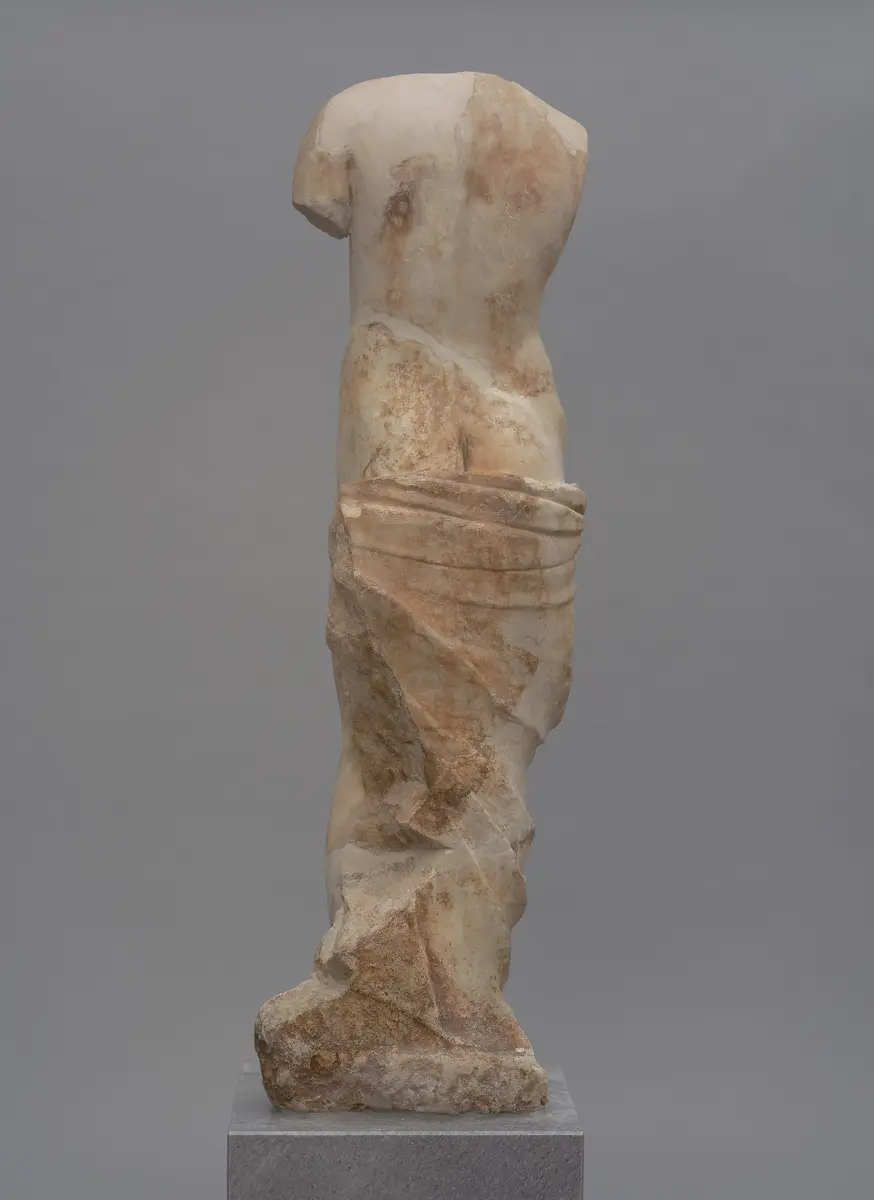
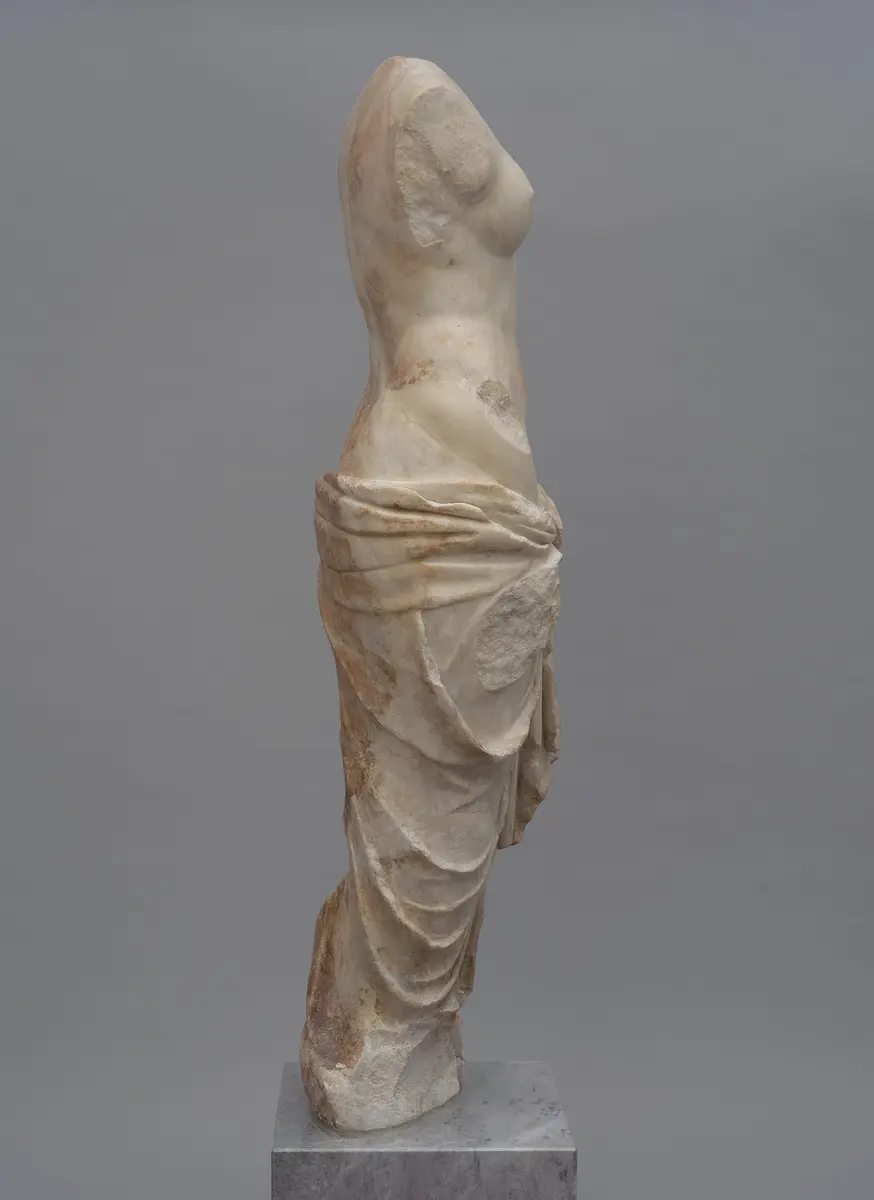
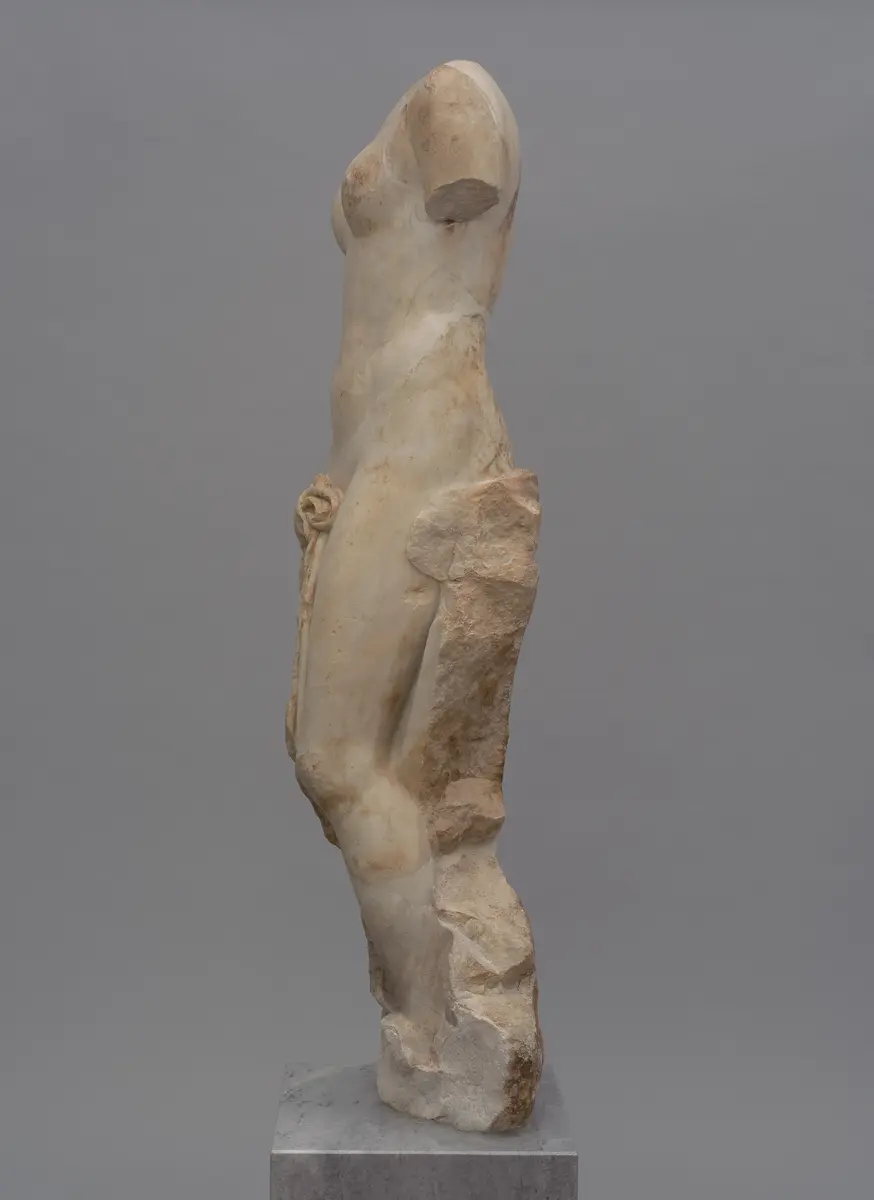
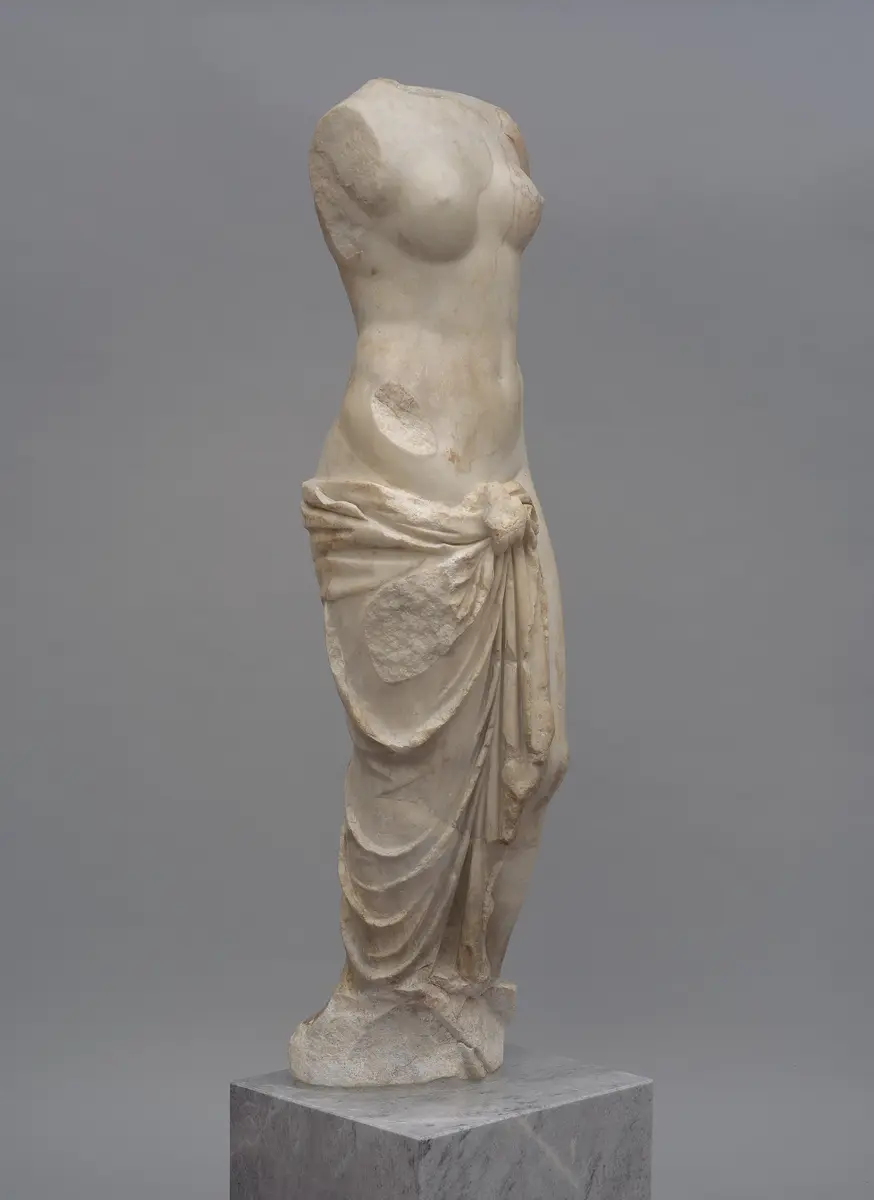
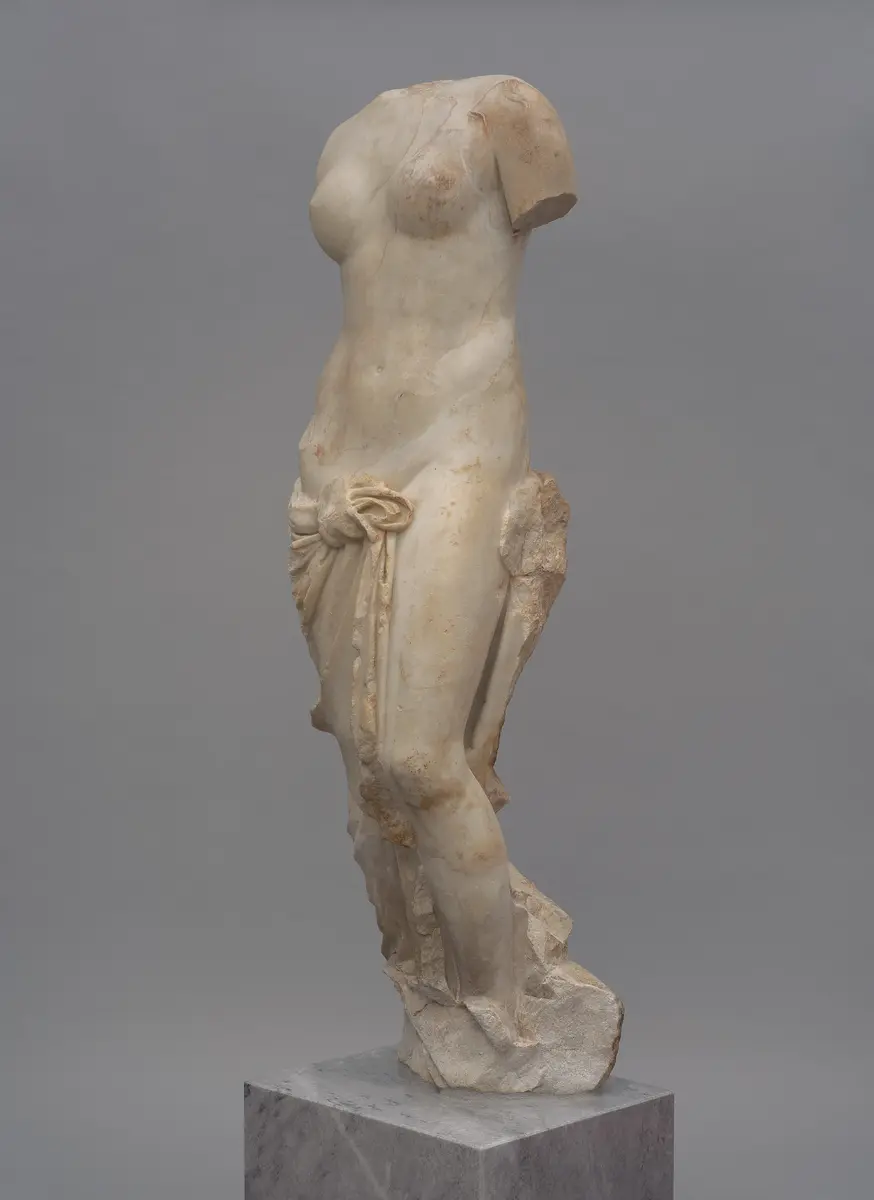
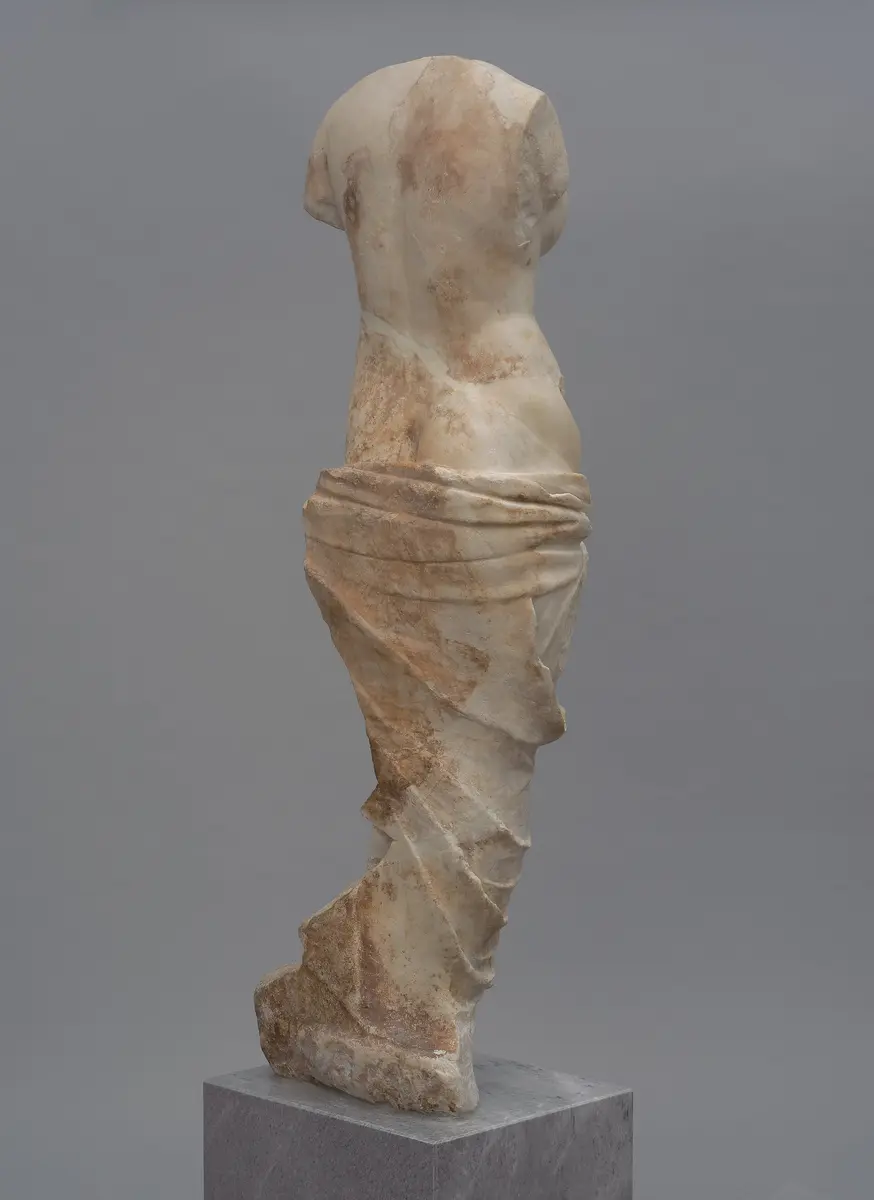
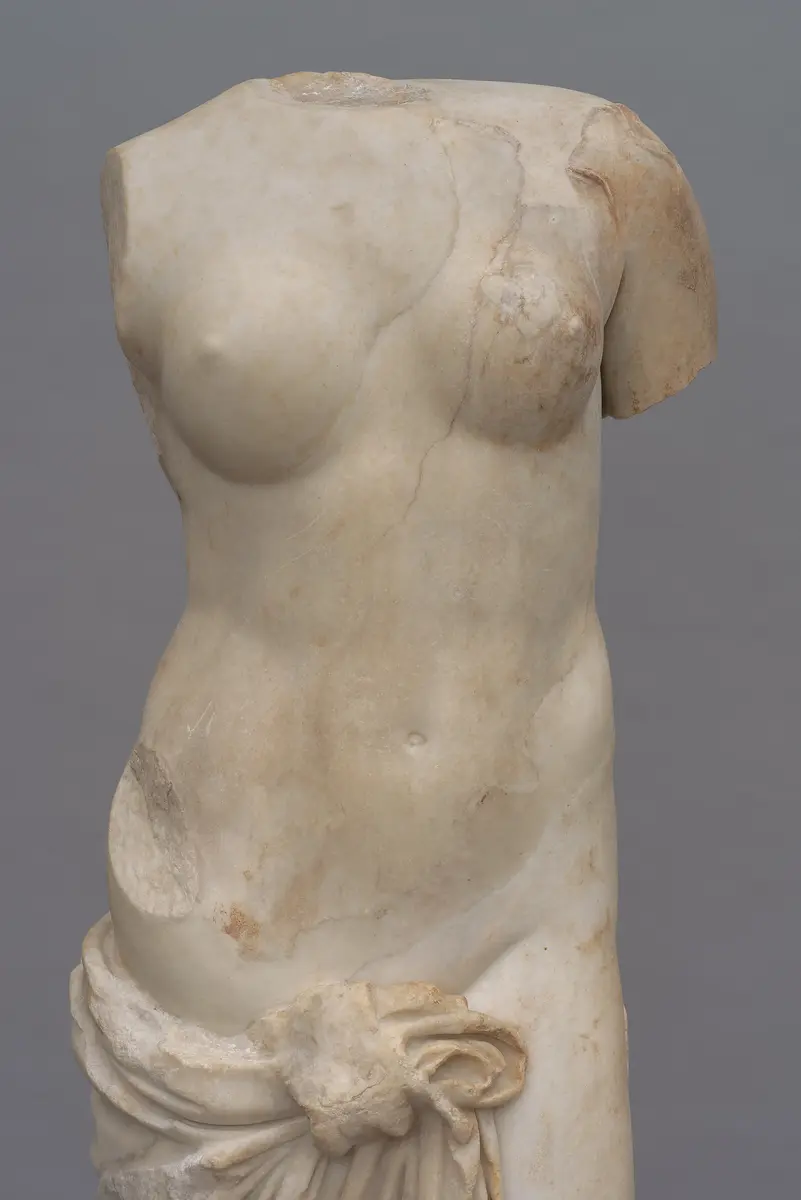
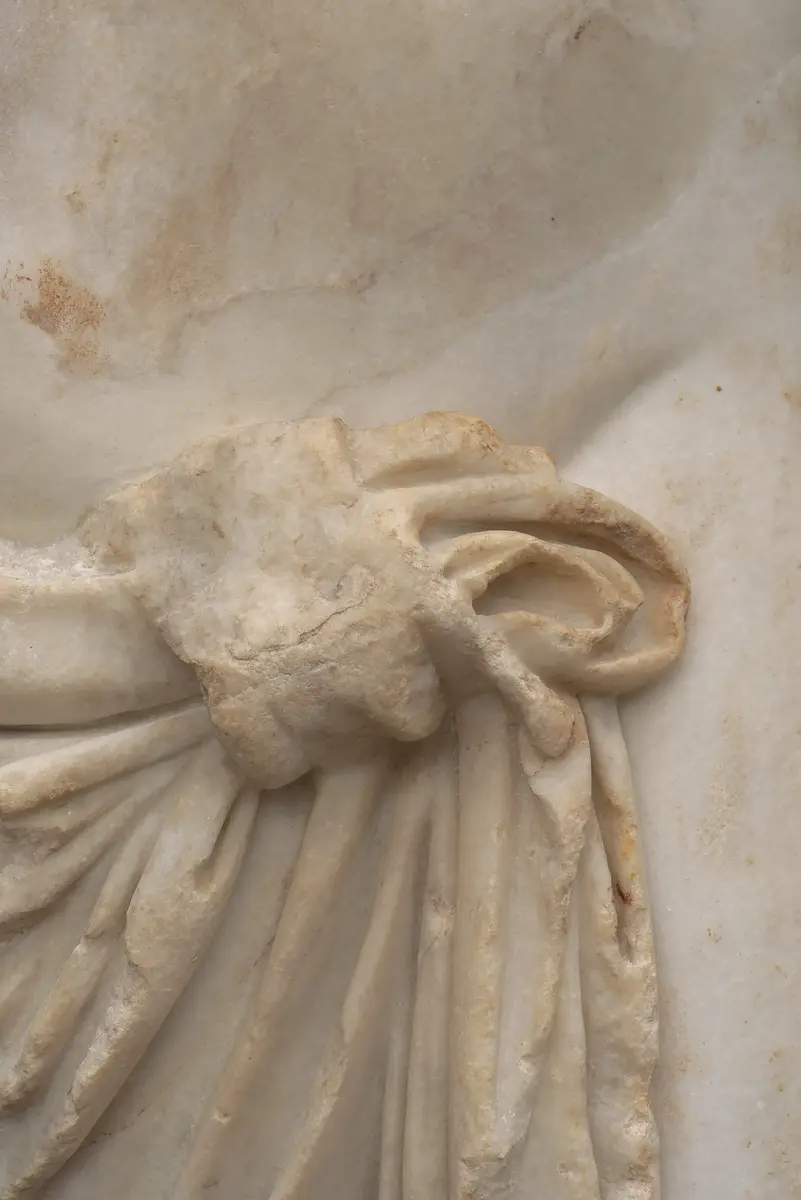
The torso of a Roman marble statue of the goddess Aphrodite was found in the great theatre of Ephesus (Turkey). The type follows the Venus Felix, a statuary group now in the Vatican Museums in which the goddess is accompanied by Amor. The figure and body motif of Venus resemble the famous Aphrodite of Knidos attributed to the sculptor Praxiteles. The Ephesian sculpture is made of white, coarse grain marble from Aphrodisias (Turkey). It was discovered during the early years of the Austrian excavations at Ephesus and sent to Vienna around 1900 as a gift from the Sultan to Emperor Franz Joseph I.
Time:
1. - 3. Jh. n. Chr.
Object Name
Statue
Culture
Römisch
Location of discovery:
Ephesos Theater (Selçuk, Kleinasien, Türkei)
Material/technology:
Marmor (Aphrodisias?)
Dimensions:
L/H 147 cm
Copyright
Kunsthistorisches Museum, Antikensammlung
Invs.
Antikensammlung, I 874
Provenance
Sultan, Abdul, Hamid, II.; Österreichische Ausgrabungen in Ephesos; Geschenk an Kaiser Franz Joseph; 1911 nachträglich inventarisiert
Browse more
Similar items you might be interested in
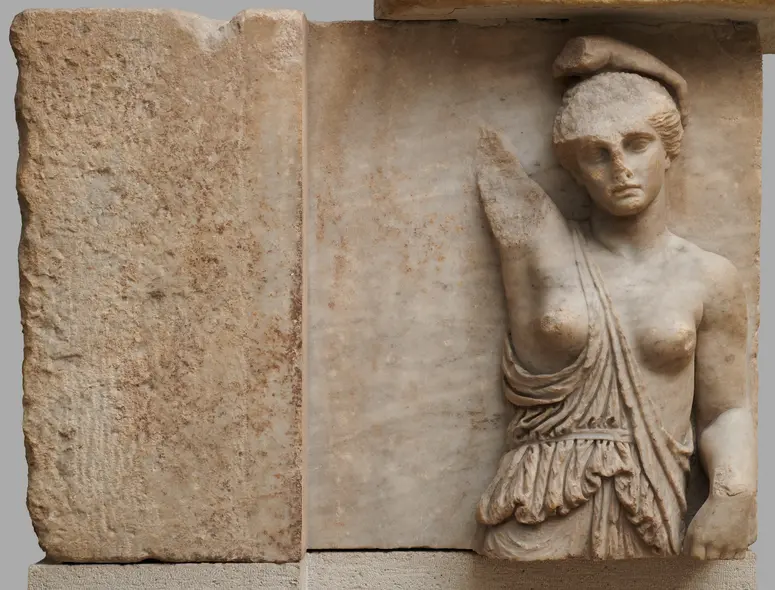
Relief: Verwundete Amazone Griechisch 2. Hälfte 4. Jh. v. Chr.
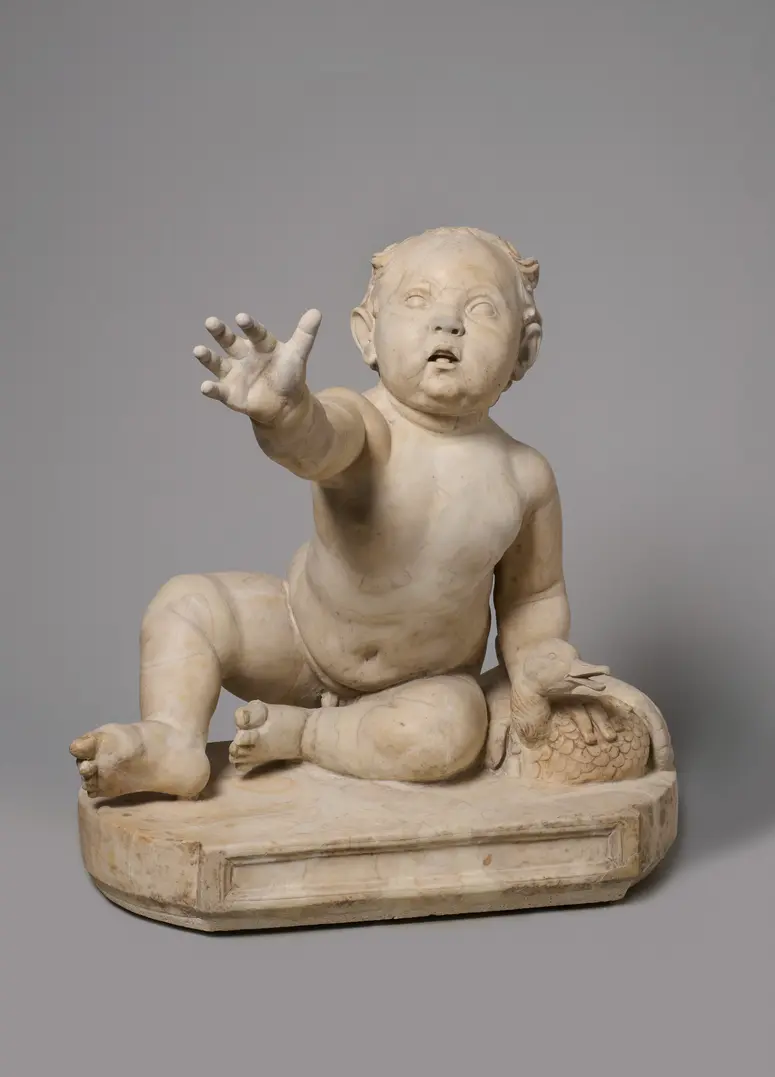
Statue: Knabe mit Fuchsgans Römisch, Mittlere Kaiserzeit 2. Jh. n. Chr., nach Bronzeoriginal aus dem 3. Jh. v. Chr.
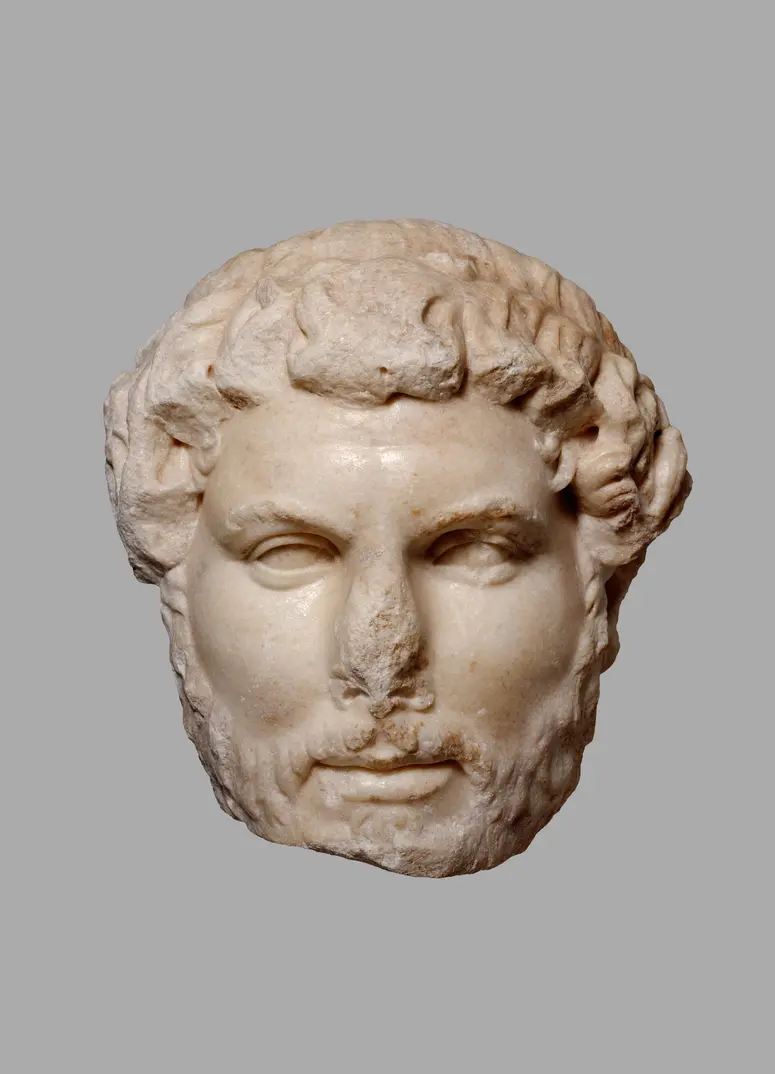
Porträtkopf: Kaiser Hadrian Römisch, Mittlere Kaiserzeit um 120 n. Chr.

Kandelaber: Herakles und Kentaur im Kampf Griechisch, Hellenistisch Mitte 1. Jh. v. Chr.
Kopf: Artemis (Typus Candia) Römisch, Frühe Kaiserzeit 1. Jh. n. Chr., nach griechischem Original um 460 v. Chr.
Relief: Adoption der Kaiser Lucius Verus und Marc Aurel Römisch, Mittlere Kaiserzeit Mitte 2. Jh. n. Chr.
Relief: Schlachtenszene, Schwertkämpfer Römisch, Mittlere Kaiserzeit Mitte 2. Jh. n. Chr.
Relief: Erotenfries: Eroten auf Löwenjagd Römisch, Frühe Kaiserzeit 2. Hälfte 1. Jh. n. Chr.
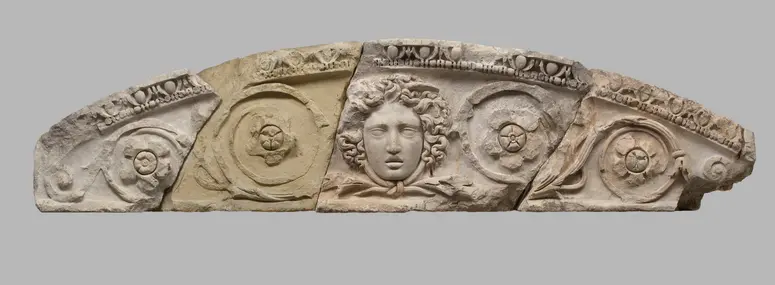
Giebel: Celsusbibliothek: Segmentgiebel Römisch, Mittlere Kaiserzeit 113 - 117 n. Chr.
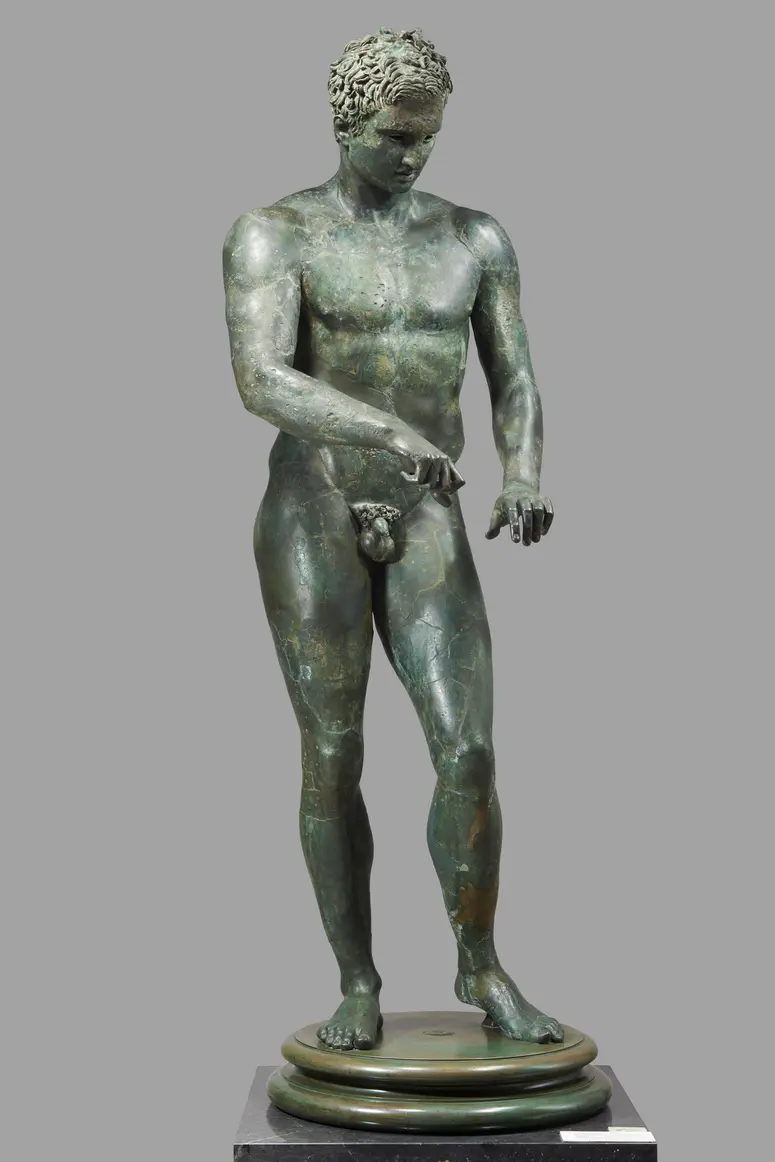
Statue: Athlet Römisch, Frühe Kaiserzeit 1. Jh. n. Chr., nach griech. Original um 330 v. Chr.
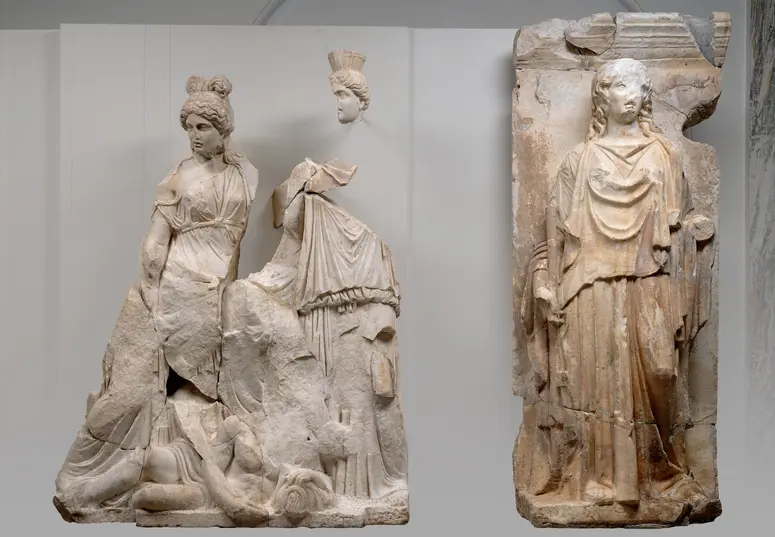
Relief: Götterversammlung: Demeter Römisch, Mittlere Kaiserzeit Mitte des 2. Jhs. n. Chr.

Relief: Stierkopf-Girlandenfries Römisch, Mittlere Kaiserzeit Mitte 2. Jh. n. Chr.

Modell: Oktogon (Grab der Arsinoe) Hergestellt 1977 - 1978
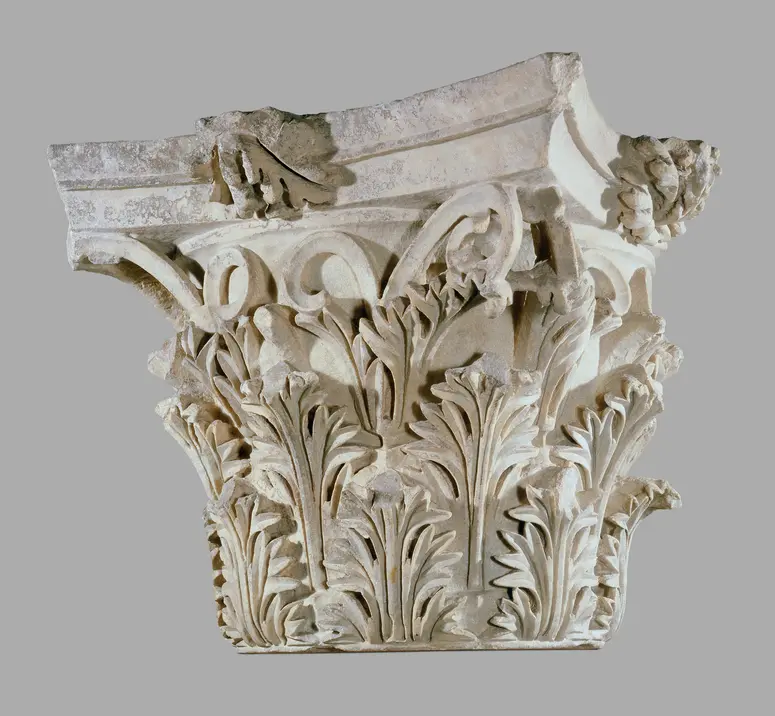
Korinthisches Kapitell Römisch, Mittlere Kaiserzeit Ende 1. Jh. n. Chr.
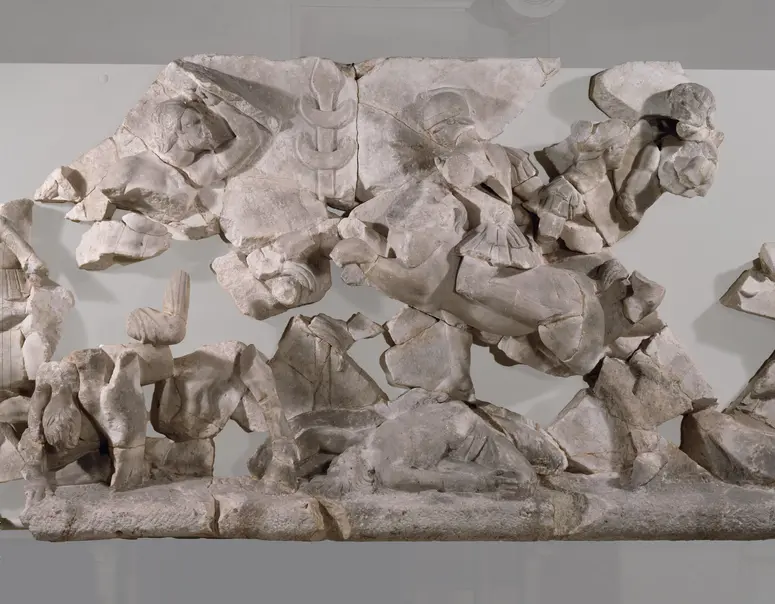
Relief: Reiterschlacht Griechisch, Hellenistisch um 166 v. Chr.
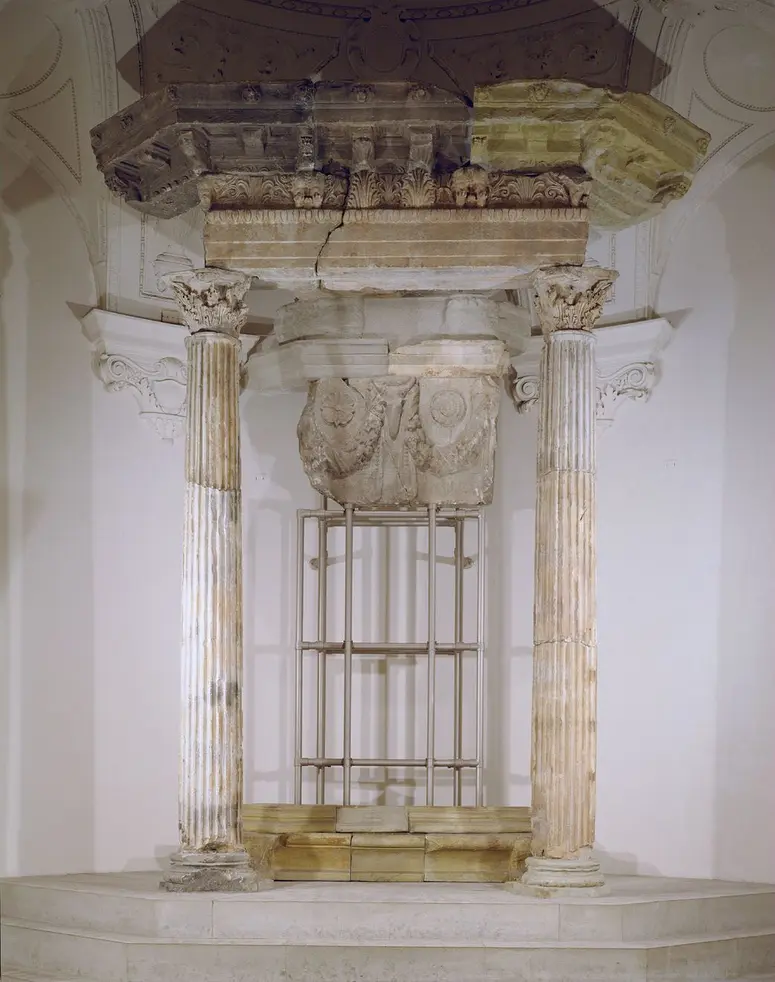
Architektur: Oktogon Römisch, Frühe Kaiserzeit 3. Drittel 1. Jh. v. Chr.

Abguss: Große Artemis von Ephesos Römisch, Mittlere Kaiserzeit 2. Jh. n. Chr.
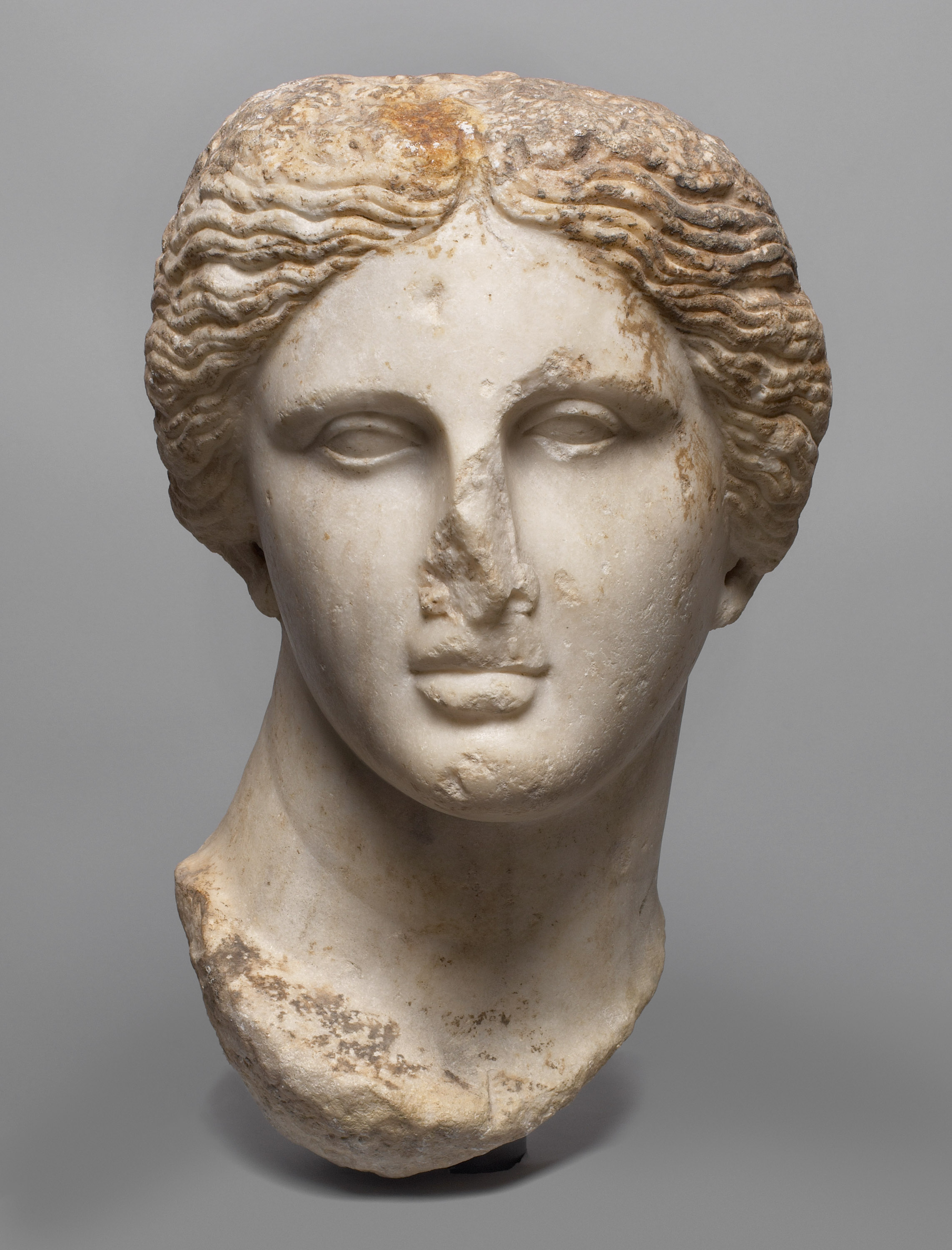
Porträtkopf: Arsinoe III. (?) Griechisch, Hellenistisch 3. Jh. v. Chr.
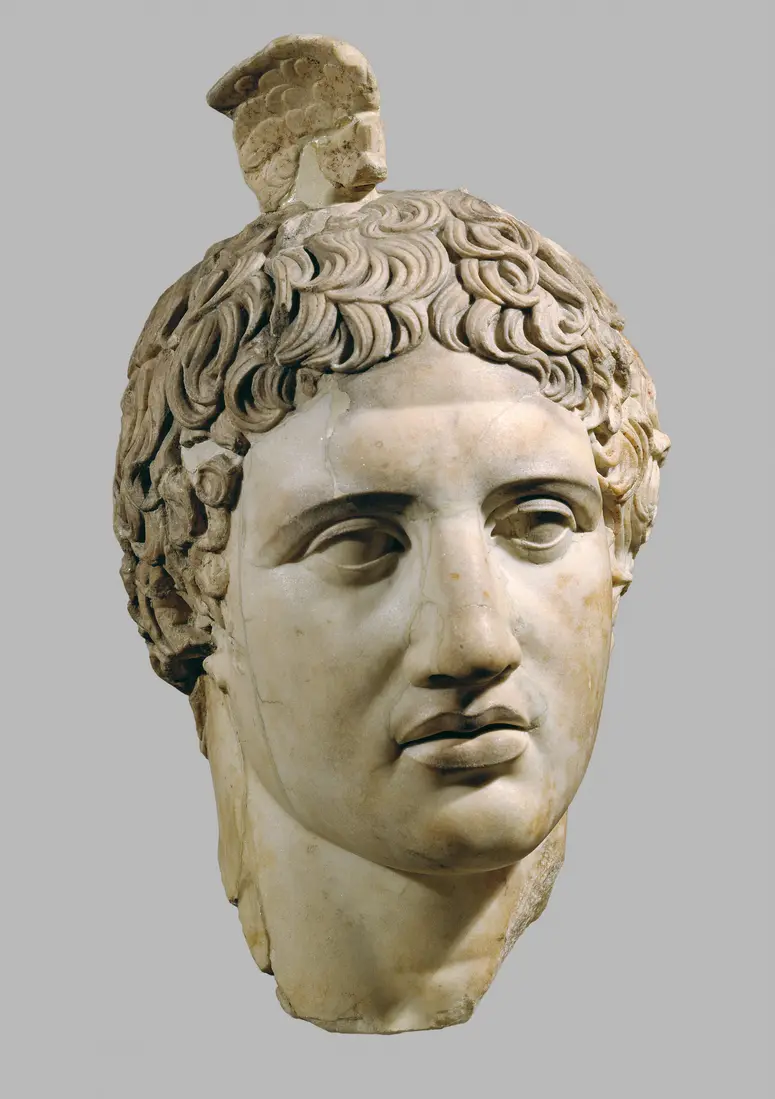
Kopf: Hermes Römisch, Mittlere Kaiserzeit Mitte des 2. Jhs. n. Chr., nach Bronzeoriginal um 430 v. Chr.