Obelisk
16. Jahrhundert
During the Counter Reformation Pope Sixtus V had Egyptian obeliscs put up in front of the main churches in Rome. That’s why obeliscs were often used as decorations in the 16th century architecture. This one here made of serpentine and marble is mentioned in the inventory of Ferdinand II of 1596. Marble was not used very much during the Middle Ages, but as in the Classical World it was very popular in the Renaissance.

During the Counter Reformation Pope Sixtus V had Egyptian obeliscs put up in front of the main churches in Rome. That’s why obeliscs were often used as decorations in the 16th century architecture. This one here made of serpentine and marble is mentioned in the inventory of Ferdinand II of 1596. Marble was not used very much during the Middle Ages, but as in the Classical World it was very popular in the Renaissance.
Time:
16. Jahrhundert
Object Name
Obelisk
Culture
italienisch
Material/technology:
Serpentin, Marmor
Dimensions:
H. 56 cm
Copyright
Schloss Ambras Innsbruck
Invs.
Schloss Ambras Innsbruck, PA 905
Provenance
Inventar 1596, K 6, fol. 376
Browse more
Similar items you might be interested in

Pferd, Bronze, Kleinbronze, Pferd in der Levade 1. Hälfte 16. Jahrhundert
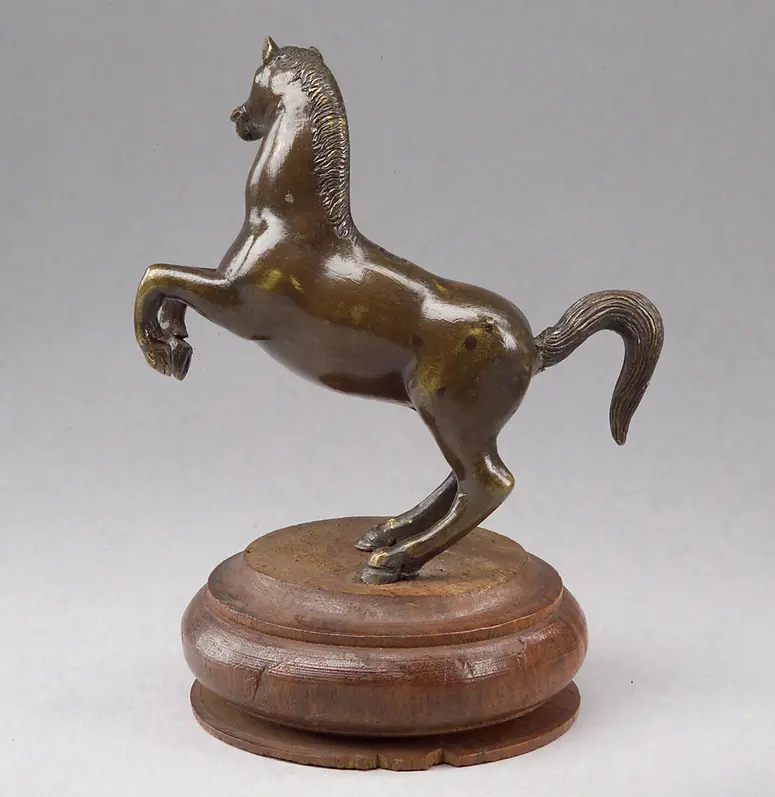
Pferd, Bronze, Kleinbronze, Pferd in der Levade 1. Hälfte 16. Jahrhundert
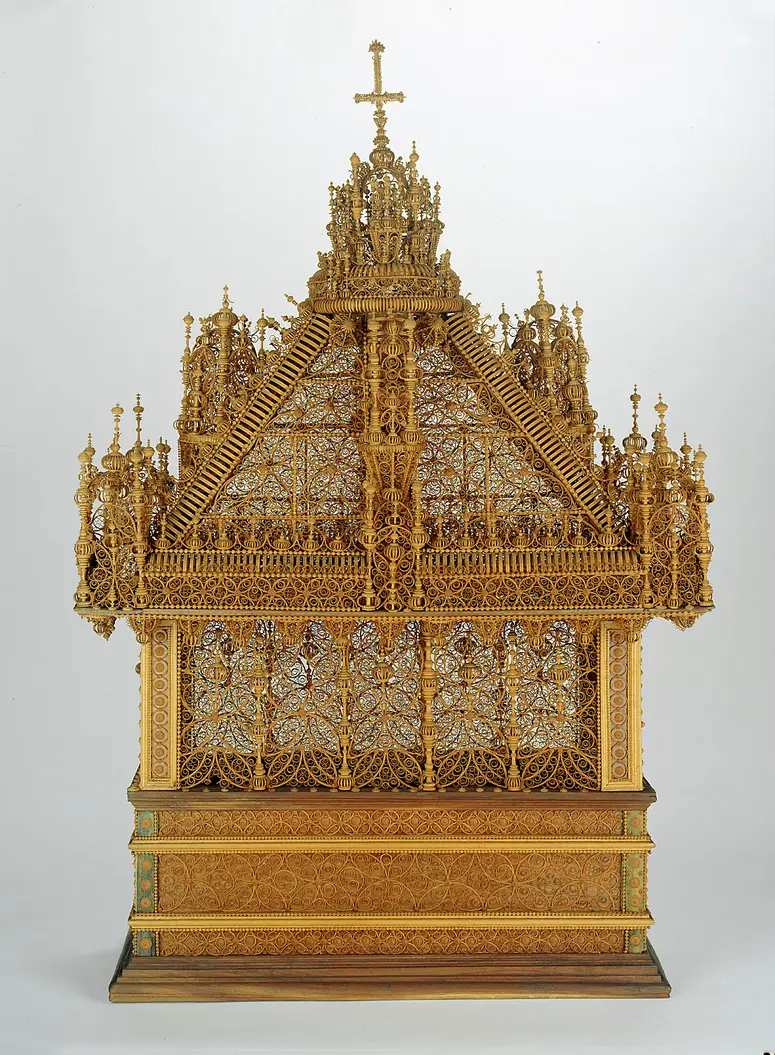
Heiliges Grab, Mikroschnitzerei, Schnitzerei, Holzarbeit 2. Hälfte 16. Jahrhundert

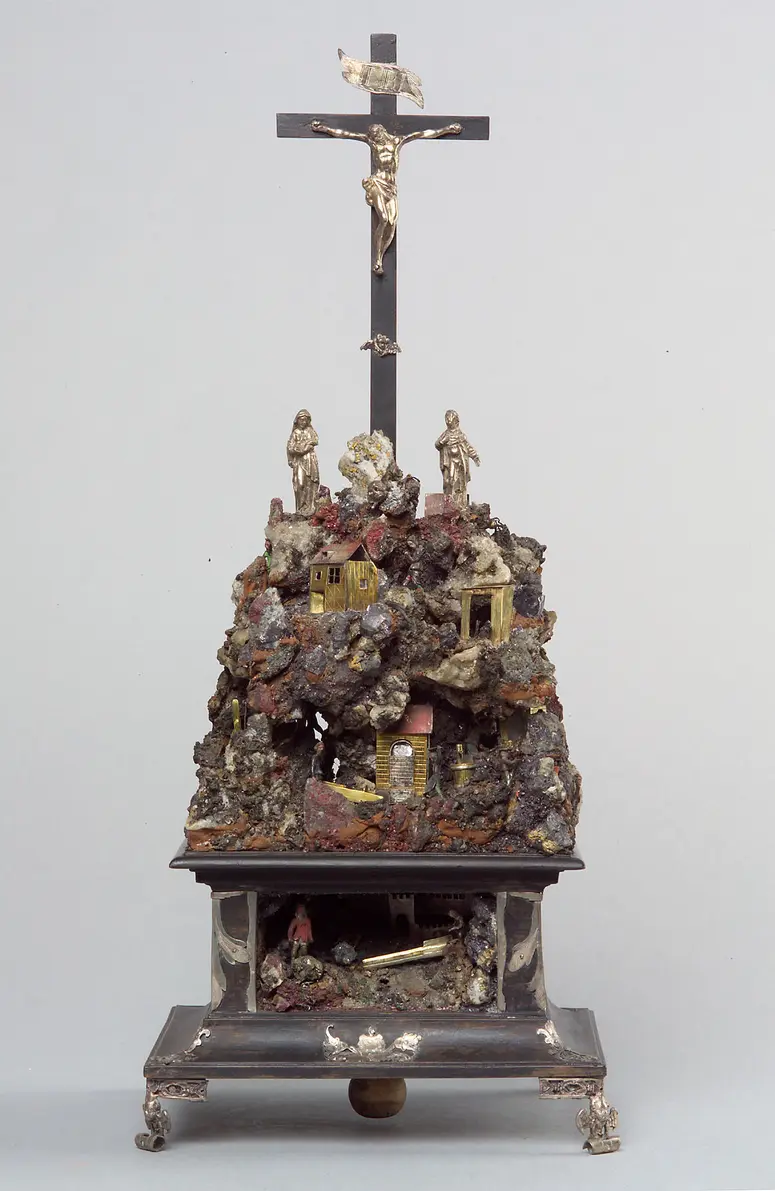
Handstein mit Bergwerk und Kreuzigung 3. Viertel 16. Jahrhundert


Statuette, Kleinbronze, Bronze, Herkules, Herakles um 1550

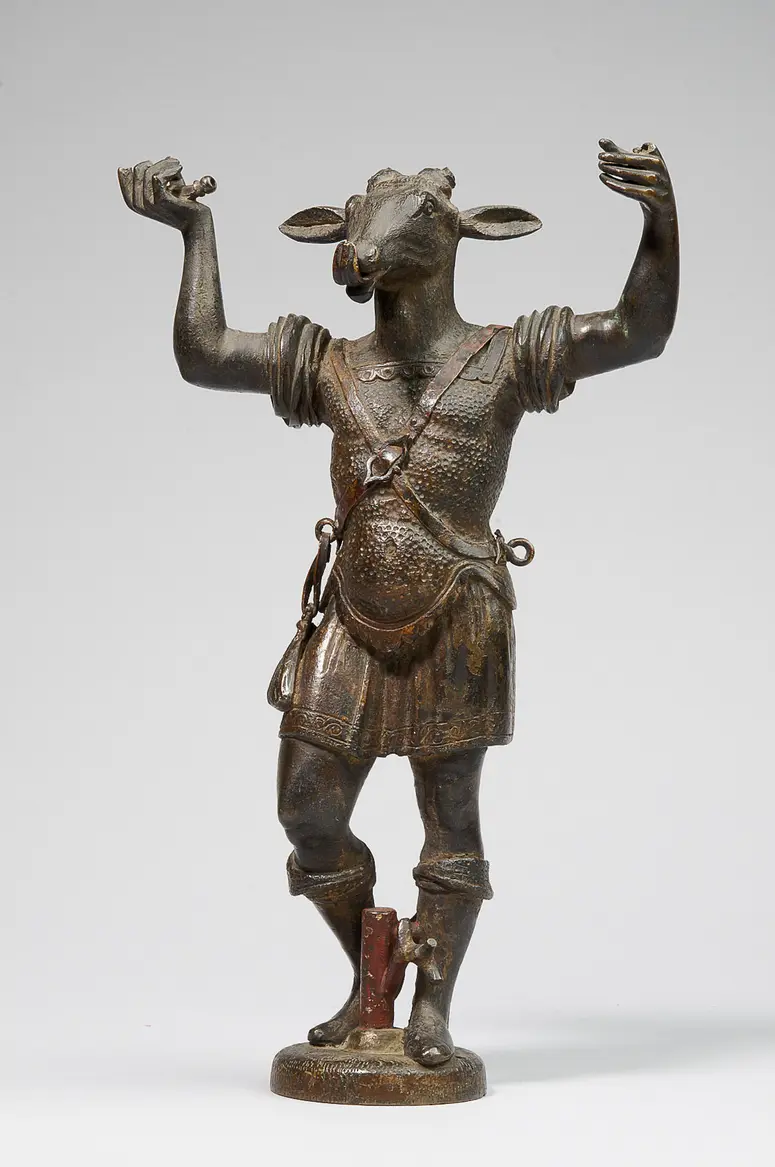
Statuette, Bronze, Kleinbronze, Aktäon, Brunnenfigur, Brunnenbekrönung Wenzel Jamnitzer 3. Viertel 16. Jahrhundert
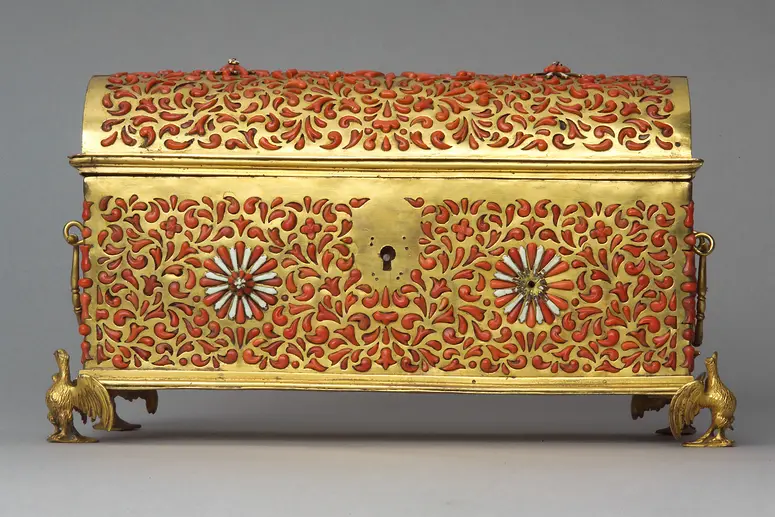
Kästchen mit Adlerfüßen, Korallenmosaik, Einlegearbeit Anfang 17. Jahrhundert
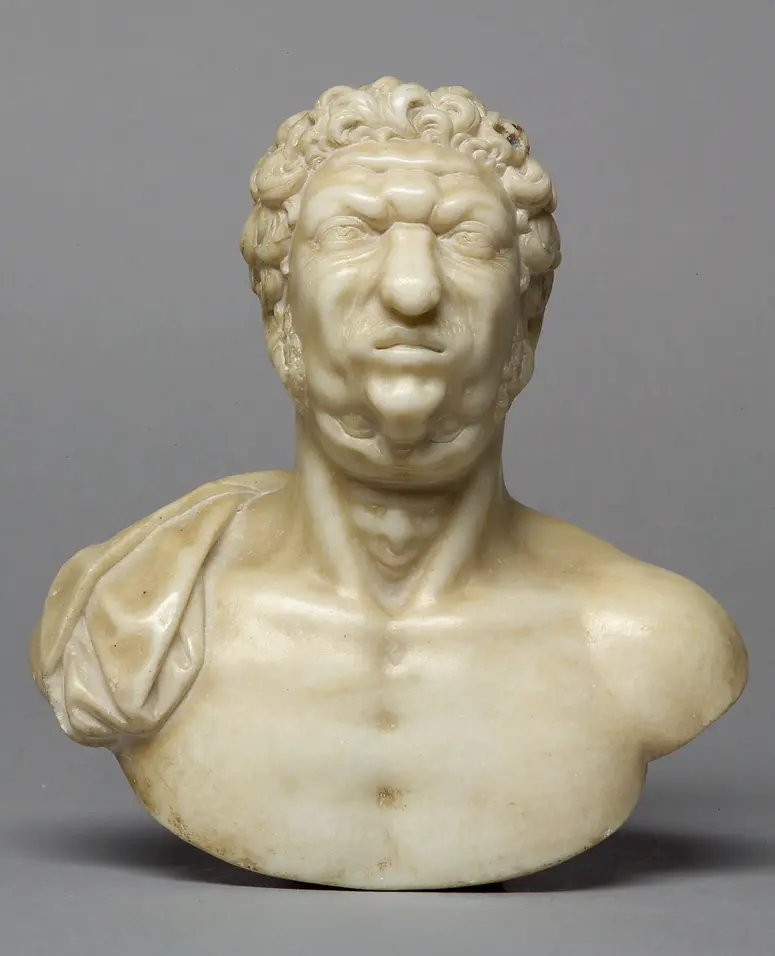
Büste, Faun, Vexierkopf, Vexierbüste Spätes 16. Jahrhundert

Aufsatz, Filigranarbeit, Schnitzarbeit 2. Hälfte 16. Jahrhundert
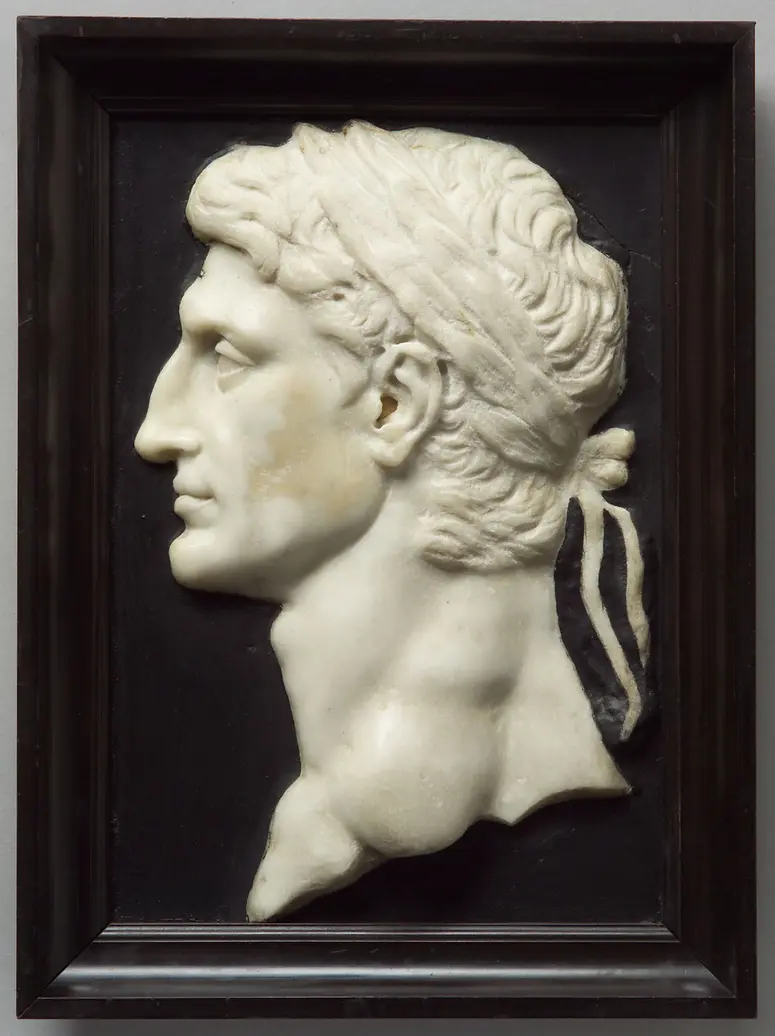
Relief, Kaiser Augustus, Augustus 2. Hälfte 16. Jahrhundert
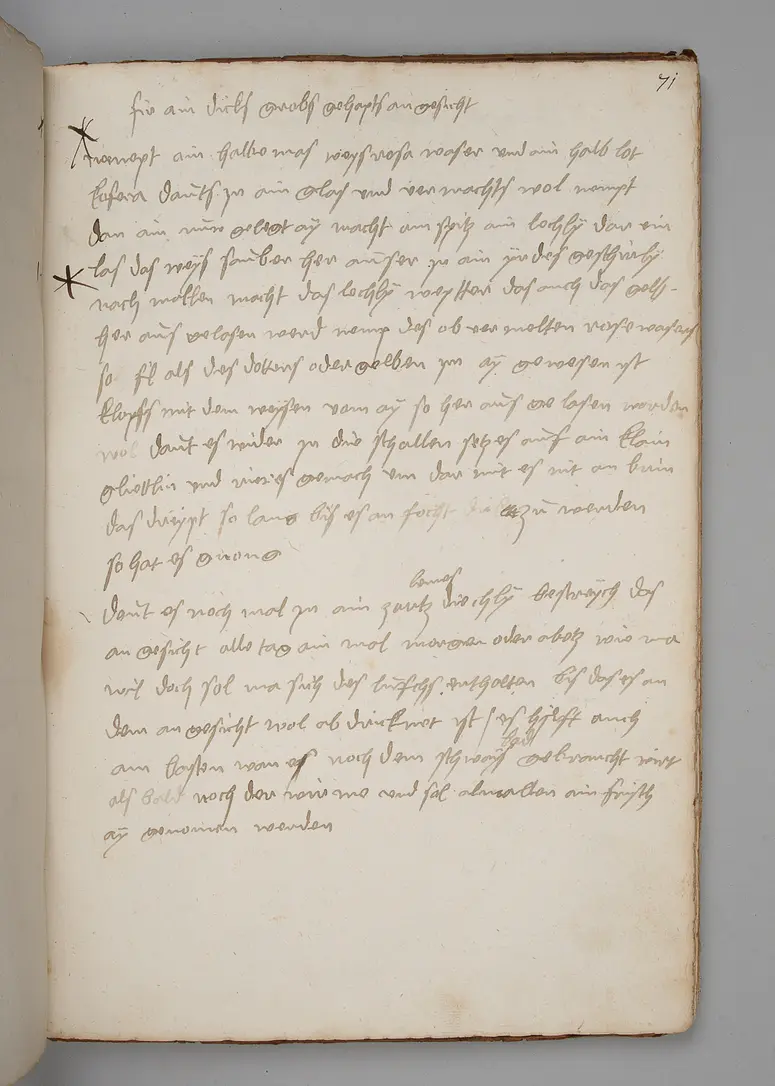
Arzneimittelbuch der Philippine Welser, Arzneimittelbuch Anna Welser 1560-1570
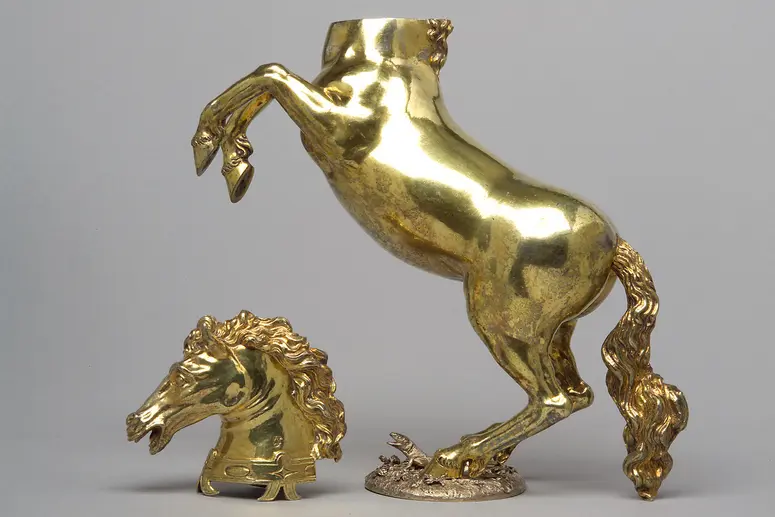
Gefäß, Scherzgefäß, Trinkgefäß in Gestalt eines springenden Pferdes Jakob Fröhlich 3. Viertel 16. Jahrhundert
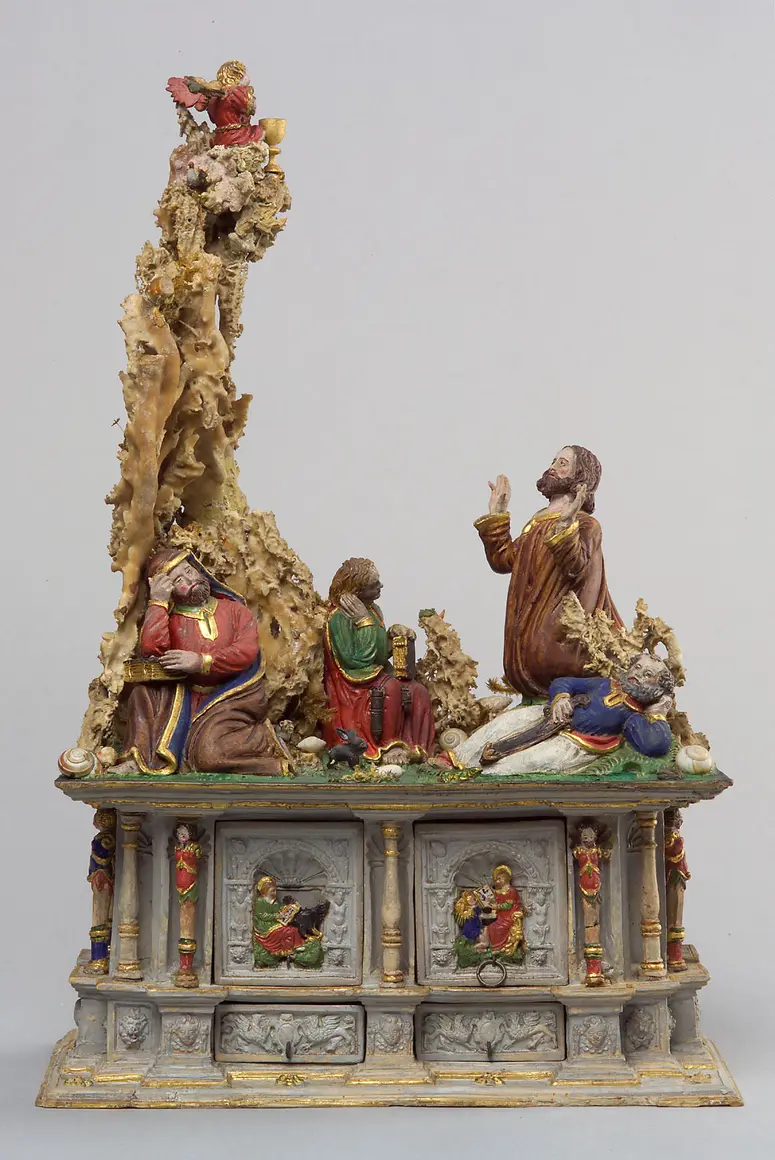
Schreibzeug, Handstein, Aufsatz, Christus am Ölberg 16. Jahrhundert
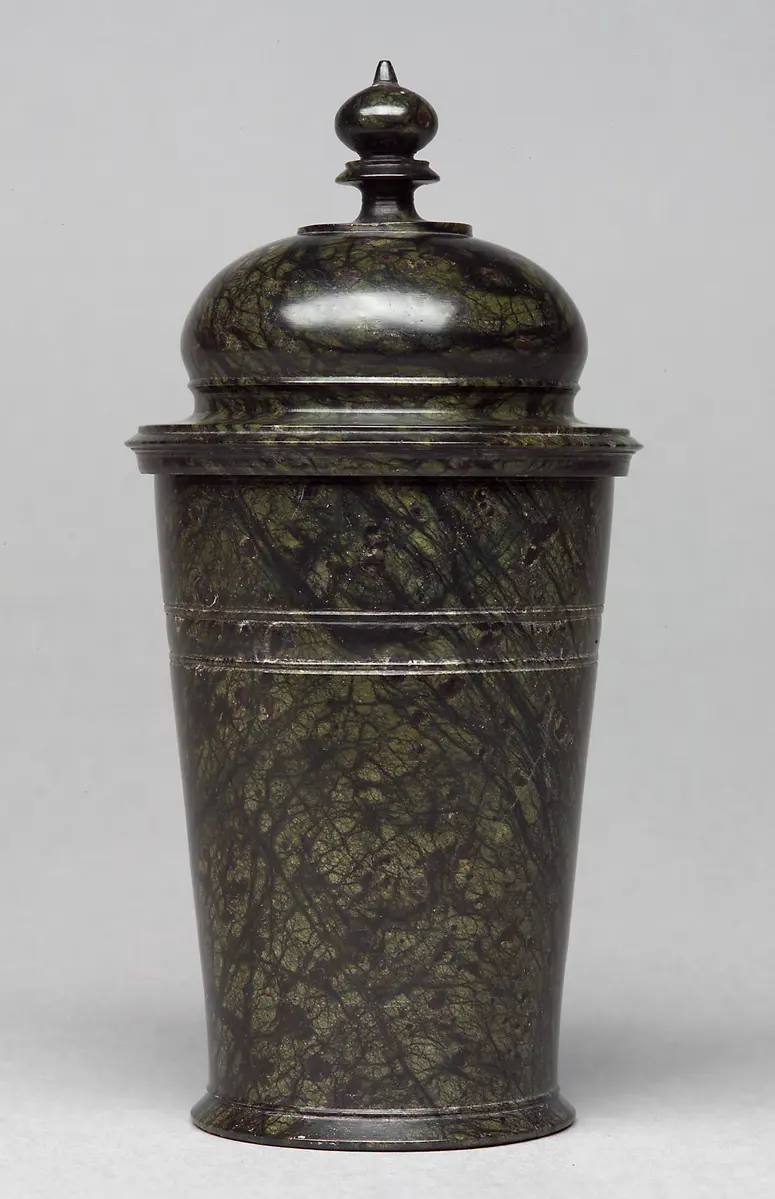
Deckelbecher, Gefäß, Behältnis 1. Hälfte 17. Jahrhundert