Votivstatuette einer Frau
um 550 v. Chr.
The woman is standing frontally with her legs together on a rectangular plinth. She is clad in a long, smooth undergarment with a clearly incised seam at the wrist, and over that a delicate, painted cloak with long wide sleeves. Traces of paint have survived, mainly on and around the breasts, on the neck and on the lower right arm where the painted opening of the sleeve is still clearly visible, while the border of the cloth on the left wrist is incised in the stone. Her right arm is bent, her clenched hand holding a calyx (lotus or pomegranate blossom) against her chest. Her left hand, hanging at her side, is clutching the stem of a lotus blossom pointing downwards.
A. Bernhard-Walcher u. a., Die Sammlung zyprischer Antiken im KHM. Sammlungskataloge des KHM Bd. 2, Wien: 1999
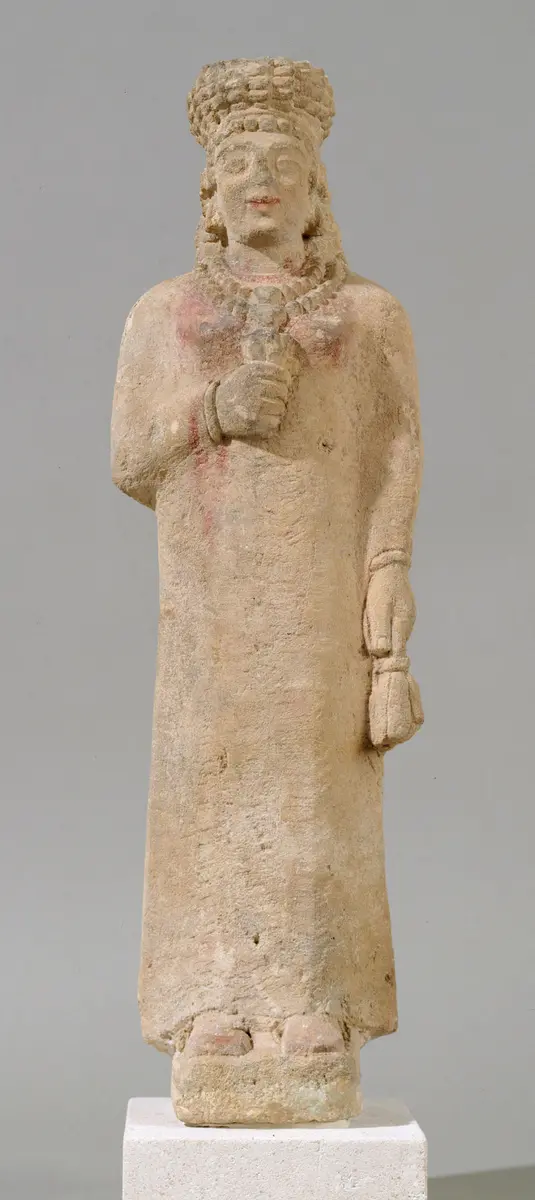
The woman is standing frontally with her legs together on a rectangular plinth. She is clad in a long, smooth undergarment with a clearly incised seam at the wrist, and over that a delicate, painted cloak with long wide sleeves. Traces of paint have survived, mainly on and around the breasts, on the neck and on the lower right arm where the painted opening of the sleeve is still clearly visible, while the border of the cloth on the left wrist is incised in the stone. Her right arm is bent, her clenched hand holding a calyx (lotus or pomegranate blossom) against her chest. Her left hand, hanging at her side, is clutching the stem of a lotus blossom pointing downwards.
A. Bernhard-Walcher u. a., Die Sammlung zyprischer Antiken im KHM. Sammlungskataloge des KHM Bd. 2, Wien: 1999
Time:
um 550 v. Chr.
Culture
Zyprisch
Location of discovery:
Zypern
Material/technology:
Kalkstein; Reste der Bemalung
Dimensions:
H. 53 cm
Copyright
Kunsthistorisches Museum, Antikensammlung
Invs.
Antikensammlung, I 358
Provenance
Brugsch, Heinrich Dr. Prof.; 1875 Kauf
Browse more
Similar items you might be interested in

Hydria: Thiasos von sieben Figuren Griechisch, Attisch, rotfigurig Mitte 5. Jh. v. Chr.
Gemme: Diana Ephesia Römisch, Kaiserzeit 2. - 3. Jh. n. Chr.
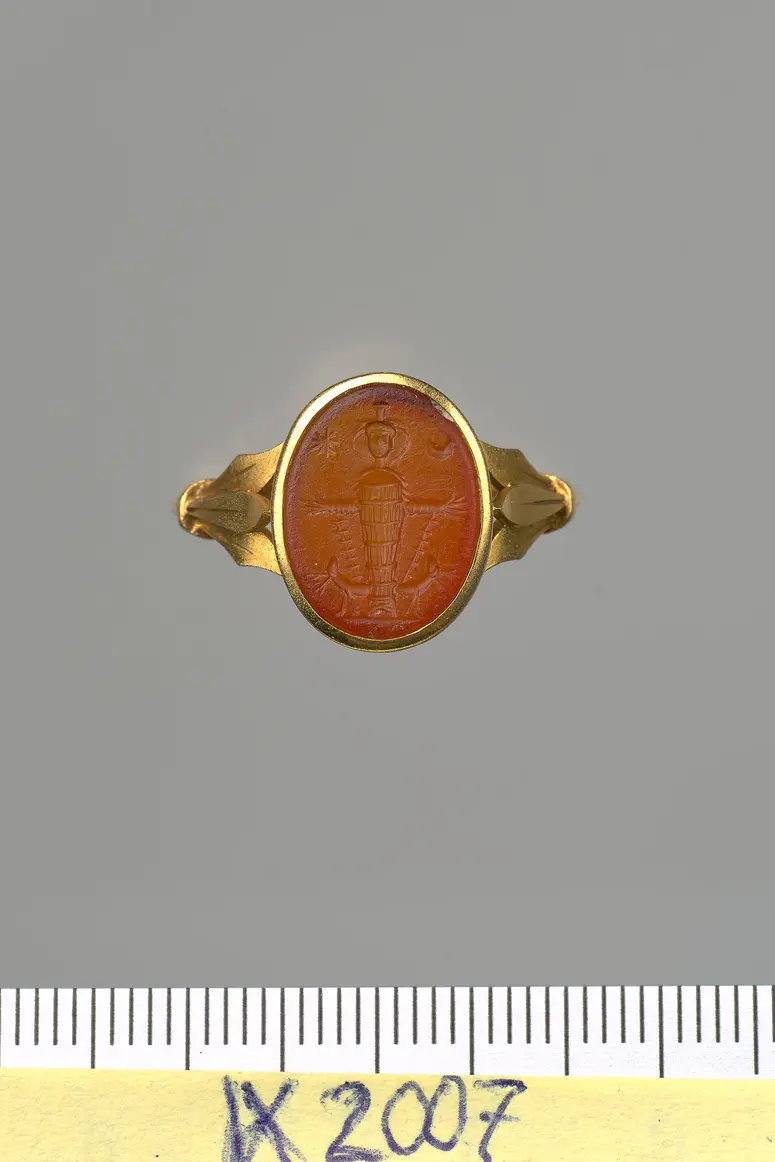
Gemme: Ephesische Artemis Römisch, Mittlere Kaiserzeit 2. Jh. n. Chr.
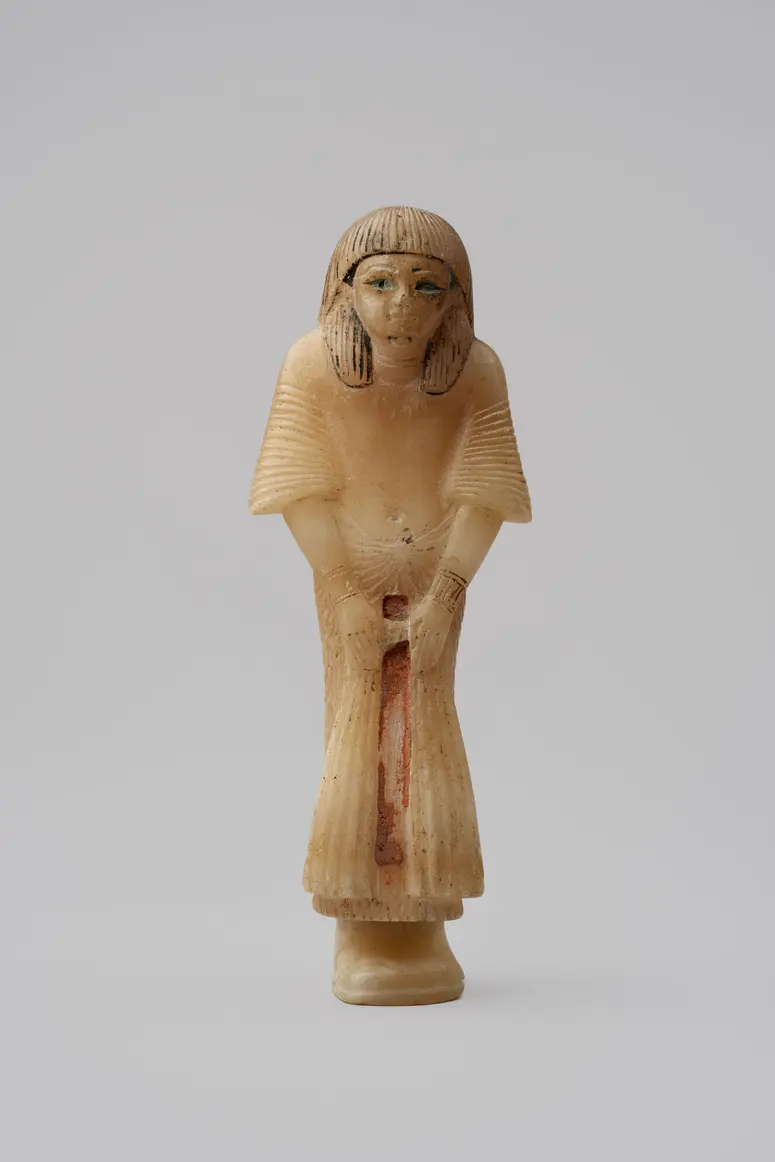
Uschebti im Gewand der Lebenden Fundort unbekannt Frühe 19. Dynastie, ca. 1315-1260 v. Chr.
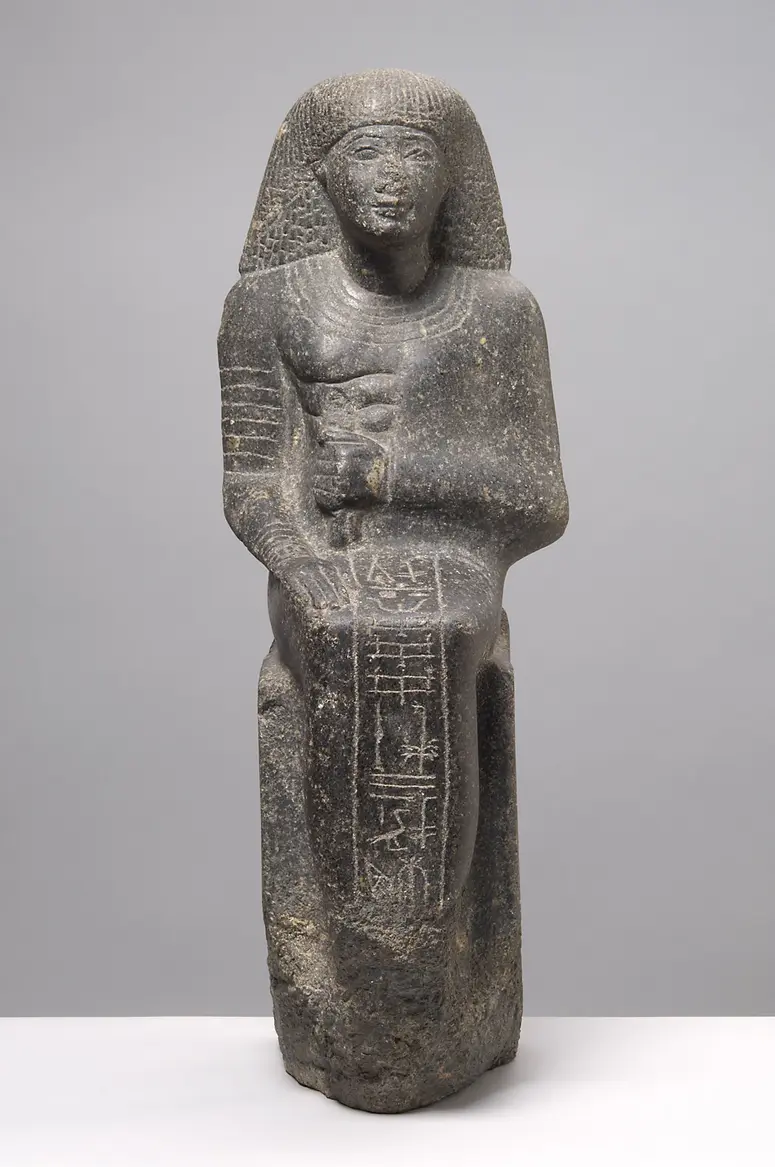
Statue of Meri-mes Assiut (vermutlich) 18th Dynasty, reign of Amenhotep III, 1410-1372 BC;

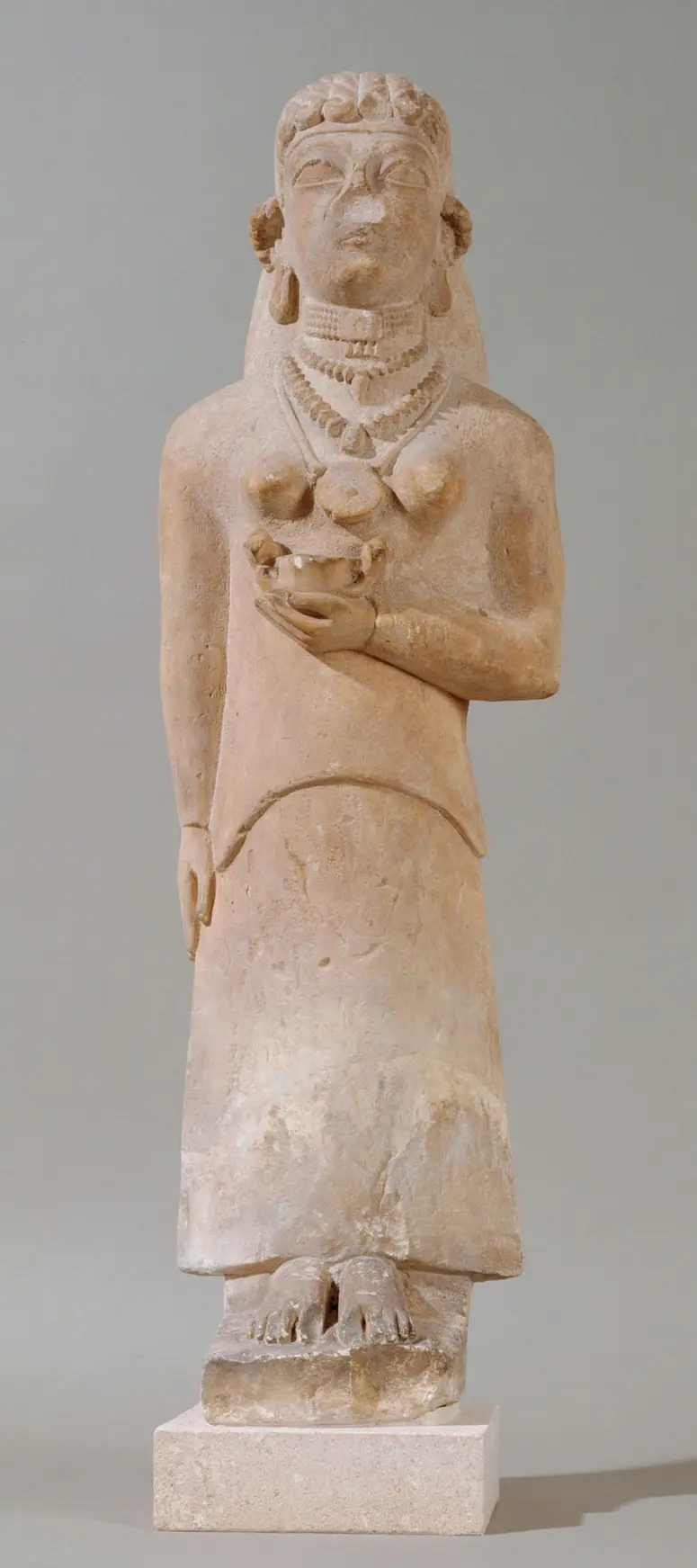
Statuette: Stehende Frau mit Kantharos (Trinkgefäß) Zyprisch, Eisenzeit, archaisch um 550 v. Chr.
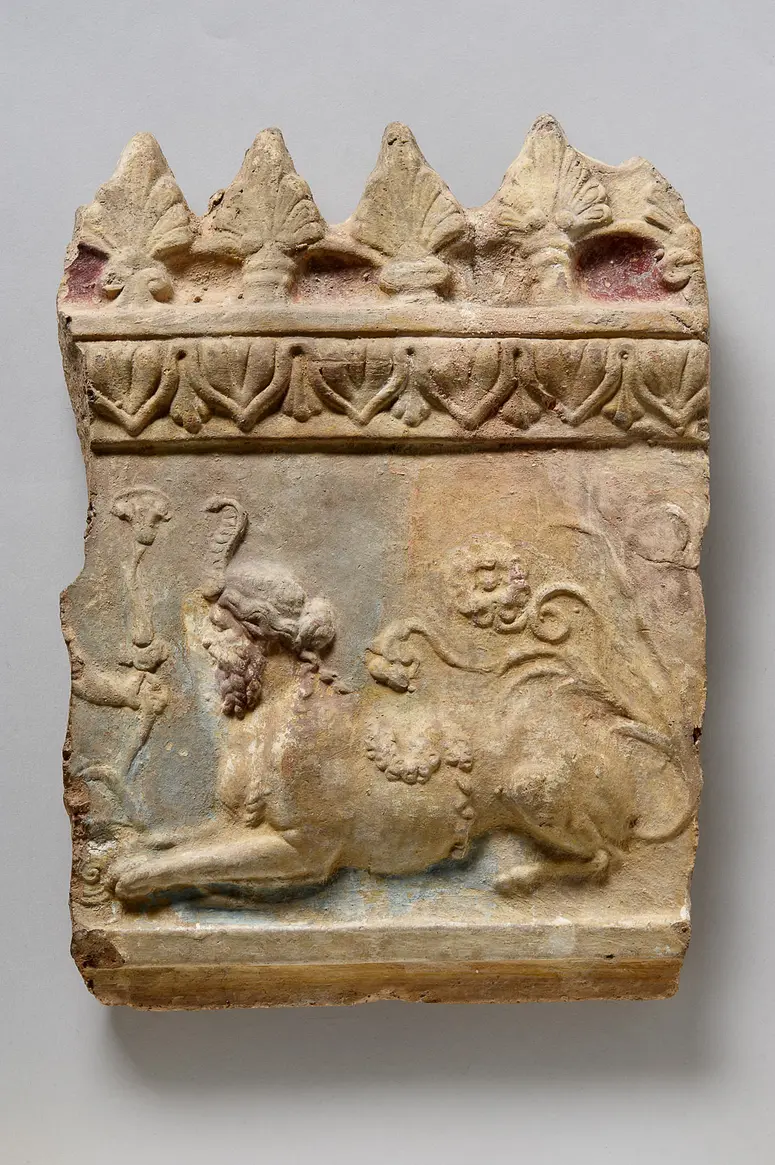
Campanarelief: Rechte Hälfte einer Aufsatzplatte mit Darstellung einer Besfigur zwischen ruhenden Sphingen: Männlicher Sphinx Römisch, Frühe Kaiserzeit 1. Hälfte 1. Jh. n. Chr.
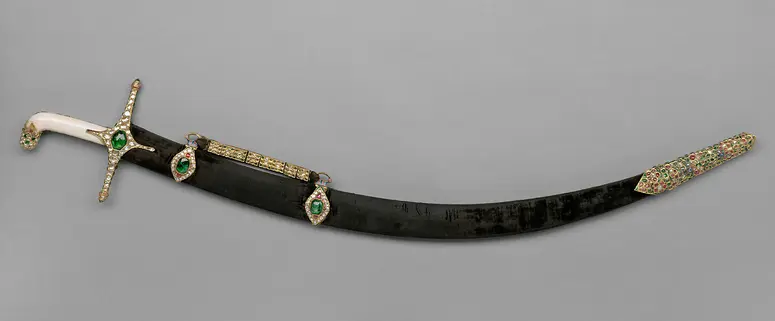
Franz (1792-1835), von 1792-1806 als Franz II. Kaiser, seit 1806 als Franz I. Kaiser von Österreich Anfang 19. Jahrhundert
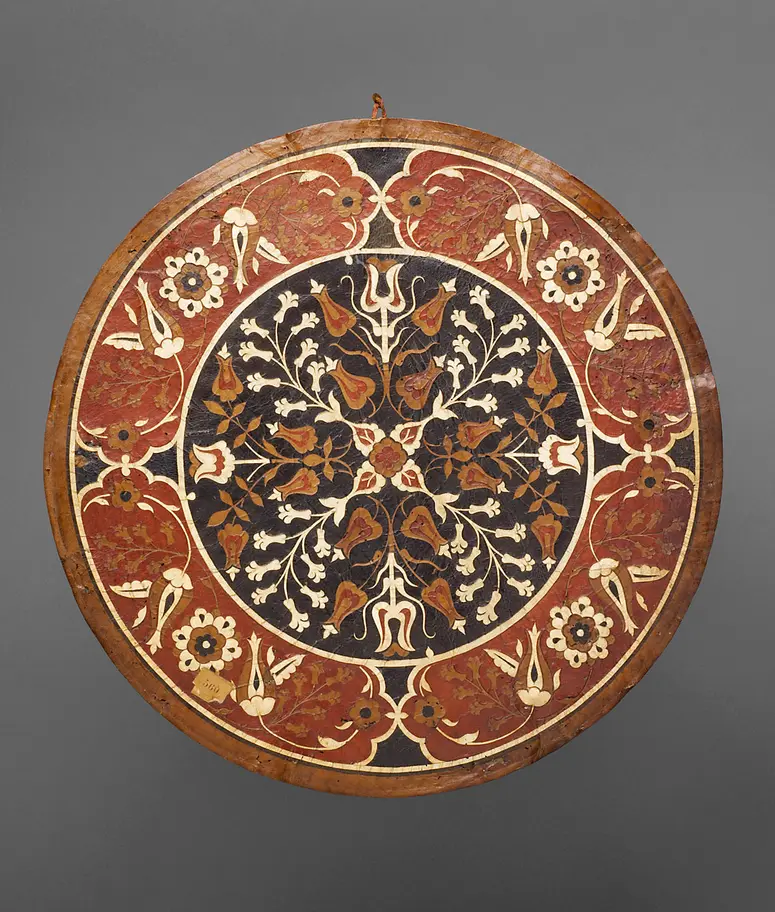
Lederteller, Lederintarsie, Intarsie, Mosaik 2. Viertel 16. Jahrhundert
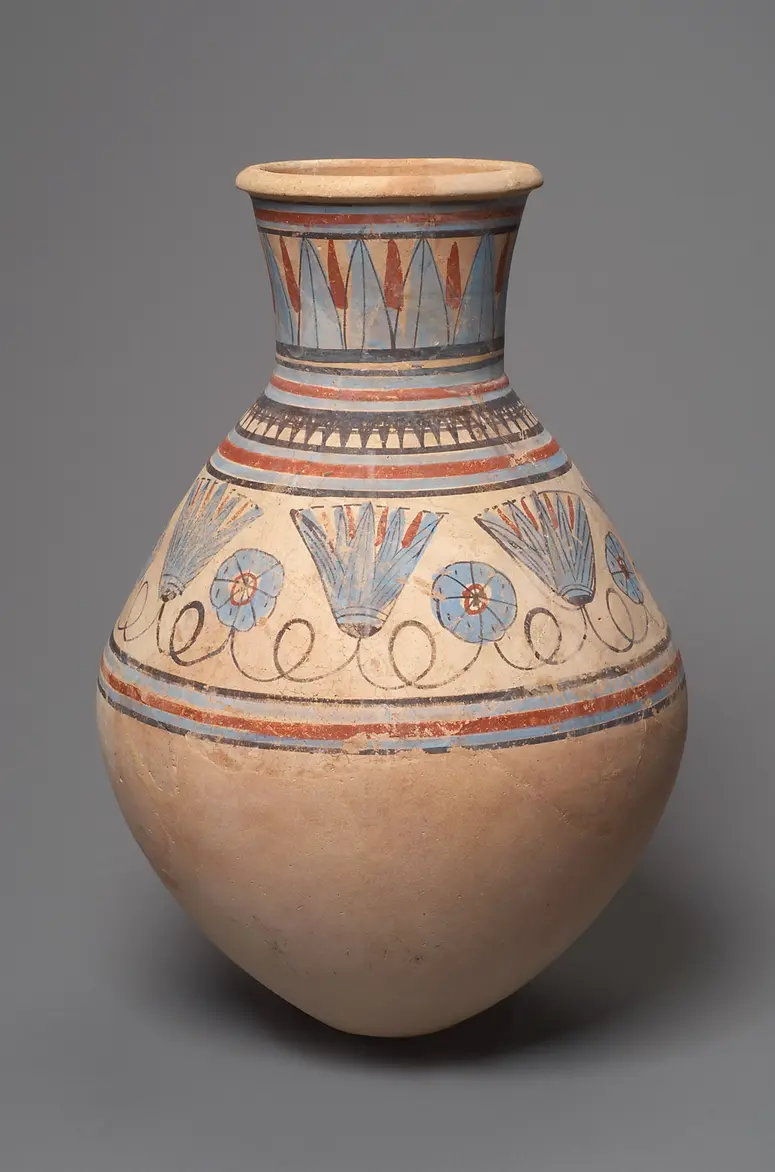
Große bemalte Vase Amarna oder Malqata (vermutlich) Späte 18. Dynastie, ca. 1410-1315 v. Chr.