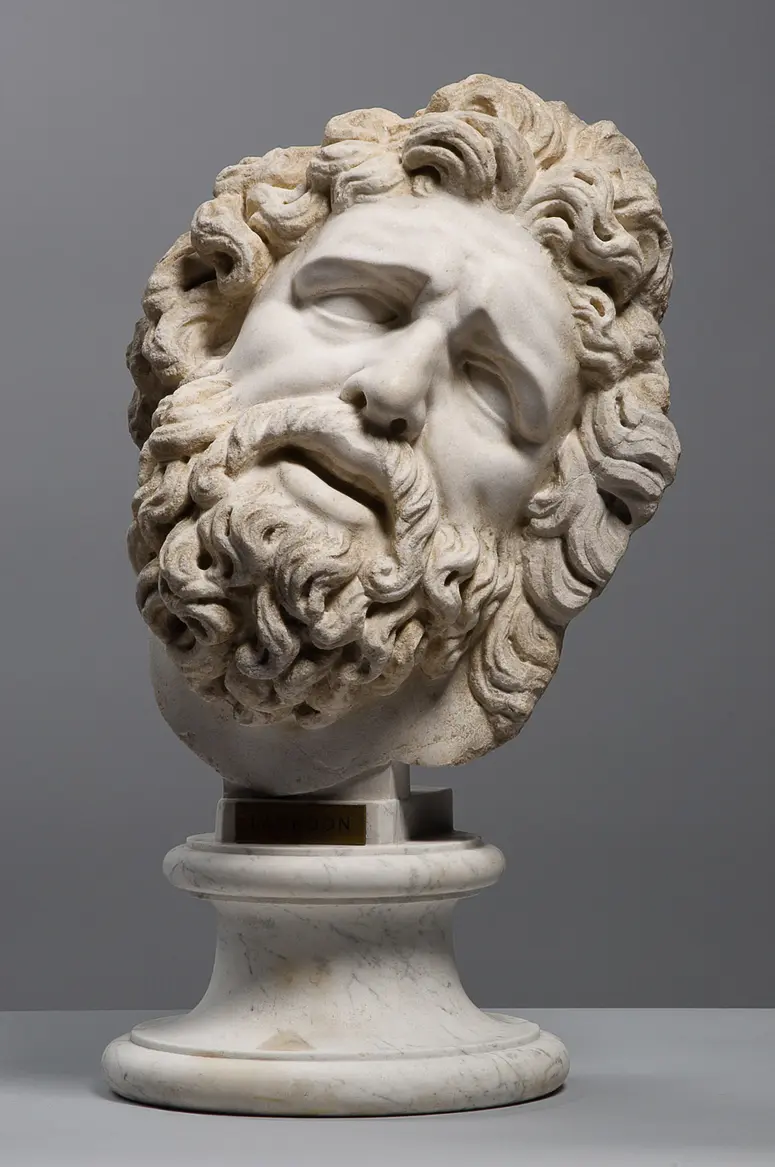
Sohn des Laokoon (Laocoon), Büste, Kopf, Porträtbüste, Porträtkopf, Abguss
16. Jahrhundert
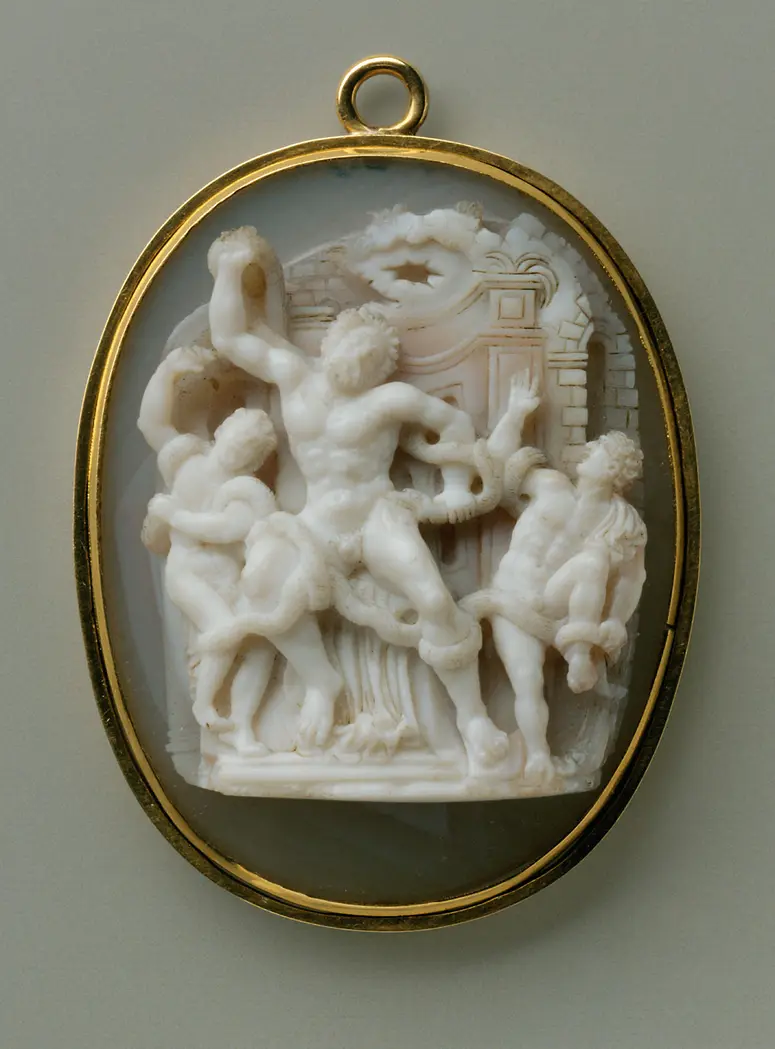
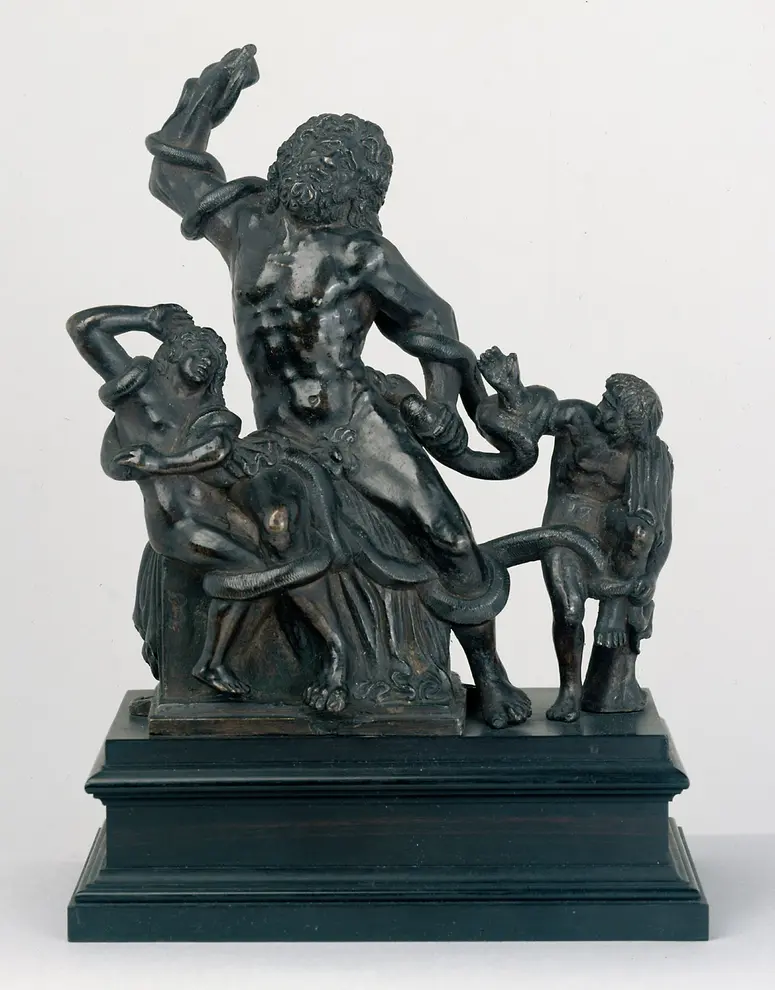
The Laocoon group, which was found in 1506, had an effect on the entire intellectual world that is probably unparalleled. With its discovery a range of discussions – genetic, archaeological, aesthetic-theoretical – were set off that have lasted to the present day. The work of the Rhodian sculptors Hagesandros, Athanadoros and Polydoros, which most likely dates from the early imperial era, has served as a model for countless copies, reductions and interpretations. Both heads were acquired as study objects by Archduke Ferdinand II, or on his behalf. Laocoon, a priest of Apollo or of Poseidon, is strangled by sea serpents with his two sons, after attempting to save the inhabitants of Troy from bringing the wooden horse into the city.
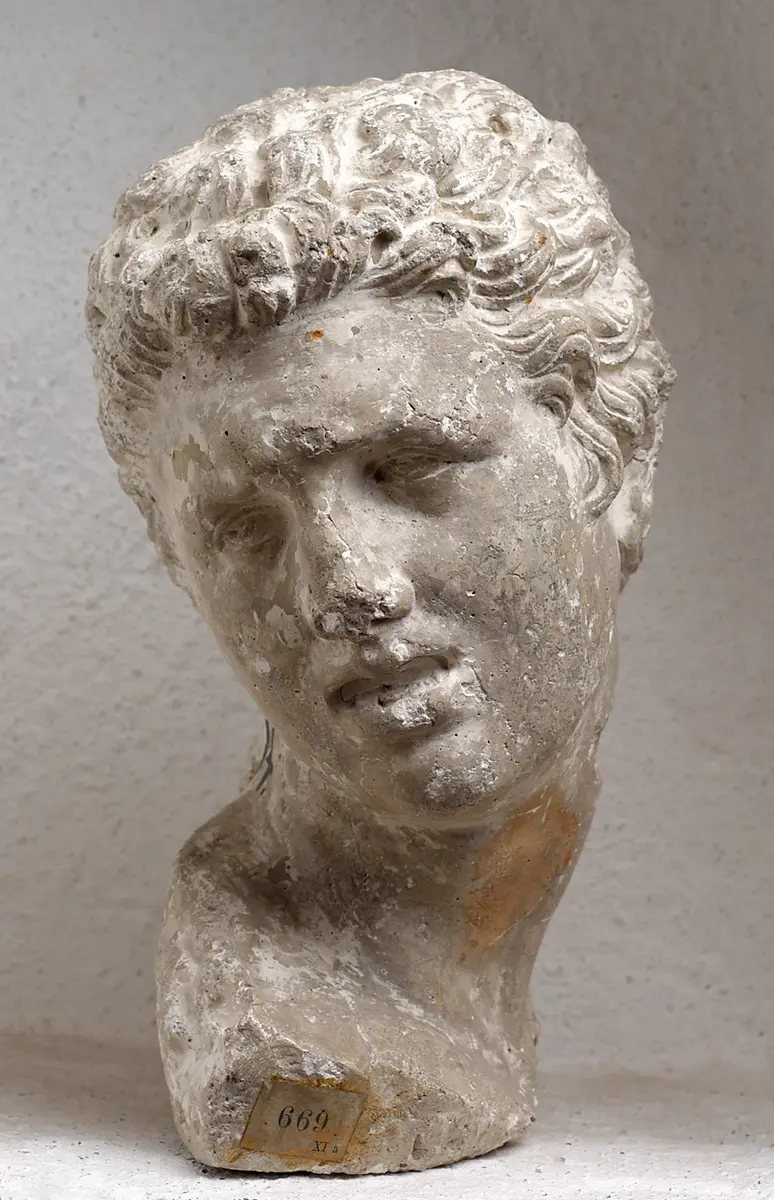
The Laocoon group, which was found in 1506, had an effect on the entire intellectual world that is probably unparalleled. With its discovery a range of discussions – genetic, archaeological, aesthetic-theoretical – were set off that have lasted to the present day. The work of the Rhodian sculptors Hagesandros, Athanadoros and Polydoros, which most likely dates from the early imperial era, has served as a model for countless copies, reductions and interpretations. Both heads were acquired as study objects by Archduke Ferdinand II, or on his behalf. Laocoon, a priest of Apollo or of Poseidon, is strangled by sea serpents with his two sons, after attempting to save the inhabitants of Troy from bringing the wooden horse into the city.
Time:
16. Jahrhundert
Object Name
Büste, Kopf, Porträtkopf, Porträtbüste, Sohn des Laokoon (Laocoon), Abguss
Culture
Italienisch
Material/technology:
Gips
Dimensions:
H. 27 cm
Copyright
Schloss Ambras Innsbruck
Invs.
Schloss Ambras Innsbruck, PA 669
Browse more
Similar items you might be interested in
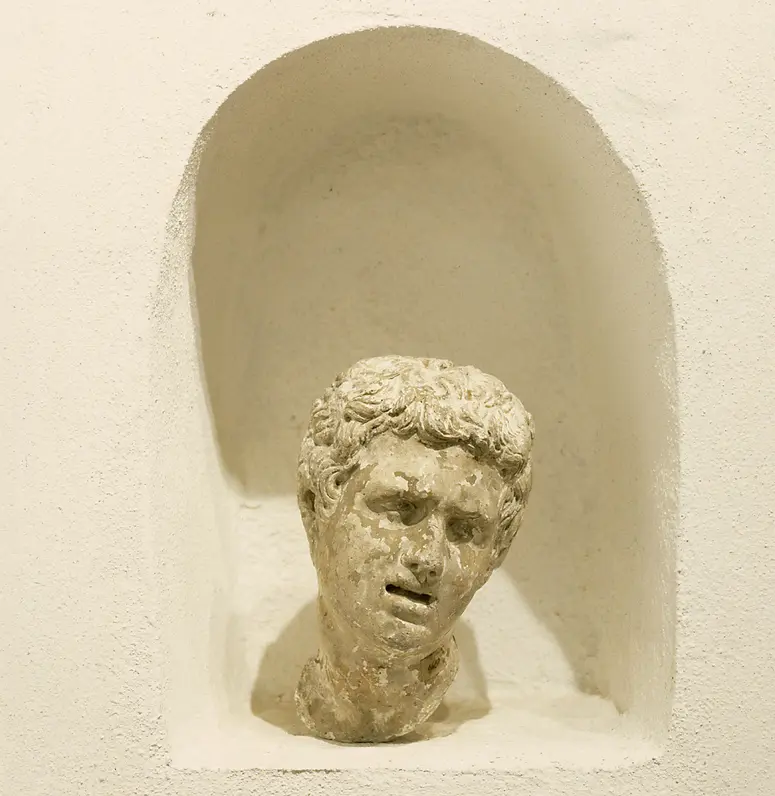
Sohn des Laokoon (Laocoon), Büste, Kopf, Porträtbüste, Porträtkopf 16. Jahrhundert
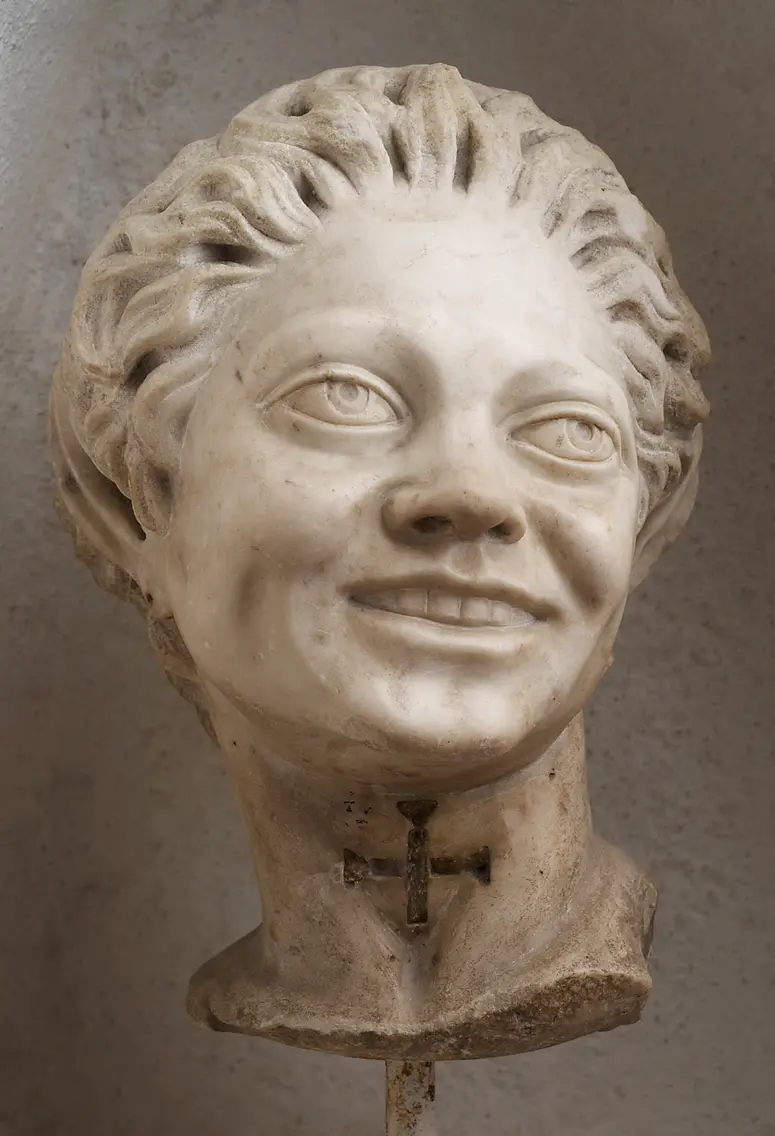
Satyr, Büste, Kopf, Porträtbüste, Porträtkopf, Faun 2. Hälfte 16. Jahrhundert
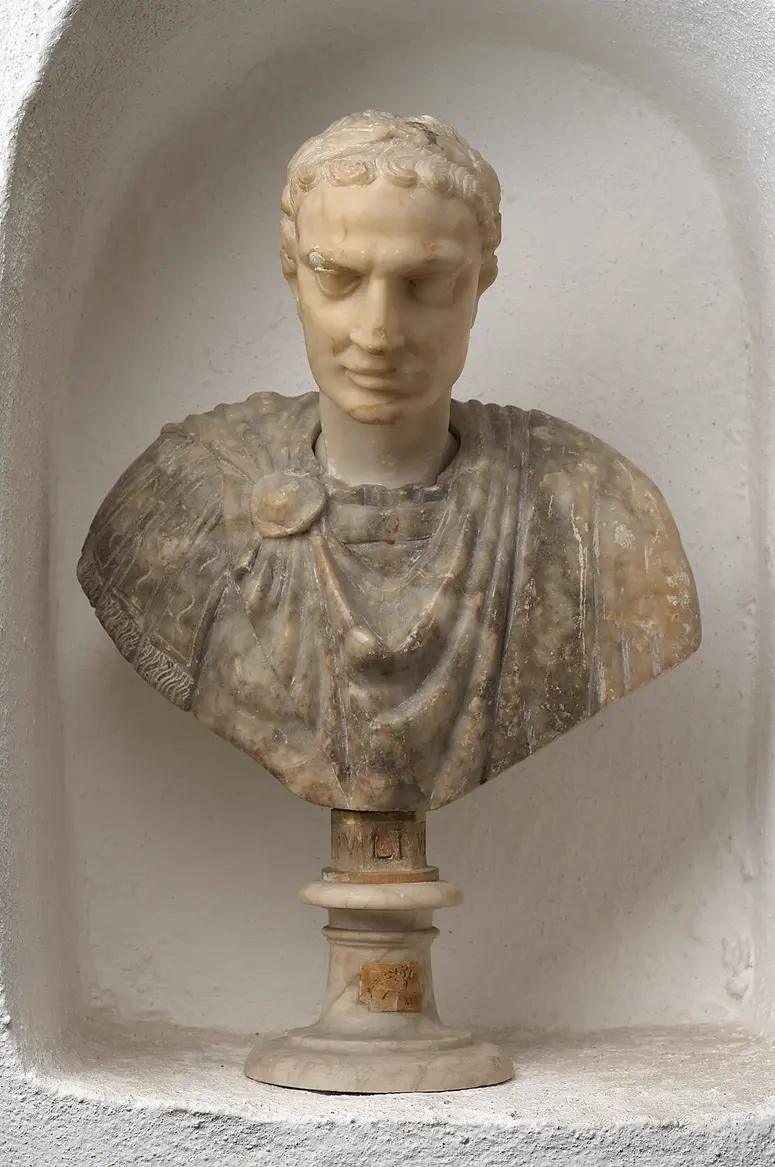
Julius Cäsar, Porträtkopf, Porträtbüste 2. Hälfte 16. Jahrhundert
Marsyas, Statue, Statuette, Plastik 2. Hälfe 16. Jahrhundert
Die drei Grazien (Chariten) und Amor 2. Hälfte 16. Jahrhundert
3 Arbeiten des Herkules, Arbeiten des Herkules, Relief Ende 16. Jahrhundert - Anfang 17. Jahrhundert
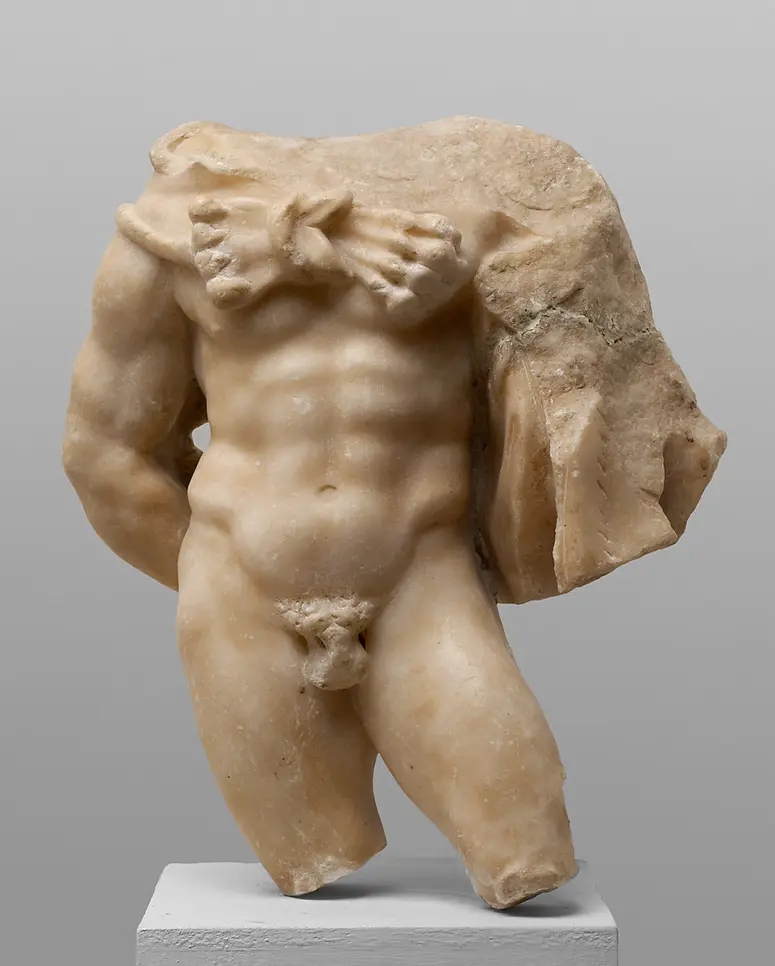
Herkules, Herkules-Torso, Fragment, Statue 2. Hälfte 16. Jahrhundert (?)
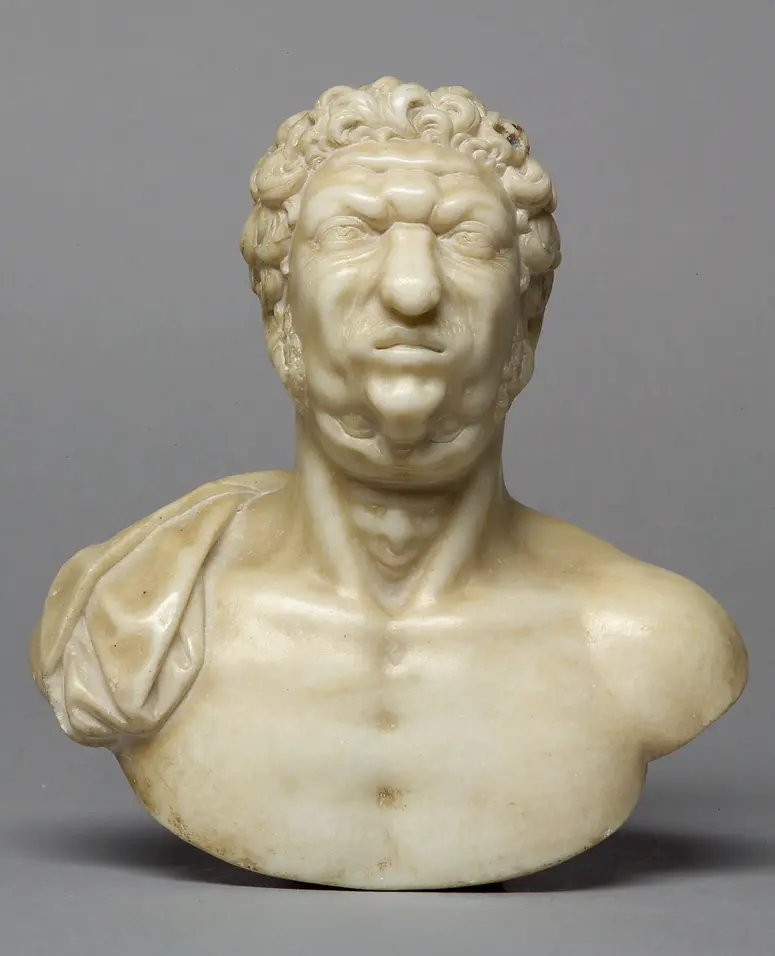
Büste, Faun, Vexierkopf, Vexierbüste Spätes 16. Jahrhundert
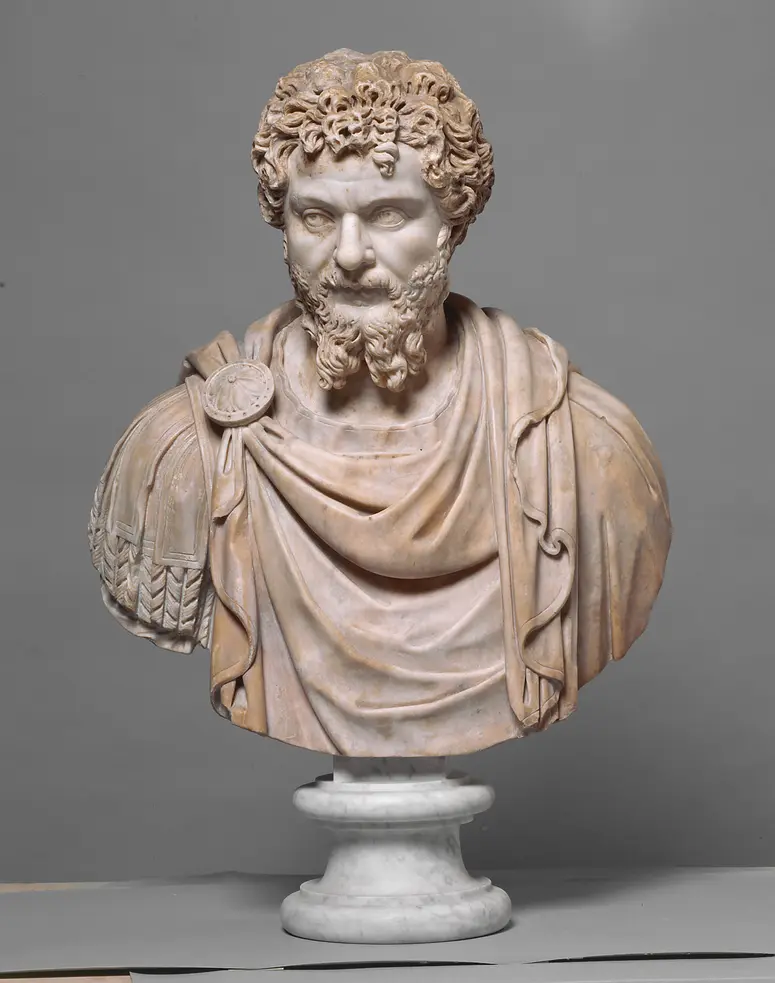
Porträtkopf, Büste ergänzt: Kaiser Septimius Severus Römisch, Späte Kaiserzeit um 200 n. Chr.
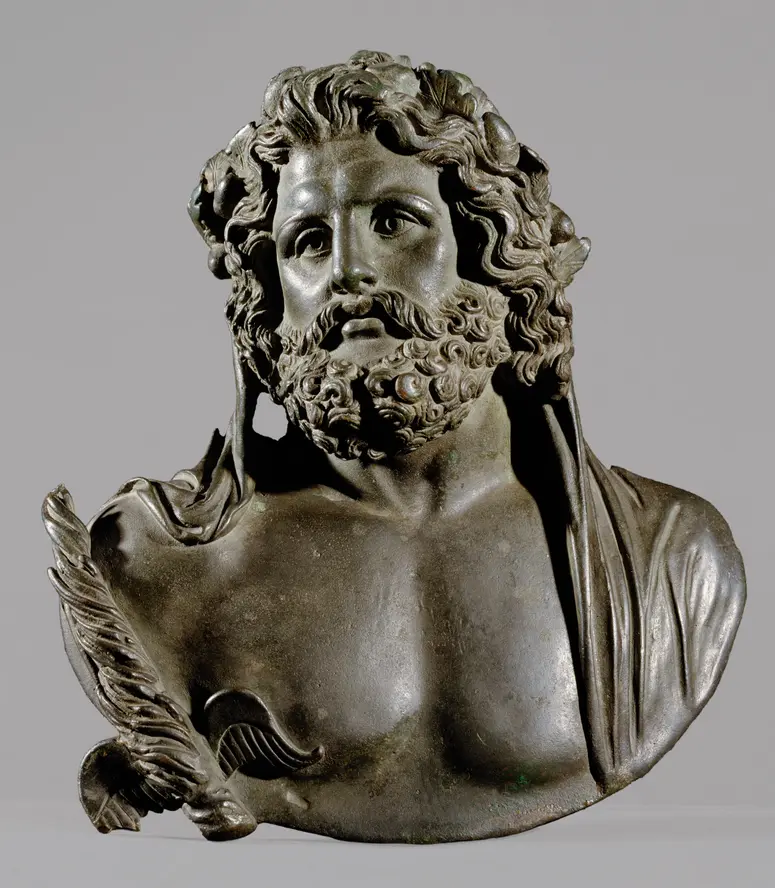
Applik: Büste des Jupiter Römisch, Kaiserzeit 1. - 2. Jh. n. Chr., nach griech. Vorbild der 2. Hälfte des 4. Jhs. v. Chr.
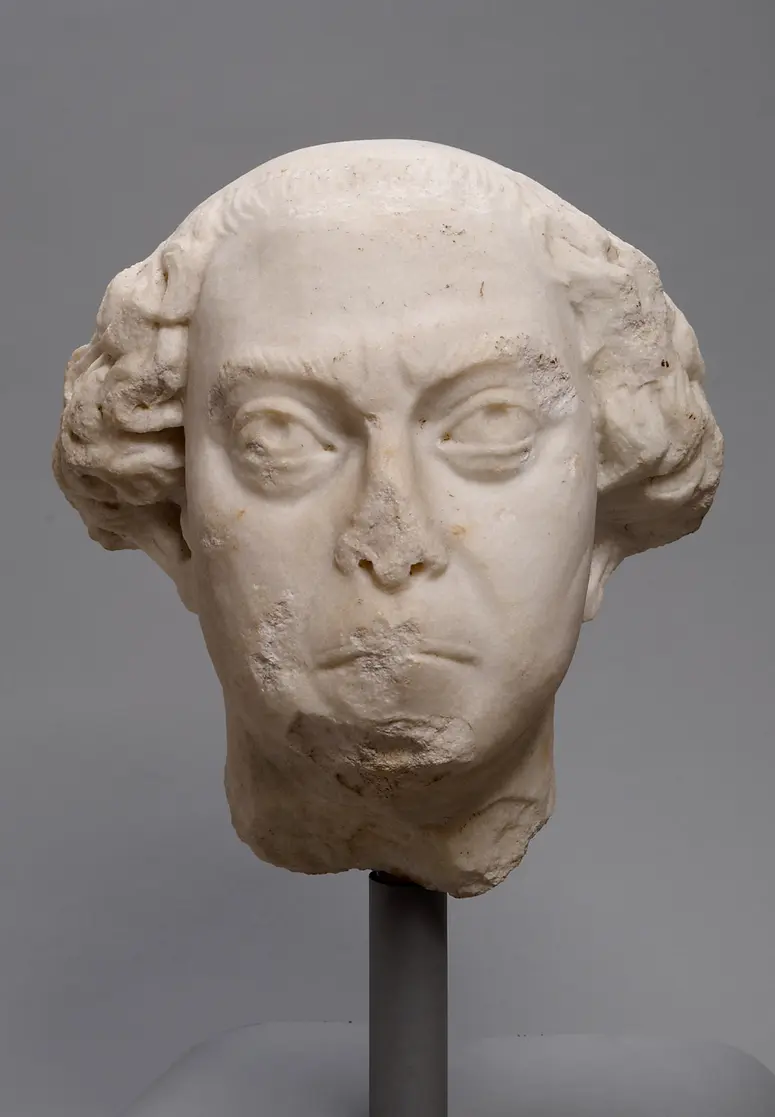
Porträtkopf: Porträt eines kahlköpfigen Mannes Römisch, Spätantik 1. Hälfte 6. Jh. n. Chr.

Römischer Konsul mit Vollbart, Büste, Skulptur, Antike, römischer Konsul 16. Jahrhundert