Herkules, Herkules-Torso, Fragment, Statue
2. Hälfte 16. Jahrhundert (?)
Andrew, son of Archduke Ferdinand II, was from 1576 Cardinal of the Roman Curia. In 1578, thanks to his help, Ferdinand II acquired »beautiful and precious sculptures in marble« for his collection. Ferdinand was interested in collecting sculptures of ancient »heroes«, be they originals, copies or imitations. The antique collection in Ambras shows a great number of casts and copies of original ancient sculptures, like the First Dozen Emperors of Rome, eleven busts of ancient Caesars, four female bust statues, nine head portraits of men, three reliefs and representations from the cycle of Hercules. There are also three Venus, two satyrs, Apollo, the »Three Graces«, and the heads of the sons of Laocoön.
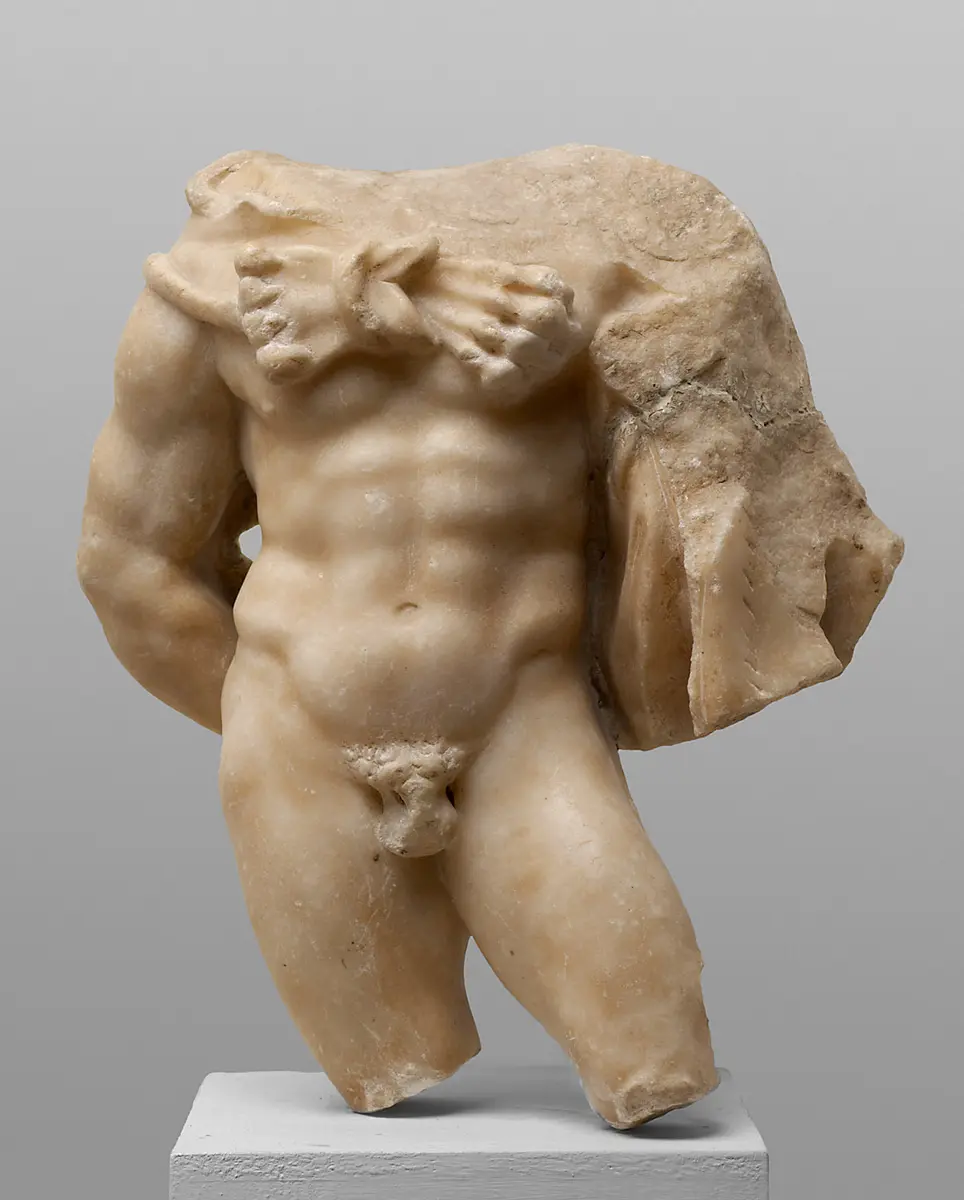
Andrew, son of Archduke Ferdinand II, was from 1576 Cardinal of the Roman Curia. In 1578, thanks to his help, Ferdinand II acquired »beautiful and precious sculptures in marble« for his collection. Ferdinand was interested in collecting sculptures of ancient »heroes«, be they originals, copies or imitations. The antique collection in Ambras shows a great number of casts and copies of original ancient sculptures, like the First Dozen Emperors of Rome, eleven busts of ancient Caesars, four female bust statues, nine head portraits of men, three reliefs and representations from the cycle of Hercules. There are also three Venus, two satyrs, Apollo, the »Three Graces«, and the heads of the sons of Laocoön.
Time:
2. Hälfte 16. Jahrhundert (?)
Object Name
Herkules-Torso, Statuette, Statue, Herkules
Culture
Italienisch
Material/technology:
Marmor
Dimensions:
H. 31 cm
Copyright
Schloss Ambras Innsbruck
Invs.
Schloss Ambras Innsbruck, PA 674
Browse more
Similar items you might be interested in
Ferdinand II. (1564-1595), Erzherzog von Österreich und Landesherr von Tirol um 1560
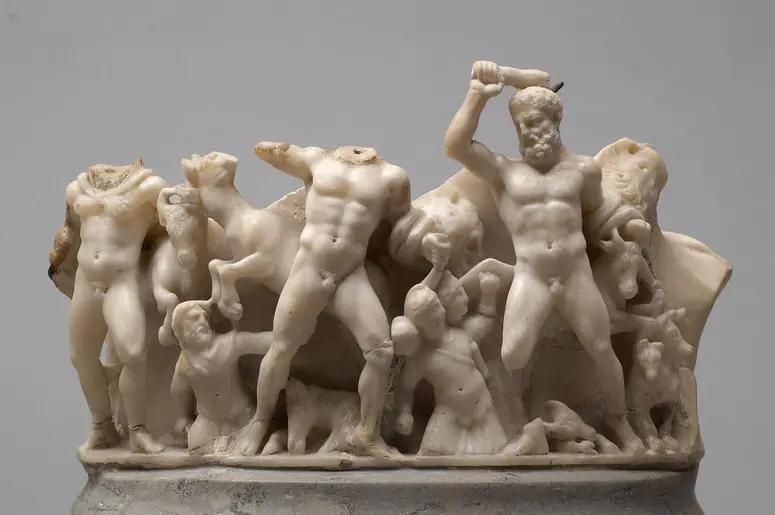
3 Arbeiten des Herkules, Arbeiten des Herkules, Relief Ende 16. Jahrhundert - Anfang 17. Jahrhundert
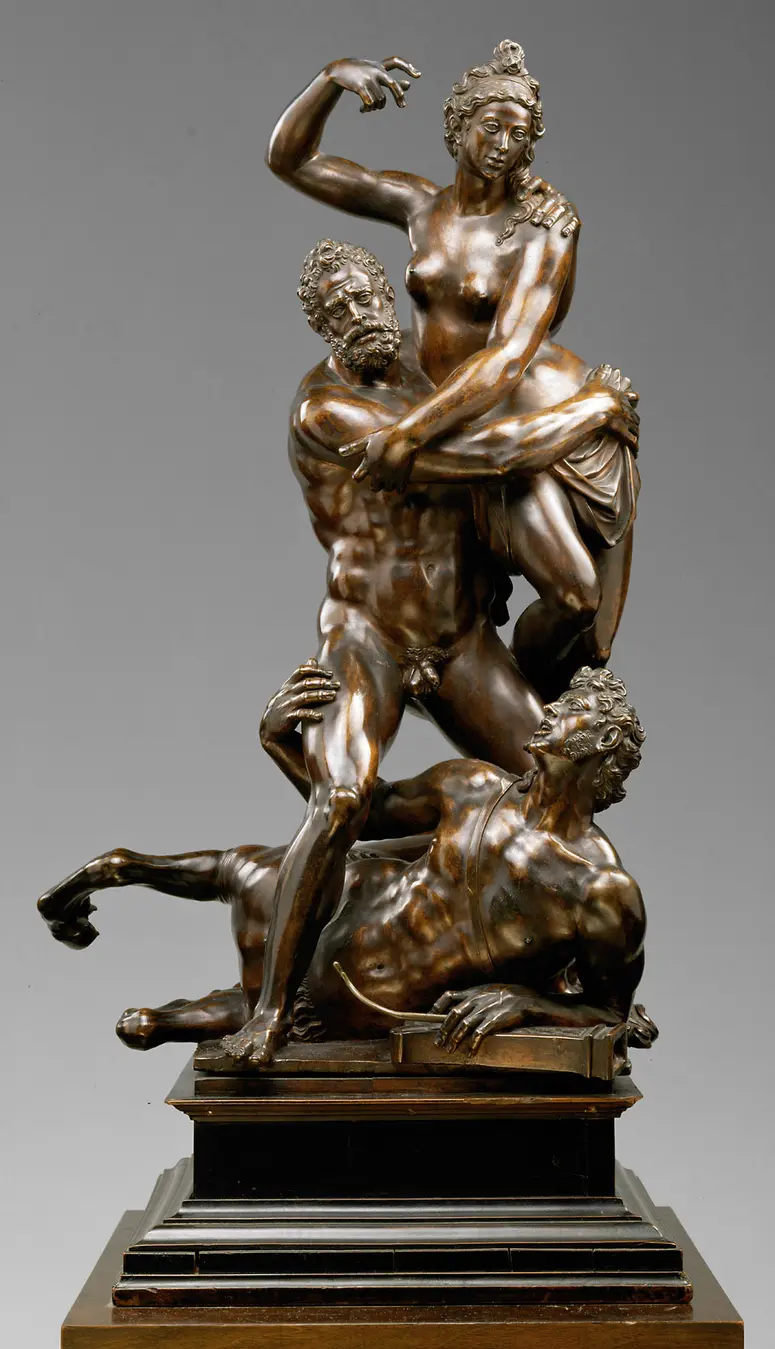

Statuette, Kleinbronze, Bronze, Herkules, Herakles um 1550
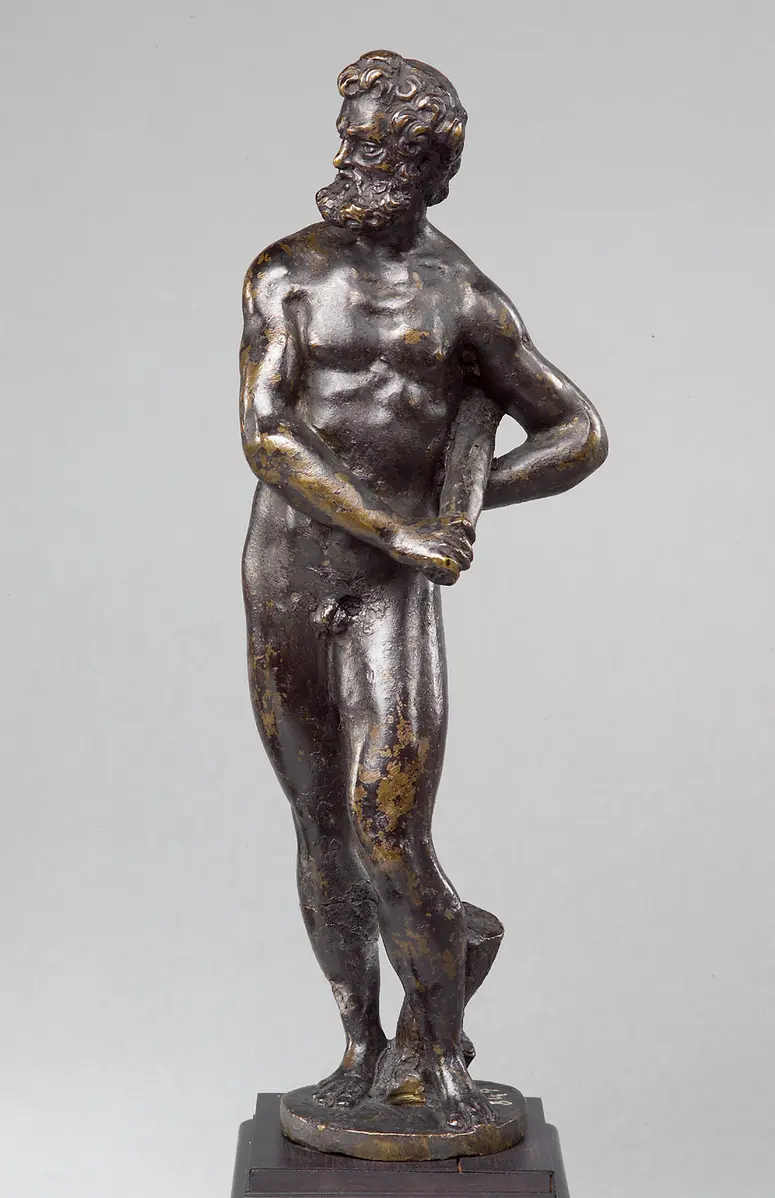
Statuette, Kleinbronze, Herkules, Herakles Nicolo Roccatagliata Ende 16. Jahrhundert / Anfang 17. Jahrhundert
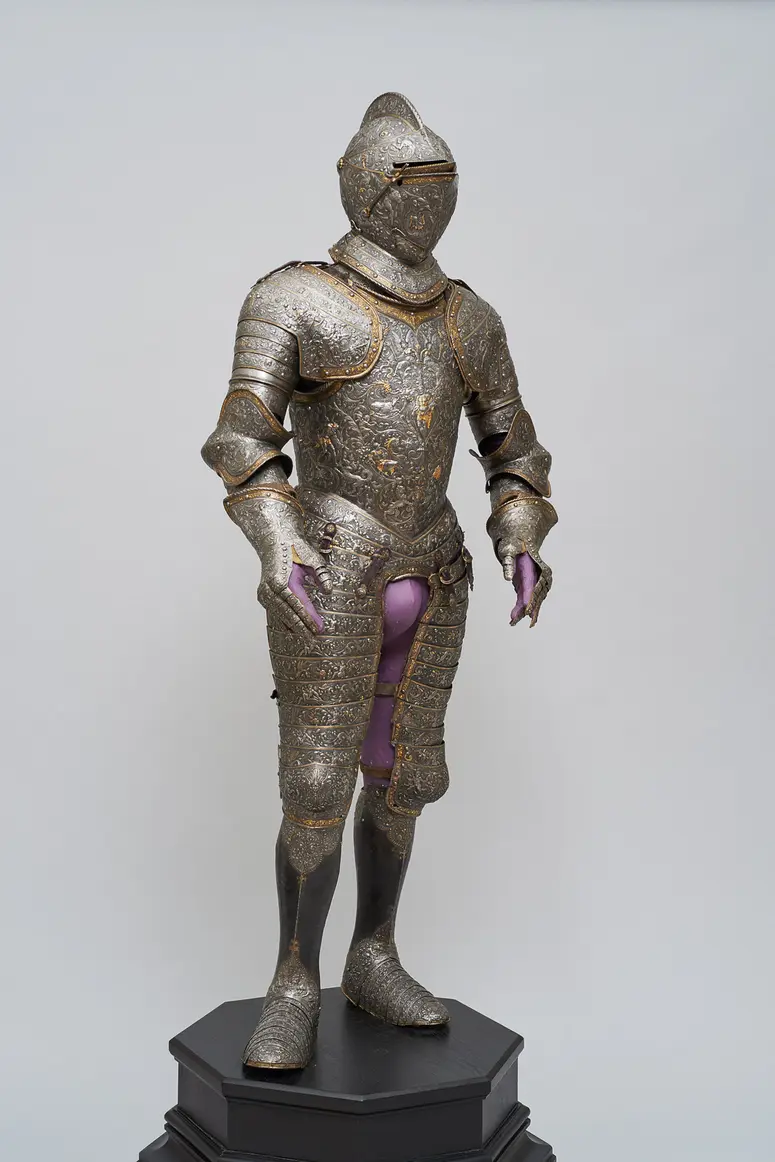
Maximilian II. (1564-1576), Kaiser um 1555-1560
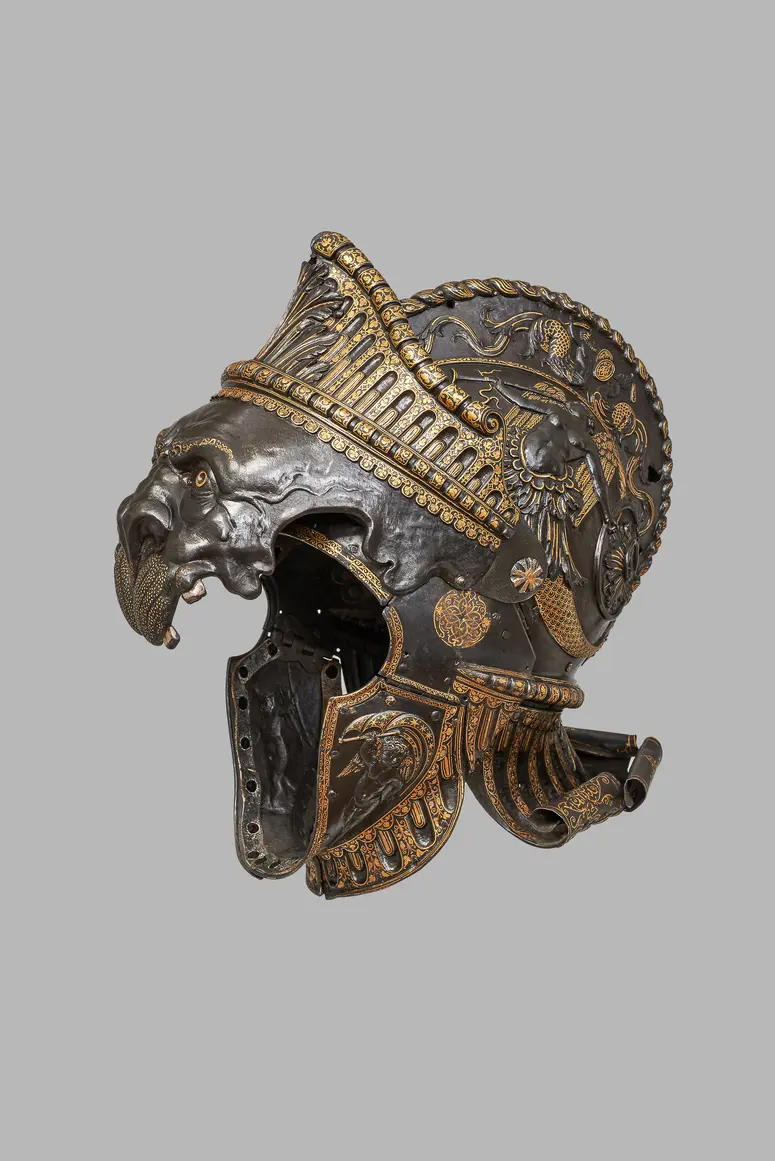
All'antica-Sturmhaube, sog. Löwen-Sturmhaube: All'antica burgonet, so-called Lion Burgonet Karl I. (V.) (1516-1556), als Karl I. König von Spanien, ab 1519 deutscher König, ab 1520 Kaiser c. 1550 - 1555
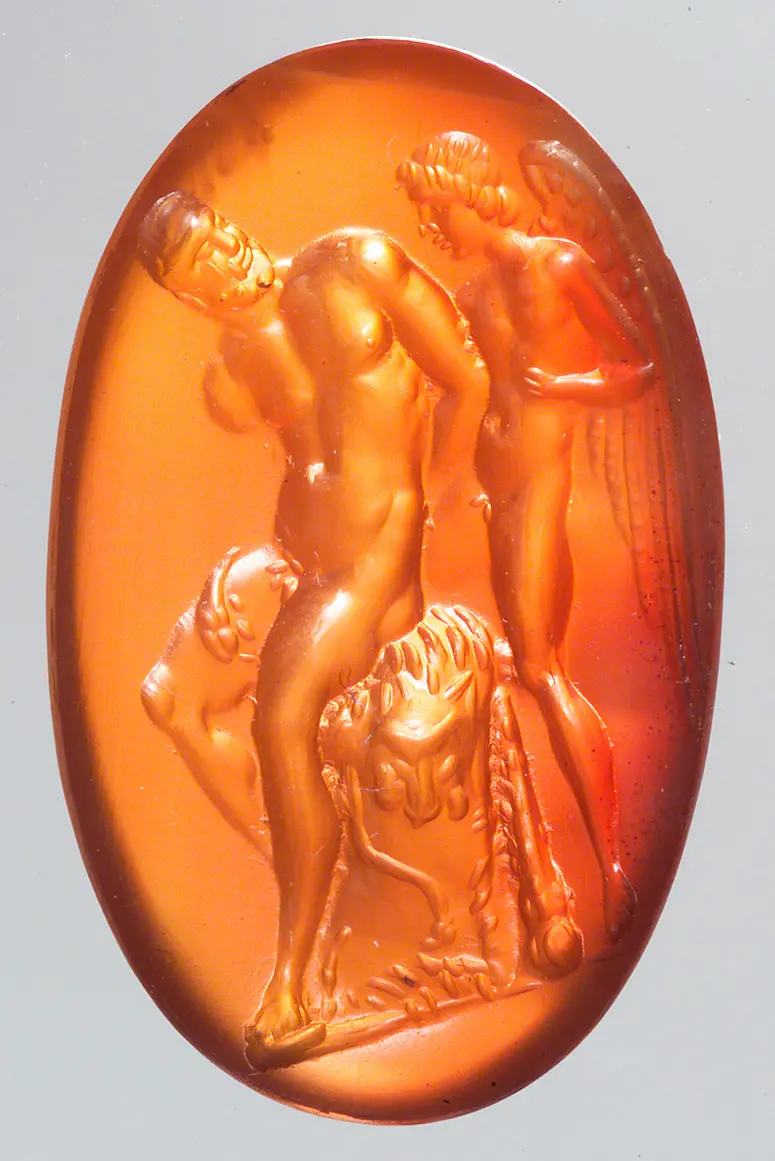
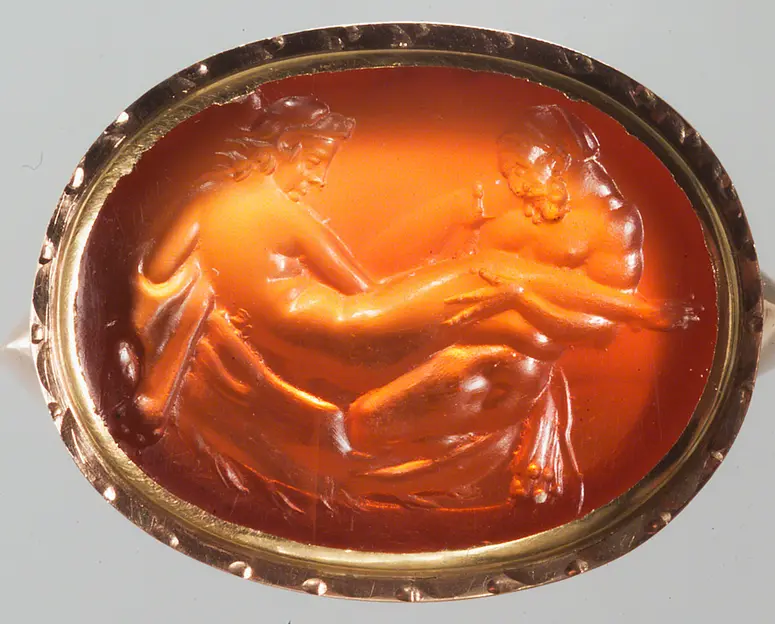
Gemme: Herkules wird von Amor gefesselt Römisch, Republikanisch 3. Viertel 1. Jh. v. Chr.
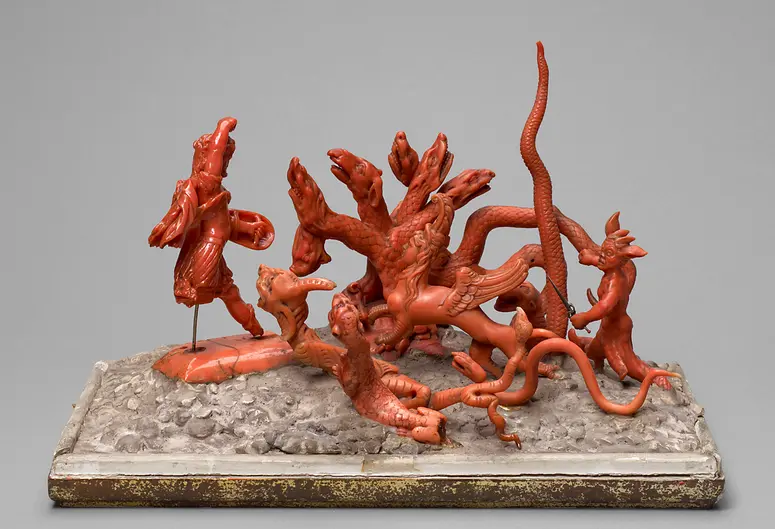
Statuette; Skulptur, Koralle, Naturalie, Herkules im Kampf mit der Hydra 2. Hälfte 16. Jahrhundert
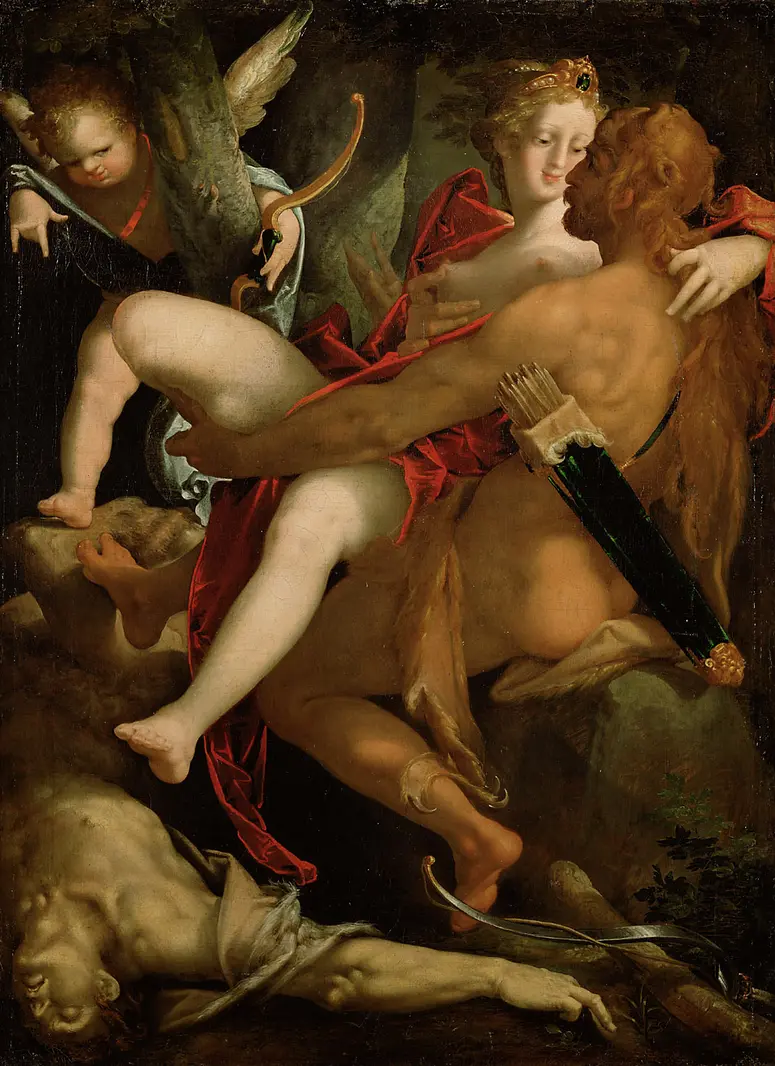
Hercules, Deianeira and the Centaur Nessus Bartholomäus Spranger around 1580/85
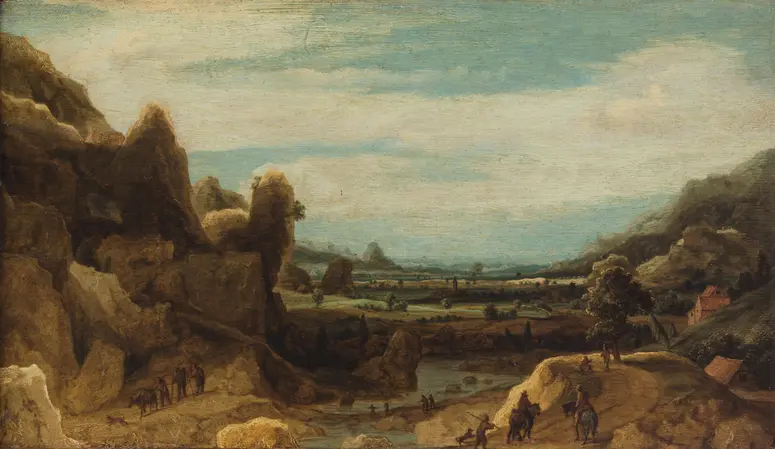
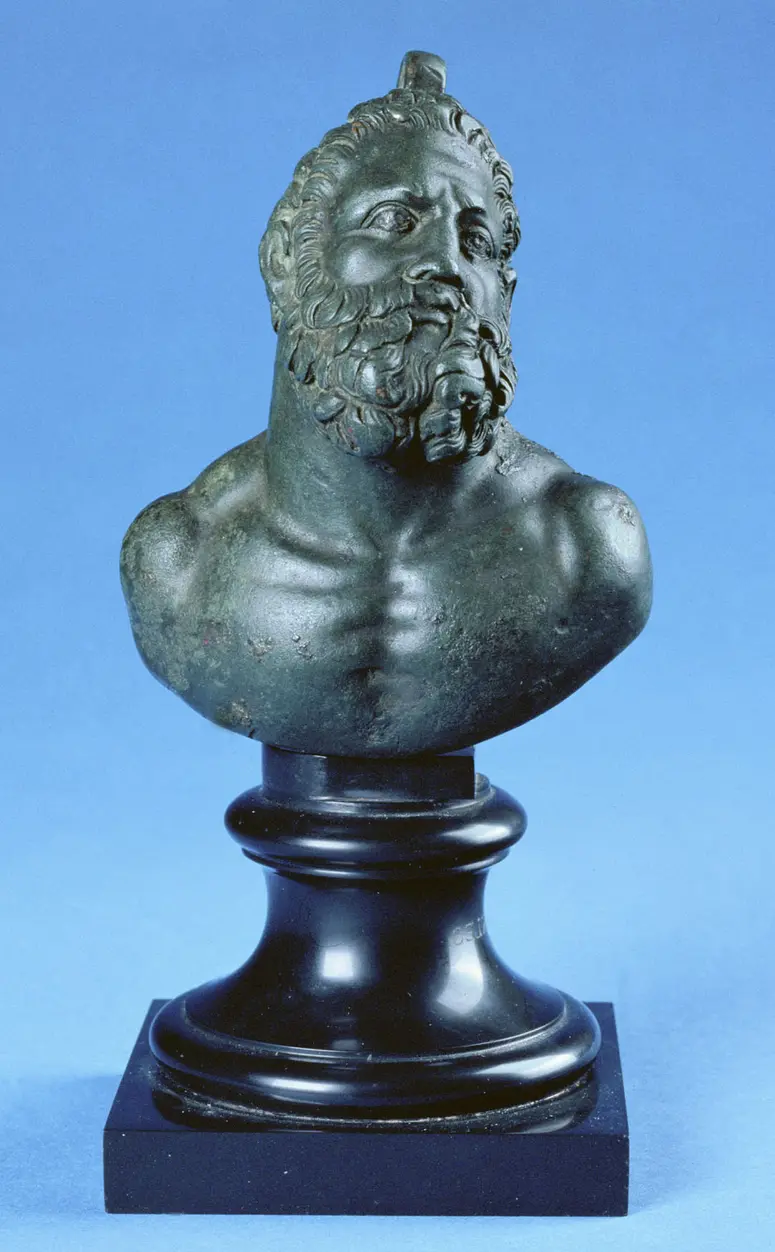
Gewicht: Büste des Herkules Römisch, Kaiserzeit 1. - 2. Jh. n. Chr., nach griech. Vorbild der 2. Hälfte des 4. Jh. v. Chr.
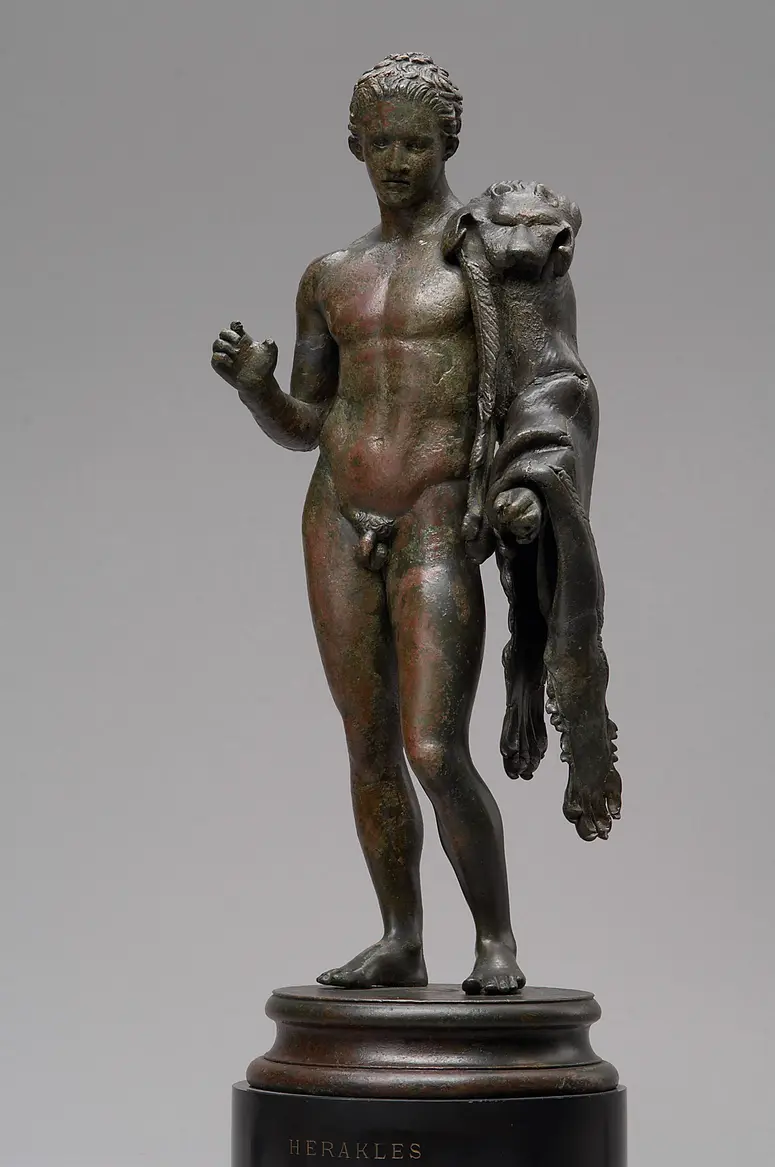
Statuette: Herkules Römisch, Kaiserzeit 1. - 2. Jh. n. Chr., nach griechischem Original der 1. Hälfte des 4. Jhs. v.Chr.
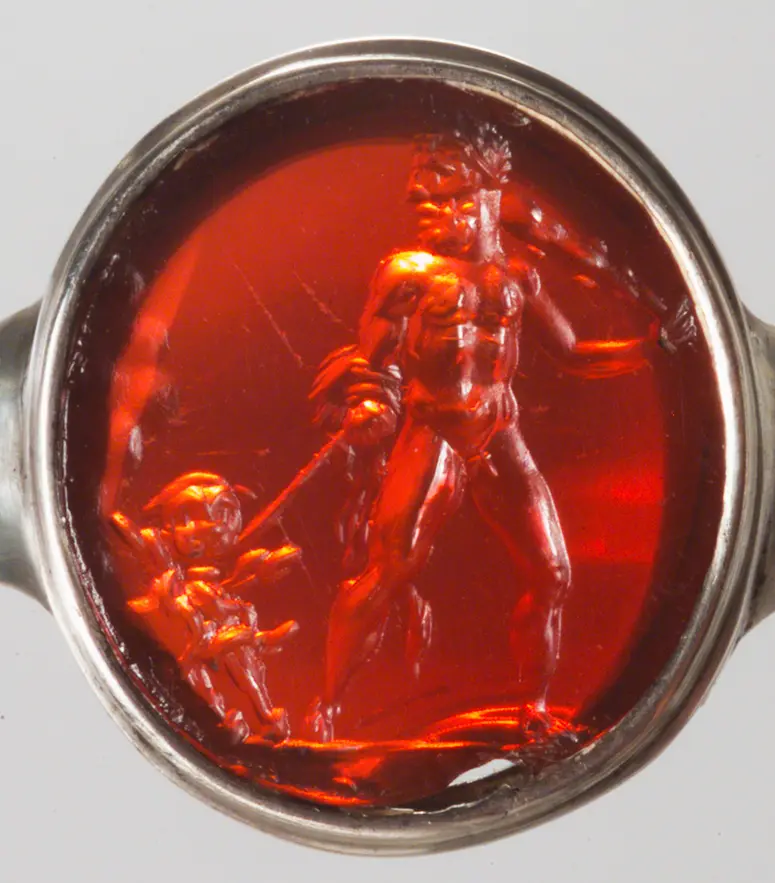
Gemme: Herkules zieht Cerberus aus dem Hades Römisch, Republikanisch - Frühe Kaiserzeit 1. Jh. v. Chr.