Sohn des Laokoon (Laocoon), Büste, Kopf, Porträtbüste, Porträtkopf
16. Jahrhundert
Andrew, son of Archduke Ferdinand II, was from 1576 Cardinal of the Roman Curia. In 1578, thanks to his help, Ferdinand II acquired »beautiful and precious sculptures in marble« for his collection. Ferdinand was interested in collecting sculptures of ancient »heroes«, be they originals, copies or imitations. The antique collection in Ambras shows a great number of casts and copies of original ancient sculptures, like the First Dozen Emperors of Rome, eleven busts of ancient Caesars, four female bust statues, nine head portraits of men, three reliefs and representations from the cycle of Hercules. There are also three Venus, two satyrs, Apollo, the »Three Graces«, and the heads of the sons of Laocoön. The Laocoon group, which was found in 1506, had an effect on the entire intellectual world that is probably unparalleled. With its discovery a range of discussions – genetic, archaeological, aesthetic-theoretical – were set off that have lasted to the present day. The work of the Rhodian sculptors Hagesandros, Athanadoros and Polydoros, which most likely dates from the early imperial era, has served as a model for countless copies, reductions and interpretations. Both heads were acquired as study objects by Archduke Ferdinand II, or on his behalf.
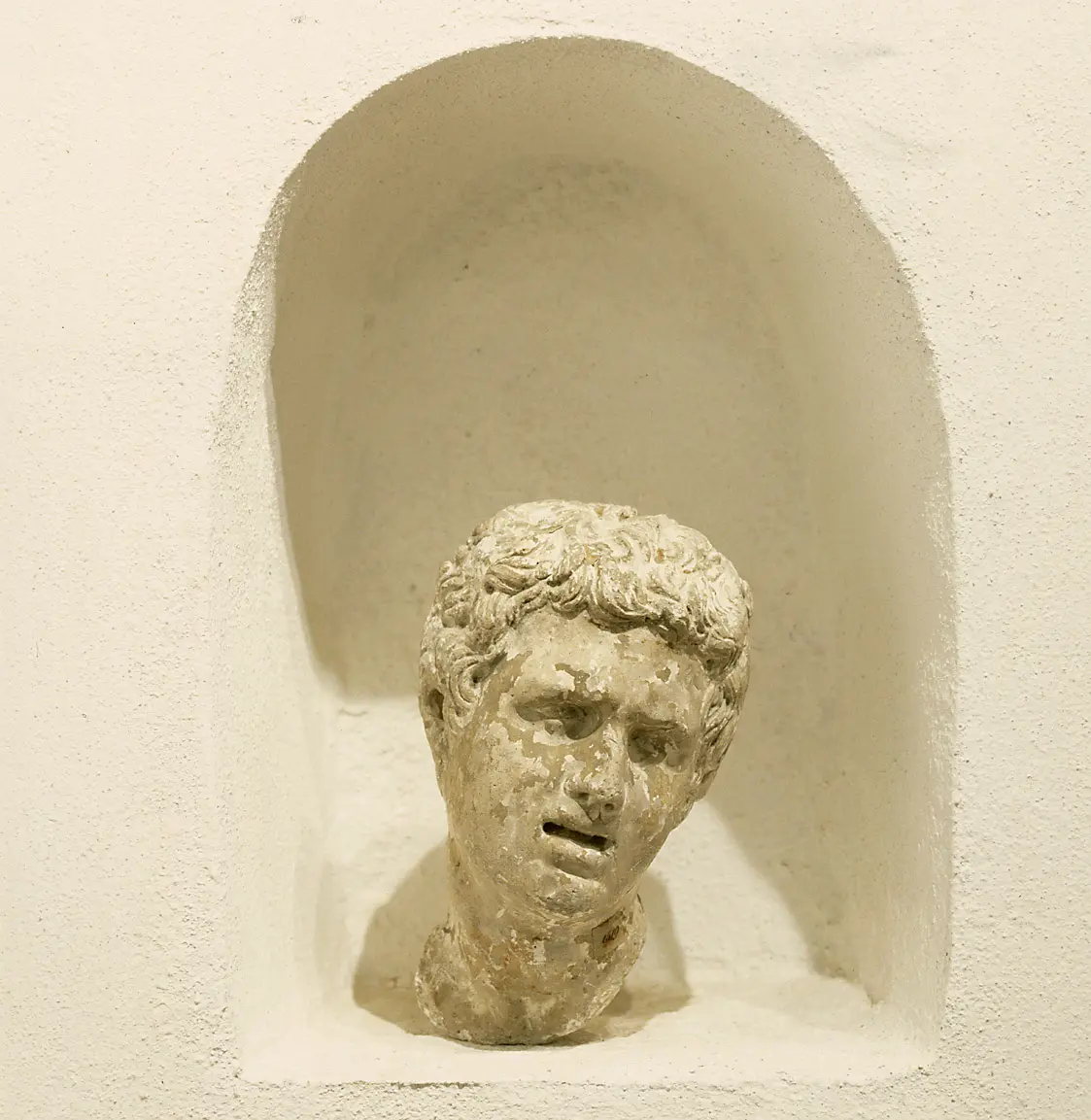
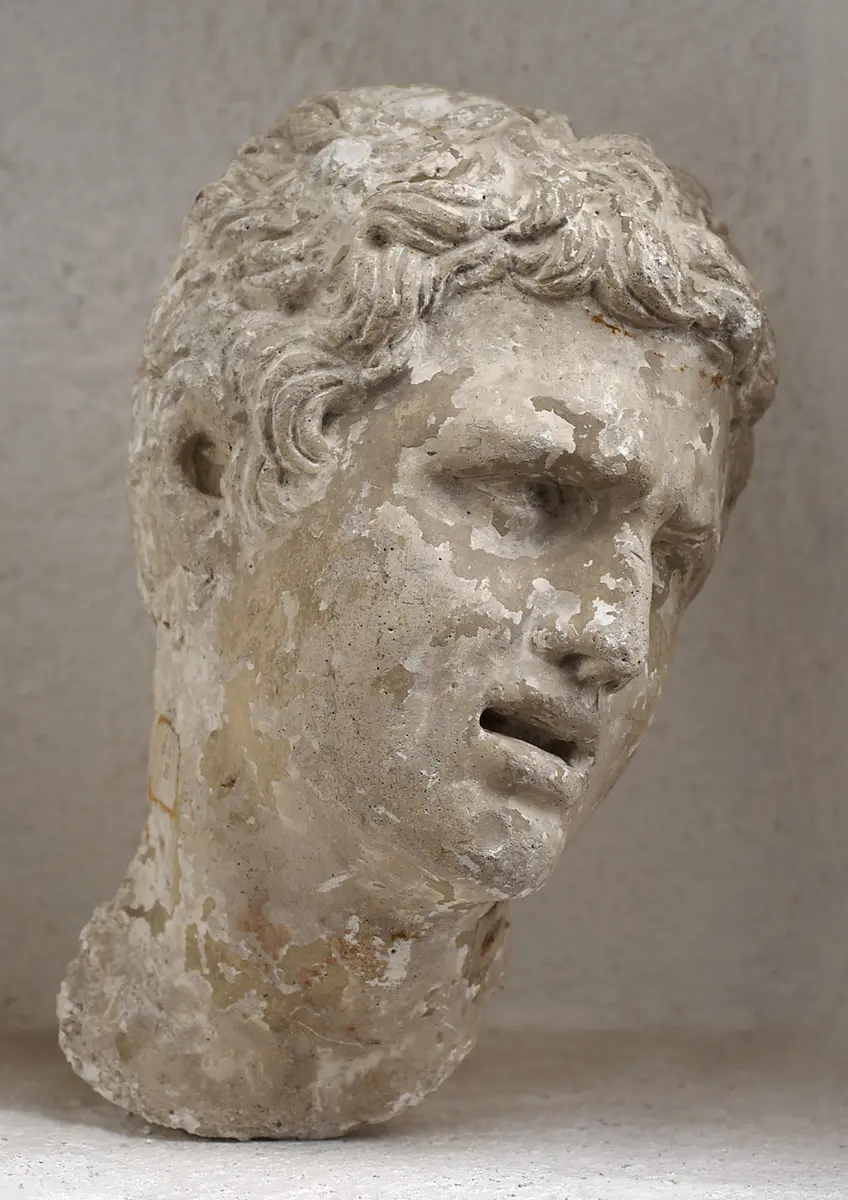
Andrew, son of Archduke Ferdinand II, was from 1576 Cardinal of the Roman Curia. In 1578, thanks to his help, Ferdinand II acquired »beautiful and precious sculptures in marble« for his collection. Ferdinand was interested in collecting sculptures of ancient »heroes«, be they originals, copies or imitations. The antique collection in Ambras shows a great number of casts and copies of original ancient sculptures, like the First Dozen Emperors of Rome, eleven busts of ancient Caesars, four female bust statues, nine head portraits of men, three reliefs and representations from the cycle of Hercules. There are also three Venus, two satyrs, Apollo, the »Three Graces«, and the heads of the sons of Laocoön. The Laocoon group, which was found in 1506, had an effect on the entire intellectual world that is probably unparalleled. With its discovery a range of discussions – genetic, archaeological, aesthetic-theoretical – were set off that have lasted to the present day. The work of the Rhodian sculptors Hagesandros, Athanadoros and Polydoros, which most likely dates from the early imperial era, has served as a model for countless copies, reductions and interpretations. Both heads were acquired as study objects by Archduke Ferdinand II, or on his behalf.
Time:
16. Jahrhundert
Object Name
Porträtkopf, Porträtbüste, Büste, Kopf, Sohn des Laokoon (Laocoon)
Culture
Italienisch
Material/technology:
Gips
Dimensions:
H. 24 cm
Copyright
Schloss Ambras Innsbruck
Invs.
Schloss Ambras Innsbruck, PA 660