Die drei Grazien (Chariten) und Amor
2. Hälfte 16. Jahrhundert
Andrew, son of Archduke Ferdinand II, was from 1576 Cardinal of the Roman Curia. In 1578, thanks to his help, Ferdinand II acquired »beautiful and precious sculptures in marble« for his collection. Ferdinand was interested in collecting sculptures of ancient »heroes«, be they originals, copies or imitations. The antique collection in Ambras shows a great number of casts and copies of original ancient sculptures, like the First Dozen Emperors of Rome, eleven busts of ancient Caesars, four female bust statues, nine head portraits of men, three reliefs and representations from the cycle of Hercules. There are also three Venus, two satyrs, Apollo, the »Three Graces«, and the heads of the sons of Laocoön.
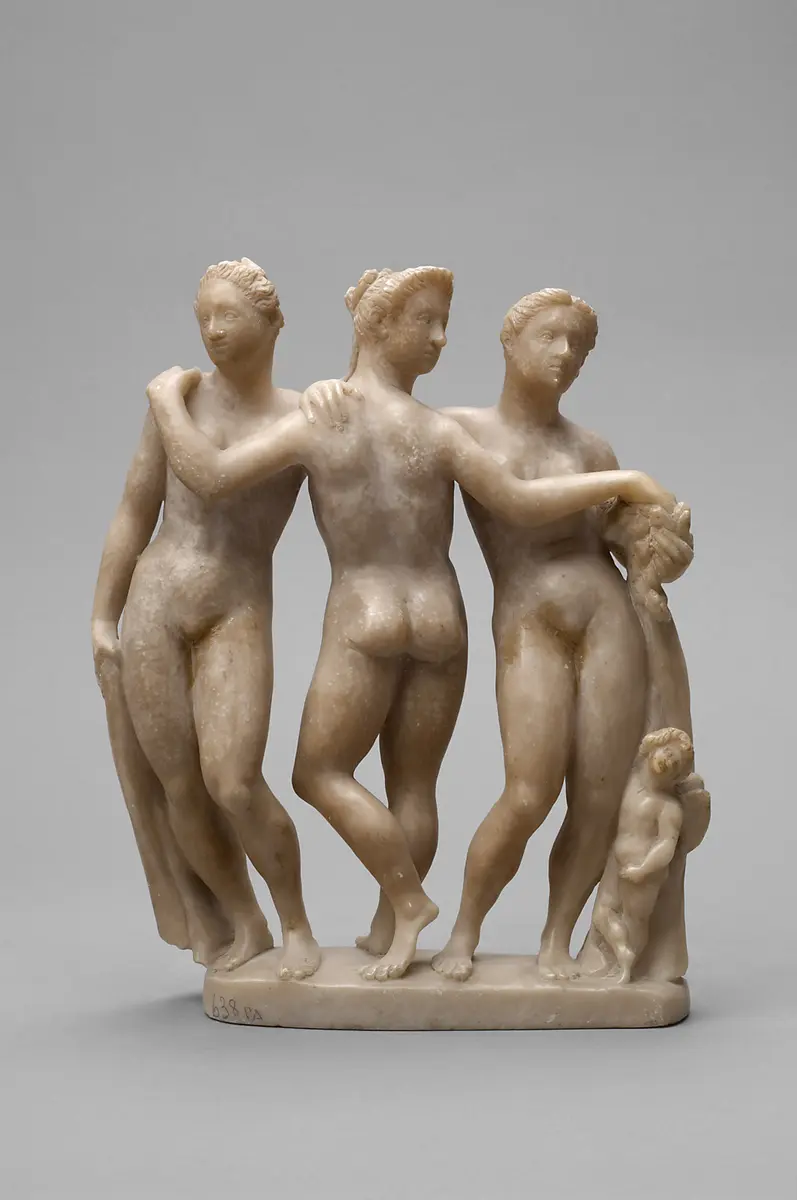
Andrew, son of Archduke Ferdinand II, was from 1576 Cardinal of the Roman Curia. In 1578, thanks to his help, Ferdinand II acquired »beautiful and precious sculptures in marble« for his collection. Ferdinand was interested in collecting sculptures of ancient »heroes«, be they originals, copies or imitations. The antique collection in Ambras shows a great number of casts and copies of original ancient sculptures, like the First Dozen Emperors of Rome, eleven busts of ancient Caesars, four female bust statues, nine head portraits of men, three reliefs and representations from the cycle of Hercules. There are also three Venus, two satyrs, Apollo, the »Three Graces«, and the heads of the sons of Laocoön.
Time:
2. Hälfte 16. Jahrhundert
Object Name
Statuengruppe, Drei Grazien, Drei Grazien und Amor
Culture
Italienisch (?), Deutsch (?)
Material/technology:
Marmor
Dimensions:
H. 25,5 cm
Copyright
Schloss Ambras Innsbruck
Invs.
Schloss Ambras Innsbruck, PA 638
Browse more
Similar items you might be interested in
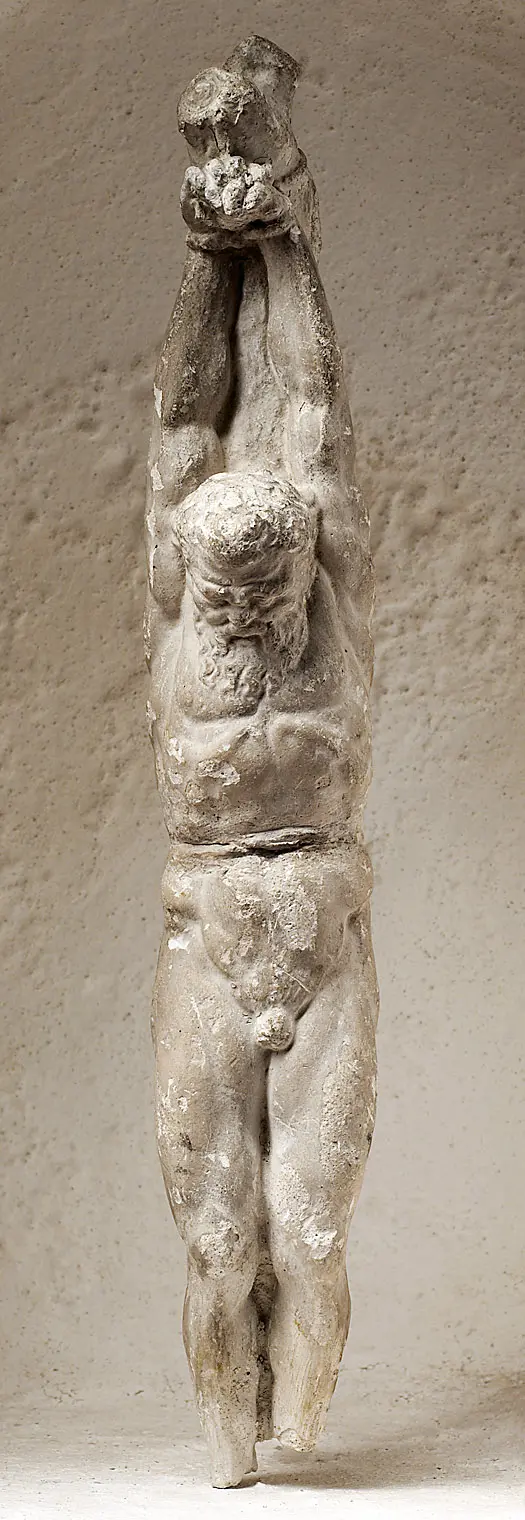
Marsyas, Statue, Statuette, Plastik 2. Hälfe 16. Jahrhundert
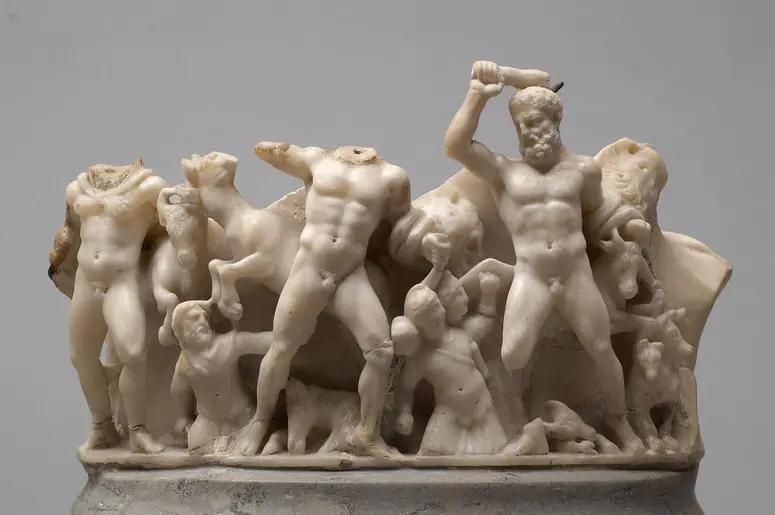
3 Arbeiten des Herkules, Arbeiten des Herkules, Relief Ende 16. Jahrhundert - Anfang 17. Jahrhundert
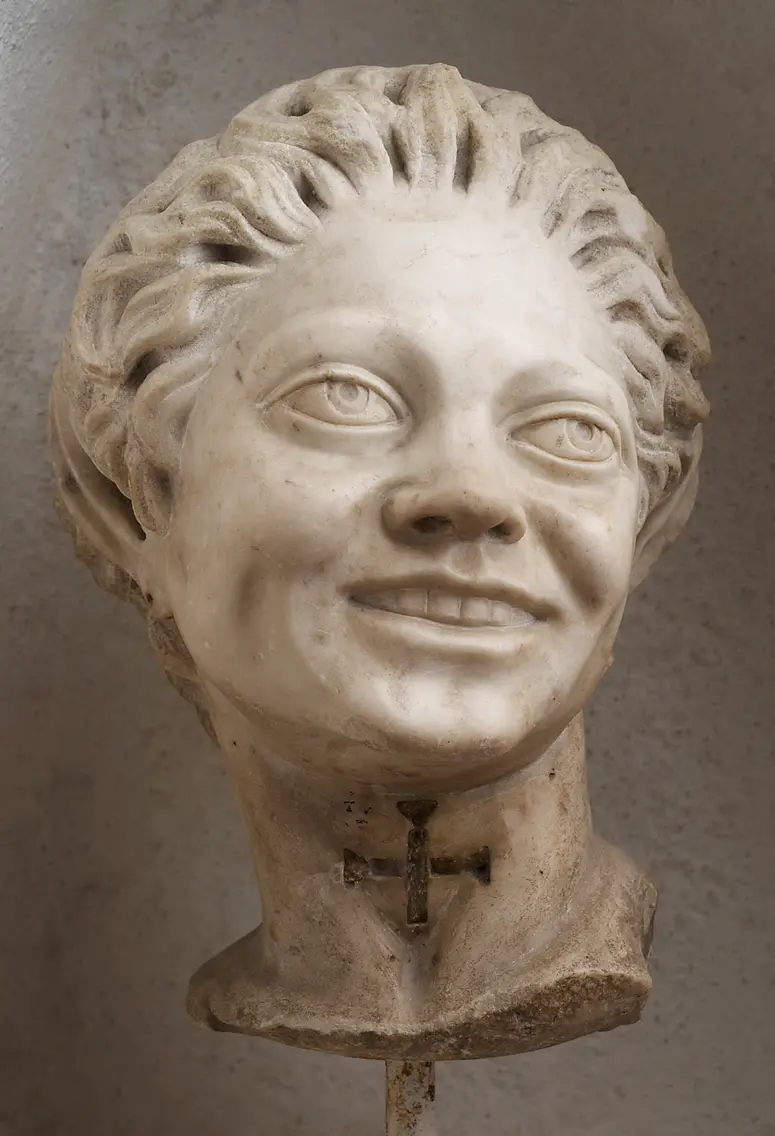
Satyr, Büste, Kopf, Porträtbüste, Porträtkopf, Faun 2. Hälfte 16. Jahrhundert
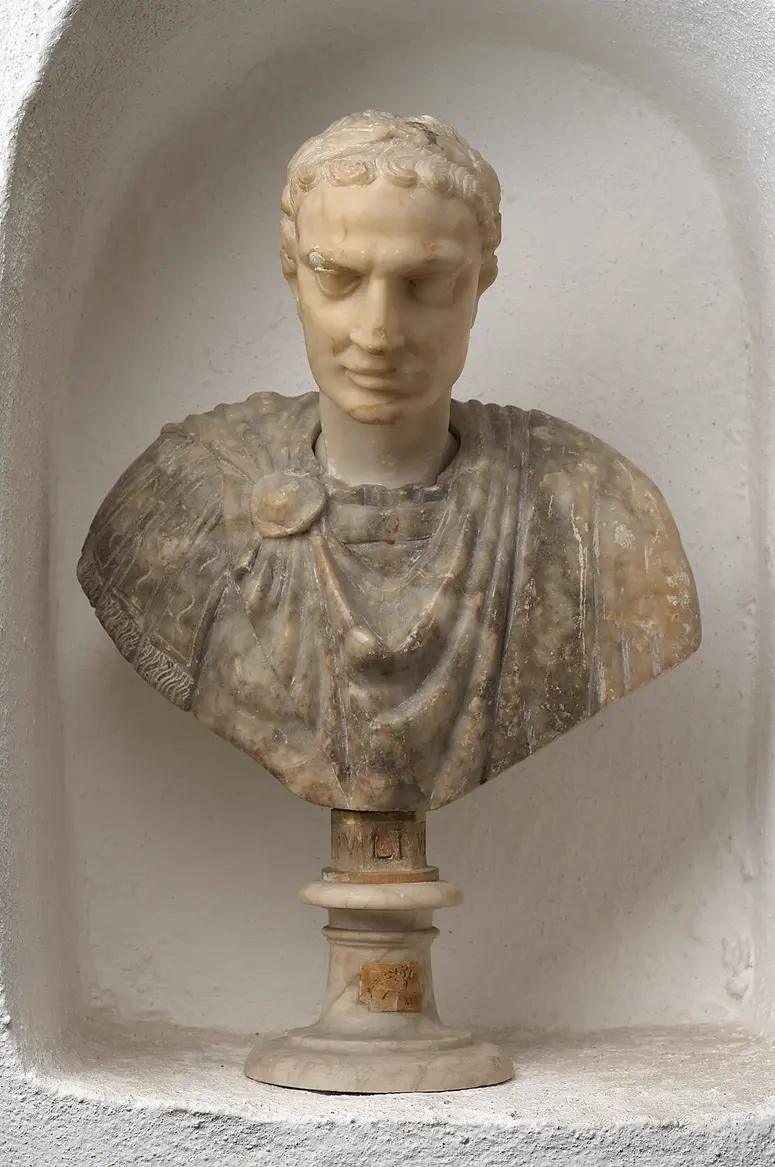
Julius Cäsar, Porträtkopf, Porträtbüste 2. Hälfte 16. Jahrhundert
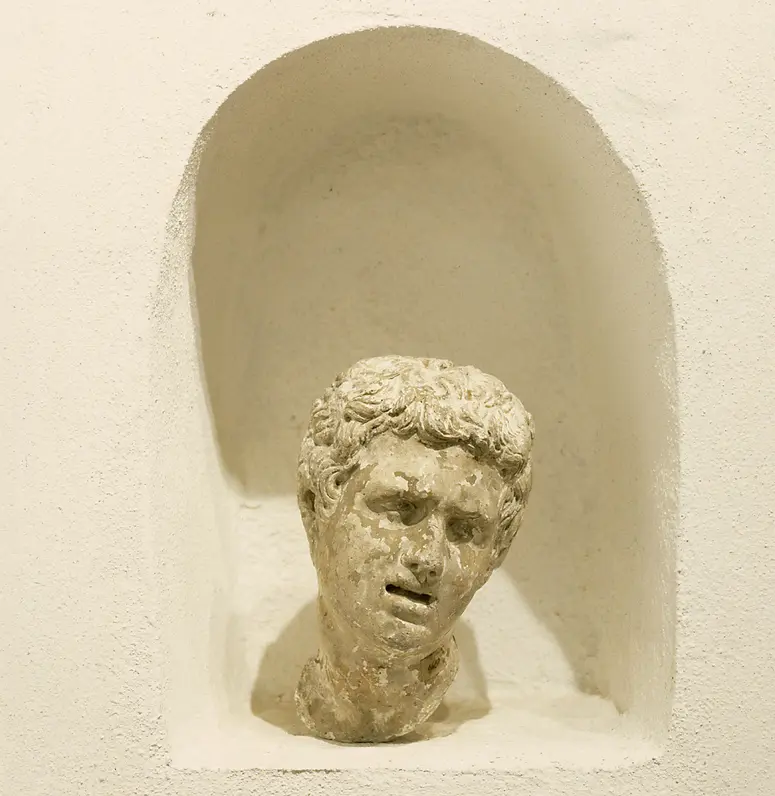
Sohn des Laokoon (Laocoon), Büste, Kopf, Porträtbüste, Porträtkopf 16. Jahrhundert
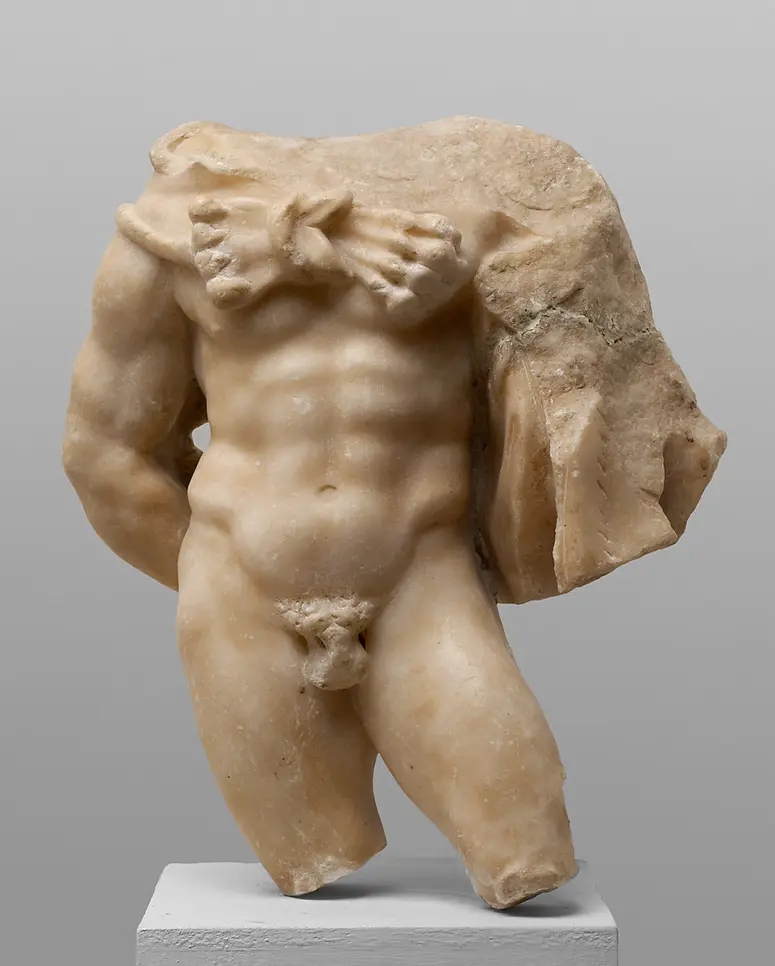
Herkules, Herkules-Torso, Fragment, Statue 2. Hälfte 16. Jahrhundert (?)
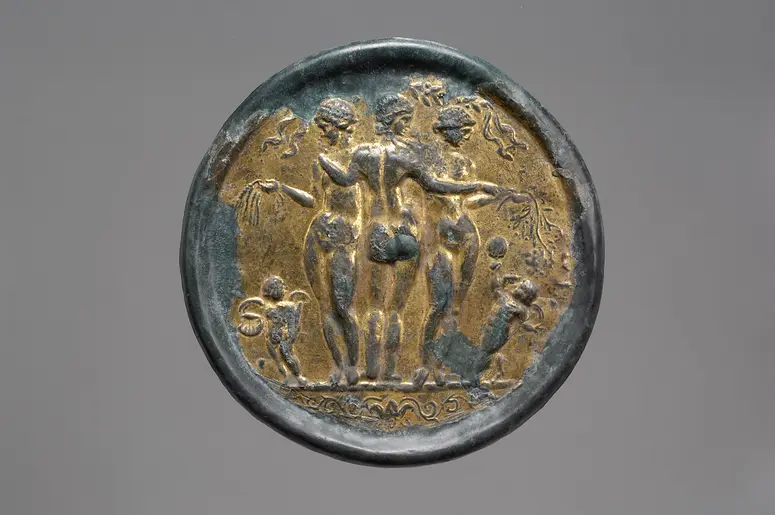
Spiegel: Gruppe der Drei Grazien Römisch, Mittlere Kaiserzeit 2. Hälfte 2. Jh. n. Chr.
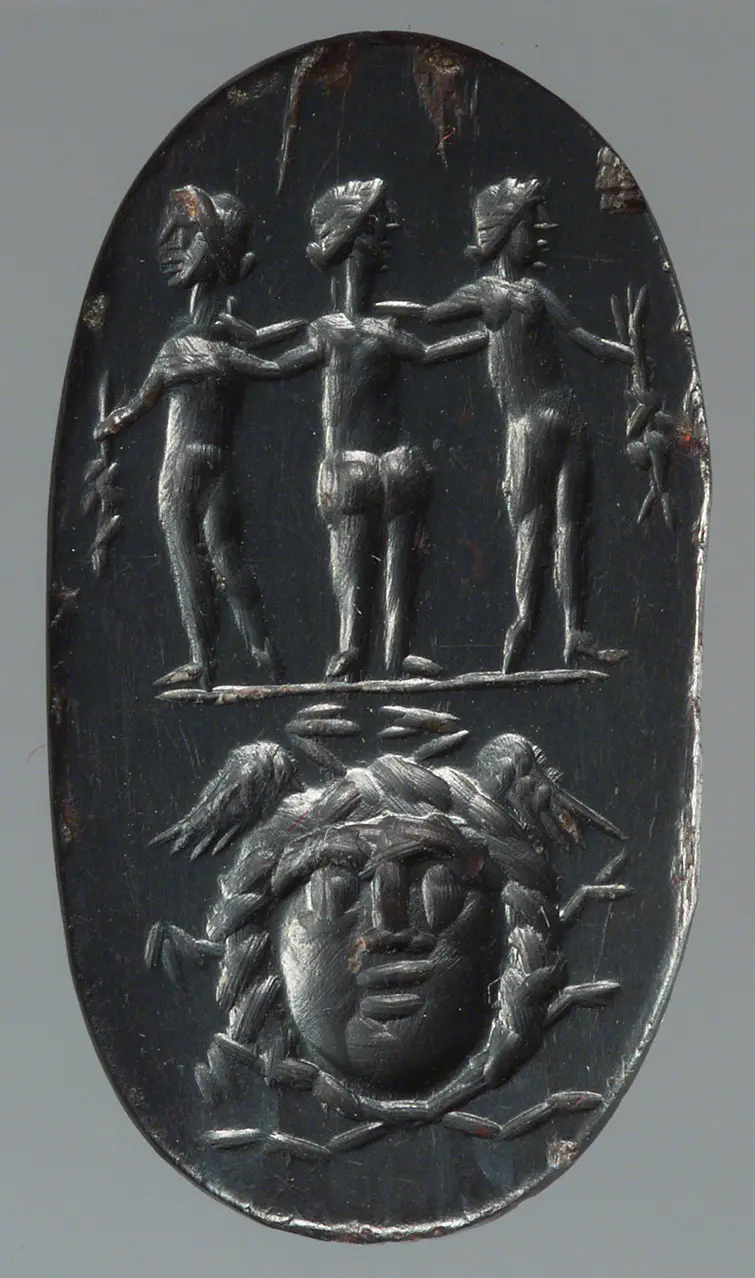
Magische Gemme: Drei Grazien und Gorgoneion Römisch, Mittlere Kaiserzeit 2. Jh. n. Chr.
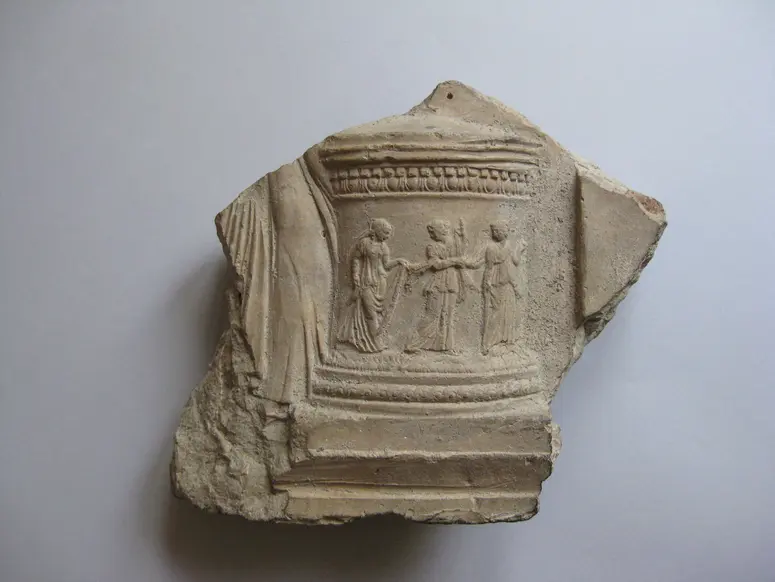
Schmuckrelief: Fragment eines Kitharödenreliefs: Altar mit drei Grazien Römisch, Frühe Kaiserzeit 1. Jh. n. Chr.
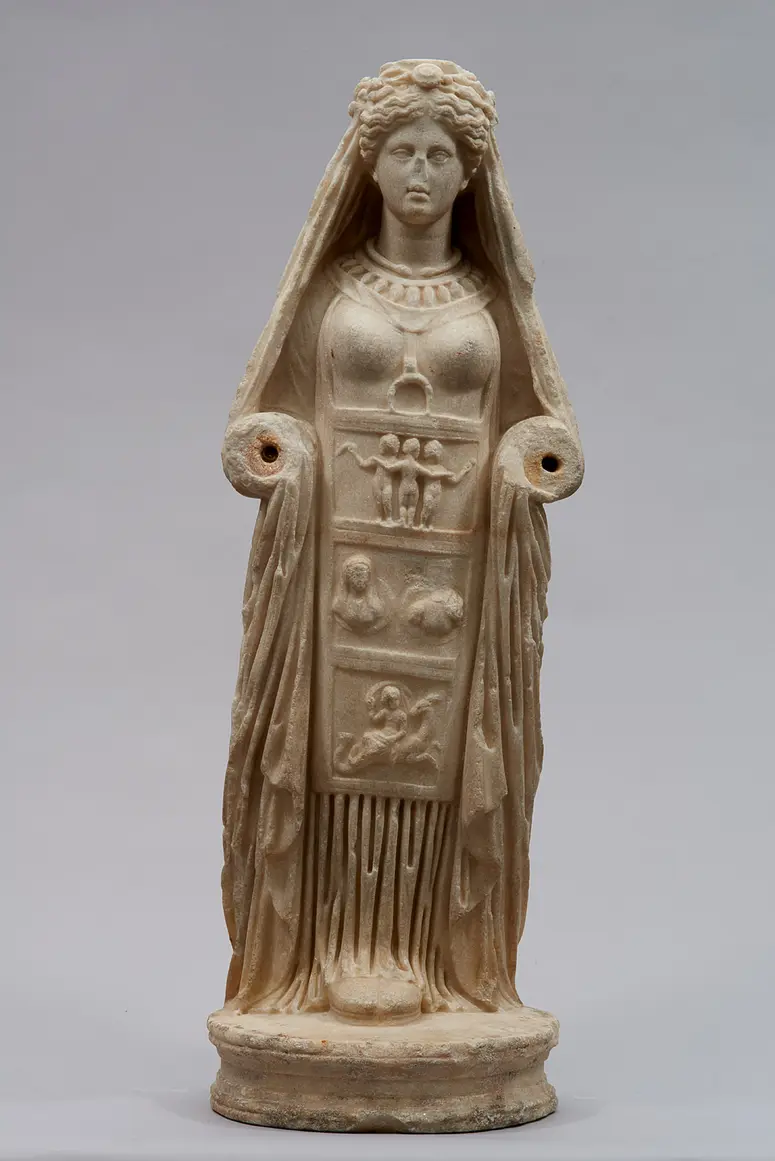
Statuette: Aphrodite von Aphrodisias Römisch, Mittlere Kaiserzeit 2. Jh. n. Chr.
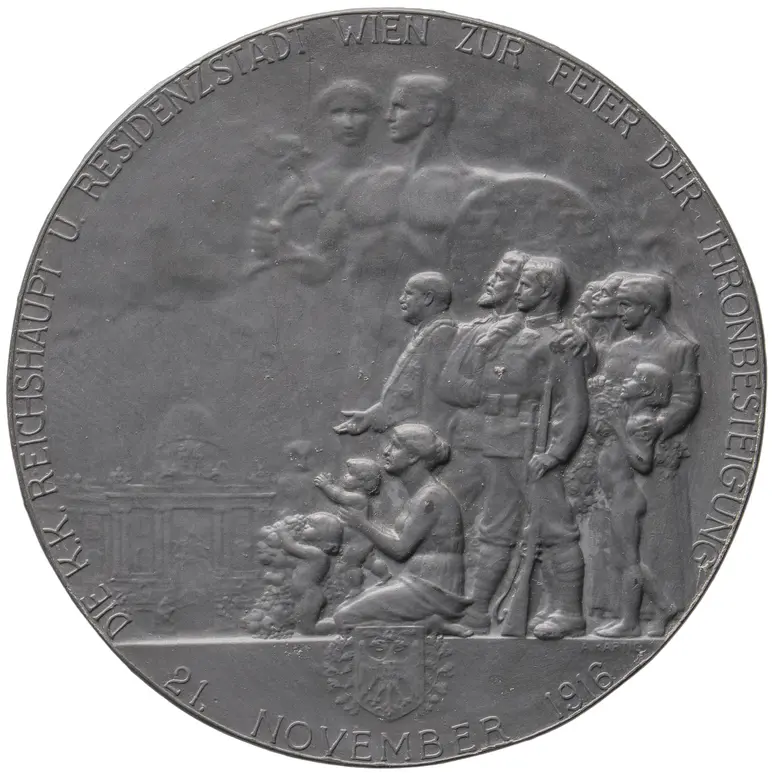
Zita Maria delle Grazie von Bourbon-Parma (1916-1921), bis 1918 Kaiserin von Österreich, Königin von 1916
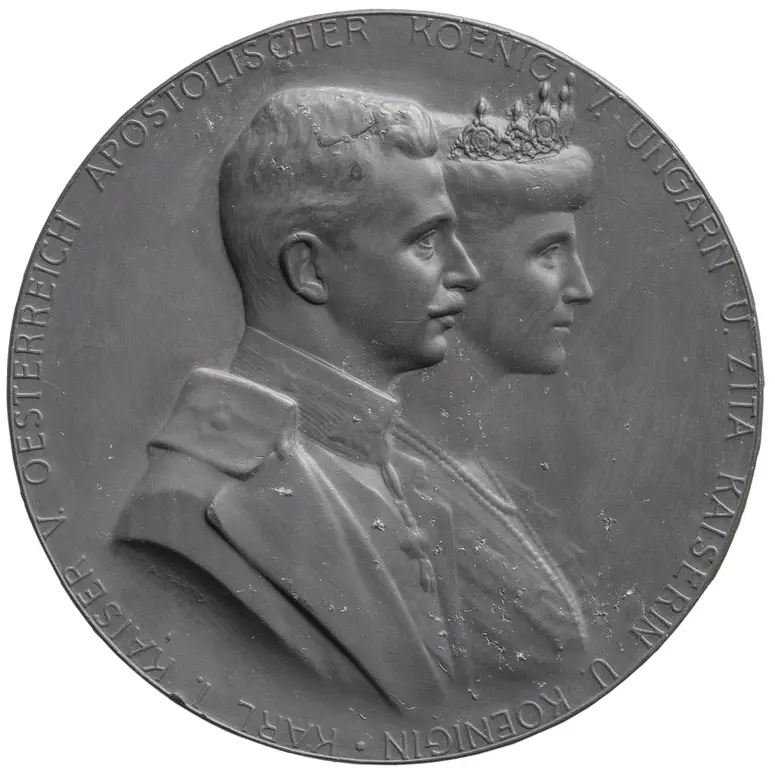
Zita Maria delle Grazie von Bourbon-Parma (1916-1921), bis 1918 Kaiserin von Österreich, Königin von 1916
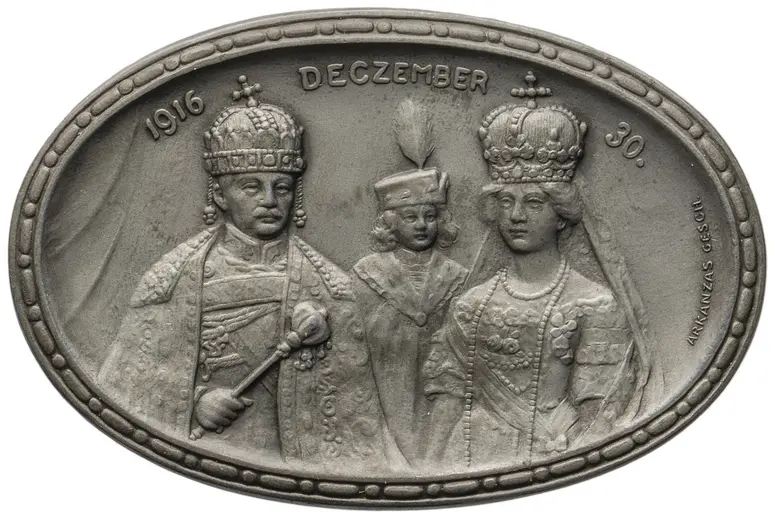
Zita Maria delle Grazie von Bourbon-Parma (1916-1921), bis 1918 Kaiserin von Österreich, Königin von 1916
Agostino Barbarigo, Gesandter (gestorben 1571) Jacopo Robusti, gen. Tintoretto 2. Hälfte 16. Jahrhundert
Lederteller, Lederintarsie, Intarsie, Mosaik 2. Viertel 16. Jahrhundert
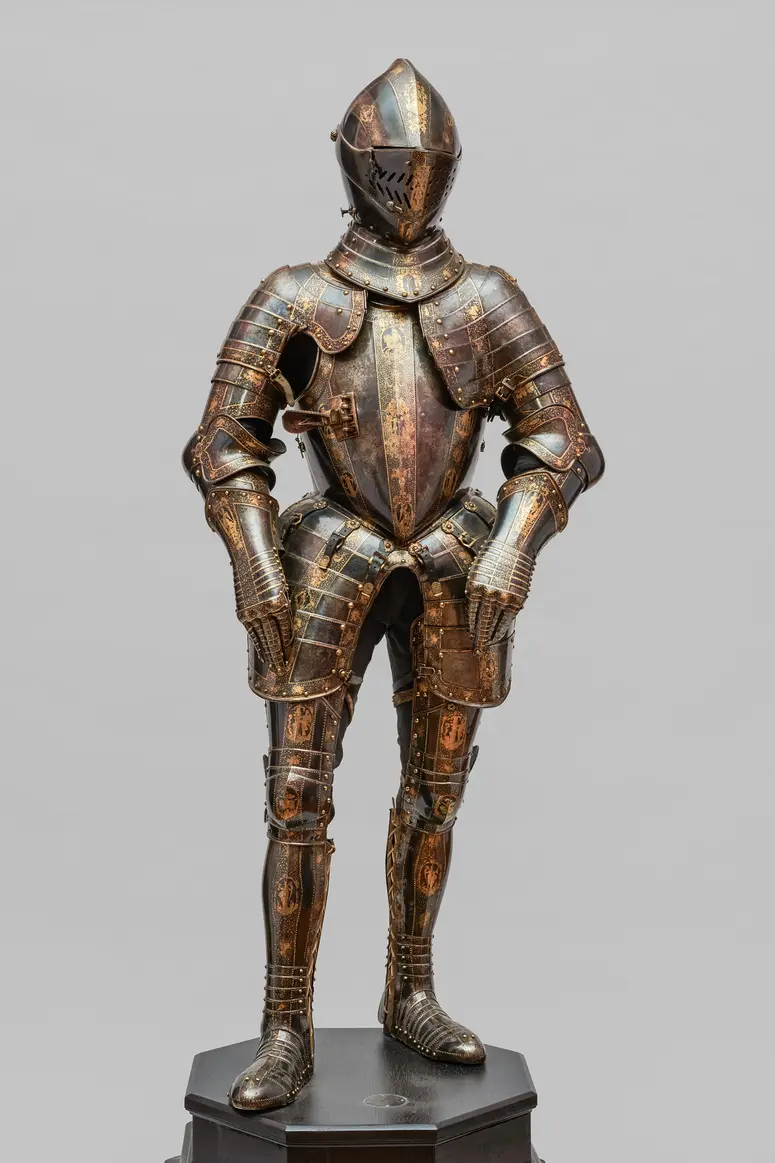
Karl von Österreich, Sohn des Tiroler Landesfürsten Erzherzog Ferdinands II. von Habsburg und der Philippine Welser datiert 1582