Schreitender Mann mit Osirisfigur
Späte 26. Dynastie, ca. 569-525 v. Chr.
Der Mann in Schrittstellung hält vor sich eine Osiris-Statue auf einem hohen Sockel. Die Kleidung des Mannes besteht aus einem über der Brust geknoteten Wickelschurz. Die einzelnen Details der unvollendeten Statue sind erst in verschwommenen Umrissen zu erkennen. Die gesamte Oberfläche zeigt dicht gesetzte Spuren vom Spitzmeißel. Sockel und Rückenpfeiler sind gröber behauen. Es ist nicht erkennbar, warum die Statue nicht fertig gestellt wurde. Die kleineren Beschädigungen und Fehler hätten leicht bei der endgültigen Glättung behoben werden können.
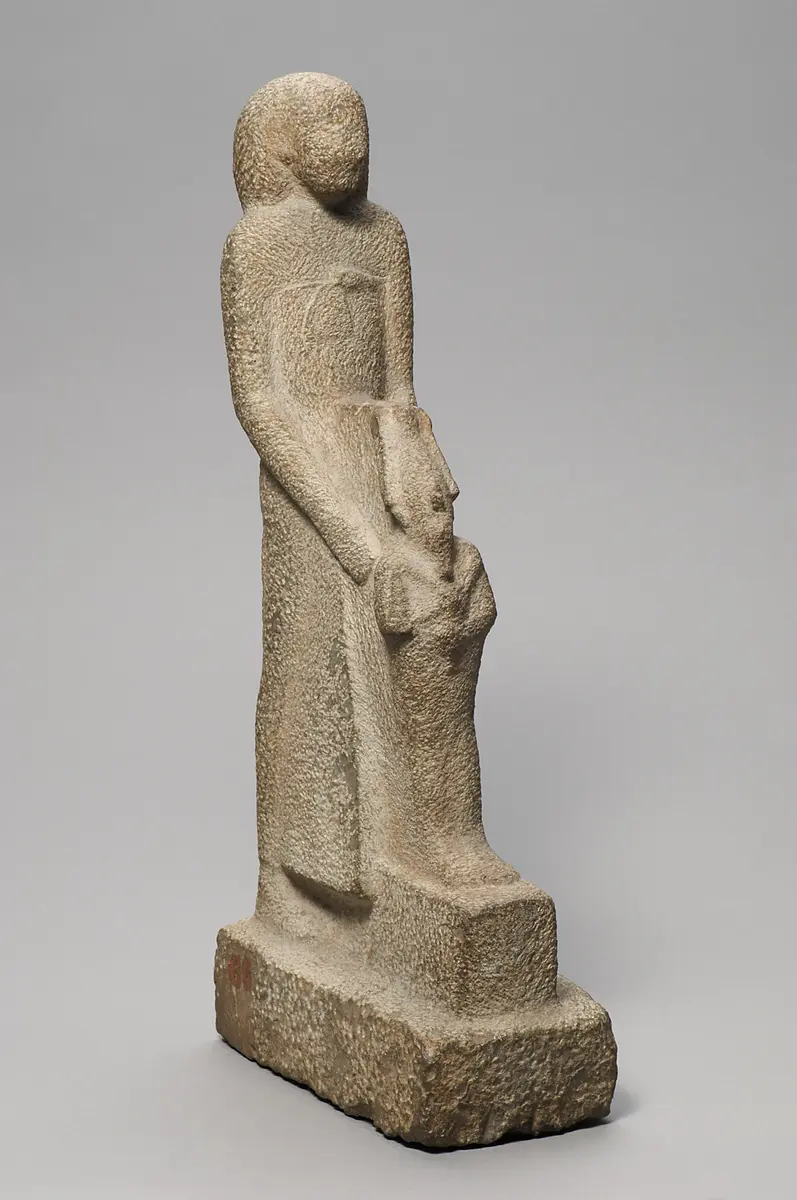
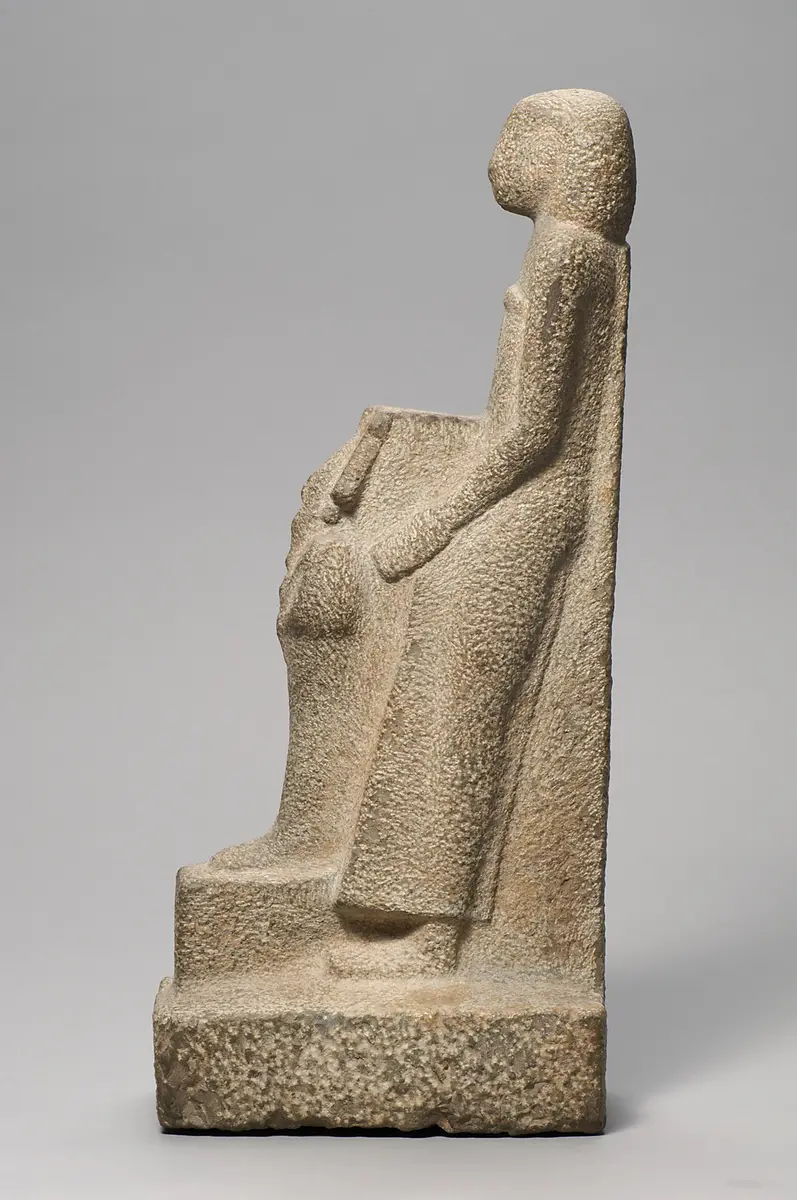
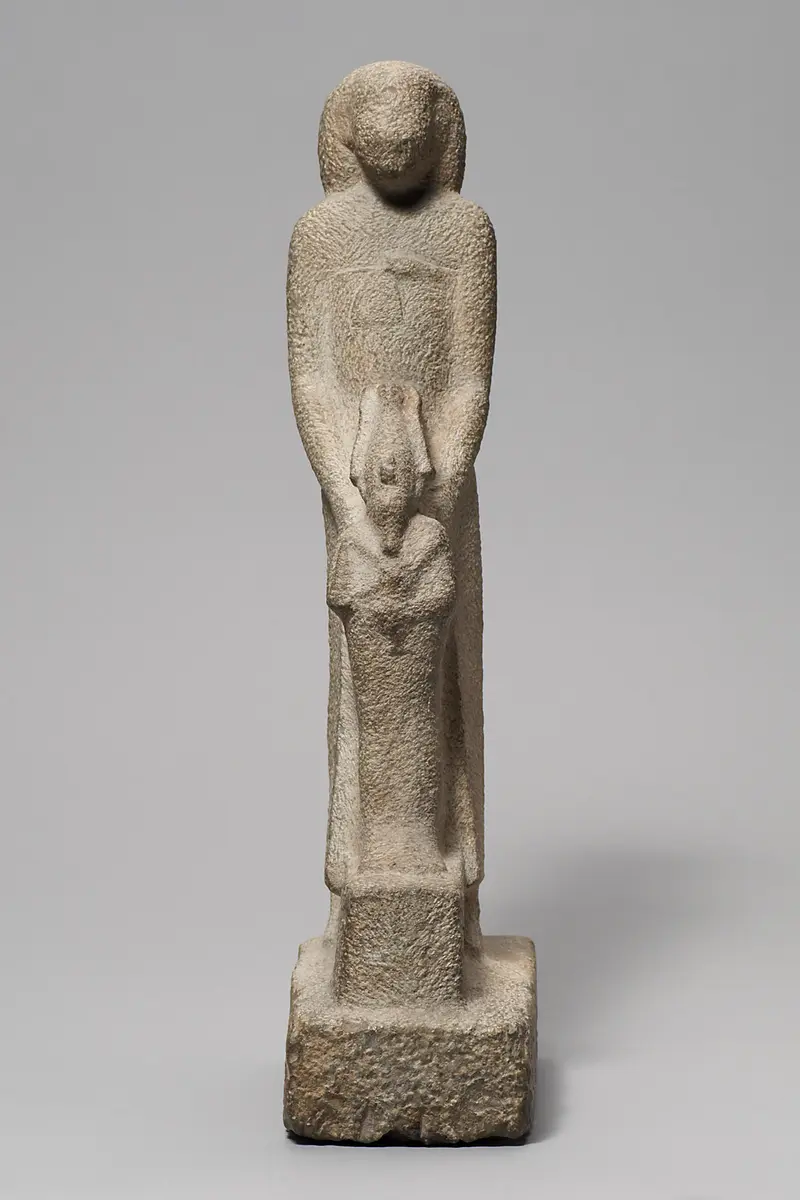
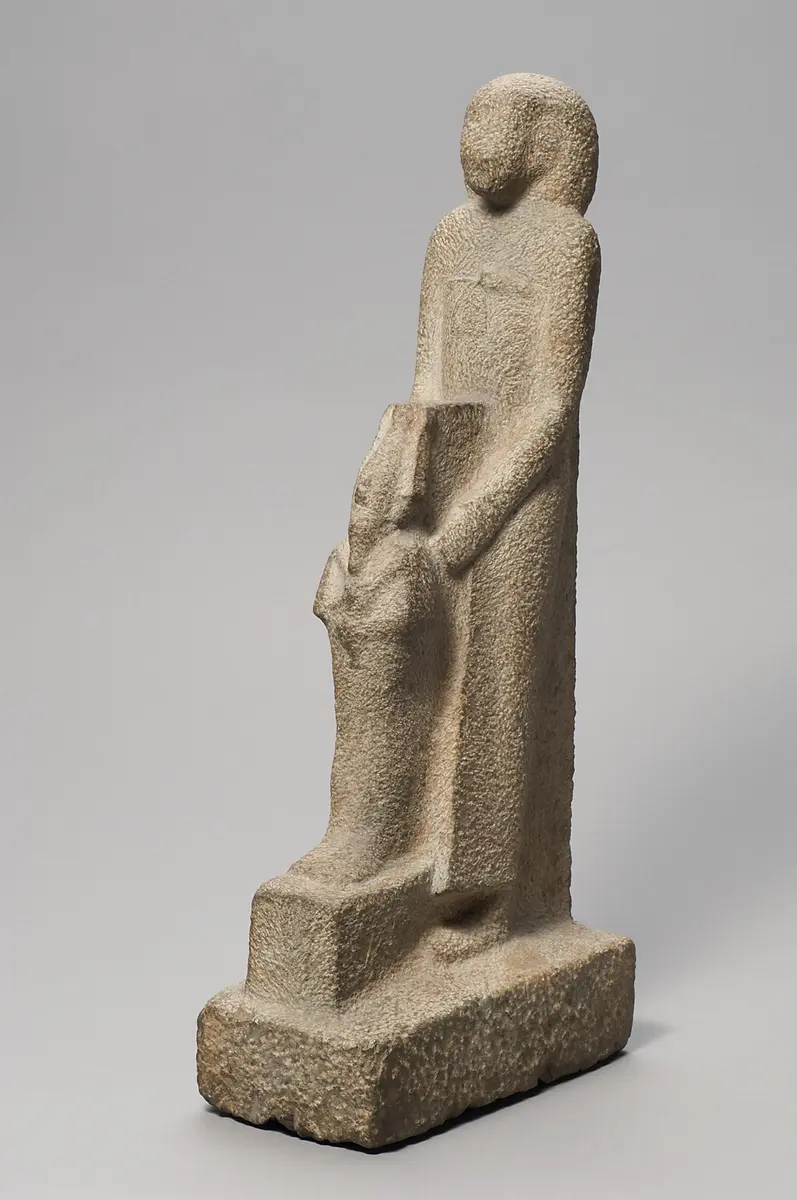
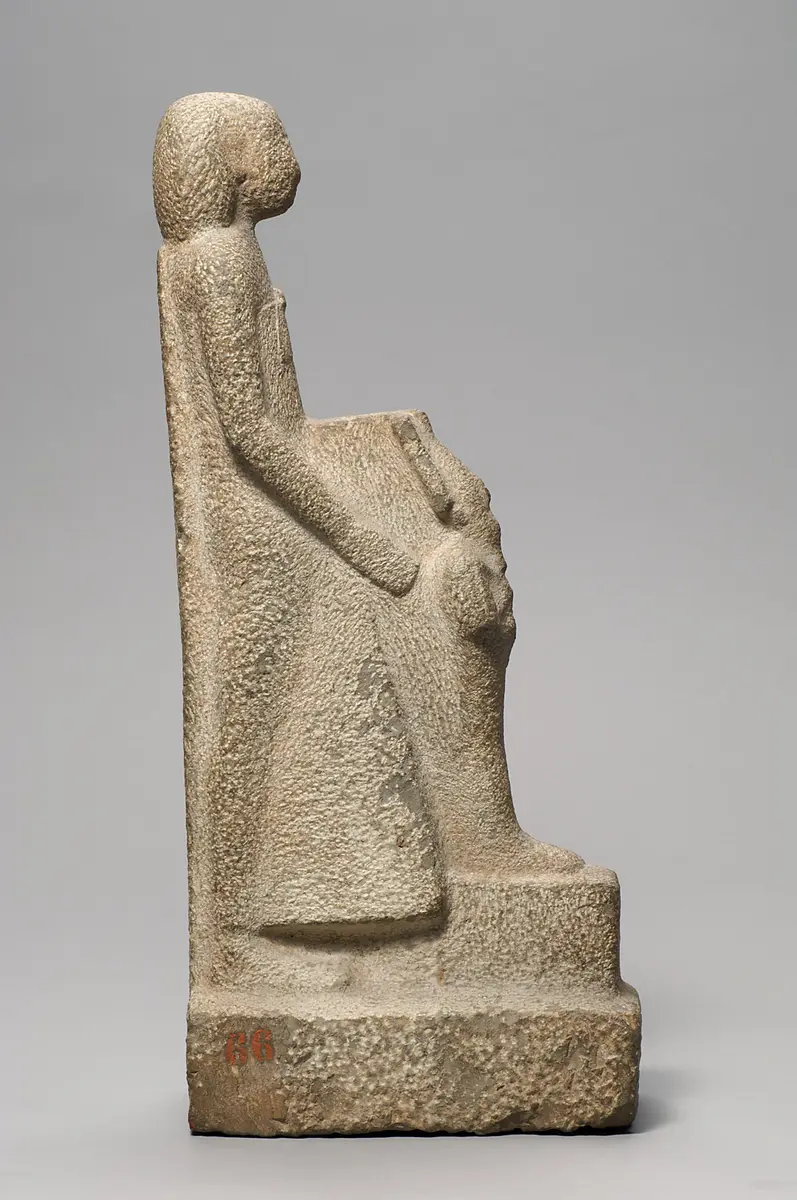
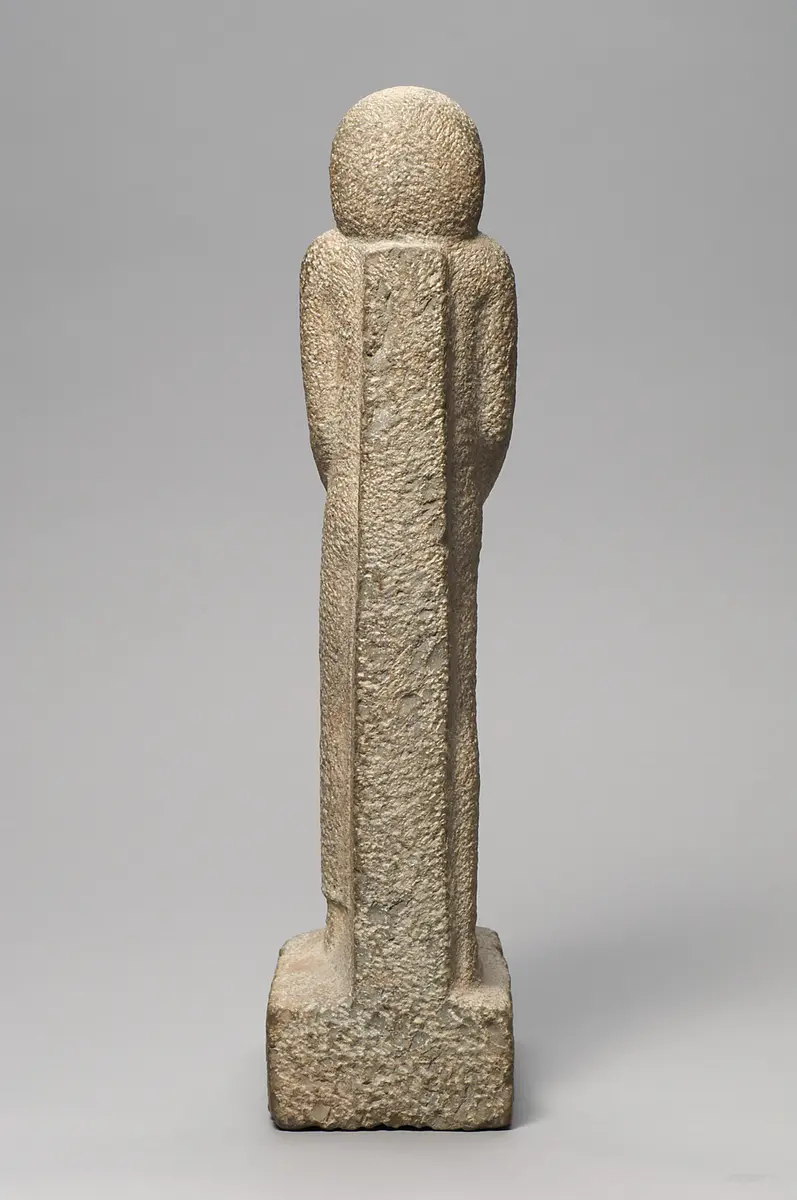
Der Mann in Schrittstellung hält vor sich eine Osiris-Statue auf einem hohen Sockel. Die Kleidung des Mannes besteht aus einem über der Brust geknoteten Wickelschurz. Die einzelnen Details der unvollendeten Statue sind erst in verschwommenen Umrissen zu erkennen. Die gesamte Oberfläche zeigt dicht gesetzte Spuren vom Spitzmeißel. Sockel und Rückenpfeiler sind gröber behauen. Es ist nicht erkennbar, warum die Statue nicht fertig gestellt wurde. Die kleineren Beschädigungen und Fehler hätten leicht bei der endgültigen Glättung behoben werden können.
Time:
Späte 26. Dynastie, ca. 569-525 v. Chr.
Object Name
Statuette
Culture
Ägyptisch
Location of discovery:
Fundort unbekannt
Material/technology:
Metasandstein
Dimensions:
H 43,5 cm, B 10,2 cm, T 18,9 cm
Copyright
Kunsthistorisches Museum, Ägyptisch - Orientalische Sammlung
Invs.
Ägyptische Sammlung, INV 66
Provenance
Vor 1824 erworben
Browse more
Similar items you might be interested in
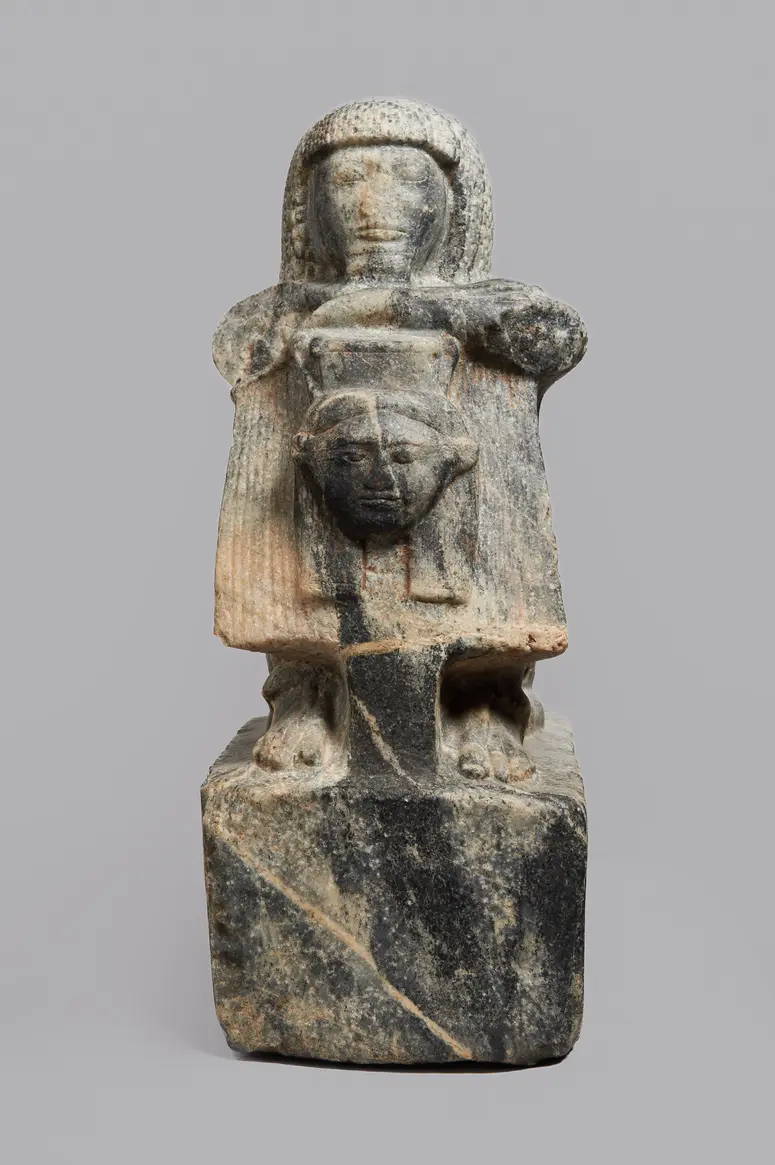
Squatting statue of Khai-hapi with a sistrum Vindobona, Wien III, Wr. Neustädter-Kanal, Landstraße 2nd half of the 19th Dynasty, ca. 1250-1200 BC
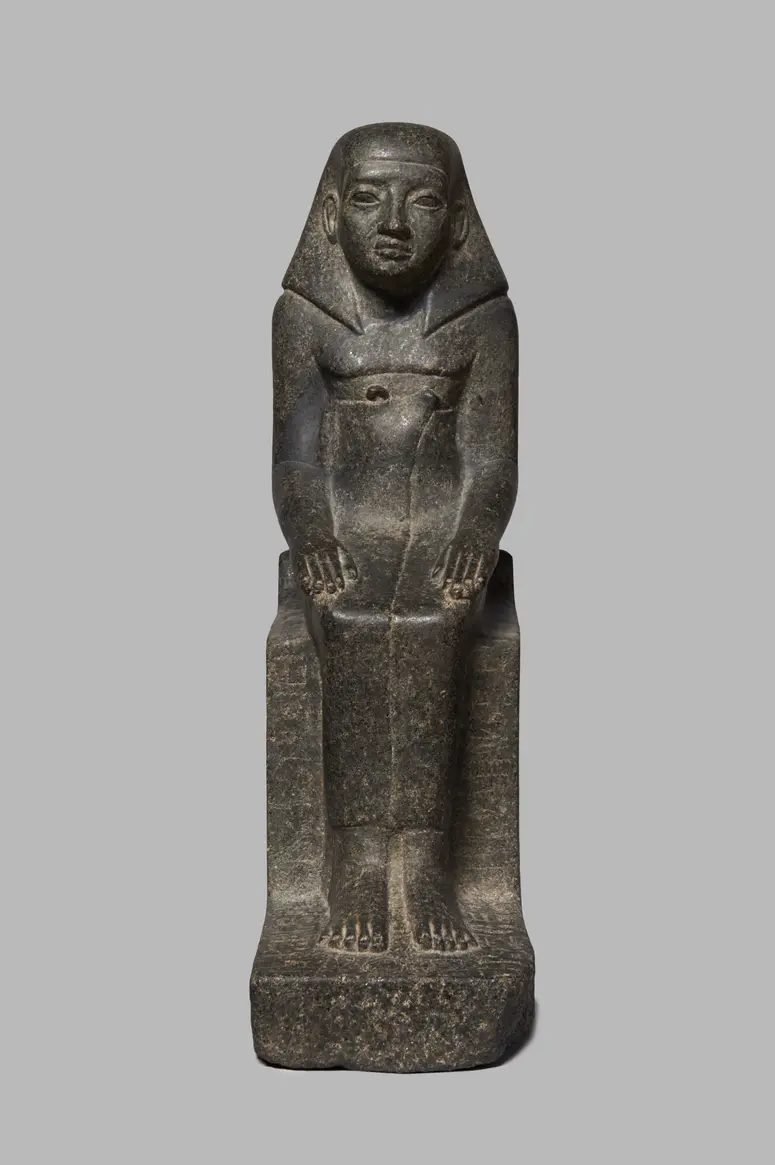
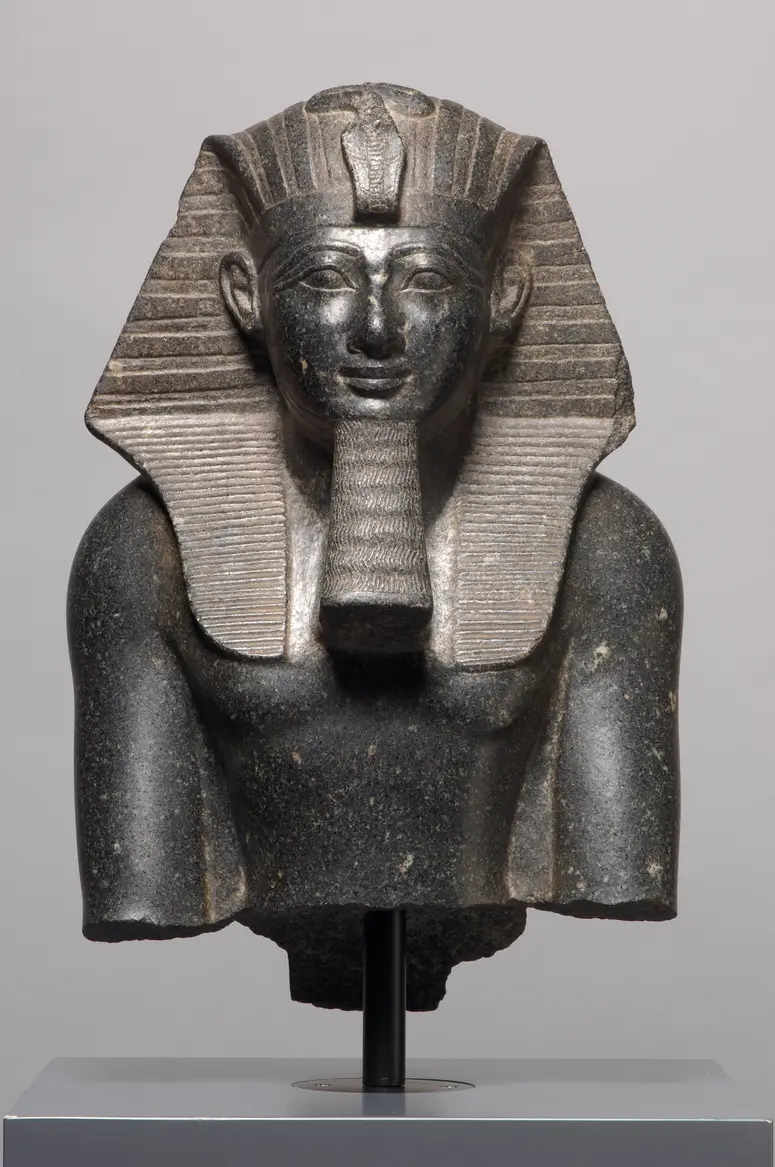
Upper part from a statue of Thutmose III Fundort unbekannt 18th Dynasty, reign of Thutmose III, 1504–1452 BC
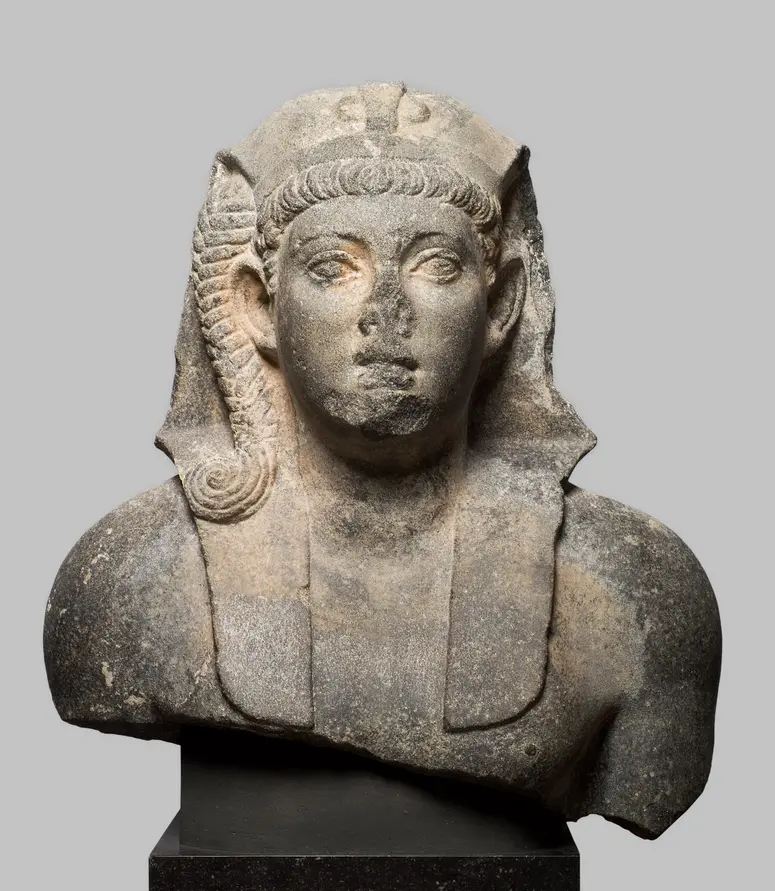
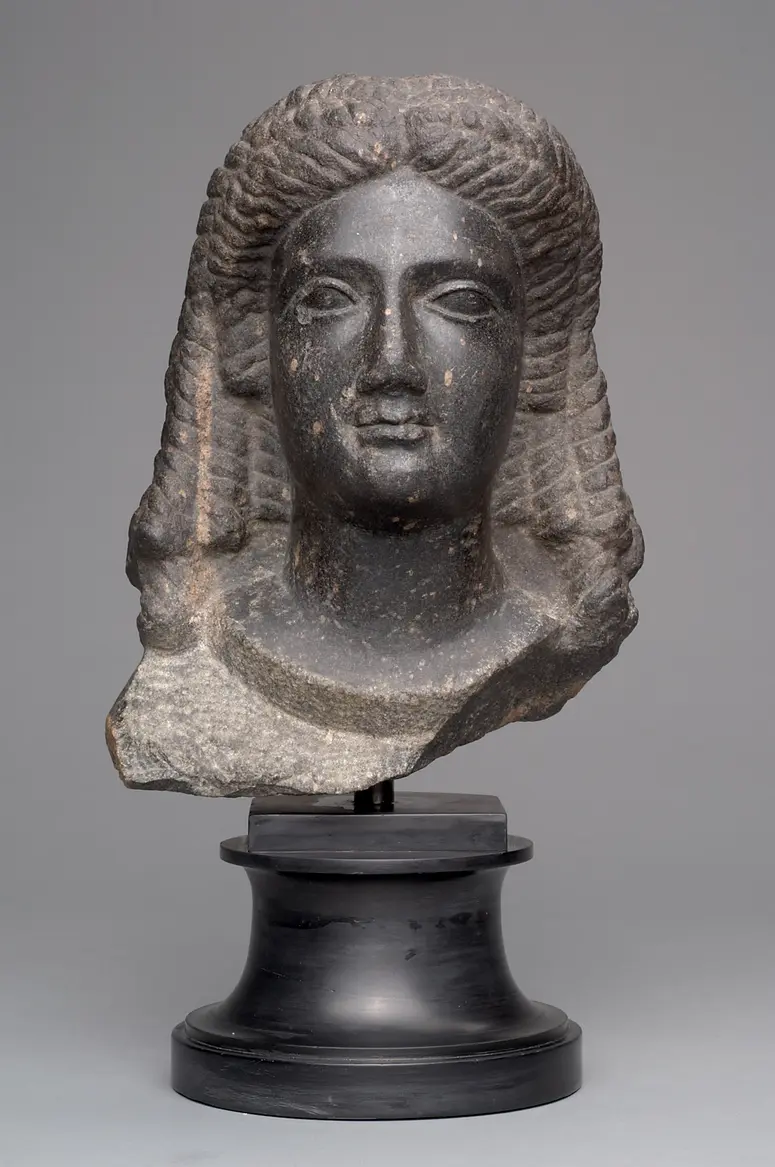
Bust of a youthful king Alexandria (vermutlich) 2nd /1st century BC or 1st century AD;
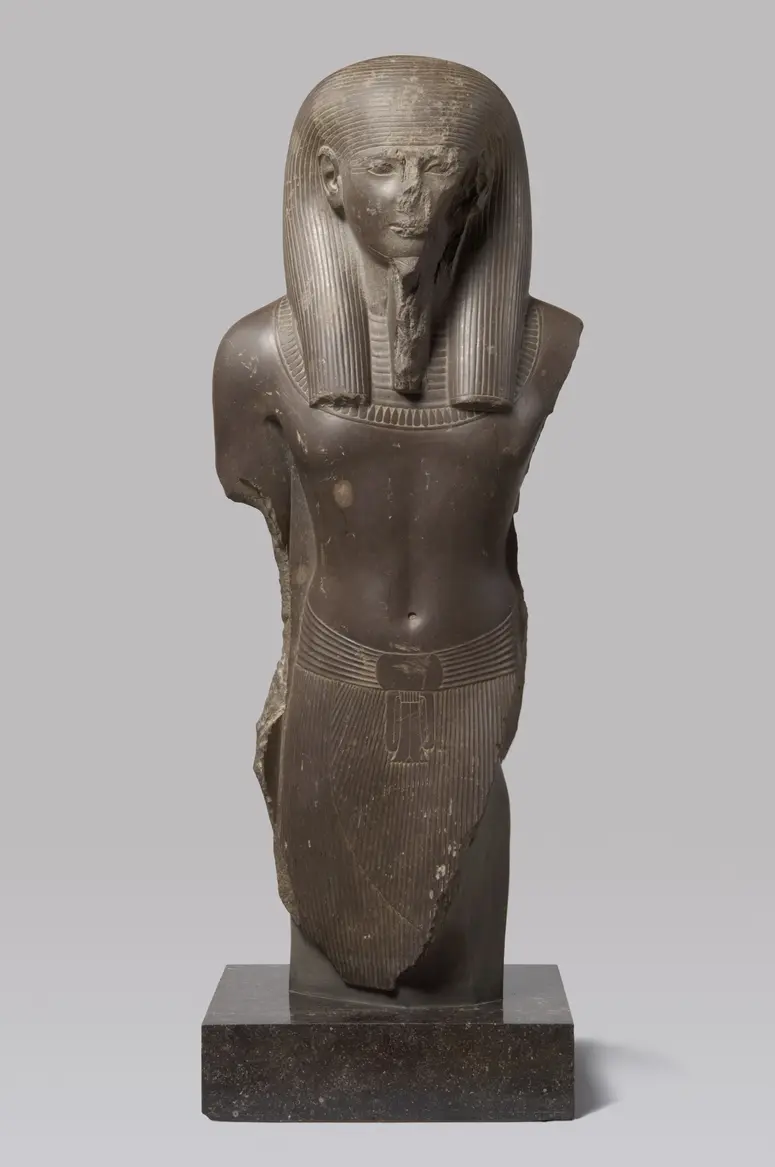
Statue of the god Imi-khent-wer Memphis, Gebiet um (vermutlich) 19th Dynasty, reign of Ramesses II, 1304–1237 BC;
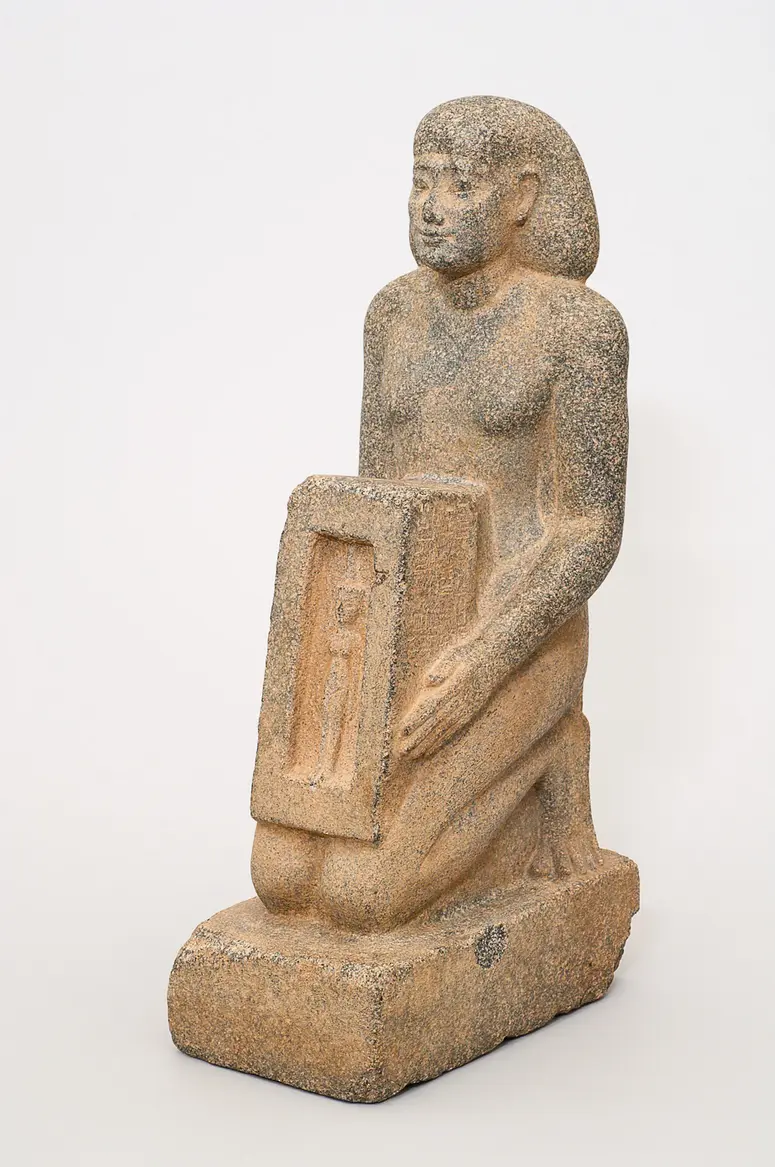
Naophorous statue of Gem-nef-hor-bak Sais (vermutlich) 30th Dynasty, 1st half of the 4th century BC
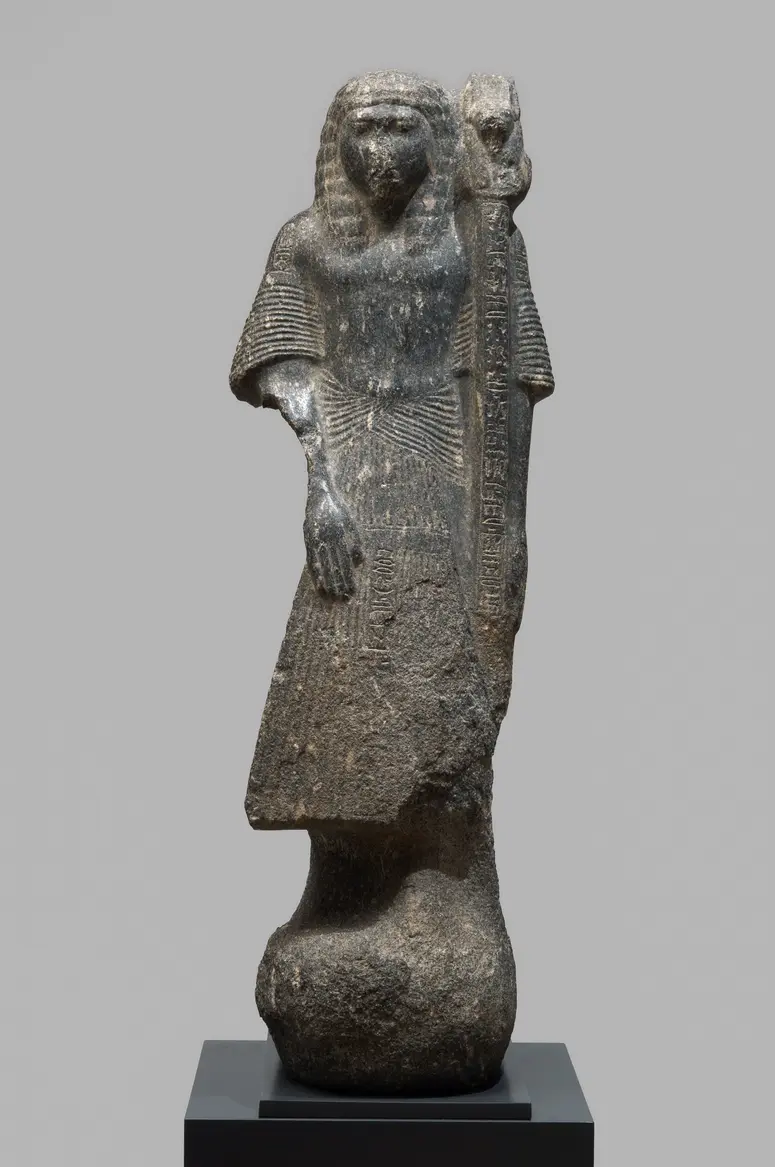
Standard-bearing statue of Sa-aset Assiut (vermutlich) 19th Dynasty, reign of Merenptah, ca. 1235 BC
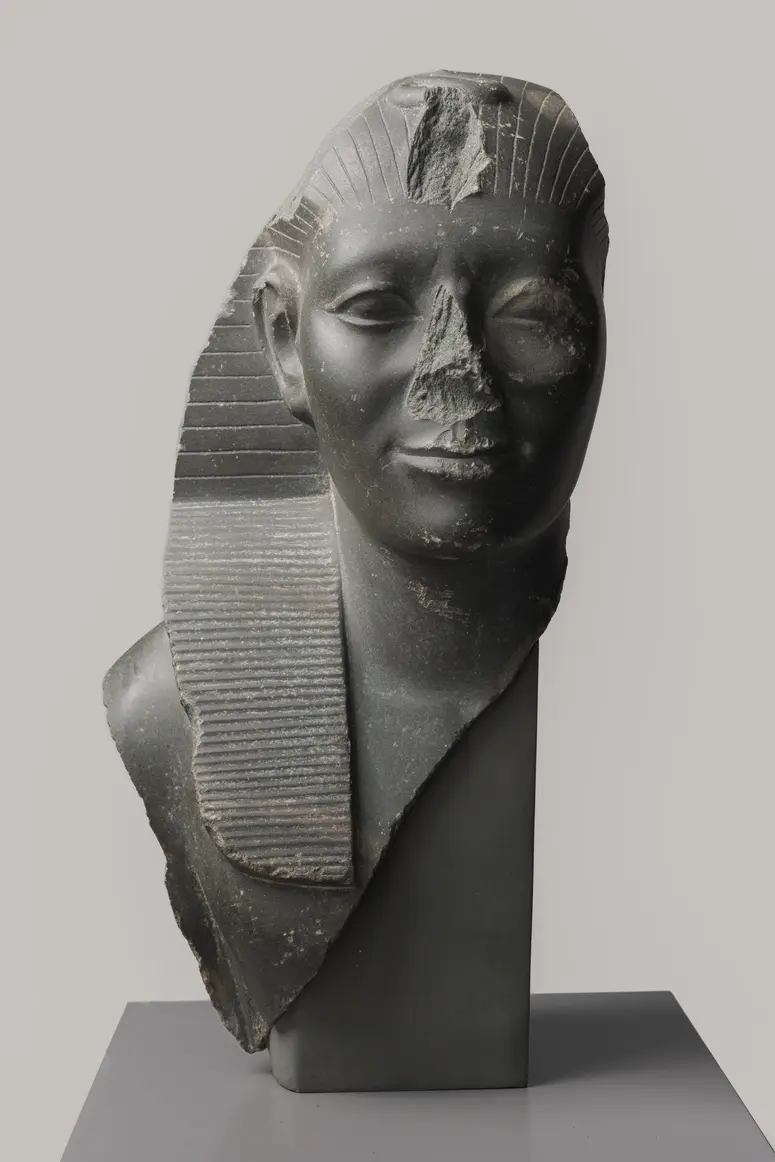
Bust from a statue of King Amenemhet V Sekhemkare Elephantine (vermutlich) 13th Dynasty, reign of Amenemhet V Sekhemkare, 1783-1780 BC
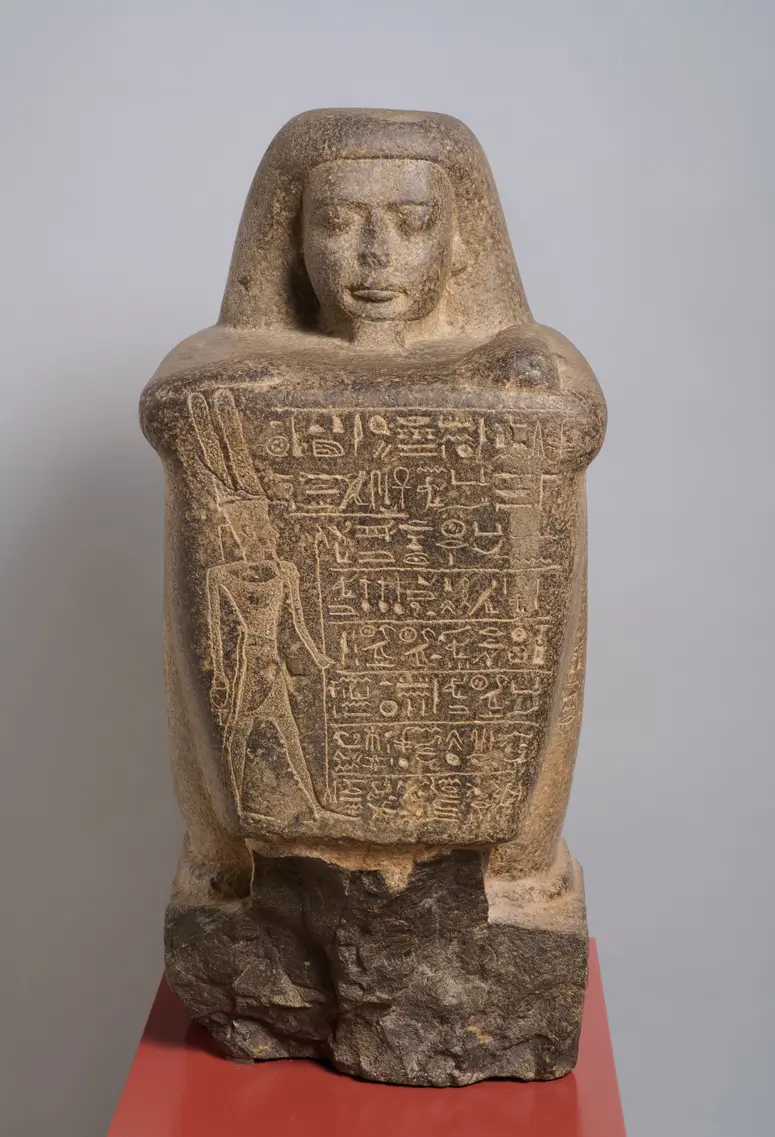
Squatting statue of Nimlot Heliopolis (vermutlich) 22nd Dynasty, reign of Osorkon I, 910–896 BC
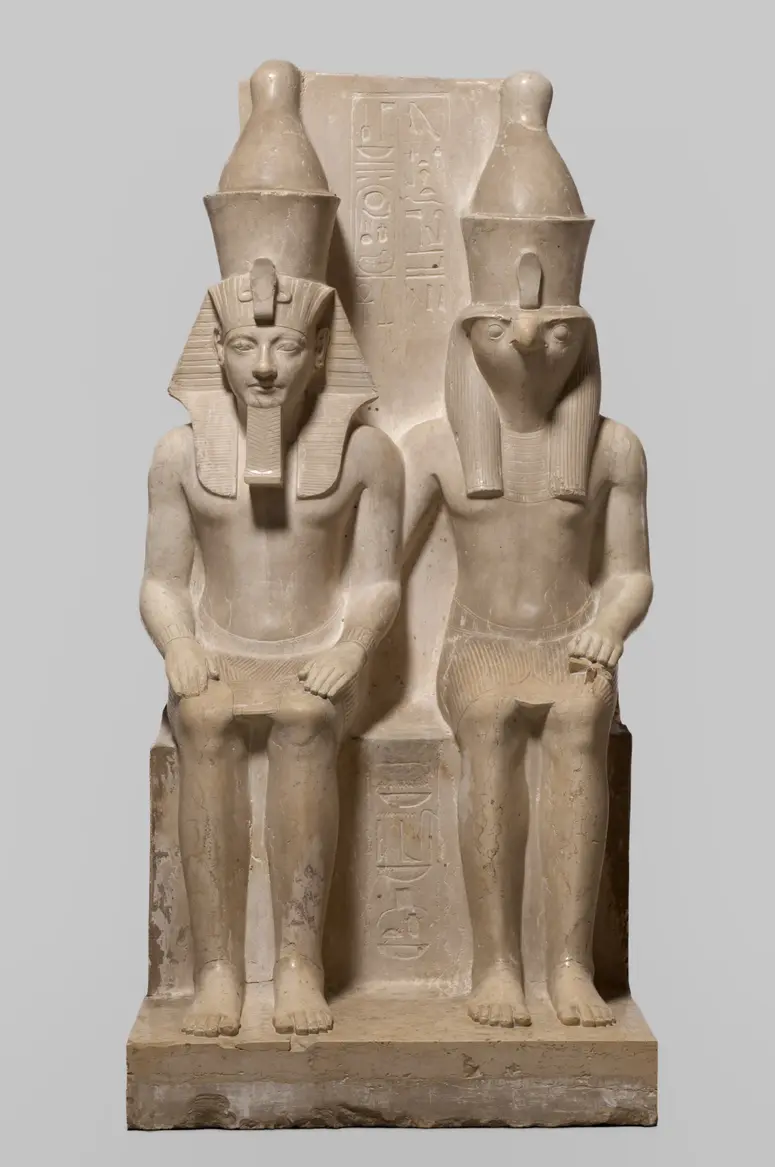
Statue group of the god Horus and King Haremhab Fundort unbekannt 18th Dynasty, reign of Haremhab, 1343–1315 BC
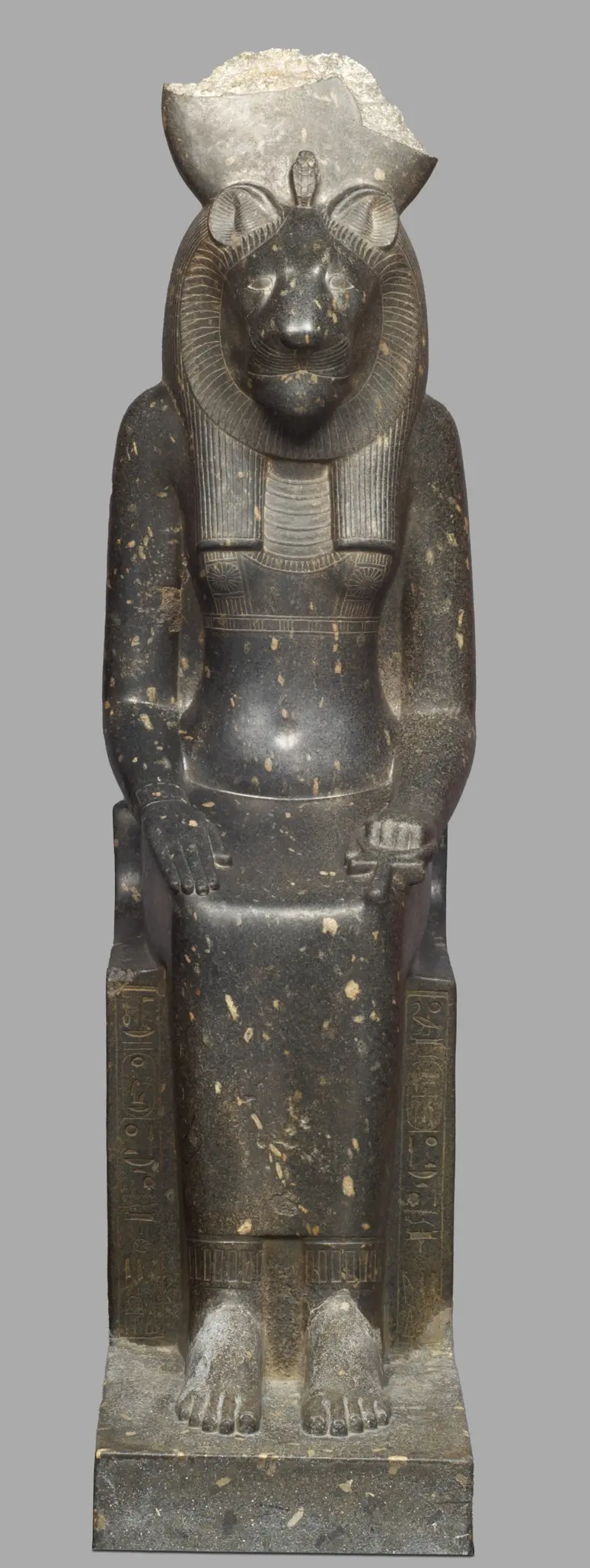
Seated statue of the goddess Sakhmet Theben, Karnak, Mut-Tempel (vermutlich) 18th Dynasty, reign of Amenhotep III, 1410–1372 BC
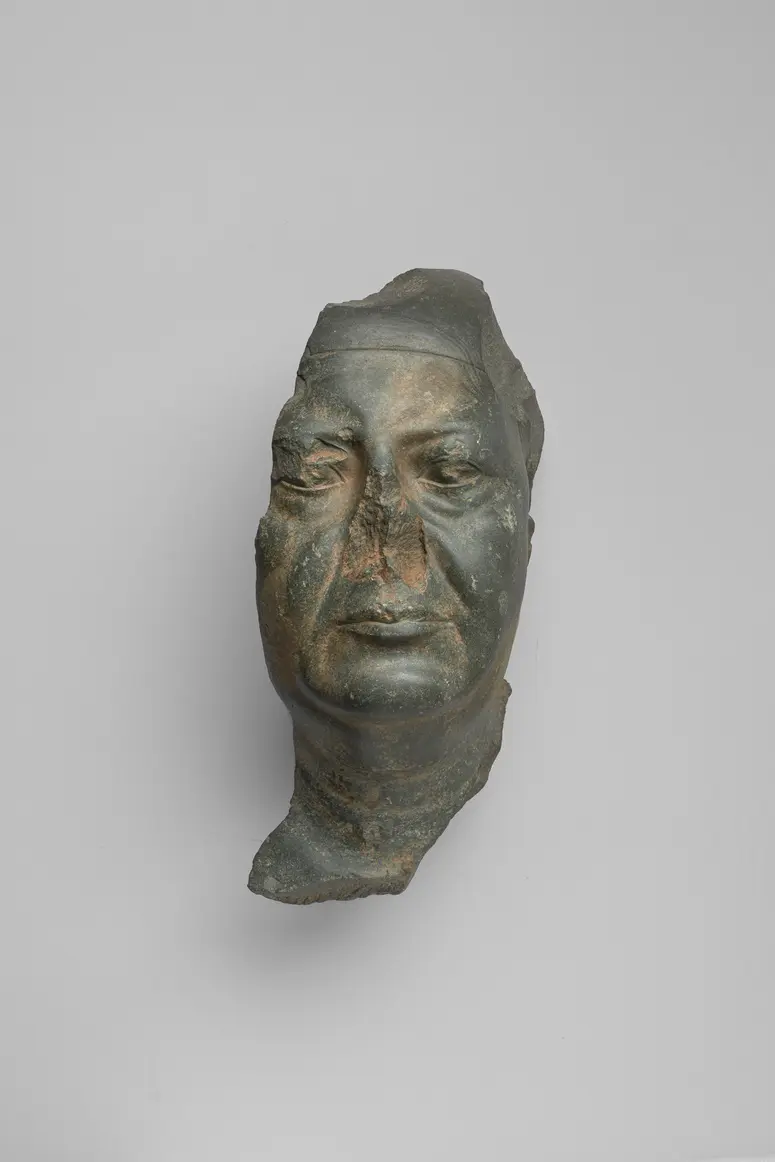

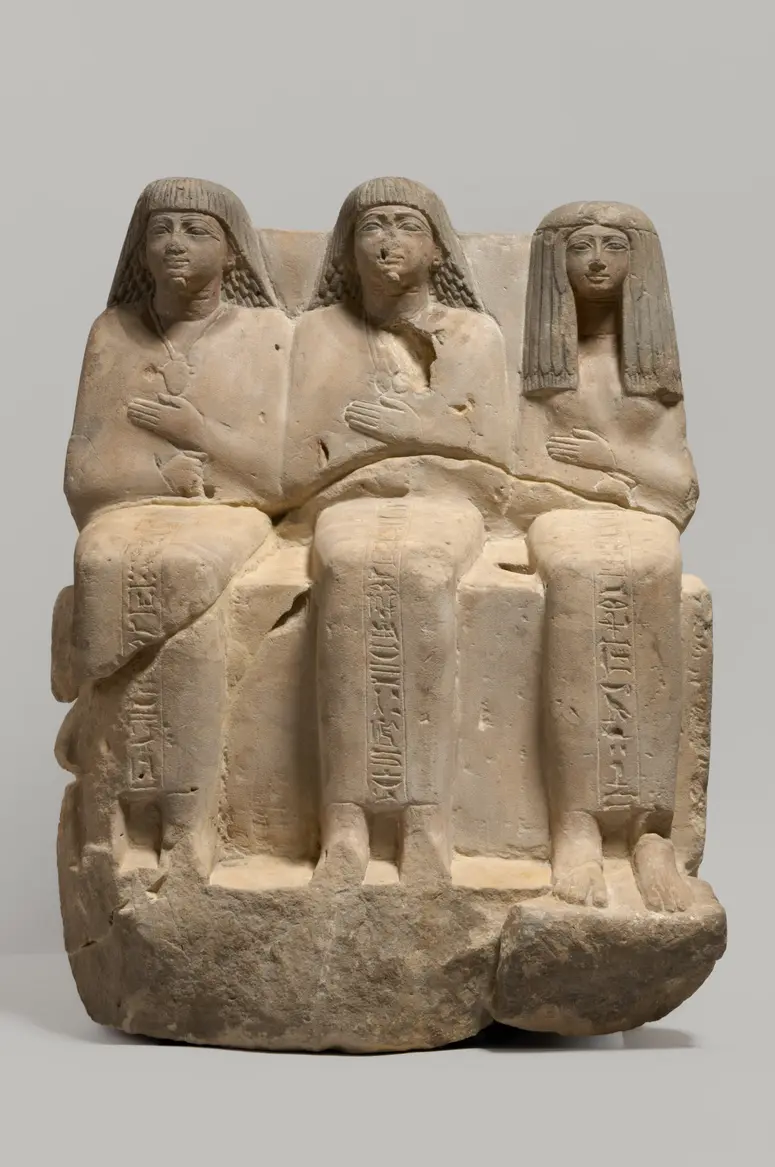
Statue group of Meri-ptah, Sa-aset, and Kafi Theben-West, Scheich Abd el-Qurna, TT 387 (vermutlich) 19th Dynasty, reign of Ramesses II, 1304–1237 BC
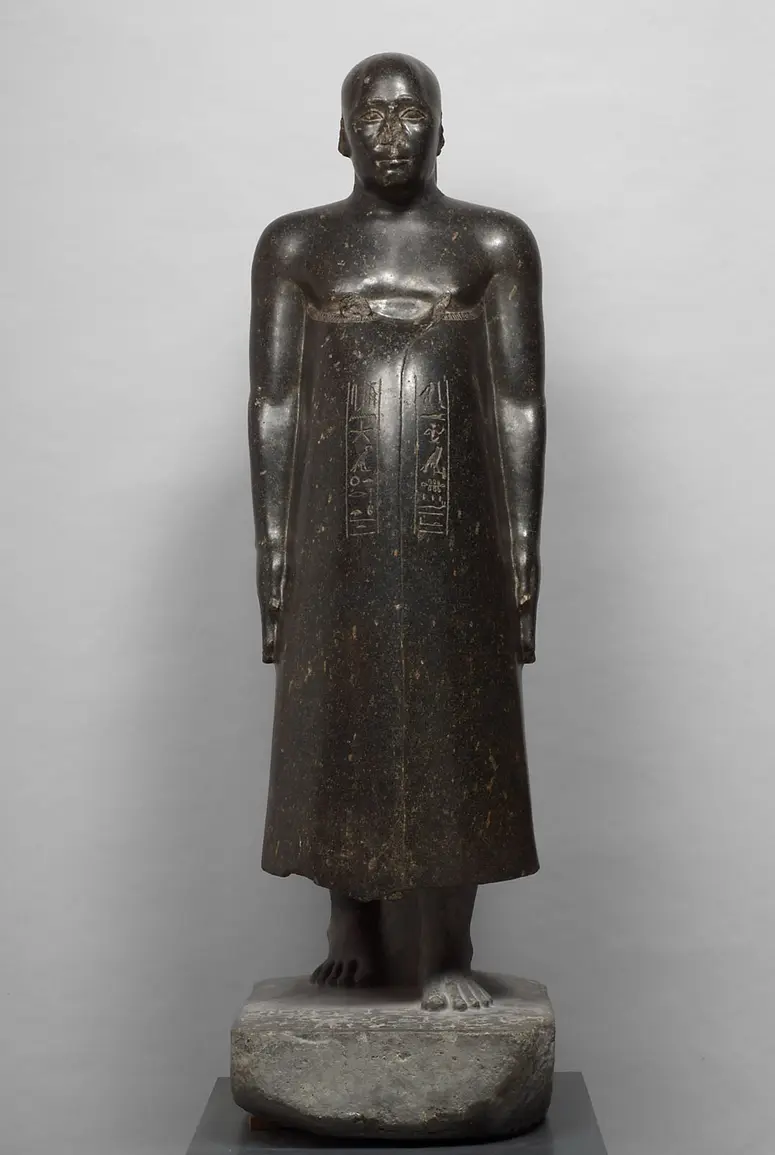
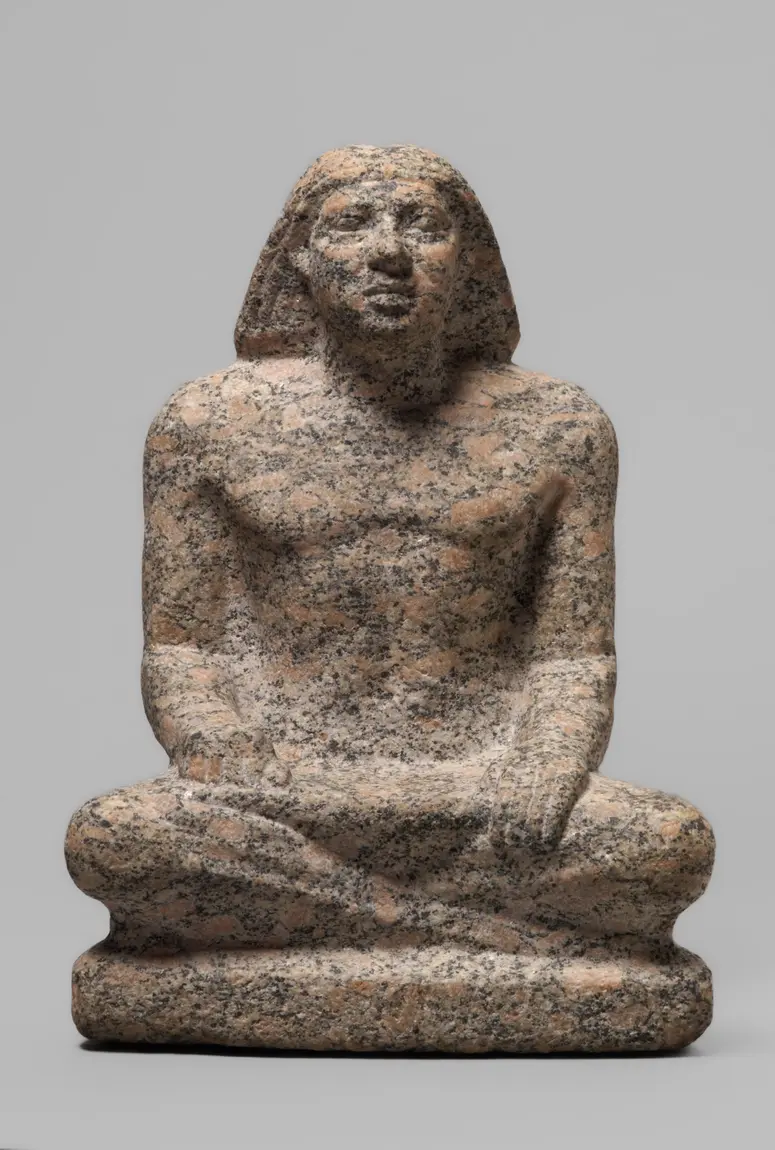
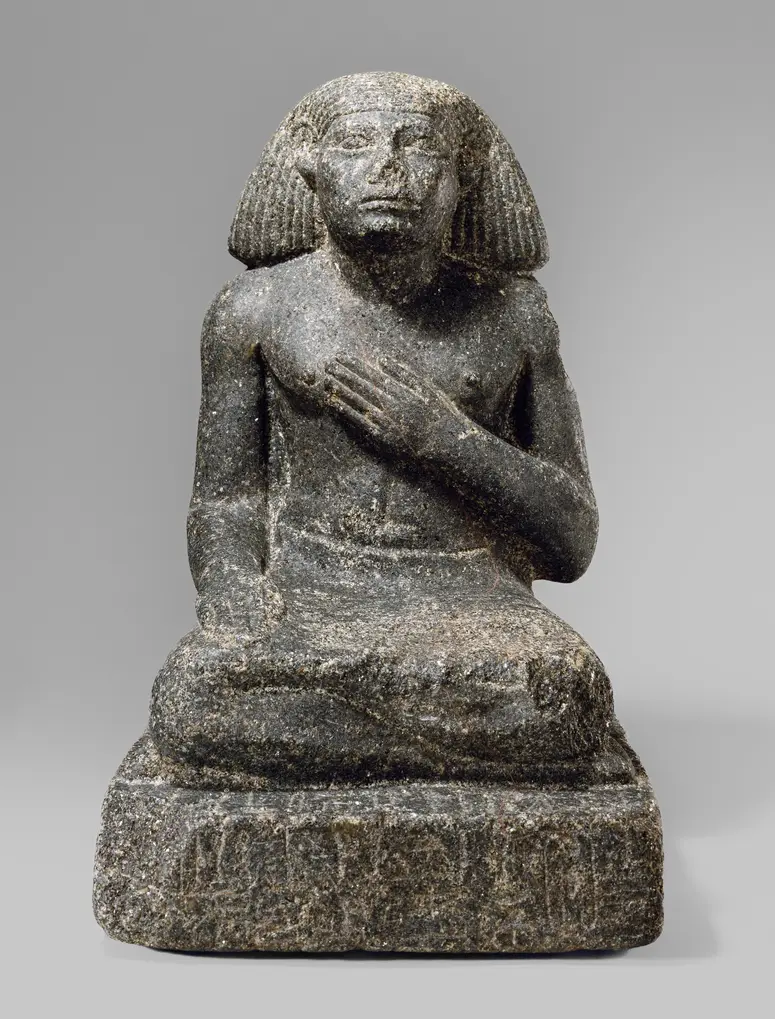
Statue of a man sitting cross-legged Giza, Westfriedhof, Mastaba D 106, Serdab late 5th Dynasty, ca. 2400 BC