Tjenena seated
18th Dynasty, reign of Thutmose IV, ca. 1410 BC;
The royal fan bearer Tjenena sits on a chair with a high backrest. His name and titles are preserved in the very damaged inscription on the back. Tjenena wears a long striated wig, once painted black, and he has a goatee. His body, painted red-brown, is clothed in a long white cloak-like garment that leaves his right shoulder uncovered.
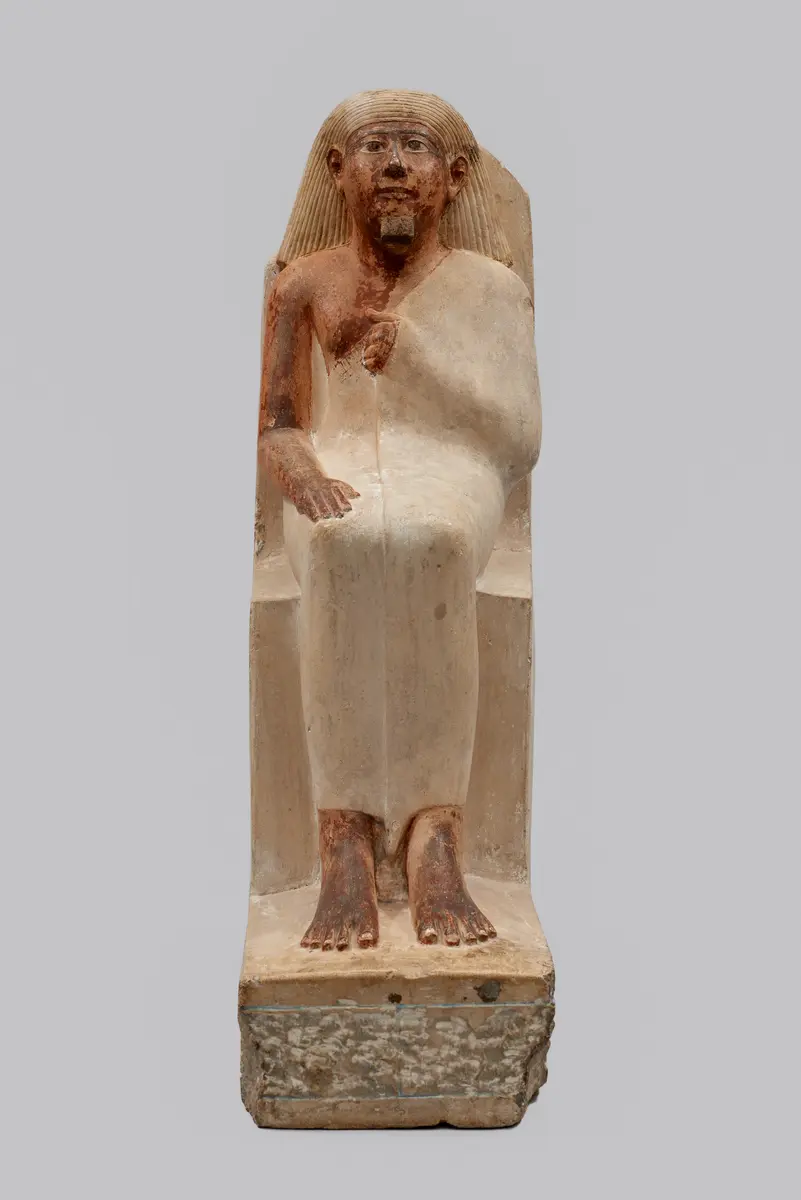
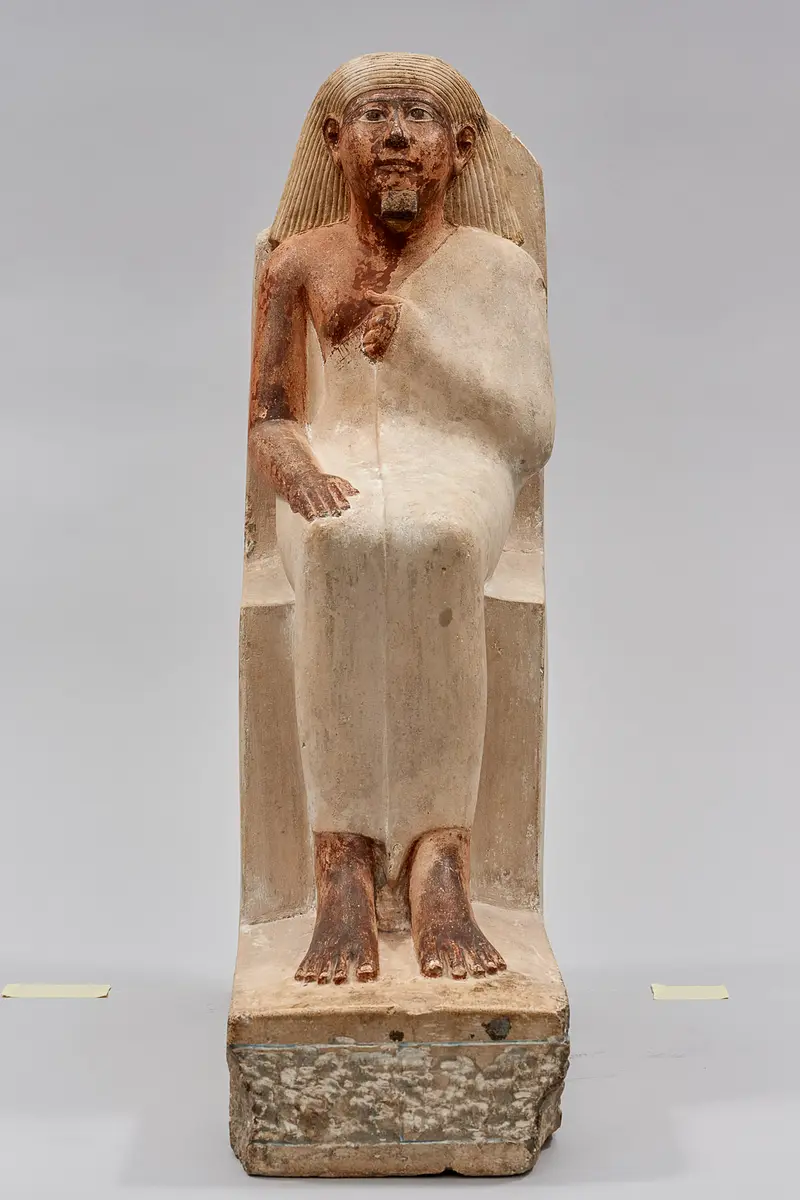
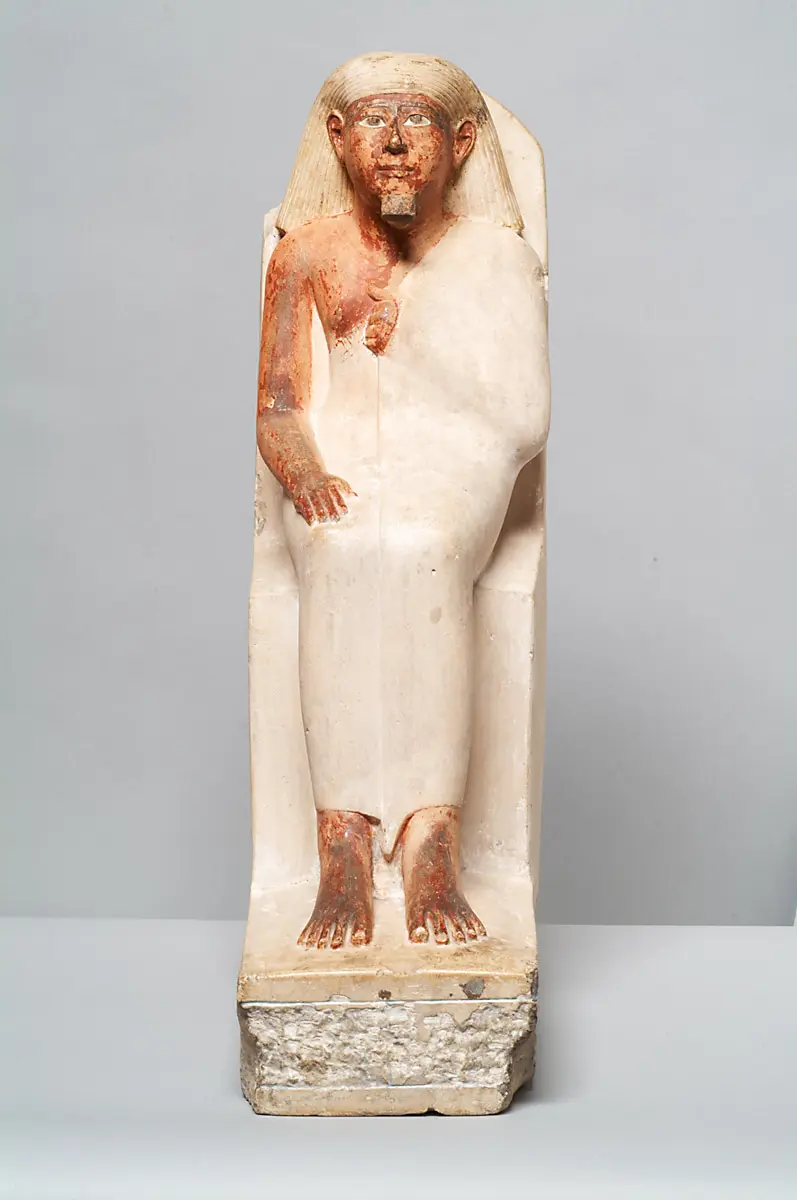
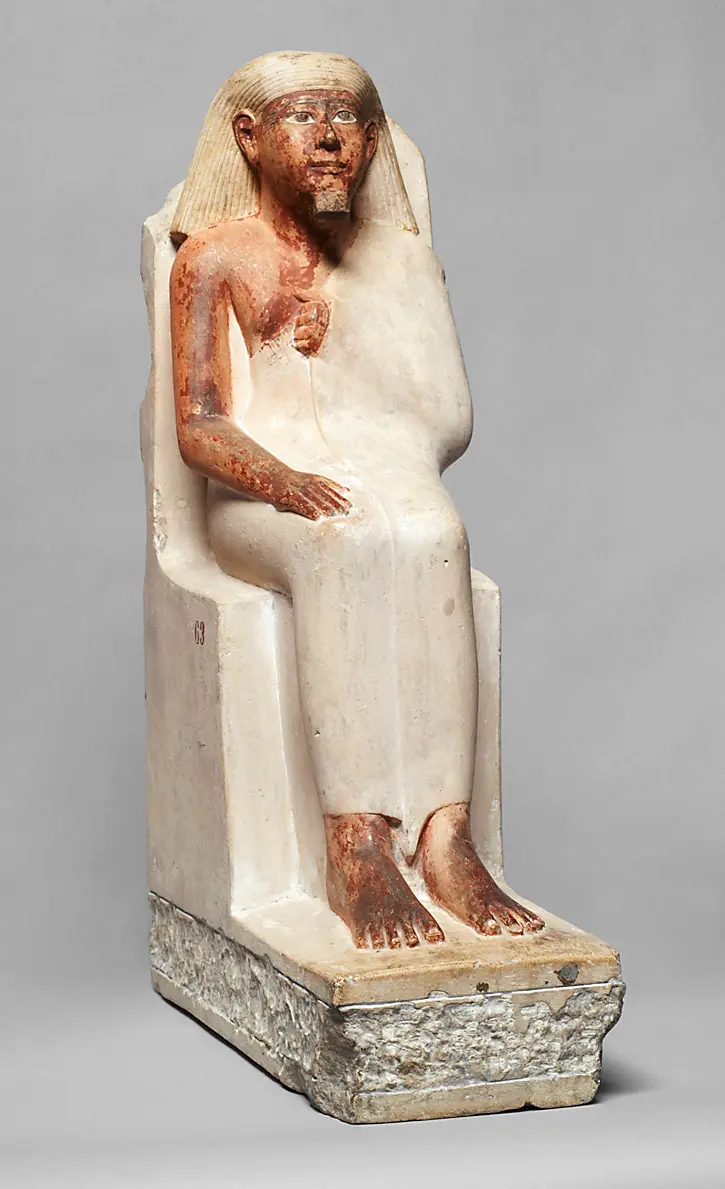
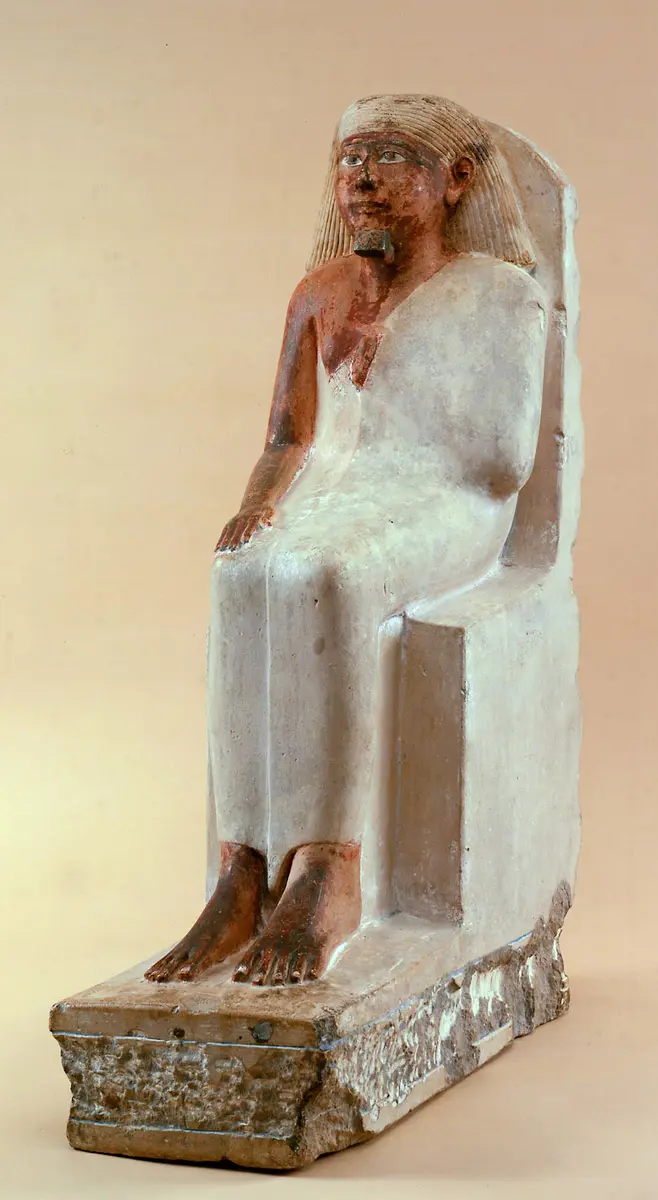
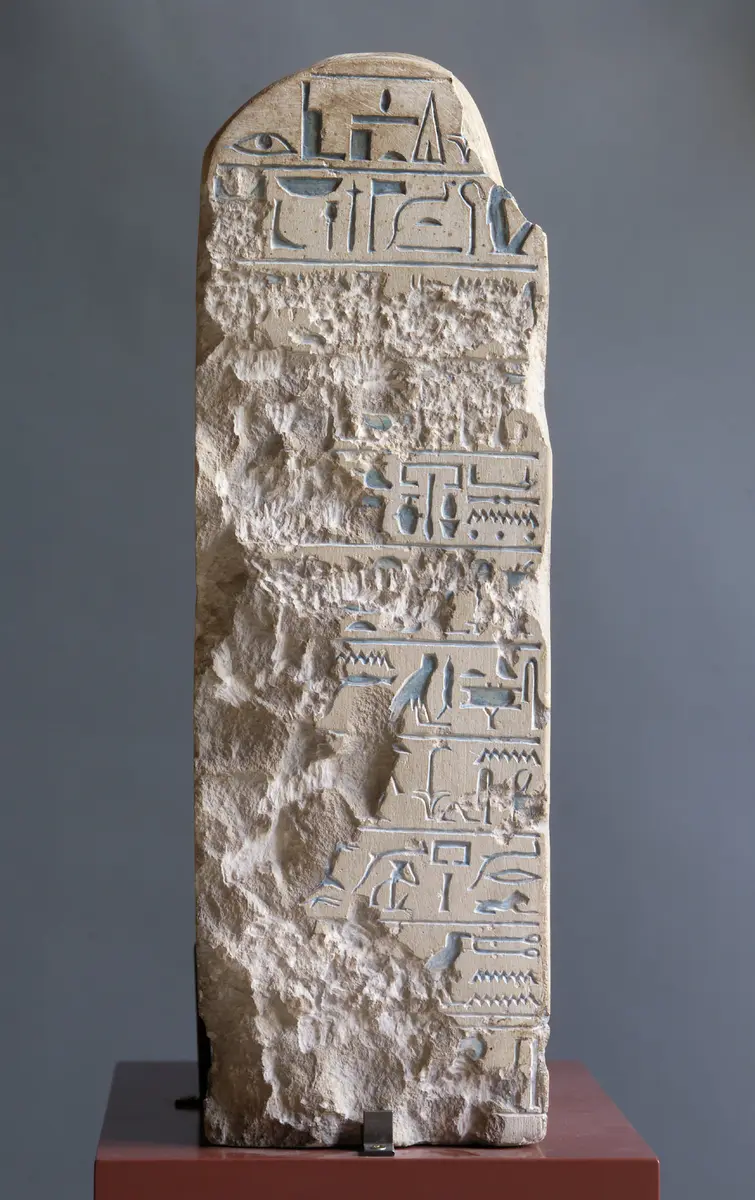
The royal fan bearer Tjenena sits on a chair with a high backrest. His name and titles are preserved in the very damaged inscription on the back. Tjenena wears a long striated wig, once painted black, and he has a goatee. His body, painted red-brown, is clothed in a long white cloak-like garment that leaves his right shoulder uncovered.
Time:
18th Dynasty, reign of Thutmose IV, ca. 1410 BC;
Object Name
Statue
Culture
Ägyptisch
Location of discovery:
Theben (vermutlich)
Material/technology:
Painted limestone
Dimensions:
H 56 cm, B 15,8 cm T 35,7 cm, G 32 kg
Copyright
Kunsthistorisches Museum, Ägyptisch - Orientalische Sammlung
Invs.
Ägyptische Sammlung, INV 63
Provenance
Acquired before 1824
Browse more
Similar items you might be interested in
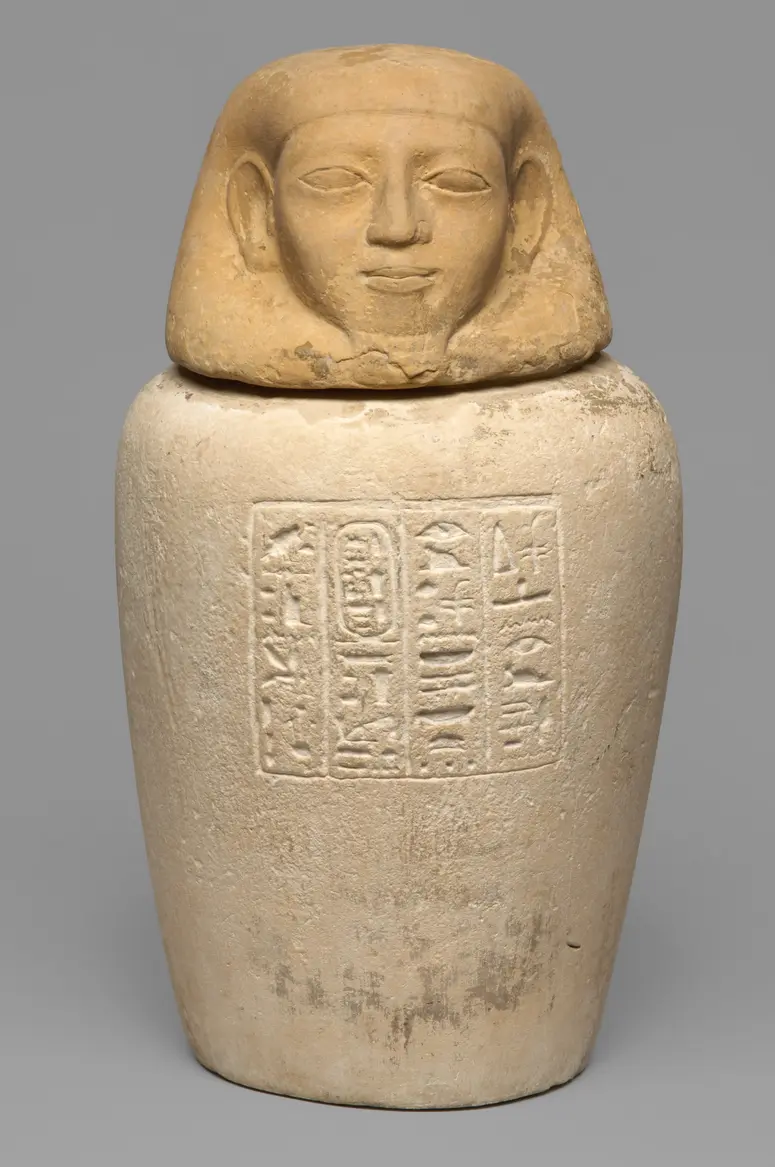
Kanope der Tjes-bastet-peret mit Deckel in Form eines Menschenkopfes Theben 22. Dynastie, Zeit Osorkons II., 873-844 v. Chr.
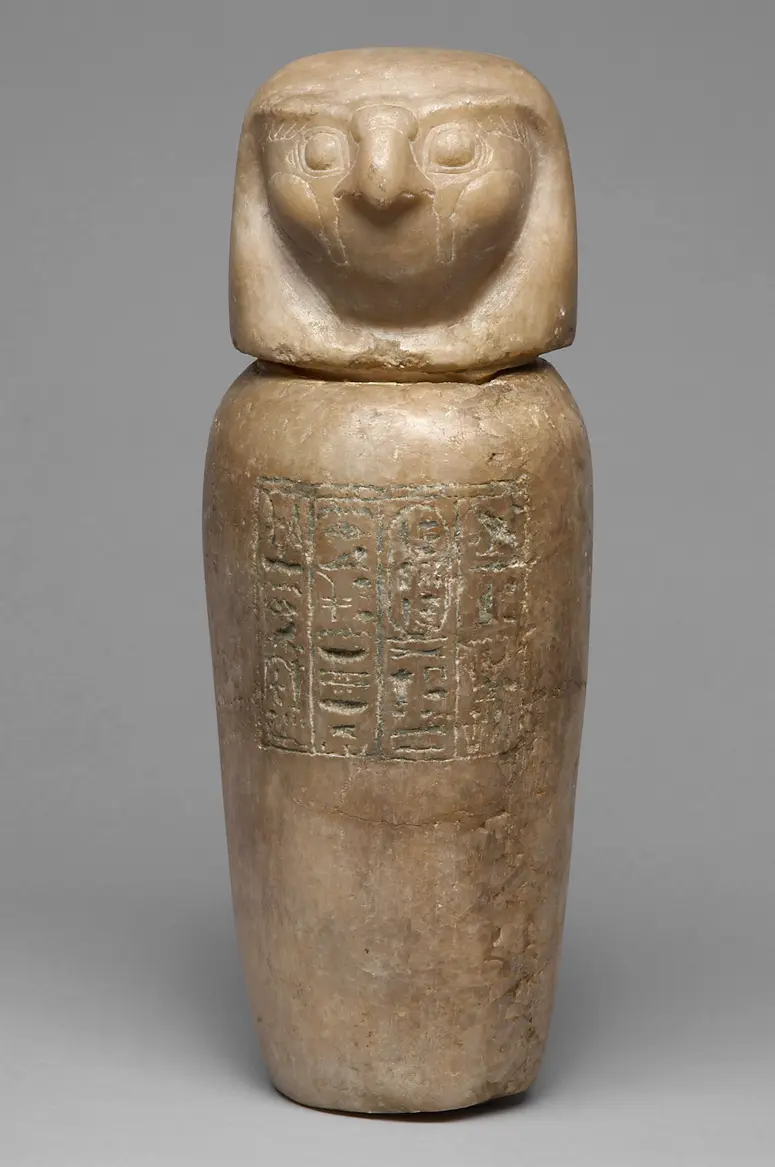
Kanope der Tjes-bastet-peret mit Deckel in Form eines Falkenkopfes Theben 22. Dynastie, Zeit Osorkons II., 873-844 v. Chr.
Kanope der Tjes-bastet-peret mit Deckel in Form eines Affenkopfes Theben 22. Dynastie, Zeit Osorkons II., 873-844 v. Chr.
Kanope der Tjes-bastet-peret mit Deckel in Form eines Schakalkopfes Theben 22. Dynastie, Zeit Osorkons II., 873-844 v. Chr.
Wall relief of Ni-ui-netjer Giza, Mastaba des Ni-ui-netjer 6th Dynasty, ca. 2374-2191 BC;
Wall relief of Ni-ui-netjer Giza, Mastaba des Ni-ui-netjer 6th Dynasty, ca. 2374-2191 BC;
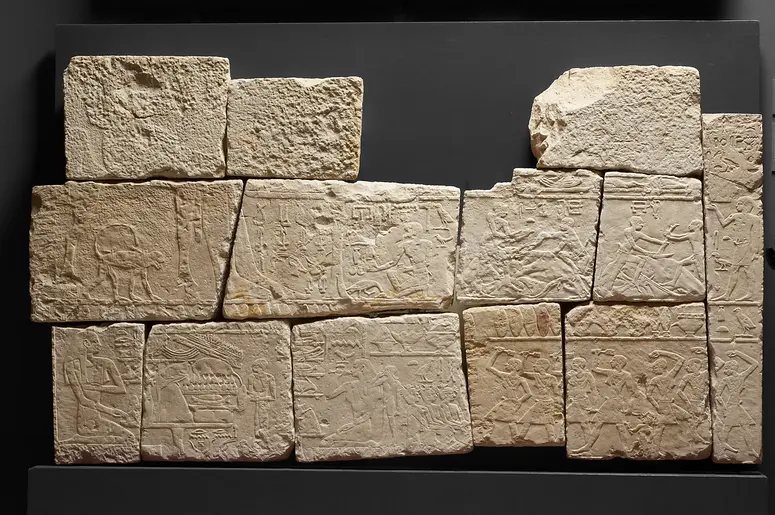
Wall relief of Ni-ui-netjer Giza, Mastaba des Ni-ui-netjer 6th Dynasty, ca. 2374-2191 BC;
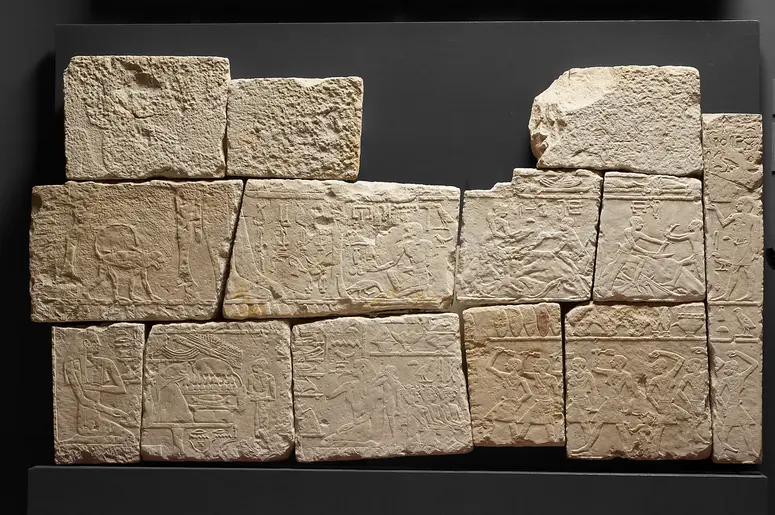
Wall relief of Ni-ui-netjer Giza, Mastaba des Ni-ui-netjer 6th Dynasty, ca. 2374-2191 BC;

False door tablet of Nefer-en-chufu and Setjetit Giza (vermutlich) 5th Dynasty, ca. 2514-2374 BC;
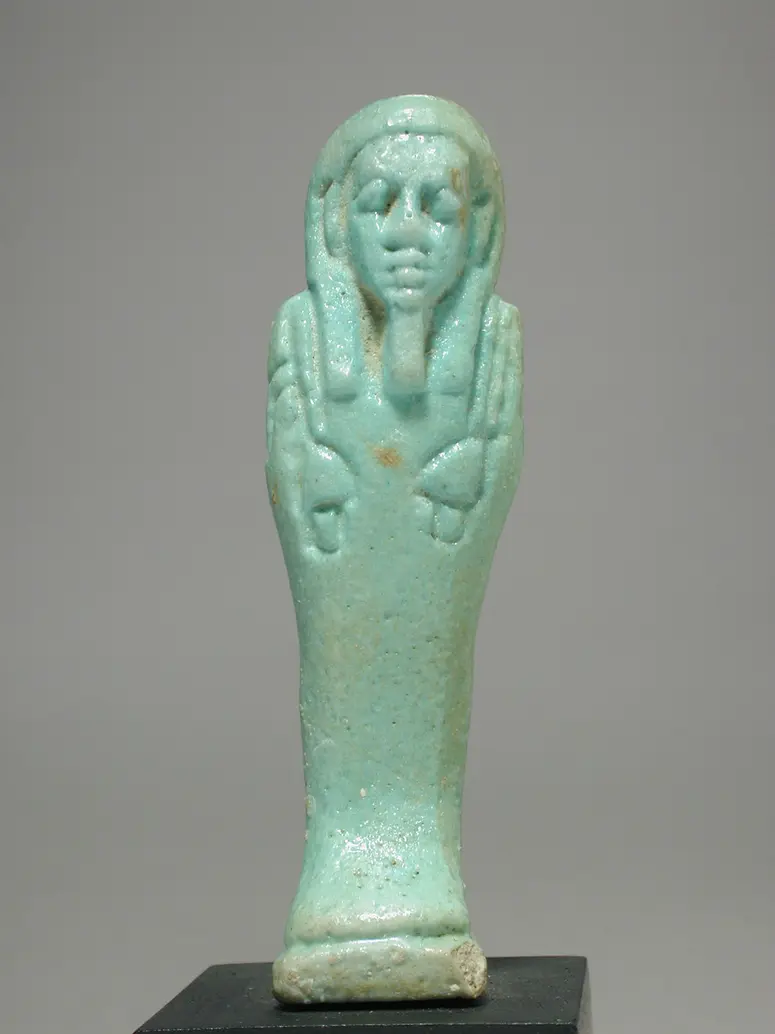
Uschebti des Pa-es-em-tjek (Psammetich) Fundort unbekannt 26. Dynastie, 664-525 v. Chr.
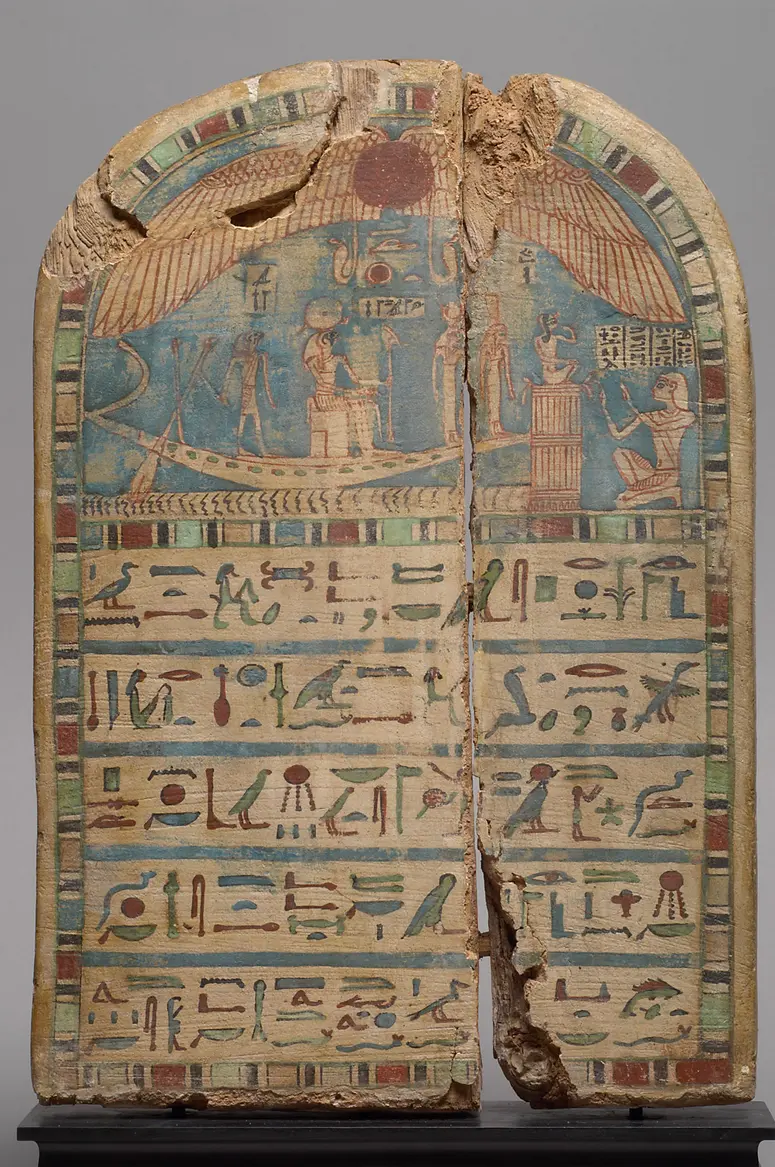
Stele des Pa-es-em-tjek-em-aui-en-nut Theben (vermutlich) 2. Hälfte 26. Dynastie, ca. 580-525 v. Chr.
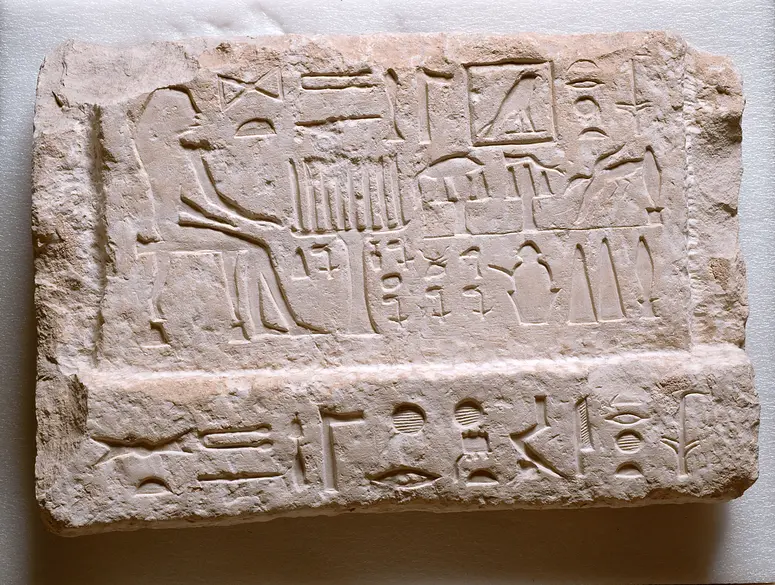
Scheintürtafel der Tjeset Giza, Westfriedhof, Mastaba des Anch-wedja, genannt Itji 6. Dynastie, ca. 2374-2191 v. Chr.

Family group of Itj-ef, his wife, son, and daughter Giza, Friedhof GIS, Mastaba des Itjef, westlicher Serdab 6th Dynasty, ca. 2374-2191 BC
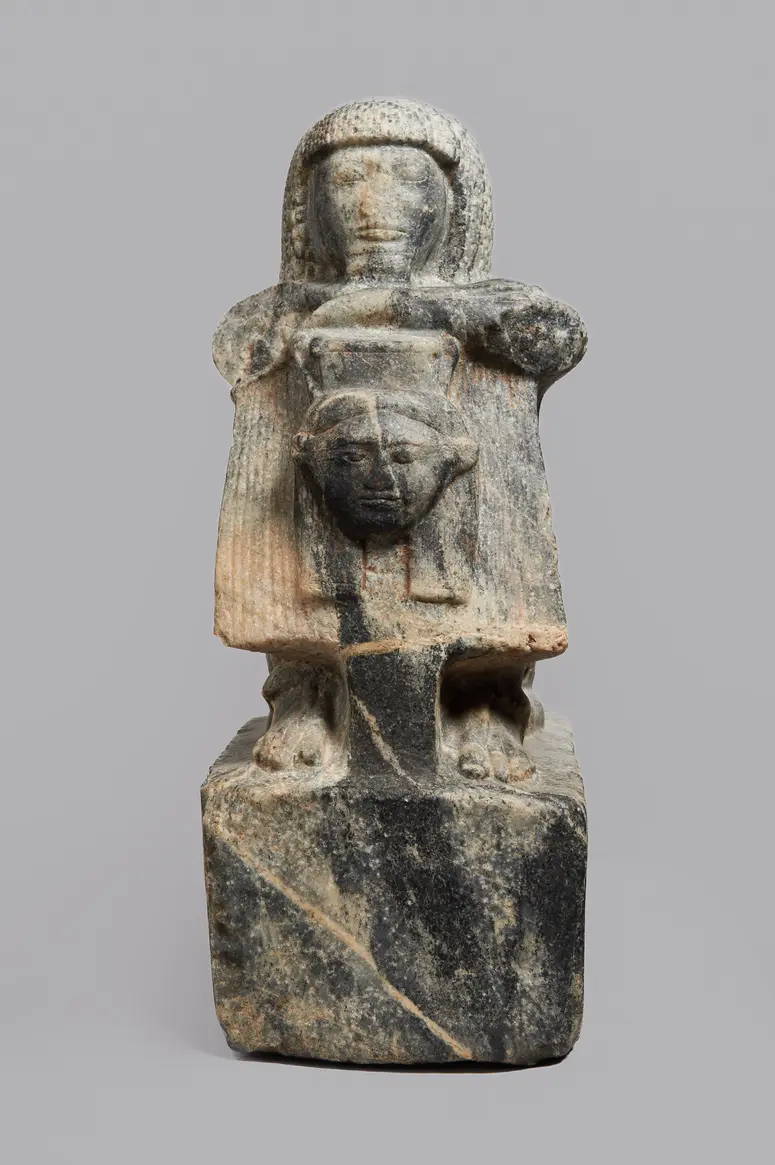
Squatting statue of Khai-hapi with a sistrum Vindobona, Wien III, Wr. Neustädter-Kanal, Landstraße 2nd half of the 19th Dynasty, ca. 1250-1200 BC
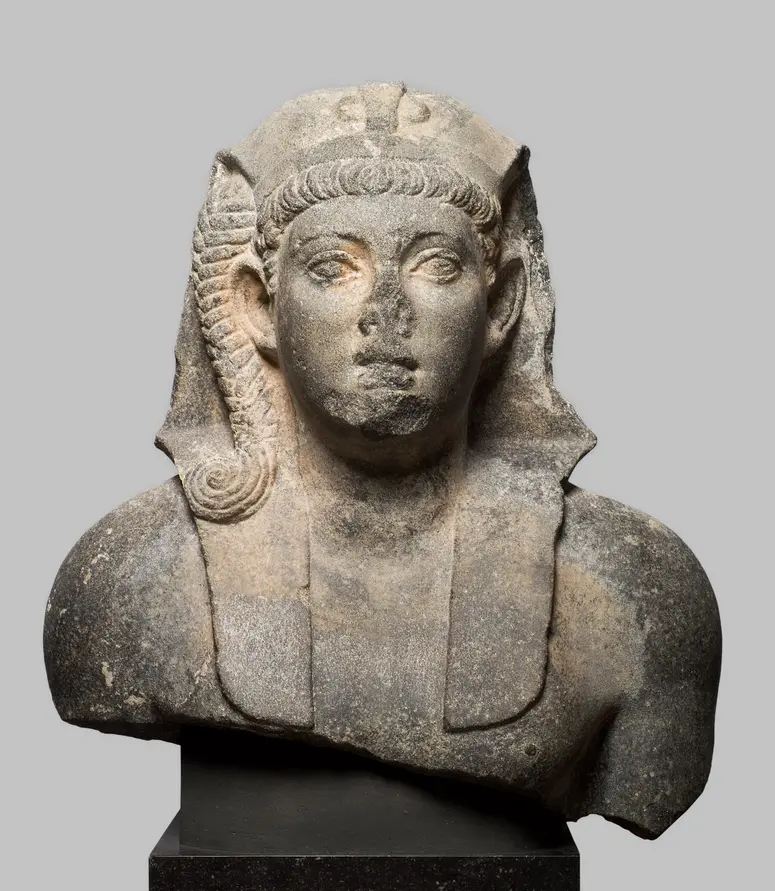
Bust of a youthful king Alexandria (vermutlich) 2nd /1st century BC or 1st century AD;
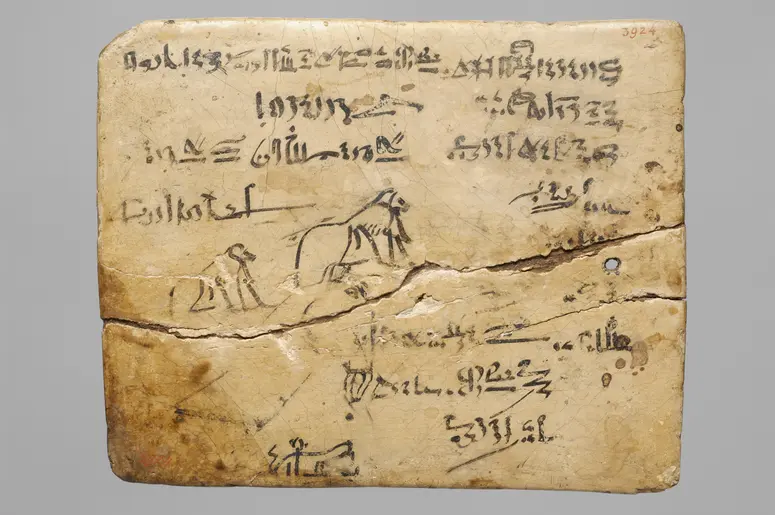
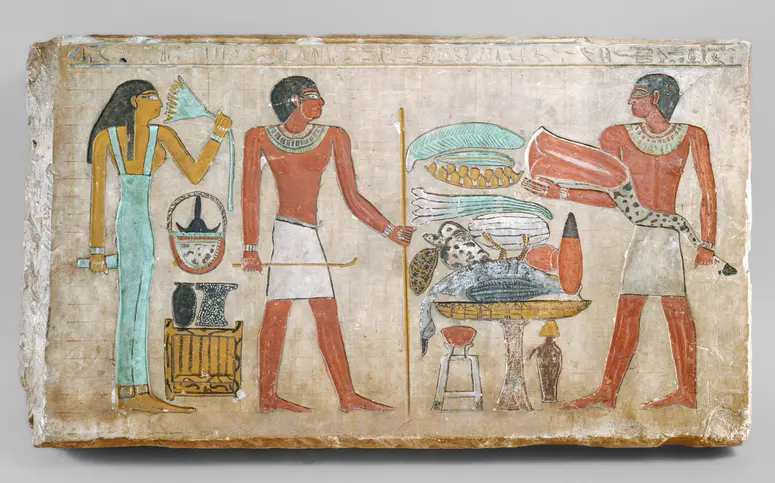
Relief with an offering scene Fundort unbekannt early 12th Dynasty, ca. 1980 BC
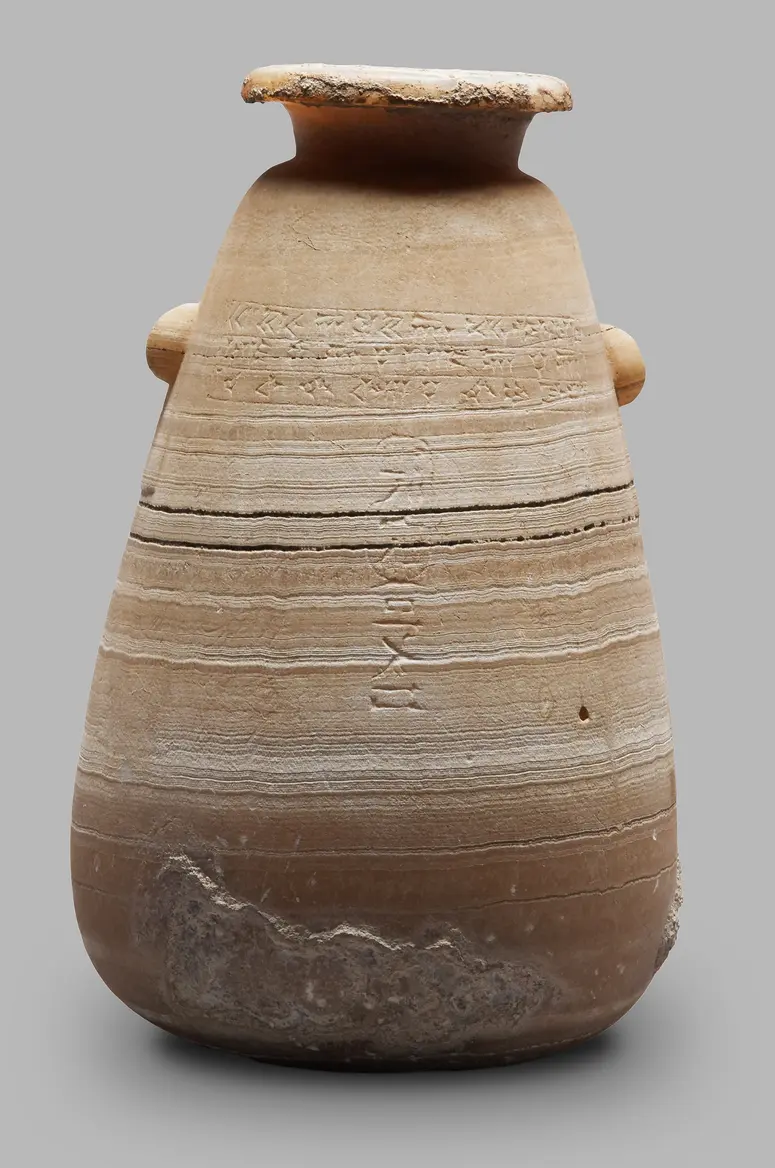
Großes Alabastron des Xerxes mit viersprachiger Inschrift Ägypten (vermutlich) Zeit des Xerxes, 486-466 v. Chr.
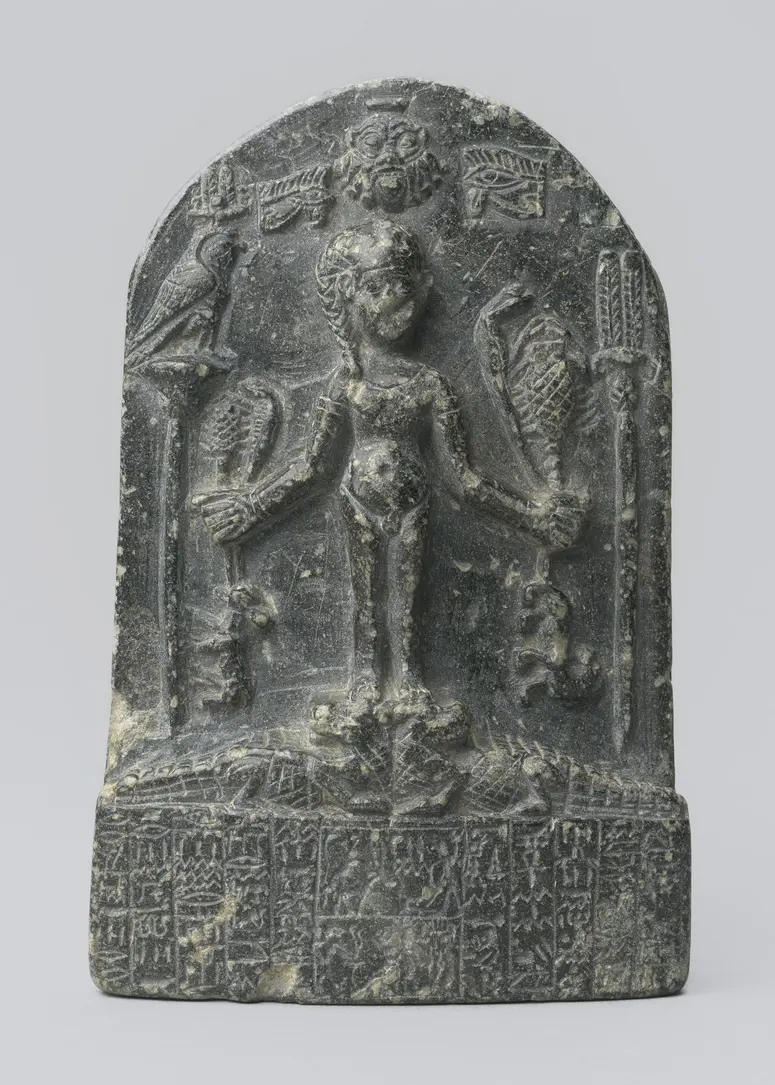
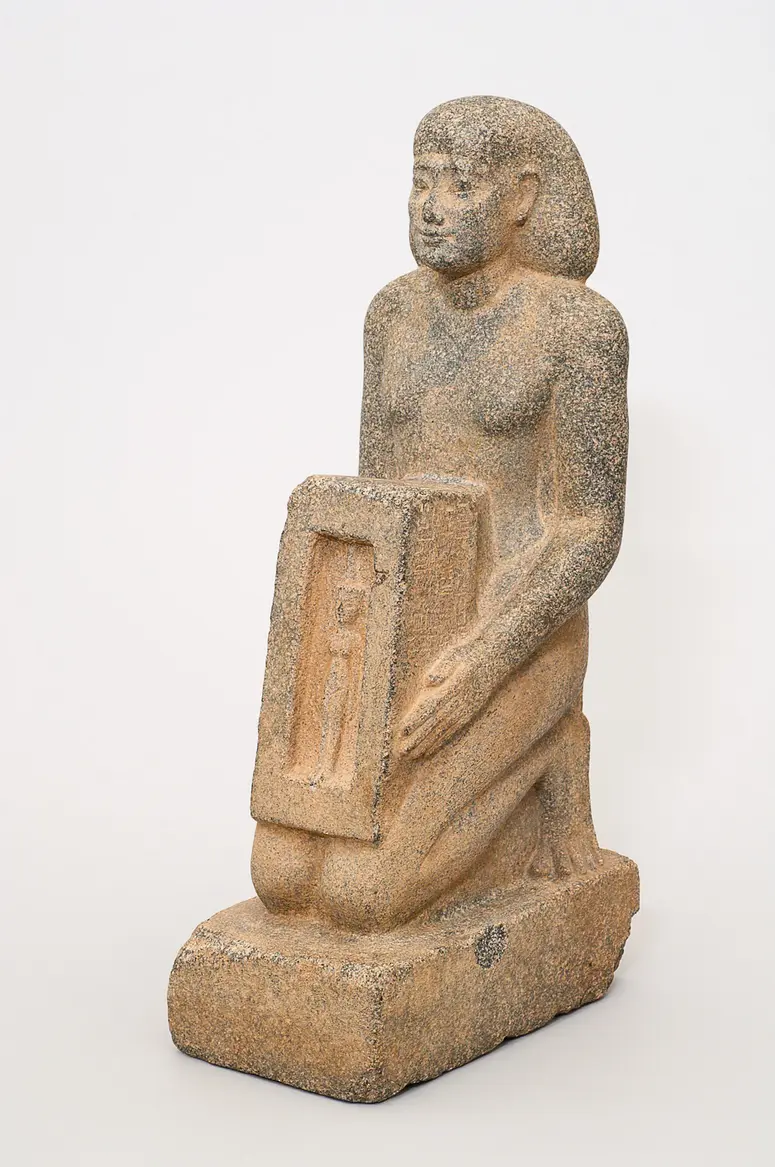
Naophorous statue of Gem-nef-hor-bak Sais (vermutlich) 30th Dynasty, 1st half of the 4th century BC