Schloss, Türschloss, Riegel, Gerät, Werkzeug
1494/1508
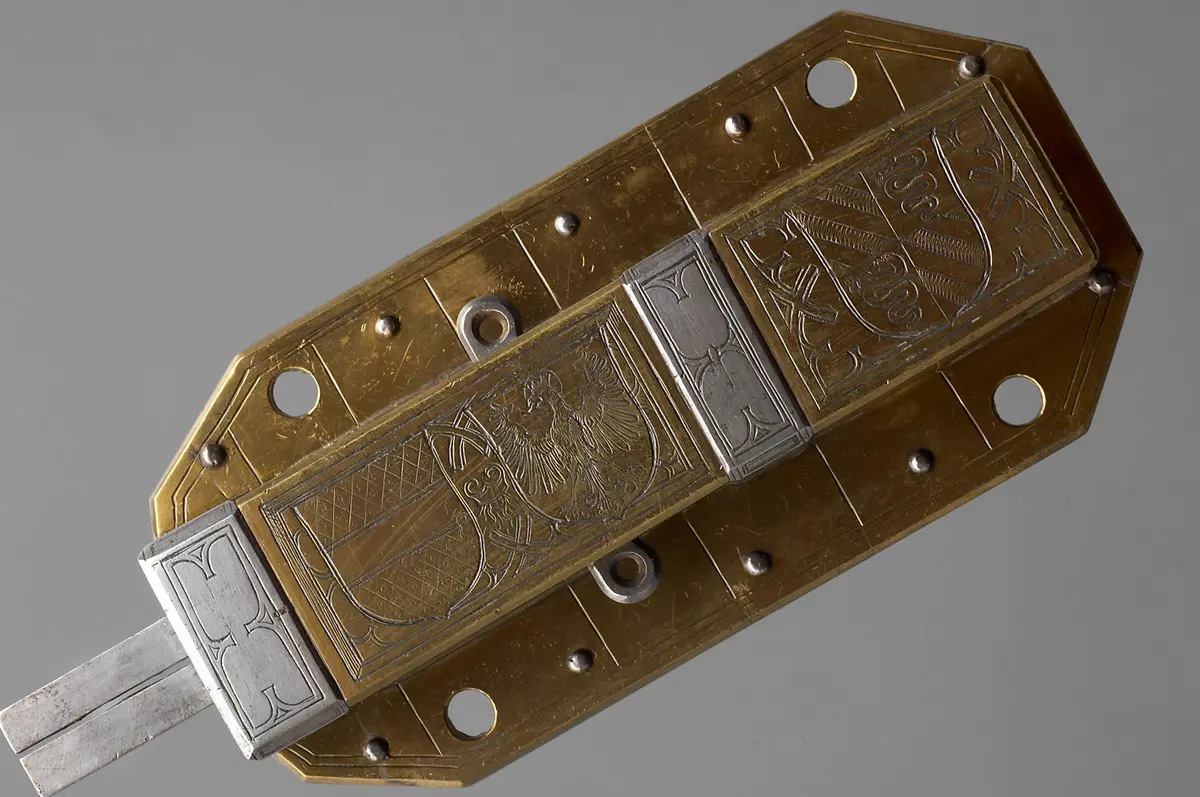
The rectangular lock case is heraldically decorated on the right with the Austrian shield and the coat of arms of the Roman-German king, the crowned one-headed eagle. The coats of arms are linked by two emblems of the Order of the Fleece, the cross of St Andrew and the striking iron. The coat of arms on the left, with its two coiled serpents, refers to the Sforza family from Milan. The shield is framed by Gothic trefoils. The connection between the coats of arms indicates a relationship between the castle and Maximilian I and his second wife, Bianca Maria Sforza. The dating of the castle is based on the wedding date of the couple in 1493 and Bianca's death on New Year's Eve 1510/1511. The lock is decorated on both sides, with the magnificent engraved coats of arms and a dark green painting with tendrils on the back. The door lock had two locking mechanisms: on the front it could be locked and on the back it had two keys for locking, which have been preserved. It is not known where the representative lock was used. The door lock came to the Ambras Kunstkammer of Archduke Ferdinand II, where it was kept in the seventh showcase with iron objects. On the one hand, the inclusion of everyday objects such as a lock may have been motivated by artificialia and scientifica with its artistic workmanship. On the other hand, the heraldic decoration programme was of such great importance that it turned the lock into a medium of dynastic propaganda and a memento in equal measure.
The rectangular lock case is heraldically decorated on the right with the Austrian shield and the coat of arms of the Roman-German king, the crowned one-headed eagle. The coats of arms are linked by two emblems of the Order of the Fleece, the cross of St Andrew and the striking iron. The coat of arms on the left, with its two coiled serpents, refers to the Sforza family from Milan. The shield is framed by Gothic trefoils. The connection between the coats of arms indicates a relationship between the castle and Maximilian I and his second wife, Bianca Maria Sforza. The dating of the castle is based on the wedding date of the couple in 1493 and Bianca's death on New Year's Eve 1510/1511. The lock is decorated on both sides, with the magnificent engraved coats of arms and a dark green painting with tendrils on the back. The door lock had two locking mechanisms: on the front it could be locked and on the back it had two keys for locking, which have been preserved. It is not known where the representative lock was used. The door lock came to the Ambras Kunstkammer of Archduke Ferdinand II, where it was kept in the seventh showcase with iron objects. On the one hand, the inclusion of everyday objects such as a lock may have been motivated by artificialia and scientifica with its artistic workmanship. On the other hand, the heraldic decoration programme was of such great importance that it turned the lock into a medium of dynastic propaganda and a memento in equal measure.
Time:
1494/1508
Object Name
Schloss, Türschloss, Riegel, Gerät, Werkzeug
Culture
Innsbruck ?
Copyright
Kunsthistorisches Museum, Kunstkammer
Invs.
Kunstkammer, 693
Browse more
Similar items you might be interested in
Türschloss, Schloss, Schmiedearbeit, Gerät 16. Jahrhundert
25 Schachfiguren, Schach, Spielfiguren 16. Jahrhundert (?)

Truhenschloss, Schloss, Gerät, Werkzeug, Schmiedearbeit 16. Jahrhundert

Aufsatz, Filigranarbeit, Schnitzarbeit 2. Hälfte 16. Jahrhundert
Christus mit den Jüngern bei der Tafel sitzend, Schmelzglasbild, Glasbild, letztes Abendmahl Innsbrucker Hofglashütte 1570-1590
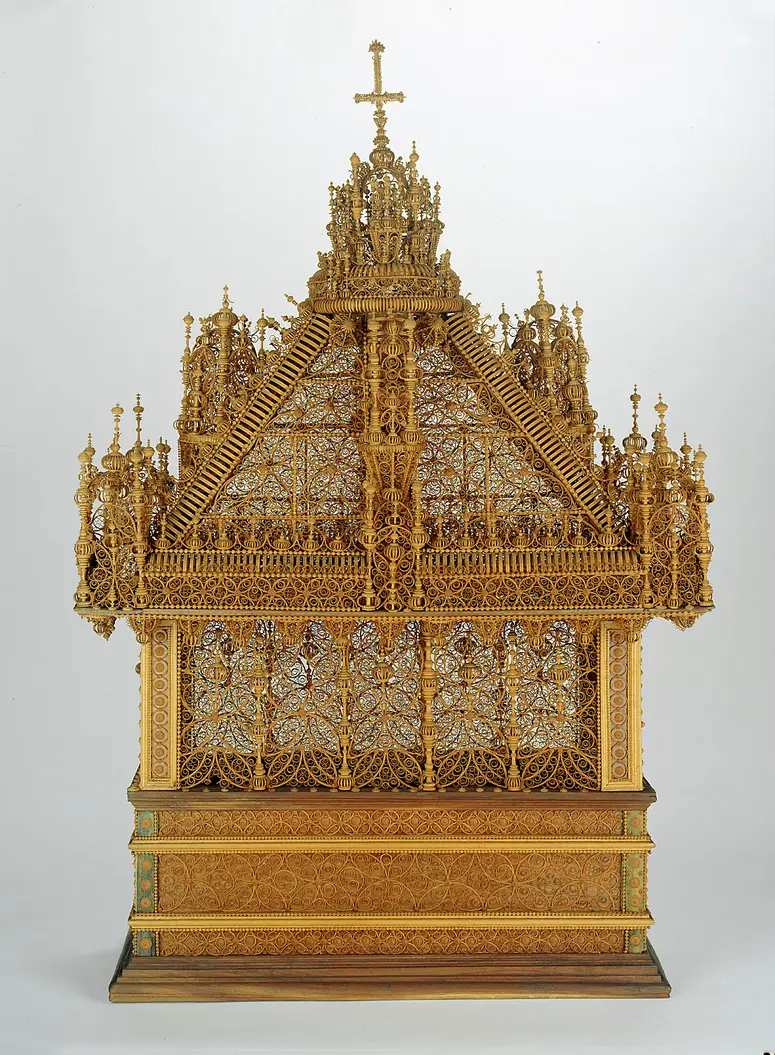
Heiliges Grab, Mikroschnitzerei, Schnitzerei, Holzarbeit 2. Hälfte 16. Jahrhundert

Kästchen, Einlegearbeit, Perlmuttarbeit 1. Drittel 17. Jahrhundert


Pferd, Bronze, Kleinbronze, Pferd in der Levade 1. Hälfte 16. Jahrhundert

Christus als Gärtner, mit Magdalena unter dem Palmenbaum, Schmelzglasbild, Glasbild, Christus als Gärtner Innsbrucker Hofglashütte 1570-1590

Aufsatz, Filigranarbeit, Schnitzarbeit 2. Hälfte 16. Jahrhundert
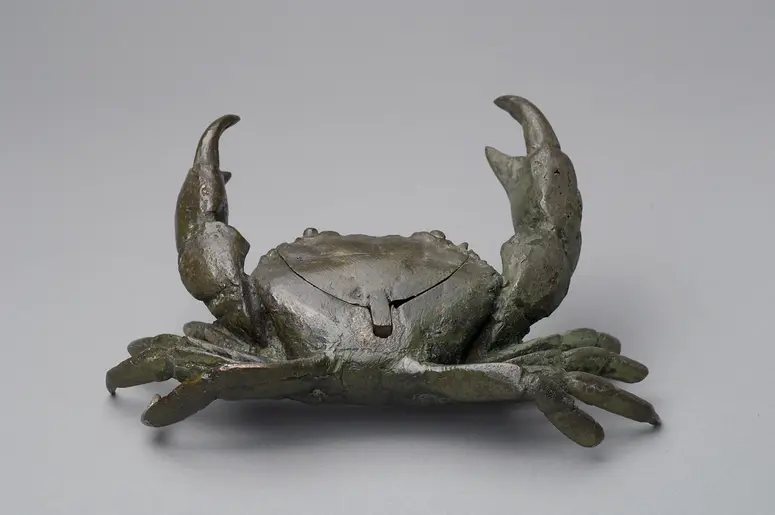
Statuette, Kleinbronze, Bronze, Taschenkrebs Anfang 16. Jahrhundert
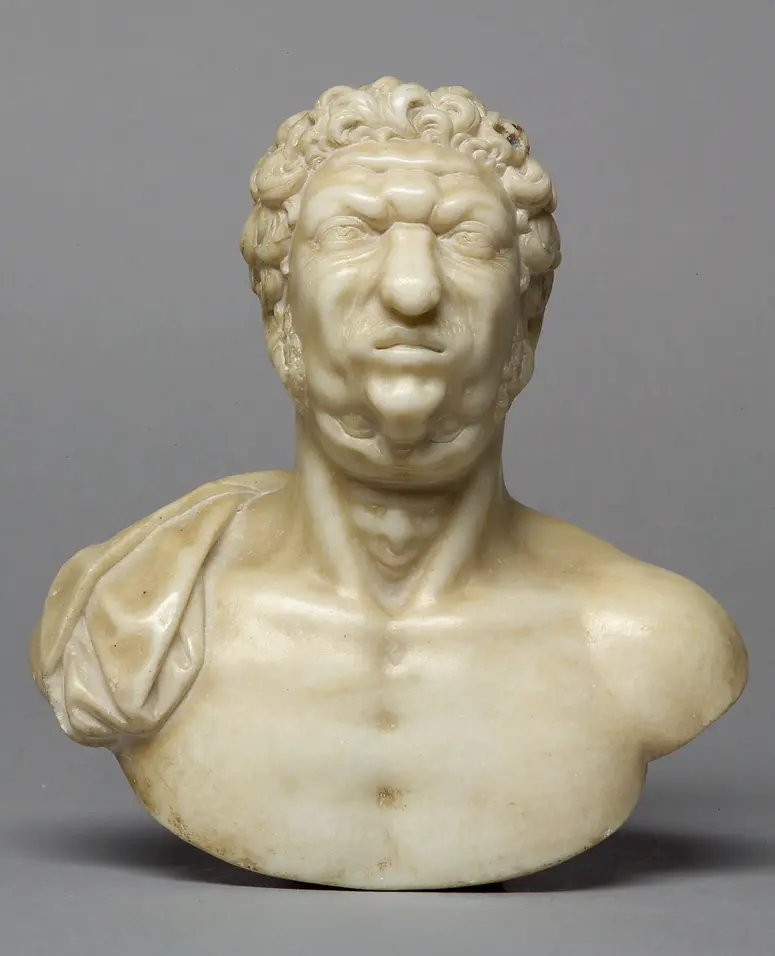
Büste, Faun, Vexierkopf, Vexierbüste Spätes 16. Jahrhundert
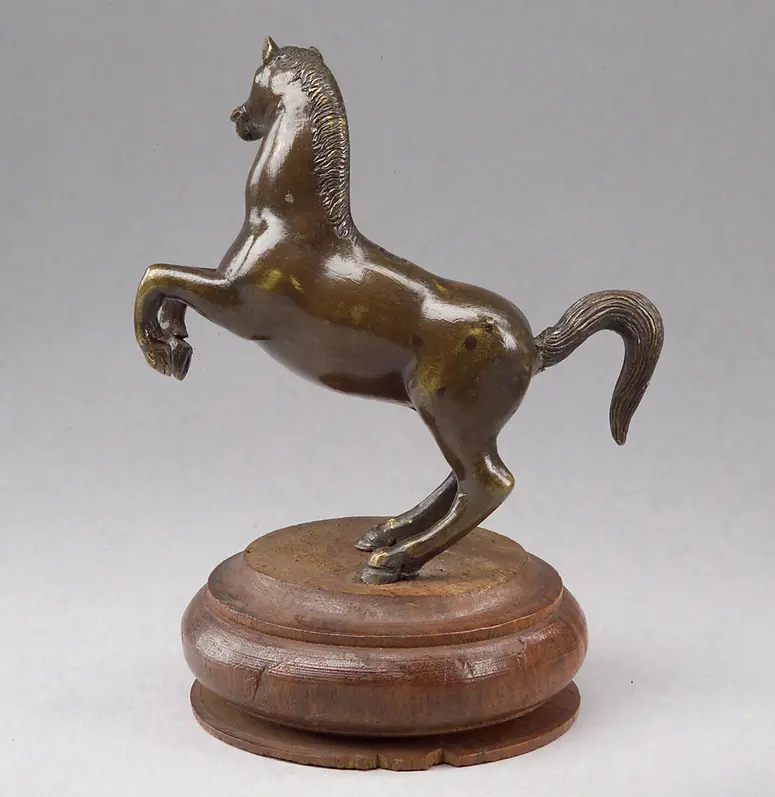
Pferd, Bronze, Kleinbronze, Pferd in der Levade 1. Hälfte 16. Jahrhundert