Kris, Dolch, Messer, Stichwaffe
16. Jahrhundert
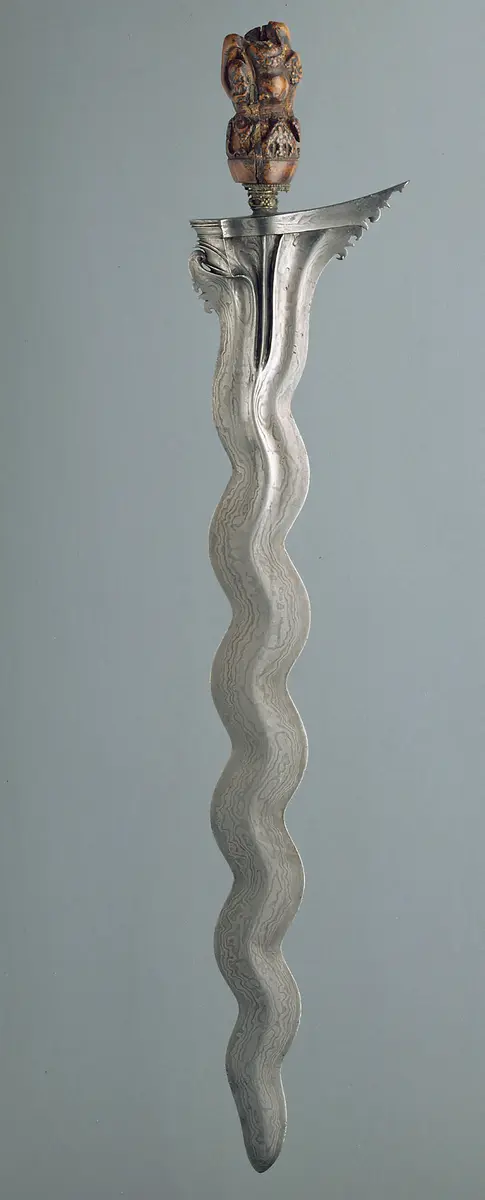
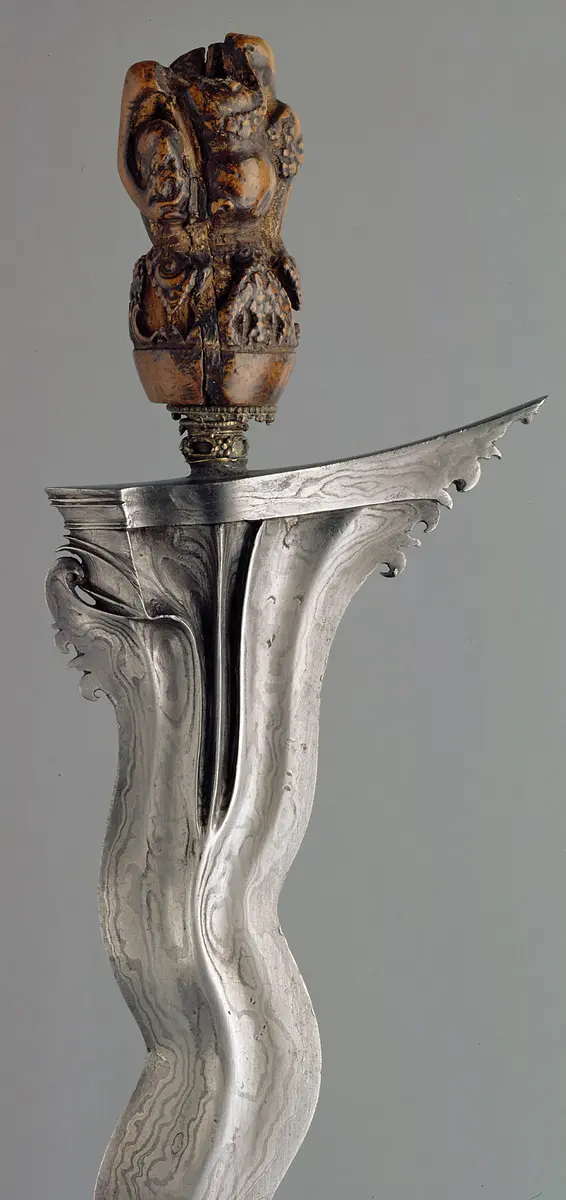
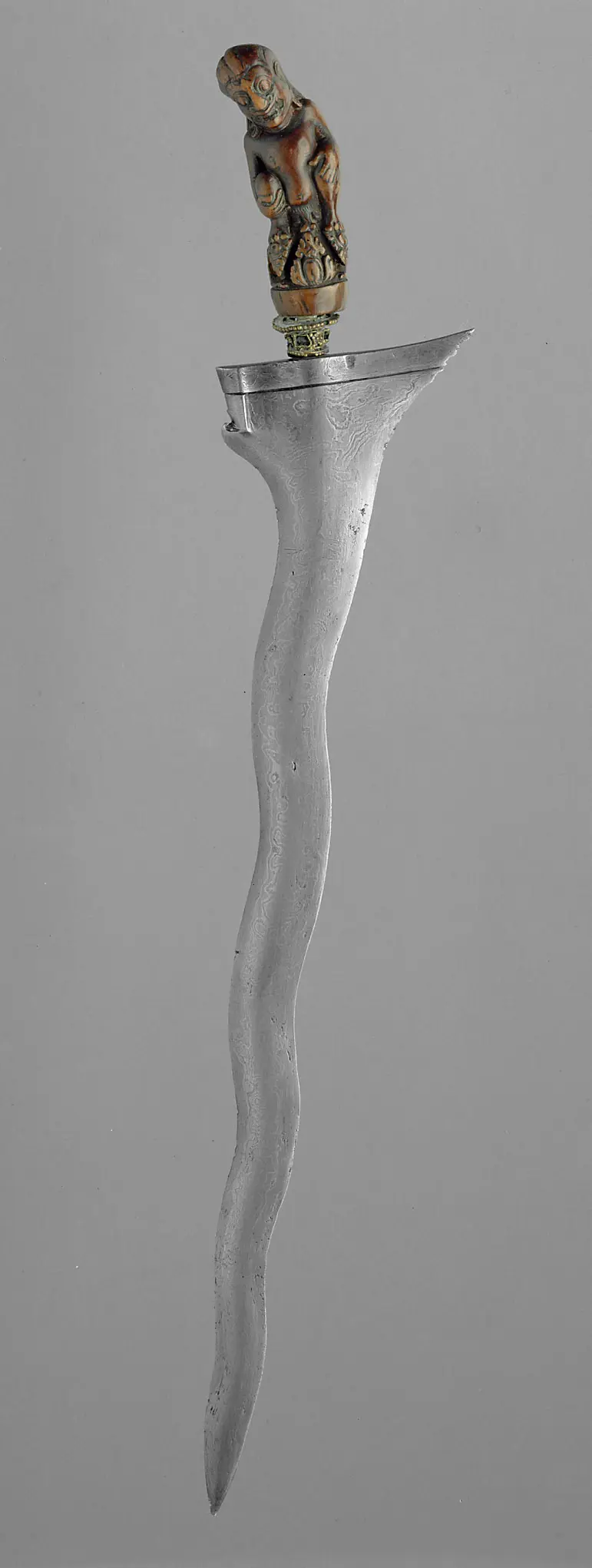
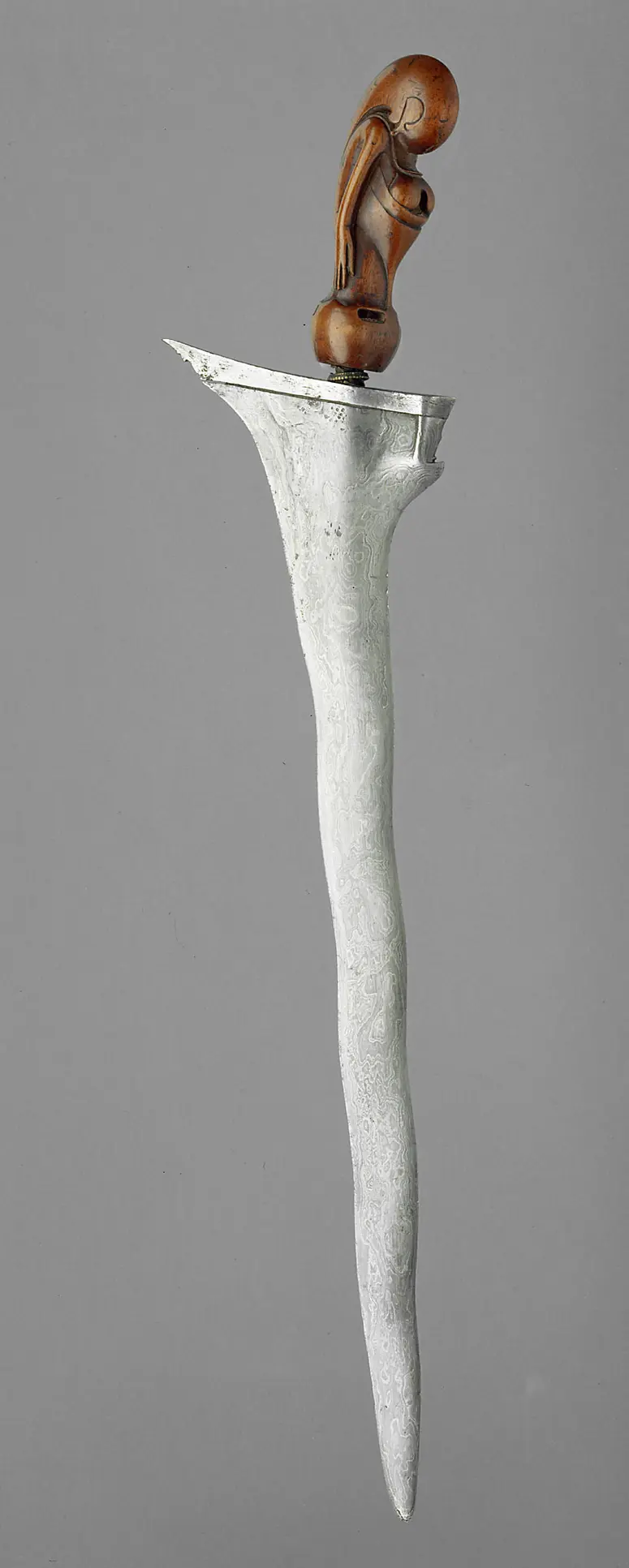
Ancient kris have been preserved in several European art chambers. To this day, the kris with a straight or flamed blade is more than just a weapon for the Javanese. It is also a sacred heirloom, accessory and talisman that protects its wearer from misfortune. Crises could only be given away or inherited. The blades are made of damascened steel and the figurative wooden handles depict characters from mythology.
Ancient kris have been preserved in several European art chambers. To this day, the kris with a straight or flamed blade is more than just a weapon for the Javanese. It is also a sacred heirloom, accessory and talisman that protects its wearer from misfortune. Crises could only be given away or inherited. The blades are made of damascened steel and the figurative wooden handles depict characters from mythology.
Time:
16. Jahrhundert
Object Name
Kris, Dolch, Messer, Stichwaffe
Culture
Malayisch
Material/technology:
Holz, Stahl
Dimensions:
L. 49 cm
Copyright
Schloss Ambras Innsbruck
Invs.
Schloss Ambras Innsbruck, PA 509
Browse more
Similar items you might be interested in

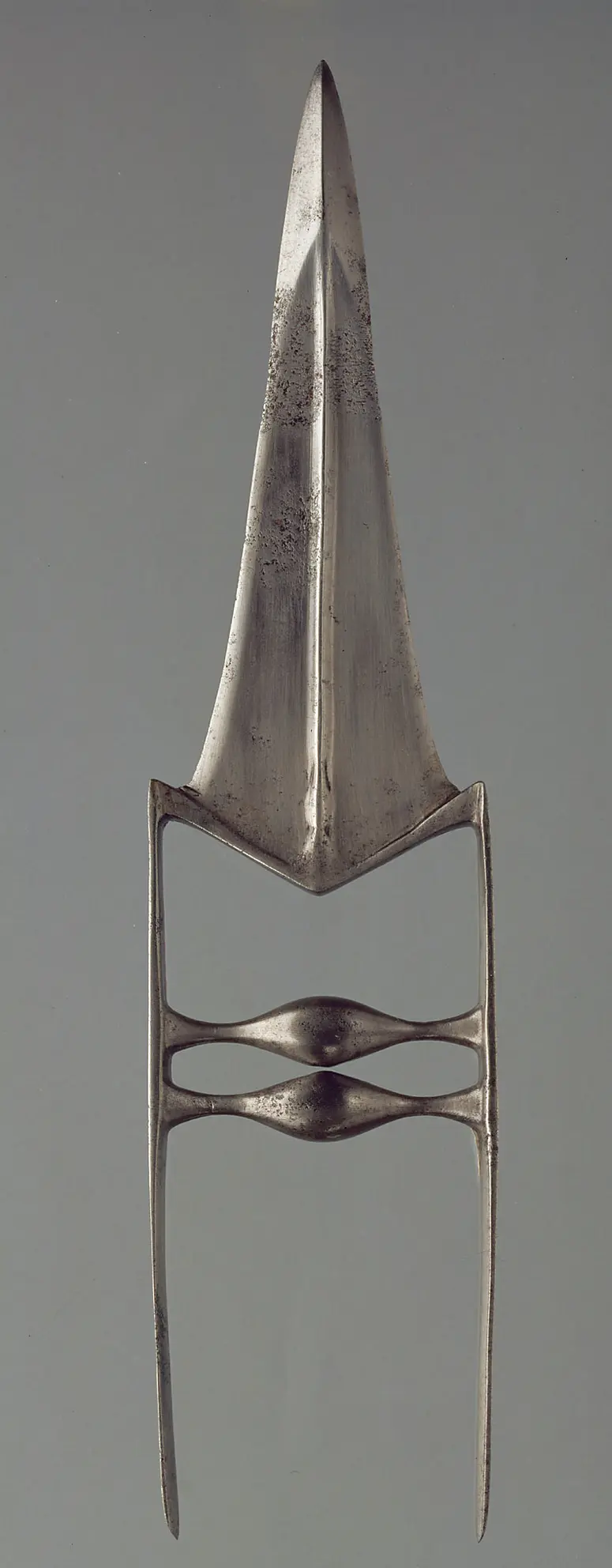
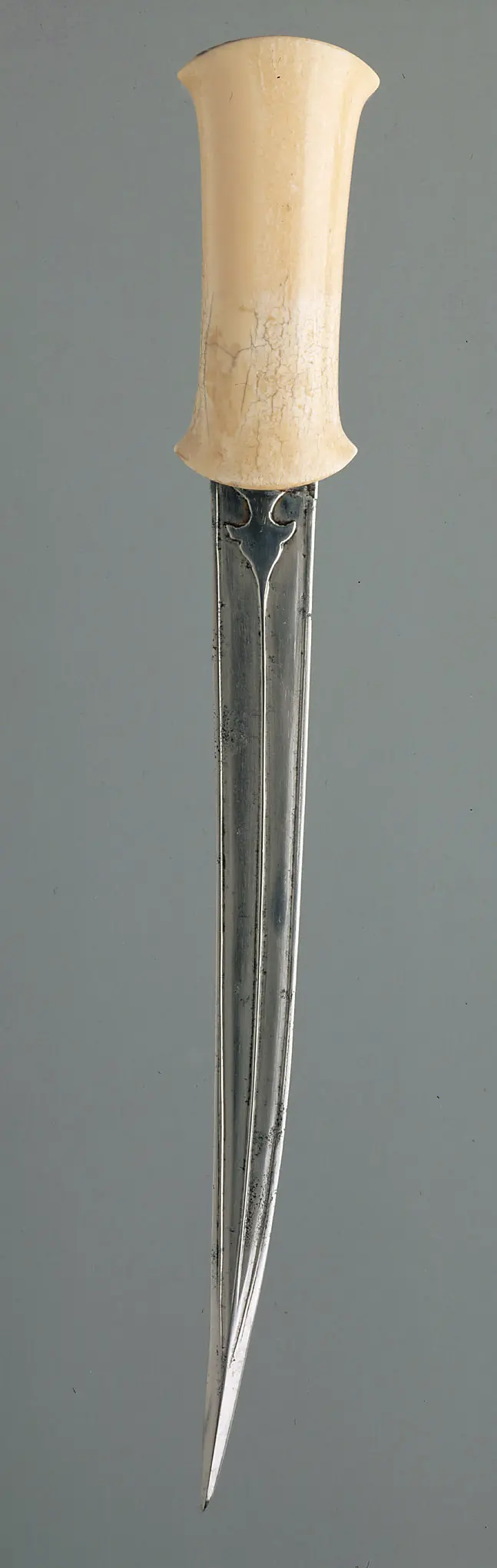
Khuttar, Katar, Stichwaffe, Dolch, Messer 16. Jahrhundert
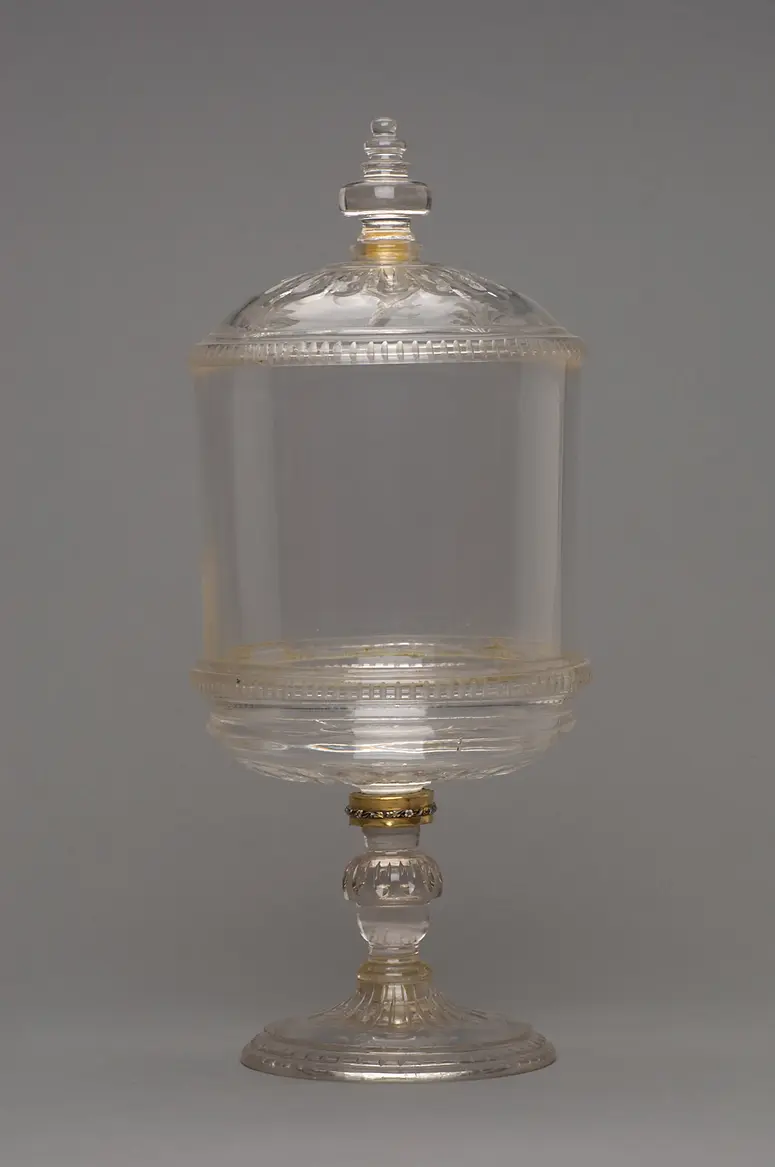
Gefäß, Bergkristall, Bergkristallpokal, Deckelbecher, Deckelpokal, Kristallpokal Ende 17. Jahrhundert
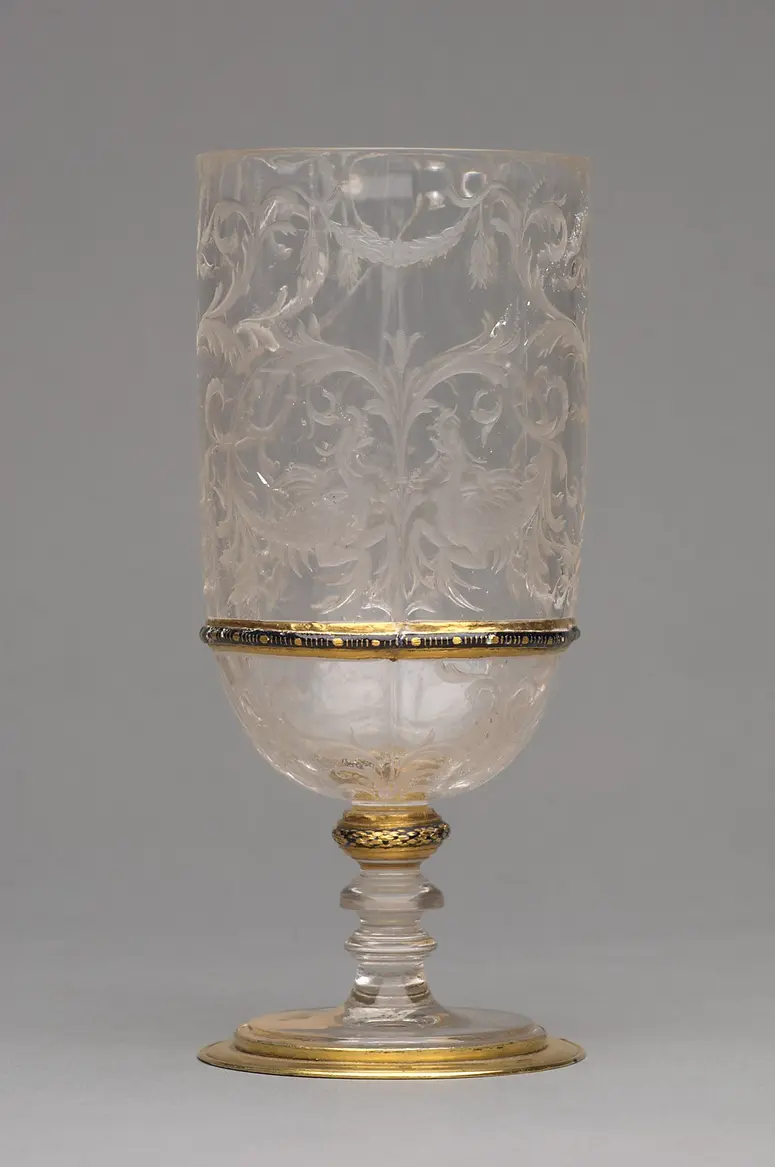

Deckelpokal, Pokal, Bergkristallpokal, Bergkristall 2. Hälfte 17. Jahrhundert

Deckelpokal, Gefäß, Becher, Deckelbecher 2. Hälfte 17. Jahrhundert
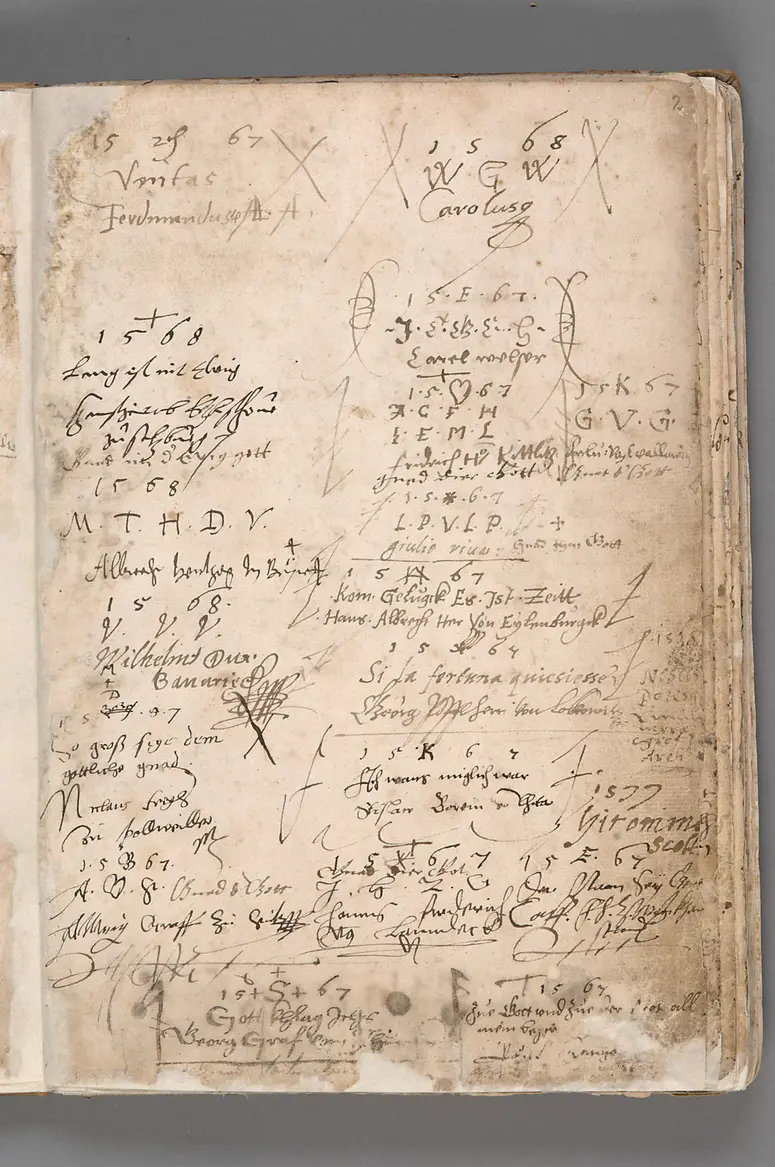
Buch, Trinkbuch, Manuskript, Trinkbuch I; 24 Blätter in Lederband 2. Hälfte 16. Jahrhundert (1567)
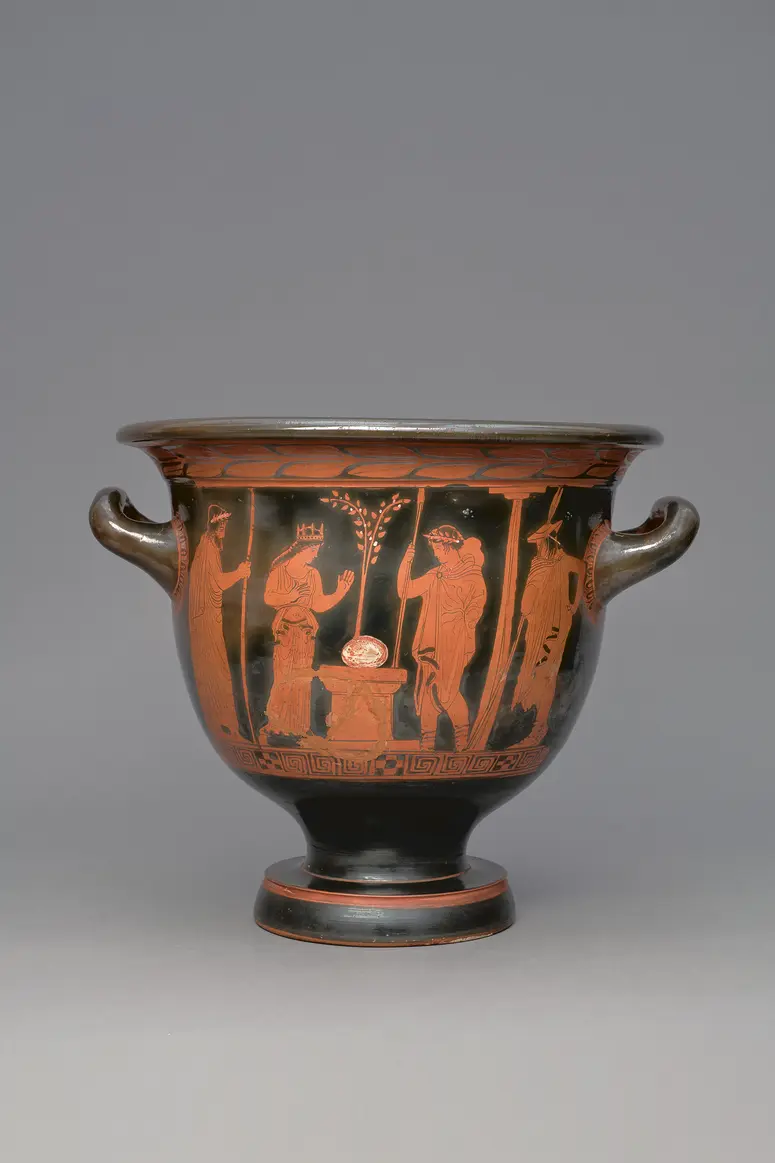
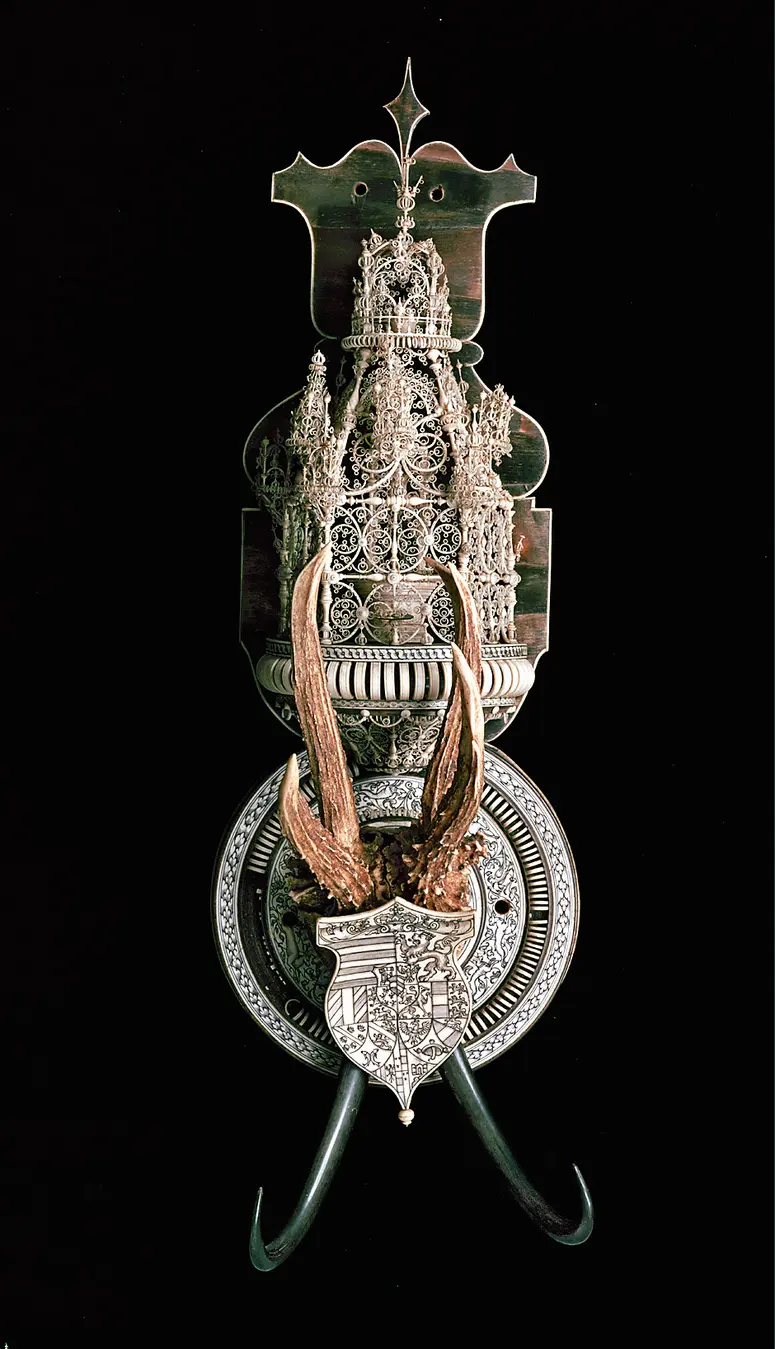
Jagdtrophäe mit Wappen EH Ferdinands II., Jagdtrophäe, Schnitzarbeit, Elfenbeinarbeit, Filigranarbeit 2. Hälfte 16. Jahrhundert
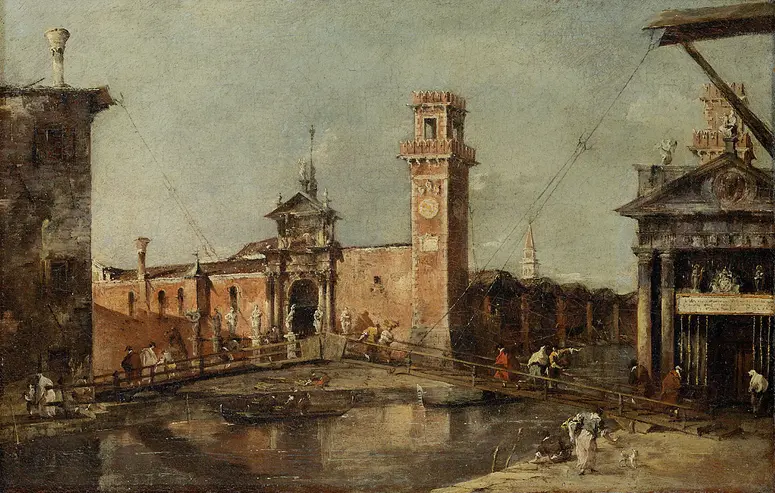
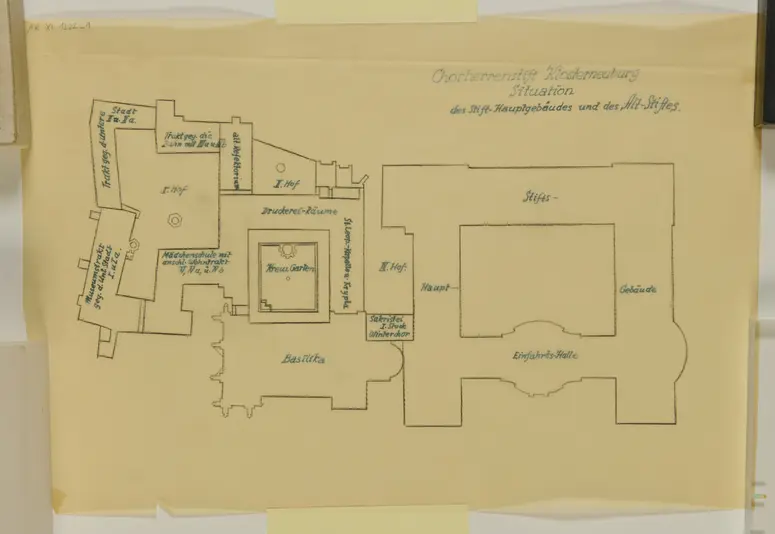
Plan: Chorherrenstift Klosterneuburg. Situation des Stift-Hauptgebäudes und des Alt-Stiftes Stift Klosterneuburg undatiert (um 1941)
Schale: Streit um die Waffen des Achilleus Griechisch, Attisch, rotfigurig um 490 v. Chr.

Aufsatz, Filigranarbeit, Schnitzarbeit 2. Hälfte 16. Jahrhundert

Inschrift: Hirtenbrief des Erzbischofs Hypatios Frühchristlich, Spätantike 2. Viertel 6. Jh.