Halbharnisch
um 1560 | Stephan Báthory (1576-1586), König von Polen, Großherzog von Litauen, 1571-1576 Fürst von Siebenbürg
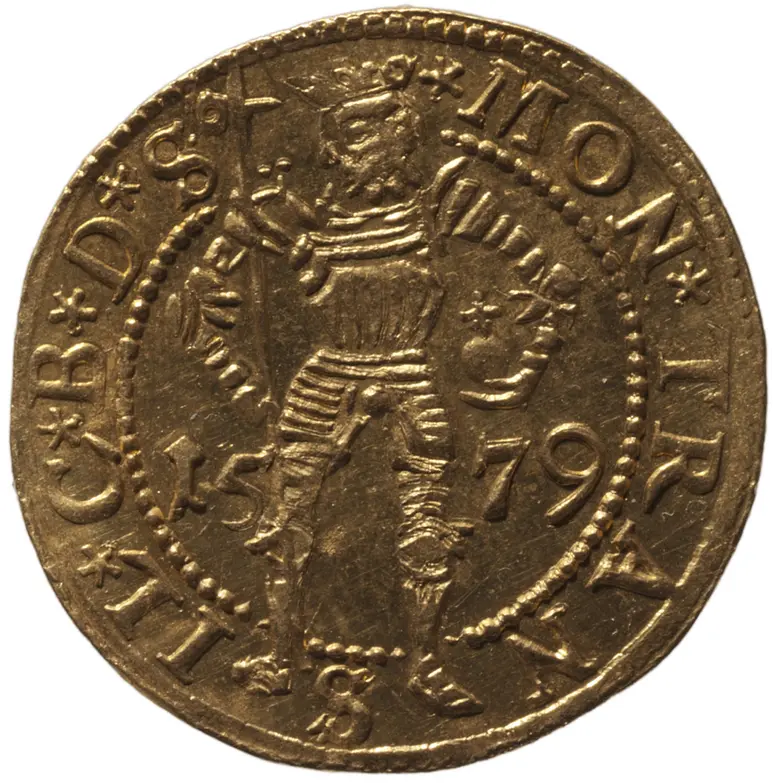
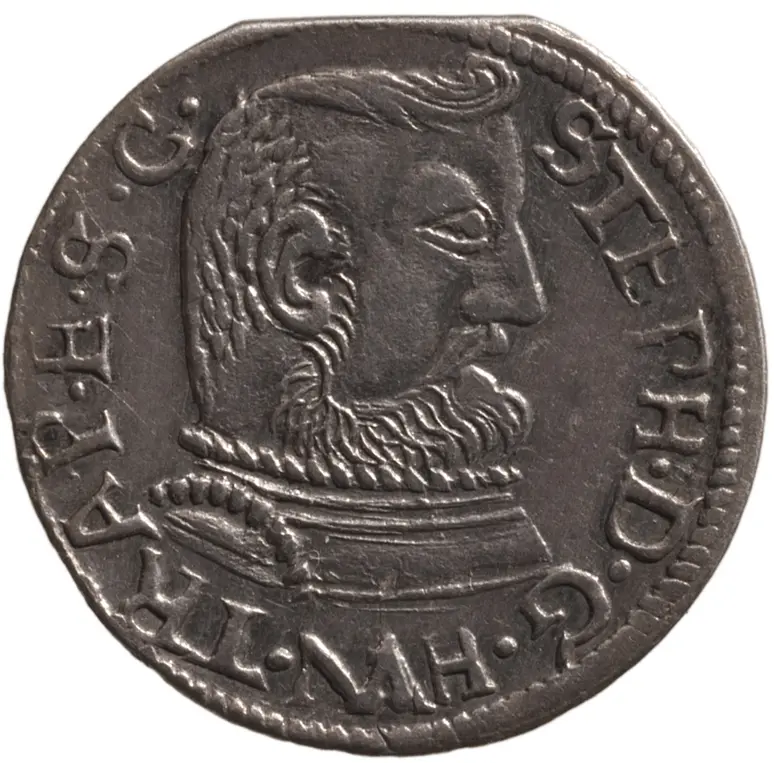
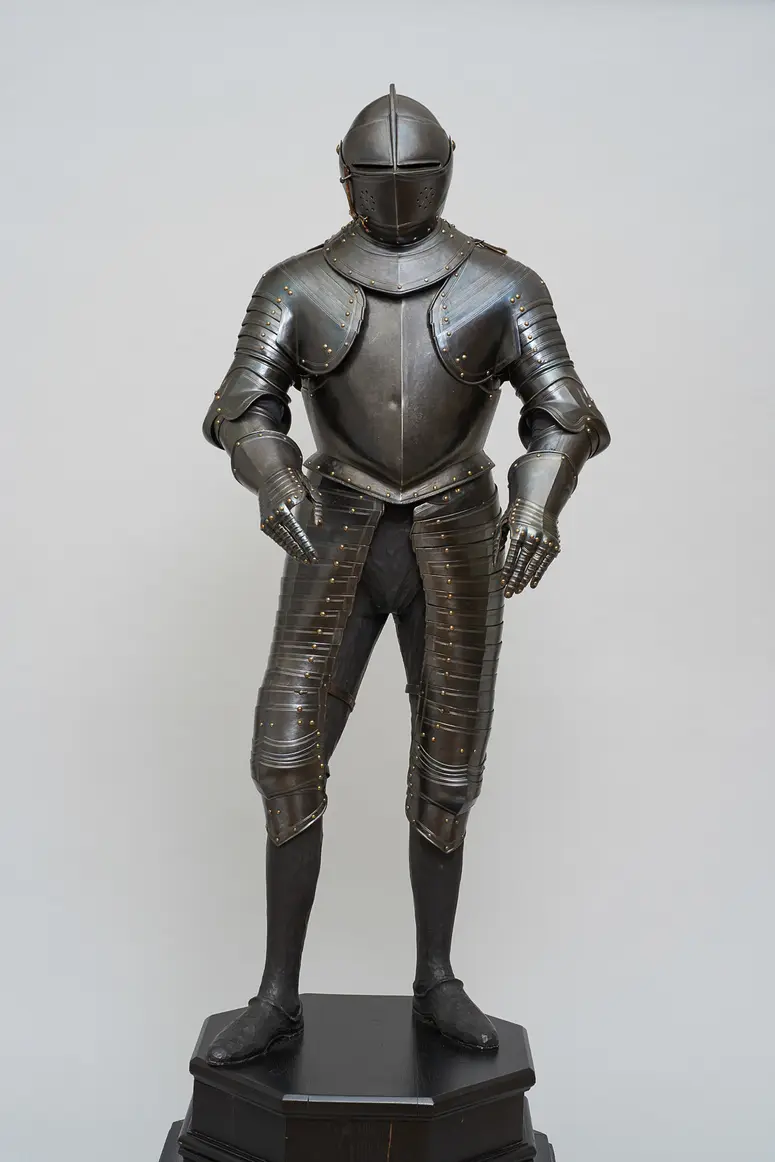
This half-armour was first recorded in the 1593 inventory of the Armoury of Heroes assembled by Archduke Ferdinand II as an armour made for Stephan Báthory, Voivode of Transylvania and King of Poland. In the inventory of Ferdinand’s estate, compiled in 1596, it is listed as ‘Stephan, King of Poland. One half blued armour, with decorative bands and gold inlays, together with a burgonet in the same manner’ (Steffan, künig in Polln. Ain halb plau angeloffne rüstung, mit strichen und gold eingeschlagen, darbei ain sturmhauben von gleicher arbeit). In the illustrated inventory of the Armoury of Heroes, the Armamentarium Heroicum published in 1601–03, Báthory is depicted wearing this armour.
Stephan Báthory was elected Voivode of Transylvania in 1571; in 1576 he became King of Poland and Grand Duke of Lithuania. Around 1580 he fought against Czar Ivan the Terrible in the Livonian War, which ended following the protracted but ultimately unsuccessful siege of Pskov.
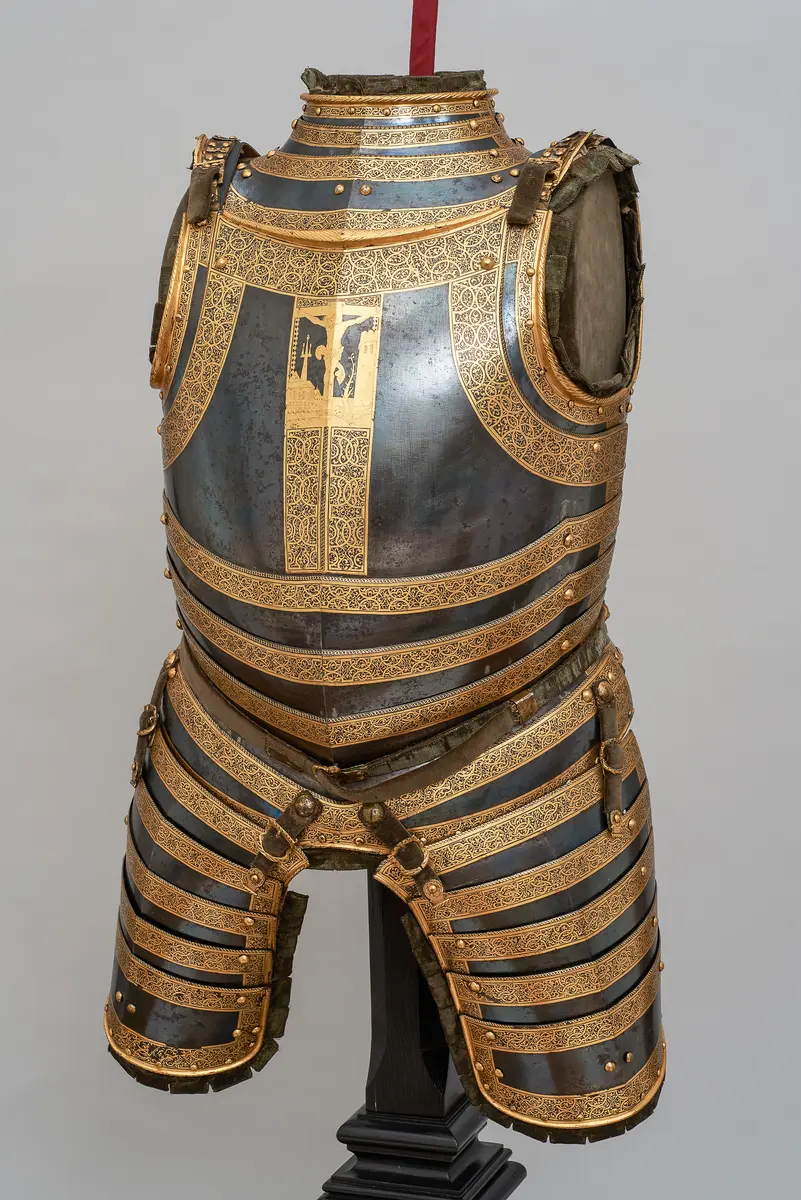
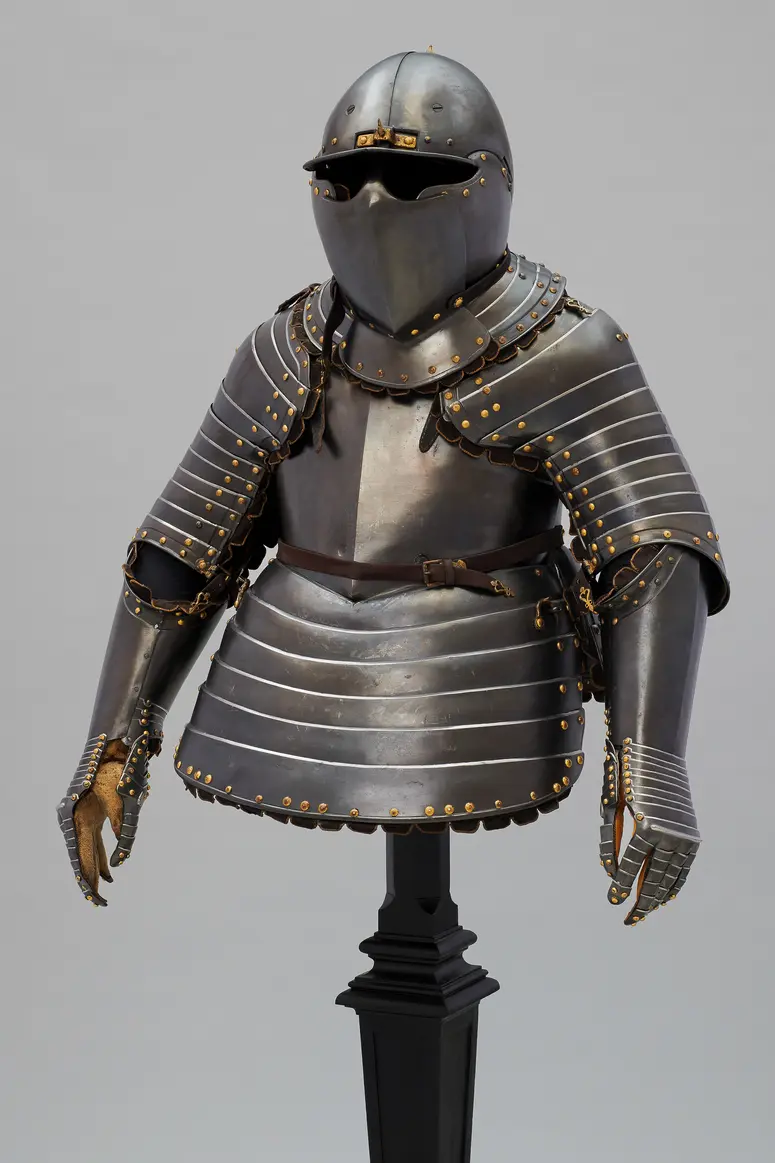
This half-armour was produced in a central European workshop, possibly one located in Prague. Note on the breastplate a crucifix set before the skyline of a city, complete with a multi-spired steeple. The wide ornamental bands are damascened in gold with arabesques.
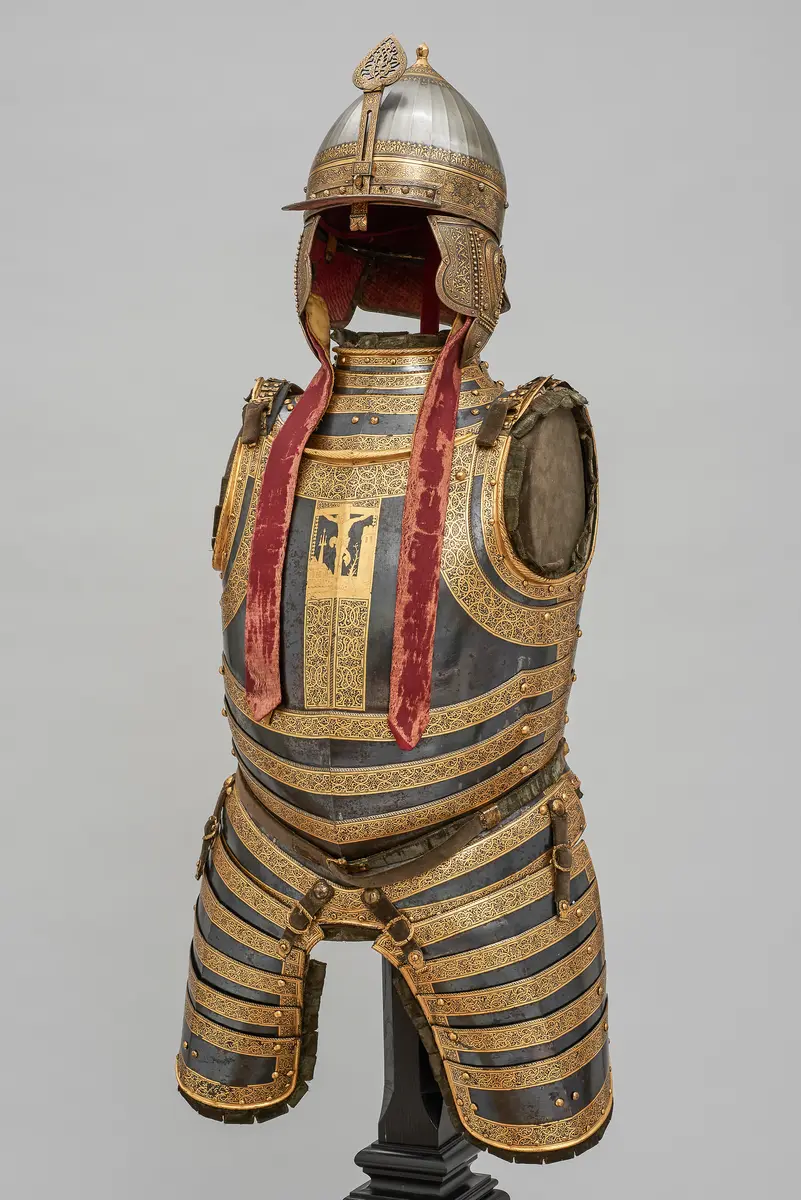
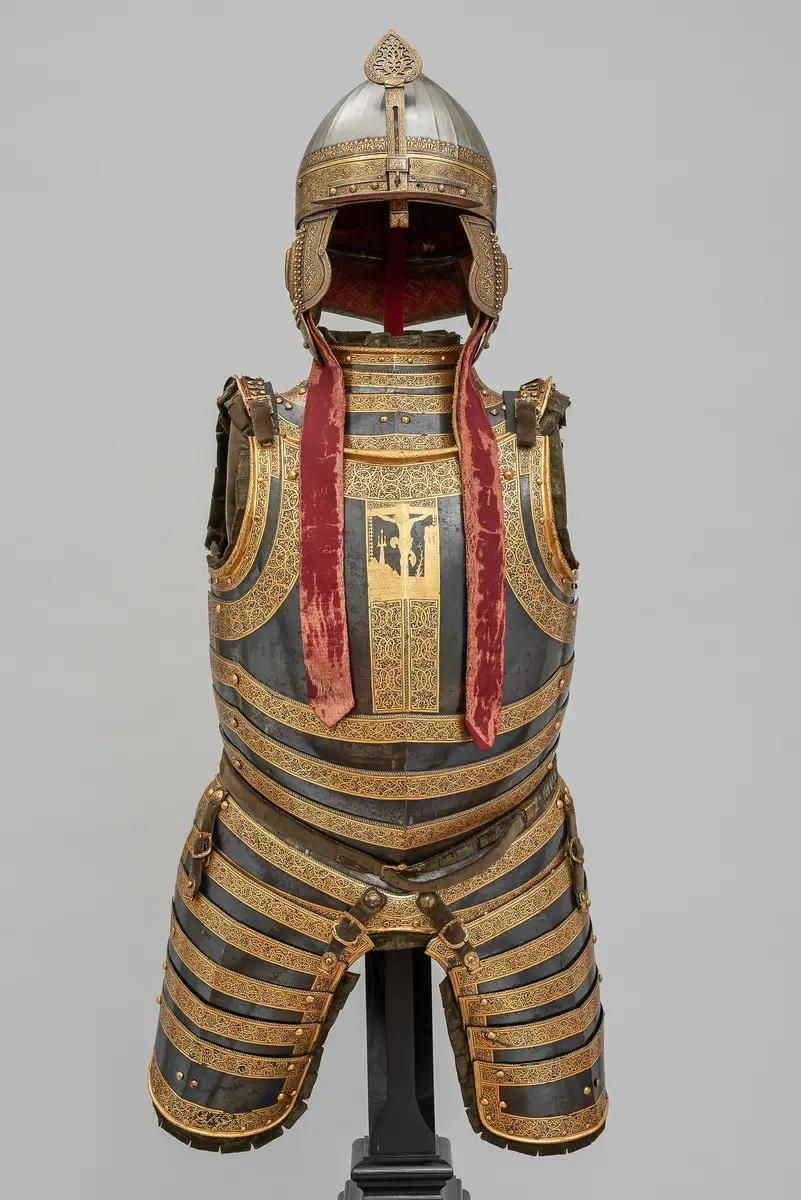
The burgonet is a slightly earlier Turkish work (probably executed around 1550). It, too, is lavishly damascened in gold with plant motifs. The helmet’s red silk lining and two damaged and faded chin straps, originally made of red and green silk, also survive. Báthory may have received the burgonet during his tenure as Voivode of Transylvania, perhaps as a gift of honour from the Sultan, either Selim II or Murad III.
This half-armour was first recorded in the 1593 inventory of the Armoury of Heroes assembled by Archduke Ferdinand II as an armour made for Stephan Báthory, Voivode of Transylvania and King of Poland. In the inventory of Ferdinand’s estate, compiled in 1596, it is listed as ‘Stephan, King of Poland. One half blued armour, with decorative bands and gold inlays, together with a burgonet in the same manner’ (Steffan, künig in Polln. Ain halb plau angeloffne rüstung, mit strichen und gold eingeschlagen, darbei ain sturmhauben von gleicher arbeit). In the illustrated inventory of the Armoury of Heroes, the Armamentarium Heroicum published in 1601–03, Báthory is depicted wearing this armour.
Stephan Báthory was elected Voivode of Transylvania in 1571; in 1576 he became King of Poland and Grand Duke of Lithuania. Around 1580 he fought against Czar Ivan the Terrible in the Livonian War, which ended following the protracted but ultimately unsuccessful siege of Pskov.
This half-armour was produced in a central European workshop, possibly one located in Prague. Note on the breastplate a crucifix set before the skyline of a city, complete with a multi-spired steeple. The wide ornamental bands are damascened in gold with arabesques.
The burgonet is a slightly earlier Turkish work (probably executed around 1550). It, too, is lavishly damascened in gold with plant motifs. The helmet’s red silk lining and two damaged and faded chin straps, originally made of red and green silk, also survive. Báthory may have received the burgonet during his tenure as Voivode of Transylvania, perhaps as a gift of honour from the Sultan, either Selim II or Murad III.
Time:
um 1560
Object Name
Halbharnisch
Culture
Prag (?)
Material/technology:
Eisen, geschmiedet, getrieben, gebläut, teils mit Gold tauschiert. Schnallen, Riemenzungen: Messing, feuervergoldet. Nieten: Eisen, vergoldet. Textil: Samt (teils originale Reste, teils modern). Seide (modern). Leder.
Dimensions:
Maße mit Sockel, mit Säule, mit Helm: H: 178 cm, B 60 cm, T 60 cm
Maße ohne Sockel mit Helm: H 119,5 cm, B 50 cm, T 37,5 cm
Maße ohne Sockel ohne Helm: H 89 cm x B 50 cm x T 37,5 cm
Maße mit Sockel ohne Helm: H 147 cm, B 60 cm, T 60 cm
Gewicht exkl. Figurine, exkl. Podest: 14,5 kg
Inscribed
innen: "Kü. Steff. aus Polln"
Copyright
Kunsthistorisches Museum, Hofjagd- und Rüstkammer
Invs.
Hofjagd- und Rüstkammer, A 609
Browse more
Similar items you might be interested in
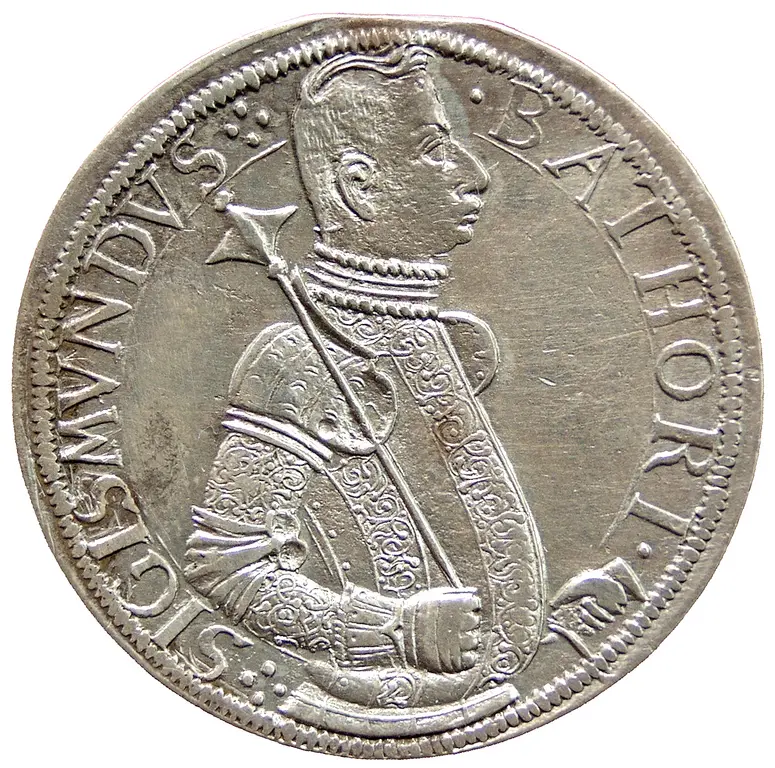
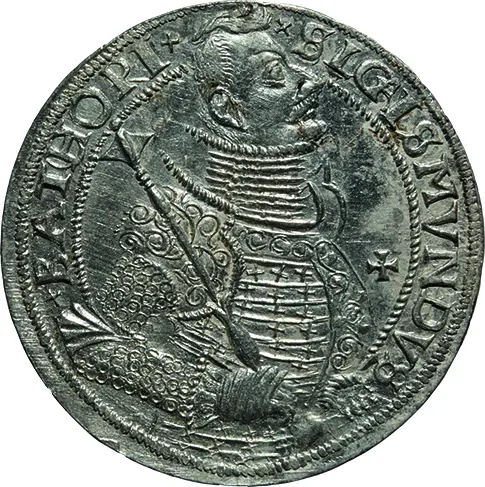
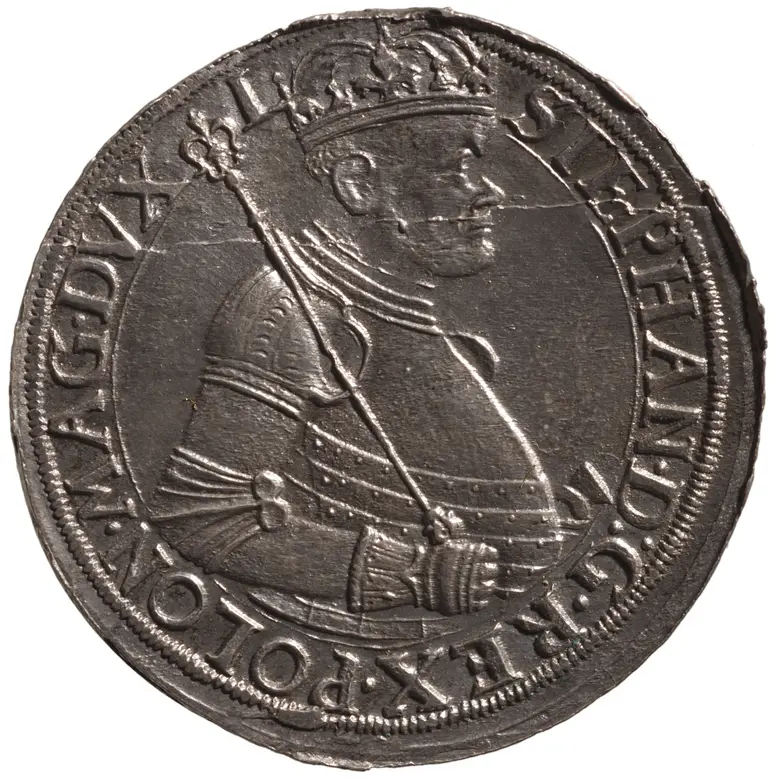
Stephan Báthory (1576-1586), König von Polen, Großherzog von Litauen, 1571-1576 Fürst von Siebenbürg 1585
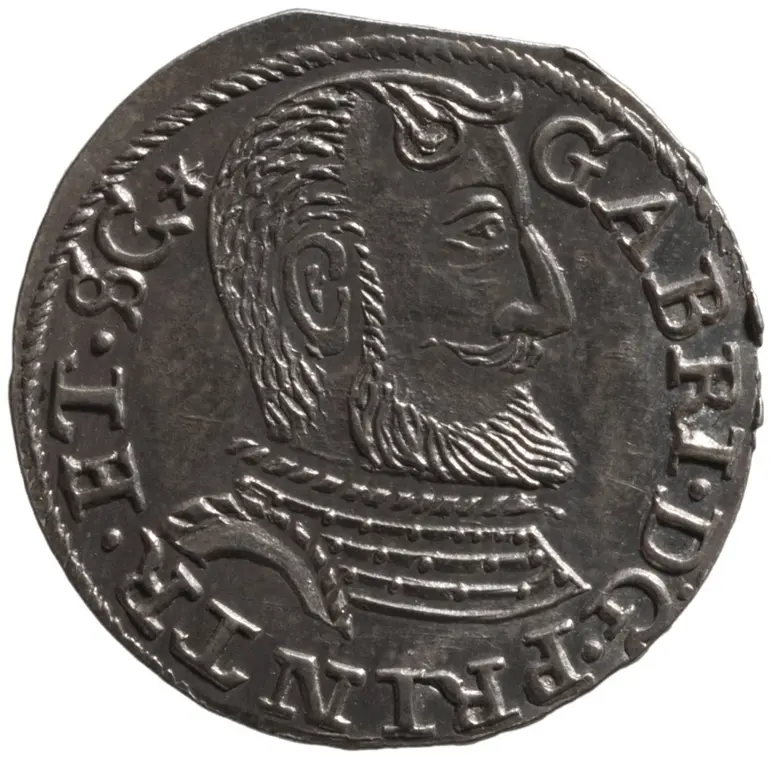
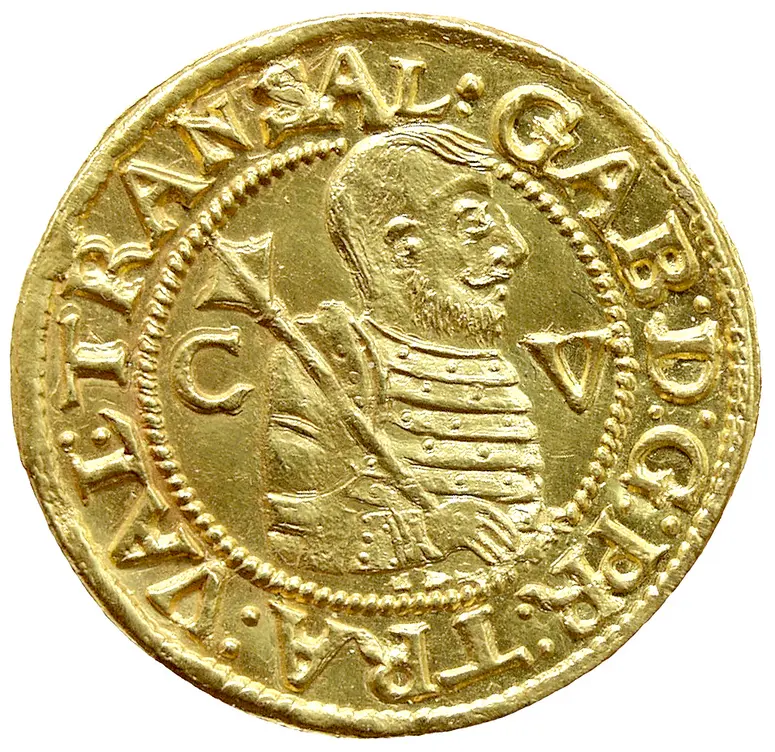

Stephan Báthory (1576-1586), König von Polen, Großherzog von Litauen, 1571-1576 Fürst von Siebenbürg um 1570/1580

Maximilian III. (1585-1618), Erzherzog von Österreich, Koadjutor und ab 1590 Hochmeister des Deuts um 1575

Halbharnisch; Sturmhaube; Halber Feldharnisch J. Löwy, K. und K. Hof-Photograph, Kunst- und Verlagsanstalt (Wien) 1892
Stephan Báthory (1576-1586), König von Polen, Großherzog von Litauen, 1571-1576 Fürst von Siebenbürg 1607
Moritz Sohn des Wilhem von Oranien 1590-1595
Leopold V. (1619-1632), Erzherzog und Graf von Tirol, Bischof von Passau und Straßburg um 1620

Mechanisches Bruststück: Mechanical breastplate for the joust of war Maximilian I. (1477-1519), seit 1493 deutscher König, 1508 Kaiser c. 1490
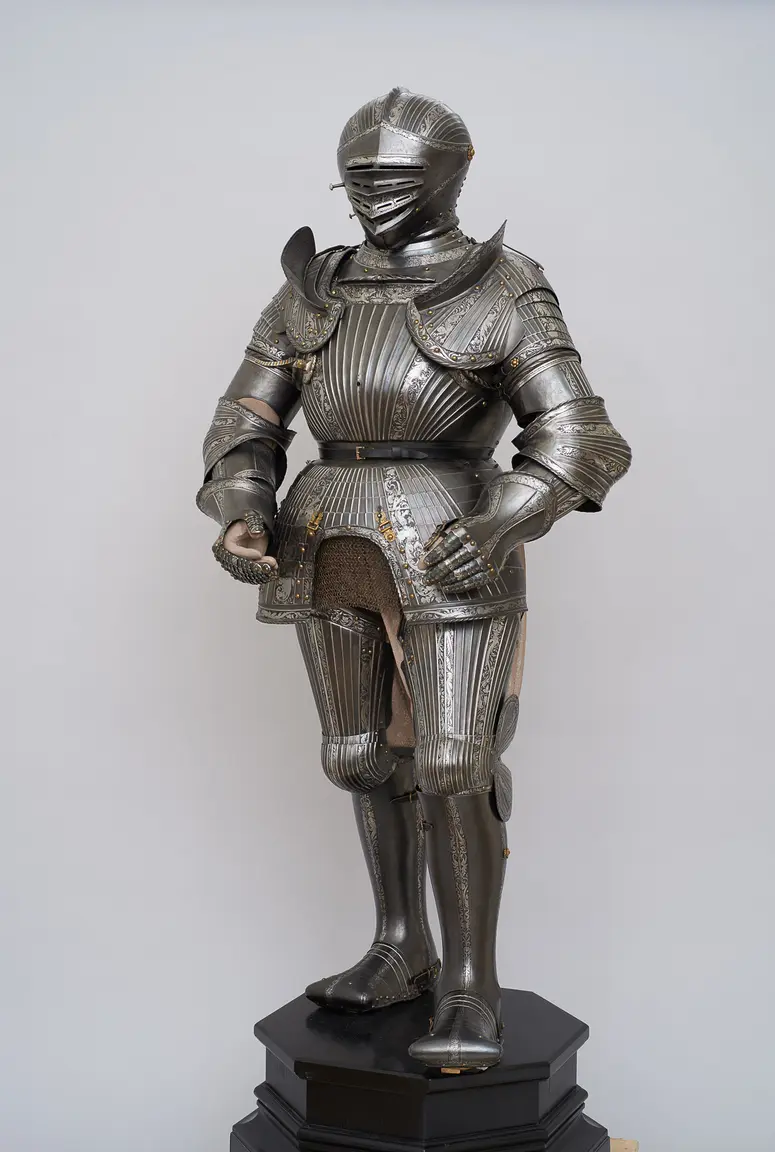
Riefelharnisch, Riefelküriss: Fluted field armour Johann Friedrich I. (1532-1547), Kurfürst von Sachsen Dated 1530
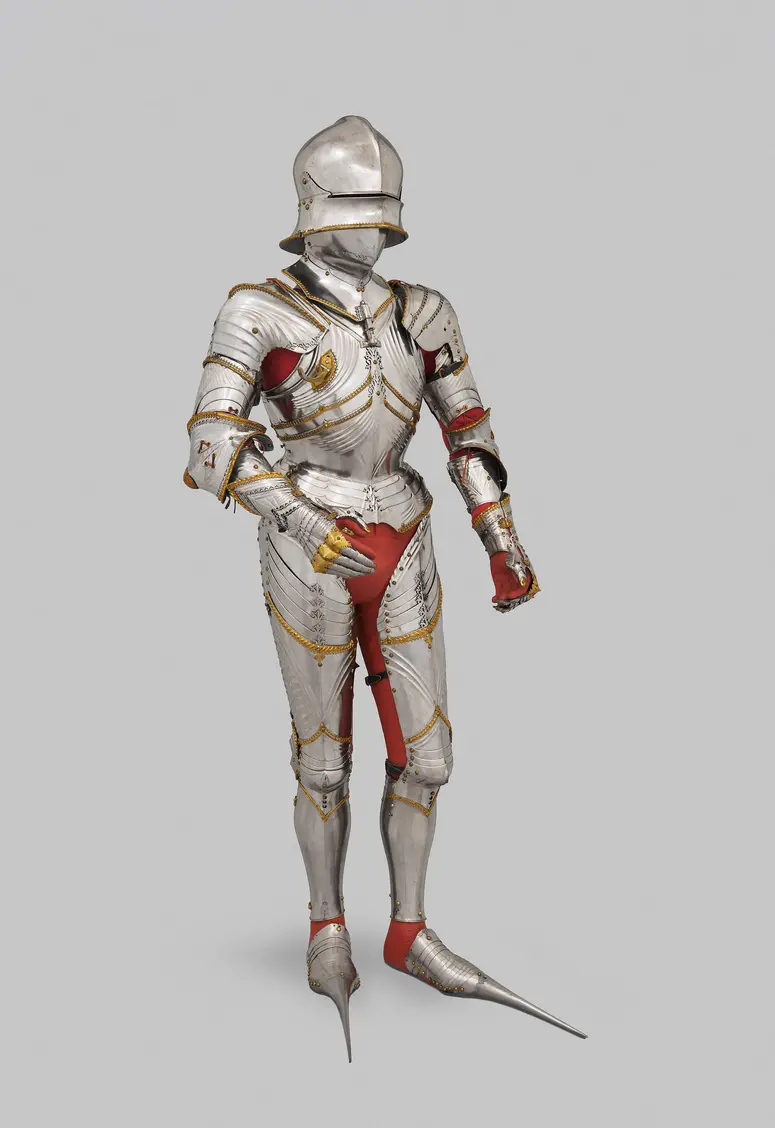
Maximilian I. (1477-1519), seit 1493 deutscher König, 1508 Kaiser um 1485
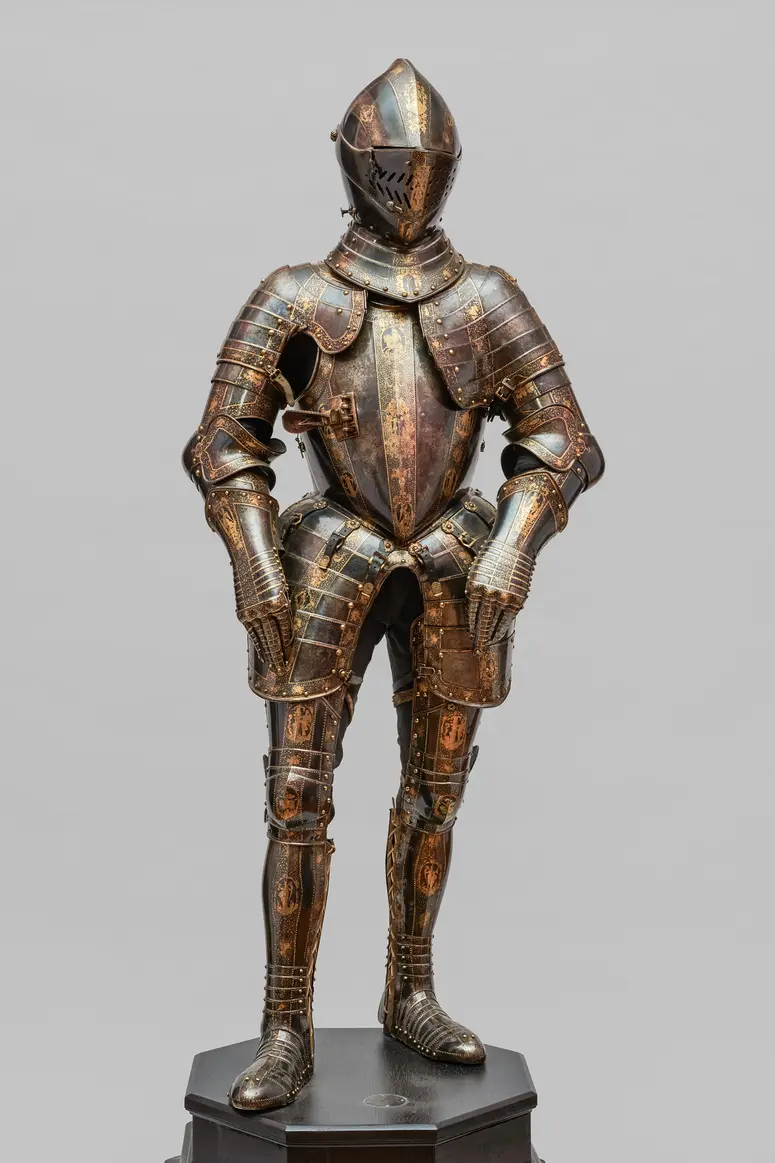
Karl von Österreich, Sohn des Tiroler Landesfürsten Erzherzog Ferdinands II. von Habsburg und der Philippine Welser datiert 1582
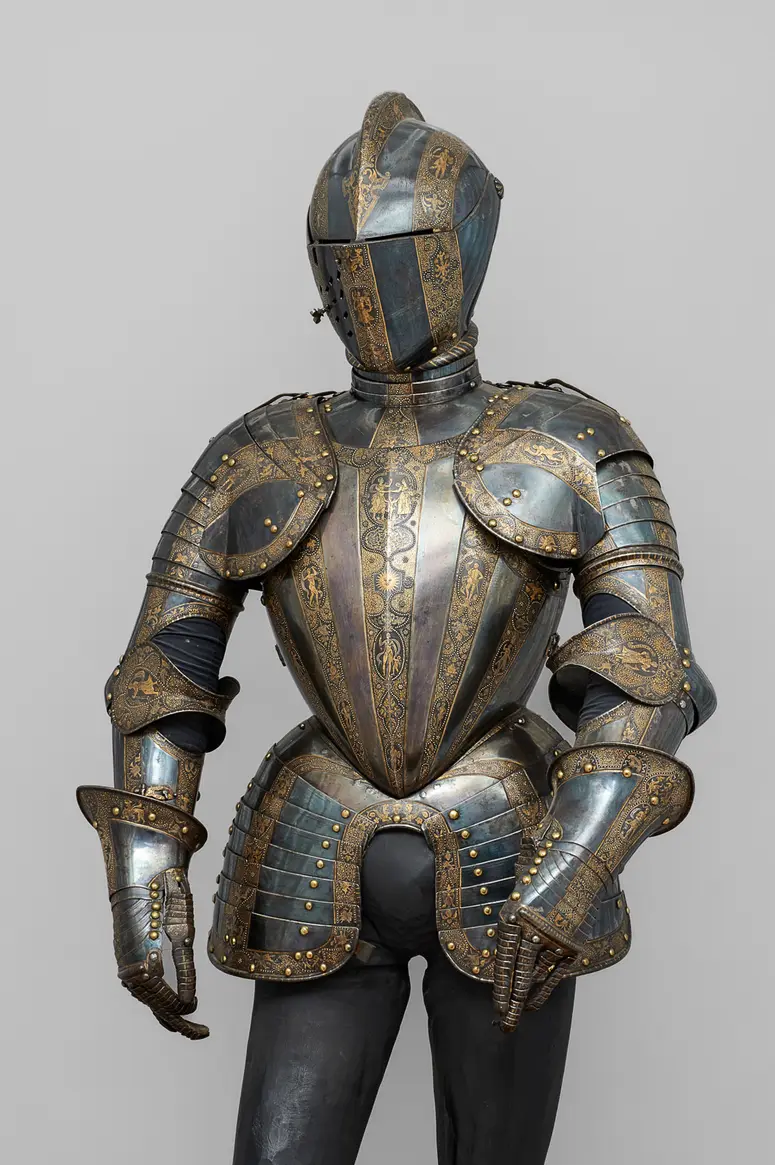

Ferdinand II. (1564-1595), Erzherzog von Österreich und Landesherr von Tirol 1559/60
Ulrich (1498-1550), Herzog von Württemberg c. 1525-1530
Kaiser Albrecht II. (V.) von Habsburg 1438/1439