Esther und Ahasver
3. Viertel 16. Jahrhundert | Süddeutsch
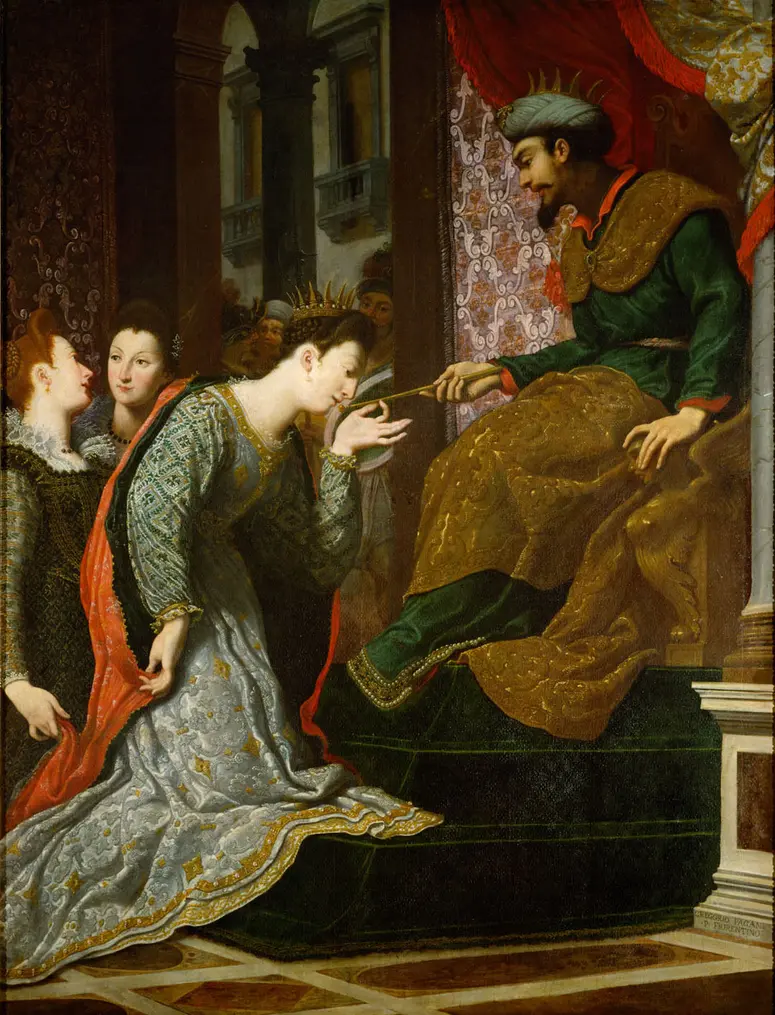
In 1569 Archduke Ferdinand II asked the patrician Karl Villinger from Augsburg for this historical painting and displayed it at this very place. It shows the history of Ester and Ahasveros from the Old Testament. The beautiful young jew Ester saved her people from the persecution of Haman, the first minister of the Persian King Artaxerxes (= Ahasveros). In the end the persecutor is executed and the haunted get honoured. In the 16th century the story was seen as a symbol of the fight of the catholic church against protestantism. In the left corner a portrait of Emperor Maximilian I can be seen, who had knighted Villinger‘s father.
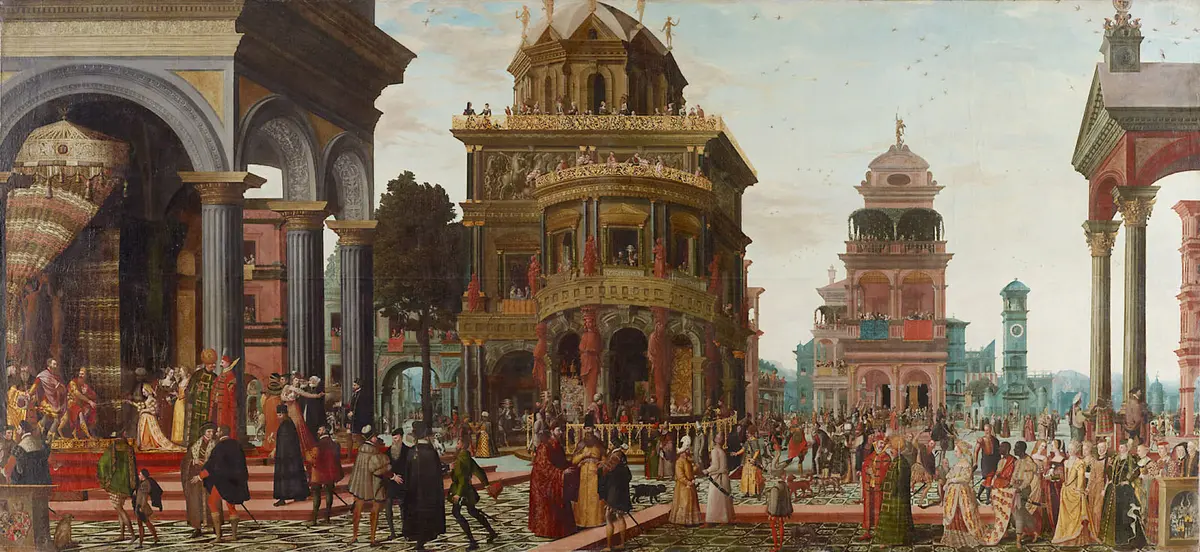
In 1569 Archduke Ferdinand II asked the patrician Karl Villinger from Augsburg for this historical painting and displayed it at this very place. It shows the history of Ester and Ahasveros from the Old Testament. The beautiful young jew Ester saved her people from the persecution of Haman, the first minister of the Persian King Artaxerxes (= Ahasveros). In the end the persecutor is executed and the haunted get honoured. In the 16th century the story was seen as a symbol of the fight of the catholic church against protestantism. In the left corner a portrait of Emperor Maximilian I can be seen, who had knighted Villinger‘s father.
Attributed to:
Süddeutsch
Artist:
anonym
Time:
3. Viertel 16. Jahrhundert
Object Name
Gemälde, Esther und Ahasver
Culture
Deutsch, Süddeutsch, Augsburg (?)
Dimensions:
169,4 × 368,2 × 3 cm
Framed: 183 × 381,5 × 5,7 cm
Inscribed
In den Ecken die Wappen der Familien Villinger (Ulm) und Rehlinger (Augsburg)
Copyright
Kunsthistorisches Museum, Gemäldegalerie
Invs.
Gemäldegalerie, 5777
Provenance
1596 Nachlassinventar Erzherzog Ferdinands II. von Tirol; Ambraser Slg. (fol. 683r)
Browse more
Similar items you might be interested in
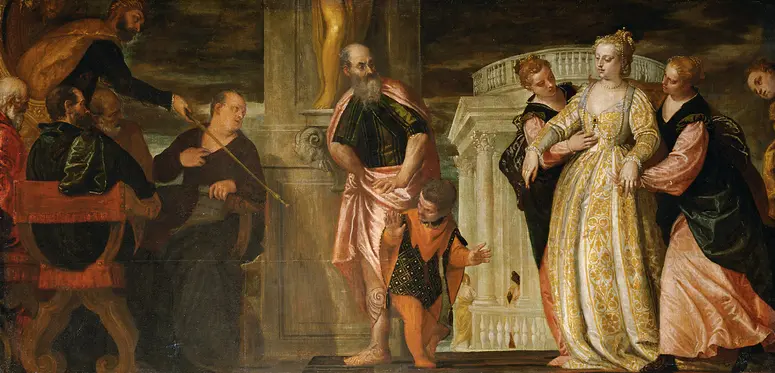
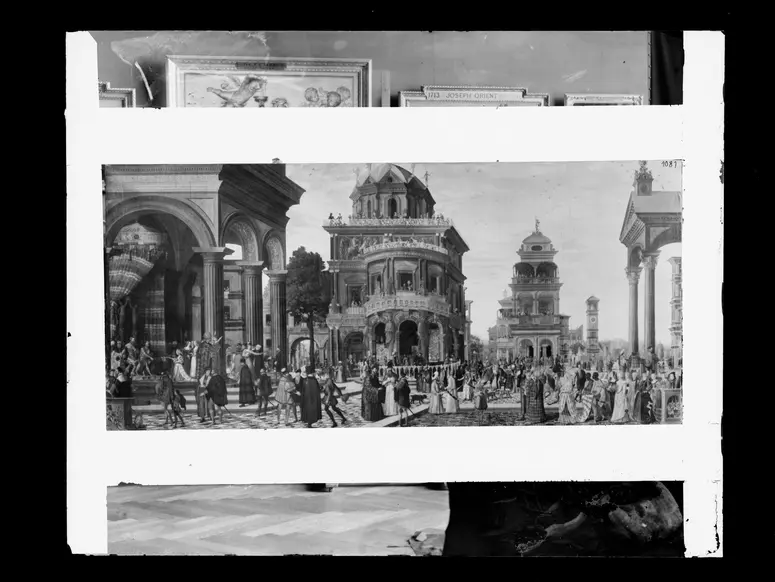
Esther und Ahasver J. Löwy, K. und K. Hof-Photograph, Kunst- und Verlagsanstalt (Wien) 1888 bis 1891
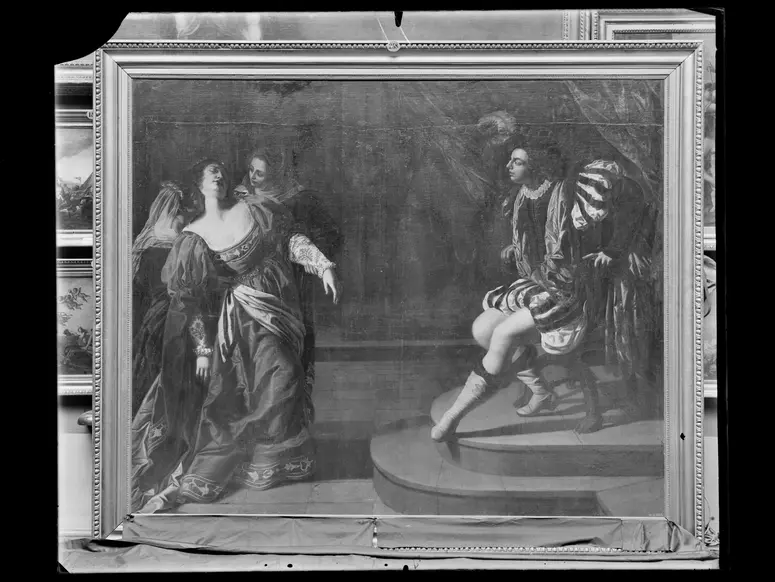
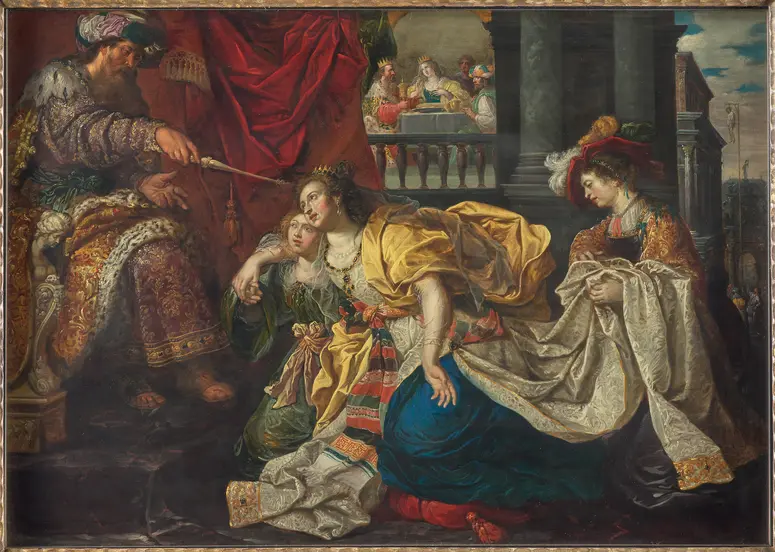
Esther vor König Ahasverus J. Löwy, K. und K. Hof-Photograph, Kunst- und Verlagsanstalt (Wien) 1888 bis 1910
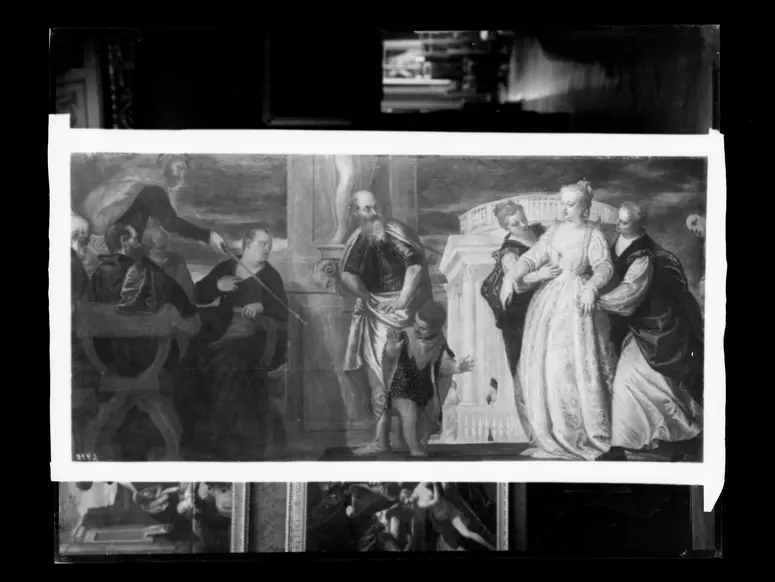
Esther vor Ahasver J. Löwy, K. und K. Hof-Photograph, Kunst- und Verlagsanstalt (Wien) 1888 bis 1891
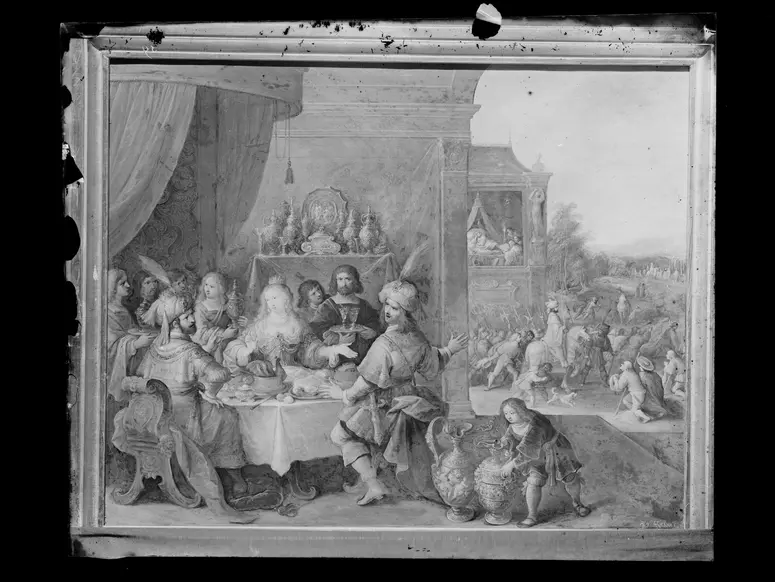
Gastmahl der Esther J. Löwy, K. und K. Hof-Photograph, Kunst- und Verlagsanstalt (Wien) 1888 bis 1910
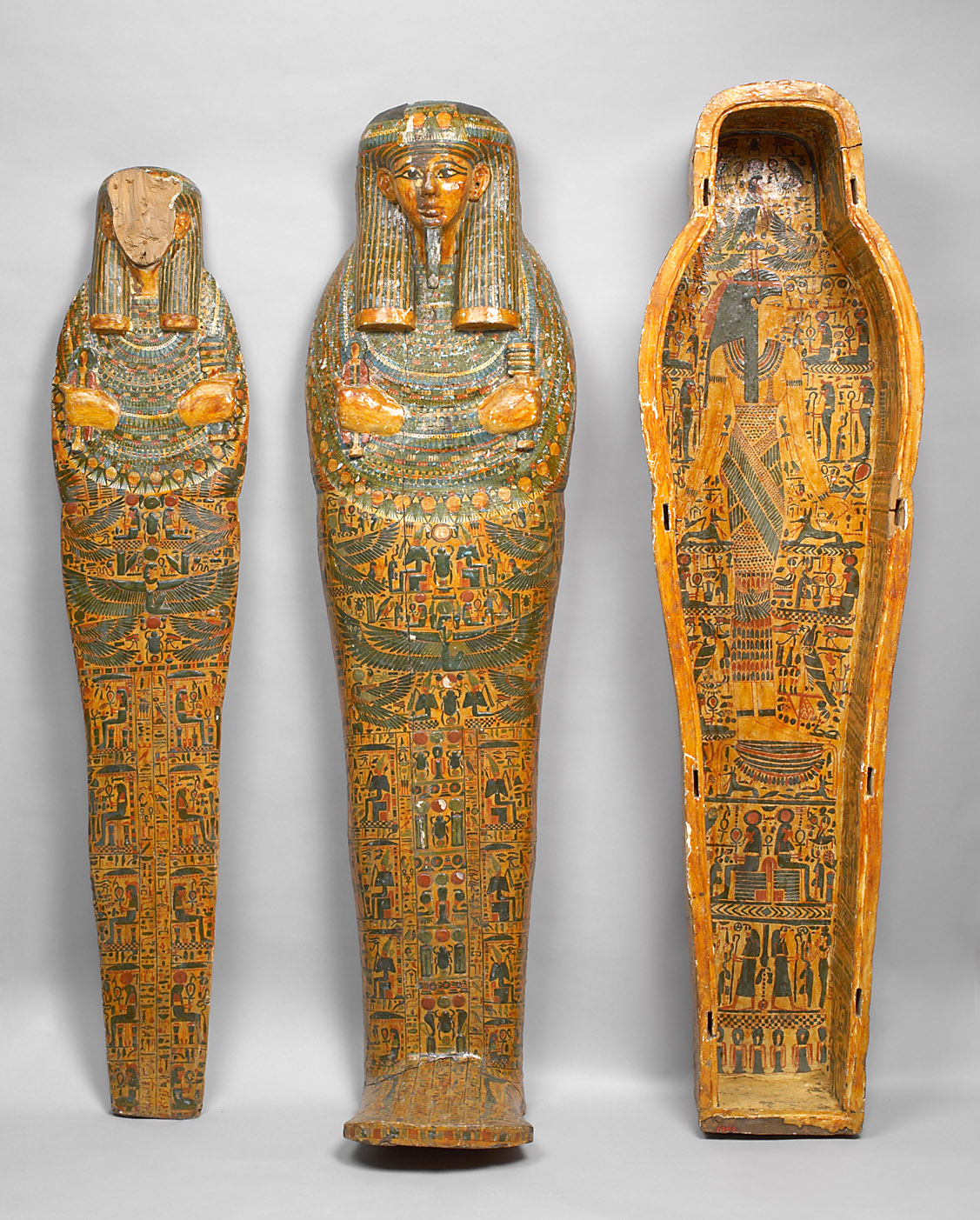
Mumienbrett und Innerer Sarg des Nes-pauti-taui Theben-West, Deir el-Bahari, 2. Cachette 21. Dynastie, vor 969 v. Chr.
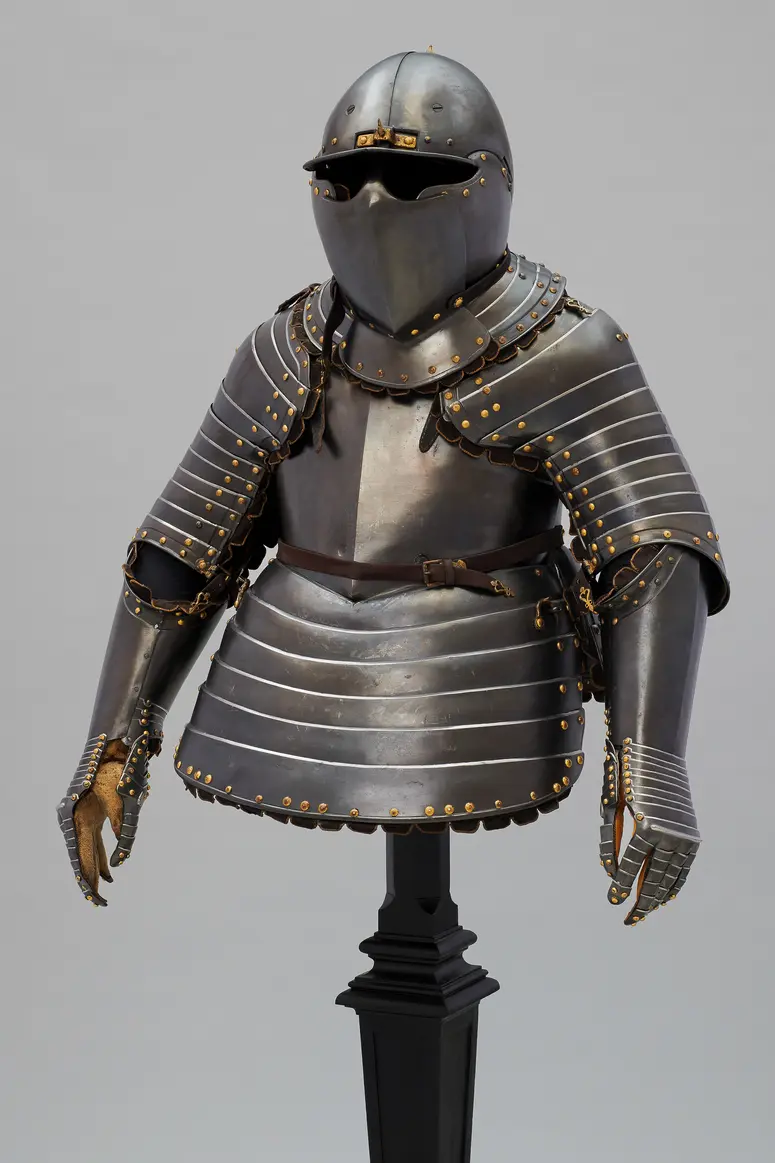
Leopold V. (1619-1632), Erzherzog und Graf von Tirol, Bischof von Passau und Straßburg um 1620
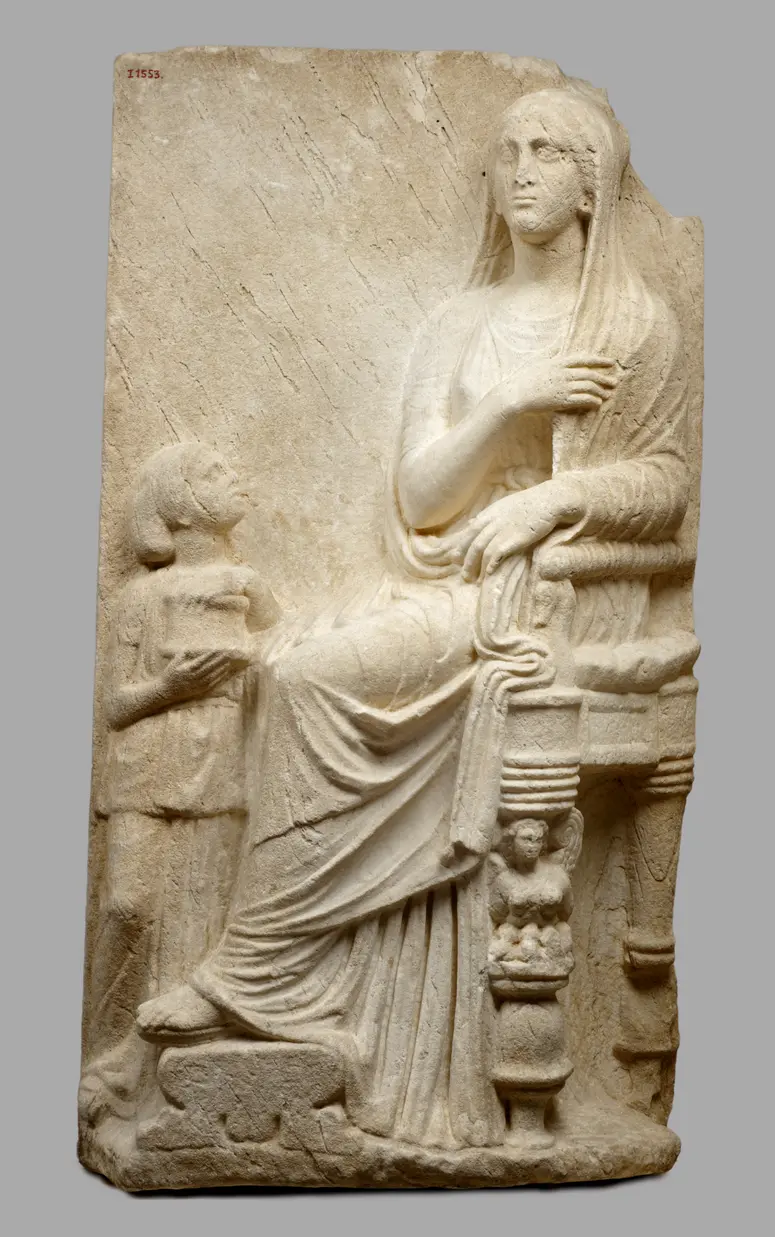
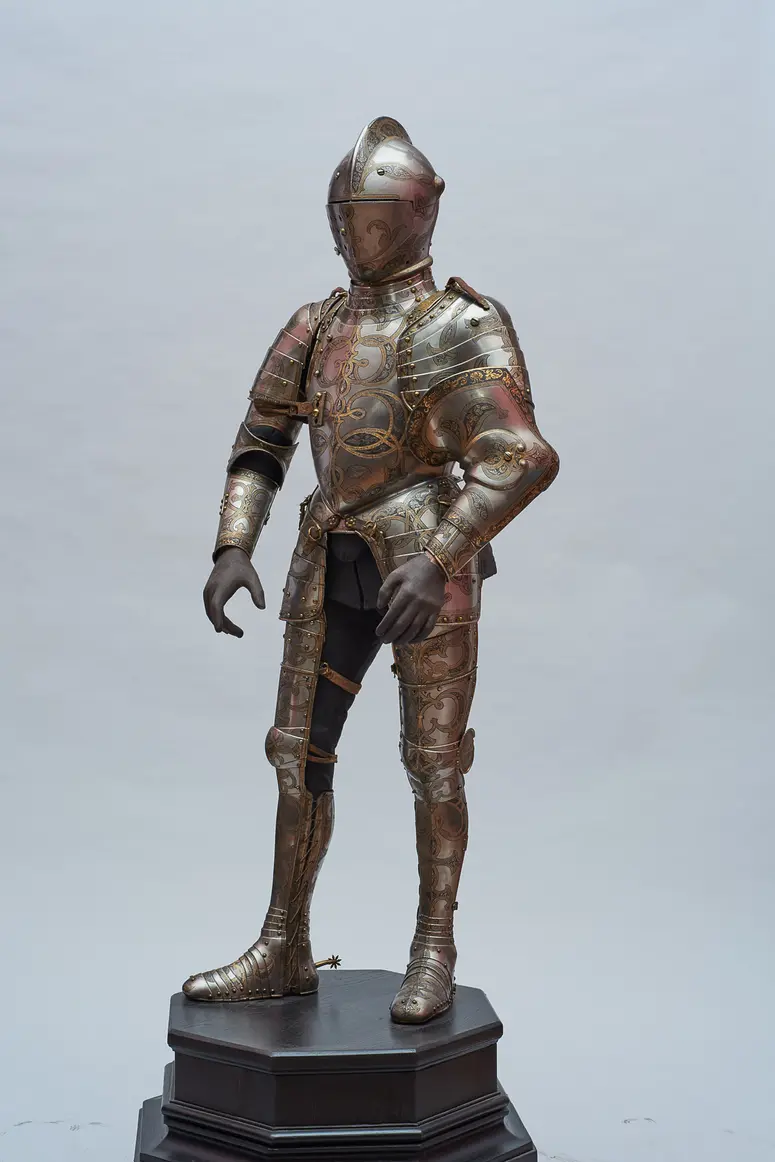
Rudolf II. (1576-1612), Kaiser, römischer König ab 1575, König von Ungarn ab 1572, von Böhmen se 1571 (?)
Franz (1792-1835), von 1792-1806 als Franz II. Kaiser, seit 1806 als Franz I. Kaiser von Österreich Anfang 19. Jahrhundert
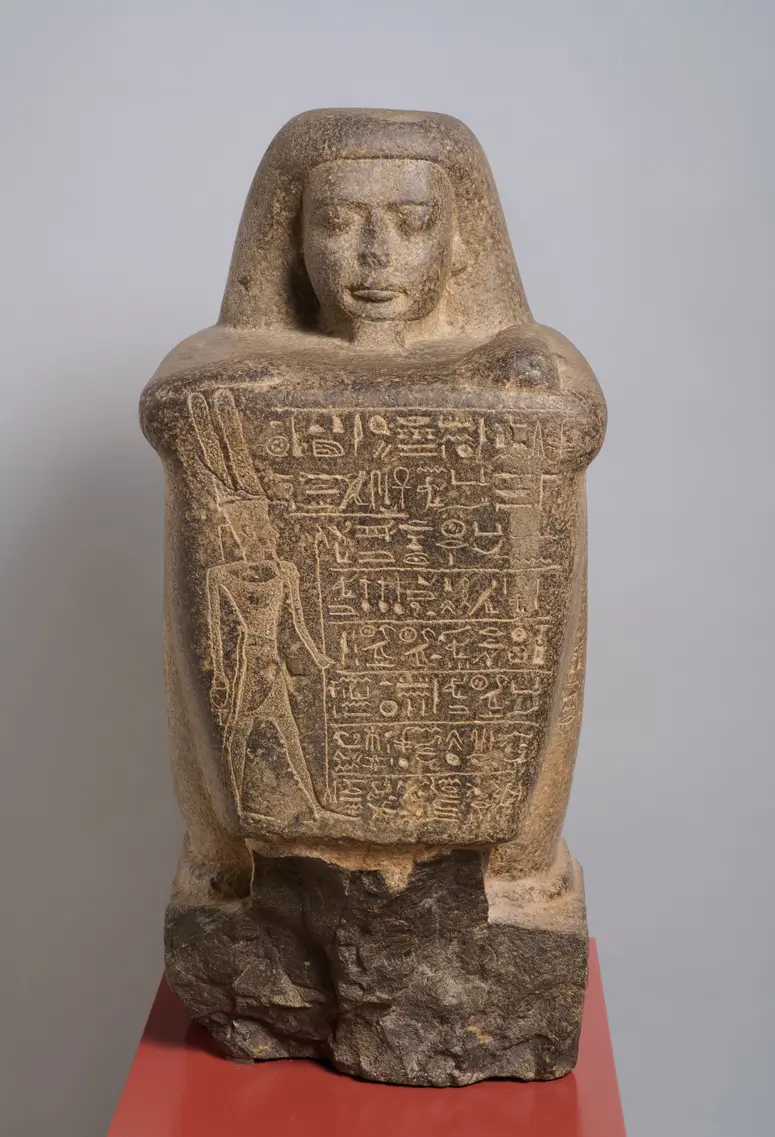
Squatting statue of Nimlot Heliopolis (vermutlich) 22nd Dynasty, reign of Osorkon I, 910–896 BC
Hornförmiges Gefäß der Red Polished III Ware: Ritzdekor Zyprisch, Bronzezeit, Früh- bis Mittelzyprisch 2000 - 1800 v. Chr.