Address
Imperial Armoury, Access via the Weltmuseum Wien
Heldenplatz, 1010 Vienna
Google Maps
Opening times
Daily (except Monday)
10 am to 6 pm
Tuesday
10 am to 9 pm
Tickets
Adult €16
Reduced admission €12
Kids / Teens under 19 free

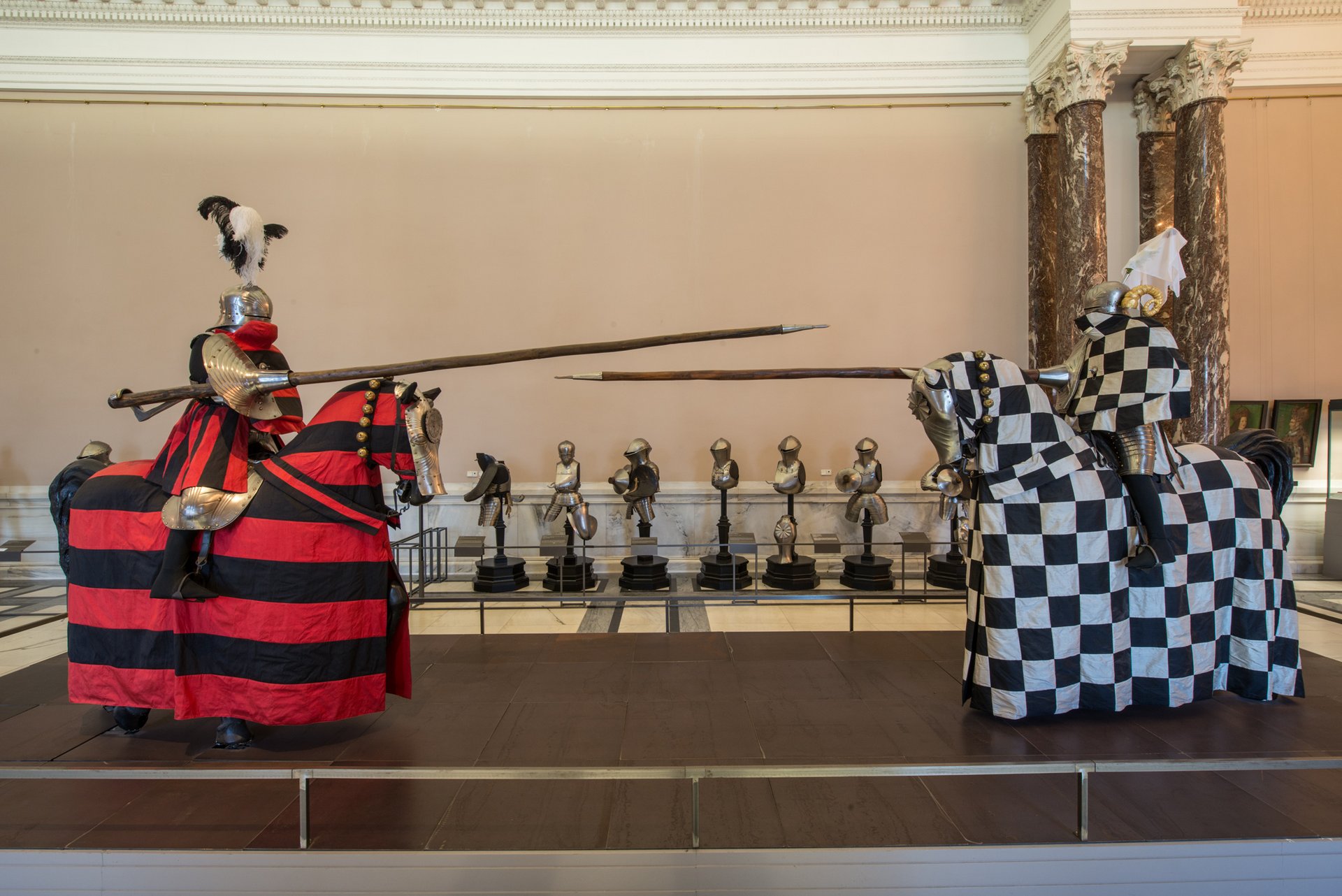
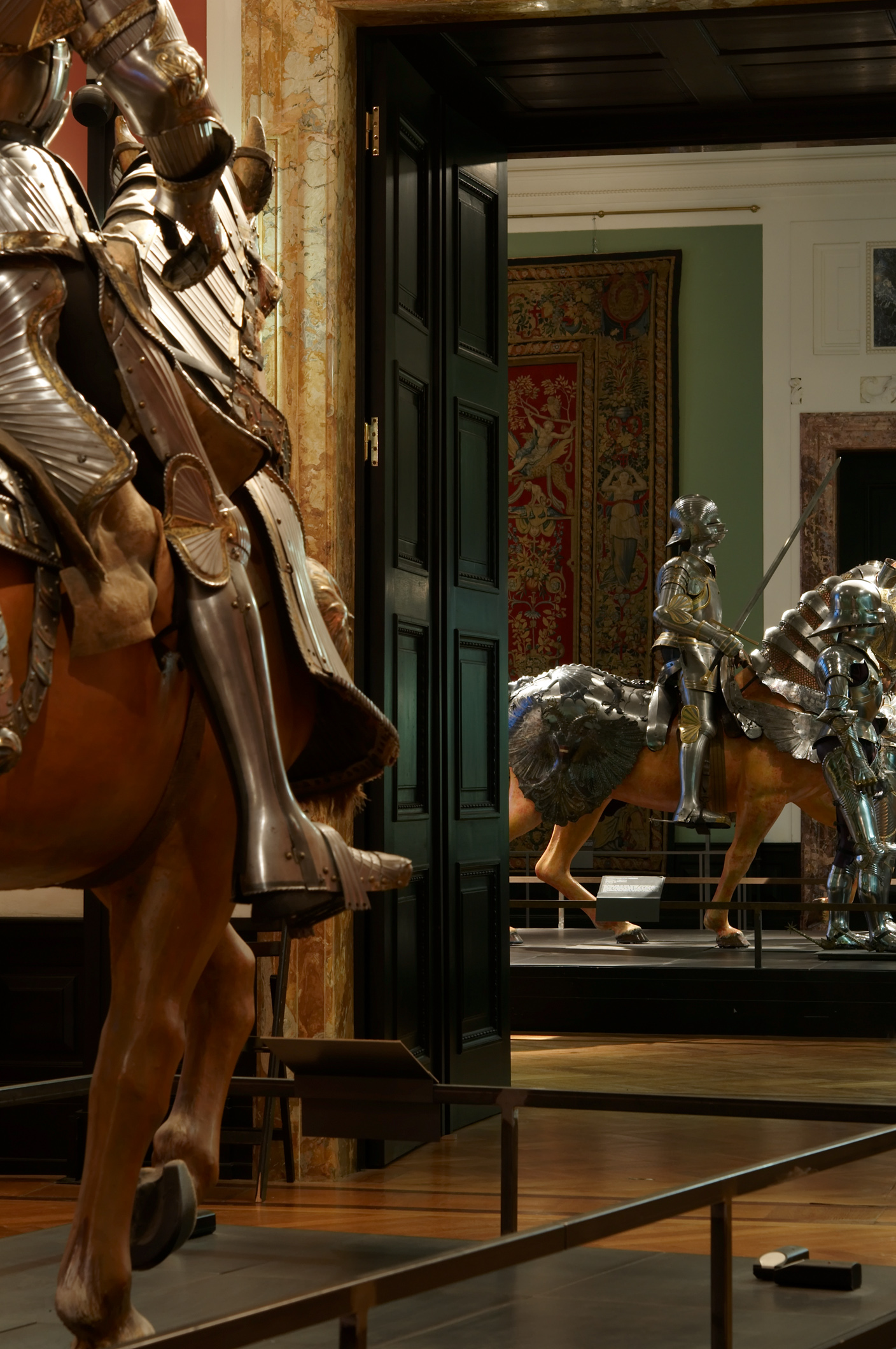
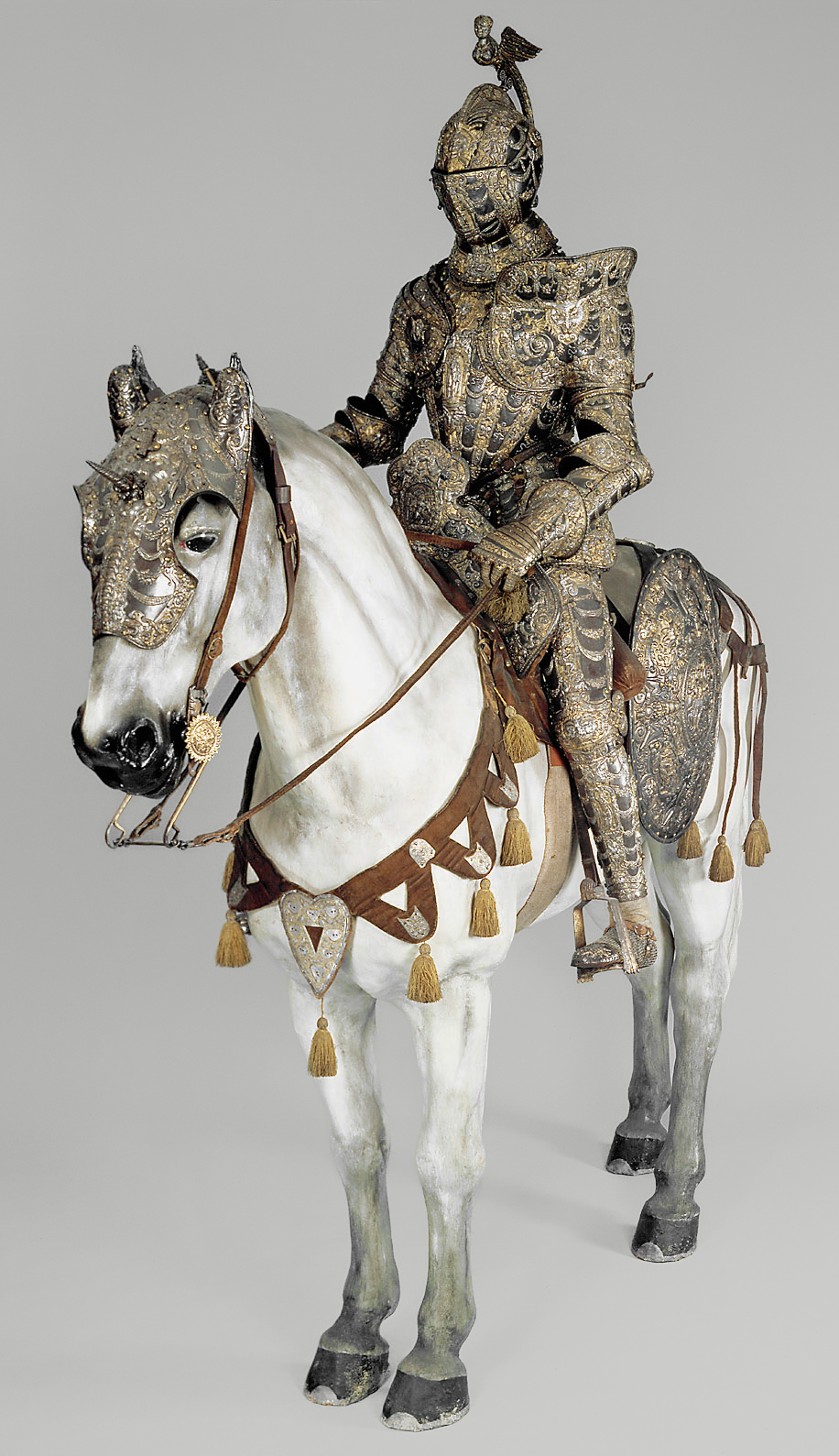
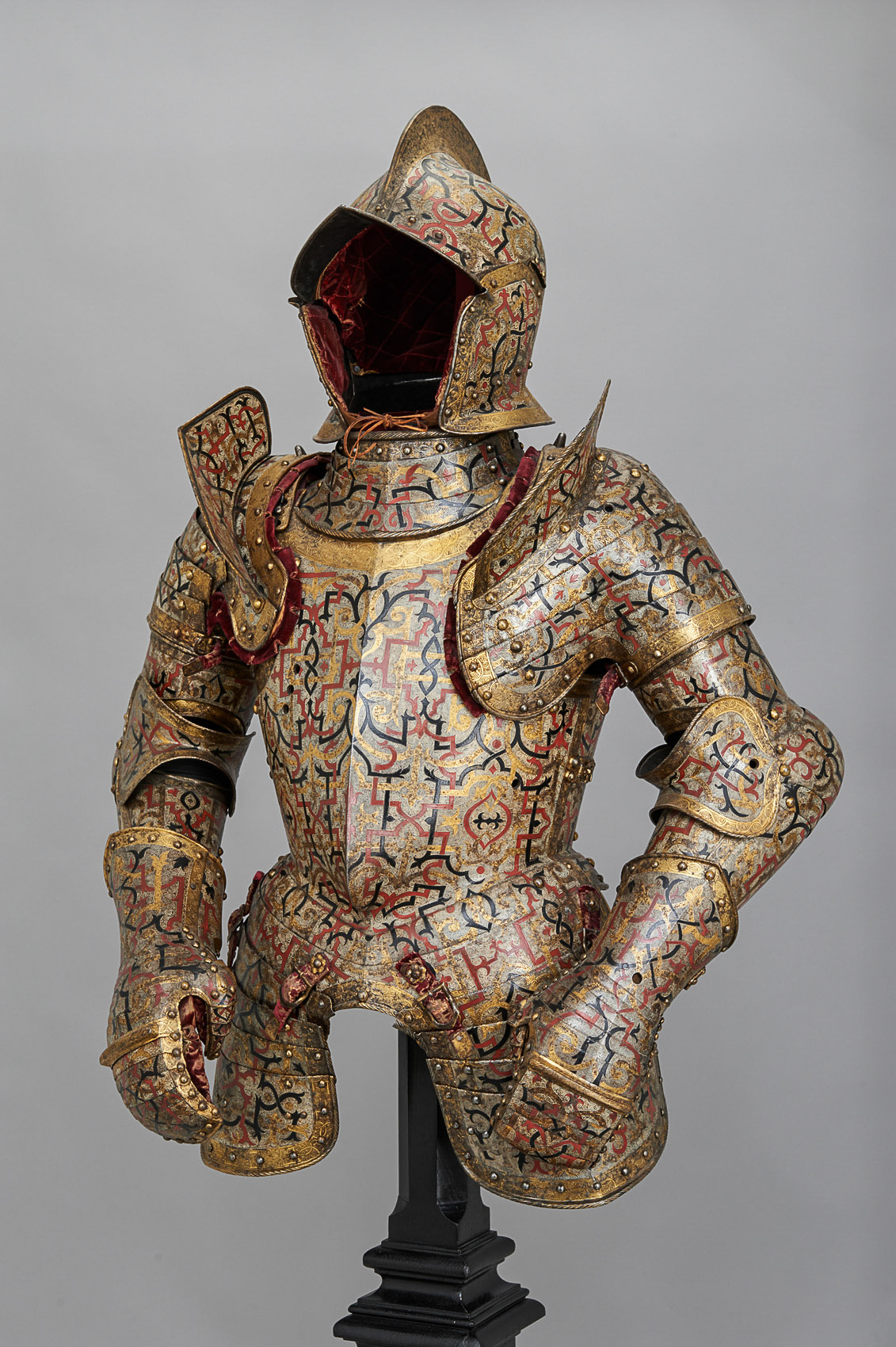
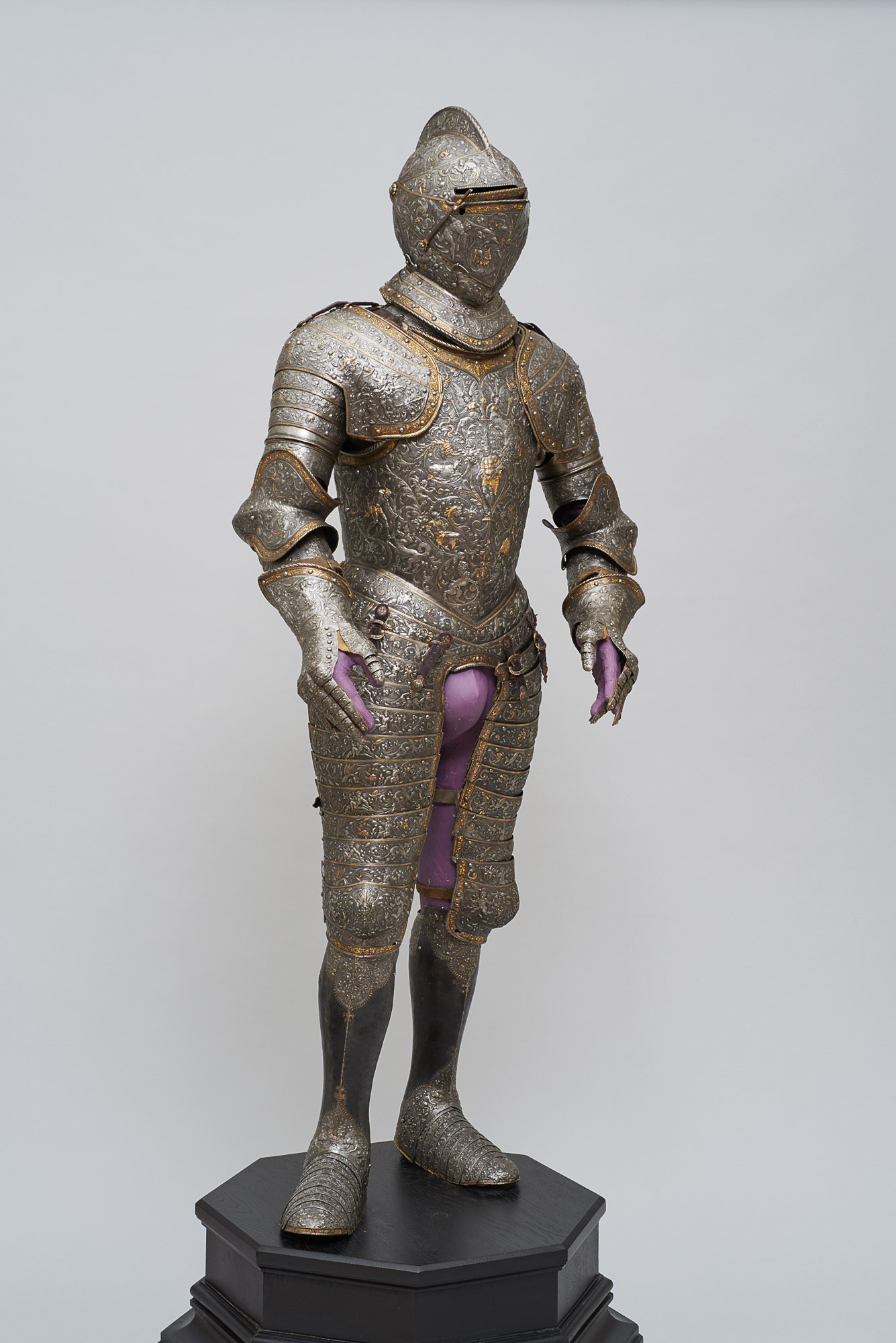
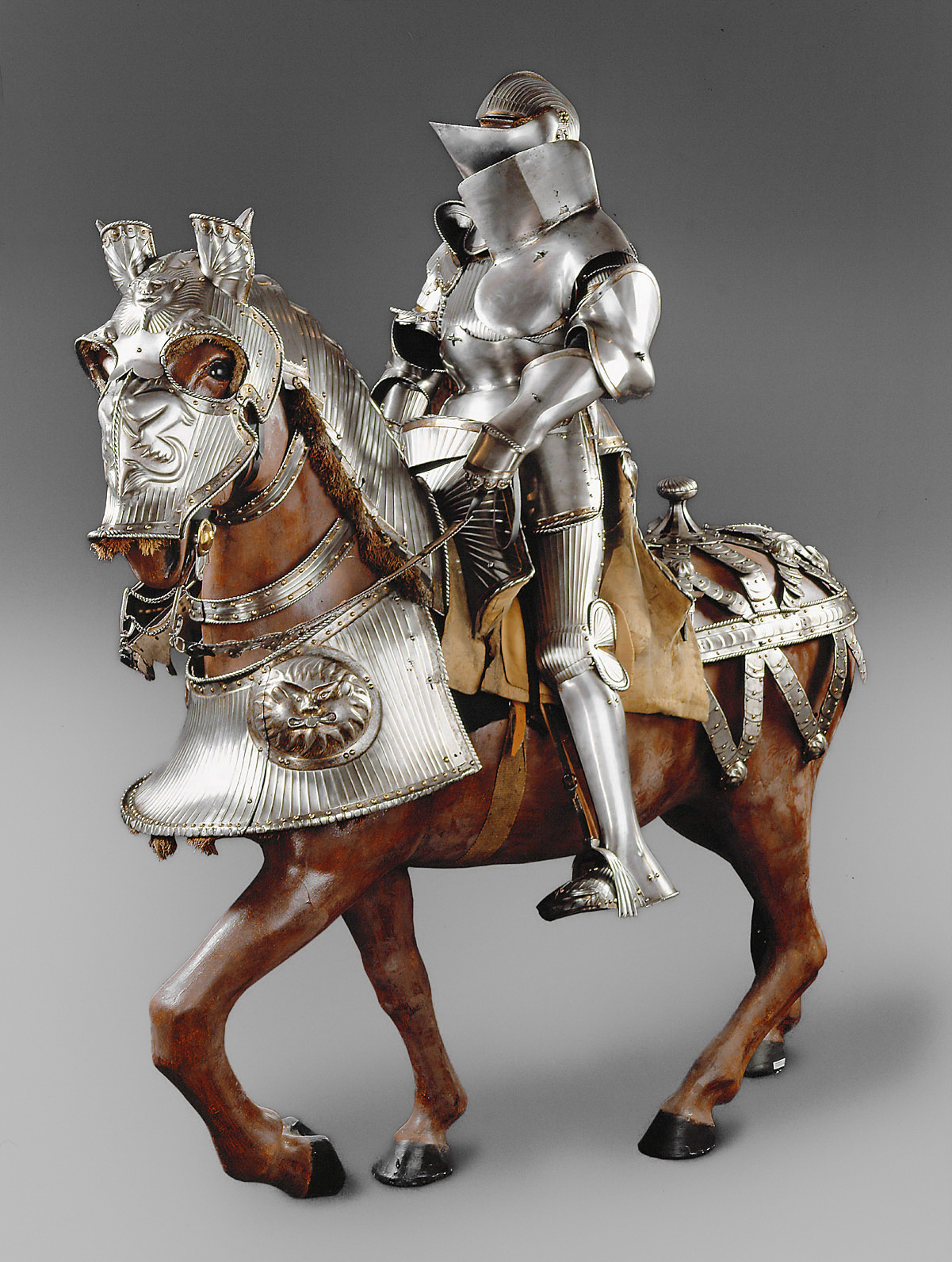
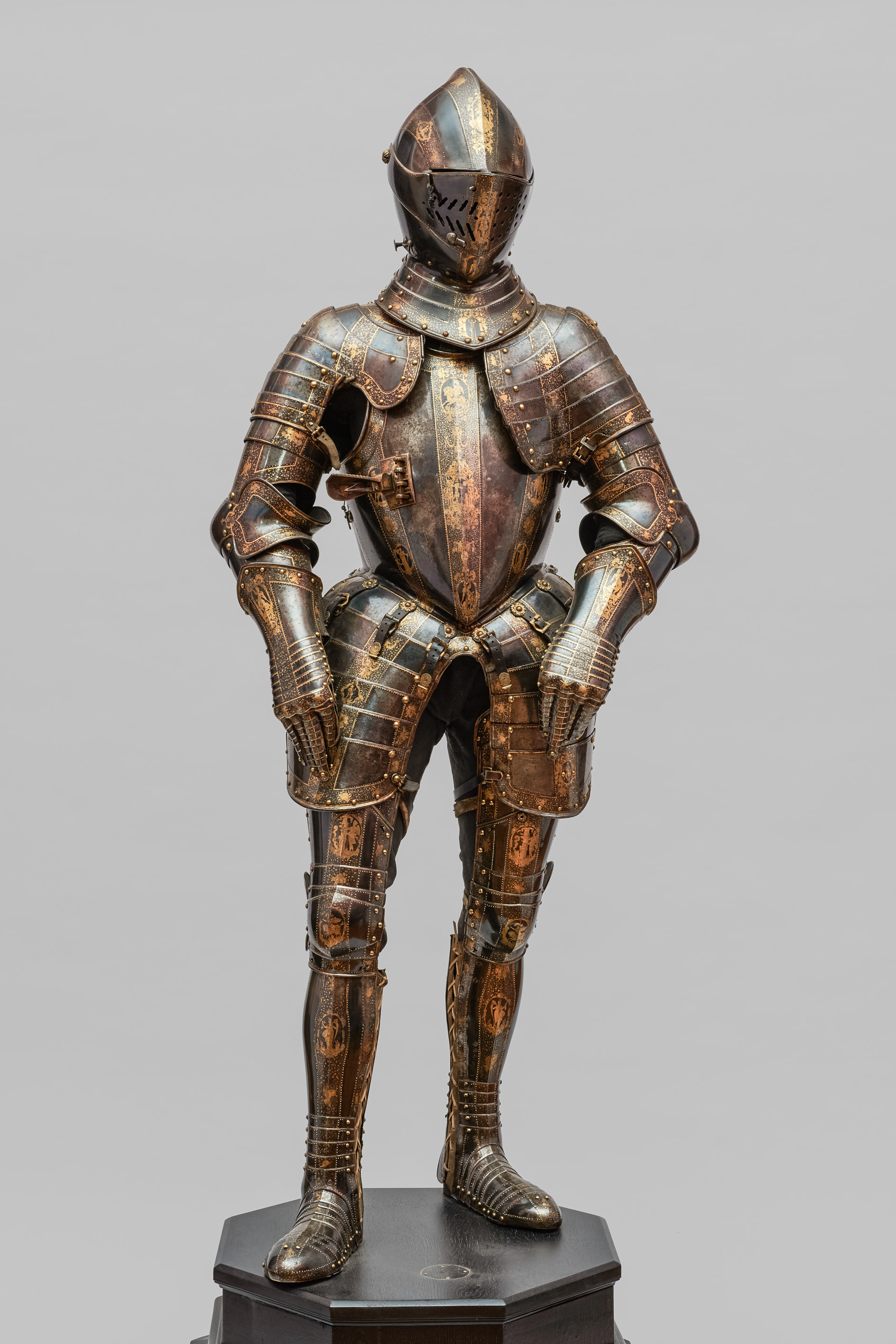
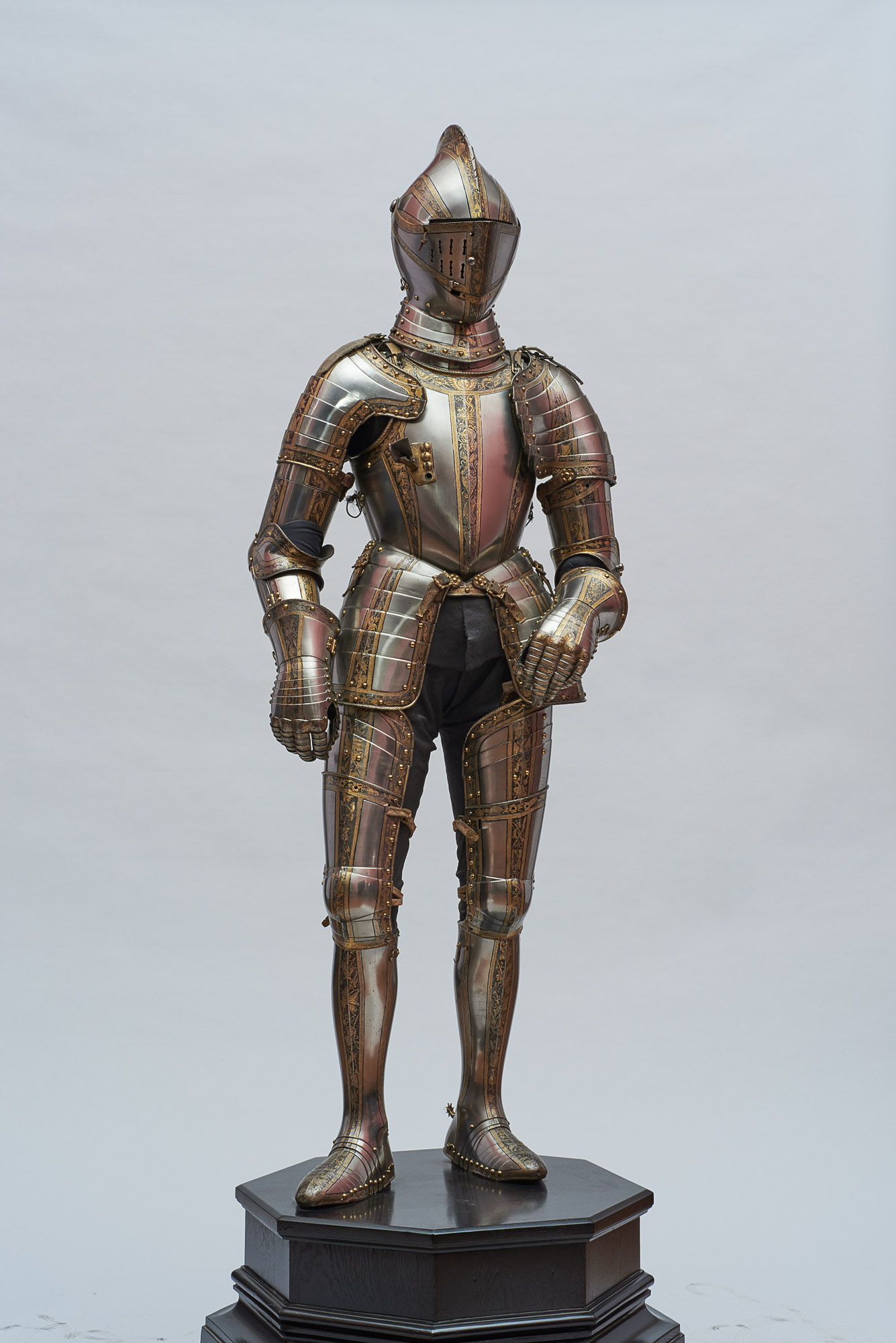
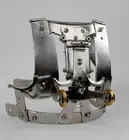
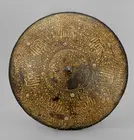
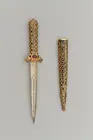
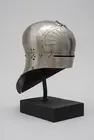
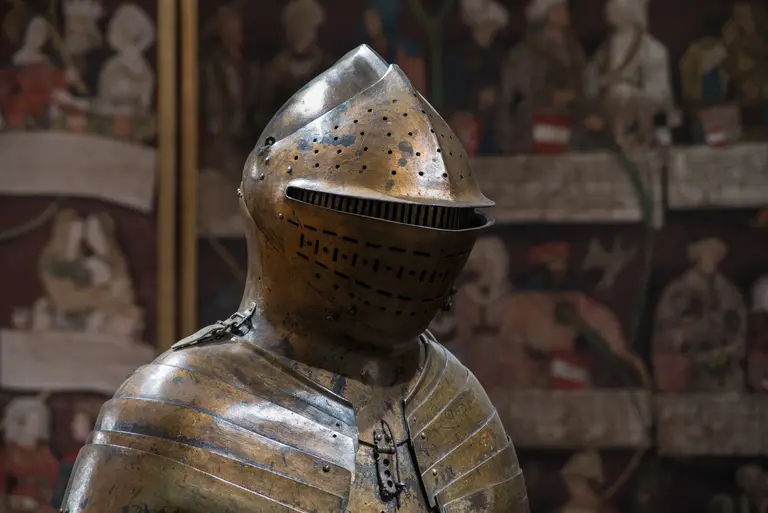
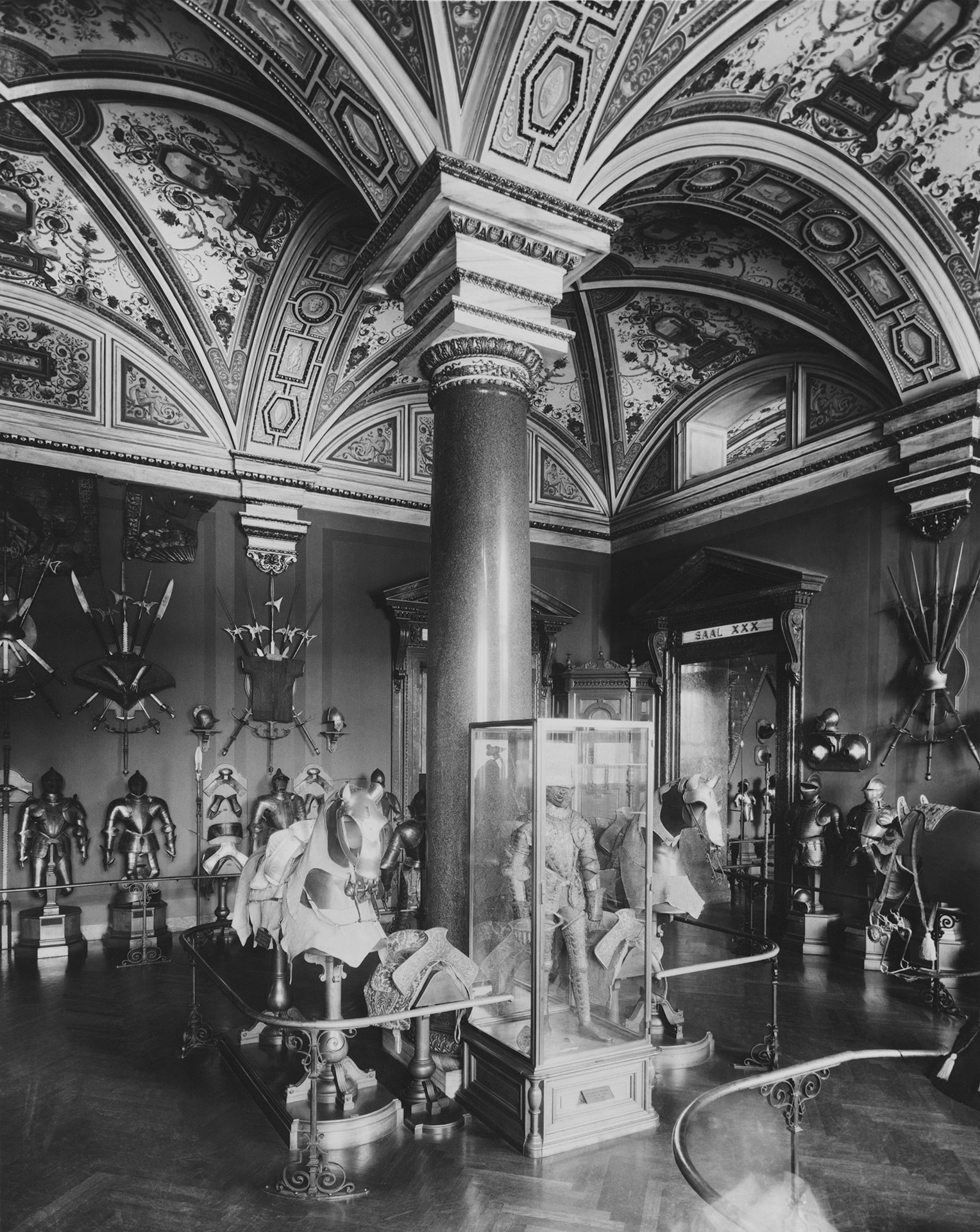
The Imperial Armoury is one of the most diverse and best-documented collections of its kind. It brings together objects of the highest rank spanning more than a thousand years, with a particular focus on the 15th to 18th centuries.
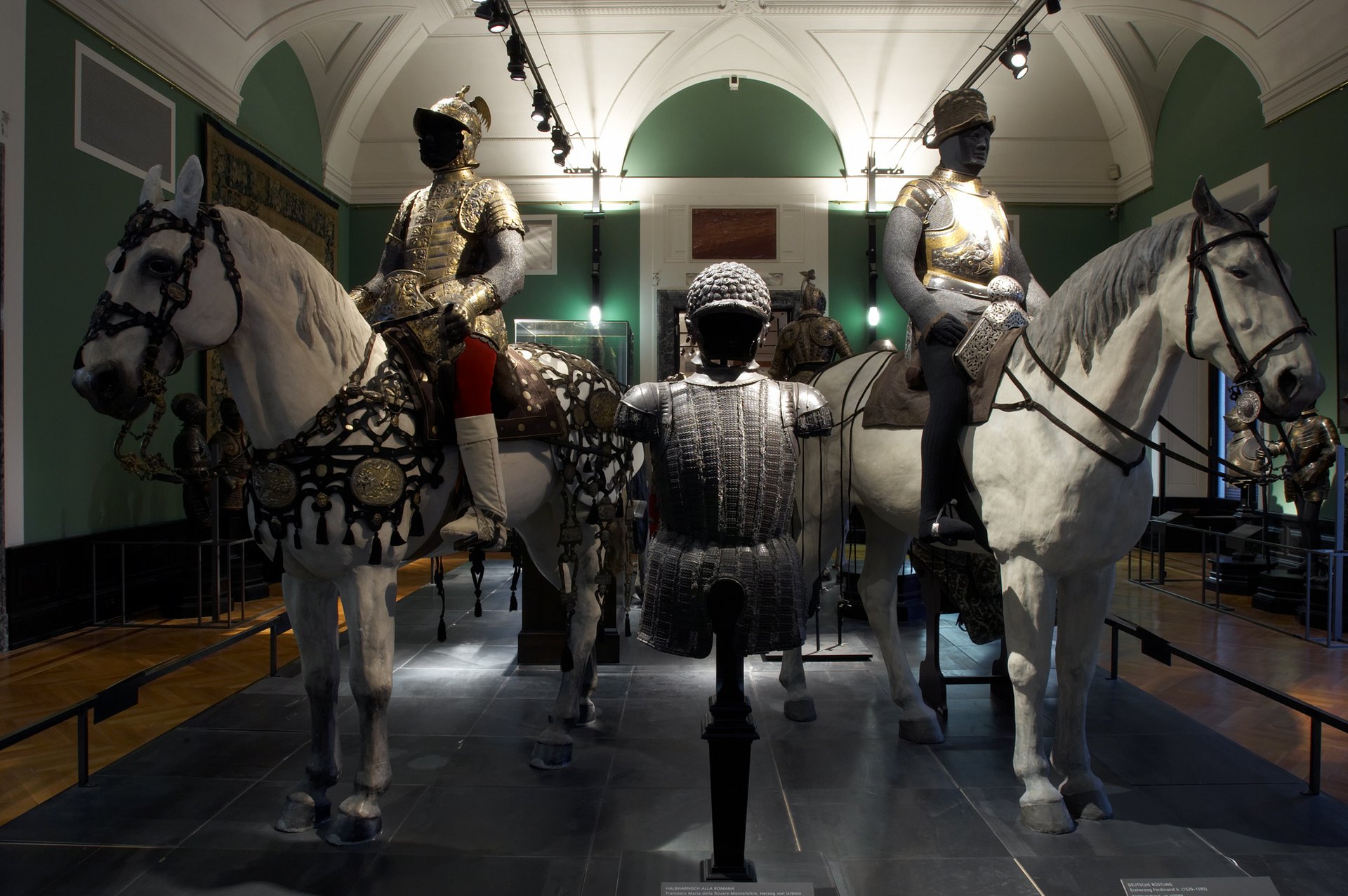
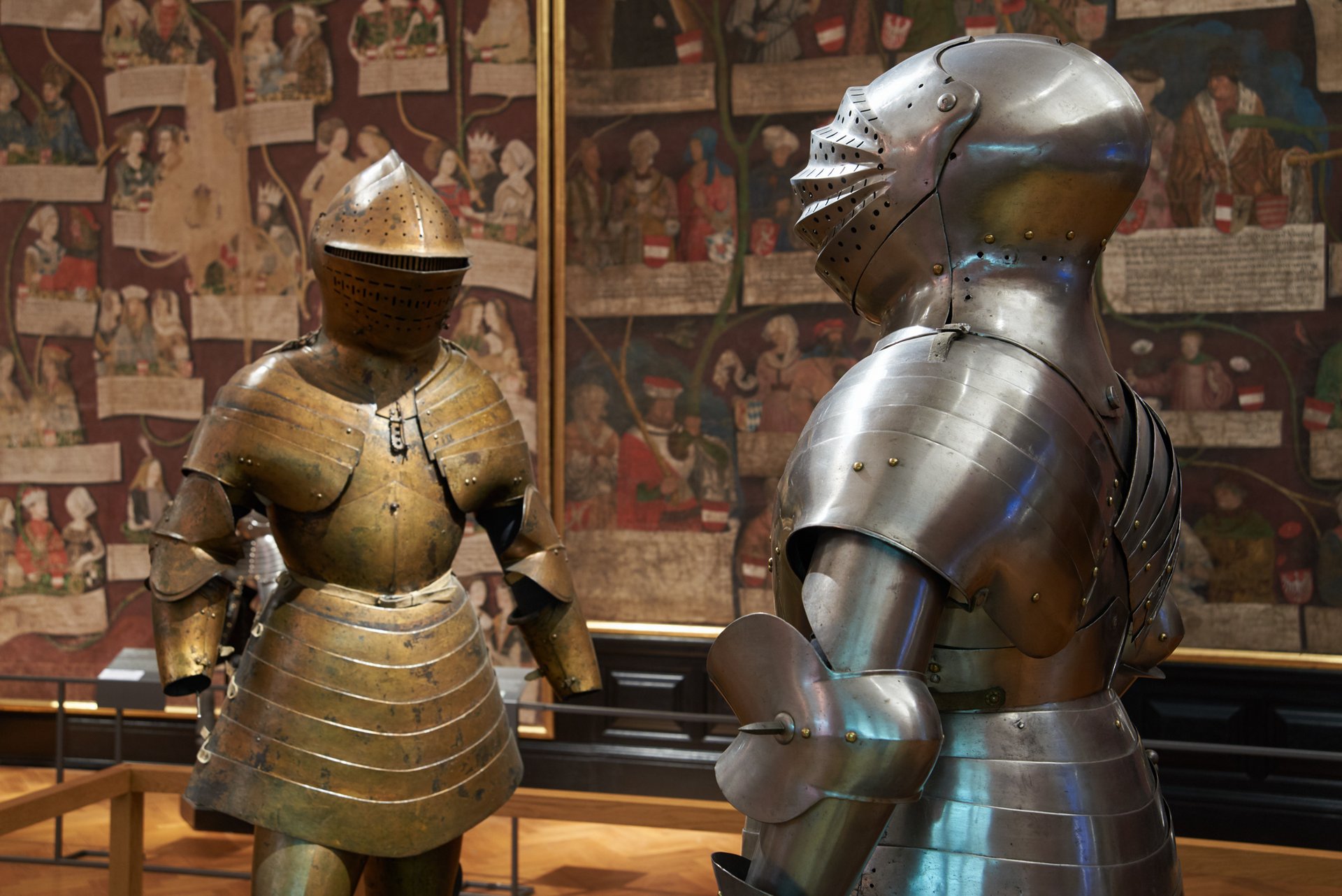
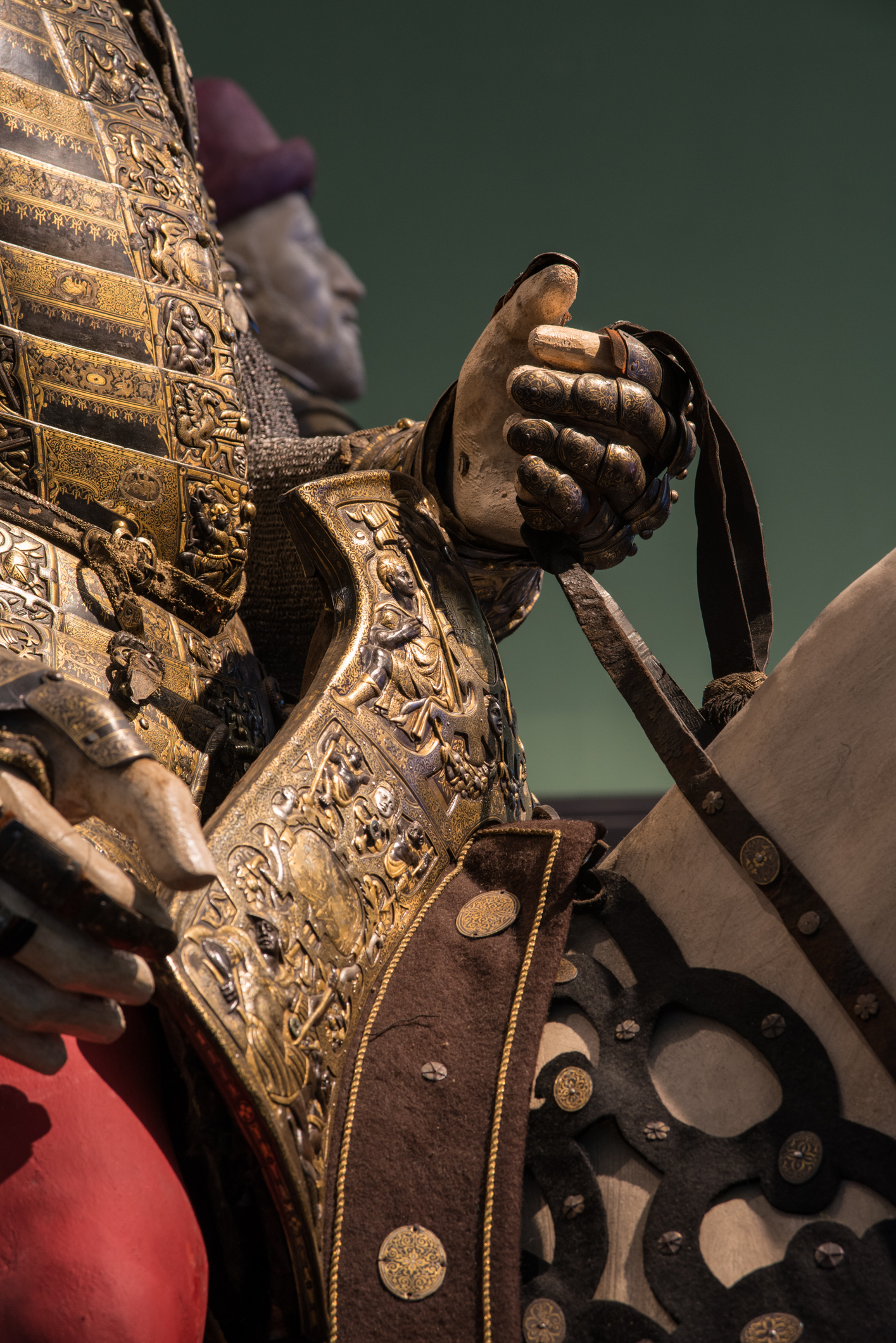
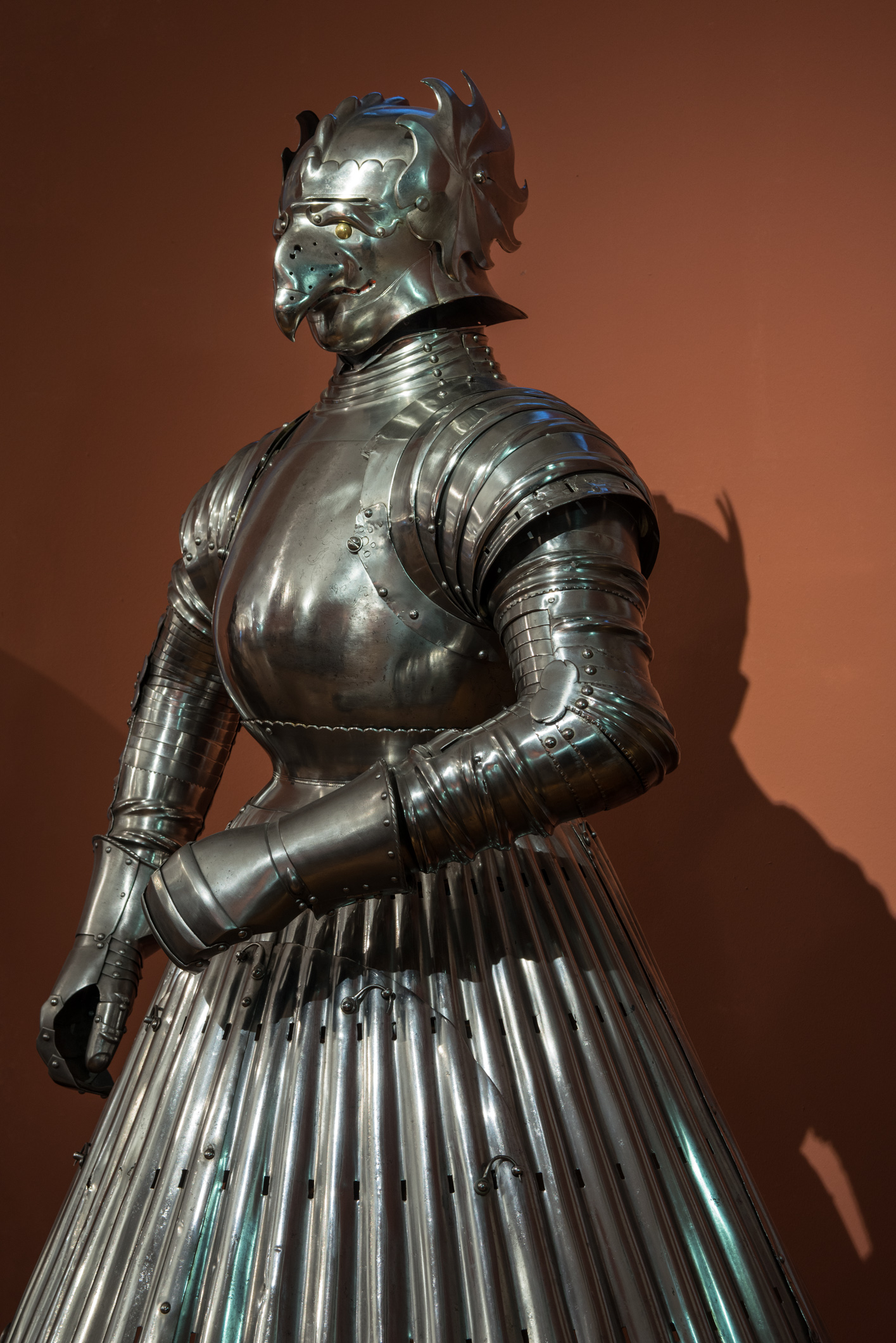
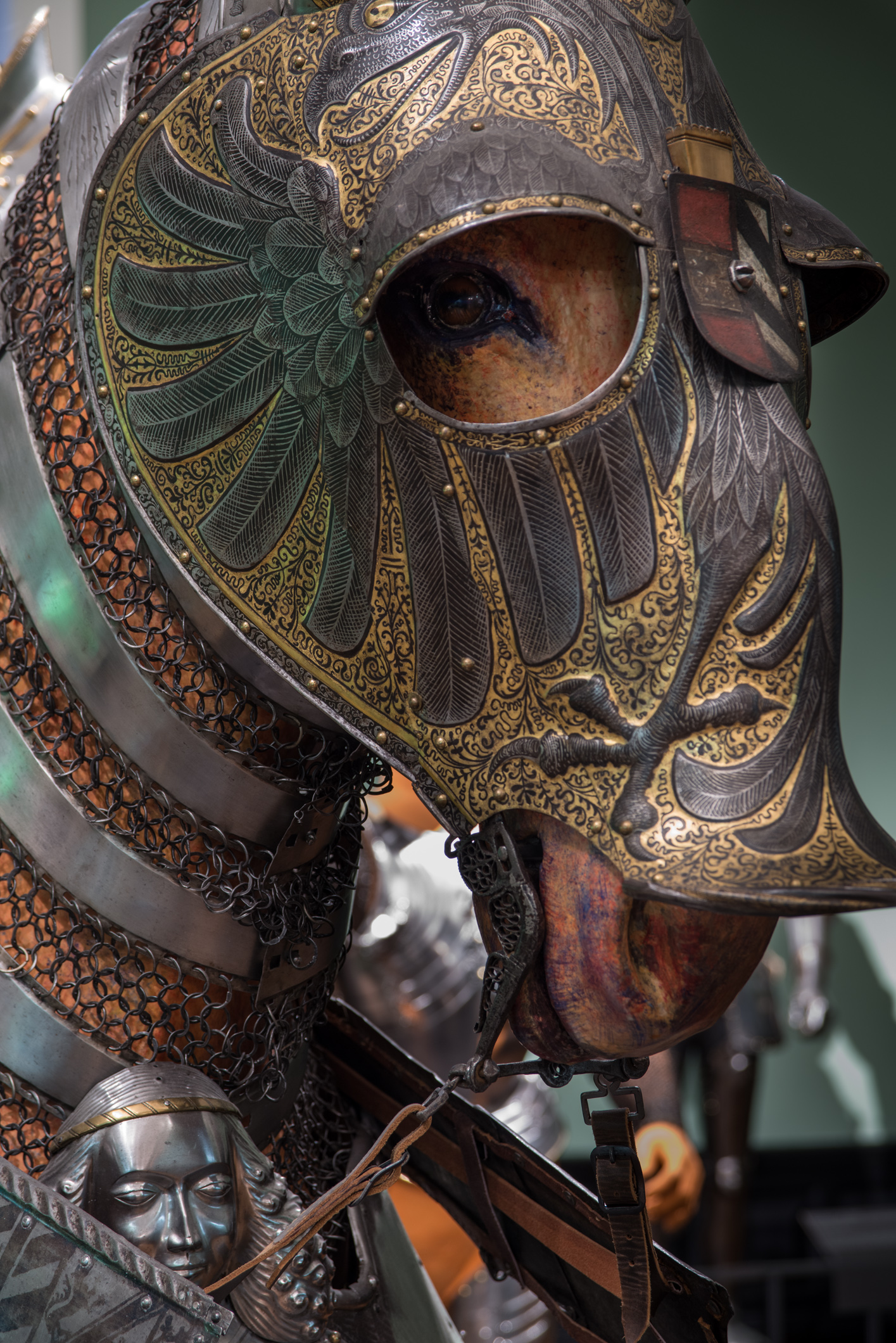
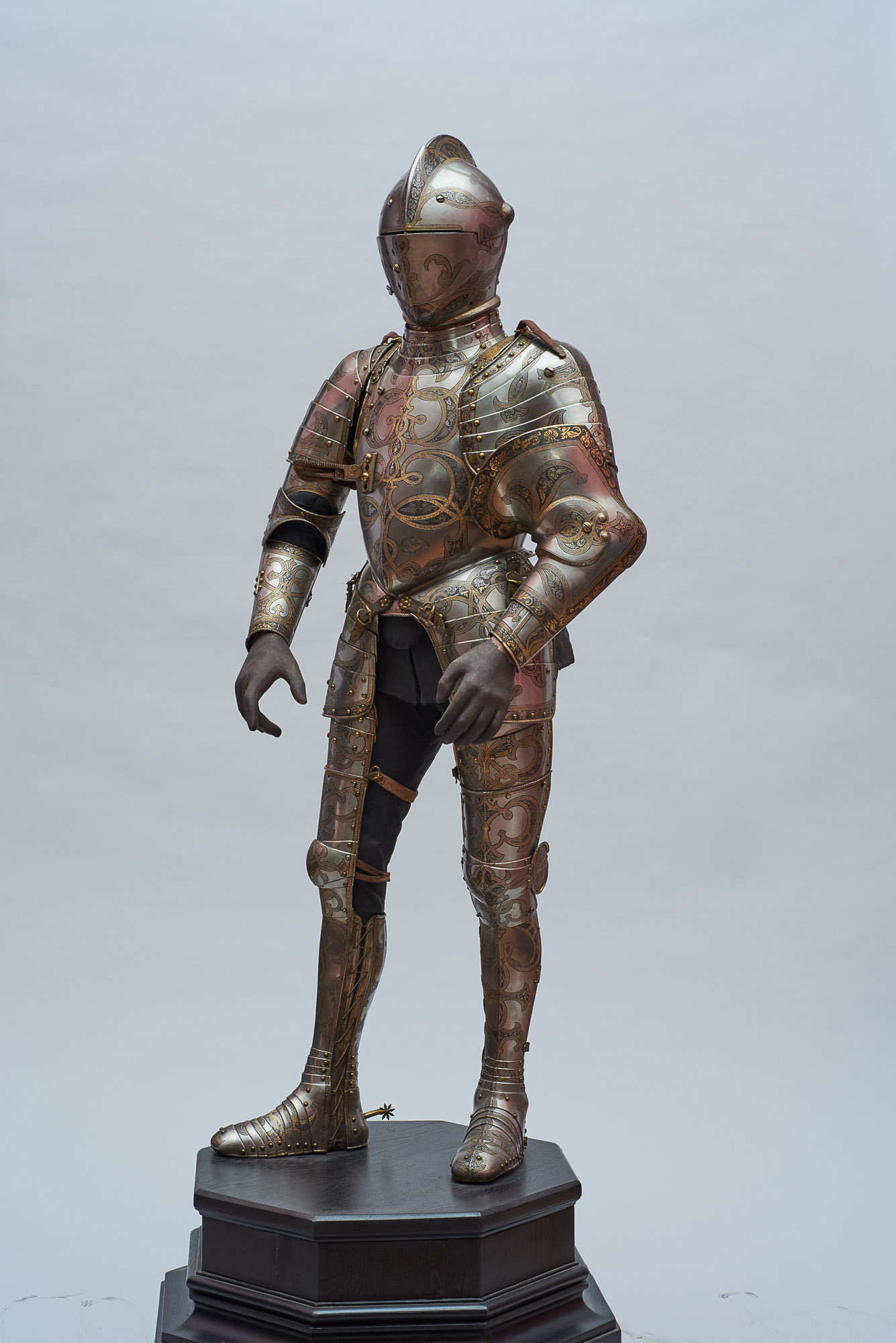
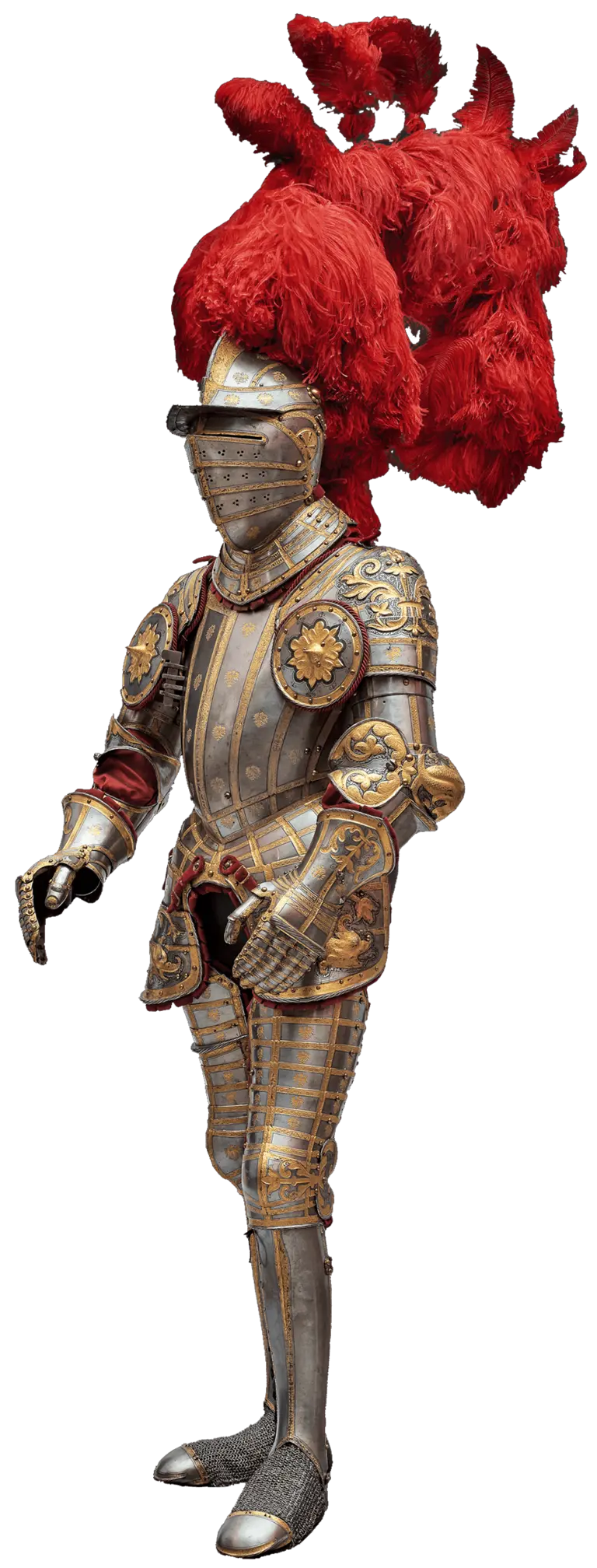
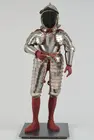
Among its highlights are the Gothic field armour of Emperor Maximilian I by Lorenz Helmschmid, Konrad Seusenhofer‘s boy’s armour with steel skirt for the future Emperor Charles V, and the "alla romana" half-armour by Filippo Negroli for Archduke Ferdinand II of Tyrol. As early as 1601, an illustrated inventory of the "Armoury of Heroes" of Ambras Castle, one of the key collections of today‘s Imperial Armoury, was published in print. This Armamentarium Heroicum is considered the world's first museum catalogue.
The Imperial Armoury owes its extraordinary diversity to the unique vision of Archduke Ferdinand II of Tyrol (1529–1595). Through his collecting in the late sixteenth century, arms and armour associated with prominent men from all across Europe—and even from the Ottoman Empire—found their way into the so-called "Armoury of Heroes" at Ambras Castle.
Address
Imperial Armoury, Access via the Weltmuseum Wien
Heldenplatz, 1010 Vienna
Google Maps
Opening times
Daily (except Monday)
10 am to 6 pm
Tuesday
10 am to 9 pm
Tickets
Adult €16
Reduced admission €12
Kids / Teens under 19 free
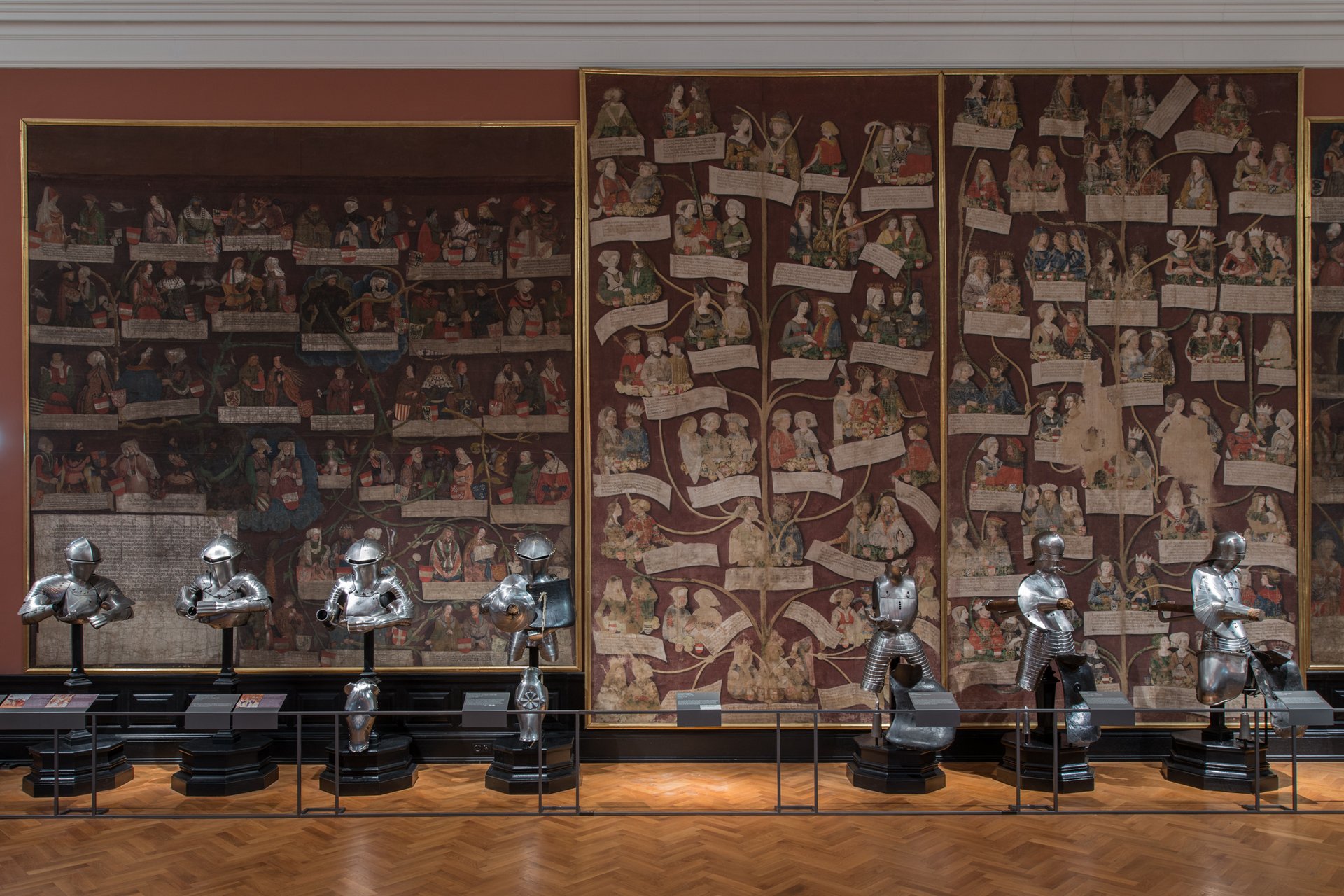
No other European princely family was as well-connected by marriage as the Habsburgs. It is hardly surprising, therefore, that members of so many European dynasties from the 15th to the early 20th century are represented in the collection with pieces of arms and armour.
For centuries, members of the Habsburg dynasty commissioned their equipment for sporting, military, and ceremonial occasions from the finest armourers and weapon smiths.
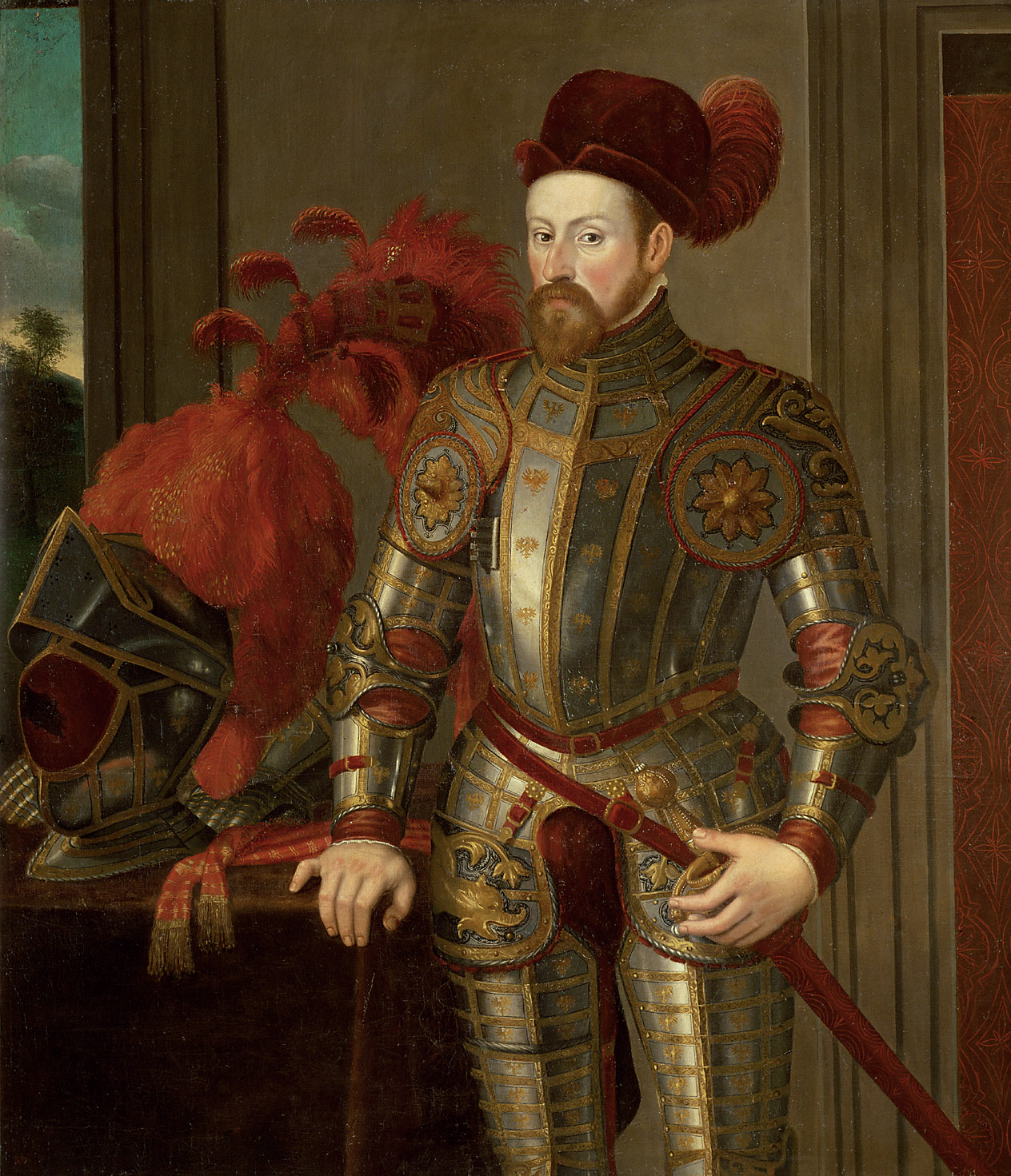
The knee-length portrait shows Archduke Ferdinand II in the so-called ‘Eagle Garniture’, one of the most expensive ensembles of plate-armour made during that period. Ferdinand is depicted at the height of his regency in Bohemia. He wears his trademark ‘Bohemian hat’, a head-covering made of felt and silver wire. On the table beside him lie a mantled helmet with a red plume, a gauntlet and a red sash. These military accoutrements probably allude to Ferdinand’s military command in Hungary against the Ottoman army in 1556, where he was responsible for the organisation of supplies of food and munitions for the royal fortress of Szigetvár. When Archduke Ferdinand II was appointed regent of Bohemia in 1547, his exceptional position as supreme representative of the House of Austria demanded a display of magnificence at court. This also included operating an armoury, which produced not only military equipment but also suits of plate-armour and accoutrements for courtly tournaments. Armourers who worked for Ferdinand included the Nuremberg-born Wolf Keser (also Kheser), Melchior Pfeiffer and Wolfgang Kaiser. One Francesco Ligozzi (also Ligotza) is also mentioned as a ‘harnischmaister’ (master harnesser). The Court Armoury was kept very busy supplying equipment for the numerous tournaments that Ferdinand hosted, notably those in 1556, 1559 and 1560. New suits of armour were also made for the Hungarian campaign of 1556. The Prague harnesses are typified by their elegant lines, compact, rounded shape and high waist. Other remarkable features include the burgonets made in two pieces, a striking motif of scales on the gorgets with powerful corded edges and the lames (overlapping plates) of the pauldrons (shoulder-guards) divided into two sections.
Title:
Erzherzog Ferdinand II. (1529-1595), Kniestück in Adlerrüstung
Artist:
Francesco Terzio (?) (um 1523 Bergamo - 1591 Rom)
Time:
um 1550
Arms and armour intended for the emperors and their family had to be of the highest standard, of course. Like the Kunstkammer, the Imperial Armoury therefore holds beautifully crafted pieces of exceptional quality.

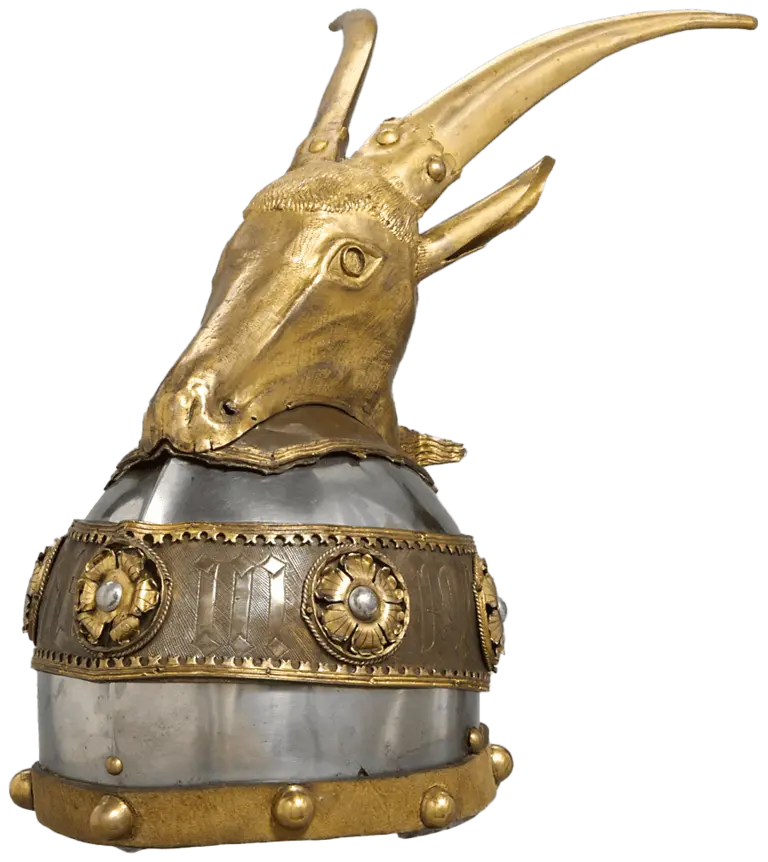
The Skanderbeg objects are among the most popular pieces in the Imperial Armoury of the Kunsthistorisches Museum Vienna. The helmet and sword have been associated with Gjergj Kastrioti, known as Skanderbeg (1405–1468), since the late 16th century. Over the course of the 20th century, a number of myths have developed around these objects.
On display in the Neue Hofburg, access via the Weltmuseum Wien
Tickets

All dates for guided tours and exhibition programme at a glance.
Imperial Arsenal of Vienna
A key component of the collection is the Imperial Arsenal of Vienna, recorded since the early 15th century. It housed the martial equipment of the Habsburg family and their retinue, primarily armour and ceremonial weapons. Due to innovations in warfare, particularly the rise of heavy artillery, armour lost its practical function. By the 17th century, it was increasingly displayed as a precious exhibit alongside functional military weapons.
The "Armoury of Heroes" of Ambras Castle
The unique "Armoury of Heroes" of Archduke Ferdinand II of Tyrol at Ambras Castle near Innsbruck forms the most fascinating part of today's Imperial Armoury. This collection is the work of an educated, art-loving, and open-minded prince. Wealthy and well-connected to European courts, he used his resources to realize his Atrium Heroicum, bringing together contemporary and historical arms and armour associated with famous princes and military leaders. As early as the 17th century, this collection was open to the public for a fee.
The Court Gun or Court Hunting Chamber
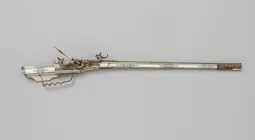
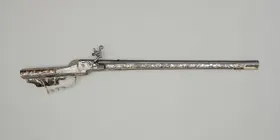
The objects from the Court Gun Chamber or Court Hunting Chamber form another major part of the collection. This collection was established under Emperor Ferdinand II (1587–1637). It includes high-quality pieces, especially firearms, representing every era up to the end of the monarchy in 1918. Among its highlights are the hunting and sporting weapons of the Baroque period, distinguished by their particularly elegant and richly decorated design.
The merging of collections in the 19th century
The Ambras collection of Archduke Ferdinand II was evacuated to Vienna in 1806 during the Napoleonic Wars. It was put on display in the Lower Belvedere Palace. At that time, the holdings of the imperial arsenal at Vienna and the Court Rifles or Court Hunting Chamber were housed in the Arsenal at Rennweg. In 1889, the weapons collection became the first collection to be opened in the newly-built Kunsthistorisches Museum on Burgring.
Imperial Armoury
In 1936, the "Vienna Arms Collection" (Wiener Waffensammlung) was opened at its current location in the Neue Hofburg. In 1990, it was renamed "Imperial Armoury" (Hofjagd- und Rüstkammer).
Find out more about the scientific work of the Imperial Armoury.
Our exhibitions take you back to the rich history of our museum. Here, proven masterpieces meet newly explored themes - a look at art, culture and the past that continuously illuminates the collection.