Wall relief from an offering procession
19th Dynasty, reign of Ramesses II, ca. 1304–1237 BC
A procession of male and female fecundity and vegetation deities carry offerings in pro cession. The items on the mats they carry in clude bread, birds in their nests, and various aquatic plants. Below the mats plants, birds, and fish are depicted. ÄS 5083 belongs to the same relief.
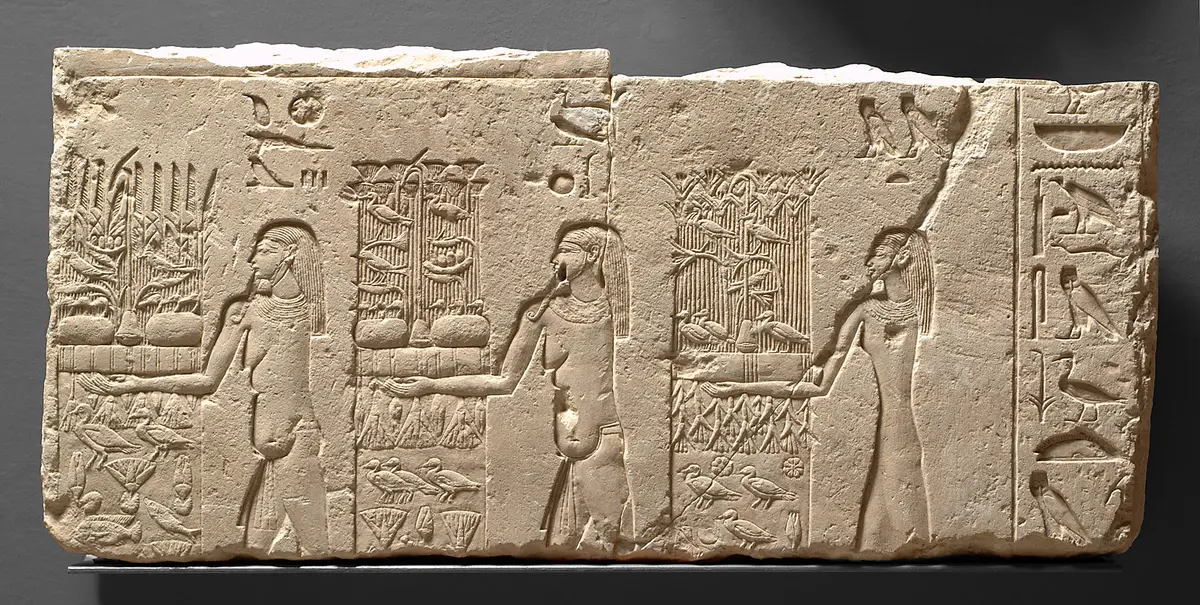
A procession of male and female fecundity and vegetation deities carry offerings in pro cession. The items on the mats they carry in clude bread, birds in their nests, and various aquatic plants. Below the mats plants, birds, and fish are depicted. ÄS 5083 belongs to the same relief.
Time:
19th Dynasty, reign of Ramesses II, ca. 1304–1237 BC
Object Name
Relief
Culture
Ägyptisch
Location of discovery:
Saqqara, Apis-Tempel des Serapeums (vermutlich)
Material/technology:
Limestone
Dimensions:
H 40,3 - 44,6 cm, B 95,5 cm, T 5,2 - 7,5 cm, G 55 kg
Copyright
Kunsthistorisches Museum, Ägyptisch - Orientalische Sammlung
Invs.
Ägyptische Sammlung, INV 5082
Provenance
1878, acquired with the Miramar Collection
Browse more
Similar items you might be interested in
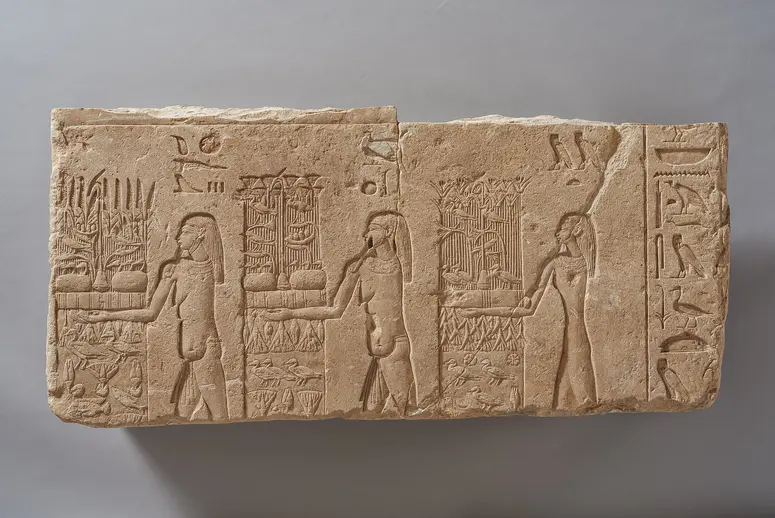
Wall relief from an offering procession Saqqara, Apis-Tempel des Serapeums (vermutlich) 19th Dynasty, reign of Ramesses II, ca. 1304–1237 BC
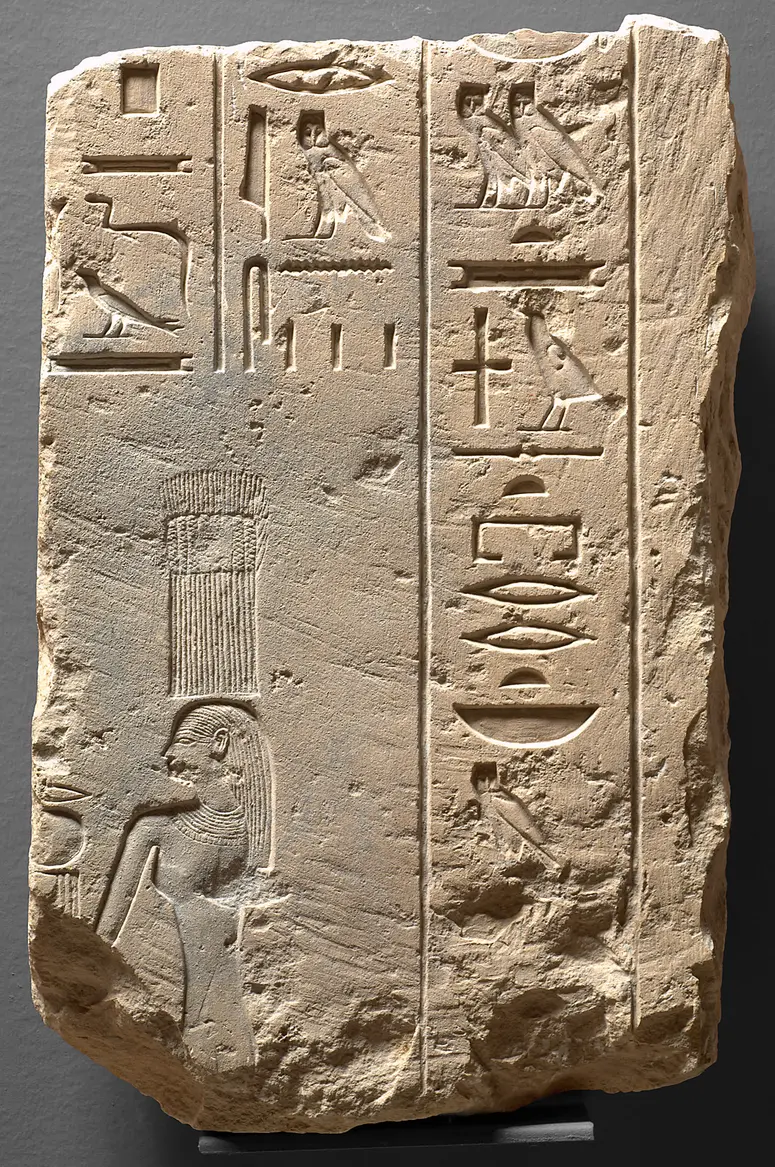
Wall relief from an offering procession Saqqara, Apis-Tempel des Serapeums (vermutlich) 19th Dynasty, reign of Ramesses II, ca. 1304–1237 BC
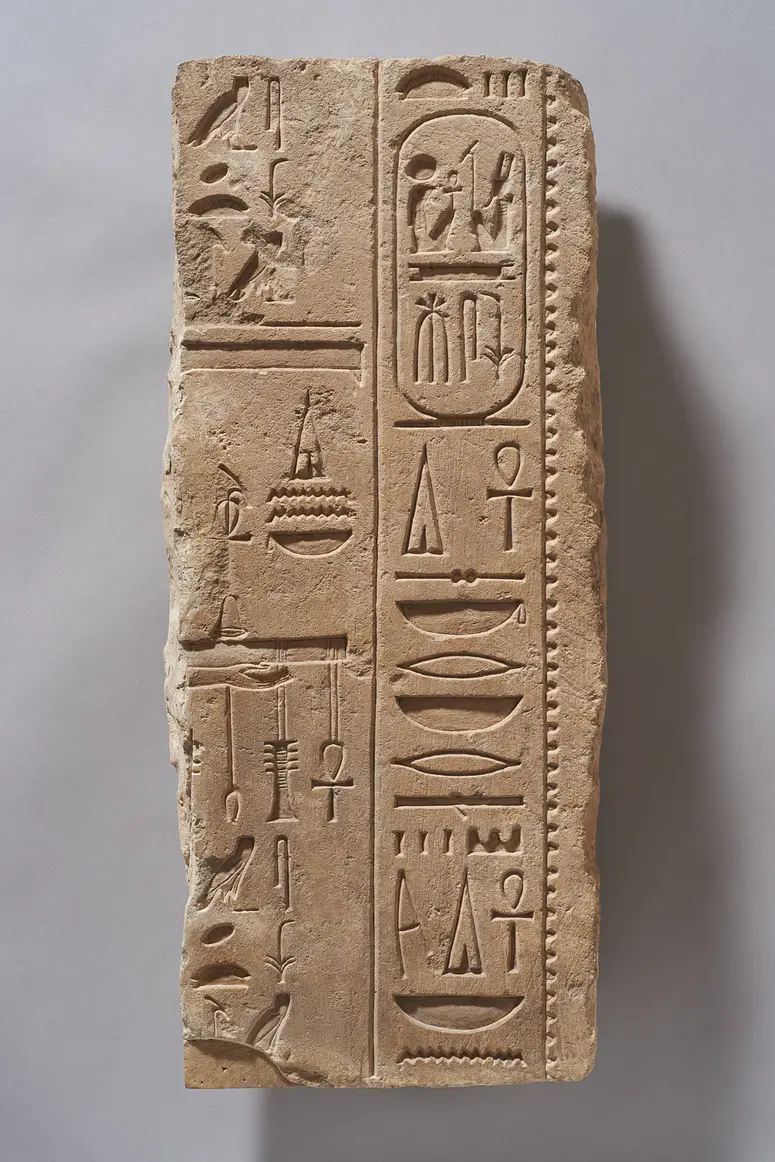
Relief fragments with the name of Kha-em-waset Saqqara, Apis-Tempel des Serapeums (vermutlich) 19th Dynasty, reign of Ramesses II, ca. 1304–1237 BC
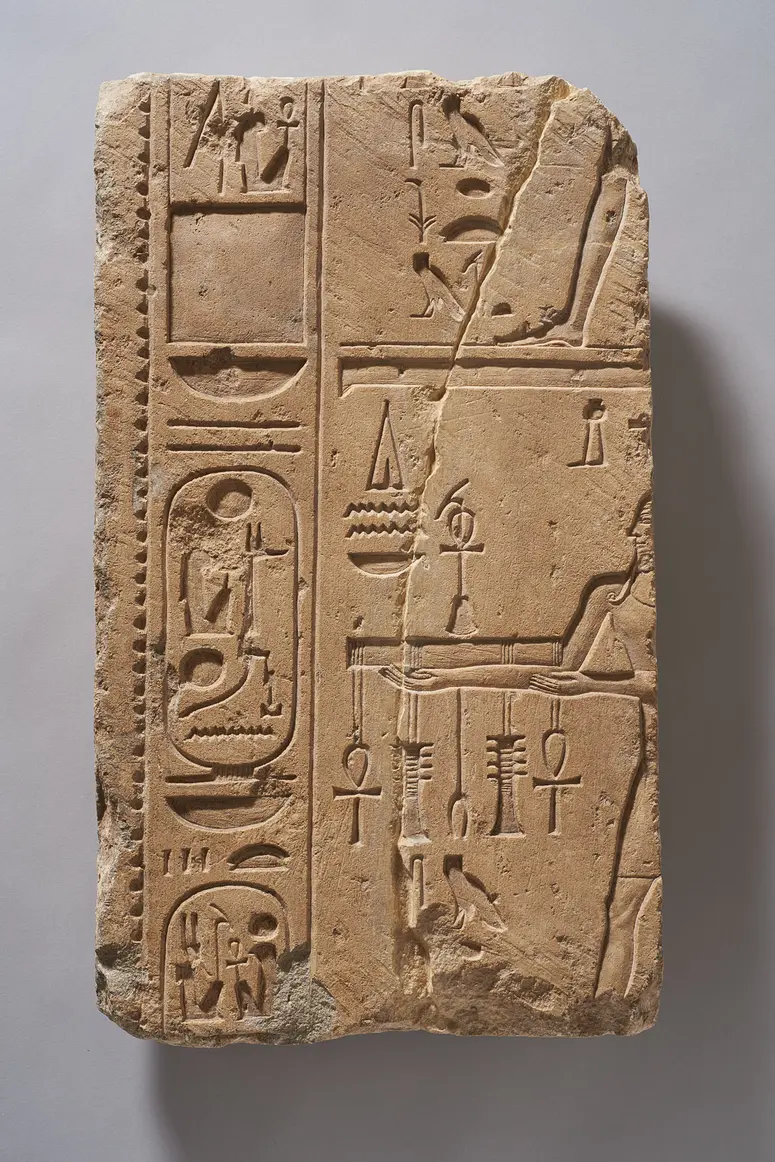
Relief fragments with the name of Kha-em-waset Saqqara, Apis-Tempel des Serapeums (vermutlich) 19th Dynasty, reign of Ramesses II, ca. 1304–1237 BC
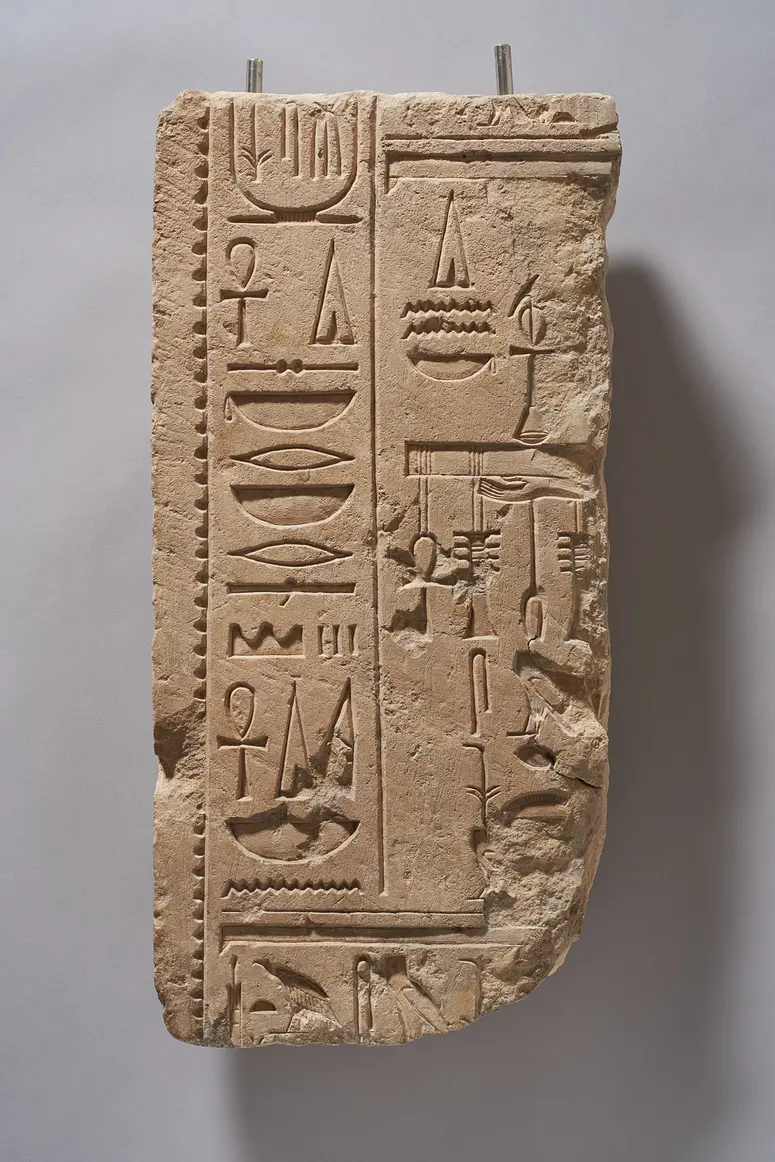
Reliefbruchstück mit dem Namen des Cha-em-waset Saqqara, Apis-Tempel des Serapeums (vermutlich) 19. Dynastie, Zeit Ramses' II., ca. 1304-1237 v. Chr.
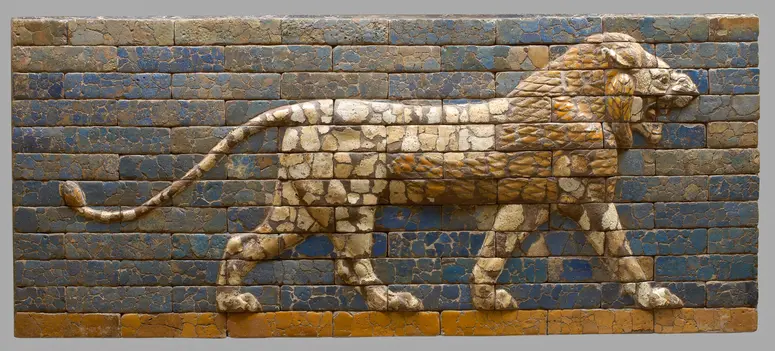
Wandstück mit dem Relief eines schreitenden Löwen Babylon, Prozessionsstraße Zeit des Nebukadnezar II., 604-562 v. Chr.
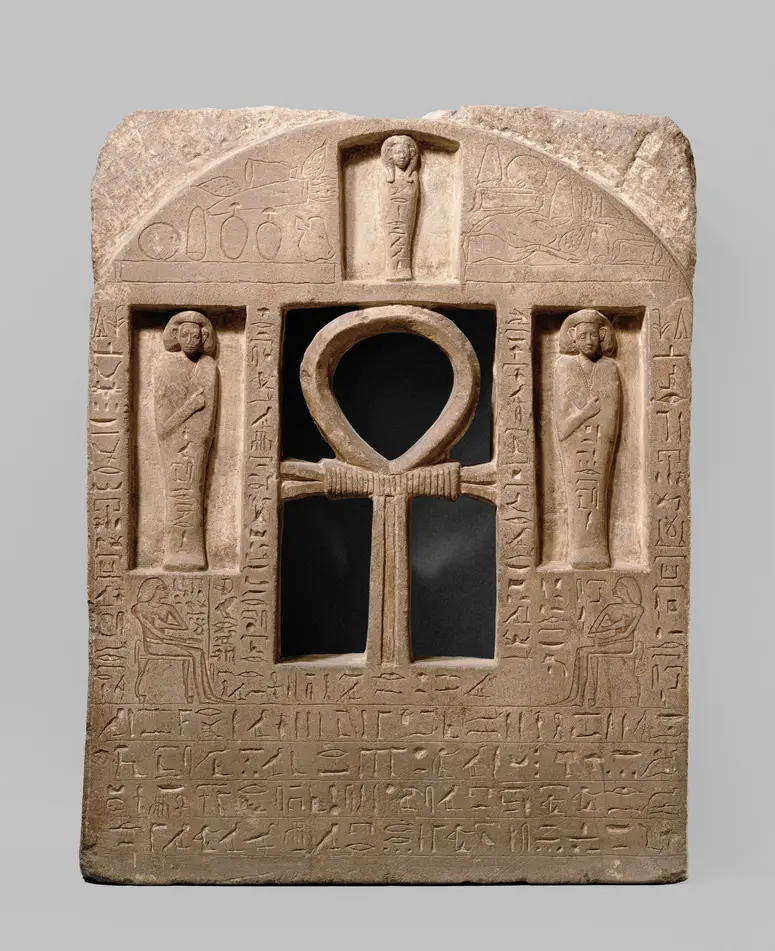
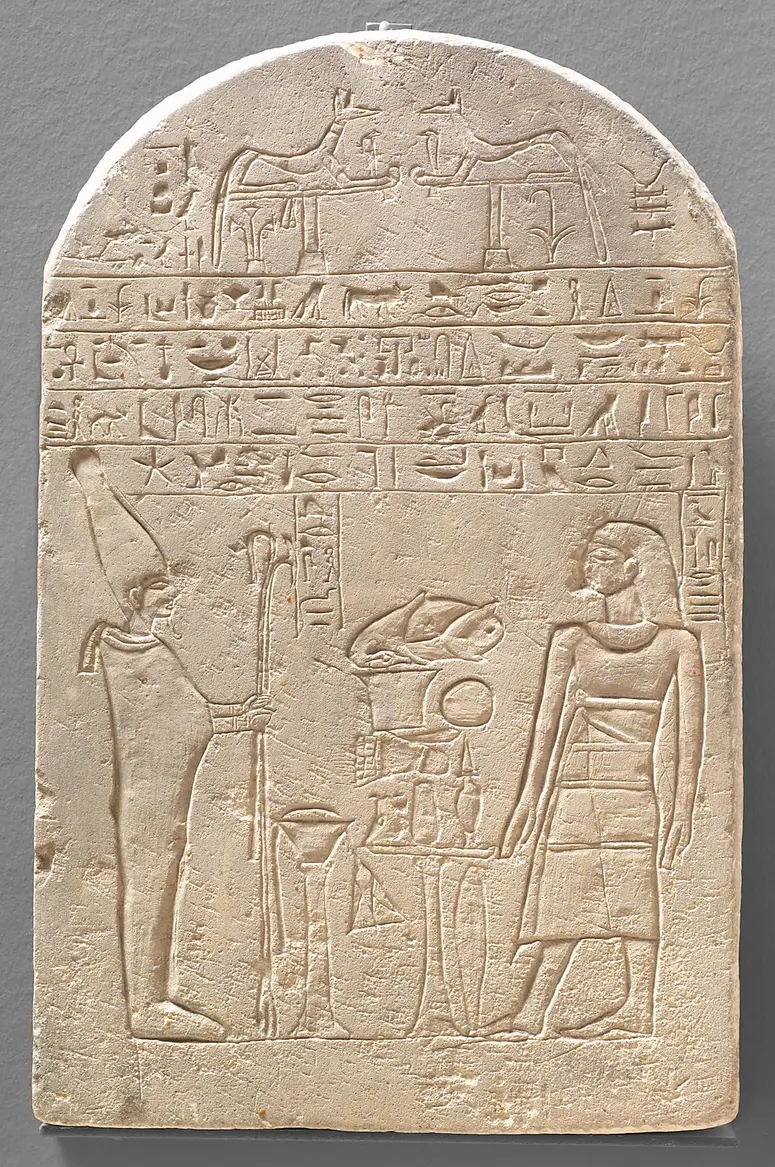
Stele of Senwosret Abydos (vermutlich) beginning of the 13th Dynasty, ca. 1786-1740 BC
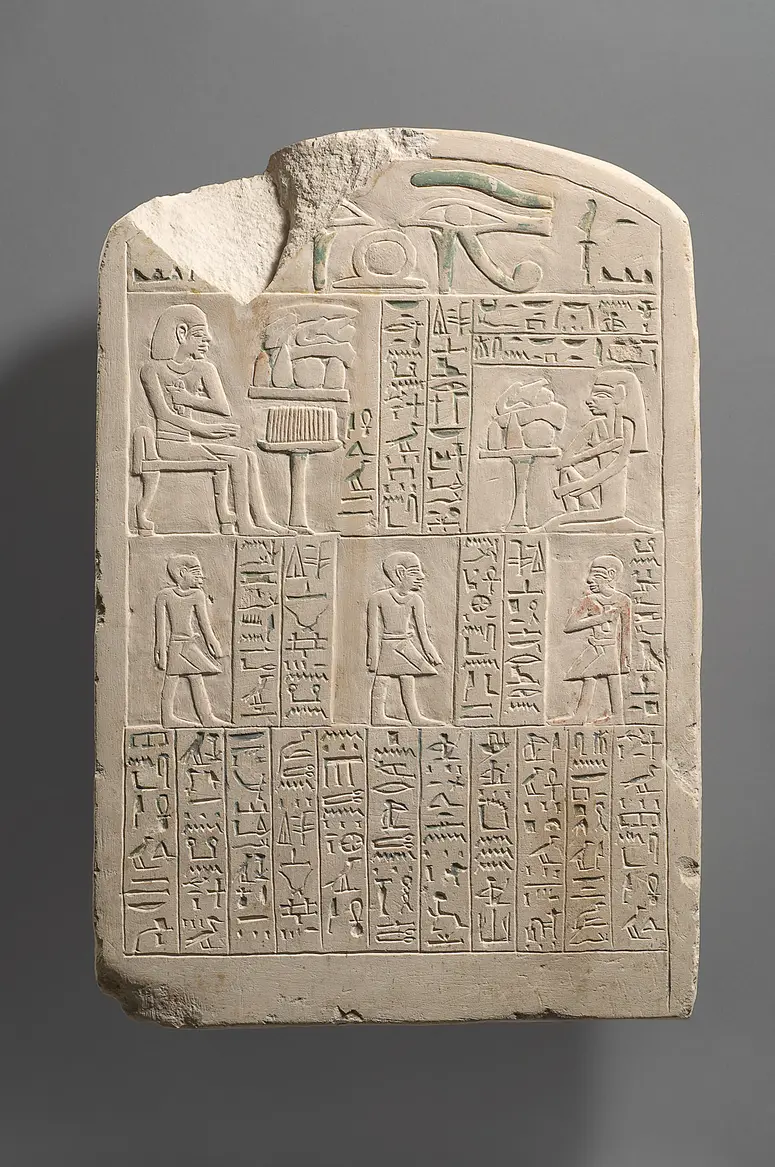
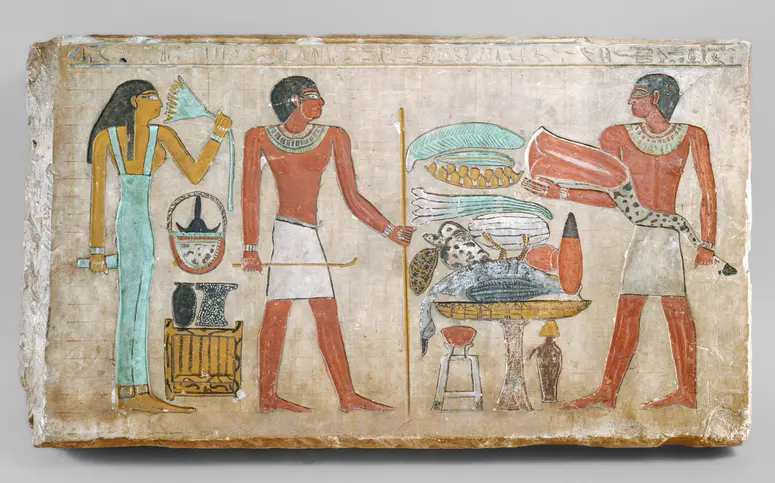
Relief with an offering scene Fundort unbekannt early 12th Dynasty, ca. 1980 BC
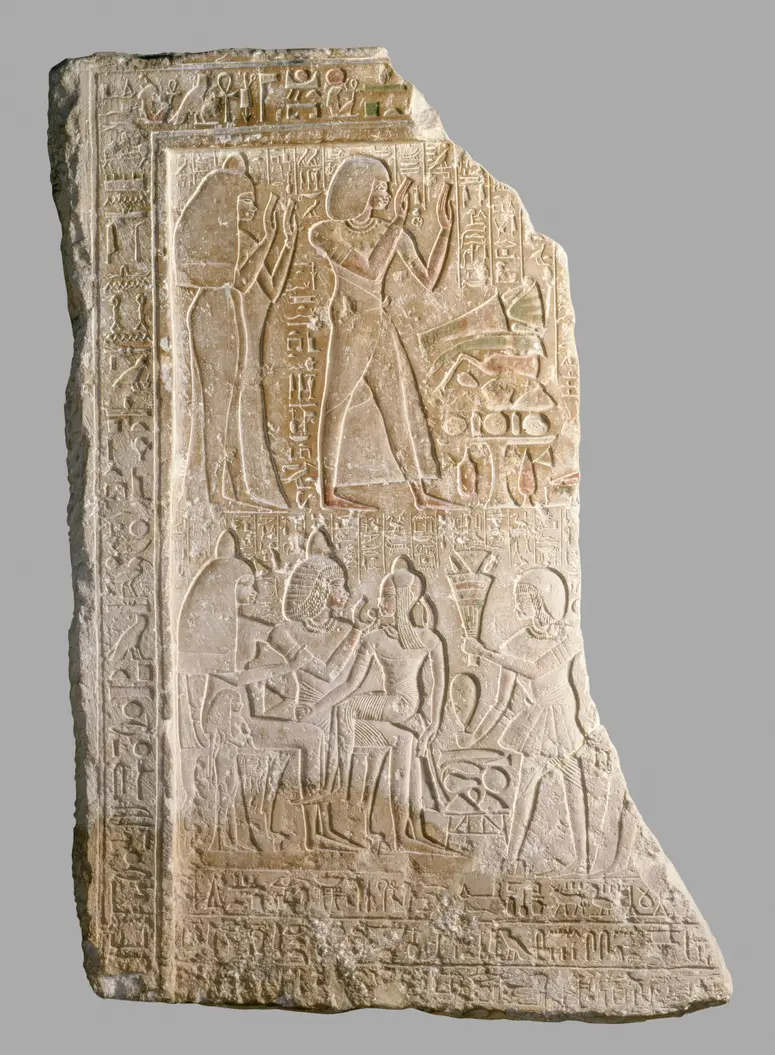
Relief from the tomb of Meri-re Saqqara 18th Dynasty, reign of Amenhotep III, 1410–1372 BC
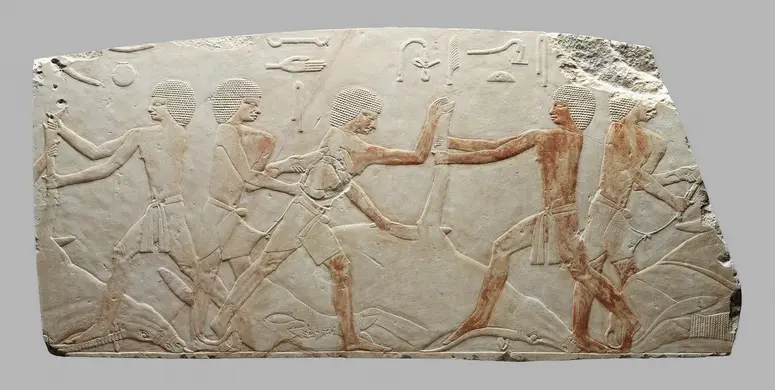
Fragment of relief with a butchering scene Abusir (vermutlich) 5th Dynasty, ca. 2400 BC
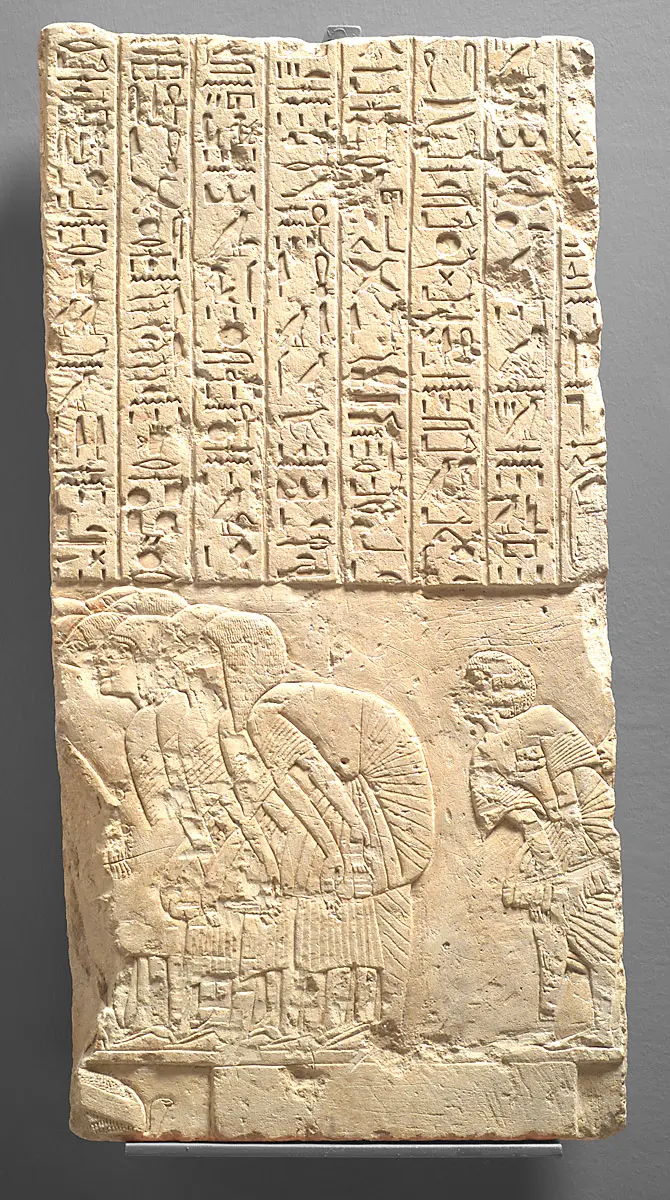
Relief from the Memphite tomb of Haremhab Saqqara 18th Dynasty, reigns of Tutankhamun and Haremhab, 1355–1315 BC
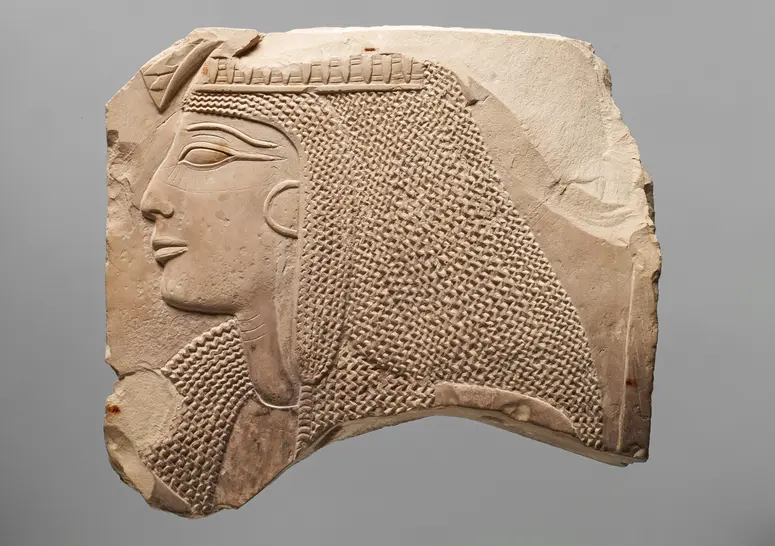
Relieffragment mit dem Kopf einer Dame Fundort unbekannt 19. Dynastie, Anfang 13. Jh. v. Chr.
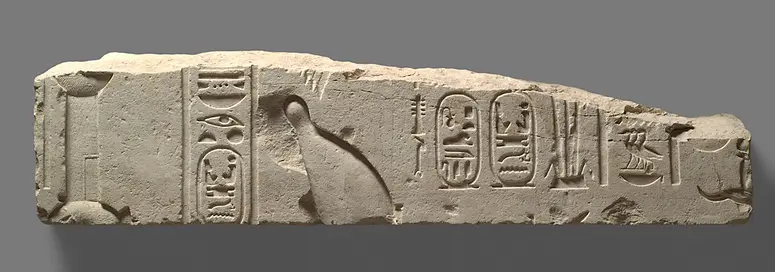
Relief fragment from a temple Kom el-Ahmar bei Scharuna reign of Ptolemy I Soter, 305–282 BC
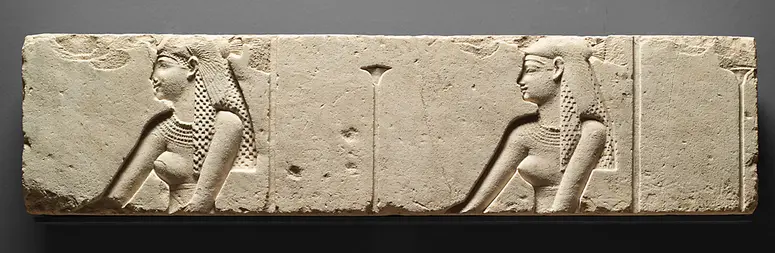
Relief fragment from a temple Kom el-Ahmar bei Scharuna reign of Ptolemy I Soter, 305–282 BC
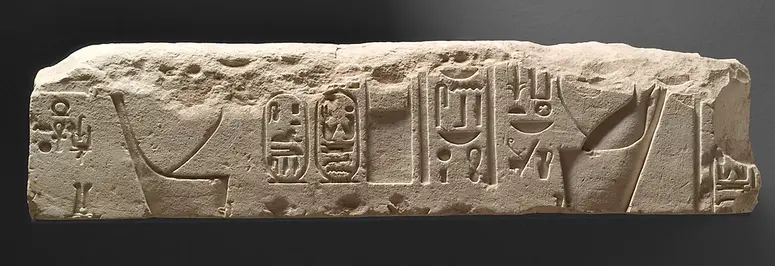
Relief fragment from a temple Kom el-Ahmar bei Scharuna reign of Ptolemy I Soter, 305–282 BC
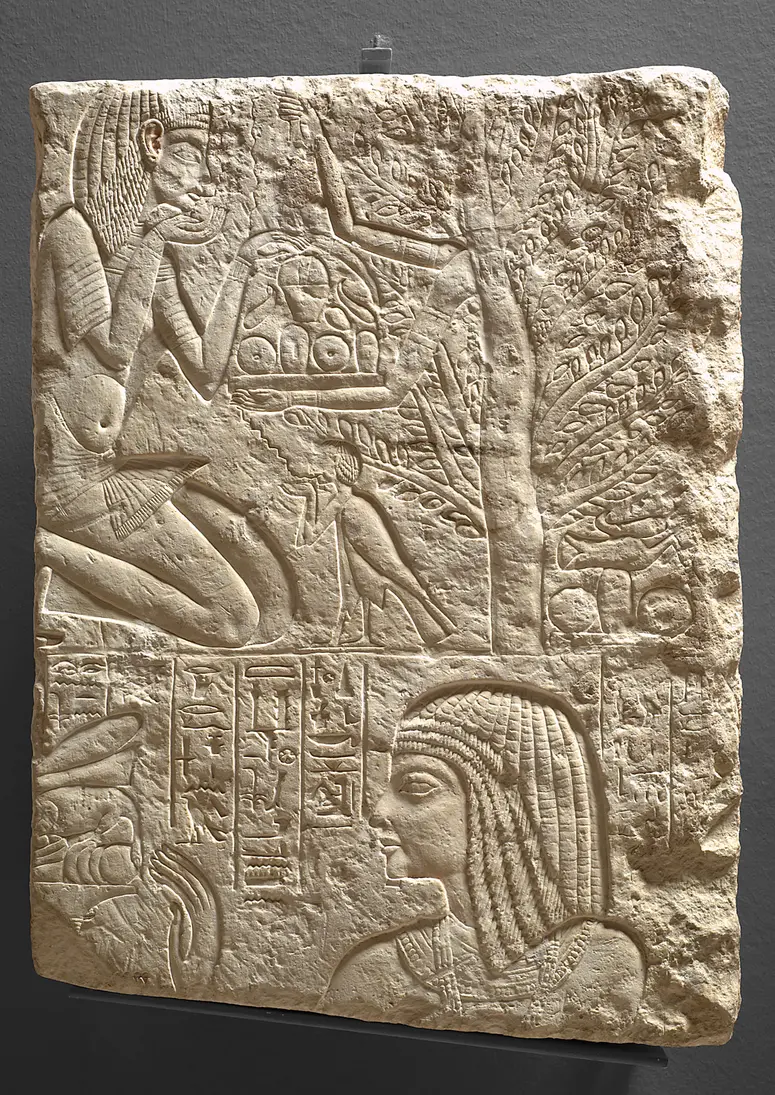
Relief fragment from Sakeh’s tomb Saqqara late 18th Dynasty, post-Amarna Period, ca. 1343-1315 BC

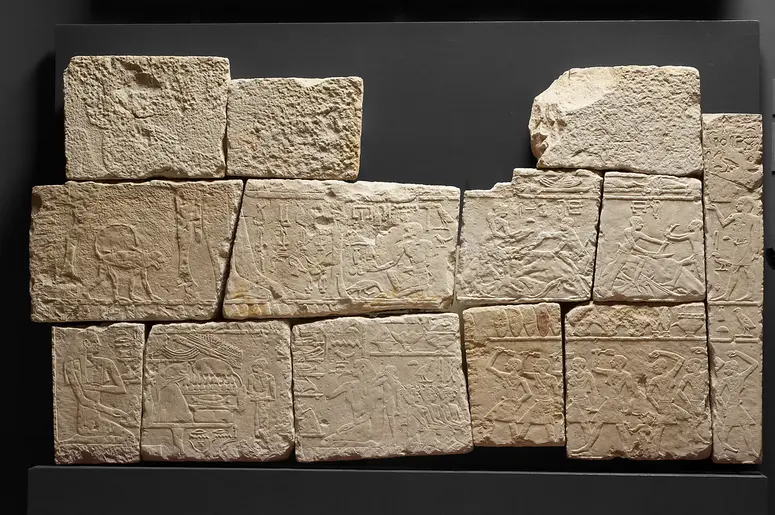
Wall relief of Ni-ui-netjer Giza, Mastaba des Ni-ui-netjer 6th Dynasty, ca. 2374-2191 BC;