Votivstatuette eines Jünglings
520 - 480 v. Chr.
A young man depicted frontally in kouros style (cf. cat. nos. 76 and 78), with one leg advanced, slightly angled arms at his sides, and clenched fists. The young man has a muscular body with broad shoulders, pronounced upper arm muscles and a powerful neck. His hair, adorned with a thin ribbon, lies in separate strands radiating from the calotte, while a double row of curls hangs over the forehead. At the back the mass of hair hangs down over his back like a wig. His attire consists of an undergarment and a red wrap falling from the left shoulder across the front of his body in layers of folds and covering the right side of his body from the crook of the arm downwards, leaving the right side of his chest and his left flank uncovered. The undergarment was -- with the exception of the round neck, which was contoured and also painted red -- indicated only by red lines marking the seam of the sleeves in the bends of the arms and running along the upper arms. This is further evidence (along with the incomplete elaboration of the rear) that the figurine was intended to be viewed only from the front. There are traces of red paint on the undergarment and the wrap but also on the mouth. On the left eye traces of black paint remain from the painting of the pupil. The rear is crudely worked, partly still in slabs, although the figure’s buttocks have been given plastic shape.
A. Bernhard-Walcher u.a., Die Sammlung zyprischer Antiken im KHM. Sammlungskataloge des KHM Bd. 2, Wien 1999 (K. Gschwantler)
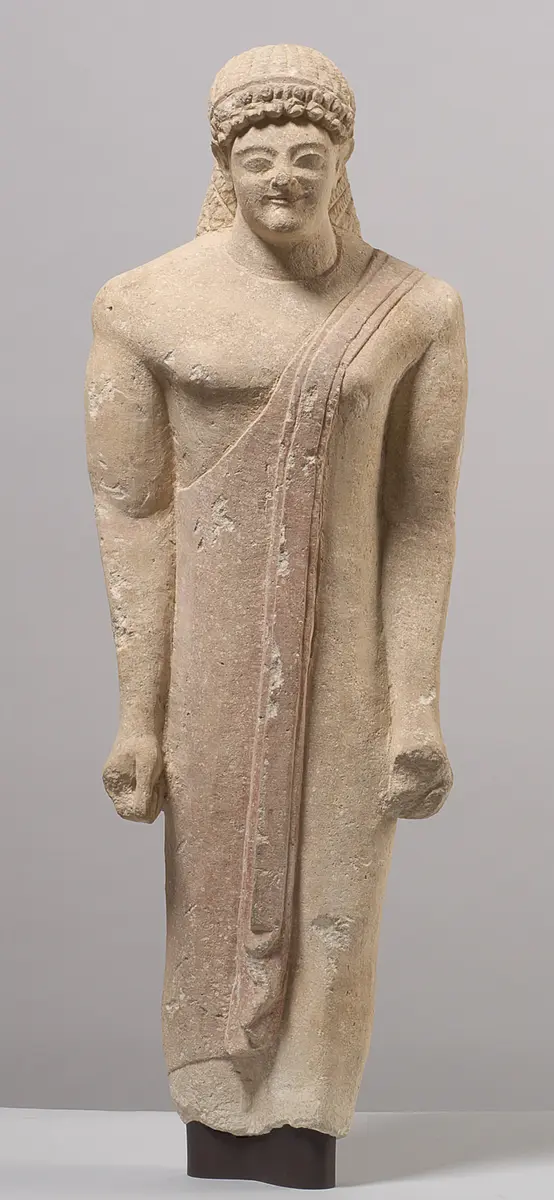
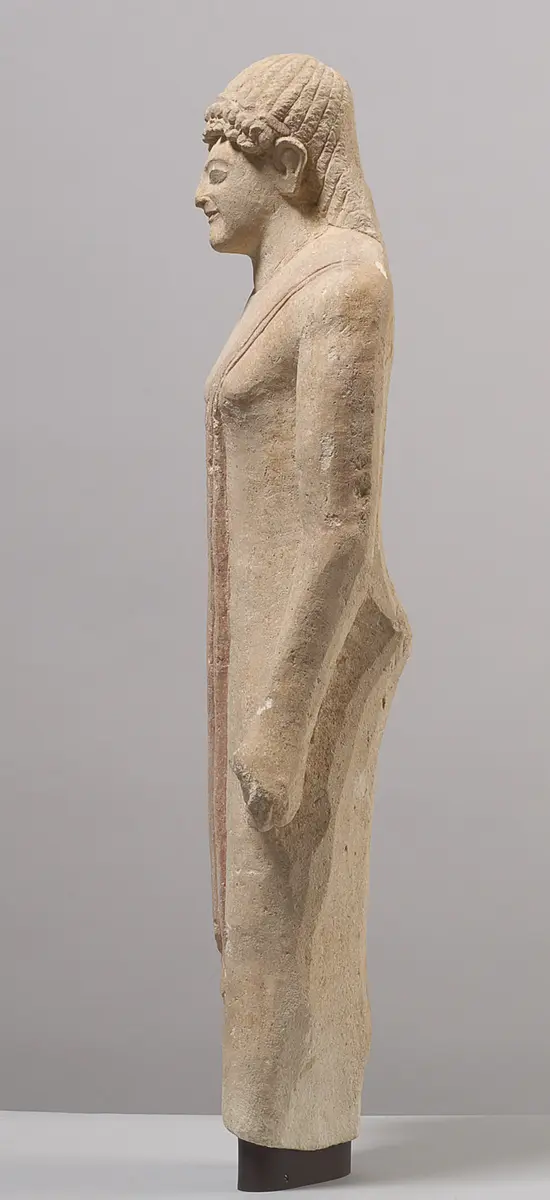
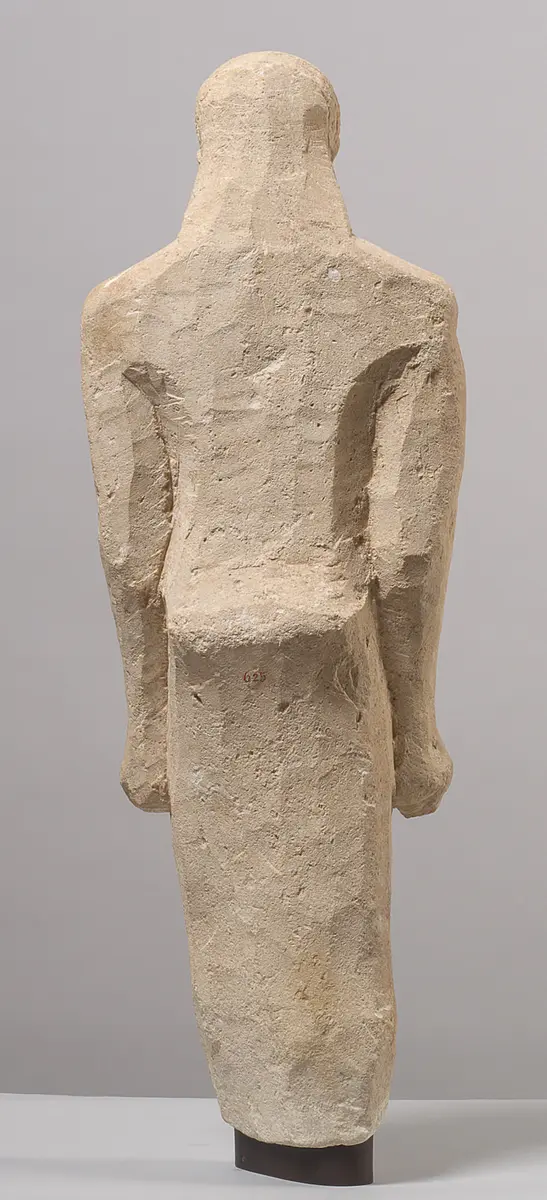
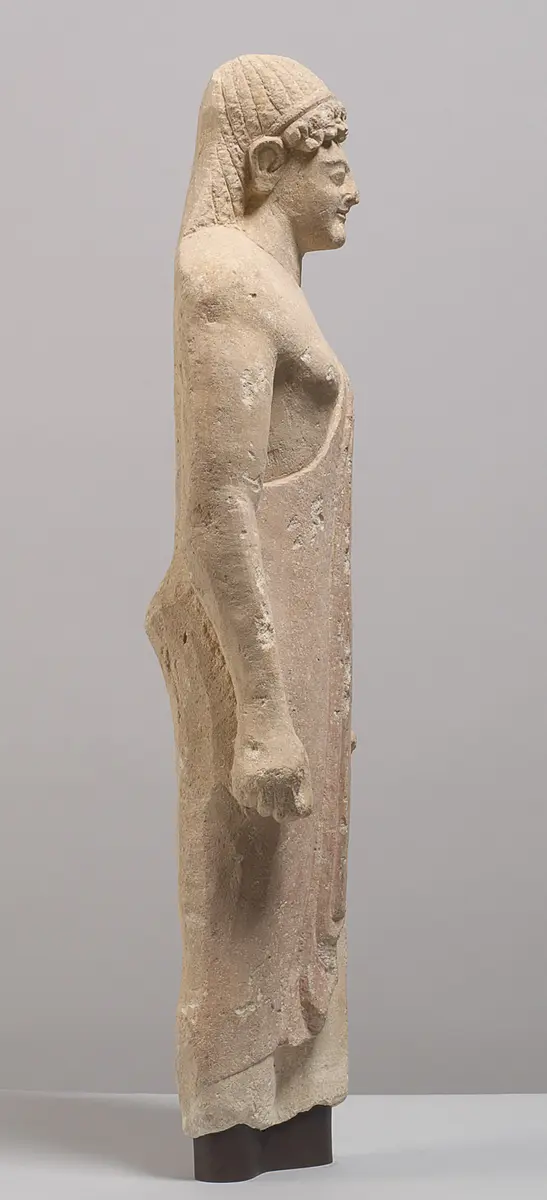
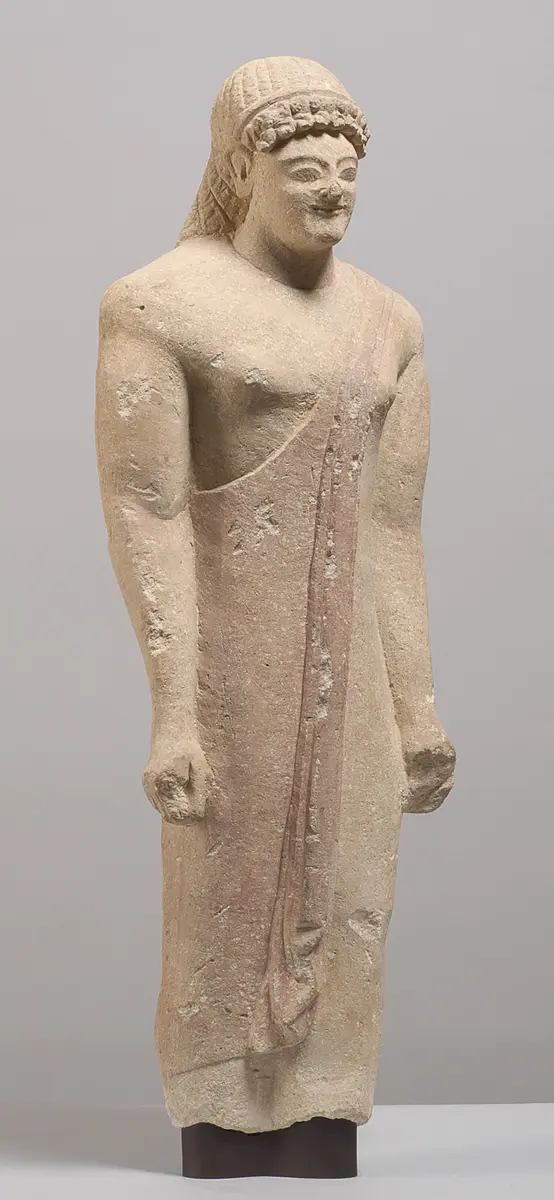
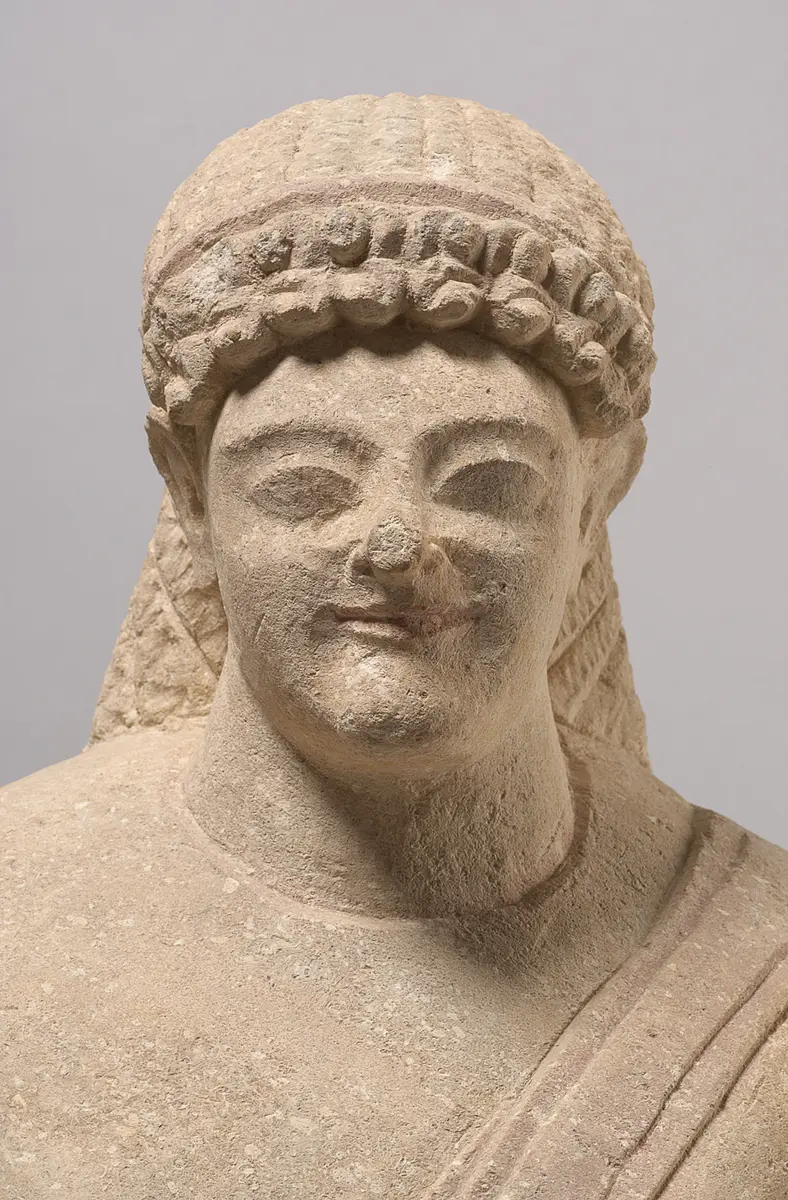
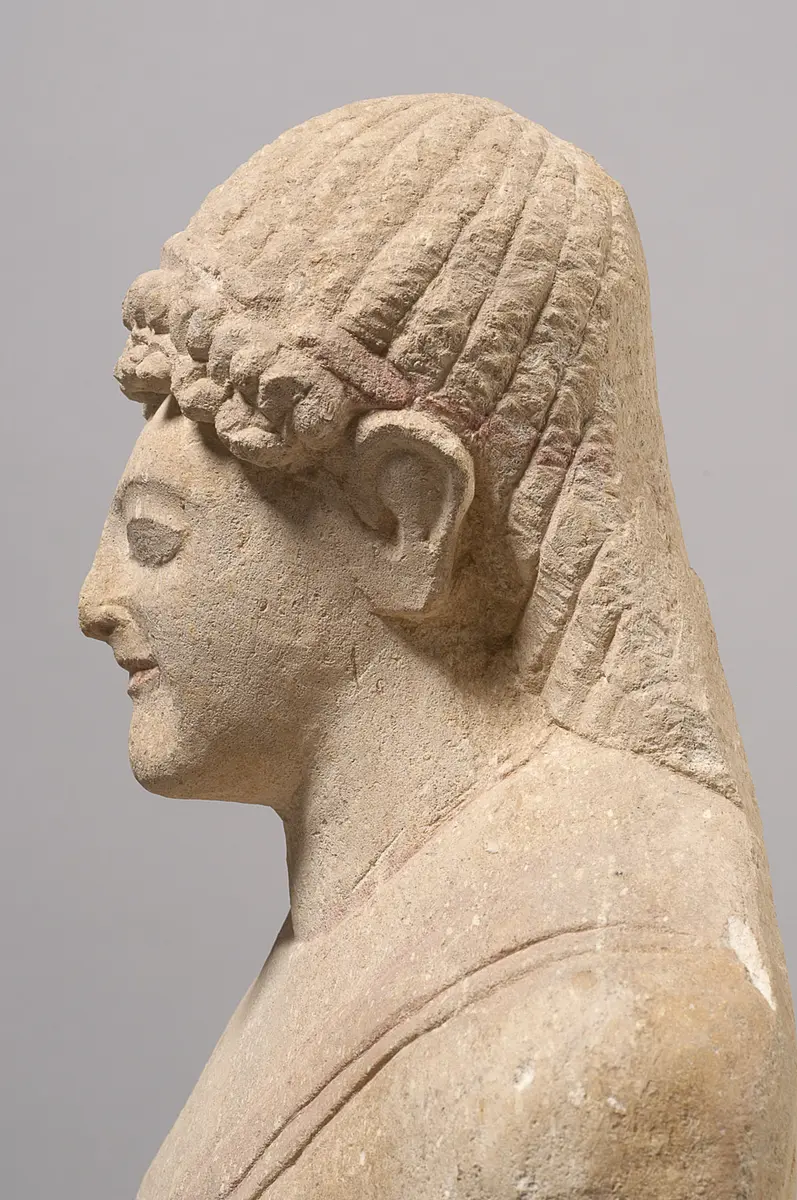
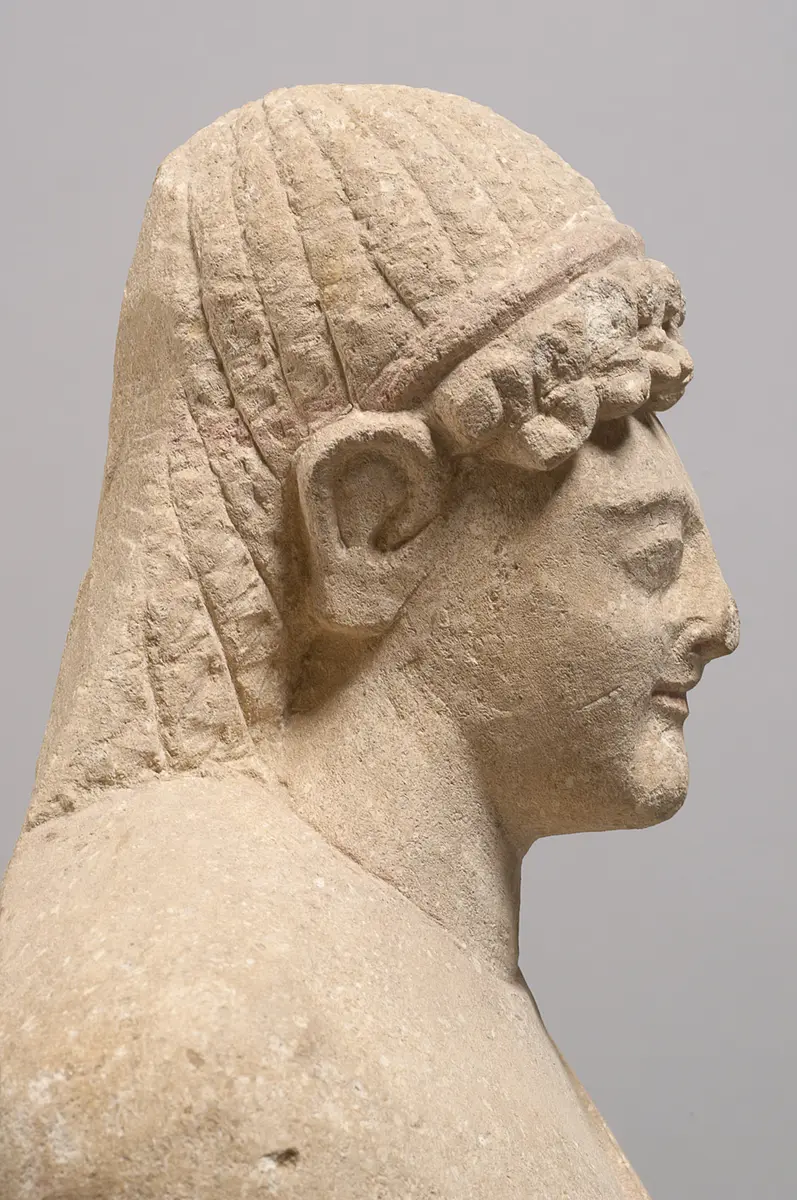
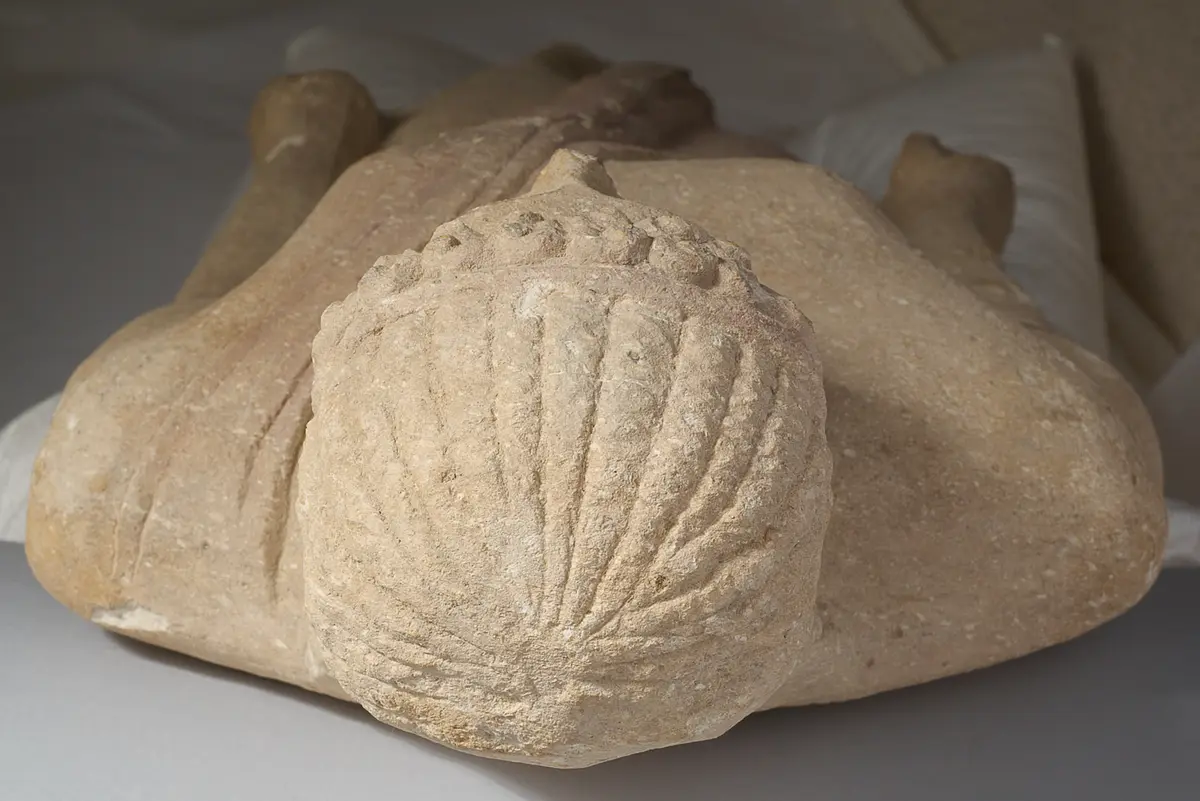
A young man depicted frontally in kouros style (cf. cat. nos. 76 and 78), with one leg advanced, slightly angled arms at his sides, and clenched fists. The young man has a muscular body with broad shoulders, pronounced upper arm muscles and a powerful neck. His hair, adorned with a thin ribbon, lies in separate strands radiating from the calotte, while a double row of curls hangs over the forehead. At the back the mass of hair hangs down over his back like a wig. His attire consists of an undergarment and a red wrap falling from the left shoulder across the front of his body in layers of folds and covering the right side of his body from the crook of the arm downwards, leaving the right side of his chest and his left flank uncovered. The undergarment was -- with the exception of the round neck, which was contoured and also painted red -- indicated only by red lines marking the seam of the sleeves in the bends of the arms and running along the upper arms. This is further evidence (along with the incomplete elaboration of the rear) that the figurine was intended to be viewed only from the front. There are traces of red paint on the undergarment and the wrap but also on the mouth. On the left eye traces of black paint remain from the painting of the pupil. The rear is crudely worked, partly still in slabs, although the figure’s buttocks have been given plastic shape.
A. Bernhard-Walcher u.a., Die Sammlung zyprischer Antiken im KHM. Sammlungskataloge des KHM Bd. 2, Wien 1999 (K. Gschwantler)
Time:
520 - 480 v. Chr.
Culture
Zyprisch
Location of discovery:
Idalion (Dhali, Zypern)
Material/technology:
Kalkstein; Reste von Bemalung
Dimensions:
H. 70,5 cm
Copyright
Kunsthistorisches Museum, Antikensammlung
Invs.
Antikensammlung, I 625
Provenance
Millosicz, Georg von, Wien; 1890 Kauf aus dem Nachlass
Browse more
Similar items you might be interested in
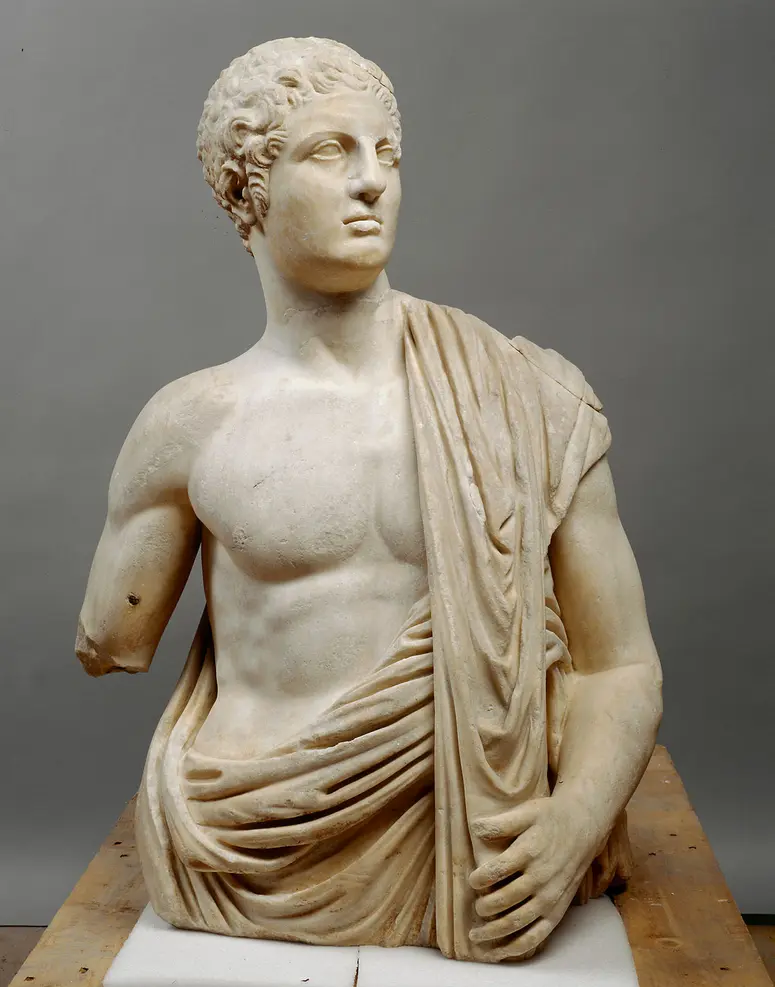
Statue: Oberteil einer männlichen Ehrenstatue Griechisch, Hellenistisch um 100 v. Chr.
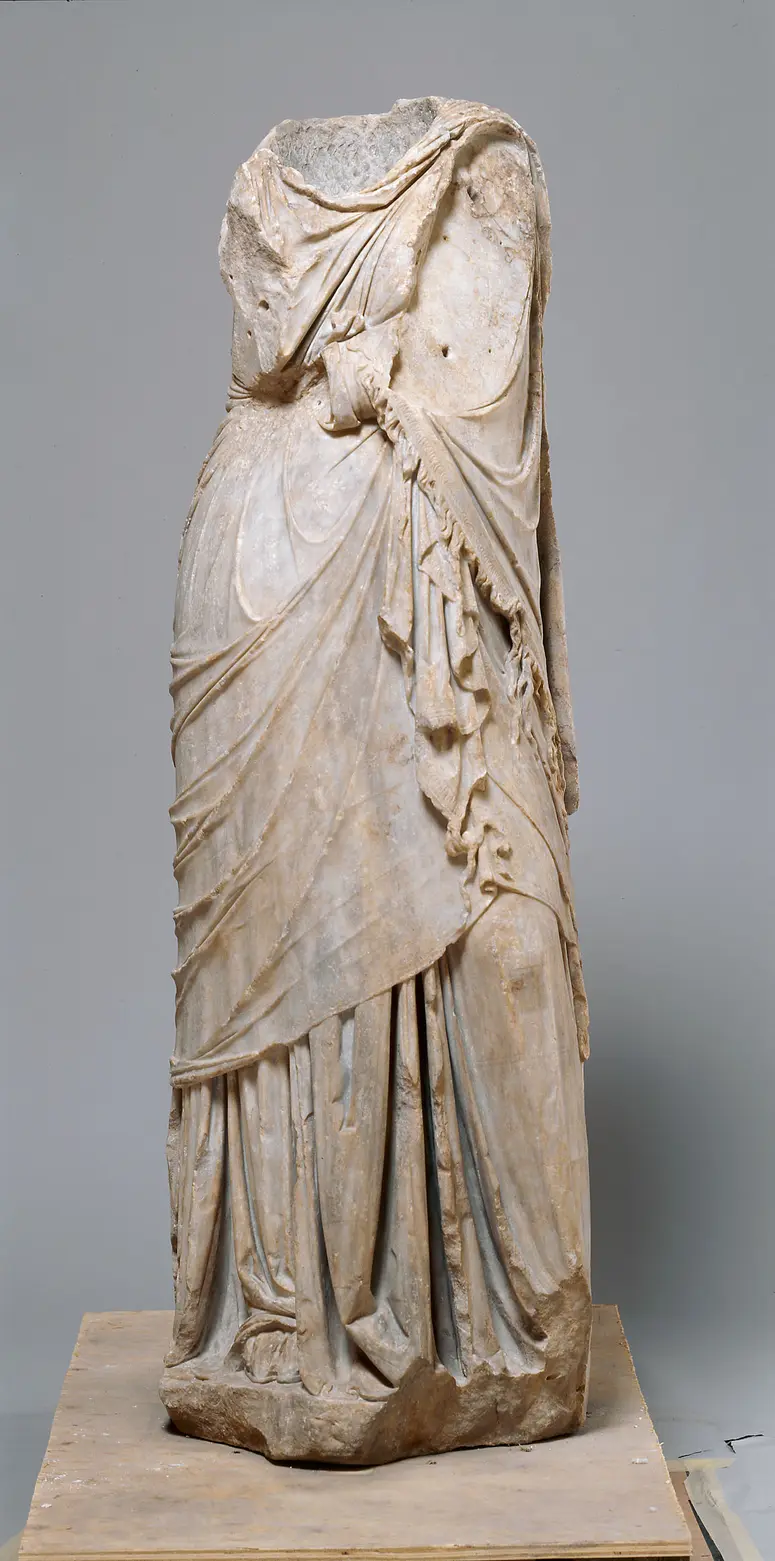
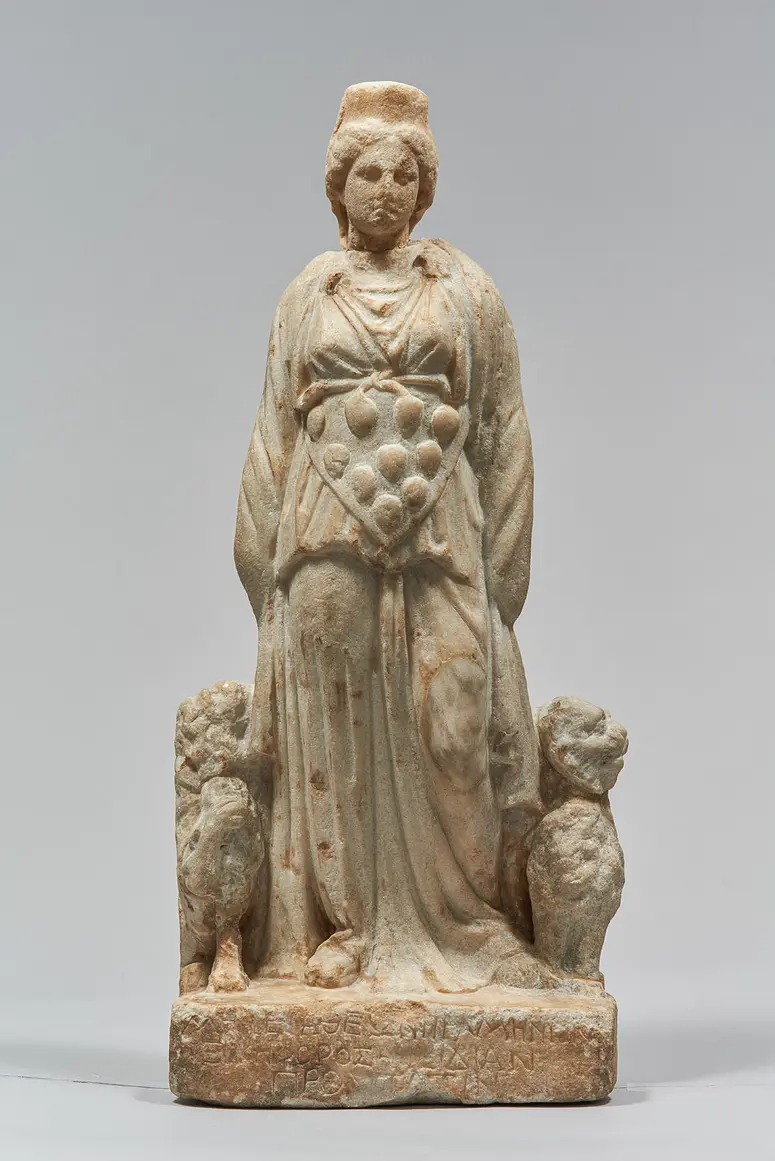
Statuette: Pergamenische Kybele mit Weihung des Neikephoros Griechisch, Hellenistisch (Pergamenisch) 2. Jh. v. Chr.
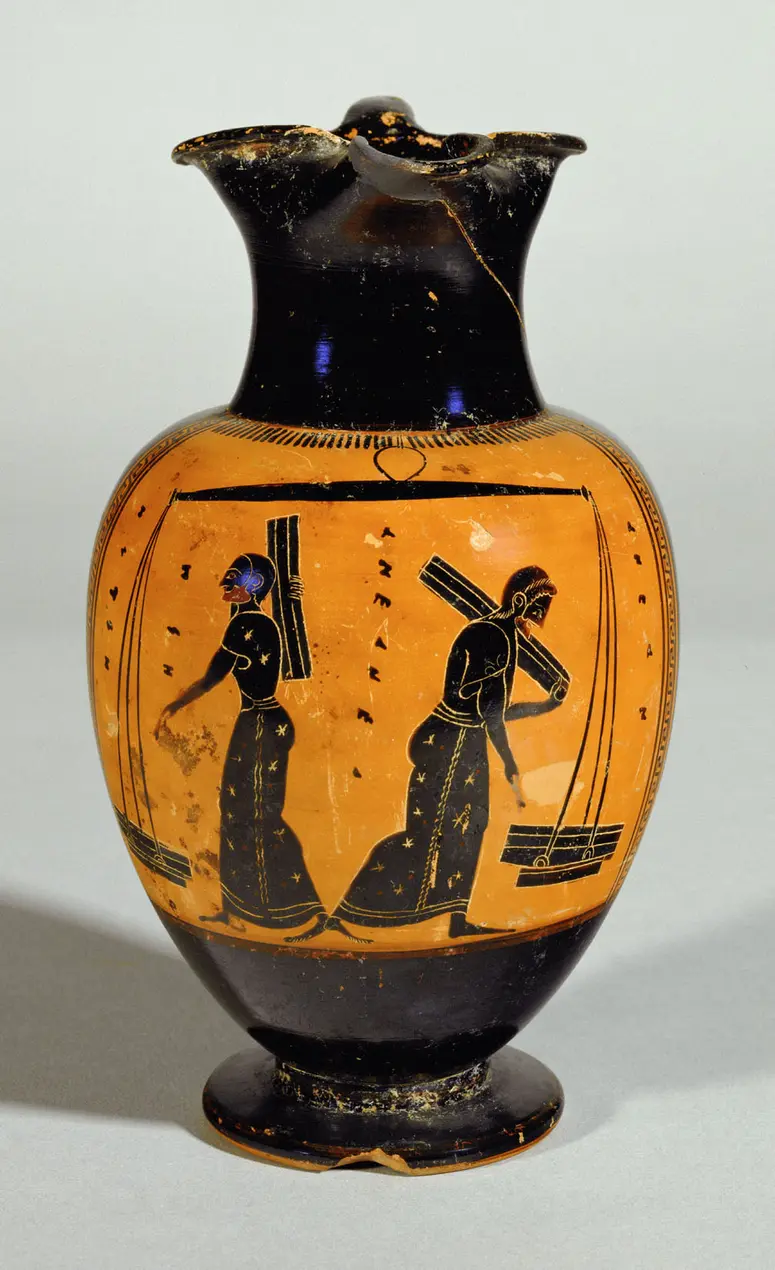
Oinochoe: Szene in einem Textilgeschäft Griechisch, Attisch, schwarzfigurig um 550 v. Chr.
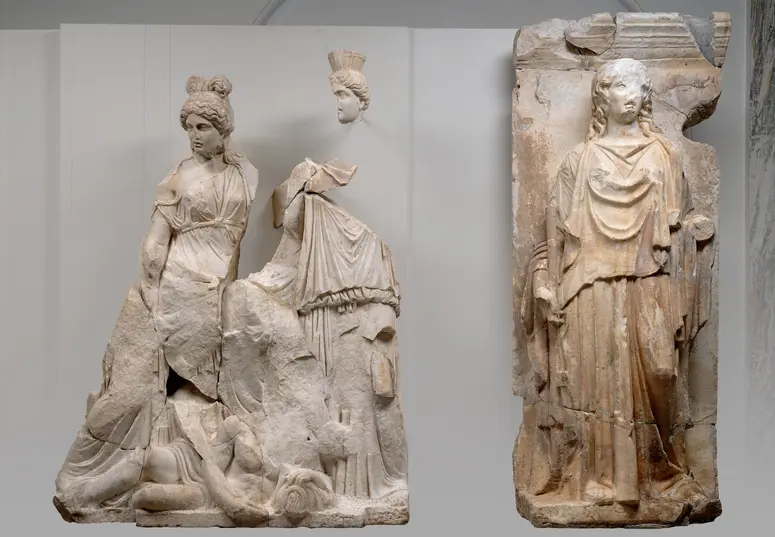
Relief: Götterversammlung: Demeter Römisch, Mittlere Kaiserzeit Mitte des 2. Jhs. n. Chr.
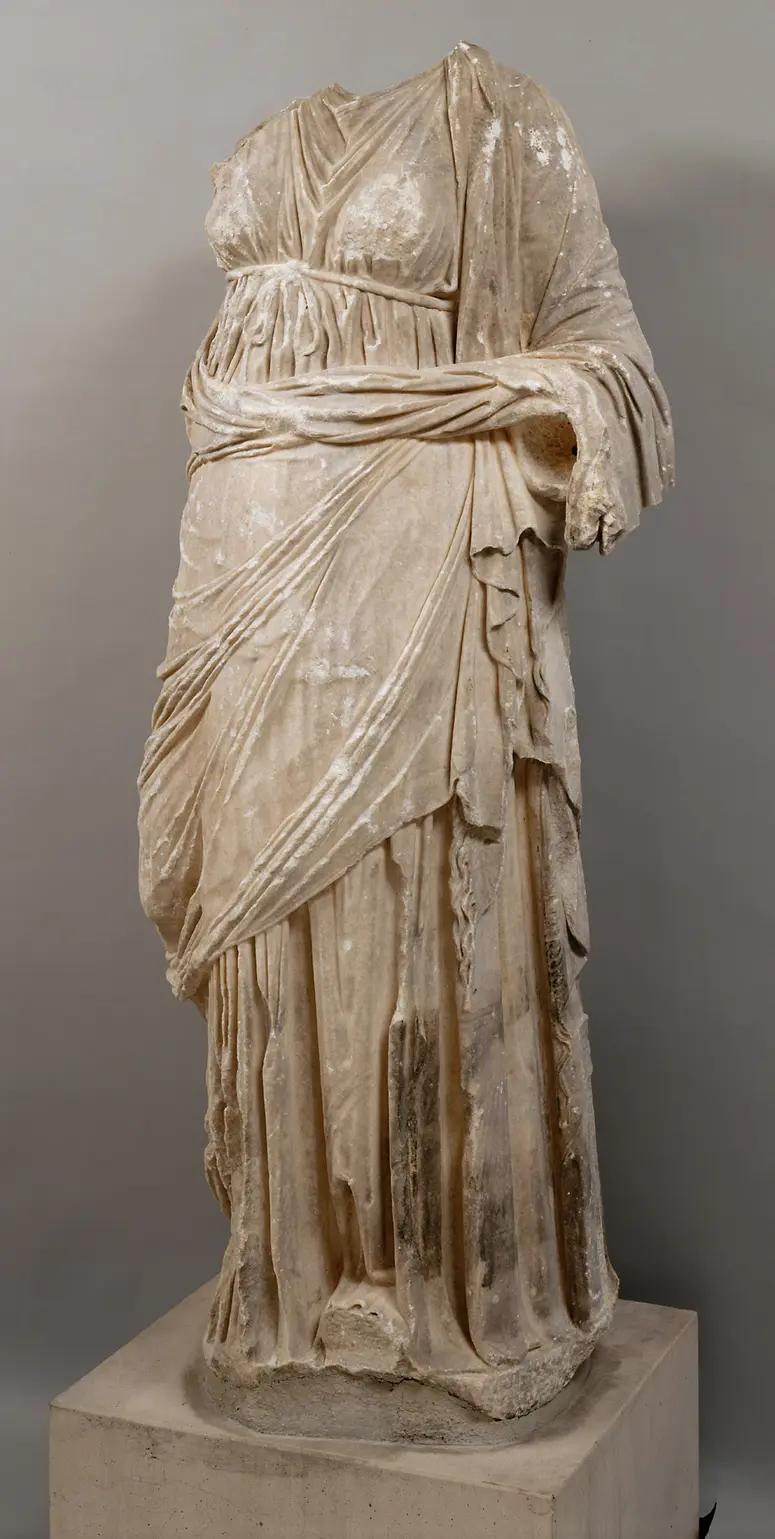
Statue: Torso einer weiblichen Gewandstatue Römisch, Mittlere Kaiserzeit 2. Jh. n. Chr., nach hellenistischem Original
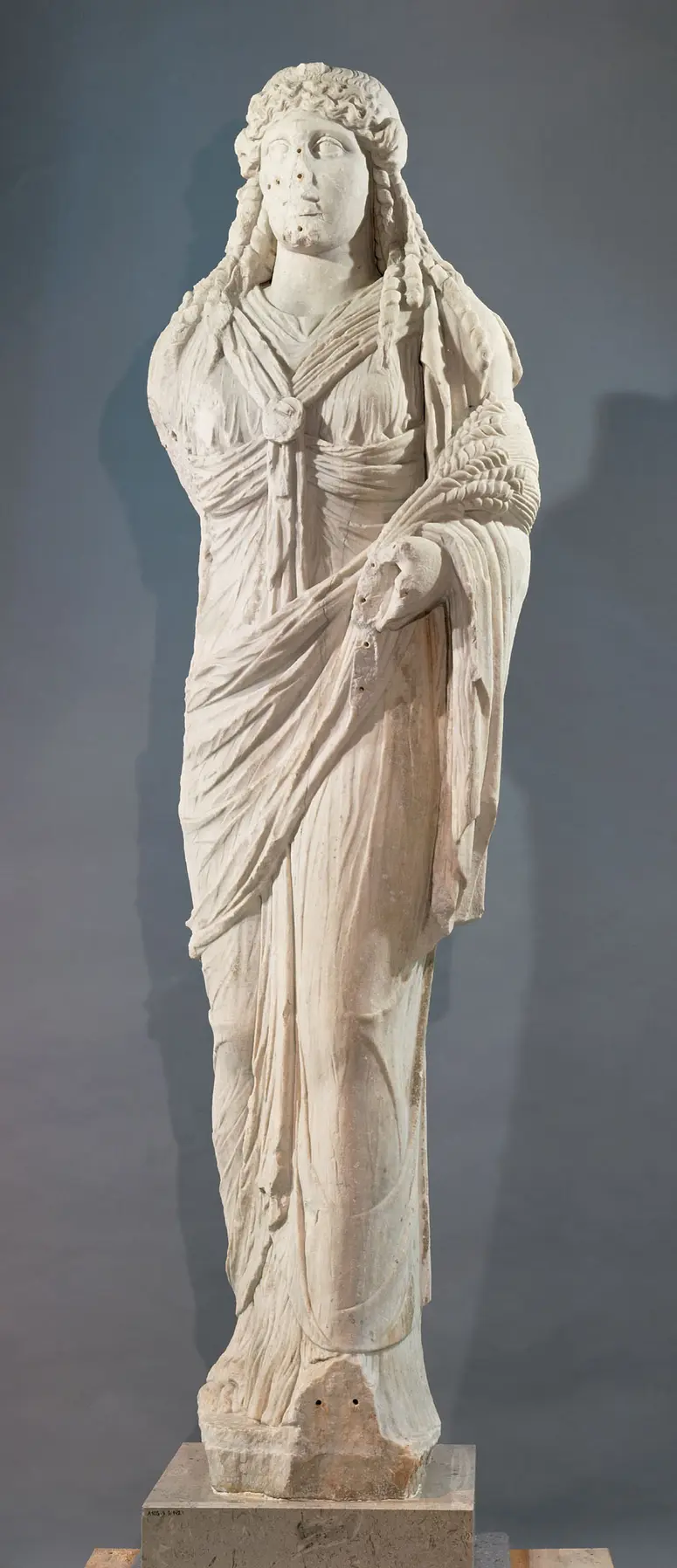
Statue: Isis Römisch, Kaiserzeit 1. - 2. Jh. n. Chr., nach griechischem Vorbild des 4. Jh. v. Chr.
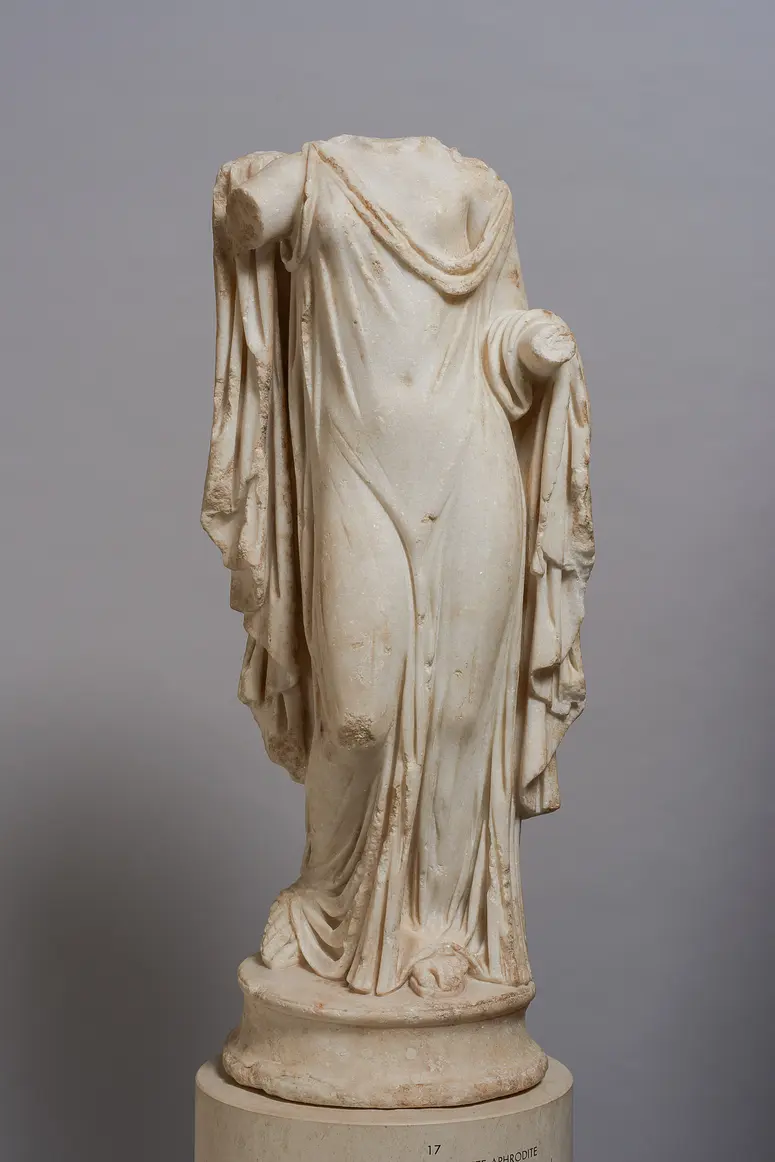
Statuette: Bekleidete Aphrodite (Typus Venus Genetrix) Römisch, Kaiserzeit 1. - 2. Jh. n. Chr., nach griechischem Vorbild des 5. Jh. v. Chr.
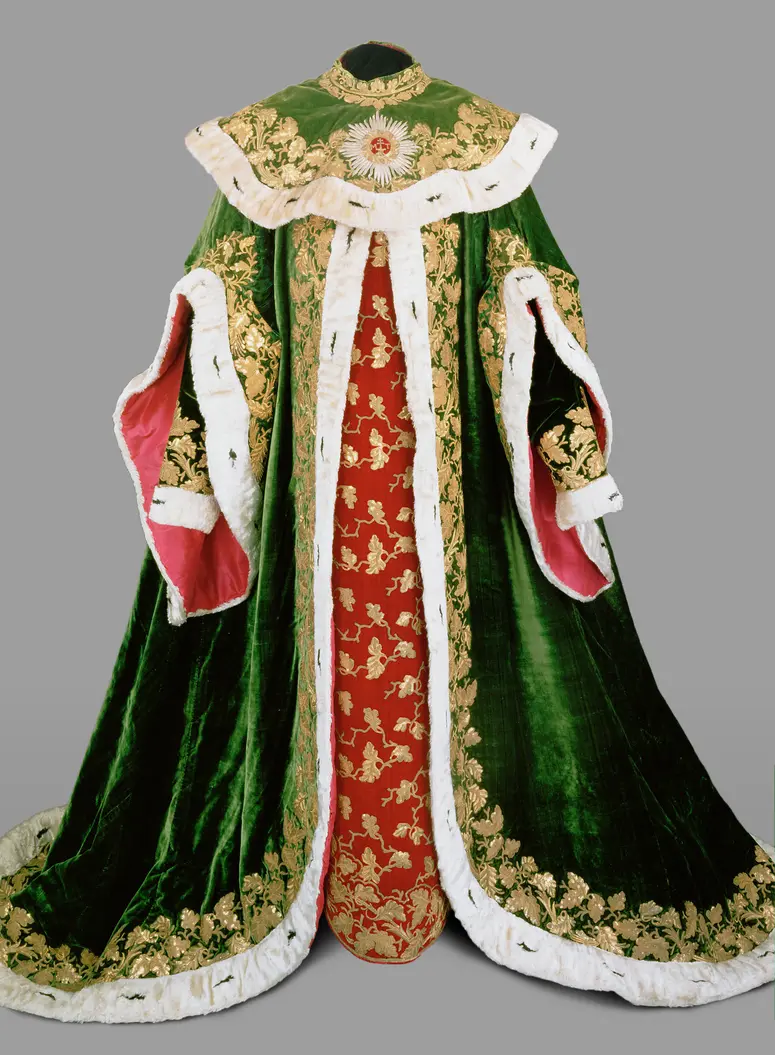
Ornat eines Ritters des Ungarischen St. Stefans-Ordens (Großkreuz) around 1765
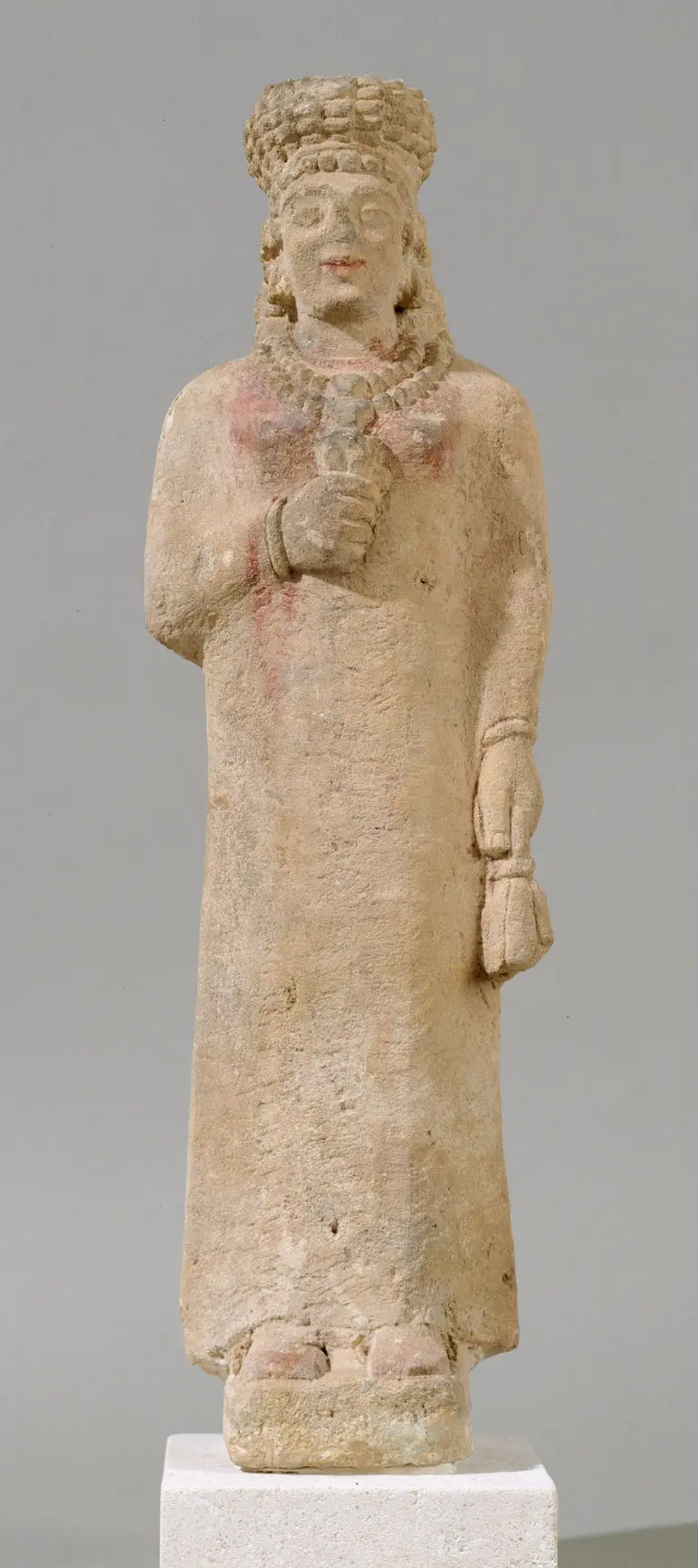
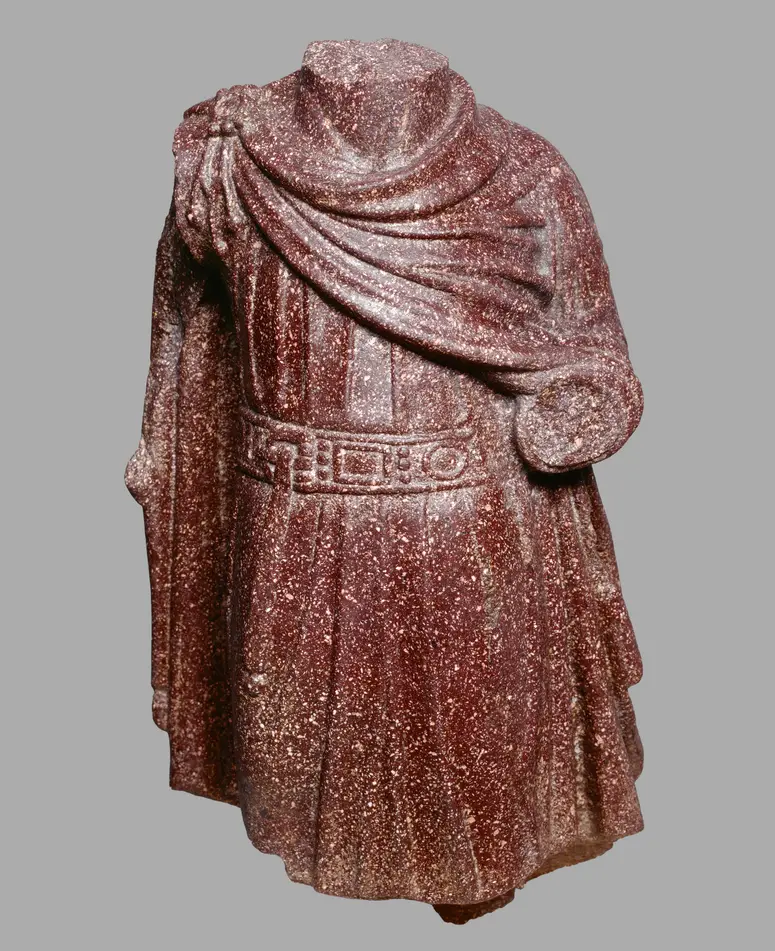
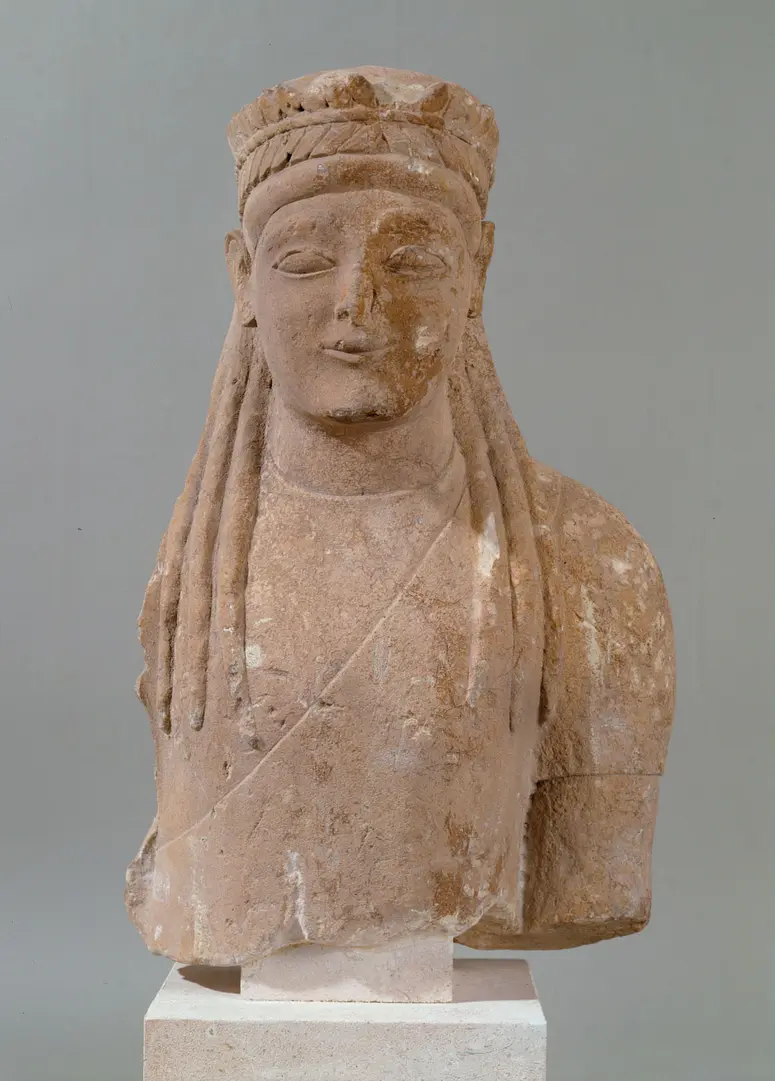
Statue: Oberteil einer männlichen Votivstatue Zyprisch, Eisenzeit, archaisch um 500 v. Chr.


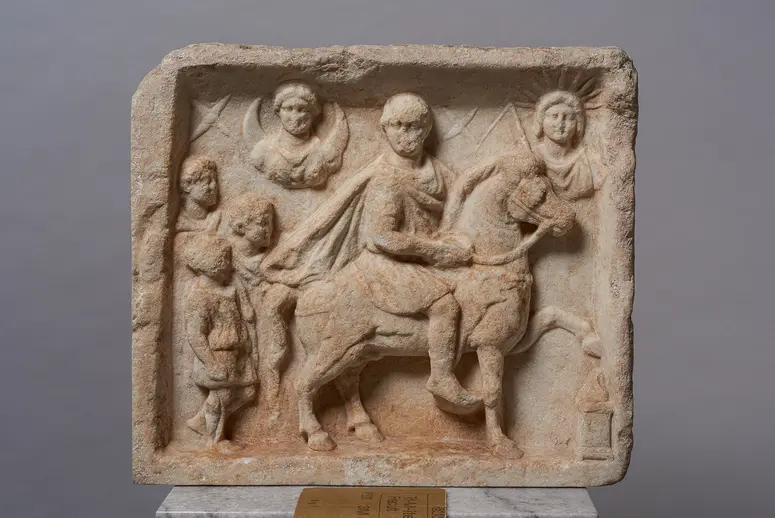
Statuette: Jupiter Dolichenus und Juno Regina Römisch, Späte Kaiserzeit 1. Hälfte 3. Jh. n. Chr.
Ornat eines Ritters des Ordens vom Goldenen Vlies 18th century