Pergamenische Kybele mit Weihung des Neikephoros
2. Jh. v. Chr.
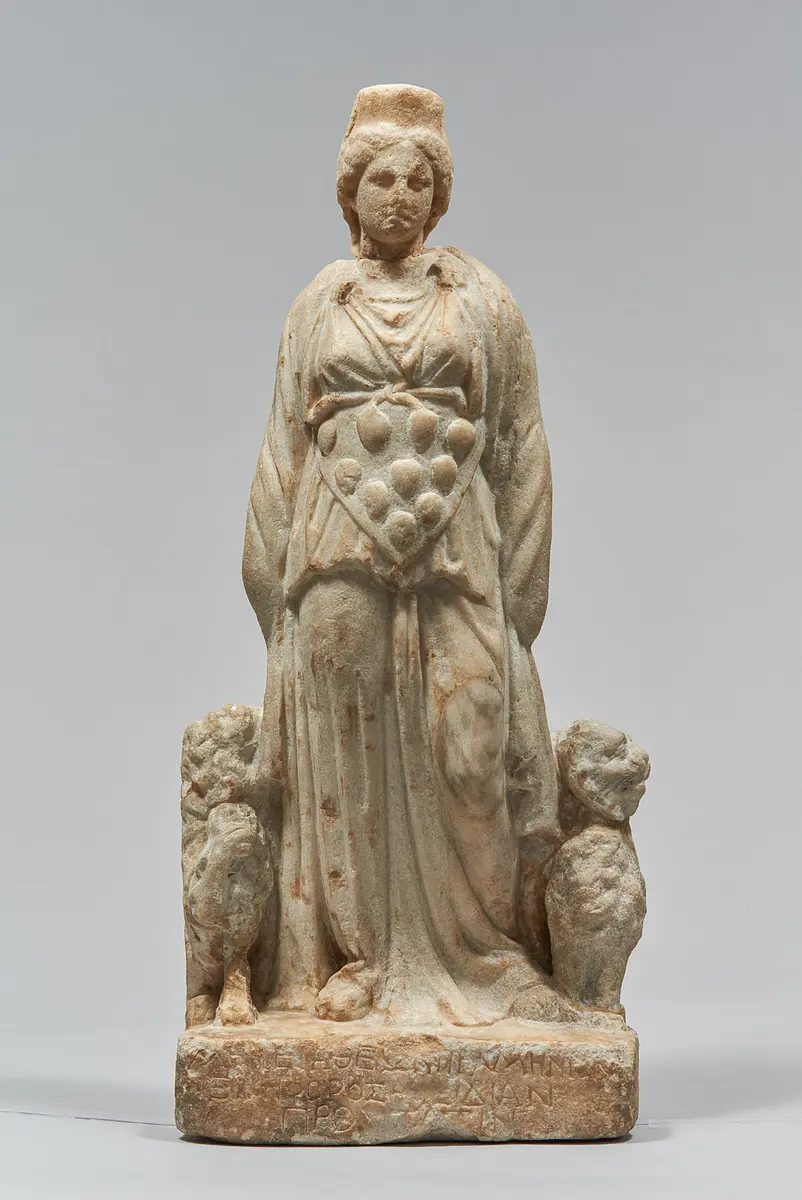
The cult of the mother goddess Cybele originated in Asia Minor. At Pergamon, Cybele was much venerated under the Attalids, who reigned in the third and second century bc. Cybele is shown wearing a long undergarment (chiton) and a cloak (himation). Note the triangular apron below her breast set with ten humps, which are related to the »breasts« of the Ephesian Artemis. The deity is accompanied by two lions. The inscription on the plinth identifies the donor of the statuette.
The cult of the mother goddess Cybele originated in Asia Minor. At Pergamon, Cybele was much venerated under the Attalids, who reigned in the third and second century bc. Cybele is shown wearing a long undergarment (chiton) and a cloak (himation). Note the triangular apron below her breast set with ten humps, which are related to the »breasts« of the Ephesian Artemis. The deity is accompanied by two lions. The inscription on the plinth identifies the donor of the statuette.
Time:
2. Jh. v. Chr.
Object Name
Statuette
Culture
Griechisch
Location of discovery:
Unbekannt
Material/technology:
Marmor
Dimensions:
50 cm × 22 cm × 12 cm
Inscribed
Μητέρα θεῶν Πγαμηνὴν
Νεικηφόρος ν εἰδίαν
προστ̣ά̣τιν.
(G. Tozzi 2017)
Copyright
Kunsthistorisches Museum, Antikensammlung
Invs.
Antikensammlung, I 1113
Provenance
Slg. Este - Catajo; im Besitz von Erzherzog Franz Ferdinand; 1923 inventarisch übernommen
Browse more
Similar items you might be interested in
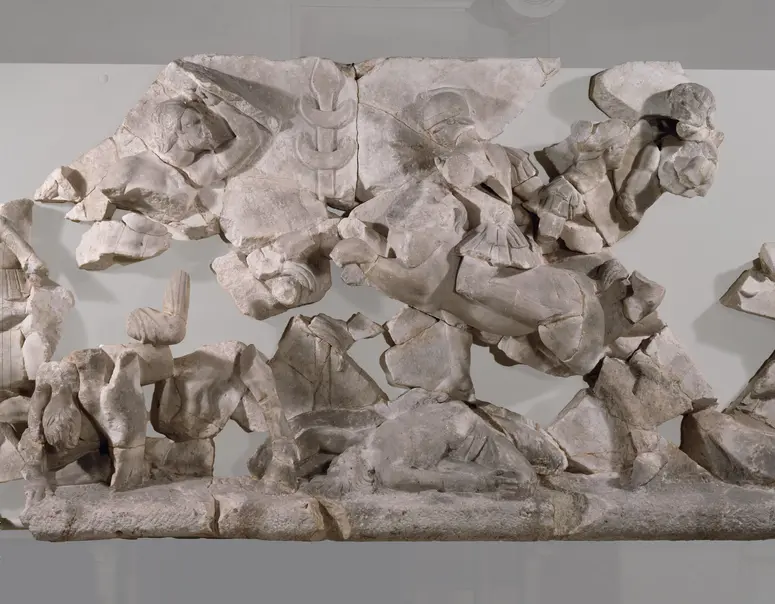
Relief: Reiterschlacht Griechisch, Hellenistisch um 166 v. Chr.
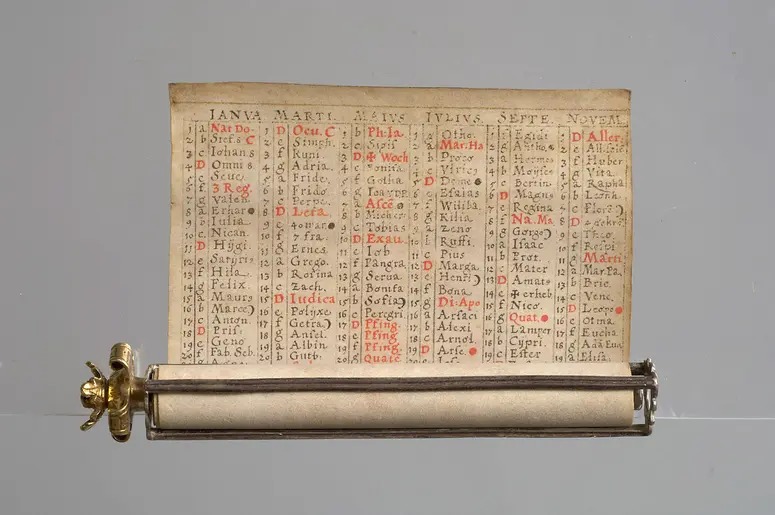
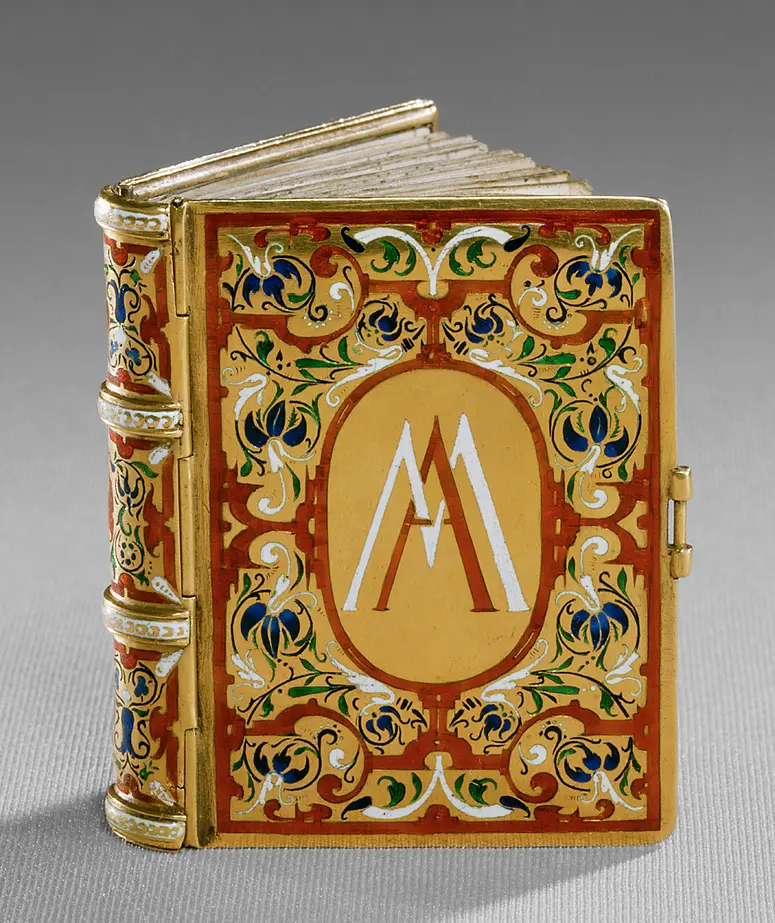
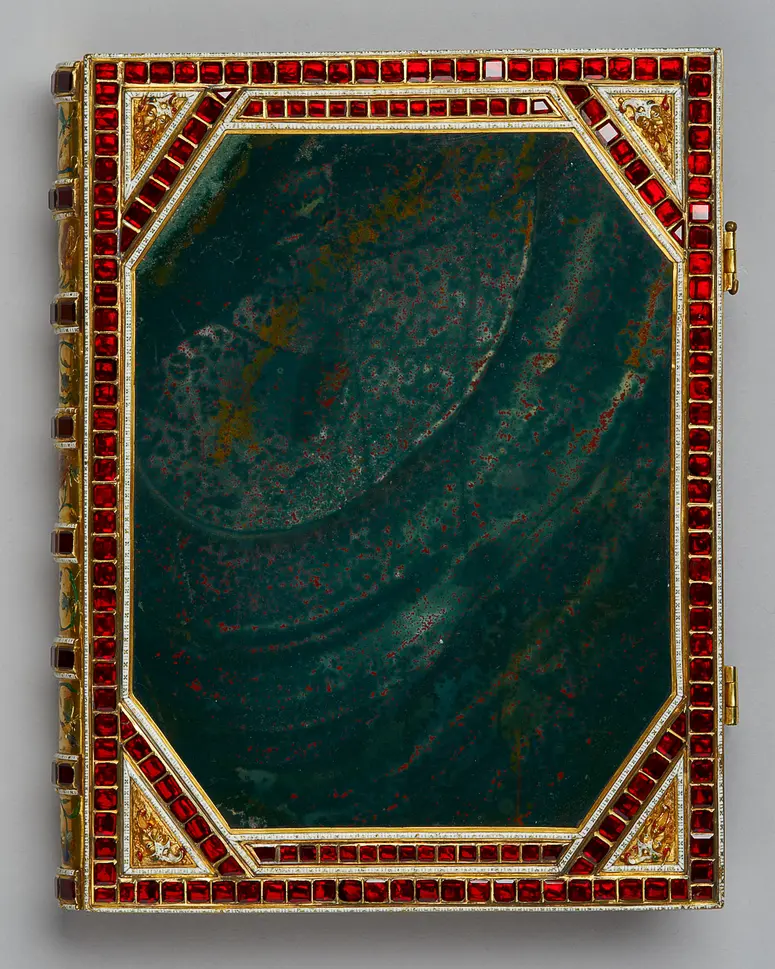
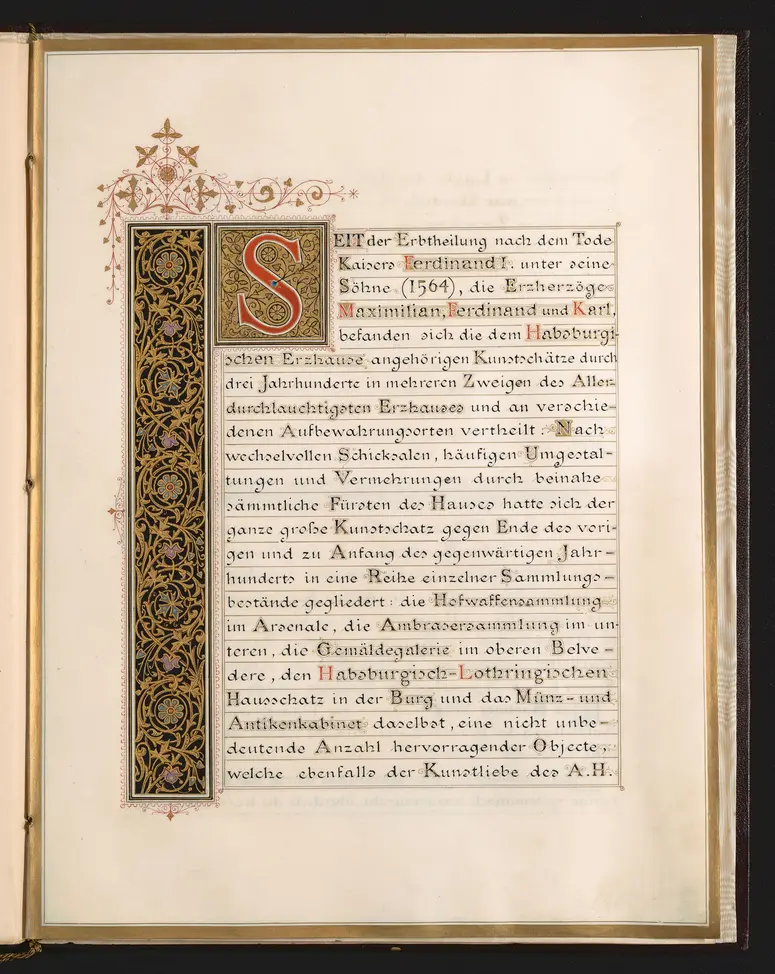
Urkunde abgefaßt anläßlich der Vereinigung des gesamten Bestandes der zum Privat-Fidei-Commiss des Allerhöchsten Kaiserhauses gehörigen Kunstschätze Eduard Ritter von Engerth 1891
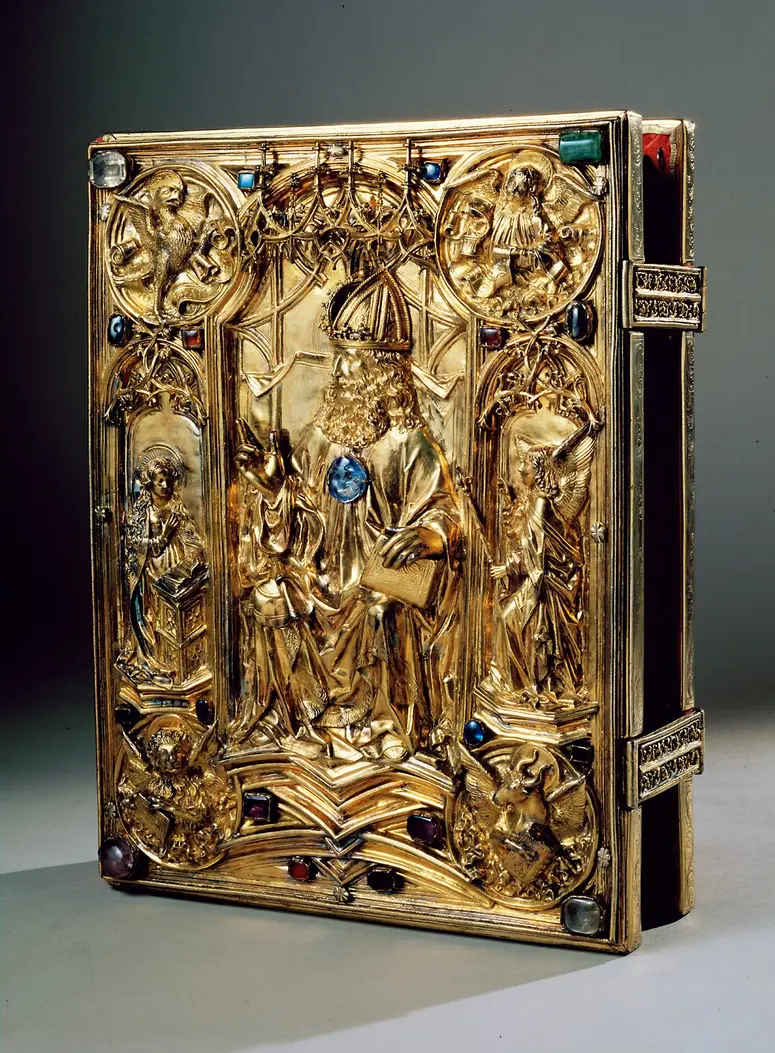
Das Krönungsevangeliar Hans von Reutlingen knapp vor 800, um 1500
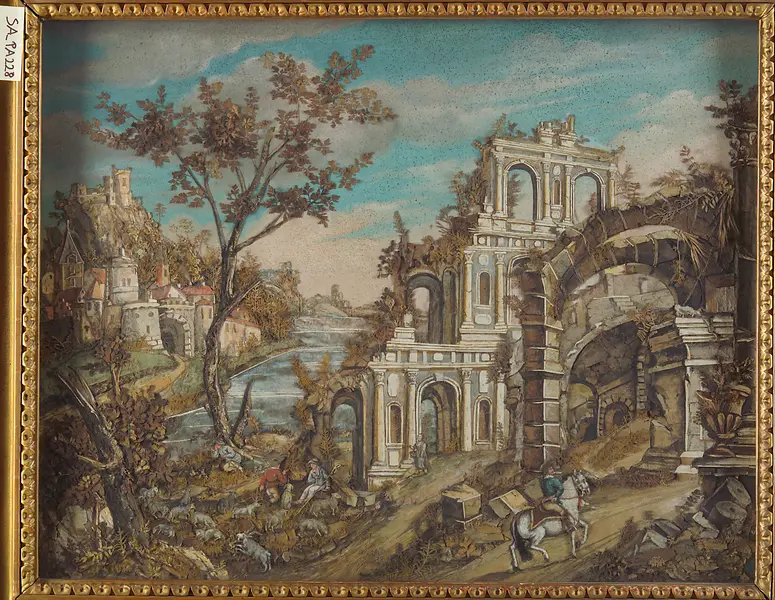
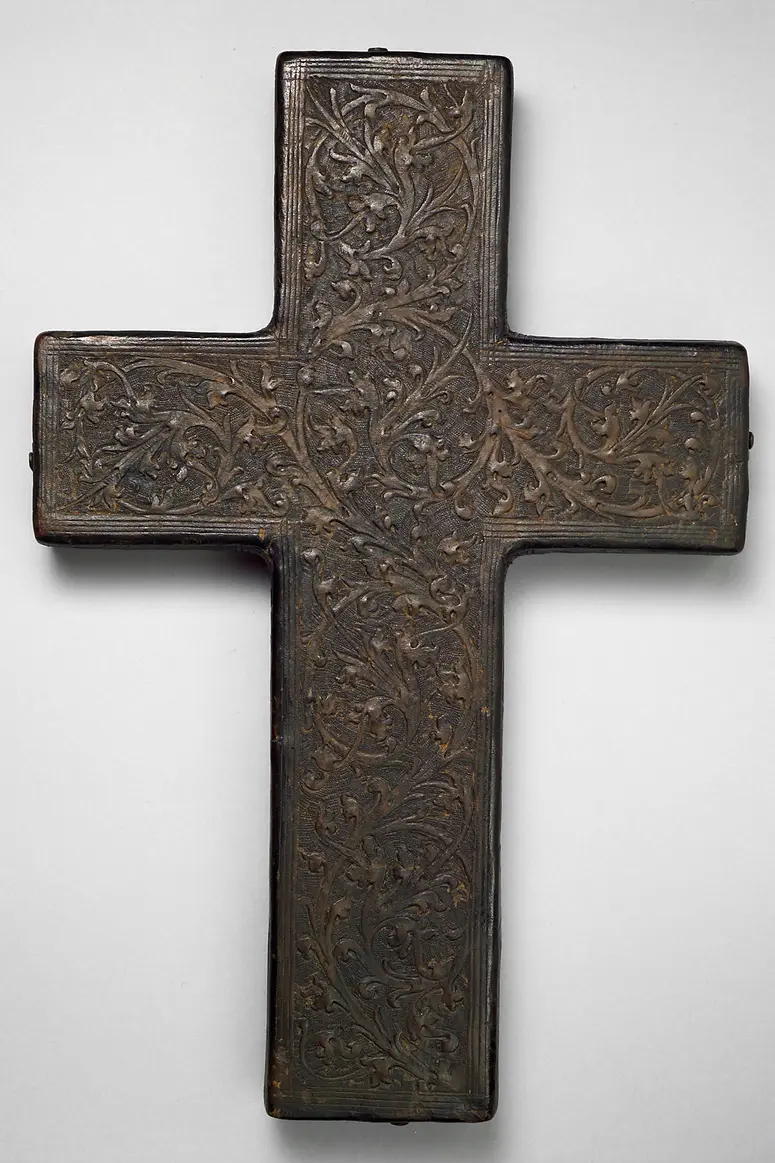
Das Futteral für das Reliquiar mit der Kreuzpartikel 1517 datiert
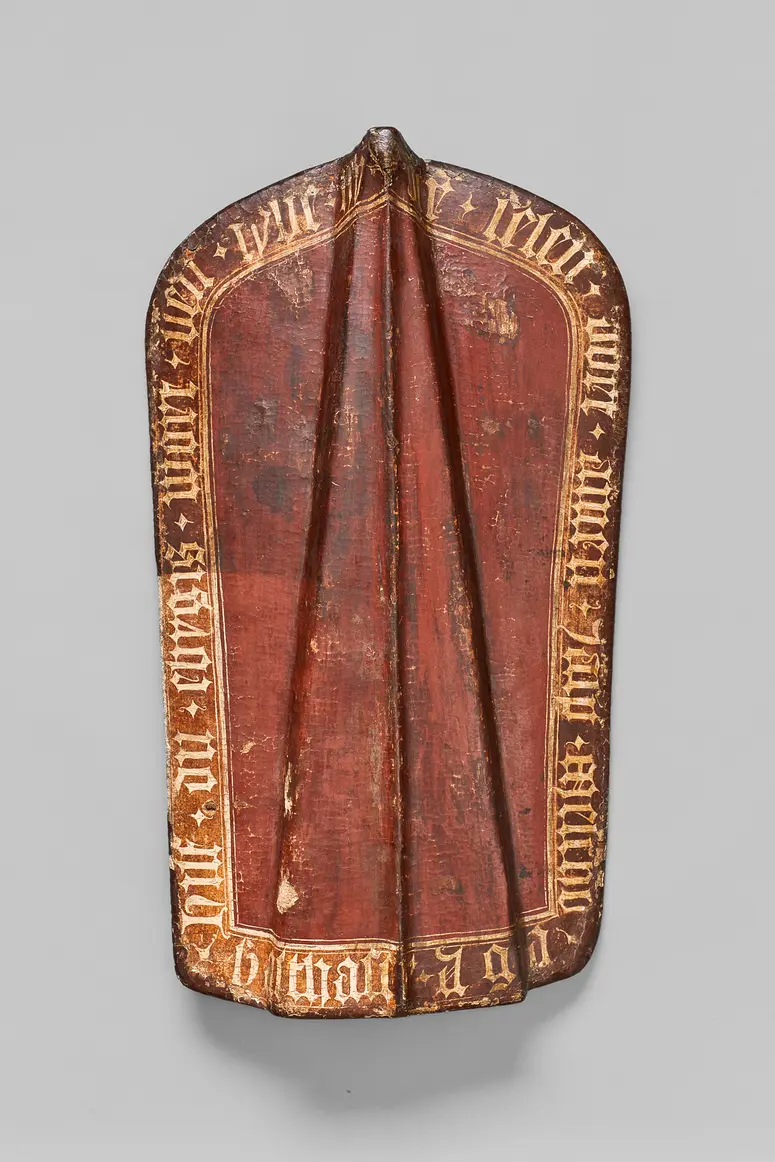
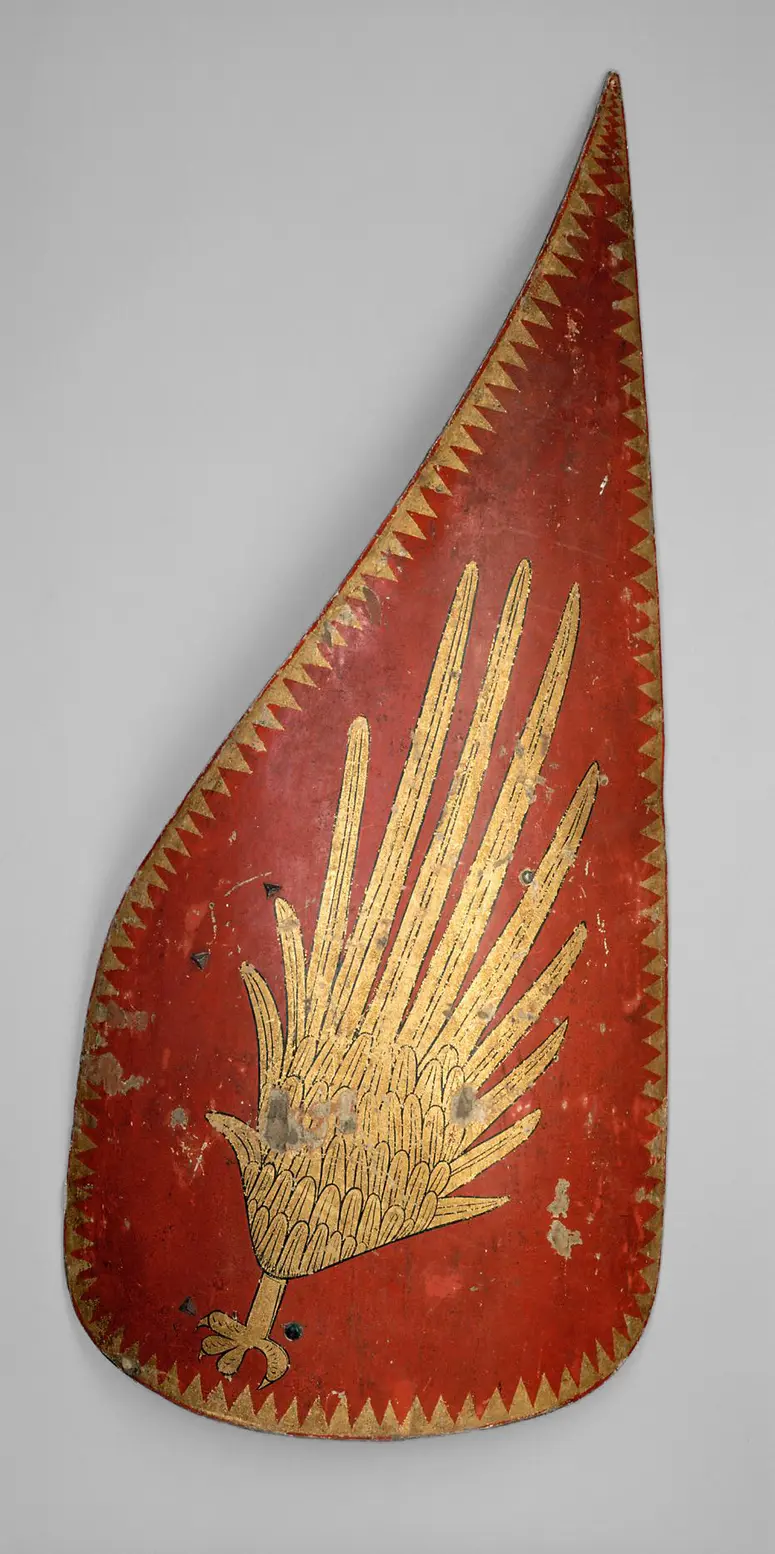
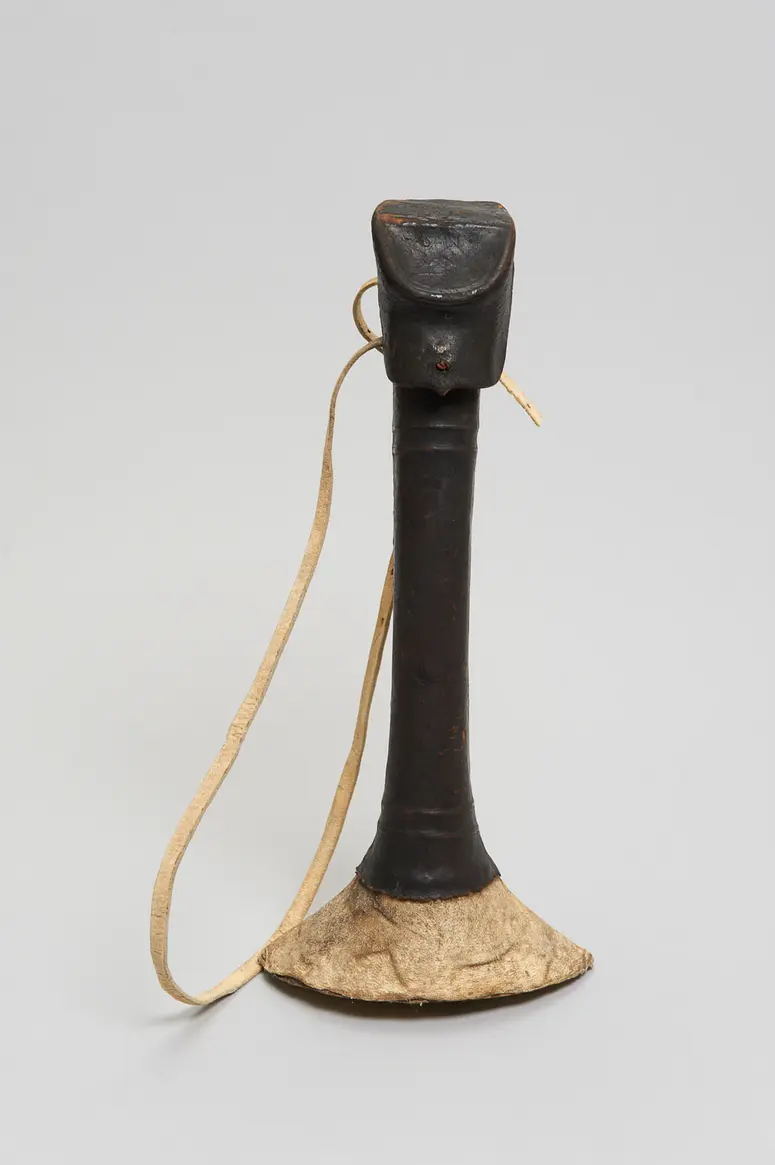
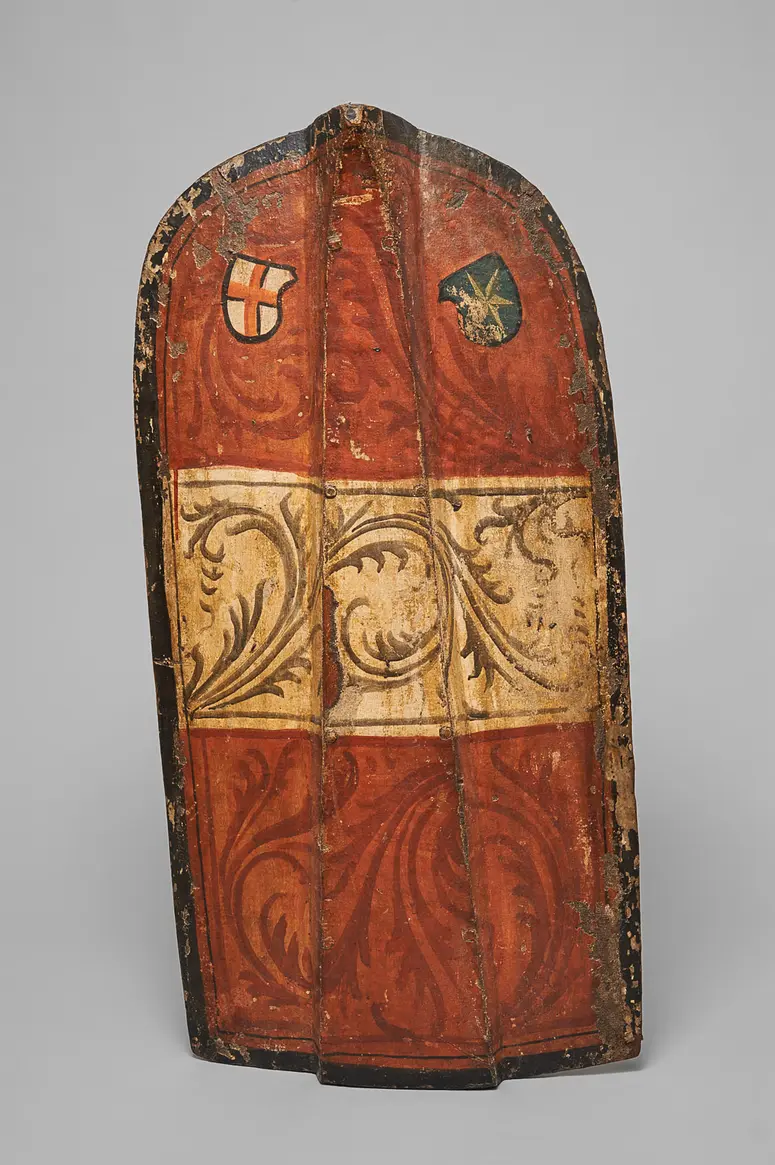
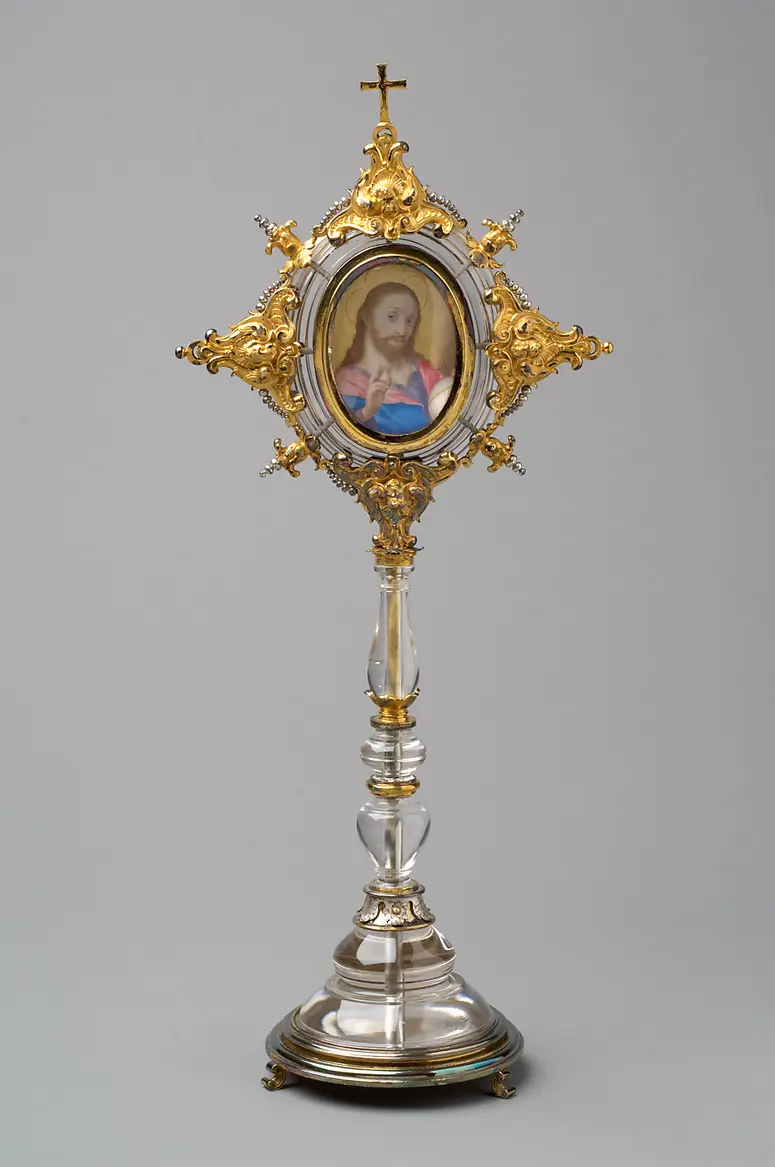
Ostensorium mit Miniaturen Christi und Mariae um 1600
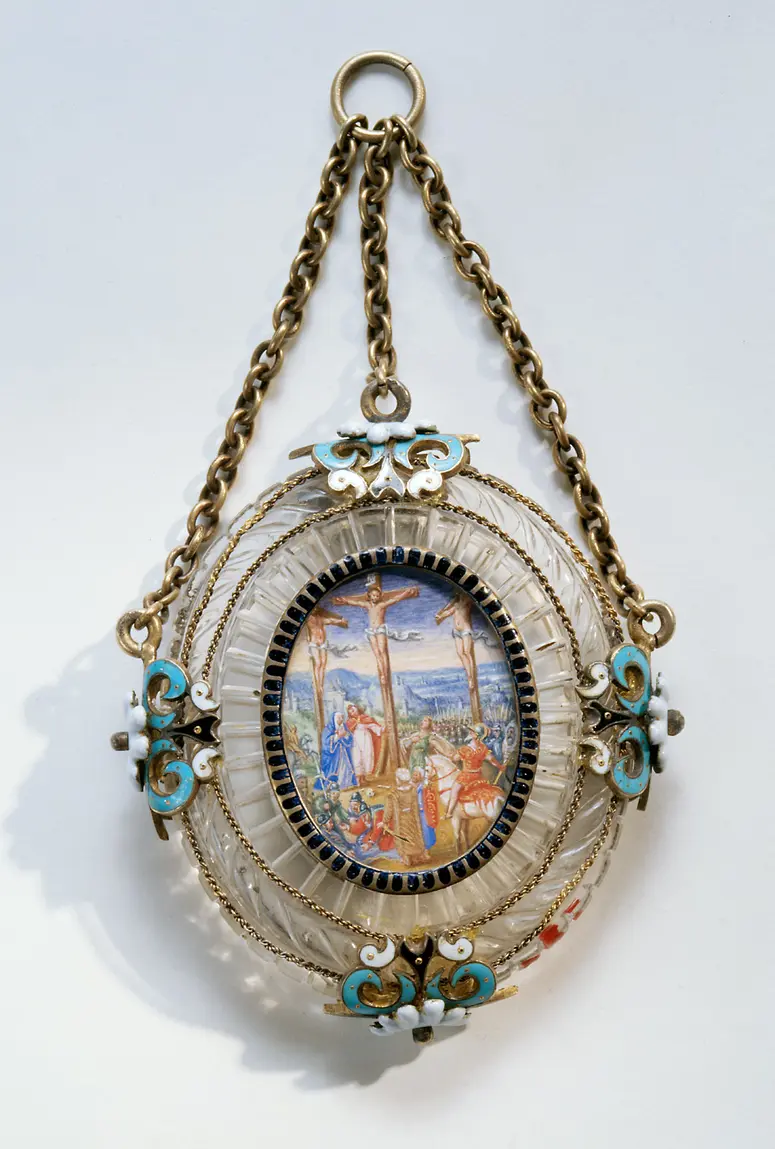
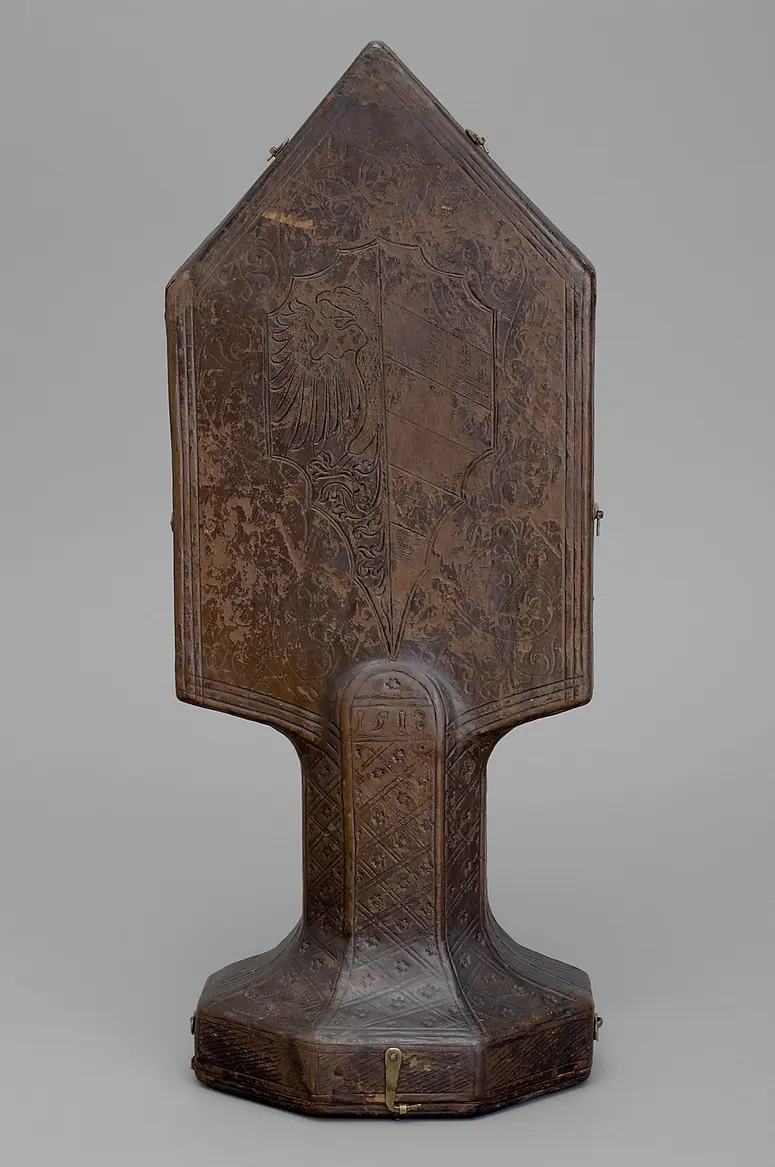
Das Futteral für das Tischtuch-Reliquiar 1518 datiert
Das Futteral für das Schürztuch-Reliquiar 1518 datiert
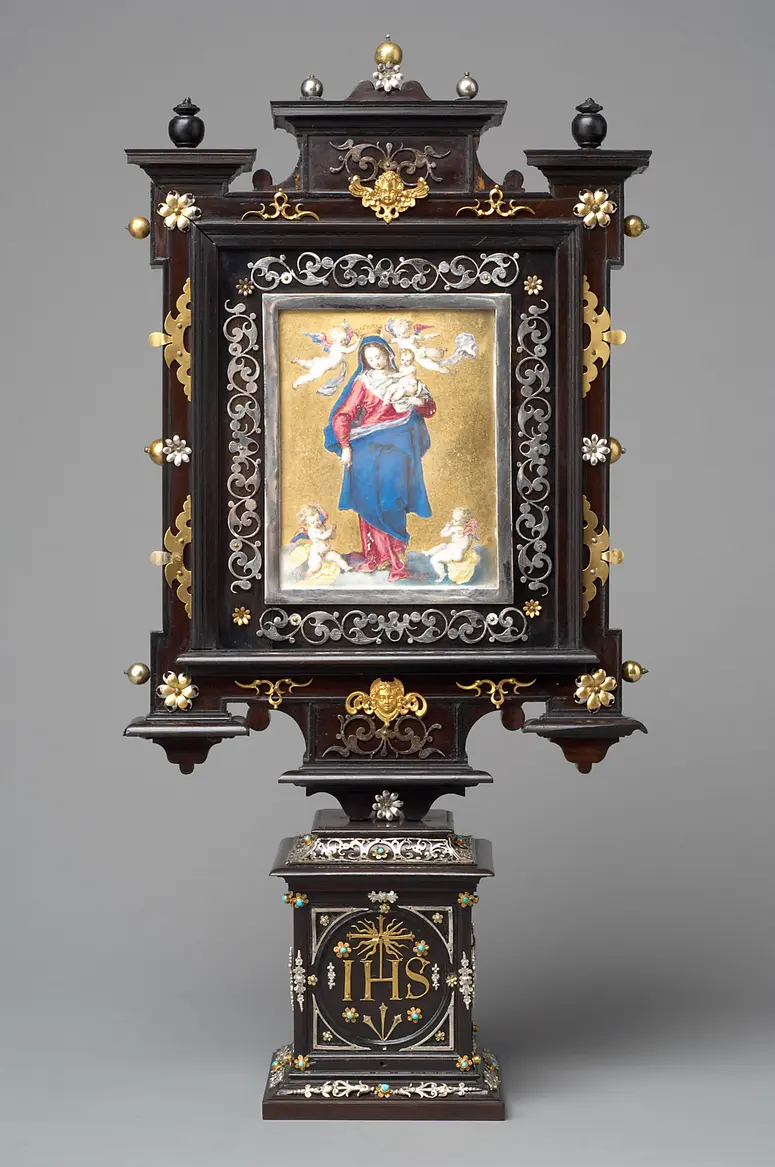
Altärchen mit Maria als Himmelskönigin Ende 16. Jahrhundert, um 1600