Das Krönungsevangeliar
knapp vor 800, um 1500 | Hans von Reutlingen
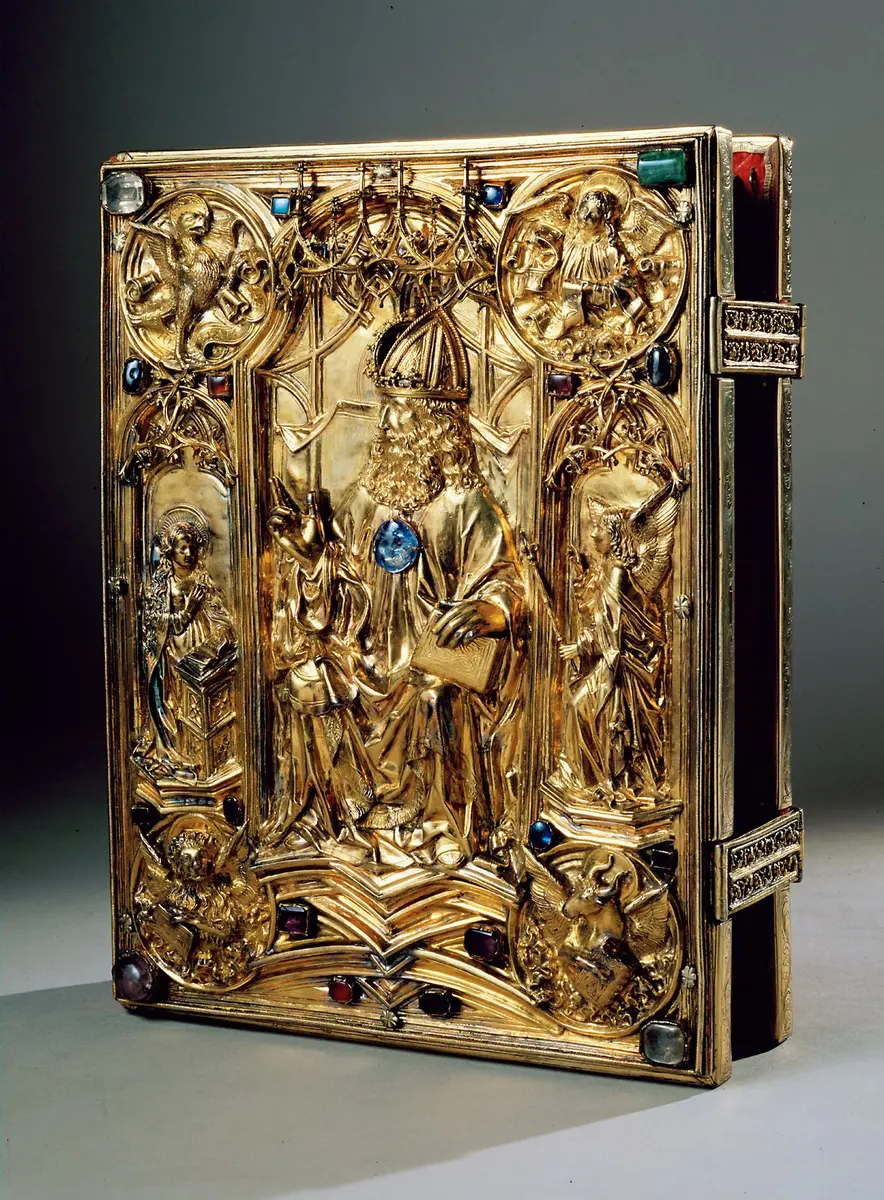
The Vienna Coronation Gospels represent one of the most beautiful manuscripts of the Middle Ages and a major work of court art at the time of Charlemagne. The book consists of 236 purple-dyed vellum leaves with text written in gold and silver ink. Each of the four Gospels begins with a painted portrait of the respective Evangelist. They are executed in a quick and sure hand, creating the illusion of a framed panel painting. The purple background of the page appears to be a dark wall, while the borders around the authors' portraits serve as picture frames enclosing a free space filled with light. The type of depiction of these writing figures clad in white, classic garments is in keeping with ancient portraits of authors, and these extremely illusionist pictures are indebted to the painting of late antiquity in style as well. Thus it has been assumed that a foreigner - probably a Greek - created this outstanding work of the Carolingian Renaissance around 800 at the court in Aachen (Aix-la-Chapelle). Because the future emperor swore his oath on this book, touching the beginning of the Gospel of John with the fingers of his hand, it is called the Coronation Gospels. In around 1500 the Coronation Gospels received a precious new binding of gilt silver on which is depicted, chased in high relief, the figure of God the Father, his hand raised in blessing, surrounded by the rich canopy architecture of his throne in late-Gothic style. Dressed in the imperial vestments and a mitred crown, he appears as an archetypical ideal of a ruler, while his facial features resemble those of Charlemagne, whom all later emperors of the Holy Roman Empire saw as their predecessor.
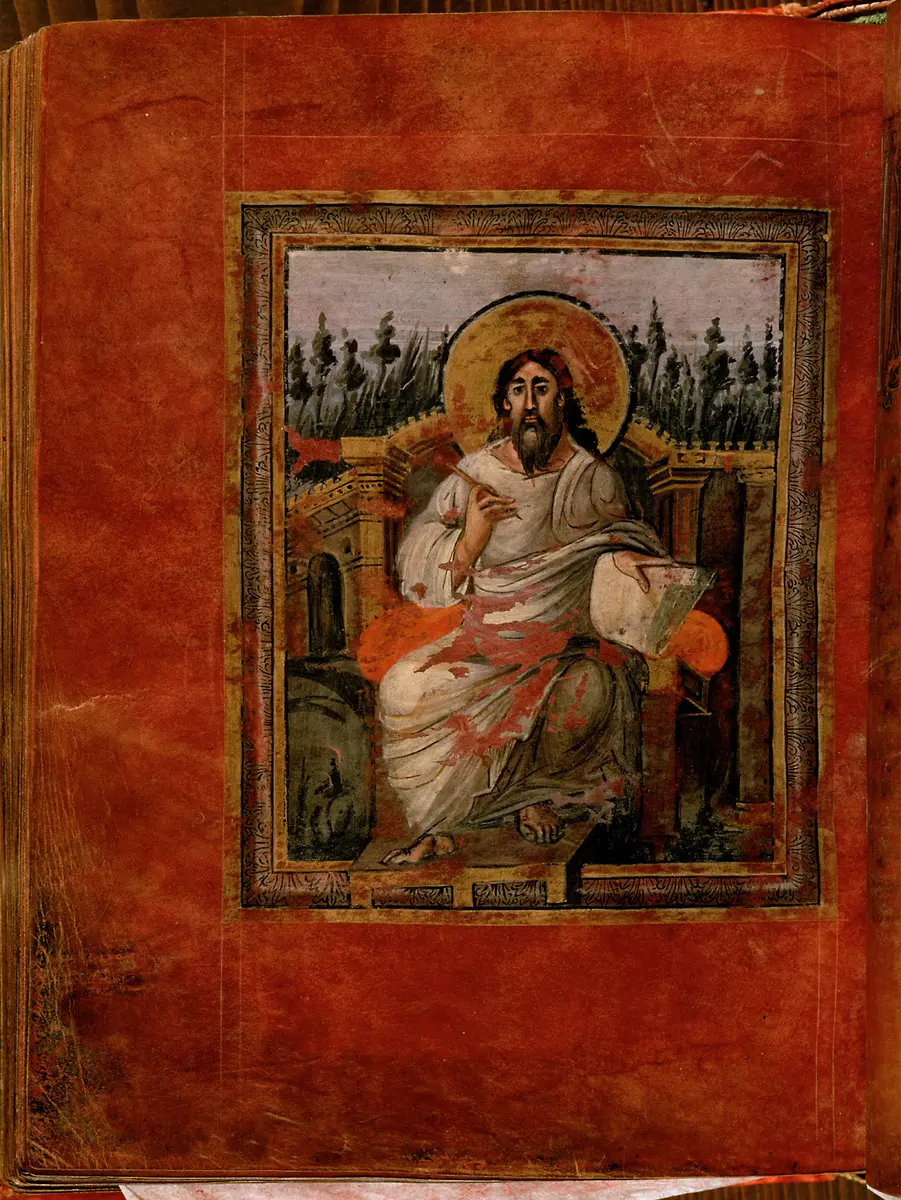
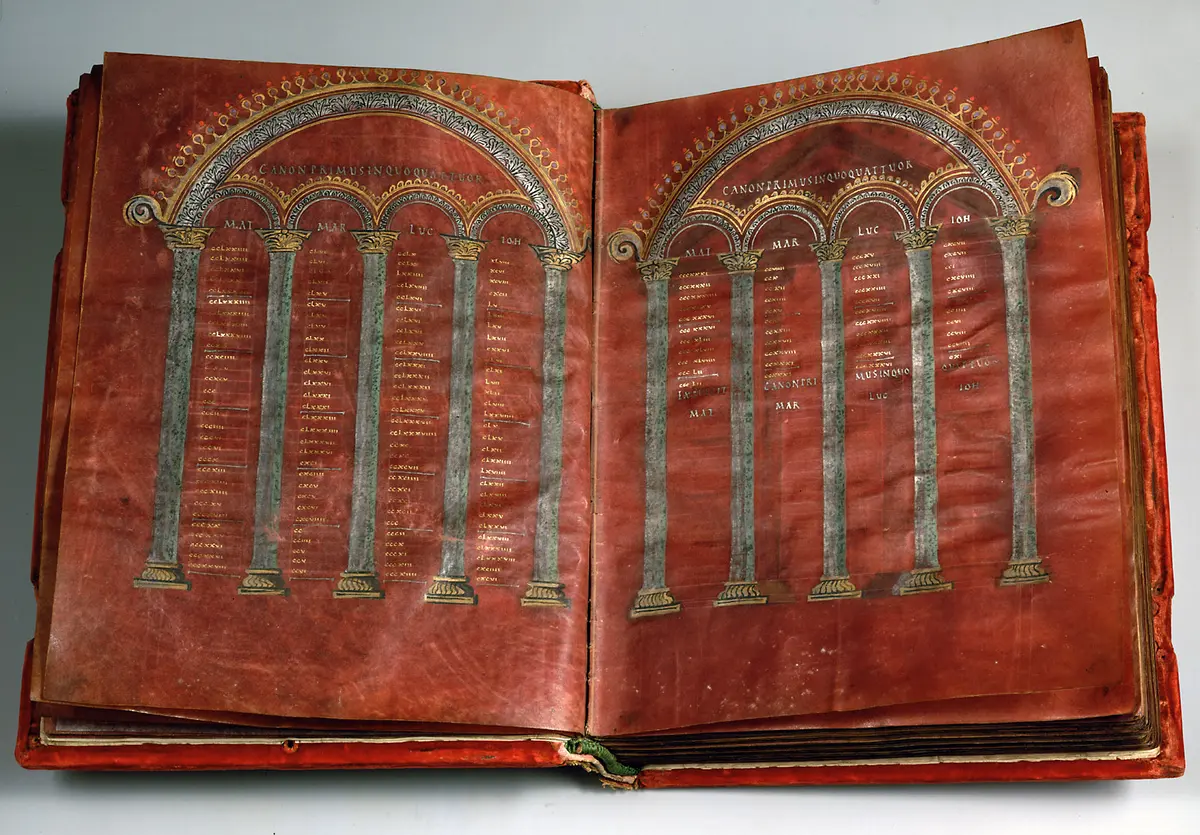
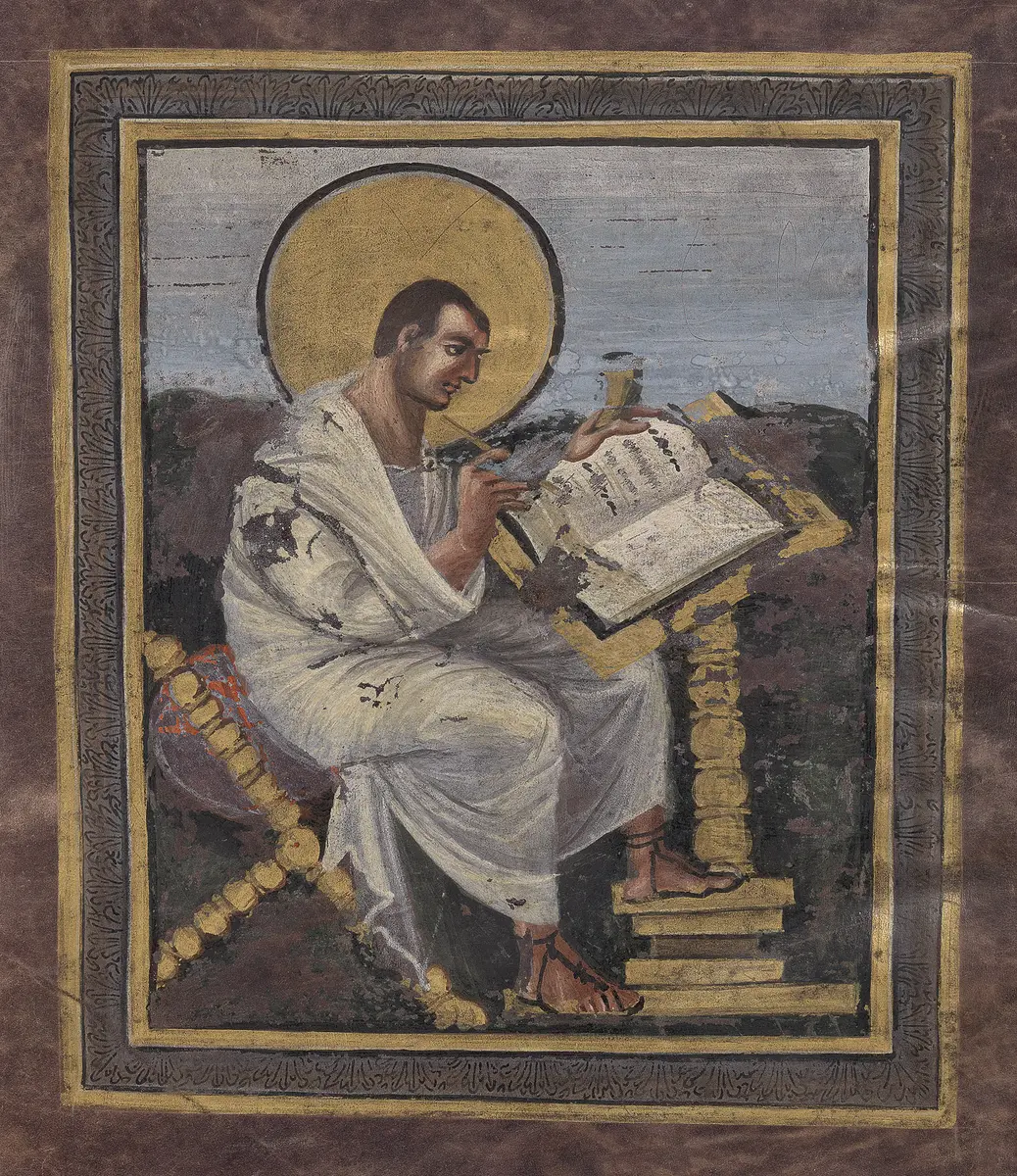
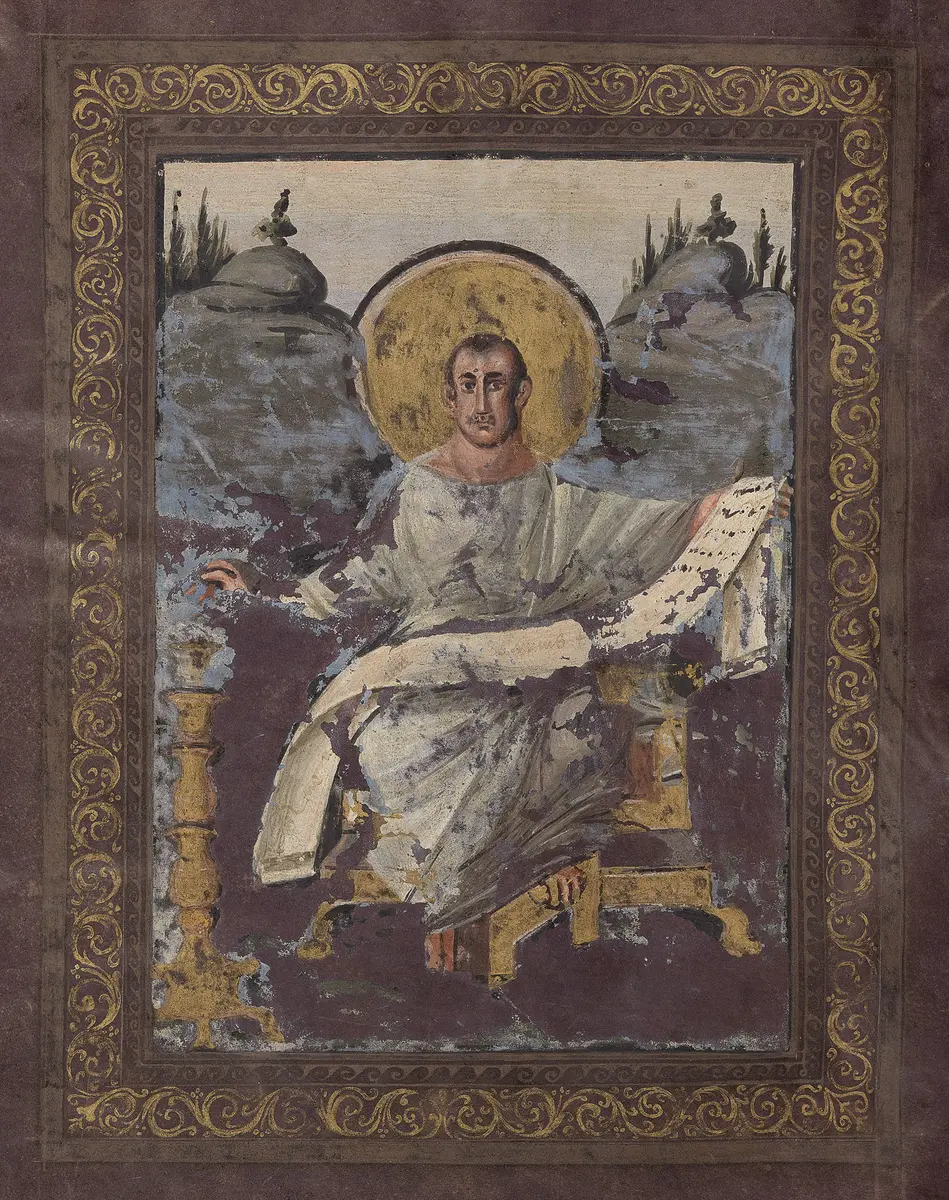
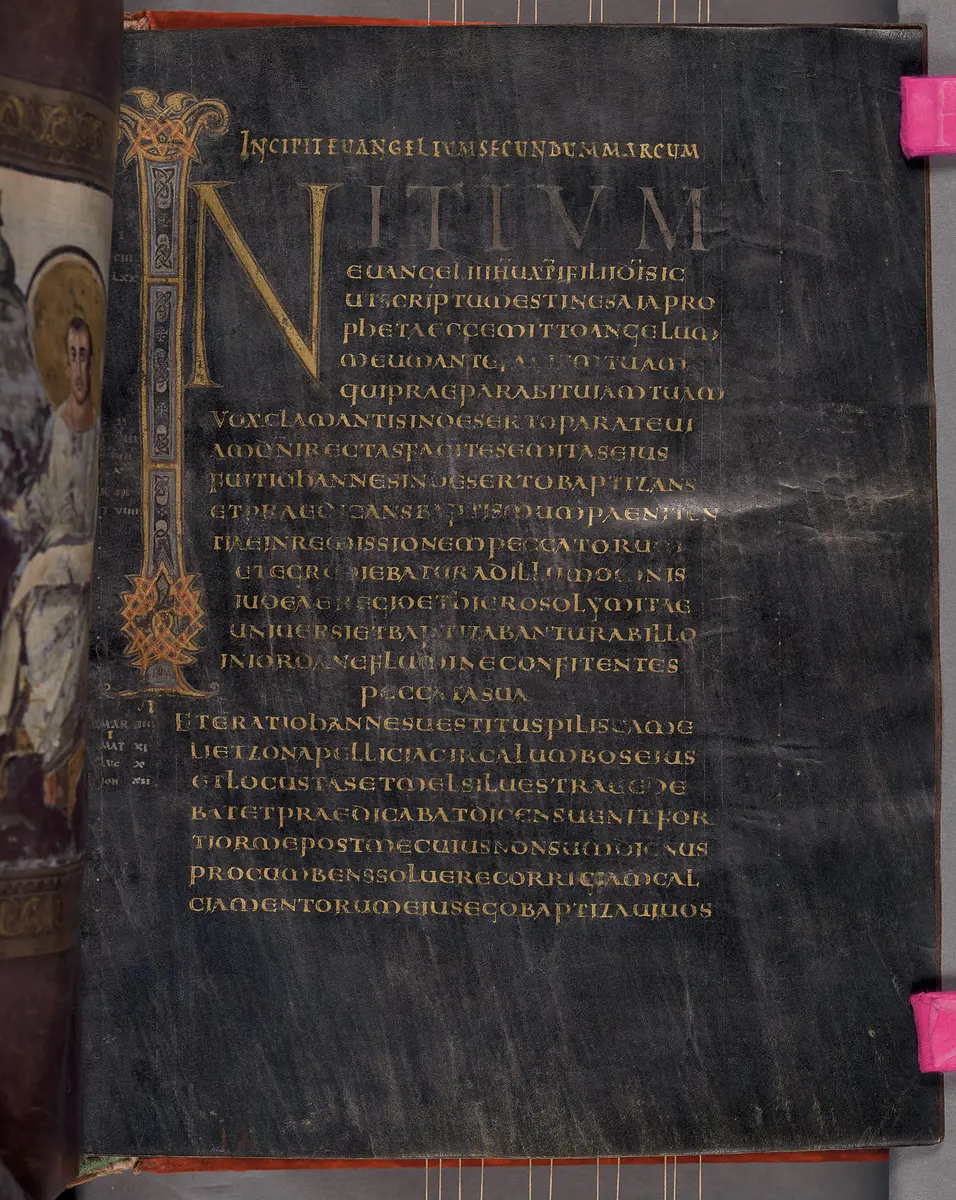
The Vienna Coronation Gospels represent one of the most beautiful manuscripts of the Middle Ages and a major work of court art at the time of Charlemagne. The book consists of 236 purple-dyed vellum leaves with text written in gold and silver ink. Each of the four Gospels begins with a painted portrait of the respective Evangelist. They are executed in a quick and sure hand, creating the illusion of a framed panel painting. The purple background of the page appears to be a dark wall, while the borders around the authors' portraits serve as picture frames enclosing a free space filled with light. The type of depiction of these writing figures clad in white, classic garments is in keeping with ancient portraits of authors, and these extremely illusionist pictures are indebted to the painting of late antiquity in style as well. Thus it has been assumed that a foreigner - probably a Greek - created this outstanding work of the Carolingian Renaissance around 800 at the court in Aachen (Aix-la-Chapelle). Because the future emperor swore his oath on this book, touching the beginning of the Gospel of John with the fingers of his hand, it is called the Coronation Gospels. In around 1500 the Coronation Gospels received a precious new binding of gilt silver on which is depicted, chased in high relief, the figure of God the Father, his hand raised in blessing, surrounded by the rich canopy architecture of his throne in late-Gothic style. Dressed in the imperial vestments and a mitred crown, he appears as an archetypical ideal of a ruler, while his facial features resemble those of Charlemagne, whom all later emperors of the Holy Roman Empire saw as their predecessor.
Time:
knapp vor 800, um 1500
Object Name
Liturgisches Buch
Culture
Aachen
Material/technology:
236 purpurgefärbte Pergamentblätter, goldene und silberne Tinte, Deckfarben; Einband: Silber, vergoldet, Edelsteine
Dimensions:
Codex: 32,4 cm × 24,9 cm
Einband: 34,5 cm
Stamp / markings
Aachener Beschau; R 3, Nr.30 (Schließe)
Copyright
Kunsthistorisches Museum, Weltliche Schatzkammer
Invs.
Schatzkammer, WS XIII 18
Browse more
Similar items you might be interested in
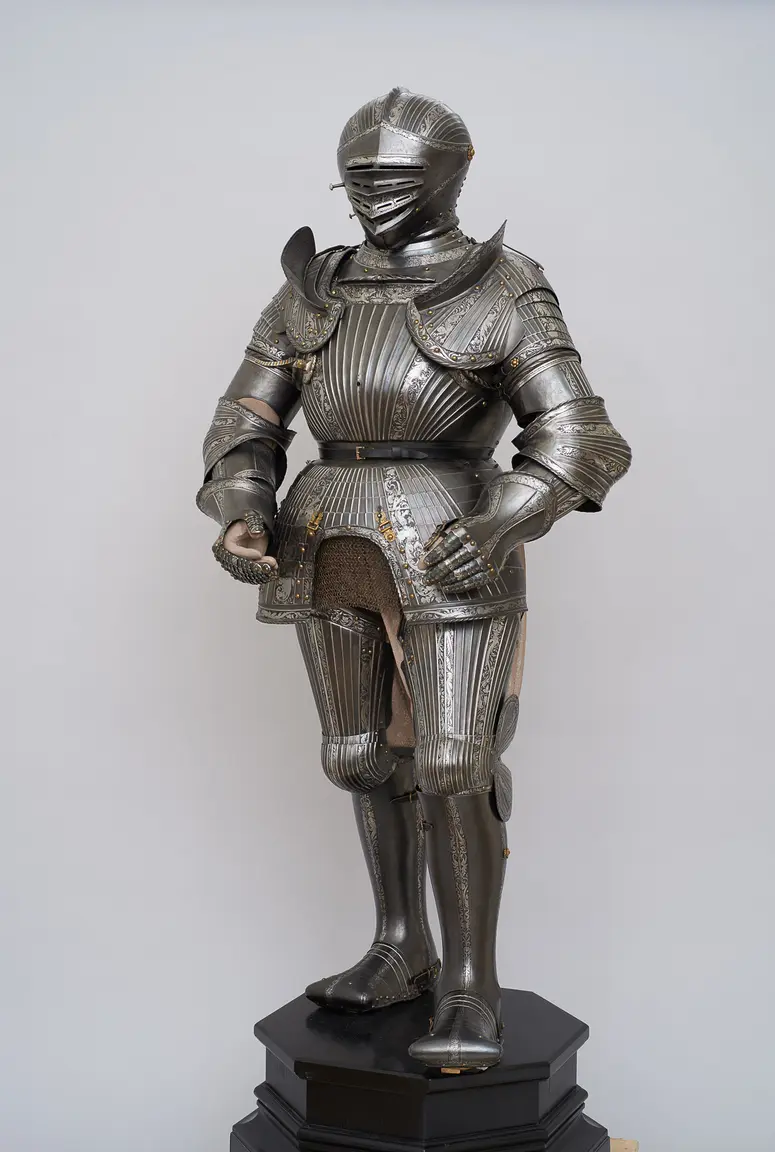
Riefelharnisch, Riefelküriss: Fluted field armour Johann Friedrich I. (1532-1547), Kurfürst von Sachsen Dated 1530
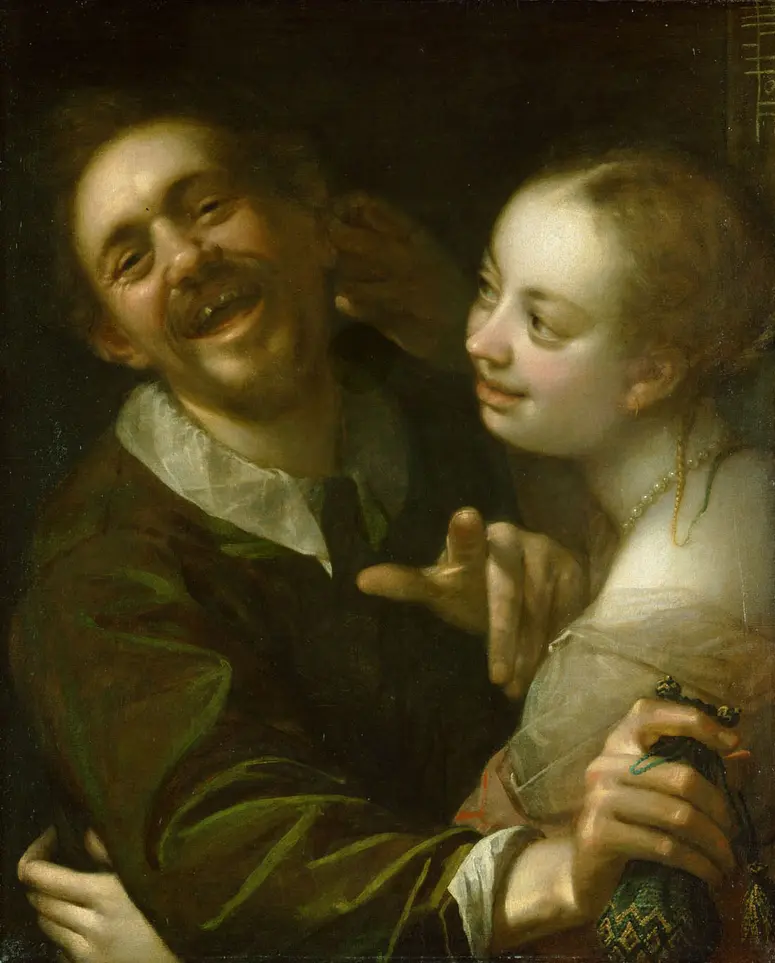
“Joking Couple”, Self-Portrait of the Artist with his Wife Hans von Aachen around 1596
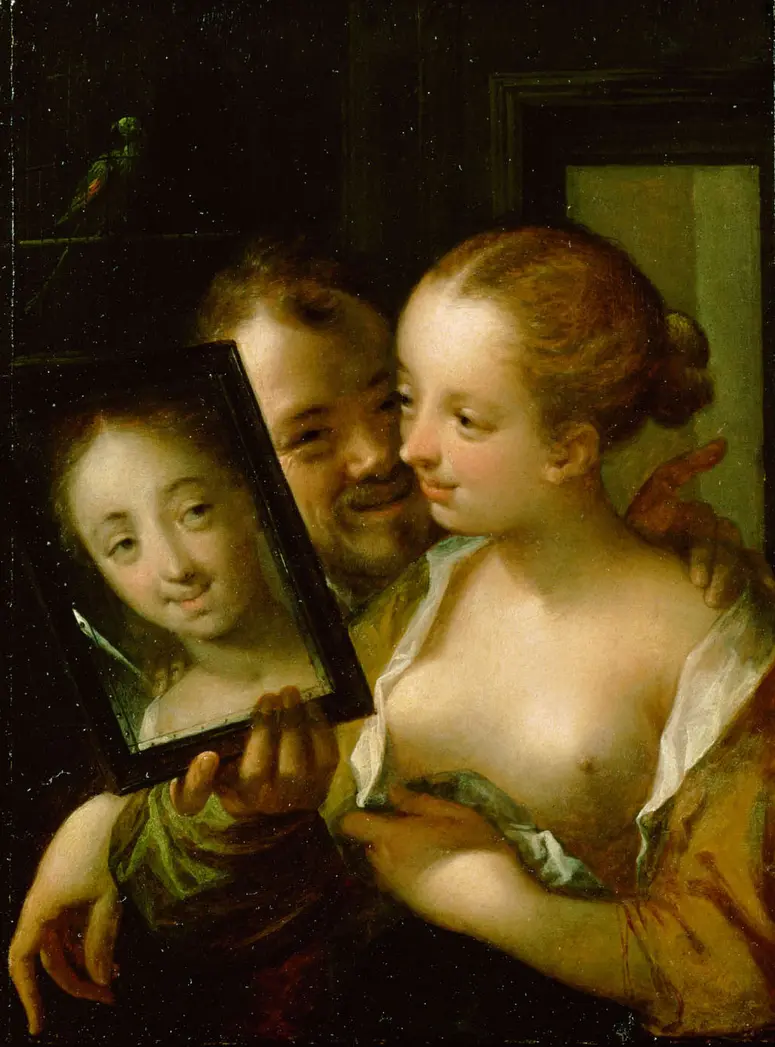
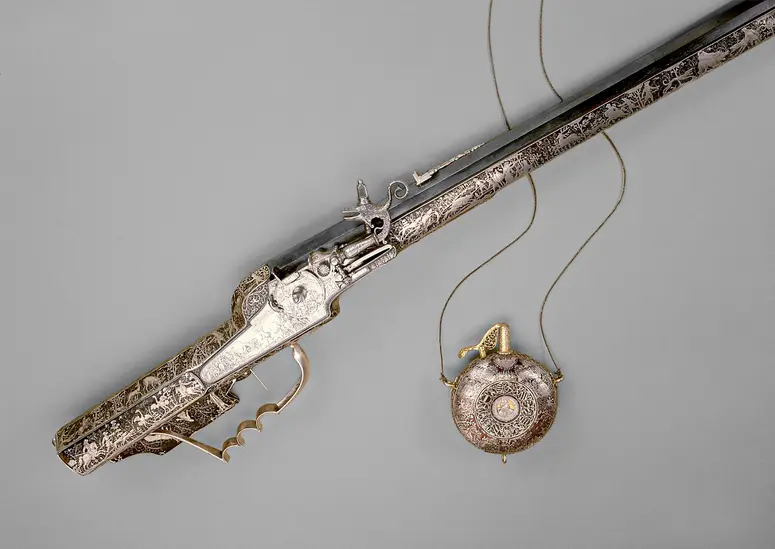
Leopold V. (1619-1632), Erzherzog und Graf von Tirol, Bischof von Passau und Straßburg 1628
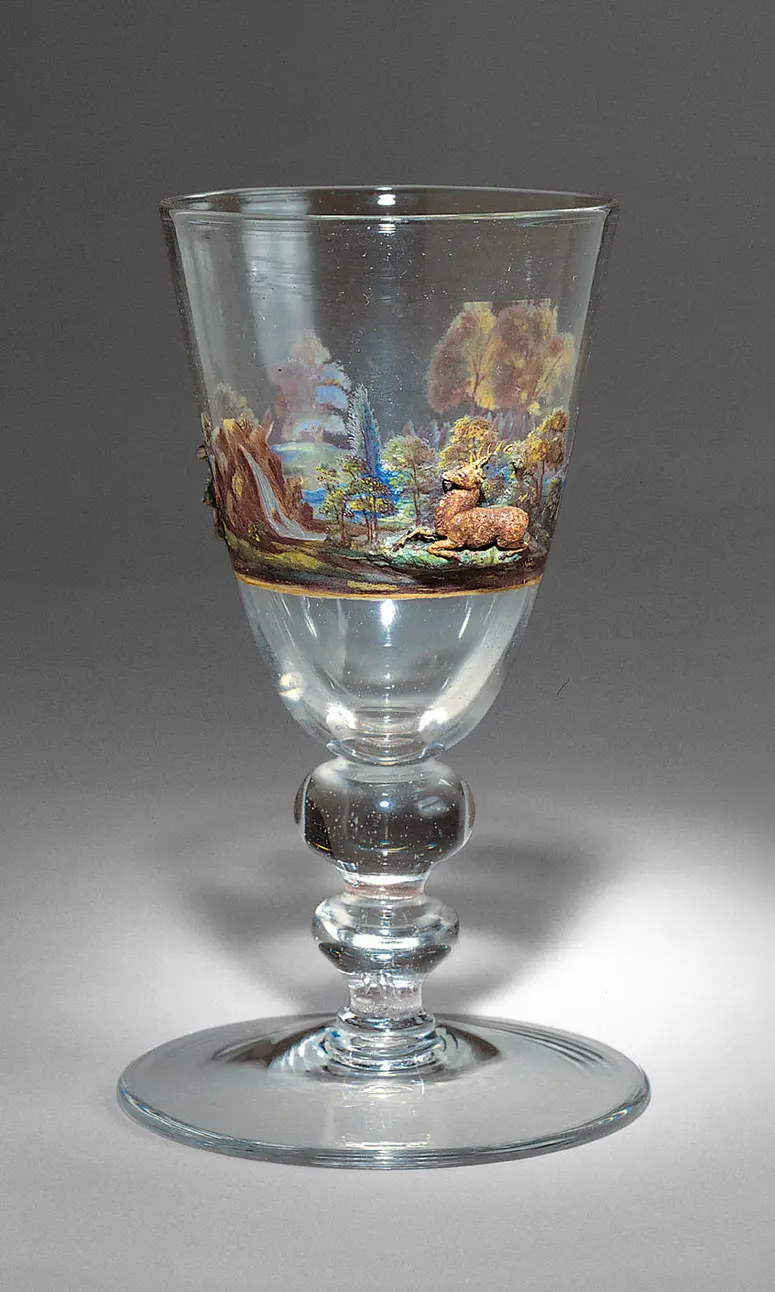
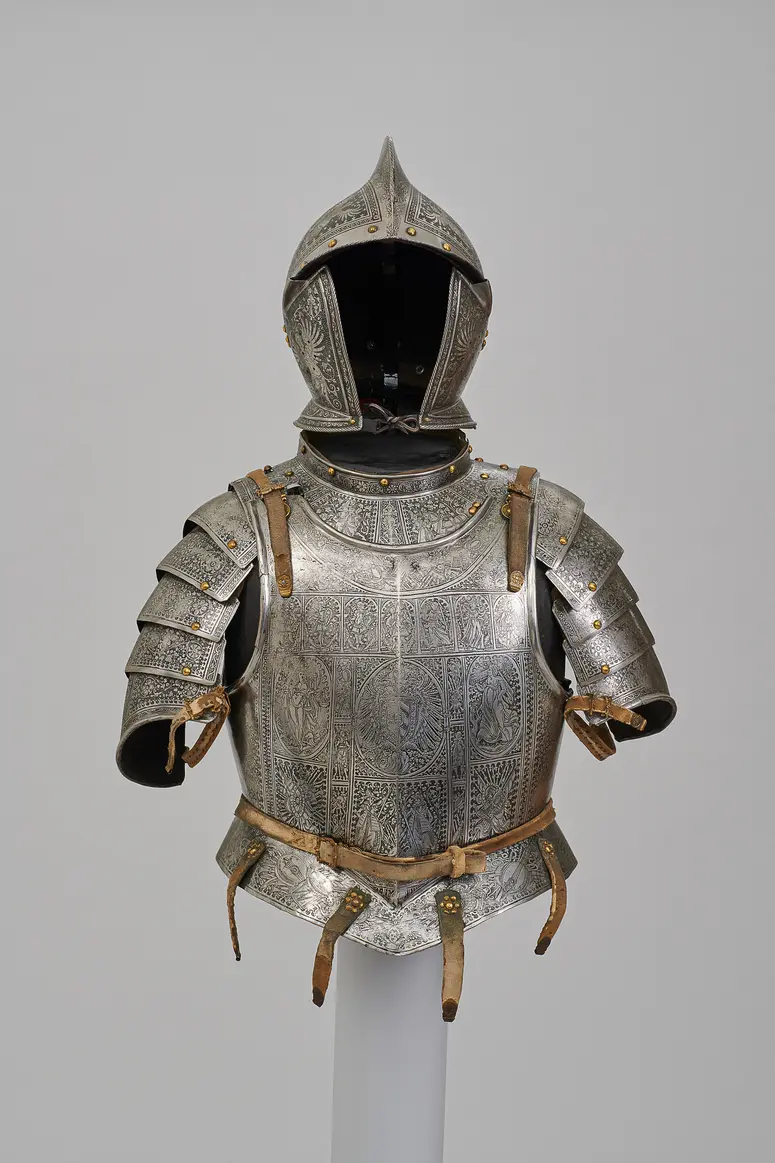
Hans Becher d. Ä. Plattnerarbeiten spätes 16. Jahrhundert, Ätzung datiert 1618, tlw. Ergänzungen
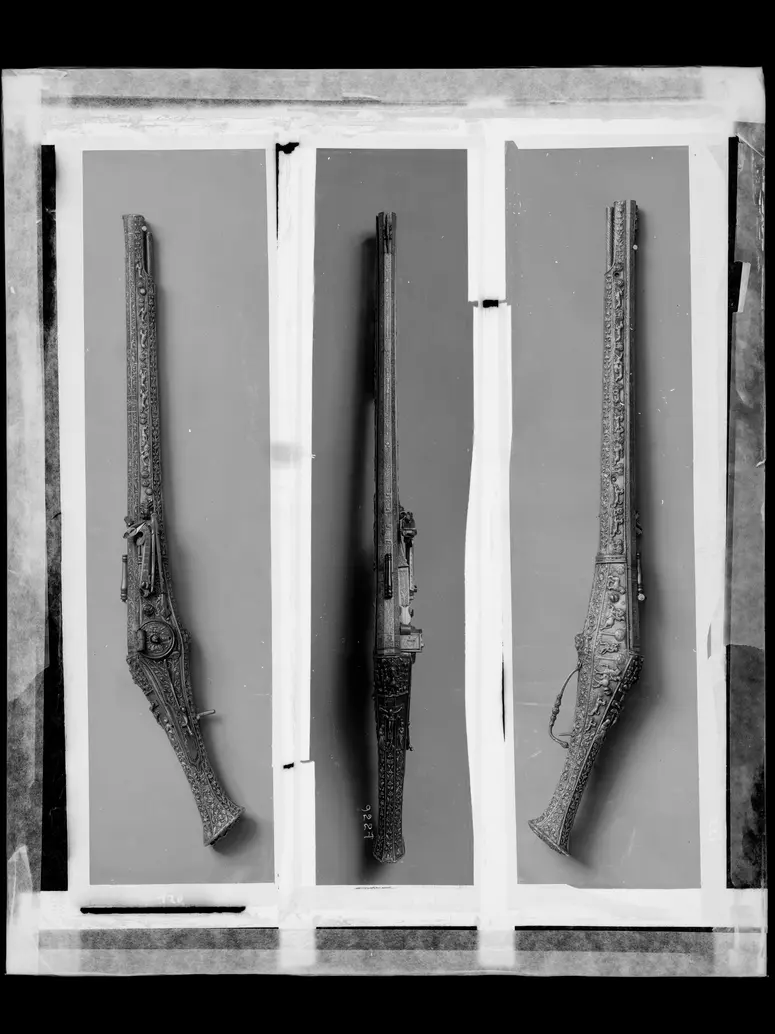
Langes Faustrohr mit Radschloss; Radschlosspistole (mit Ladestock) J. Löwy, K. und K. Hof-Photograph, Kunst- und Verlagsanstalt (Wien) 1892
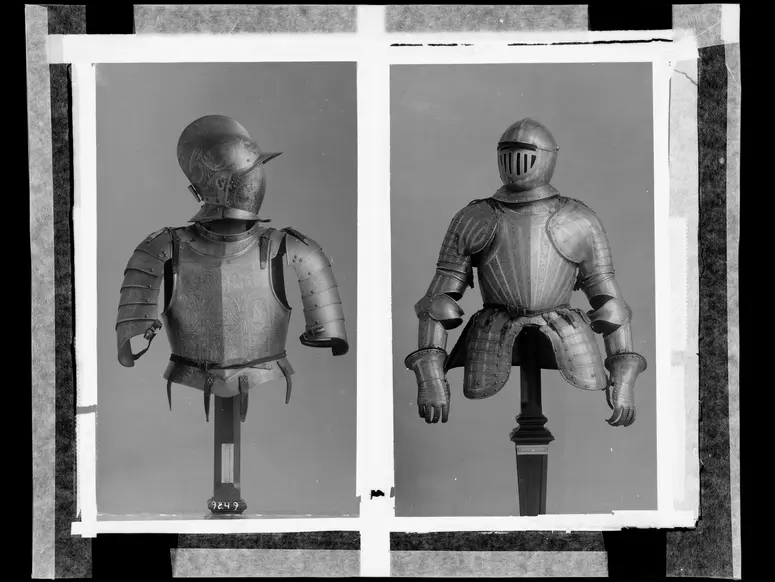
Halber Fußknechtharnisch; Feldküriss J. Löwy, K. und K. Hof-Photograph, Kunst- und Verlagsanstalt (Wien) 1892
Johann Friedrich I. (1532-1547), Kurfürst von Sachsen datiert 1530