Stele of Meri-ptah
18th Dynasty, reign of Amenhotep III, ca. 1410–1372 BC
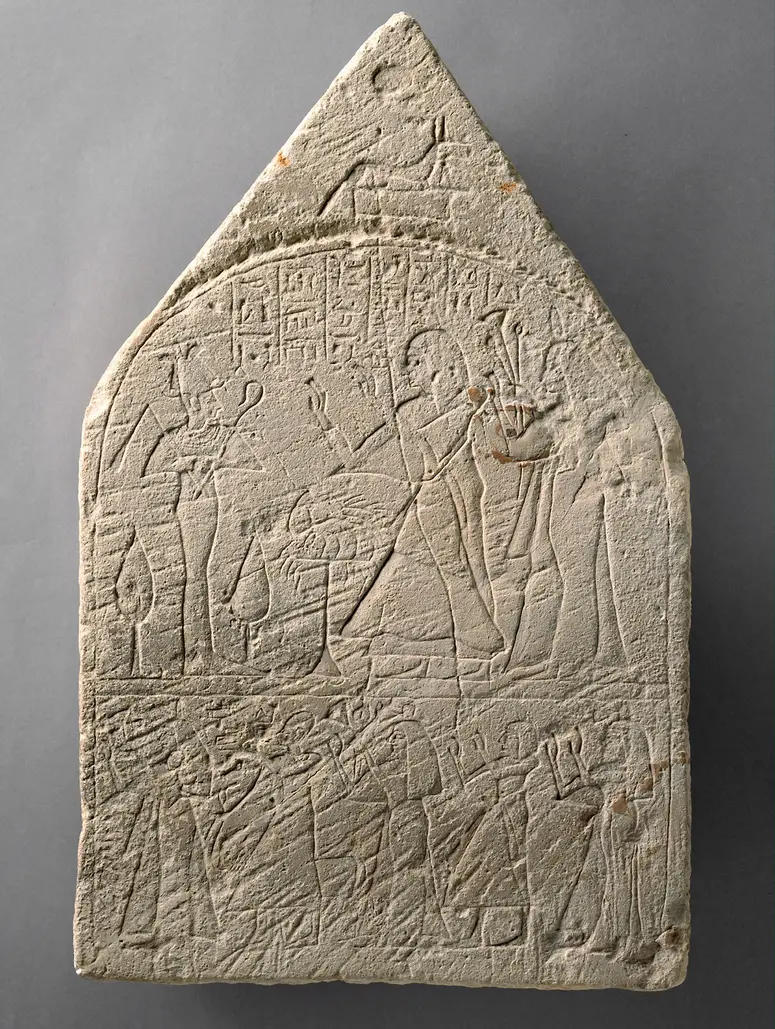
The stele of the officer and chariot warrior Meri-ptah shows him and his father bringing offerings to the gods Osiris and Wepwawet. This suggests that the stele was once erected at Abydos, the site sacred to Osiris, rather than in Meri-ptah’s tomb. In the lower scene Meri-ptah and his wife receive offerings from his brother.
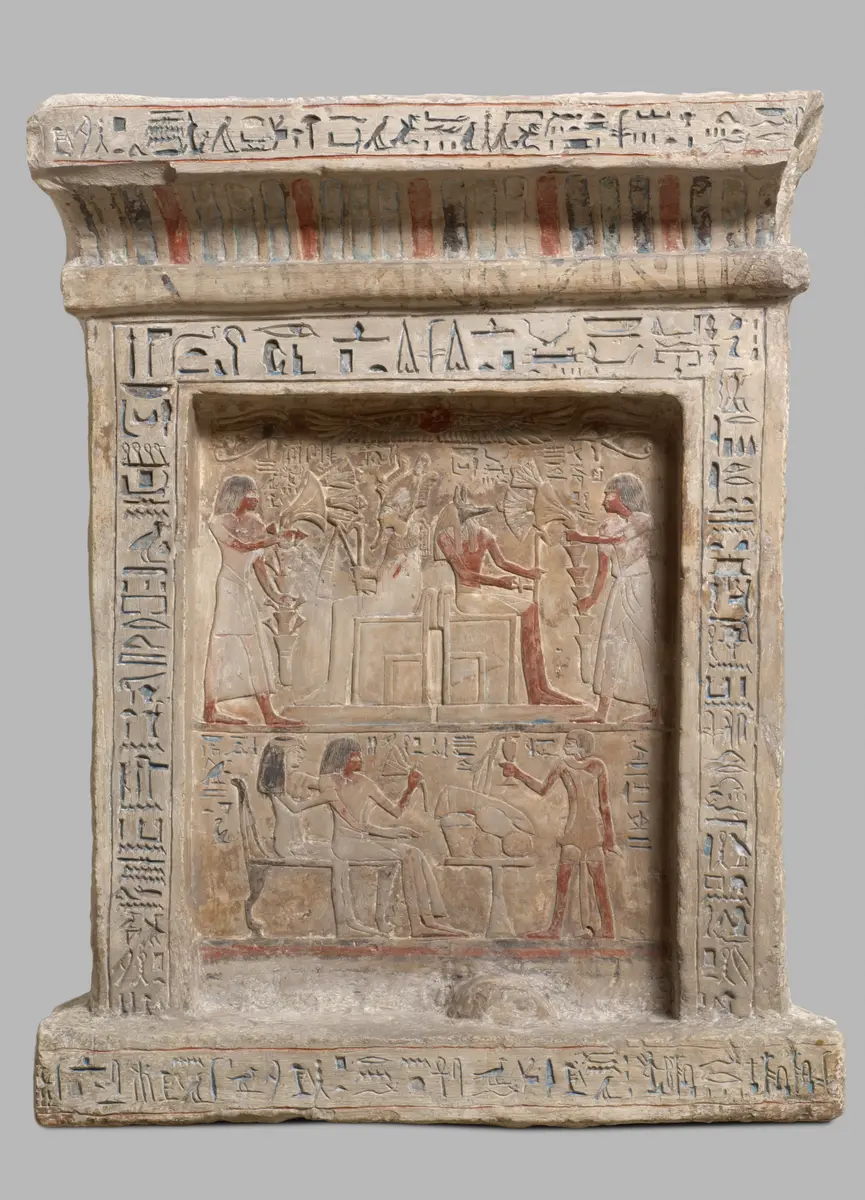
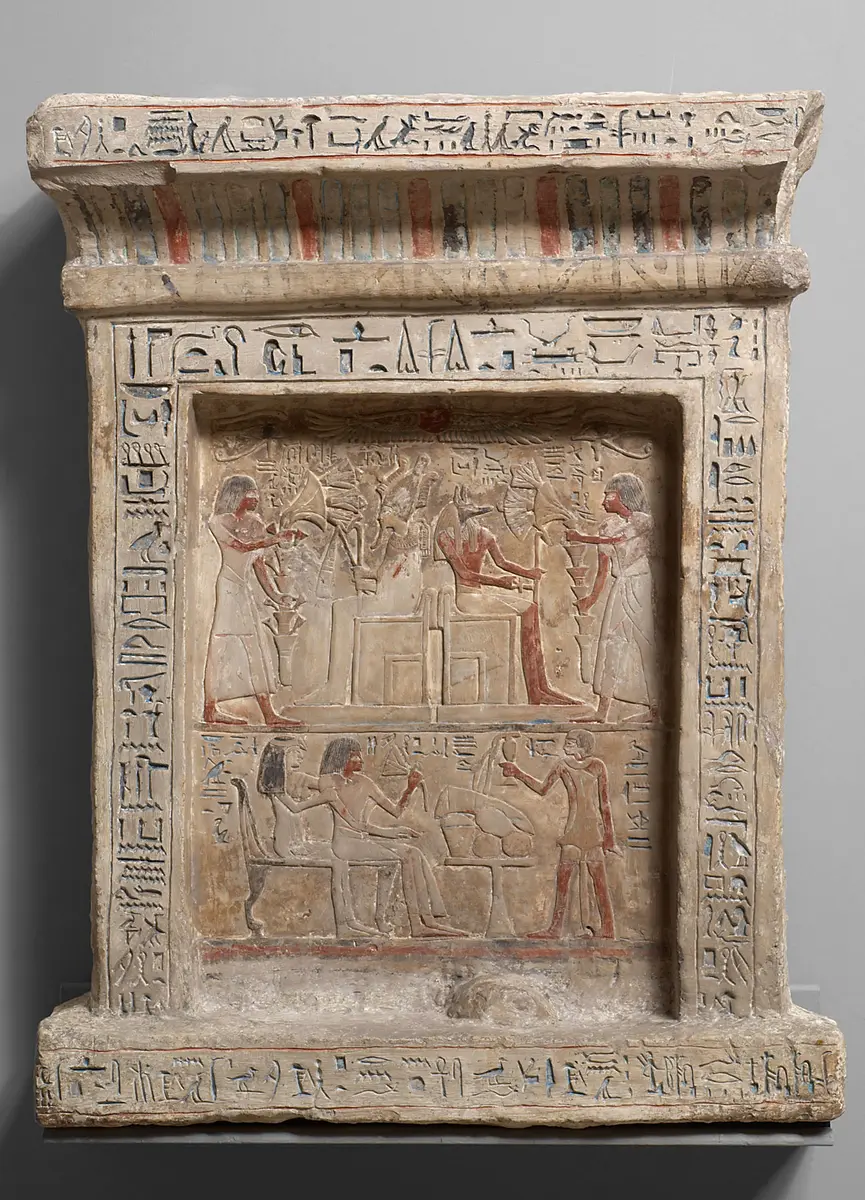
The stele of the officer and chariot warrior Meri-ptah shows him and his father bringing offerings to the gods Osiris and Wepwawet. This suggests that the stele was once erected at Abydos, the site sacred to Osiris, rather than in Meri-ptah’s tomb. In the lower scene Meri-ptah and his wife receive offerings from his brother.
Time:
18th Dynasty, reign of Amenhotep III, ca. 1410–1372 BC
Object Name
Stele
Culture
Ägyptisch
Location of discovery:
Abydos (vermutlich)
Material/technology:
Painted limestone
Dimensions:
H 69 cm, B 54,4 cm, T 12 cm, G 37 kg
Copyright
Kunsthistorisches Museum, Ägyptisch - Orientalische Sammlung
Invs.
Ägyptische Sammlung, INV 89
Provenance
1821, purchased by Ernst August Burghart in Egypt
Browse more
Similar items you might be interested in
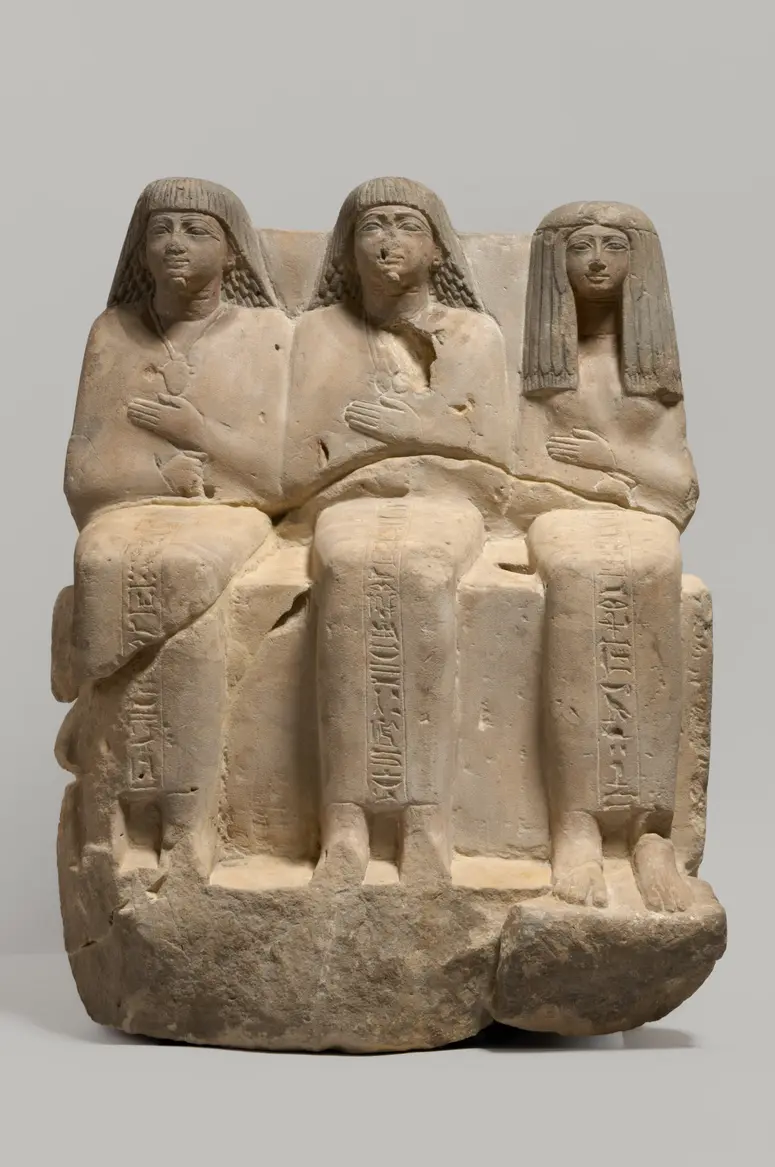
Statue group of Meri-ptah, Sa-aset, and Kafi Theben-West, Scheich Abd el-Qurna, TT 387 (vermutlich) 19th Dynasty, reign of Ramesses II, 1304–1237 BC
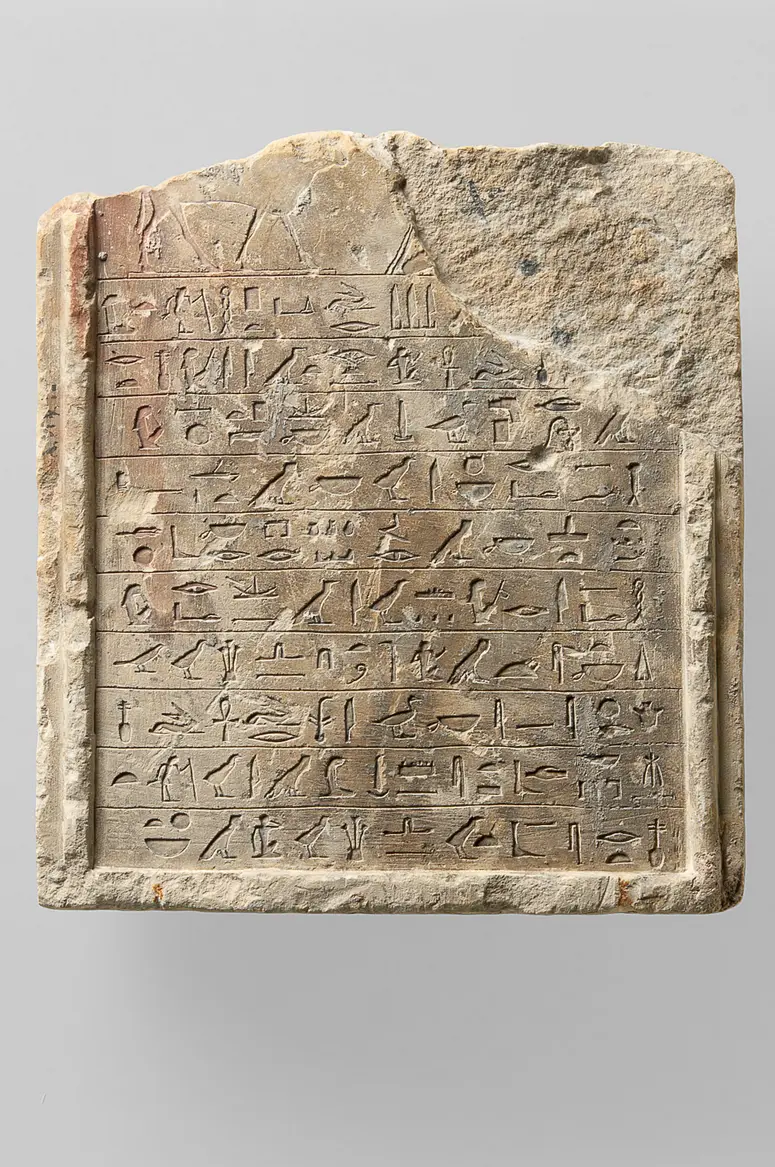
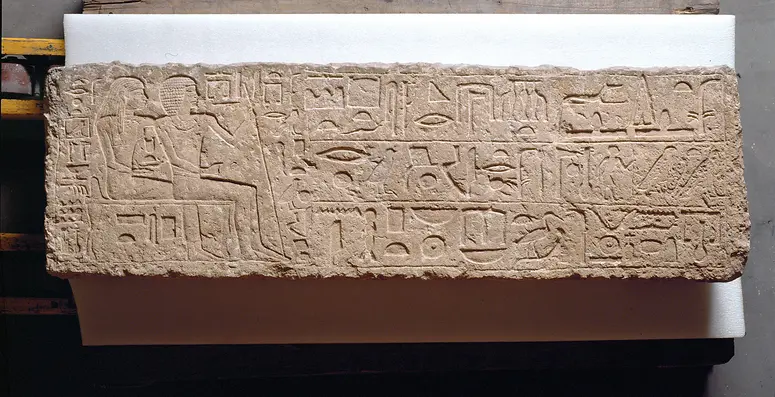

Scheintürarchitrav des Itusch Saqqara, Mastaba des Semenech-ui-ptah, genannt Itusch 5. Dynastie, Zeit des Djedkare-Isesi, ca. 2436-2404 v. Chr.
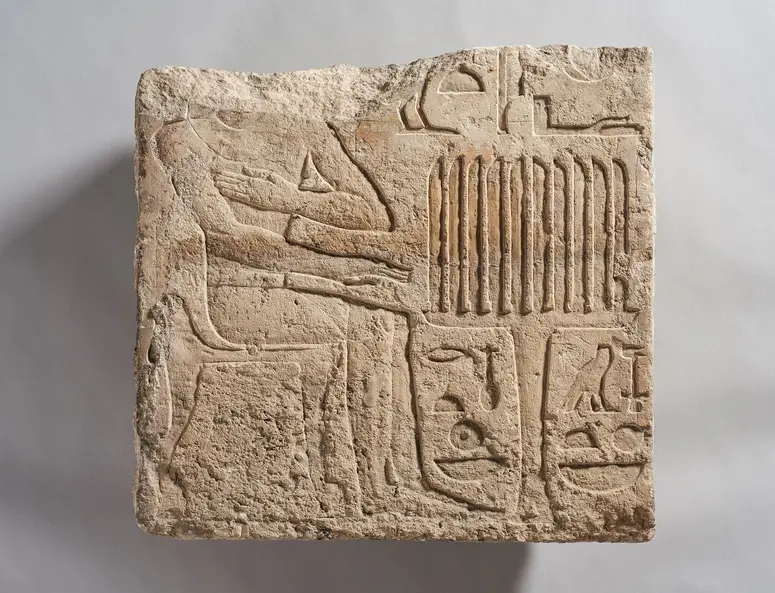
Scheintürtafel des Itusch mit Speisetischszene Saqqara, Mastaba des Semenech-ui-ptah, genannt Itusch 5. Dynastie, Zeit des Djedkare-Isesi, ca. 2436-2404 v. Chr.
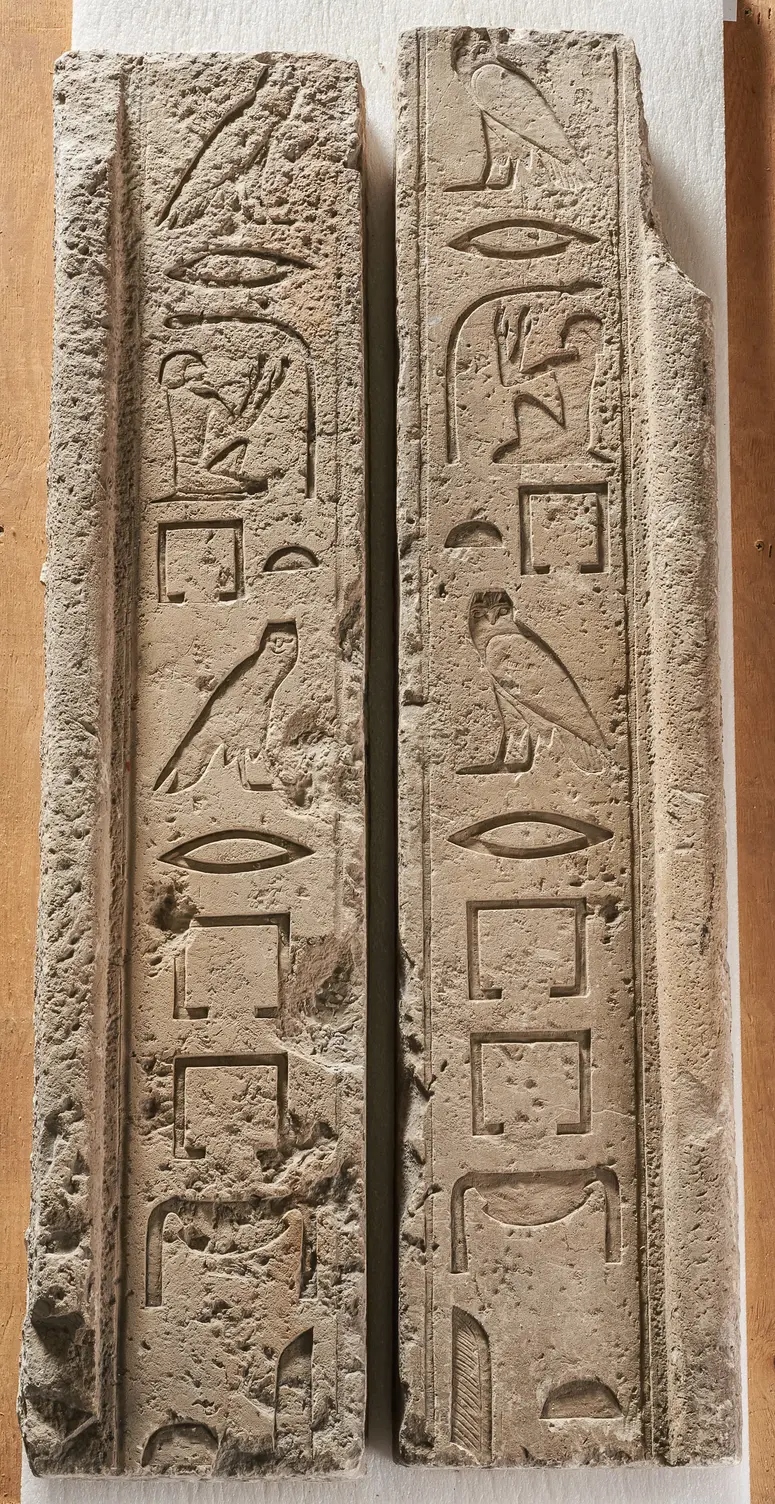
Linker Scheintürpfosten des Itusch Saqqara, Mastaba des Semenech-ui-ptah, genannt Itusch 5. Dynastie, Zeit des Djedkare-Isesi, ca. 2436-2404 v. Chr.
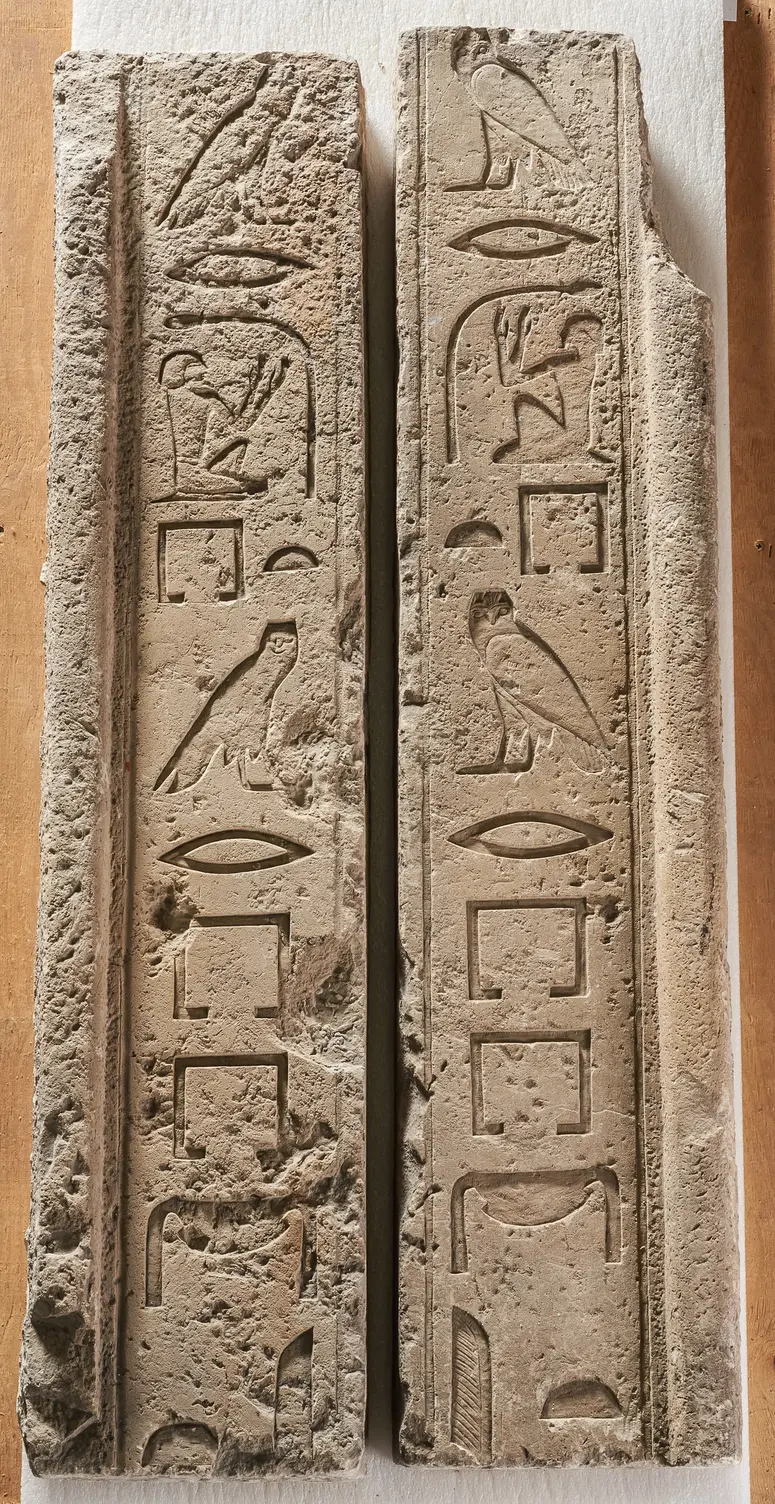
Rechter Scheintürpfosten des Itusch Saqqara, Mastaba des Semenech-ui-ptah, genannt Itusch 5. Dynastie, Zeit des Djedkare-Isesi, ca. 2436-2404 v. Chr.
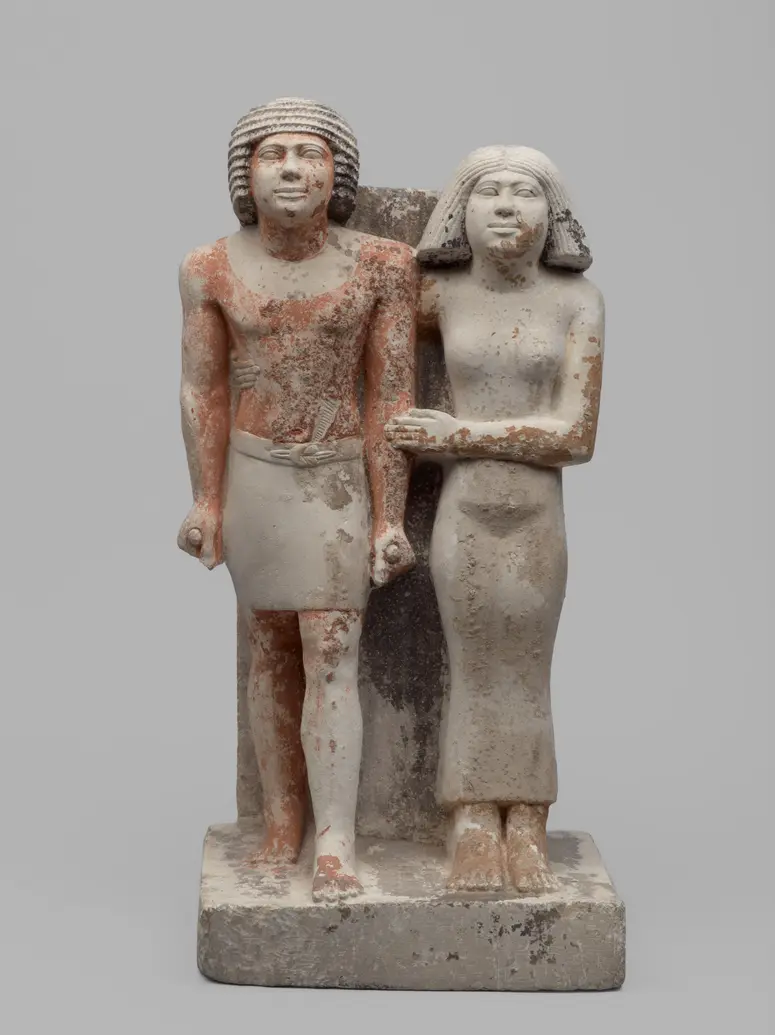
Statue group of Kai-pu-ptah and Ipep Giza, Mastaba des Kai-pu-ptah (G. 4461), Eingang zur Kultkammer late 5th Dynasty, ca. 2400 BC
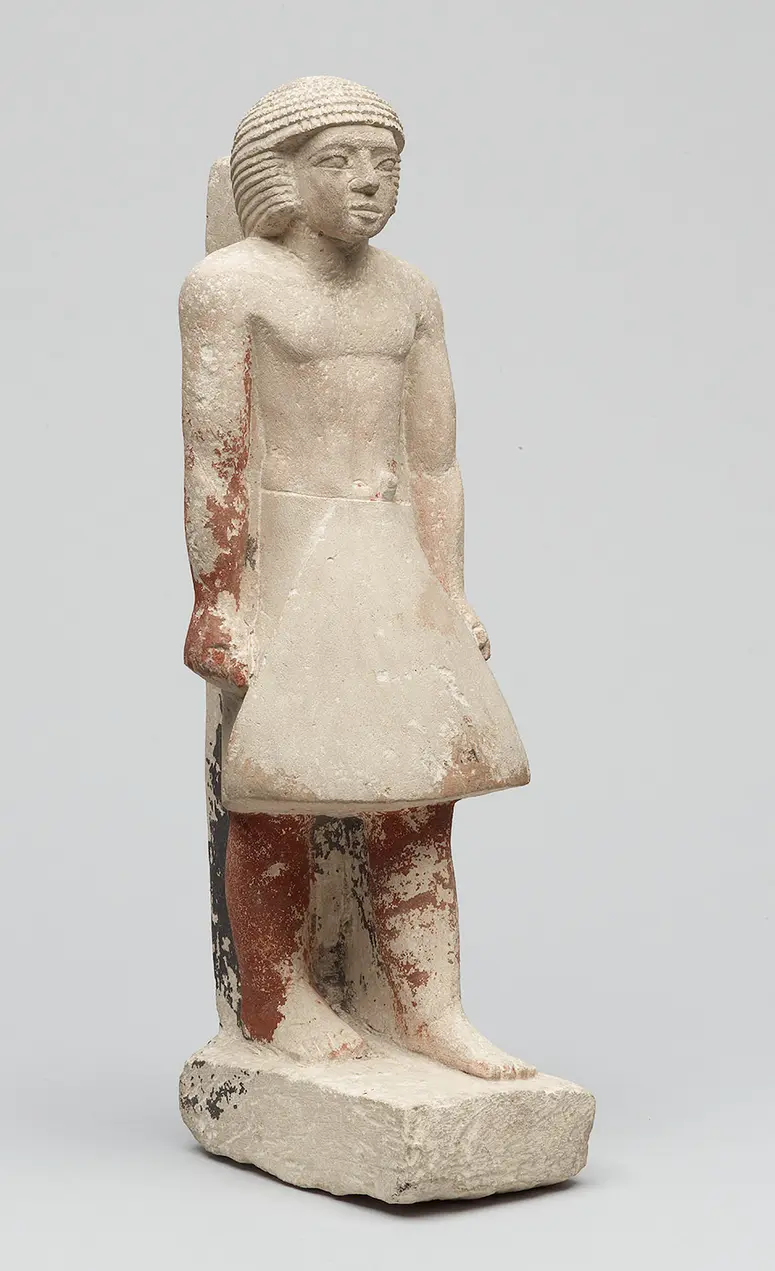
Standing figure of Shepses-ptah Giza, Mastaba des Schepses-ptah (S 338/339), westlicher Serdab late 6th Dynasty, ca. 2200-2191 BC
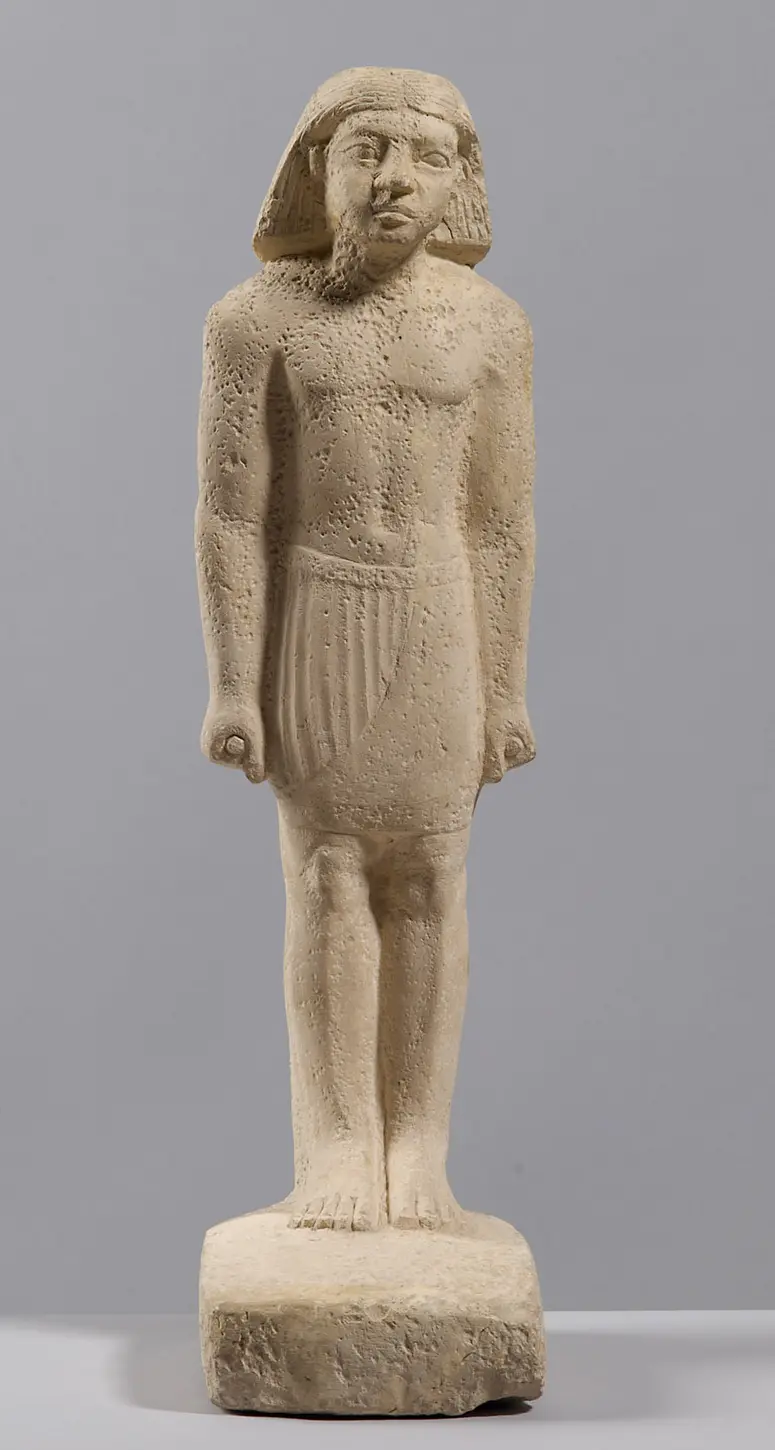
Standing figure of Shepses-ptah Giza, Mastaba des Schepses-ptah (S 338/339), westlicher Serdab late 6th Dynasty, ca. 2200-2191 BC
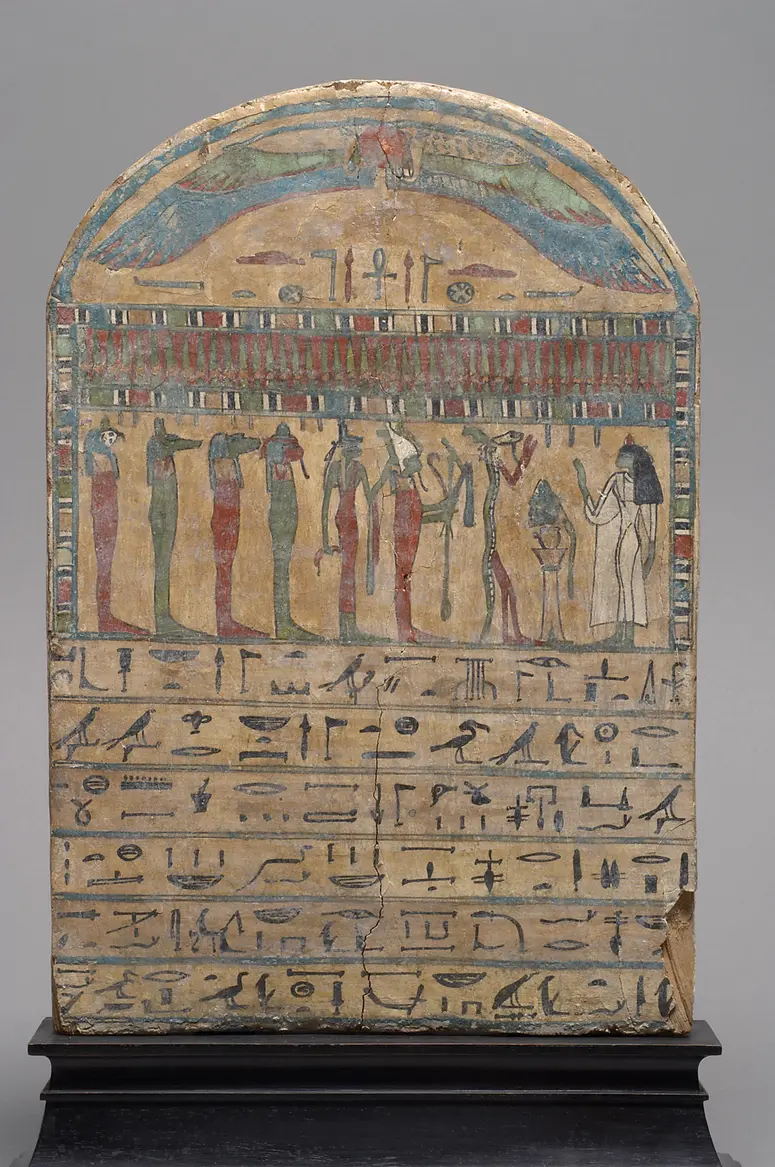
Stele der Meri-ef-bastet-it Theben (vermutlich) Ende 25. Dynastie, ca. 690-656 v. Chr.
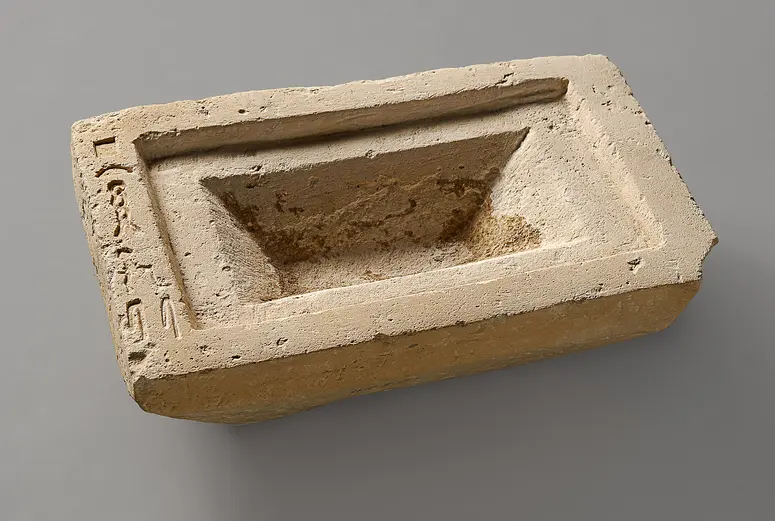
Kultbecken des Schepses-ptah II. Giza, Westfriedhof, S 4070 (Schepses-ptah II.) 6. Dynastie, ca. 2374-2191 v. Chr.
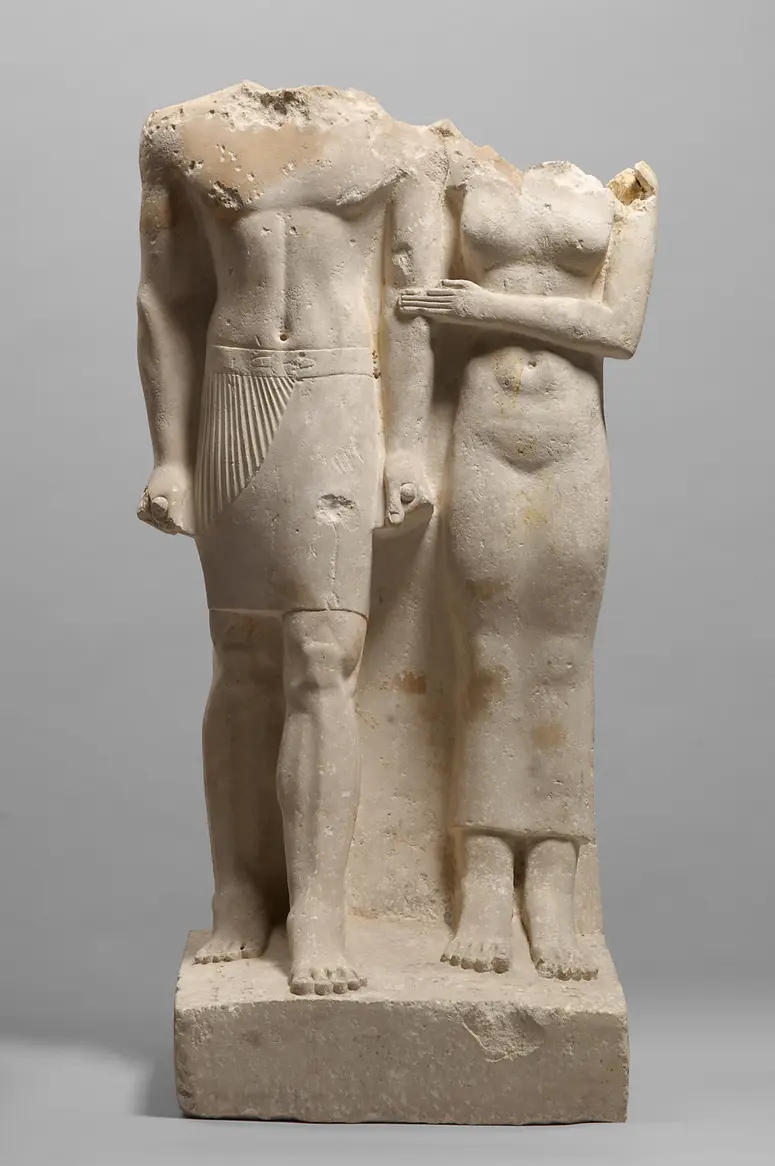
Gruppenstandbild des Pehen-ptah und seiner Mutter Imen-djefa-es Giza, Mastaba des Pehen-ptah (G. 5280), Serdab Mitte 5. Dynastie, ca. 2475-2444 v. Chr.
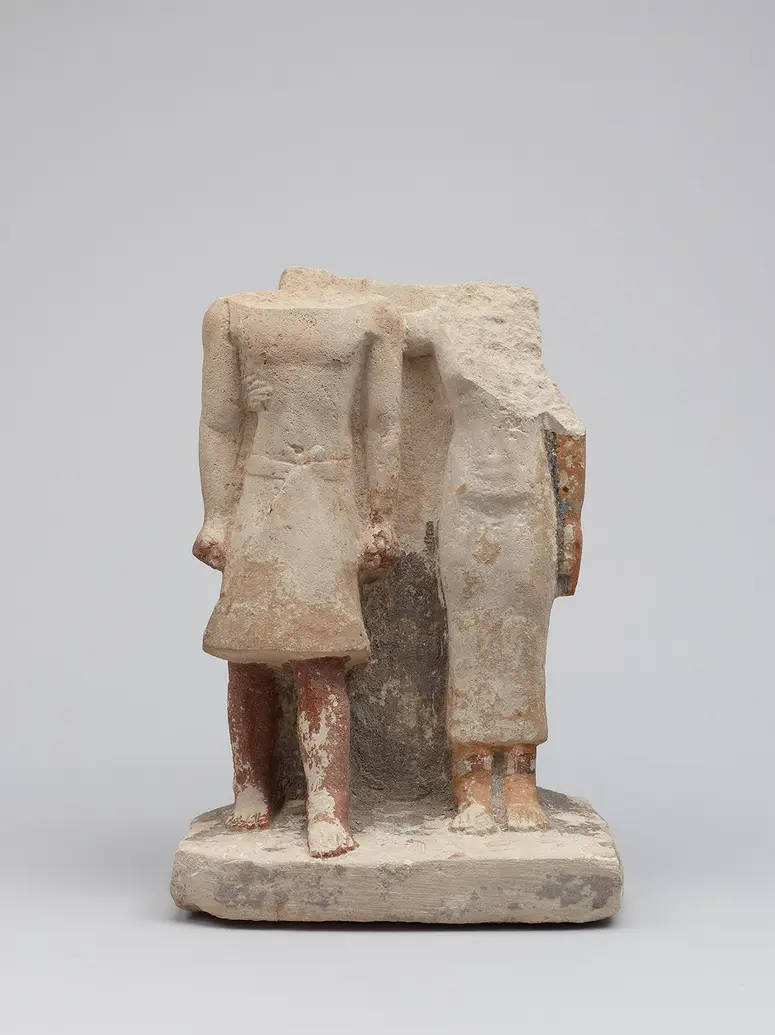
Kopflose Zweiergruppe des Schepses-ptah und seiner Frau Ni-si-redi Giza, Mastaba des Schepses-ptah (S 338/339), östlicher Serdab Späte 6. Dynastie, ca. 2200-2191 v. Chr.
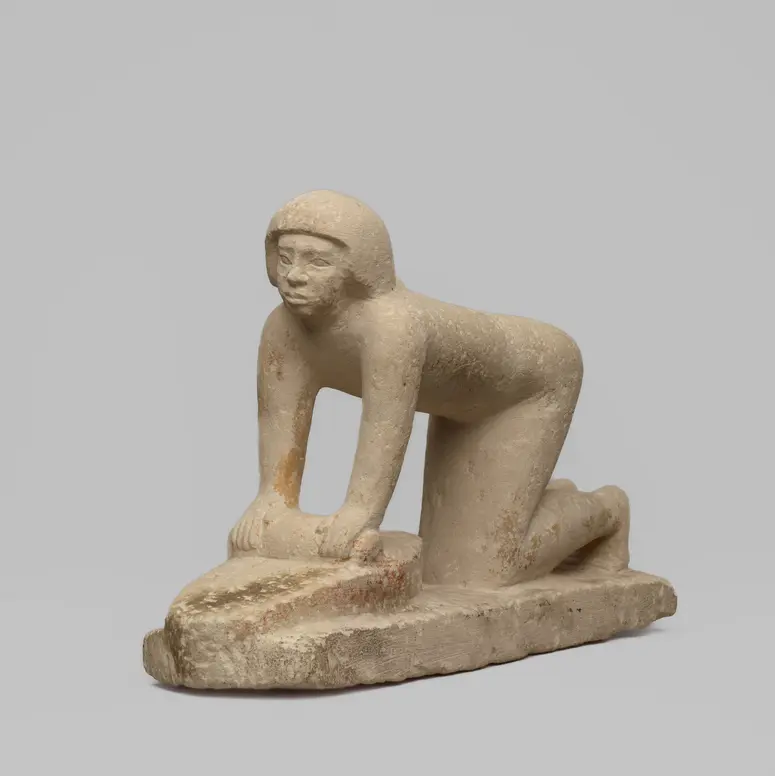
Korn mahlende Dienerin Giza, Mastaba des Schepses-ptah (S 338/339), westlicher Serdab Späte 6. Dynastie, ca. 2200-2191 v. Chr.
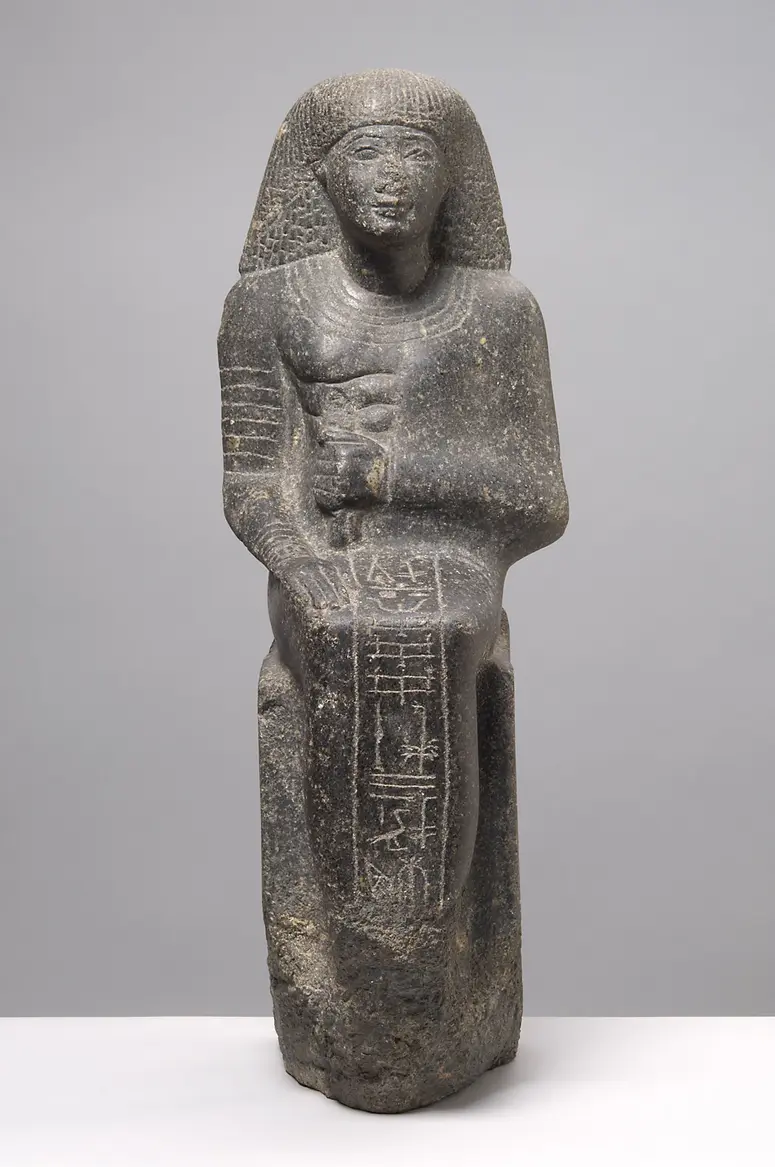
Statue of Meri-mes Assiut (vermutlich) 18th Dynasty, reign of Amenhotep III, 1410-1372 BC;
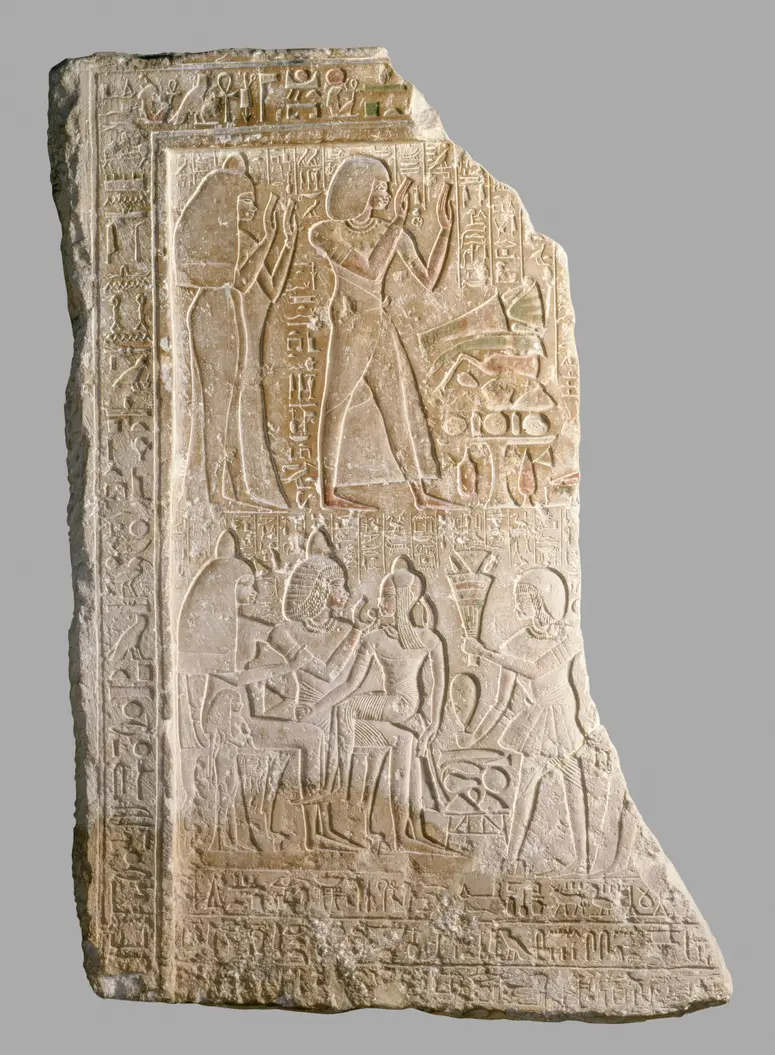
Relief from the tomb of Meri-re Saqqara 18th Dynasty, reign of Amenhotep III, 1410–1372 BC
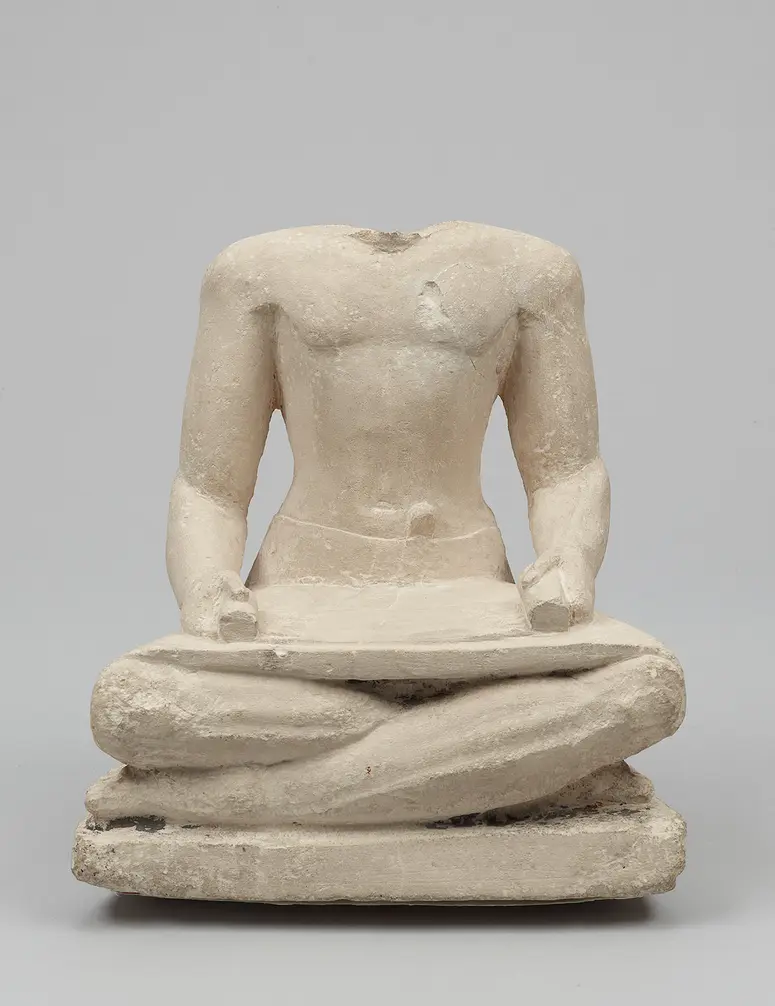
Kopflose Statue eines Lesenden Giza, Mastaba des Schepses-ptah (S 338/339), im Schutt südwestlich der Mastaba 5.-6. Dynastie, ca. 2475-2191 v. Chr.