Sitzender Gott Harpokrates mit Hemhem-Krone
Ca. 7.-5. Jh. v. Chr.
Der Gott Horus ist in dieser Statuette gleichzeitig als Kind und als König wiedergegeben. Die Nacktheit, der an den Mund gelegte Finger und die Jugendlocke weisen ihn als Kind aus. Das Nemes-Kopftuch mit der Hemhem-Krone zeigt ihn als königlichen Nachfolger seines getöteten Vaters Osiris. Die Augäpfel der Figur sind mit Gold eingelegt.
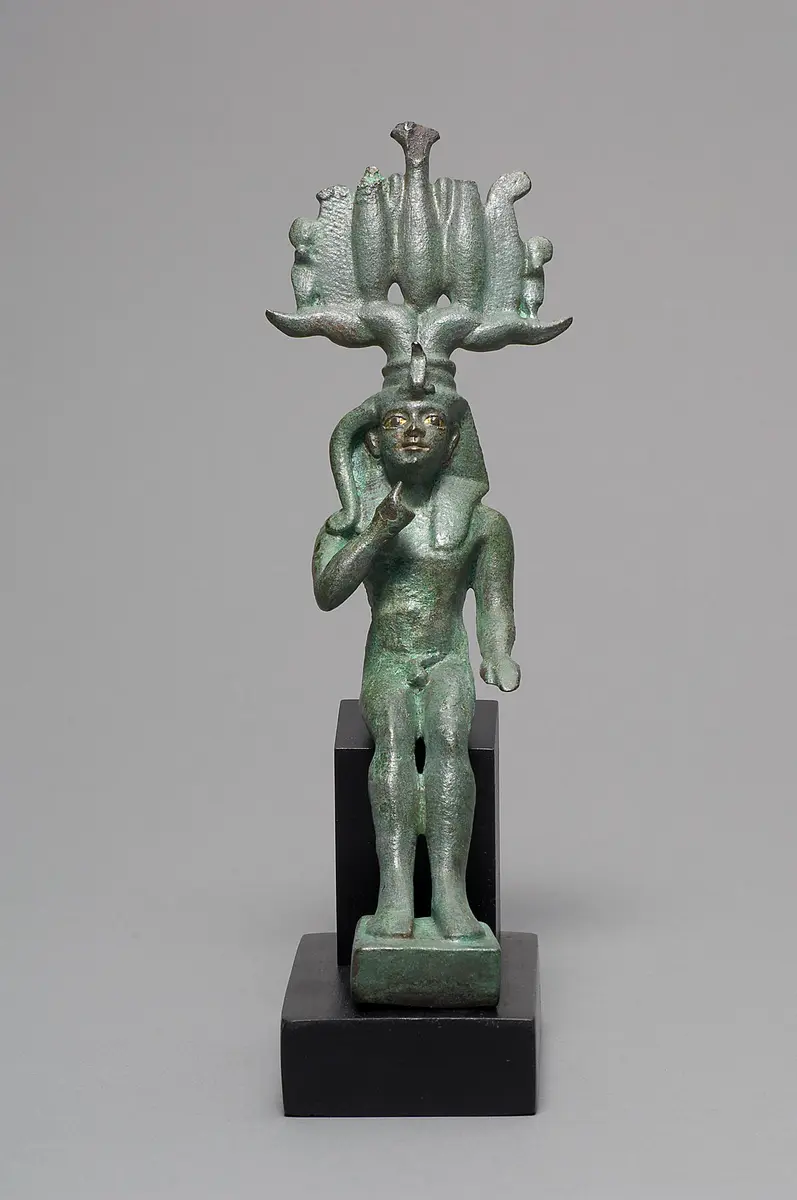
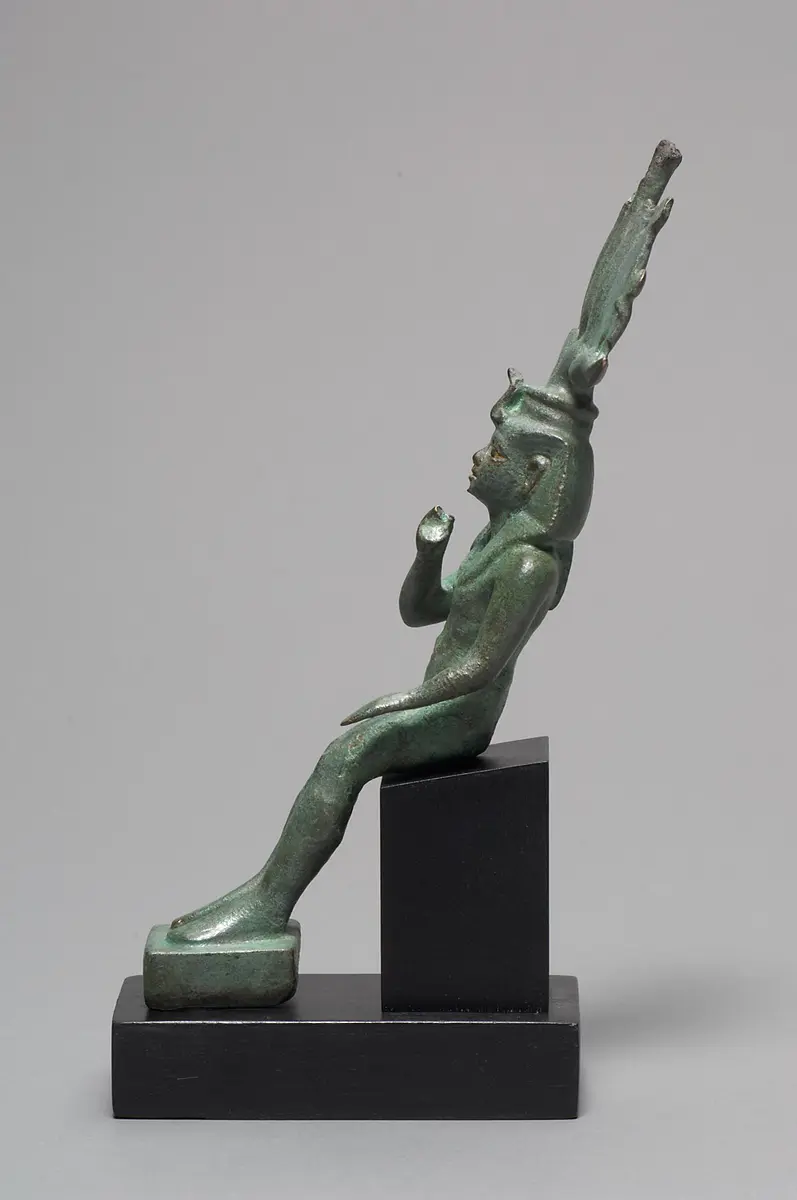
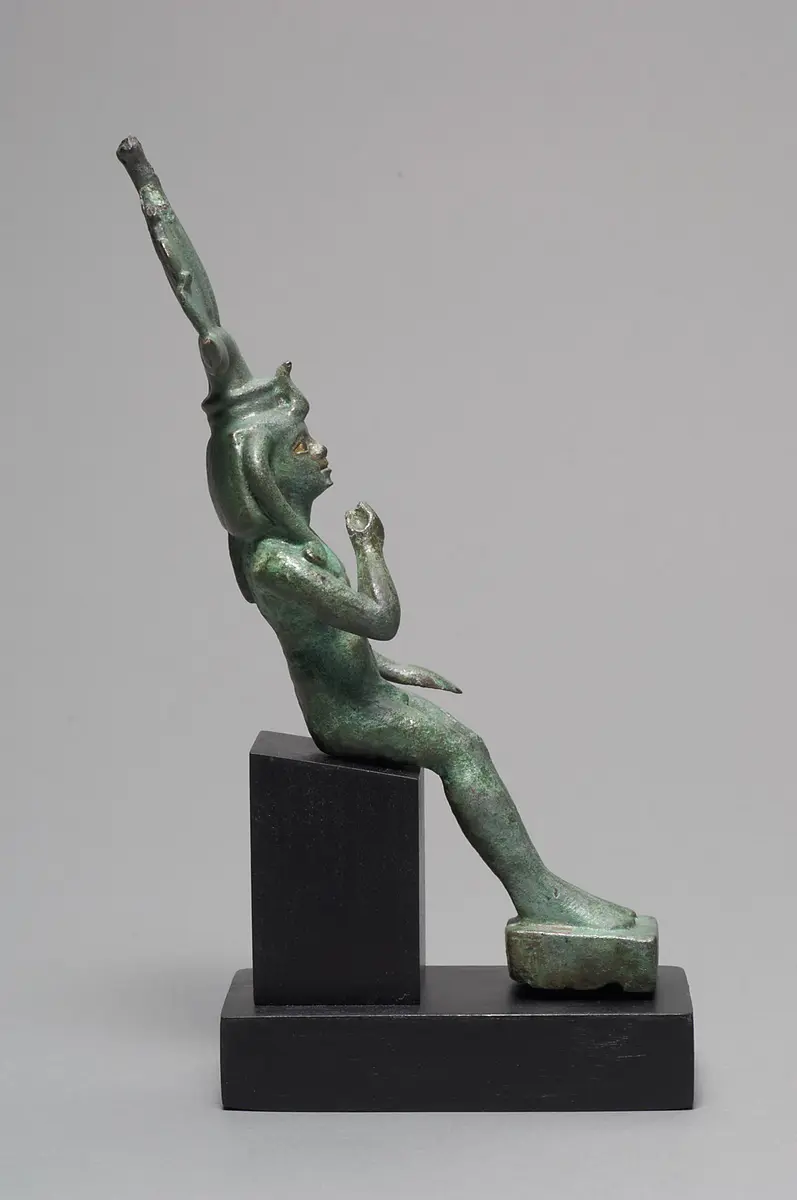
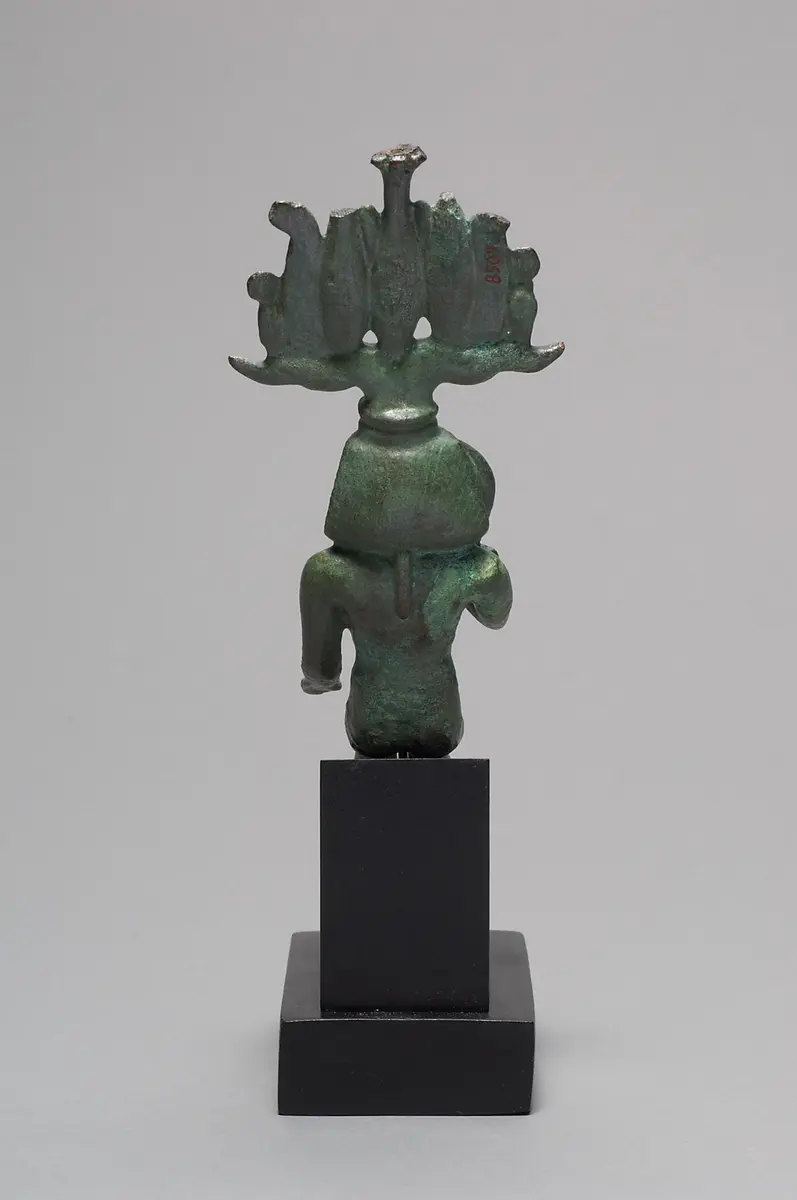
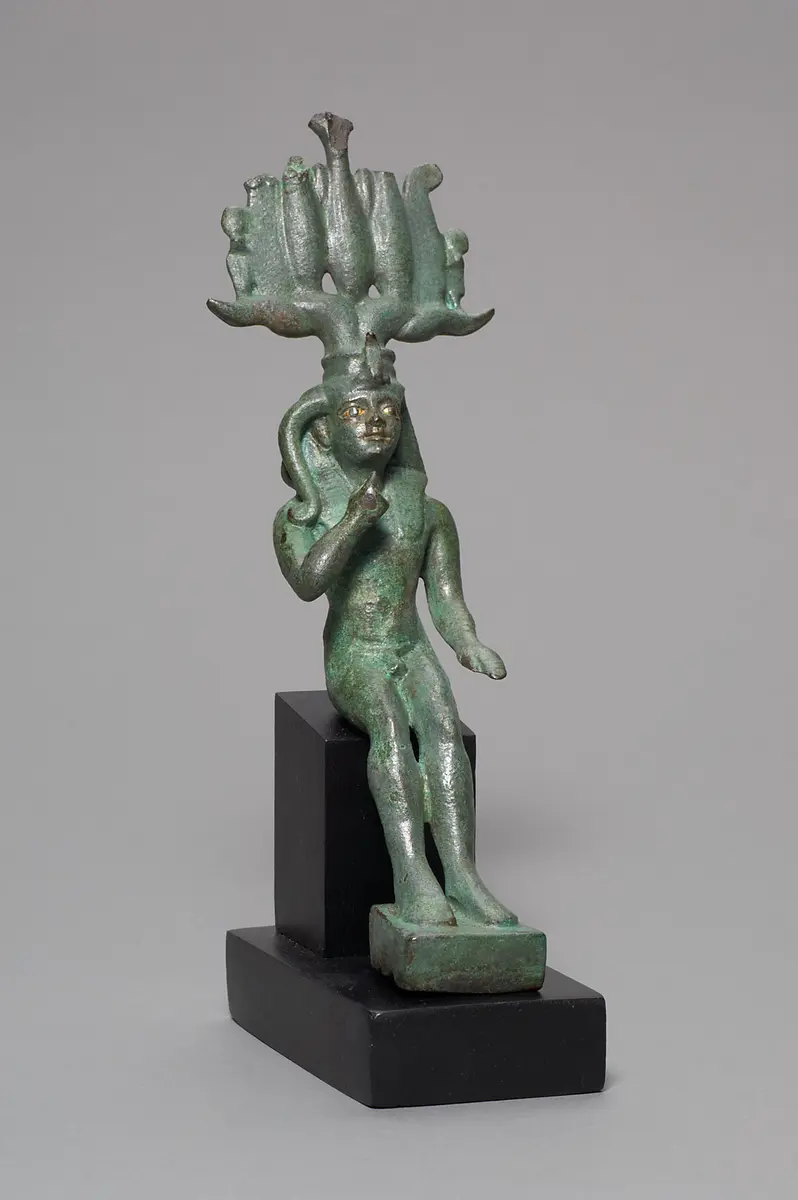
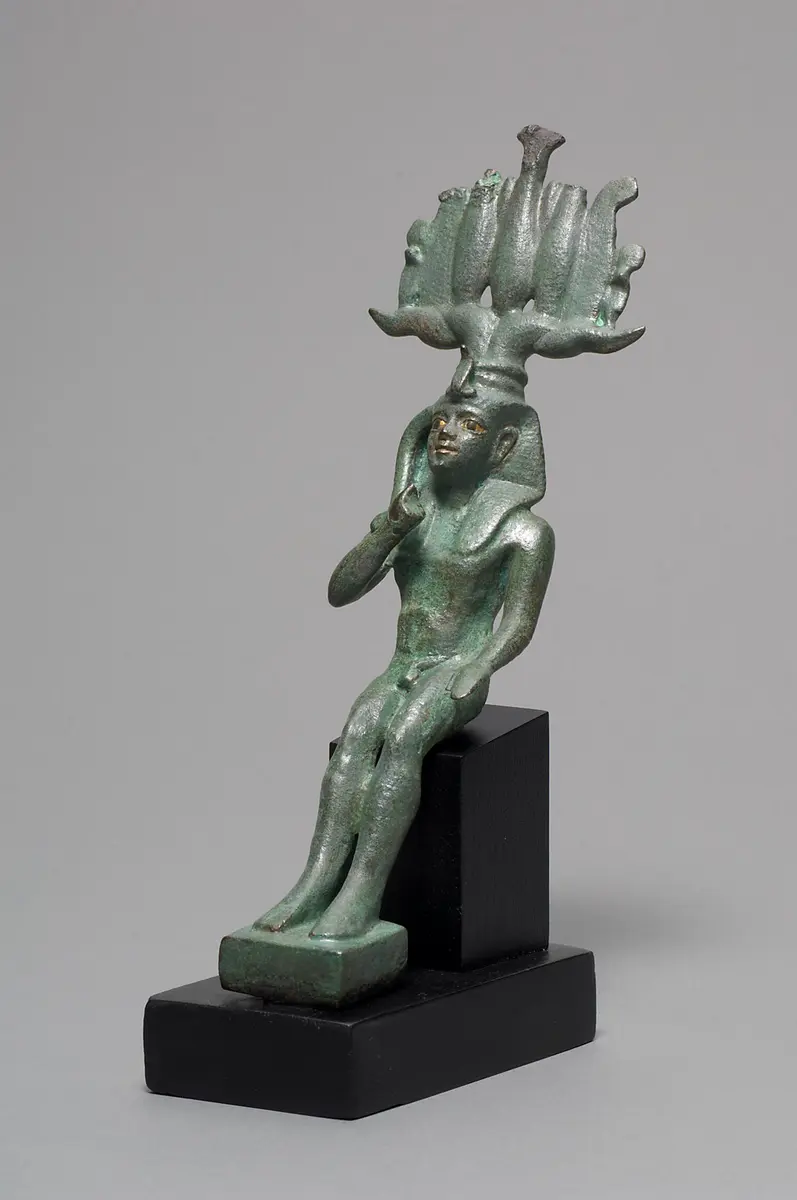
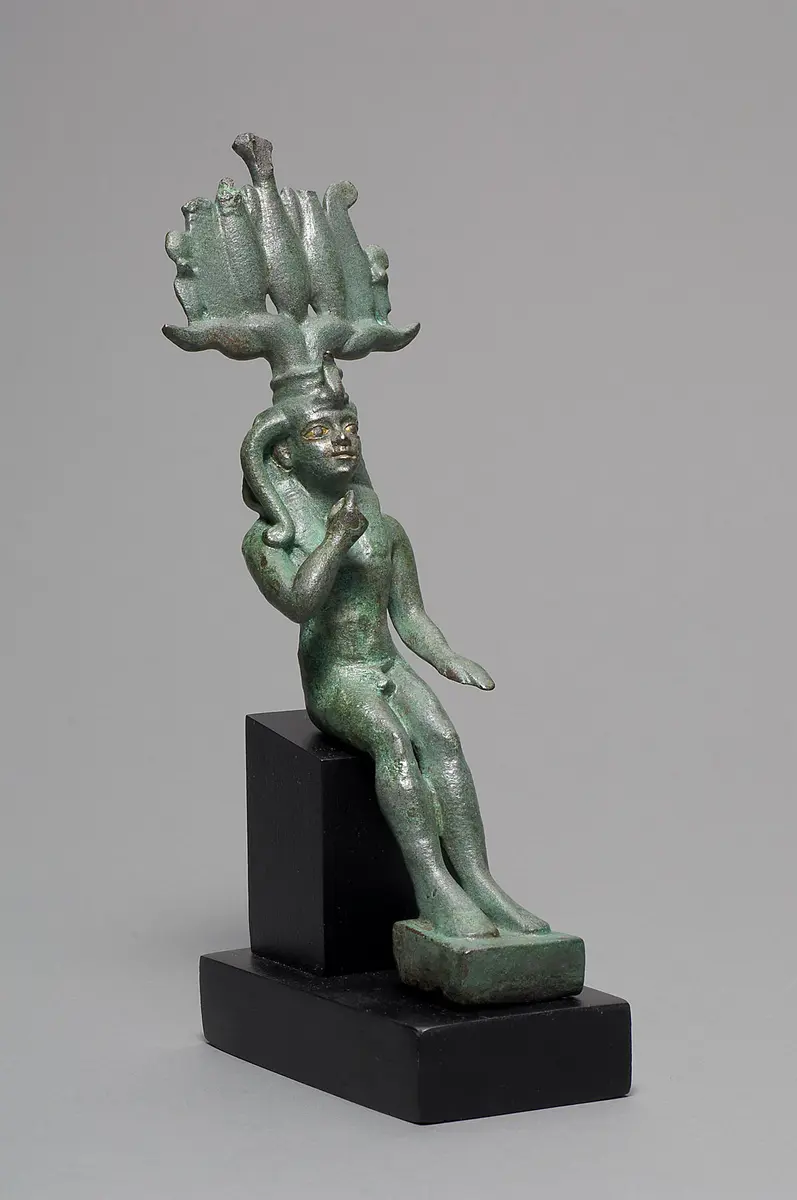
Der Gott Horus ist in dieser Statuette gleichzeitig als Kind und als König wiedergegeben. Die Nacktheit, der an den Mund gelegte Finger und die Jugendlocke weisen ihn als Kind aus. Das Nemes-Kopftuch mit der Hemhem-Krone zeigt ihn als königlichen Nachfolger seines getöteten Vaters Osiris. Die Augäpfel der Figur sind mit Gold eingelegt.
Time:
Ca. 7.-5. Jh. v. Chr.
Object Name
Statuette
Culture
Ägyptisch
Location of discovery:
Fundort unbekannt
Material/technology:
Bronze, Gold
Dimensions:
H 18,2 cm, B 7 cm, T 11,6 cm, G 493 g
Copyright
Kunsthistorisches Museum, Ägyptisch - Orientalische Sammlung
Invs.
Ägyptische Sammlung, INV 8509
Provenance
1957 Ankauf im Dorotheum Wien
Browse more
Similar items you might be interested in
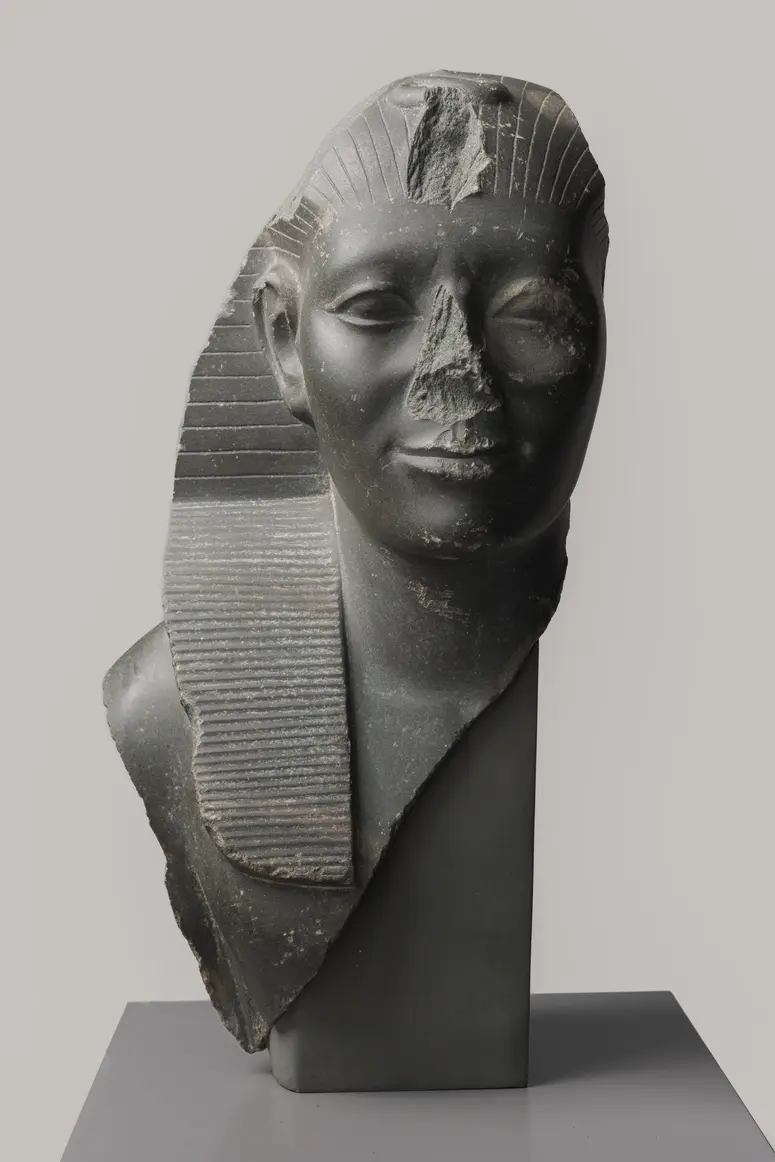
Bust from a statue of King Amenemhet V Sekhemkare Elephantine (vermutlich) 13th Dynasty, reign of Amenemhet V Sekhemkare, 1783-1780 BC
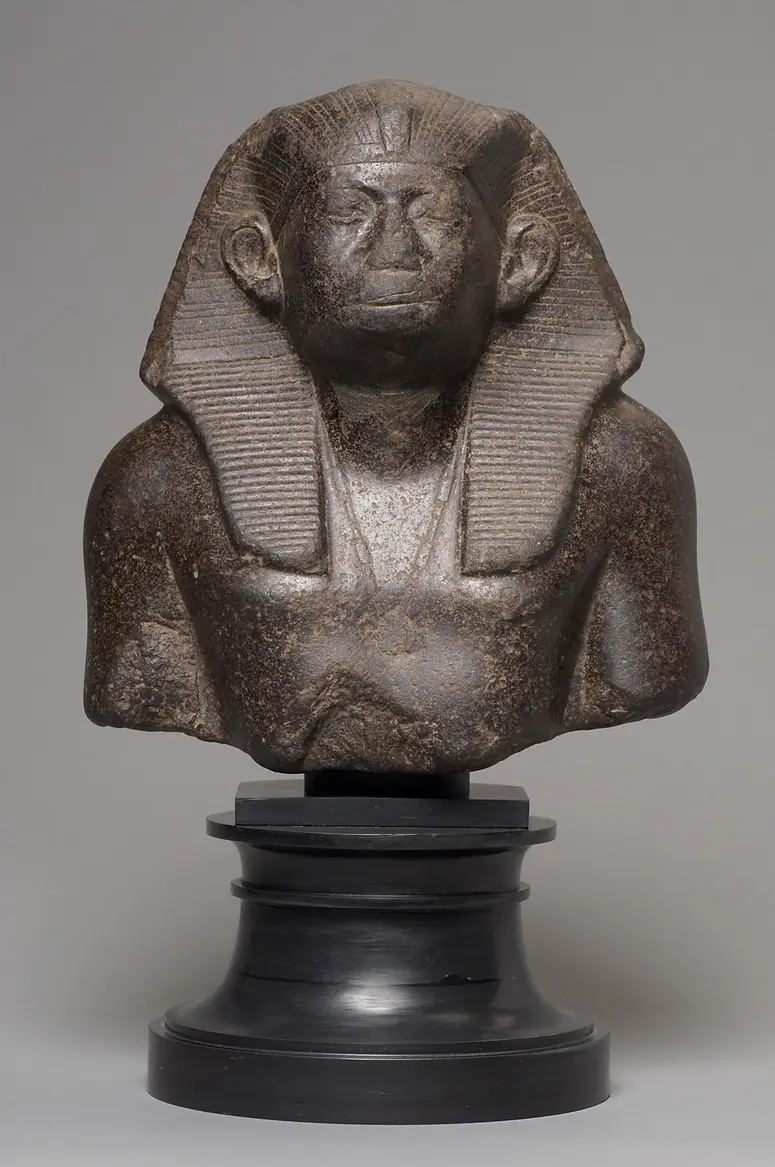
Bust from a statue of Amenemhet III Fundort unbekannt 12th Dynasty, reign of Amenemhet III, ca. 1843-1797 BC;
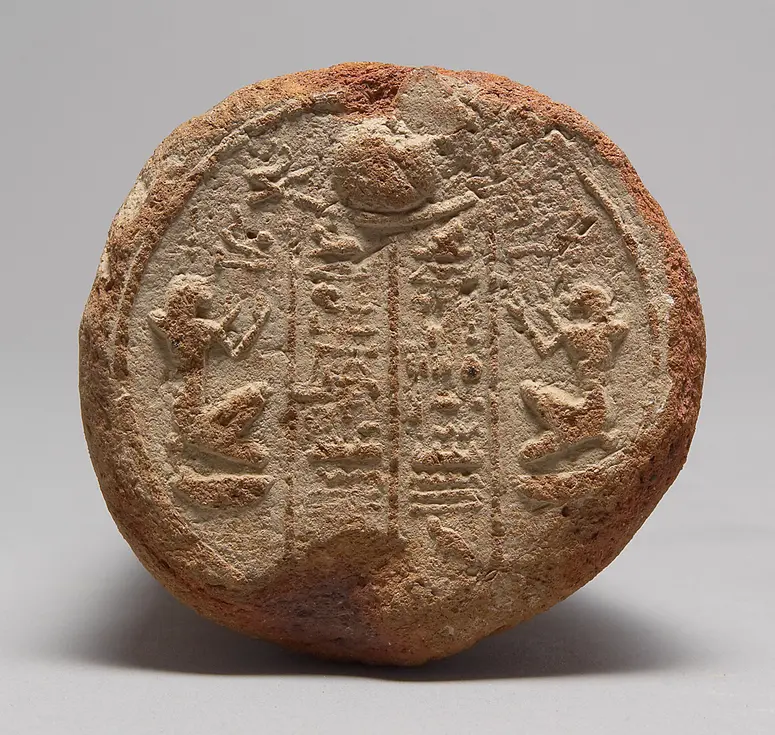
Grabkegel des Monthemhet Theben-West, Asasif, Grab 34 25. - 26. Dynastie, Taharqo bis Psammetich I., 690–610 v. Chr.
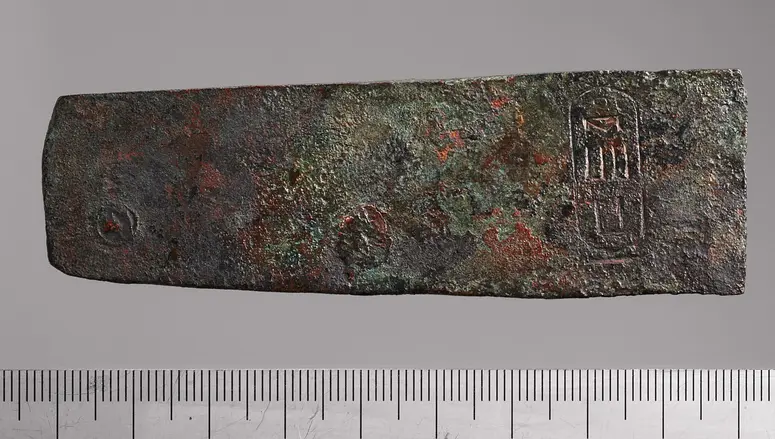
Adze blade with the name of Amenemhet II Fundort unbekannt 12th Dynasty, reign of Amenemhet II, 1929–1895 BC
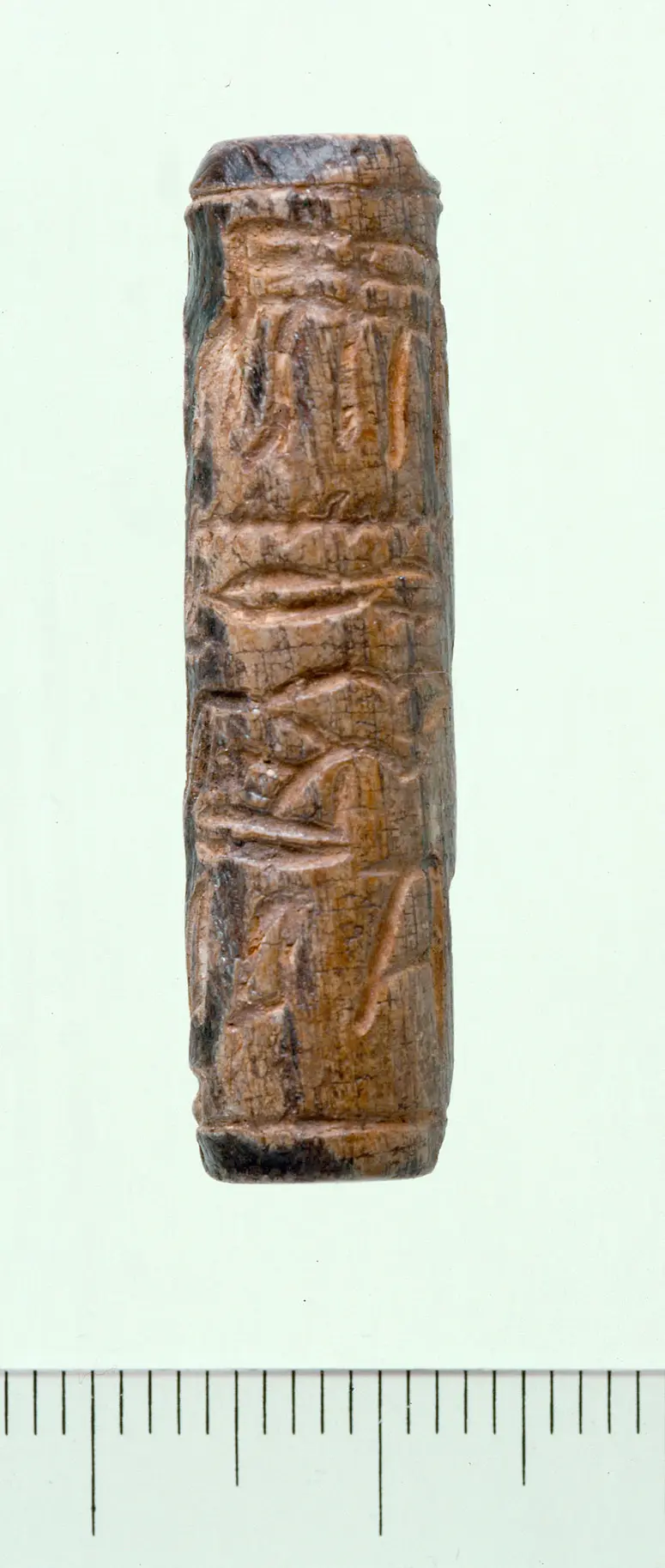
Zylindersiegel mit dem Namen des Königs Amenemhet III. Fundort unbekannt 12. Dynastie, ca. 1843-1797 v. Chr.
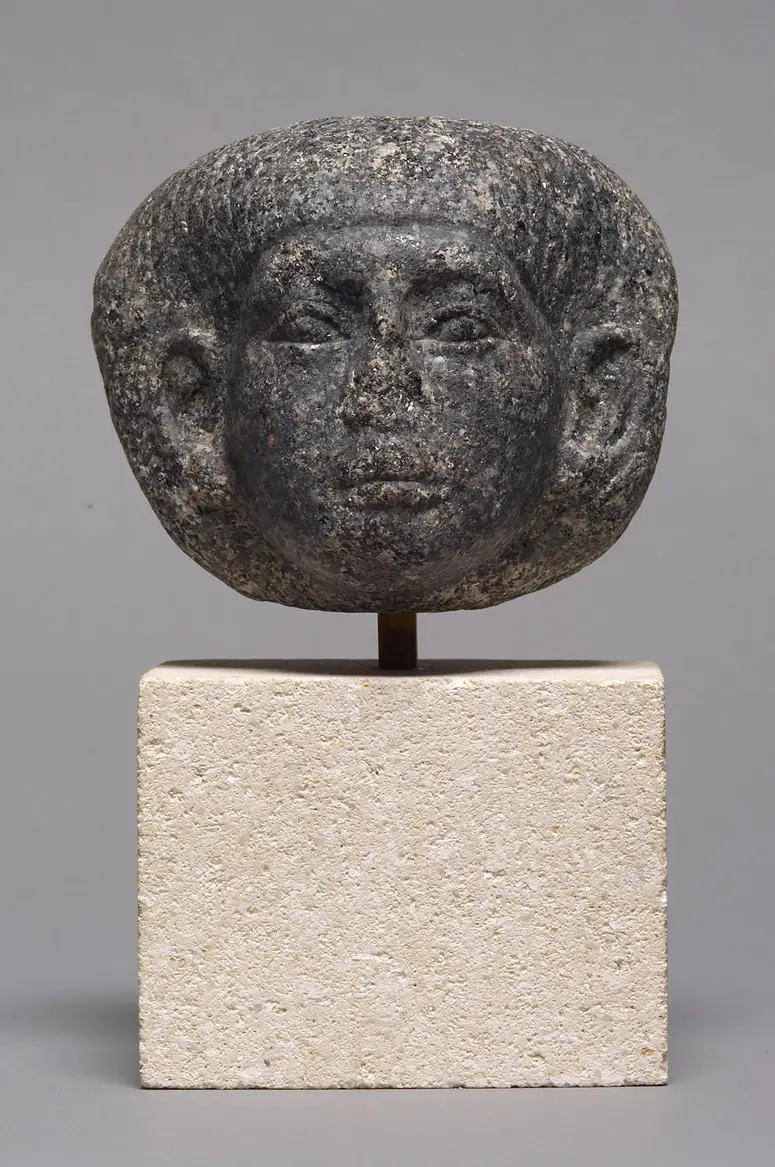
Statuenkopf eines Mannes Tell el-Daba, A/I-g/3, Pl. 3-4 12. Dynastie, Zeit Amenemhet III., ca. 1843-1797 v. Chr.
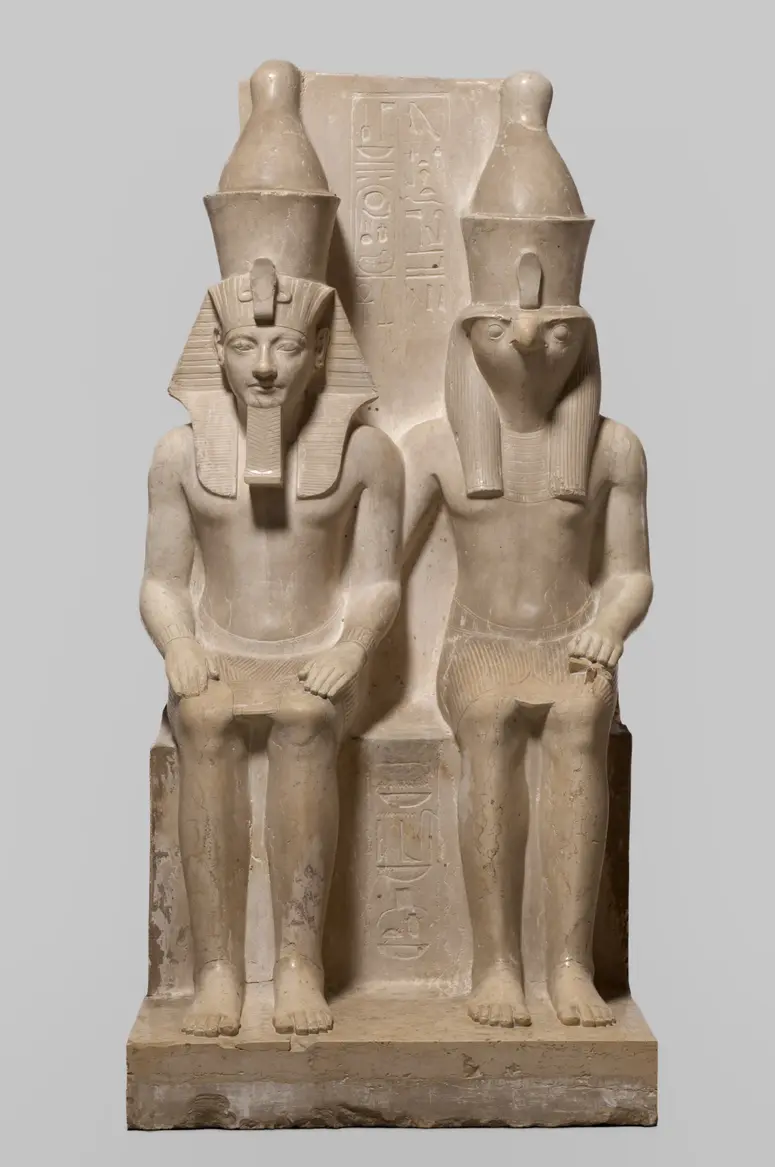
Statue group of the god Horus and King Haremhab Fundort unbekannt 18th Dynasty, reign of Haremhab, 1343–1315 BC
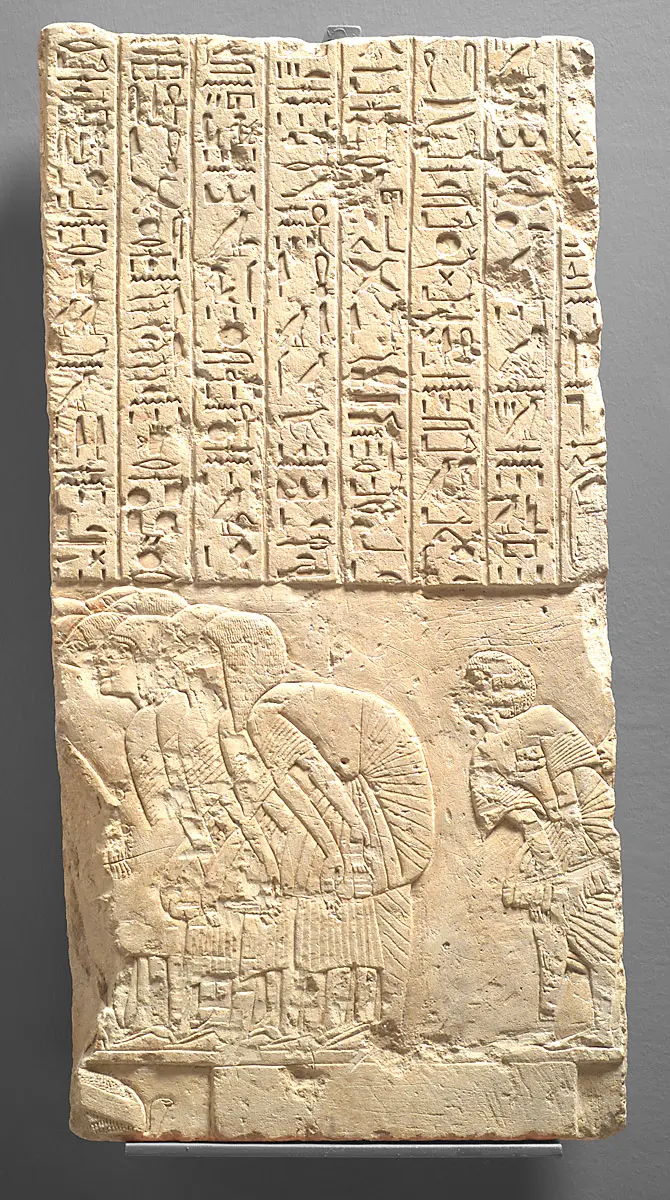
Relief from the Memphite tomb of Haremhab Saqqara 18th Dynasty, reigns of Tutankhamun and Haremhab, 1355–1315 BC
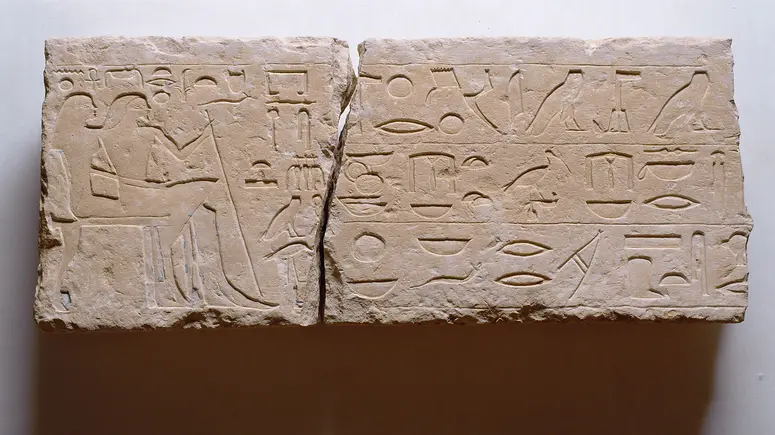
Architrav des Ham-kai Giza, Westfriedhof, Friedhof "en échelon" 6. Dynastie, um 2200 v. Chr.
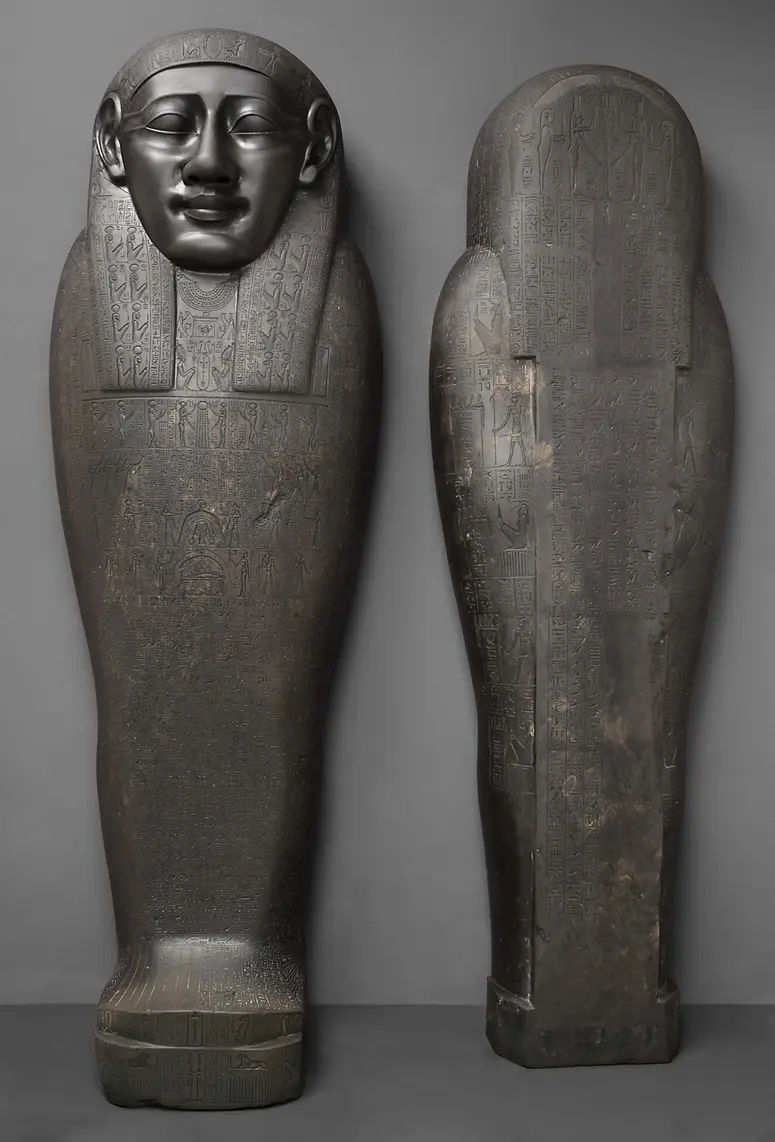
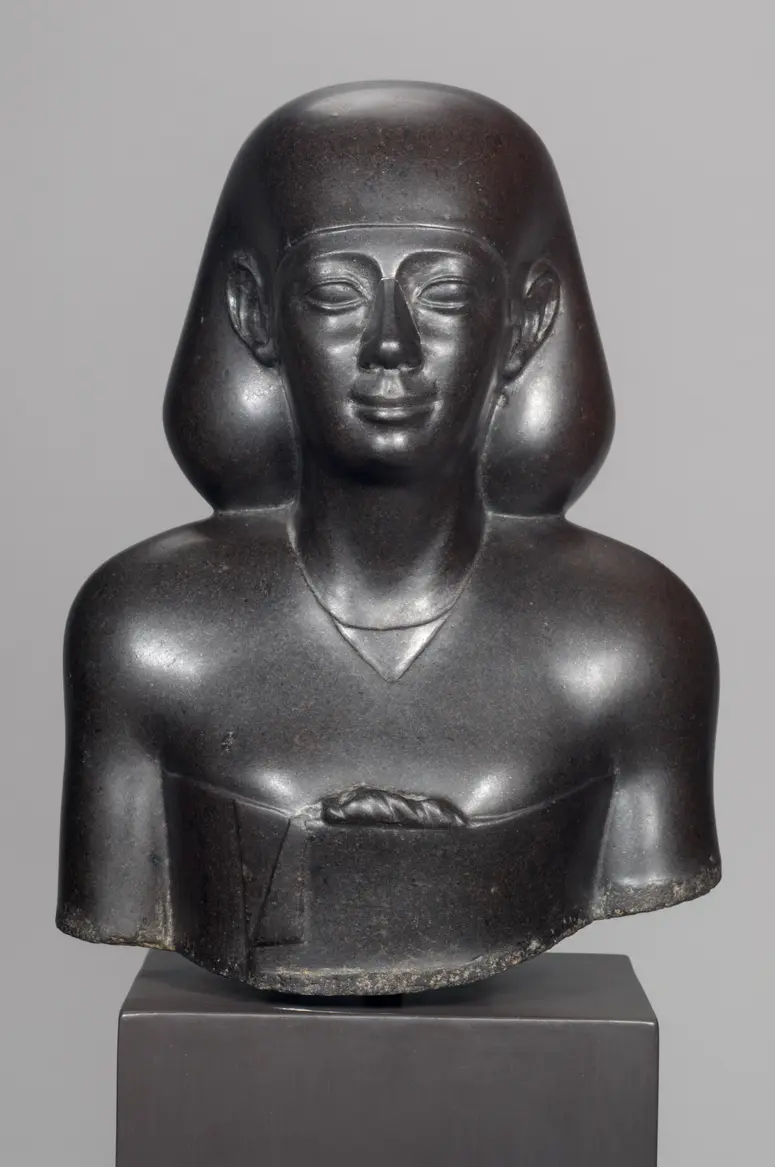
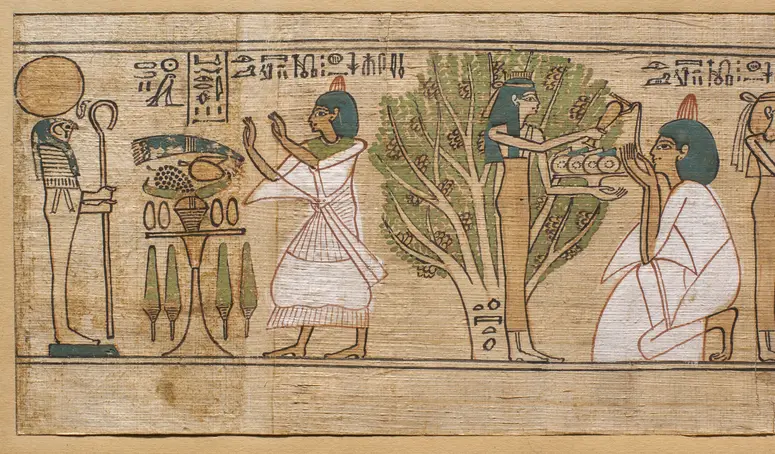
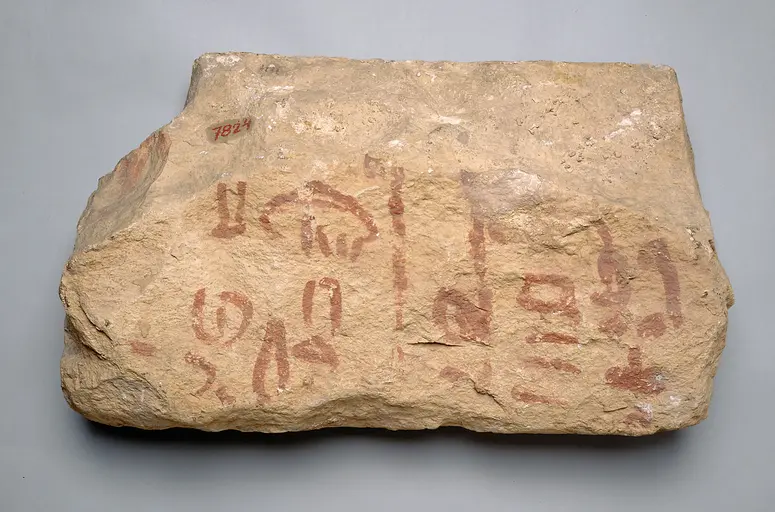
Block mit Steinmetzaufschrift Giza, Mastaba des Hemiunu 4. Dynastie, Zeit des Cheops, ca. 2609-2584 v. Chr.
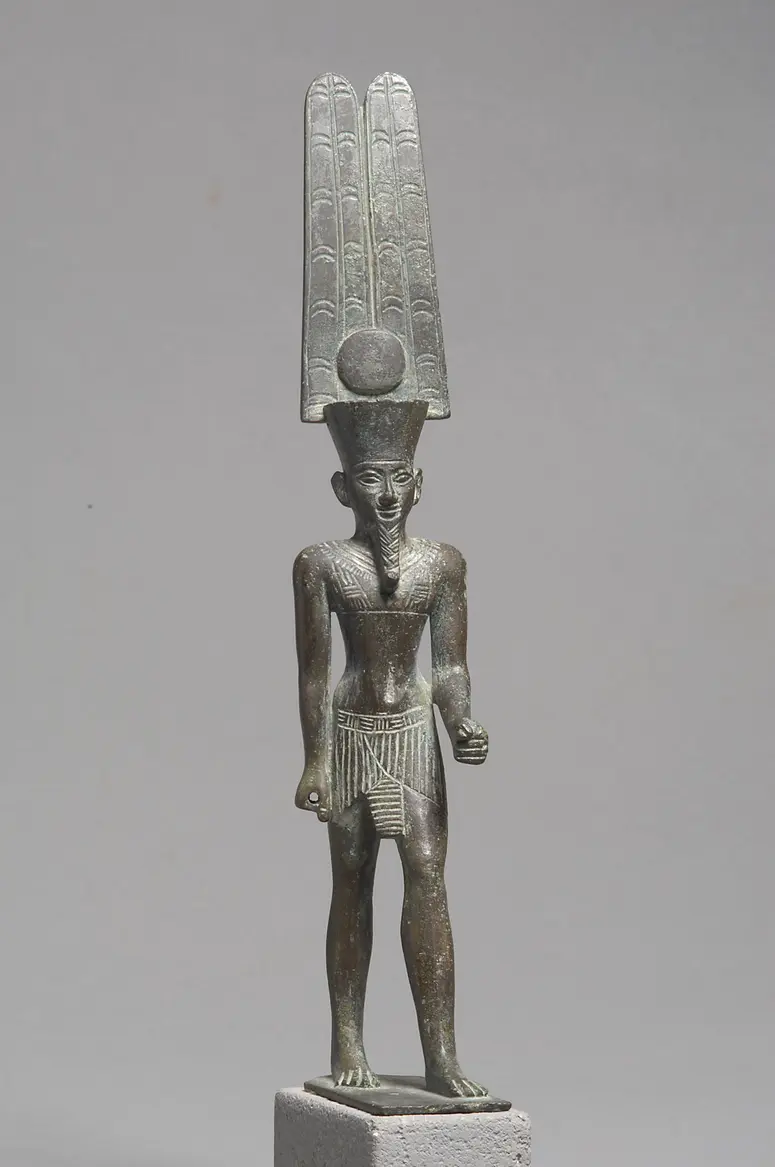
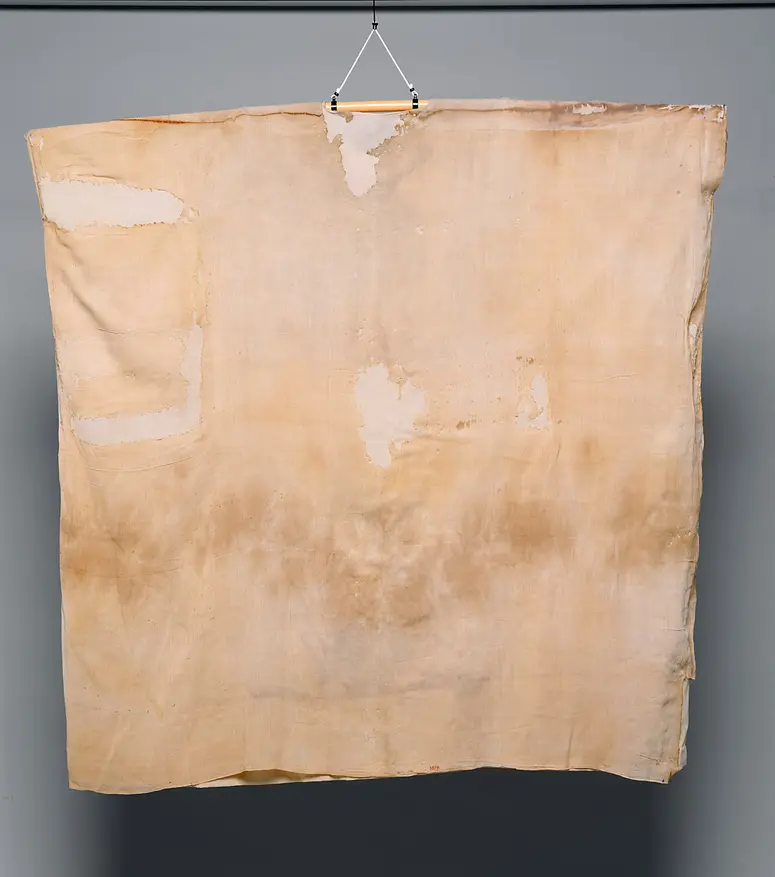
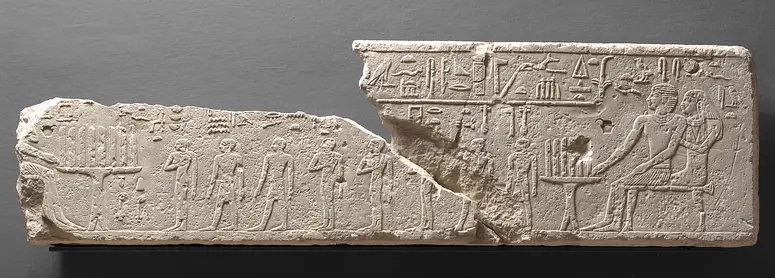
Fragmentary archi- trave of Seshemu Giza, Westfriedhof, Schacht S 590 6th Dynasty, ca. 2374-2191 BC;

Türpfosten des Hemen-hetep (?) Fundort unbekannt 19.-20. Dynastie, ca. 1315-1081 v. Chr.
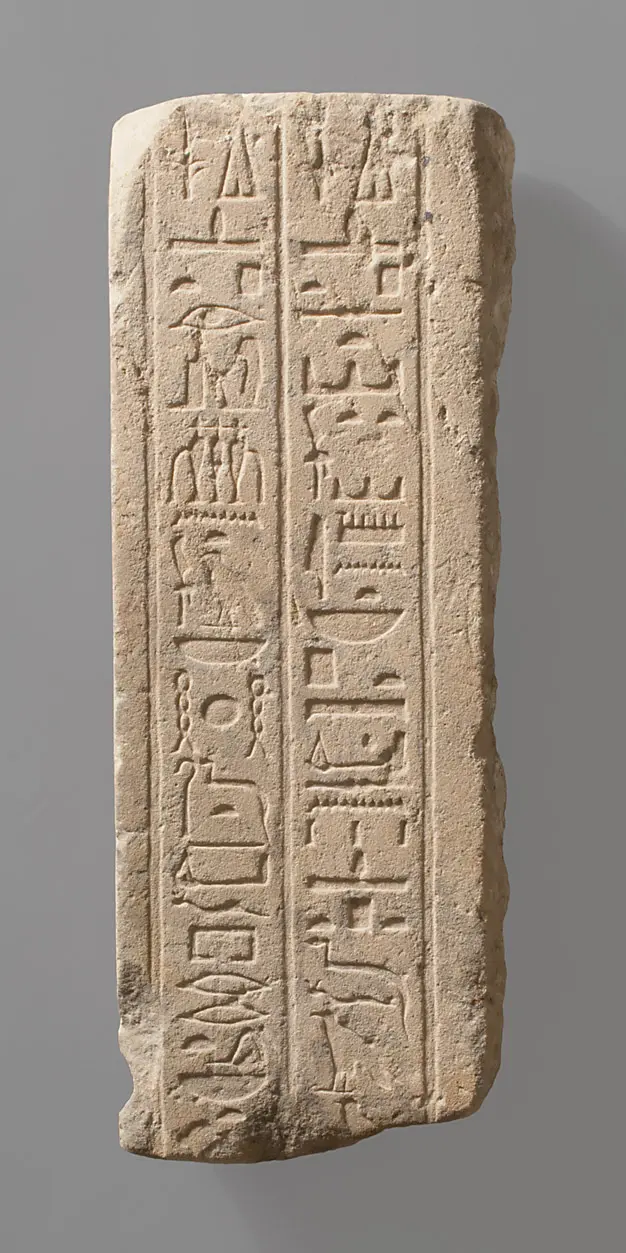
Türpfosten des Hemen-hetep (?) Fundort unbekannt 19.-20. Dynastie, ca. 1315-1081 v. Chr.
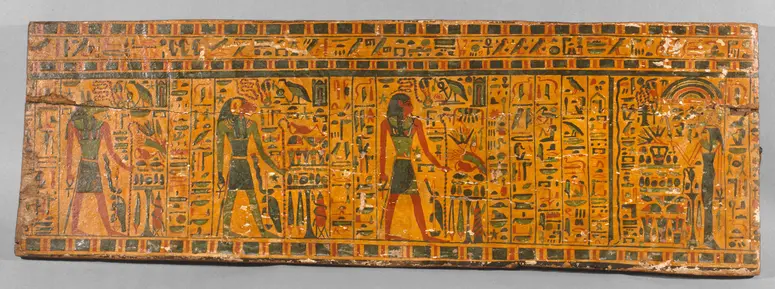
Mumienförmiger Innensarg der Ta-hemet-en-mut, fragmentiert Fundort unbekannt 21. Dynastie, 1081-931 v. Chr.