Statuenkopf eines Mannes
12. Dynastie, Zeit Amenemhet III., ca. 1843-1797 v. Chr.
Der Kopf stammt von der Statue eines Mannes, die typisch für die Privatplastik des Mittleren Reiches ist. Das Gesicht trägt porträthafte Züge des Königs Amenemhet III. Die Reibspuren an der Unter- und Rückseite des Kopfes zeigen, daß er sekundär, wahrscheinlich in der Hyksoszeit, als Reibstein Verwendung fand.
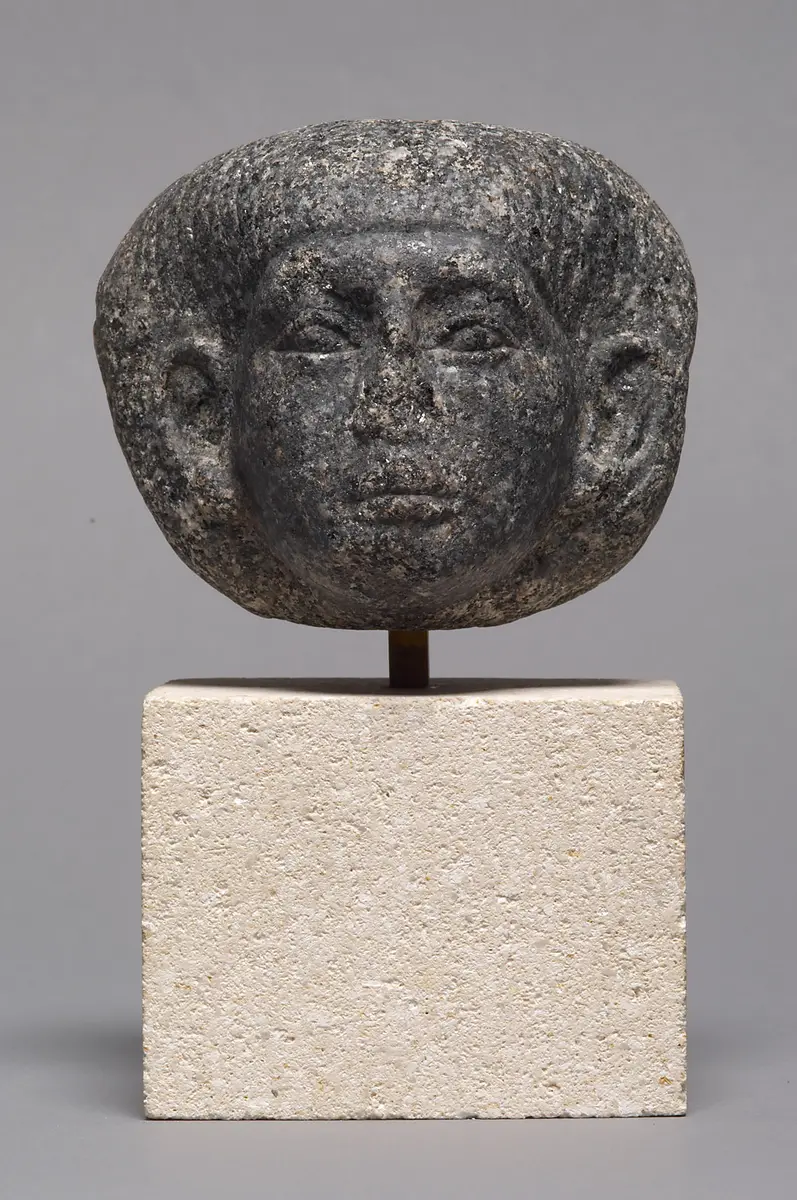
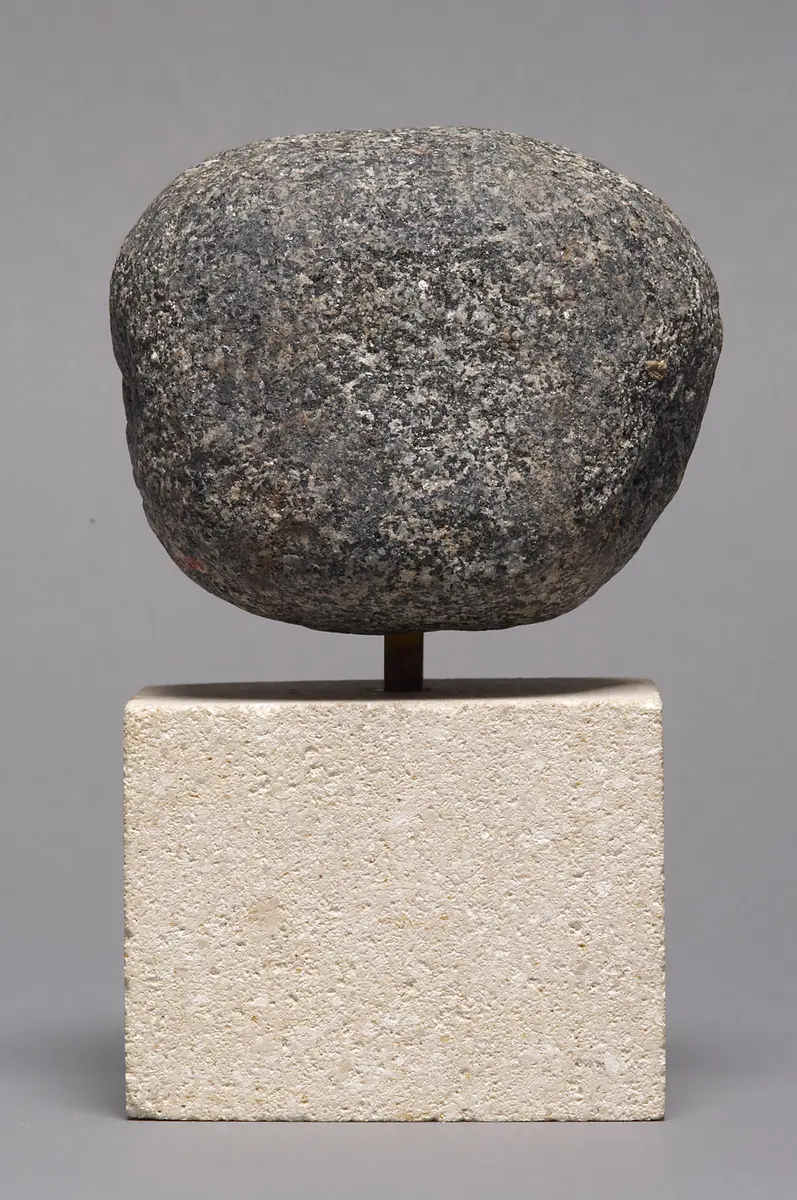
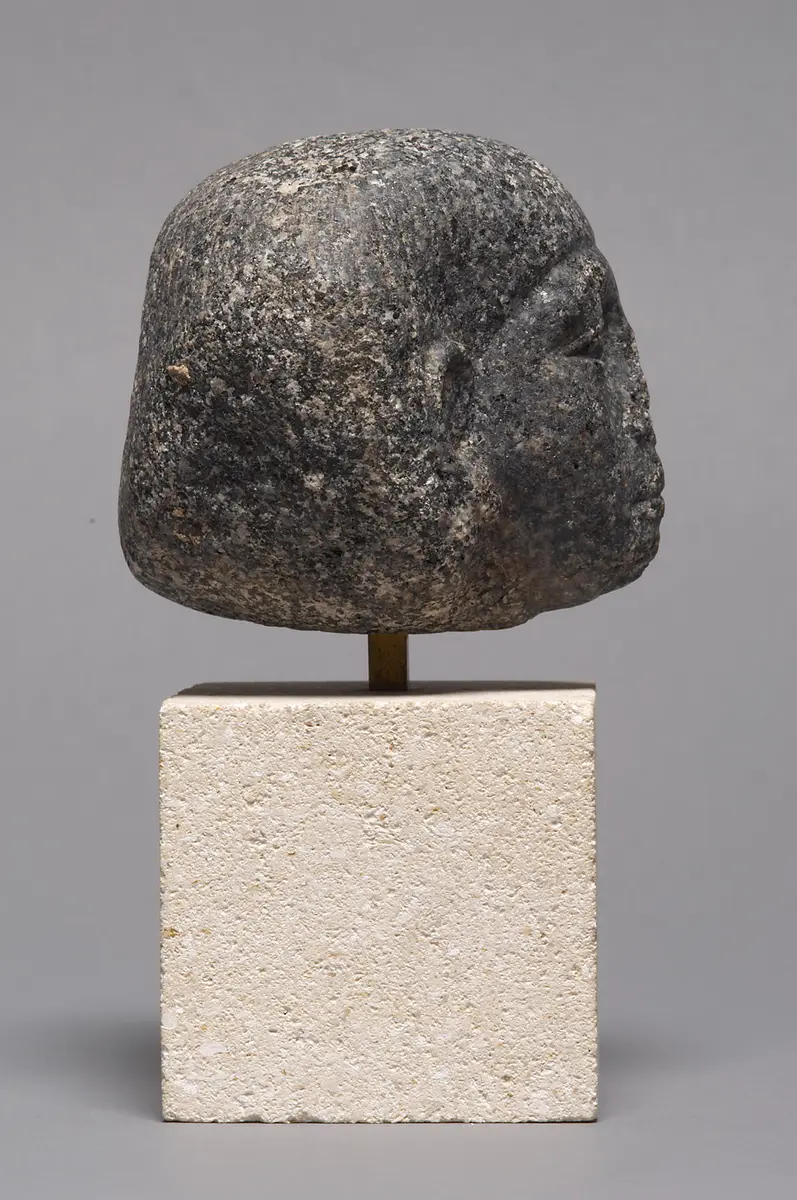
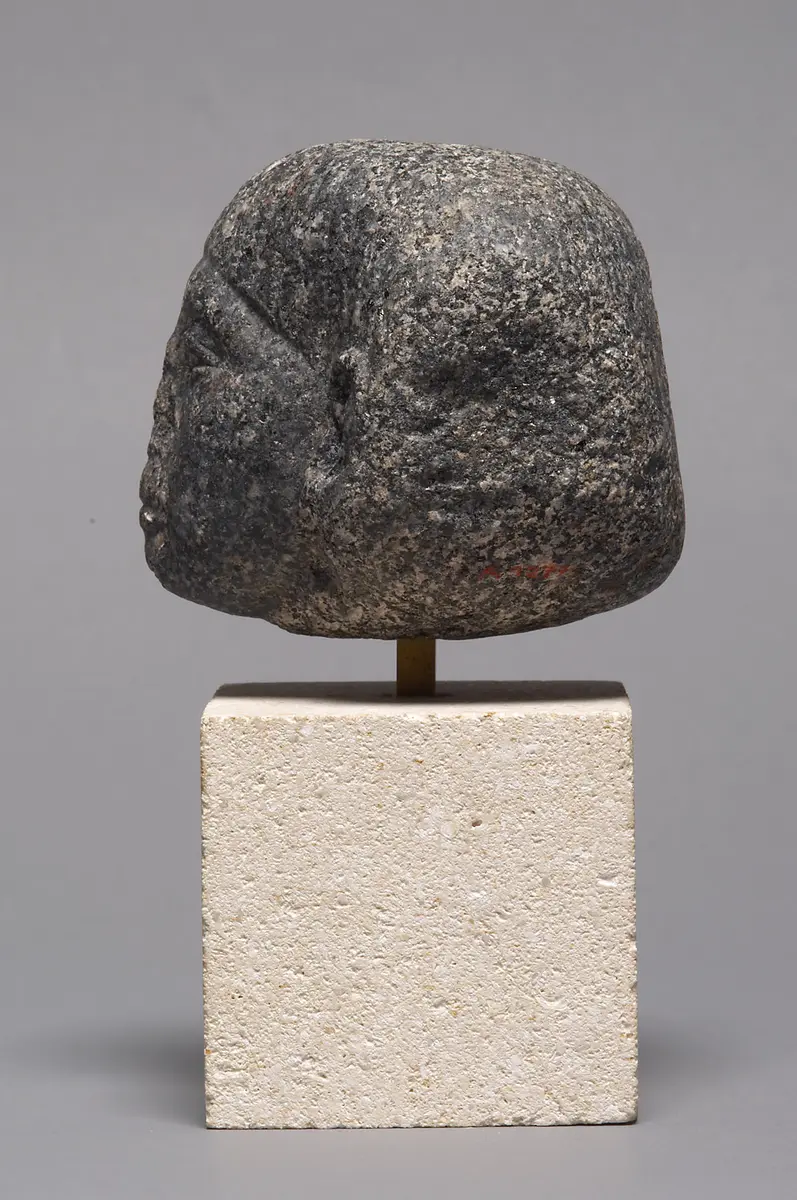
Der Kopf stammt von der Statue eines Mannes, die typisch für die Privatplastik des Mittleren Reiches ist. Das Gesicht trägt porträthafte Züge des Königs Amenemhet III. Die Reibspuren an der Unter- und Rückseite des Kopfes zeigen, daß er sekundär, wahrscheinlich in der Hyksoszeit, als Reibstein Verwendung fand.
Time:
12. Dynastie, Zeit Amenemhet III., ca. 1843-1797 v. Chr.
Object Name
Statue
Culture
Ägyptisch
Location of discovery:
Tell el-Daba, A/I-g/3, Pl. 3-4
Material/technology:
Granodiorit
Dimensions:
H 7,7 cm, B 9,1 cm, T 8,3 cm
Copyright
Kunsthistorisches Museum, Ägyptisch - Orientalische Sammlung
Invs.
Ägyptische Sammlung, A 1277
Provenance
1978 von der Anthropologischen Abteilung des Naturhistorischen Museums, Wien übernommen
Browse more
Similar items you might be interested in

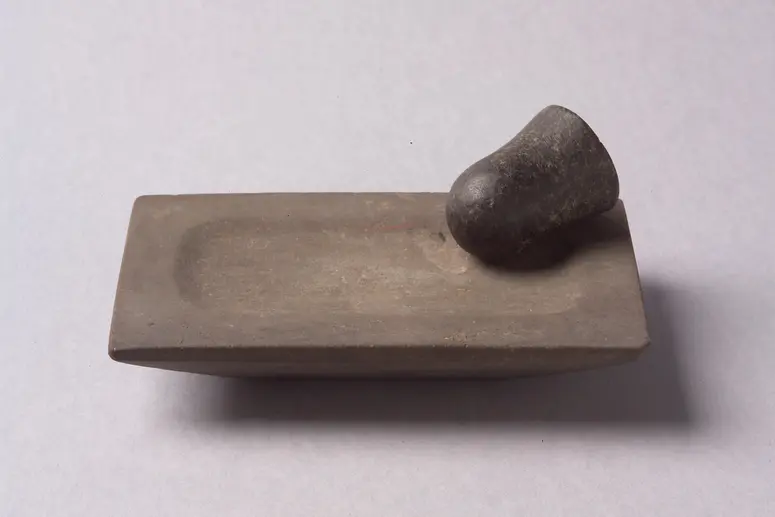
Rechteckige Schminkpalette mit Reibstein El-Kubanija Nord, Grab 11 l 1 12. Dynastie, ca. 1991-1786 v. Chr.
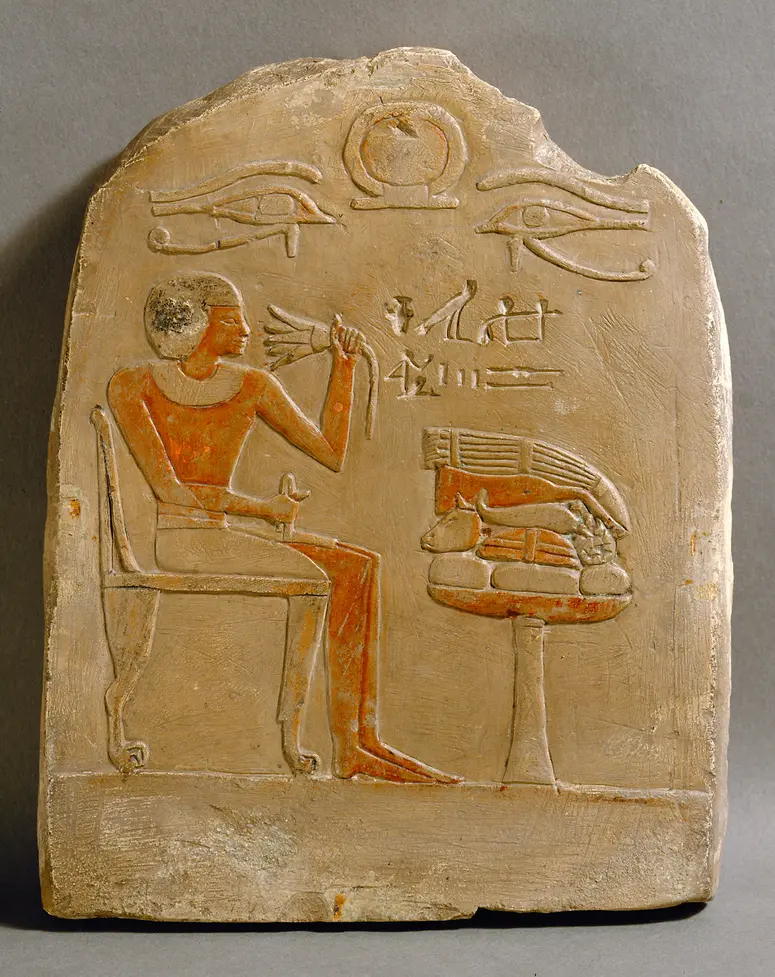
Stele des Ka-em-her-ibsen Fundort unbekannt Frühe 18. Dynastie, ca. 1569-1516 v. Chr.
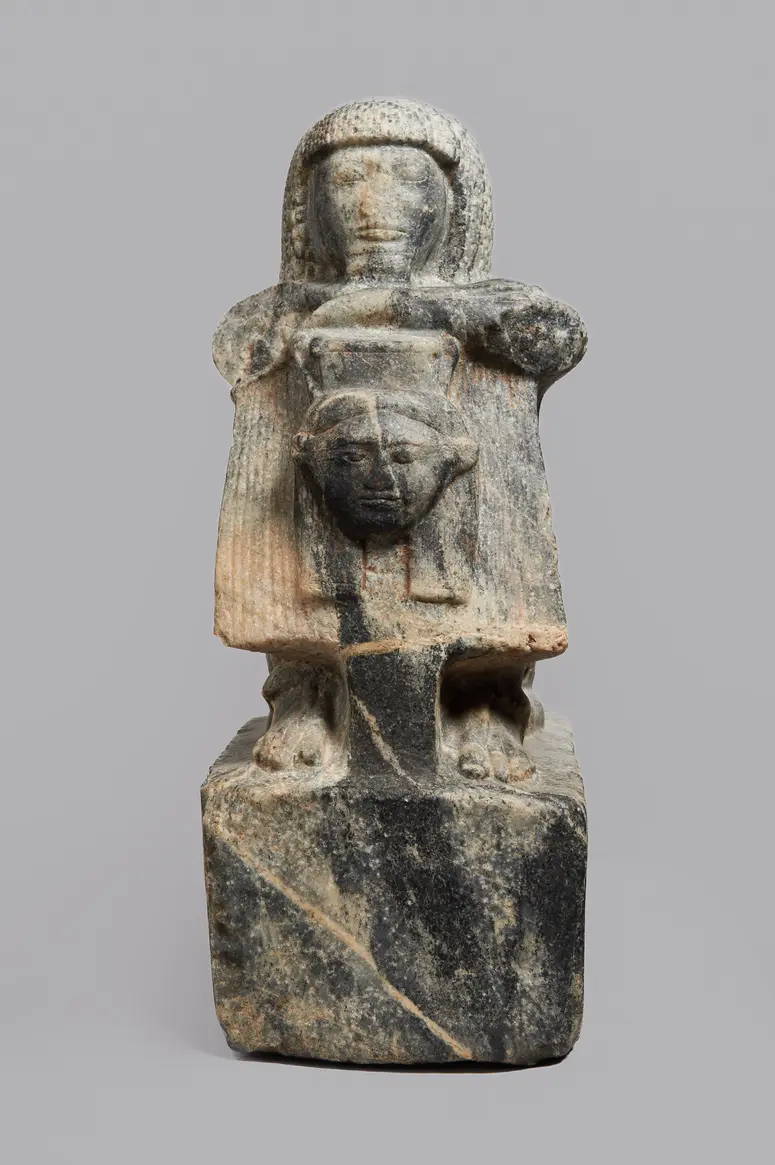
Squatting statue of Khai-hapi with a sistrum Vindobona, Wien III, Wr. Neustädter-Kanal, Landstraße 2nd half of the 19th Dynasty, ca. 1250-1200 BC
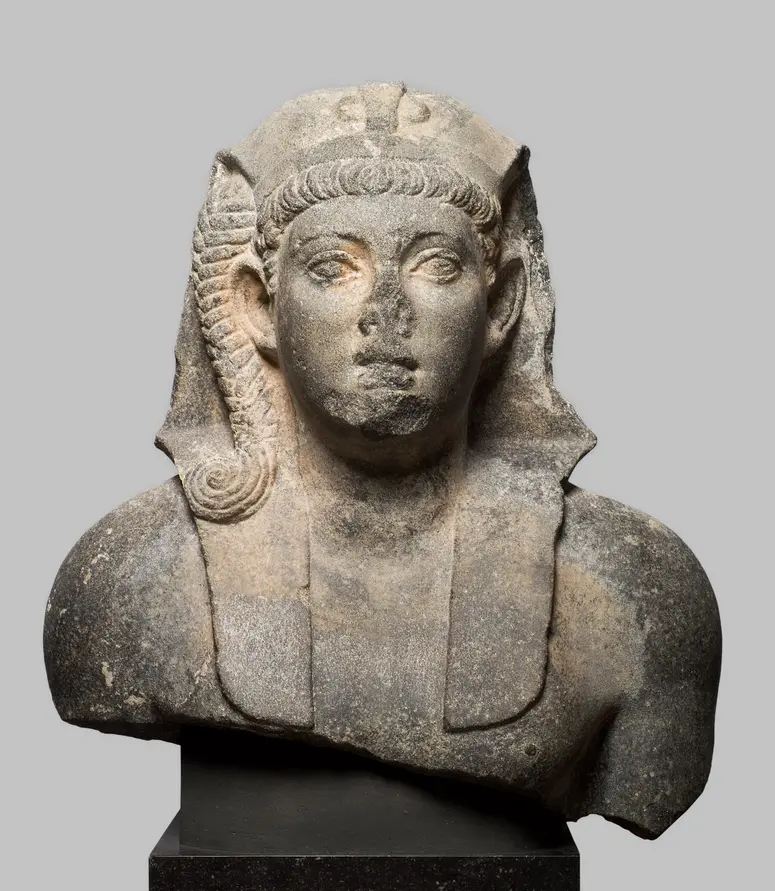
Bust of a youthful king Alexandria (vermutlich) 2nd /1st century BC or 1st century AD;
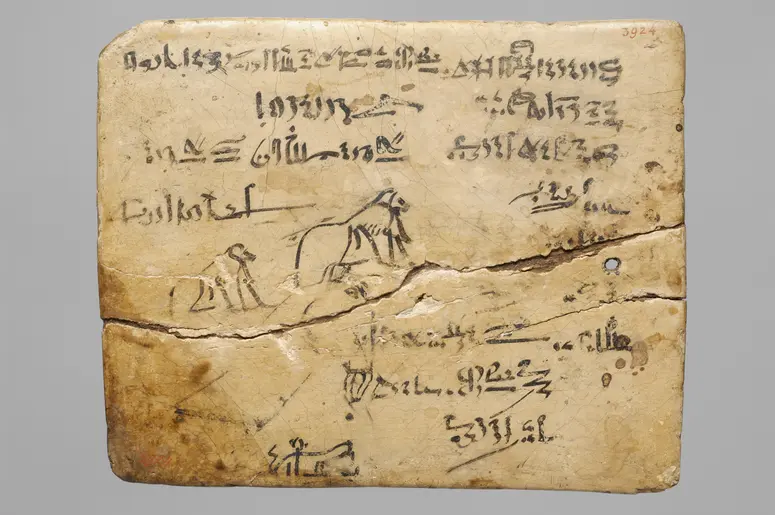
Schreibtafel Fundort unbekannt 19. Dynastie, ca. 13. Jh. v. Chr.
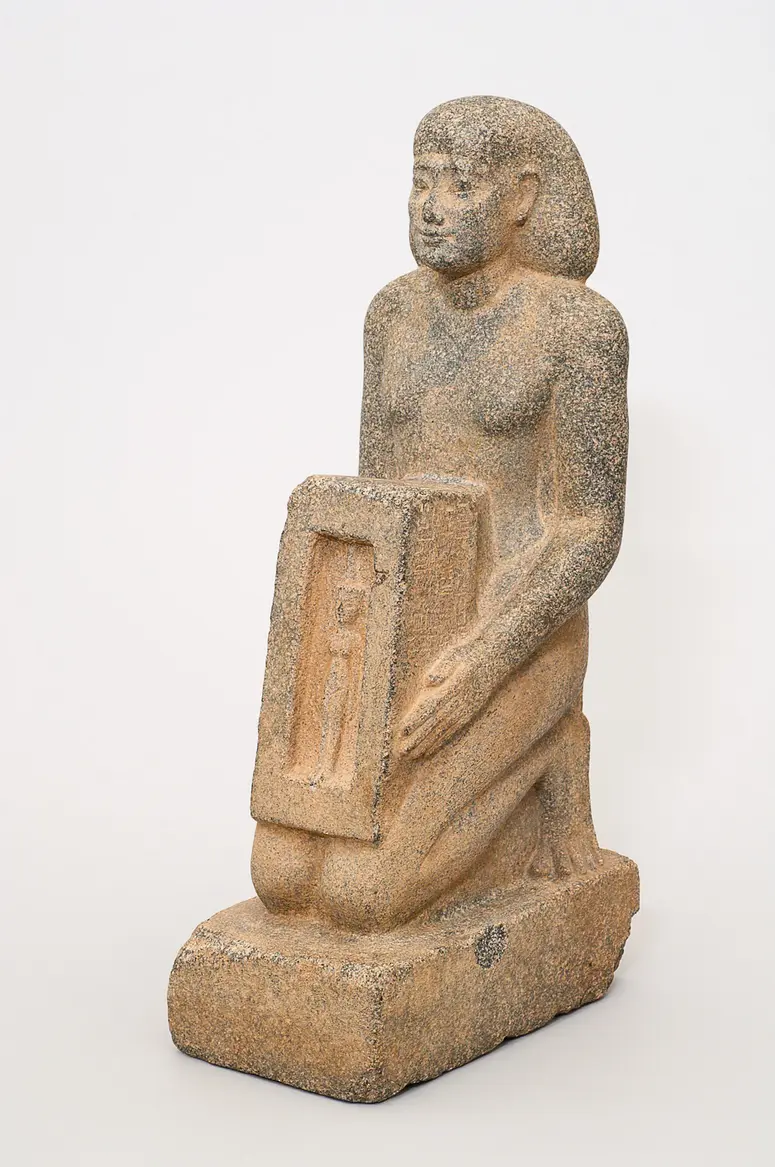
Naophorous statue of Gem-nef-hor-bak Sais (vermutlich) 30th Dynasty, 1st half of the 4th century BC
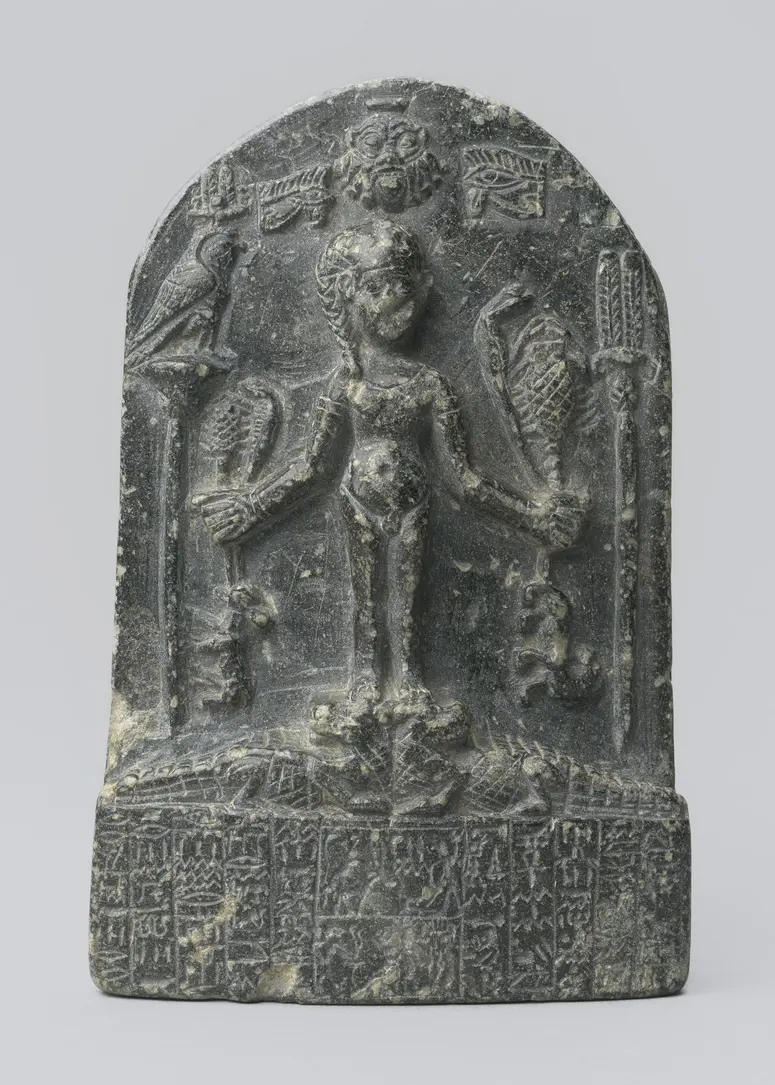
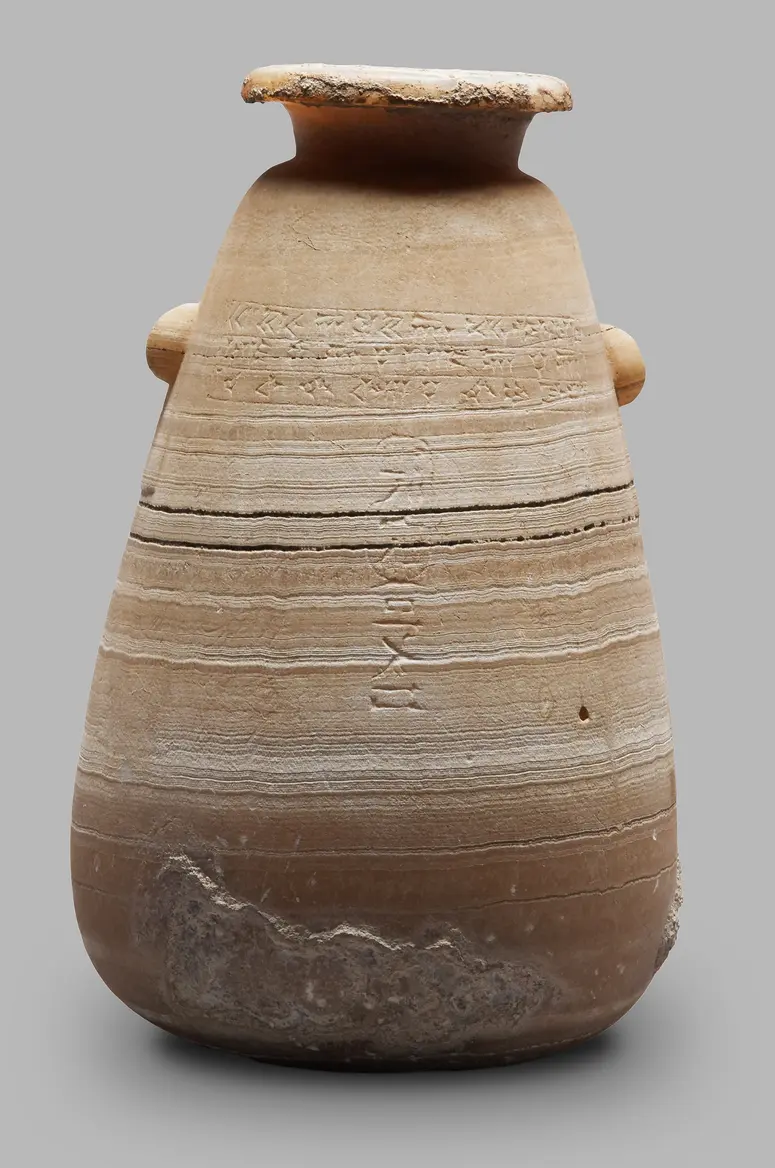
Großes Alabastron des Xerxes mit viersprachiger Inschrift Ägypten (vermutlich) Zeit des Xerxes, 486-466 v. Chr.
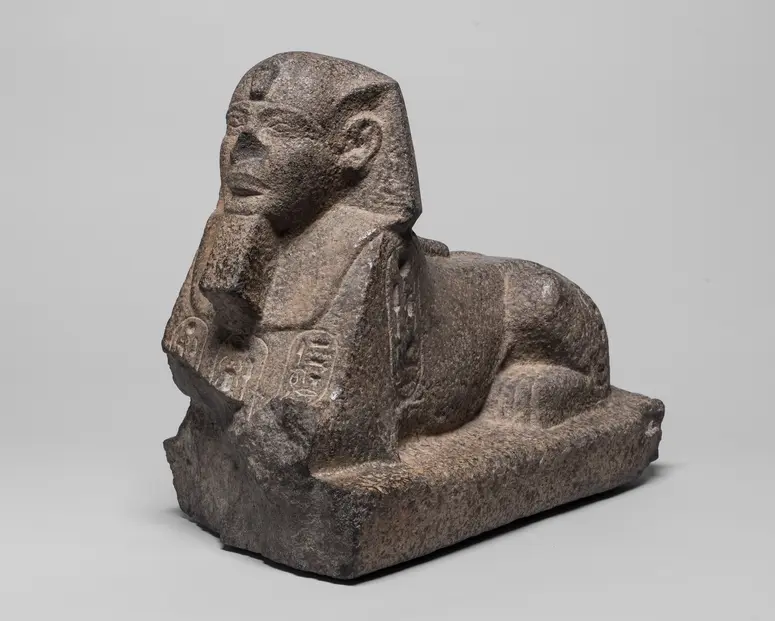
Sphinx of Osorkon I Unterägypten, Gebiet von Herakleopolis bis Bubastis (vermutlich) 22nd Dynasty, reign of Osorkon I, 910–896 BC
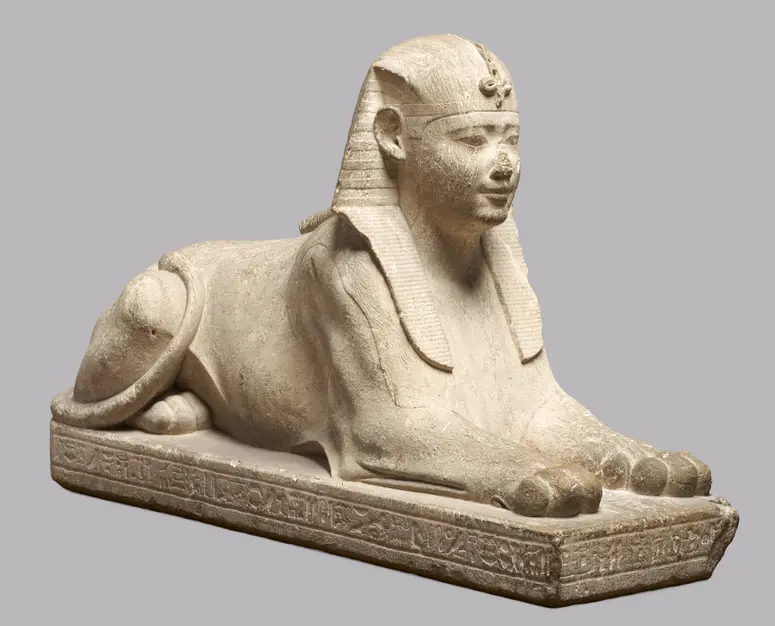
Sphinx of Wah-ib-re Unterägypten (vermutlich) 30th Dynasty, 380–343 BC
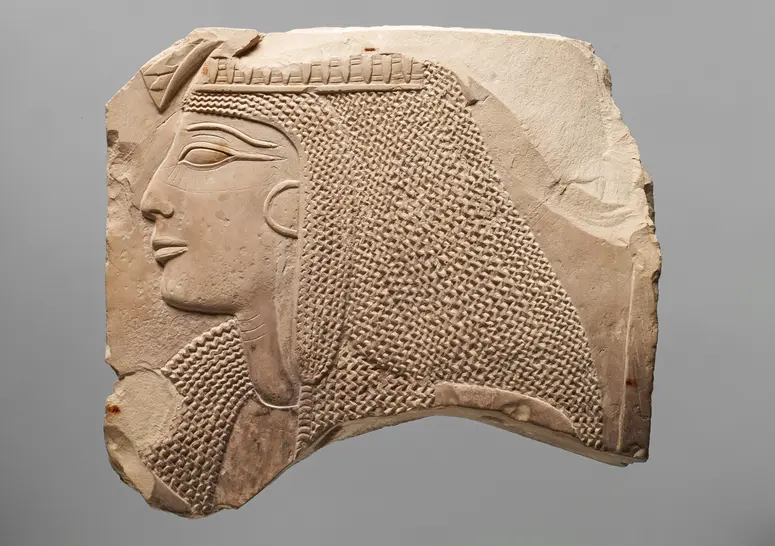
Relieffragment mit dem Kopf einer Dame Fundort unbekannt 19. Dynastie, Anfang 13. Jh. v. Chr.
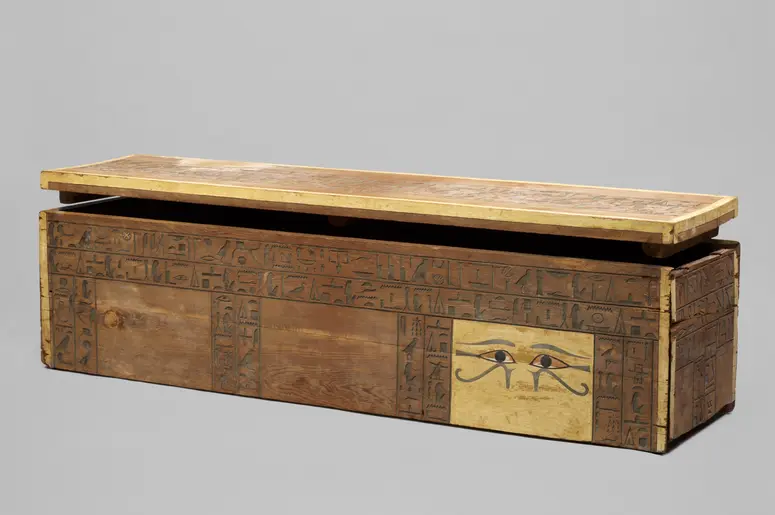
Coffin of Wepwawet-em-hat Assiut (vermutlich) 12th Dynasty, ca. 1900 BC
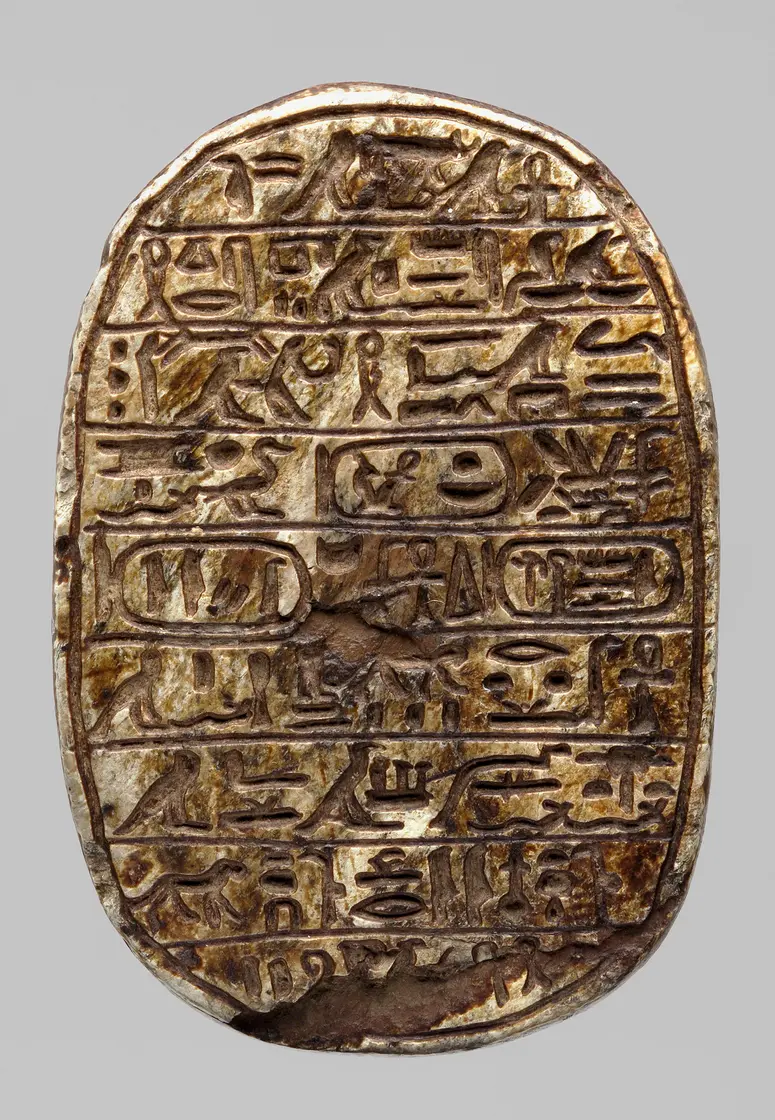
Löwenjagdskarabäus Amenophis' III. Fundort unbekannt 18. Dynastie, Zeit Amenophis' III., 1410-1372 v. Chr.
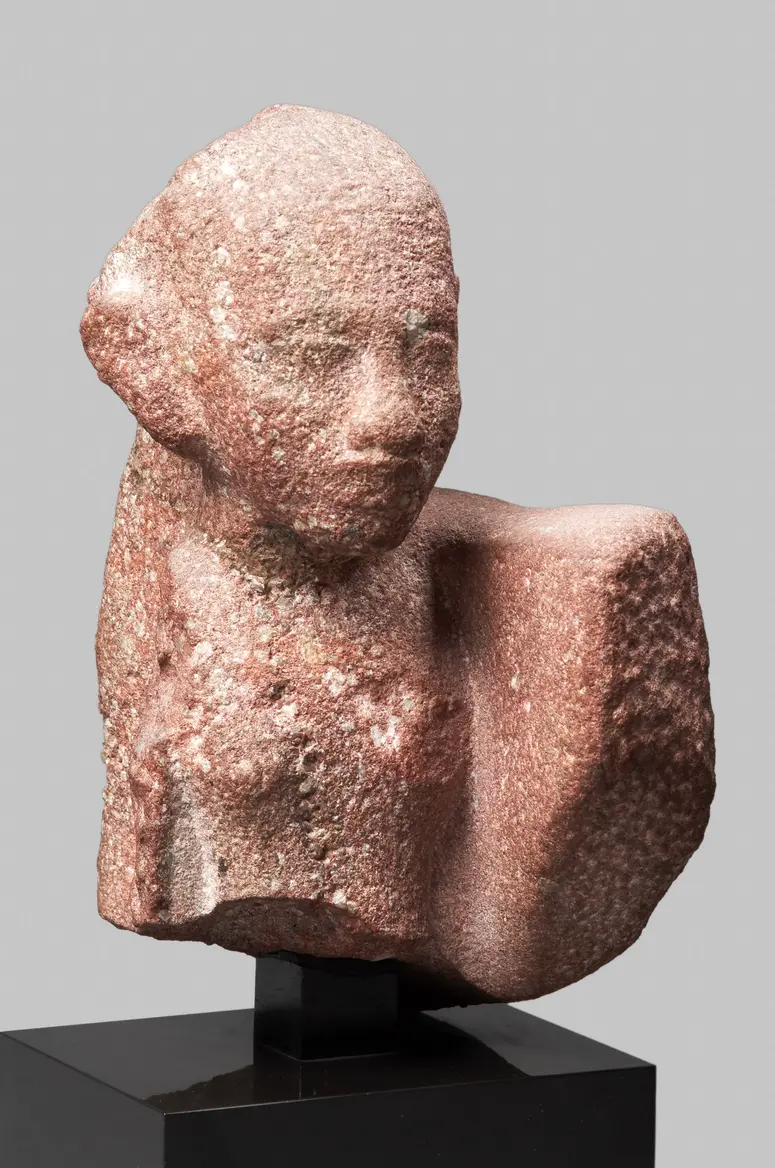
Fragmentierte Statuette einer Amarna-Prinzessin Amarna (vermutlich) 18. Dynastie, Zeit des Echnaton, 1372-1355 v. Chr.
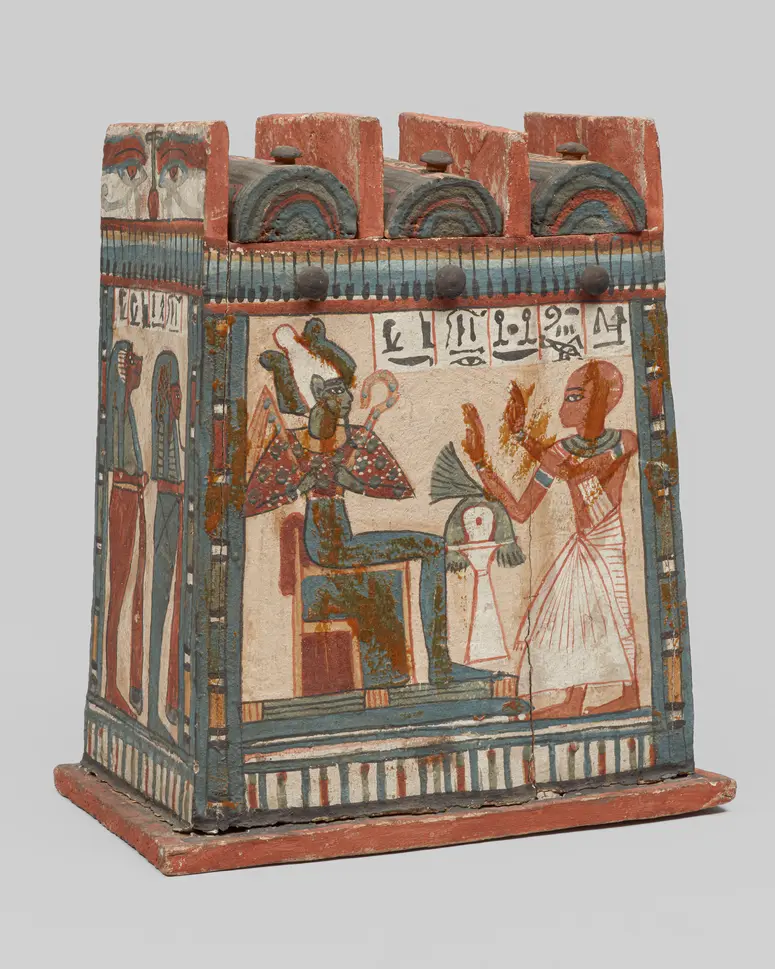
Uschebti-Kasten Theben-West Frühe 20. Dynastie, um 1150 v. Chr.