Knabe mit Jugendlocke
3. Jh. v. Chr.
The head of a boy, recognizable from the portrait-like features, stems from a Hellenistic smaller-than-life votive statue. The full, broad face has a high forehead, narrow eyes with thick stressed lids, a somewhat pinched nose, a large mouth with small upper lip and a small, round cleft-chin. The ears are small, but distinctly carved. The hairstyle consists of short, flowing locks which -- apart from a swirl on the back of the head -- cover the cranium. The forehead is framed with forelocks or kiss-curls. On the back of the head one can discern a long, plaited pony-tail. This points to the presence of the ‘youth-lock’ which has been known since the Hellenistic period, and is a sign of the servants of Horus. The pony-tail would be cut off as a sign of adulthood around the boy’s 14th year. Boys’ heads with ‘youth-locks’ were often created in Cyprus from the third century B. C.
A. Bernhard-Walcher u. a., Die Sammlung zyprischer Antiken im KHM. Sammlungskataloge des KHM Bd. 2, Wien: 1999
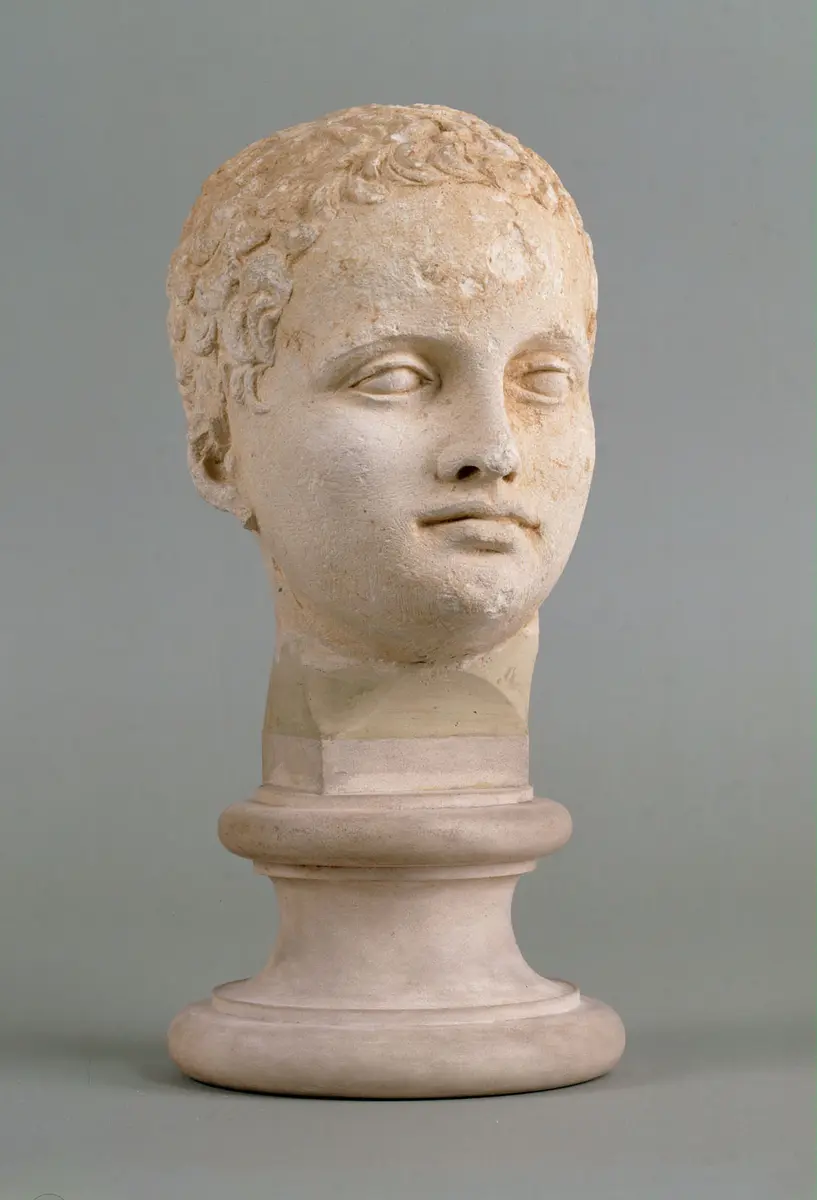
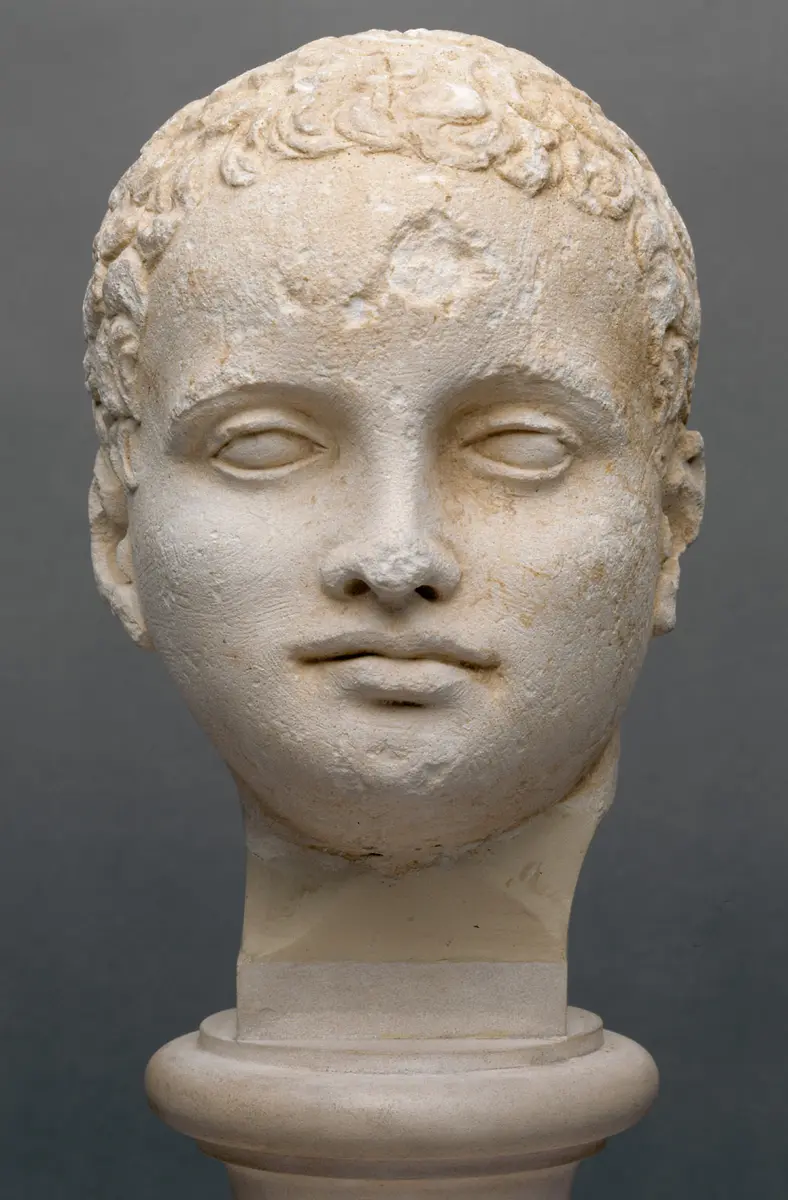
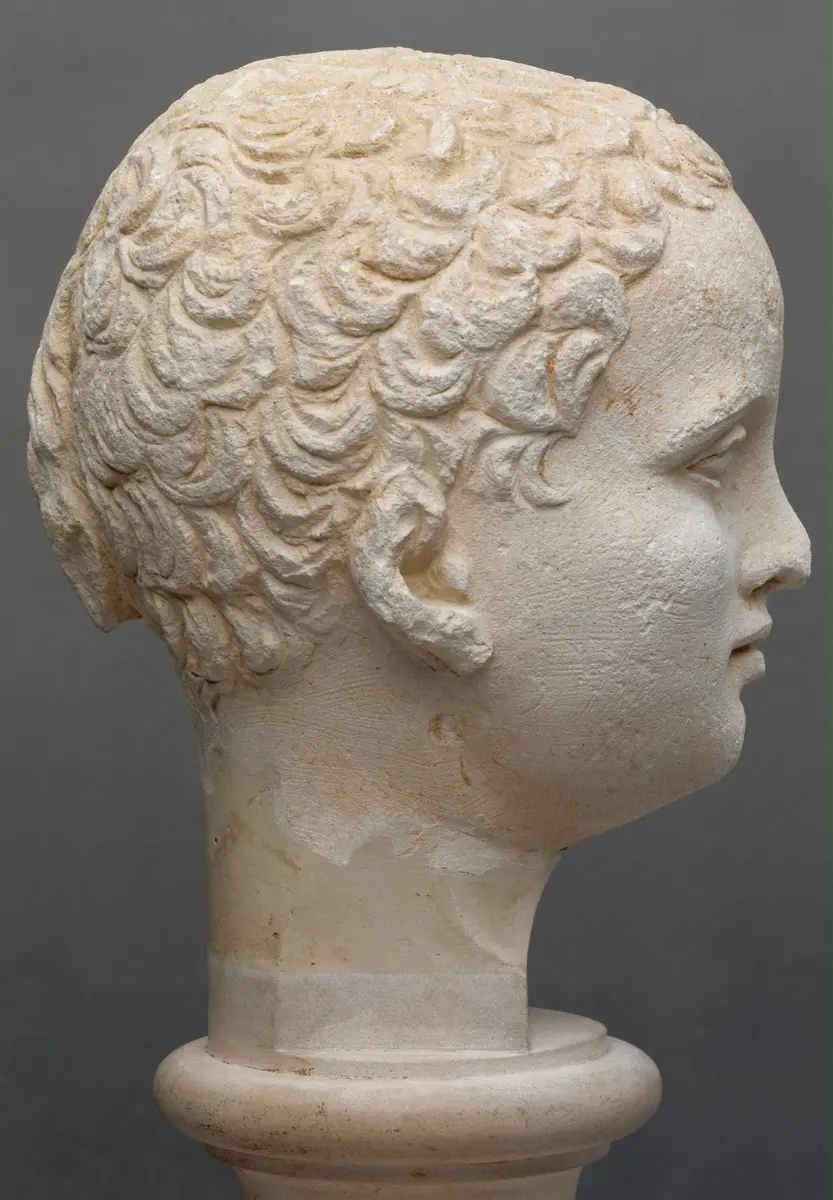
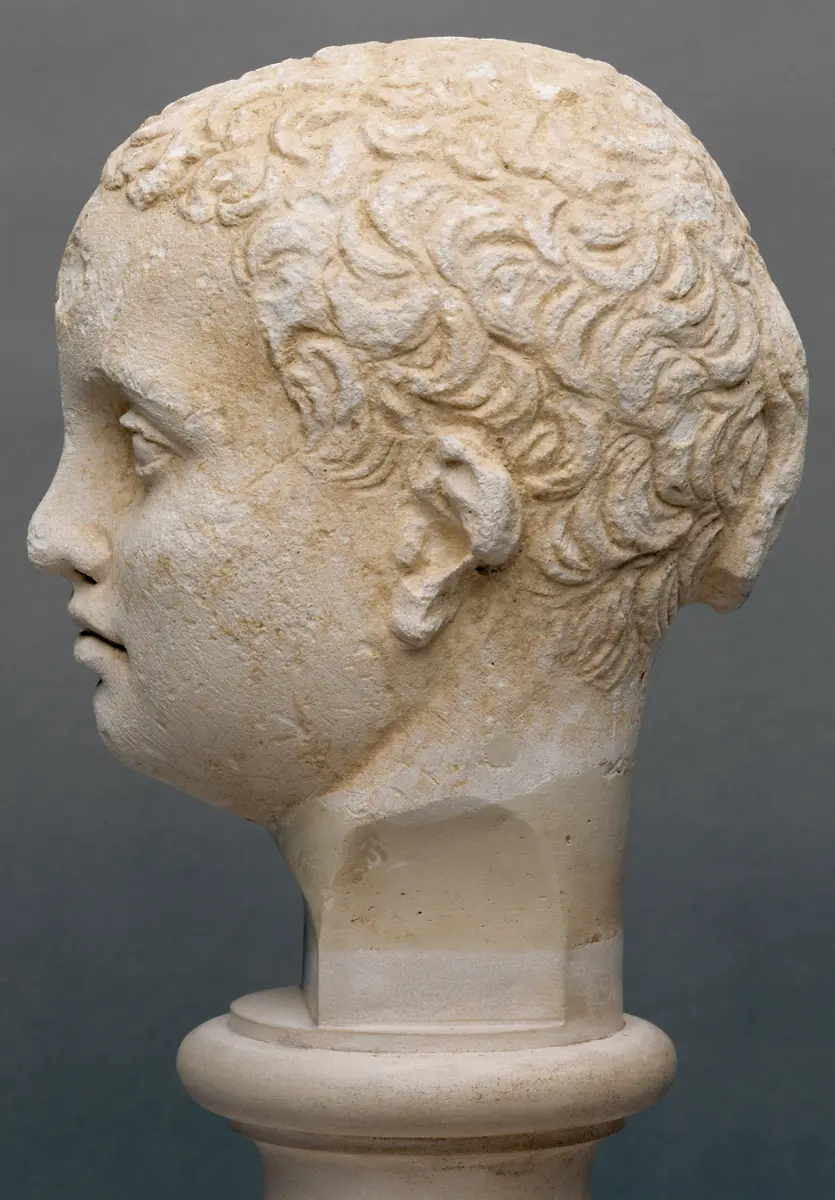
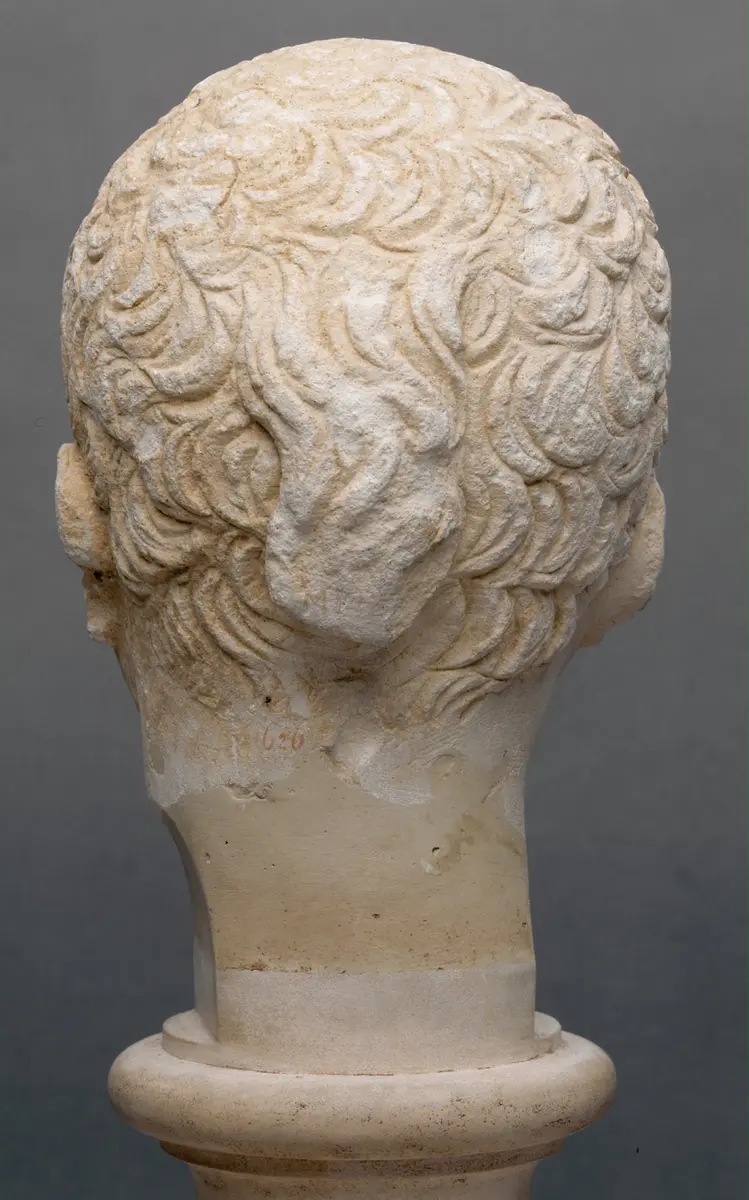
The head of a boy, recognizable from the portrait-like features, stems from a Hellenistic smaller-than-life votive statue. The full, broad face has a high forehead, narrow eyes with thick stressed lids, a somewhat pinched nose, a large mouth with small upper lip and a small, round cleft-chin. The ears are small, but distinctly carved. The hairstyle consists of short, flowing locks which -- apart from a swirl on the back of the head -- cover the cranium. The forehead is framed with forelocks or kiss-curls. On the back of the head one can discern a long, plaited pony-tail. This points to the presence of the ‘youth-lock’ which has been known since the Hellenistic period, and is a sign of the servants of Horus. The pony-tail would be cut off as a sign of adulthood around the boy’s 14th year. Boys’ heads with ‘youth-locks’ were often created in Cyprus from the third century B. C.
A. Bernhard-Walcher u. a., Die Sammlung zyprischer Antiken im KHM. Sammlungskataloge des KHM Bd. 2, Wien: 1999
Time:
3. Jh. v. Chr.
Object Name
Kopf
Culture
Zyprisch
Location of discovery:
Idalion (Dhali, Zypern)
Material/technology:
Kalkstein; Reste roter Bemalung
Dimensions:
H. 15 cm
Copyright
Kunsthistorisches Museum, Antikensammlung
Invs.
Antikensammlung, I 626
Provenance
Millosicz, Georg von, Wien; 1890 Kauf aus dem Nachlass
Browse more
Similar items you might be interested in

Sarkophag: Fragment eines Sarkophages: Knabenbüste Römisch, Kaiserzeit 2. - 3. Jh. n. Chr.

Family group of Itj-ef, his wife, son, and daughter Giza, Friedhof GIS, Mastaba des Itjef, westlicher Serdab 6th Dynasty, ca. 2374-2191 BC
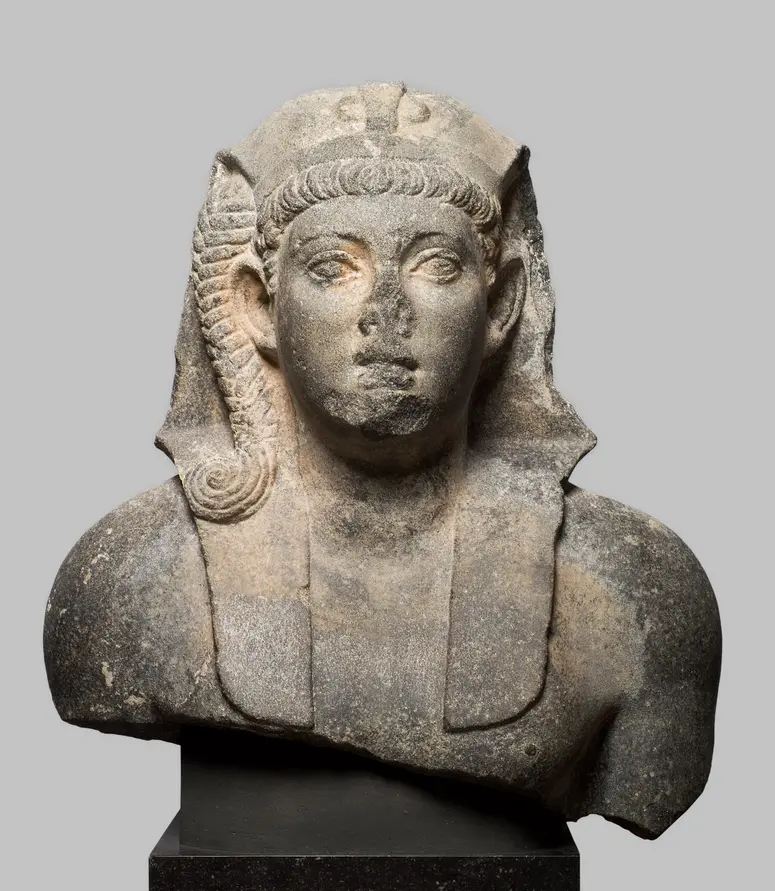
Bust of a youthful king Alexandria (vermutlich) 2nd /1st century BC or 1st century AD;
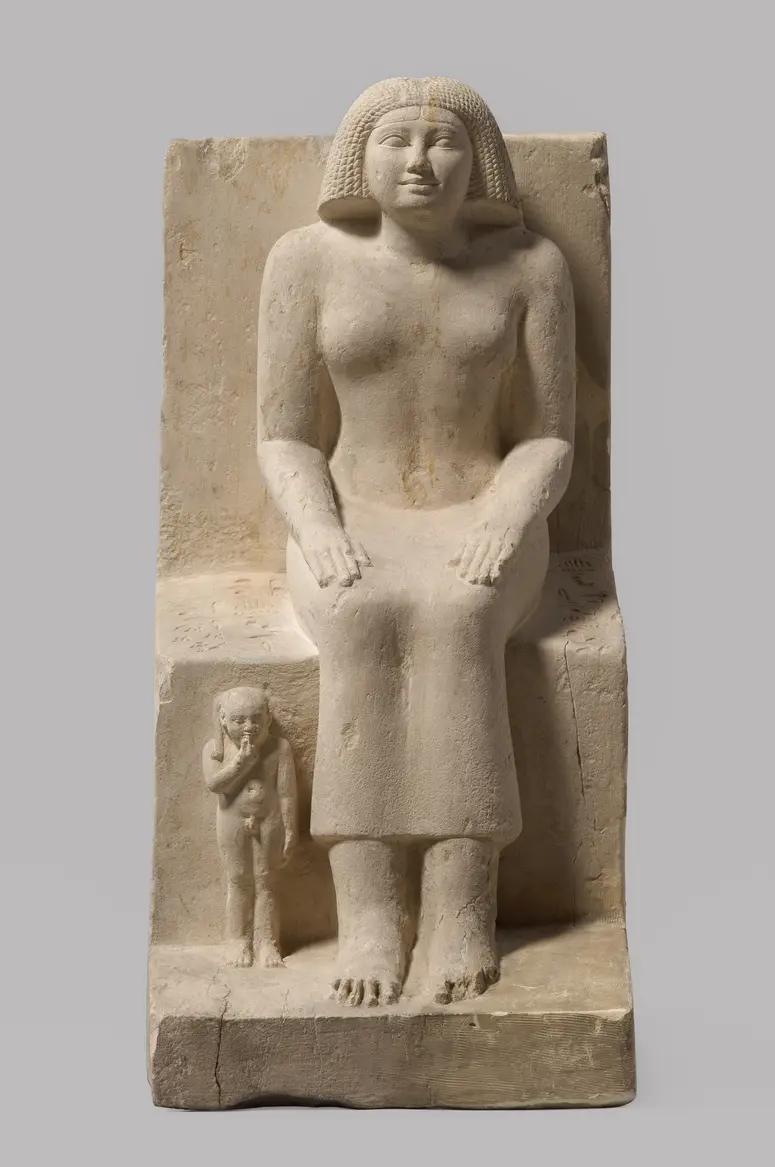
Seated statue of Chent with her son Rudju Giza, Mastaba des Nisut-nefer (G. 4970), nördlicher Serdab early 5th Dynasty, ca. 2500 BC
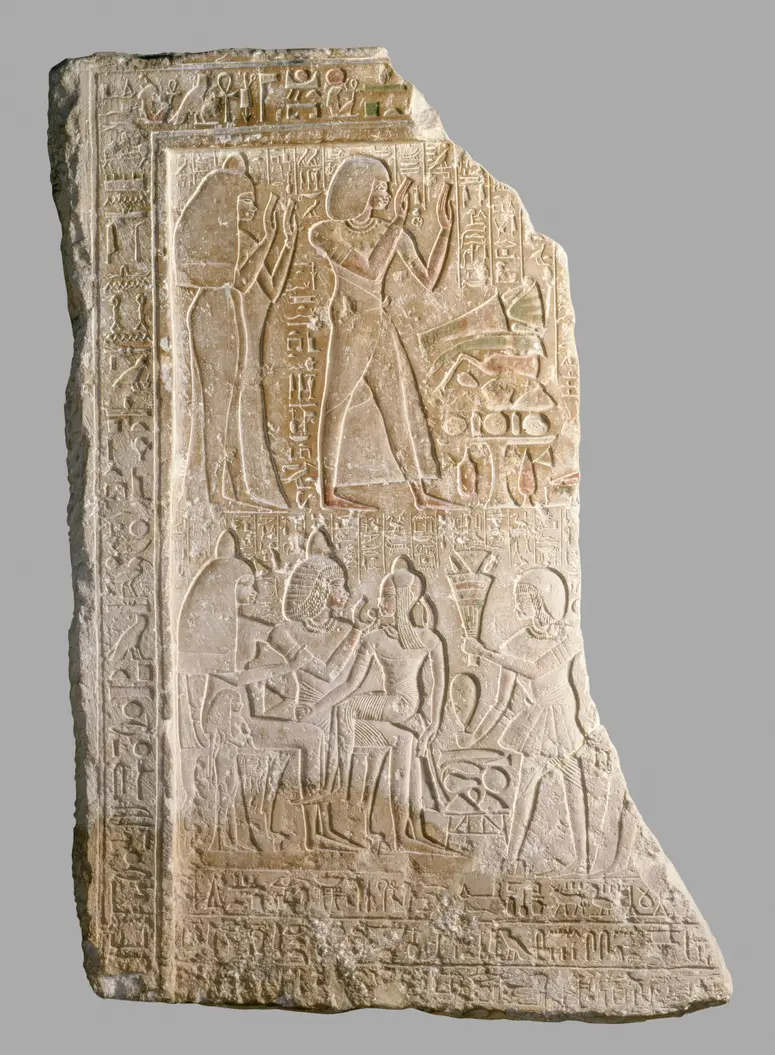
Relief from the tomb of Meri-re Saqqara 18th Dynasty, reign of Amenhotep III, 1410–1372 BC
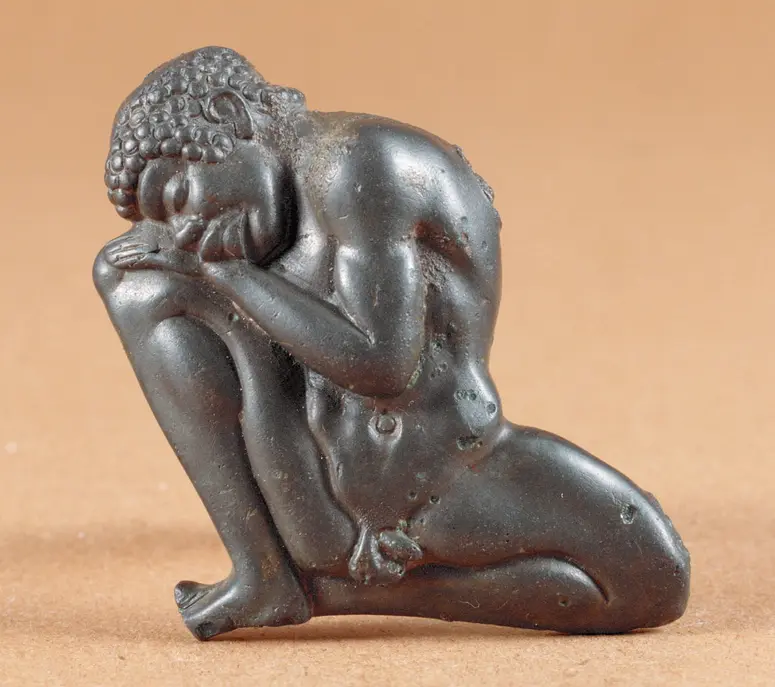
Henkelattasche: Schlafender schwarzafrikanischer Knabe Griechisch 2. Viertel 5. Jh. v. Chr.
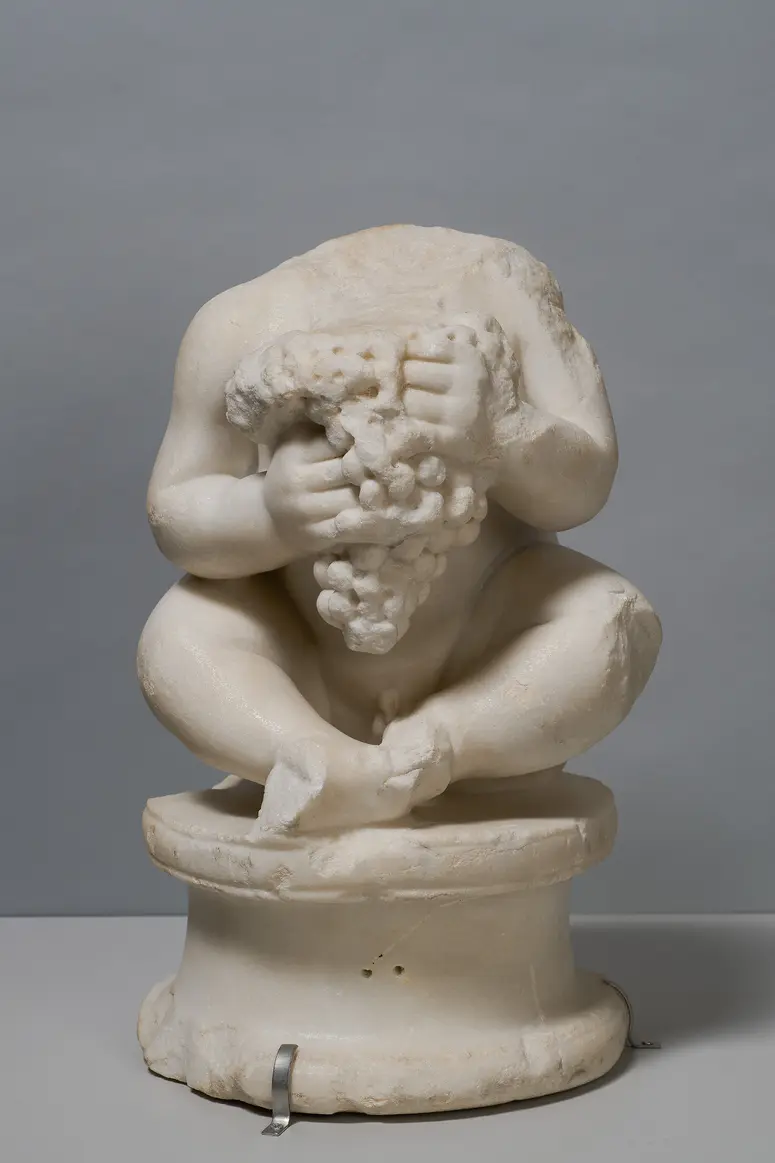
Statuettentorso: Knabe mit Traube Römisch, Mittlere Kaiserzeit 2. Jh. n. Chr.
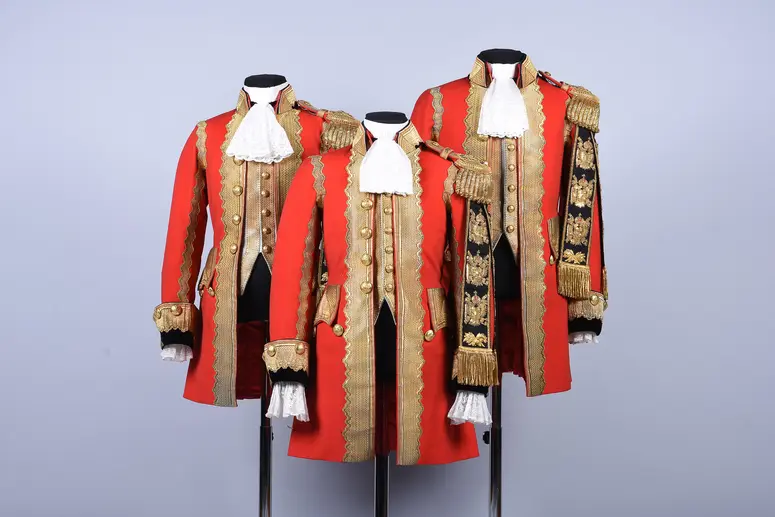
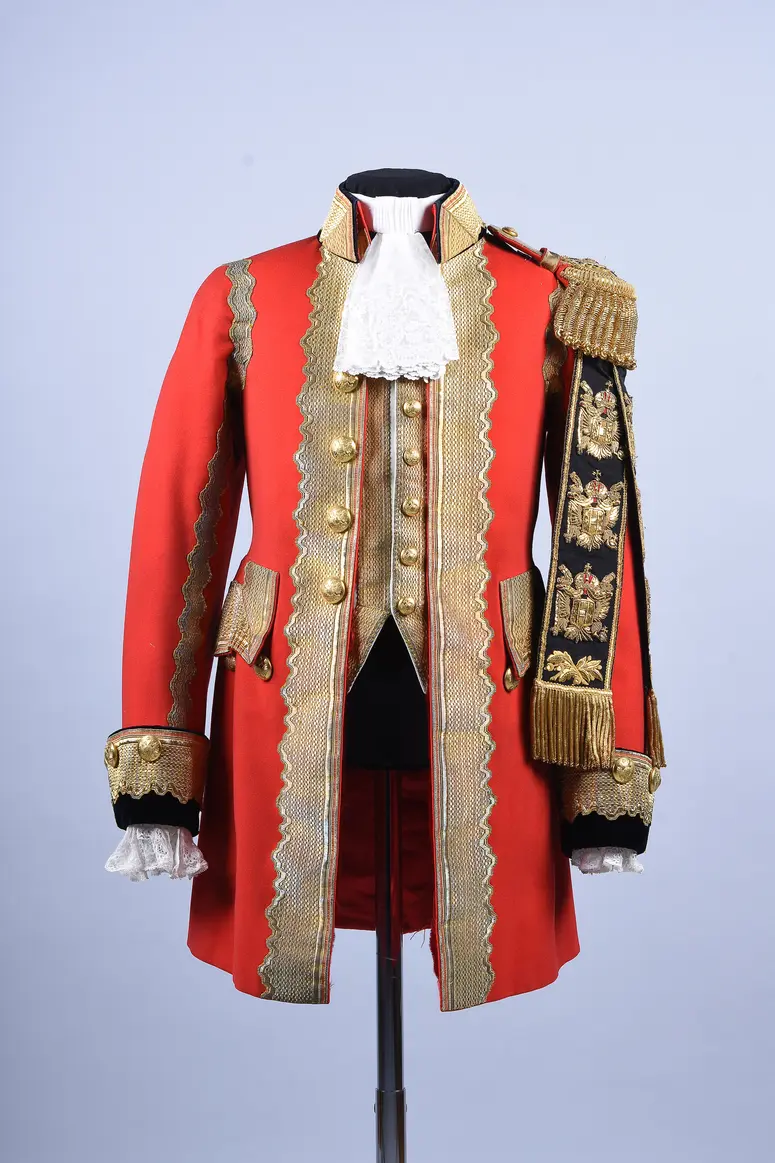
Three gala dresses for squires Manufacturer: Anton Uzel & Sohn around 1910

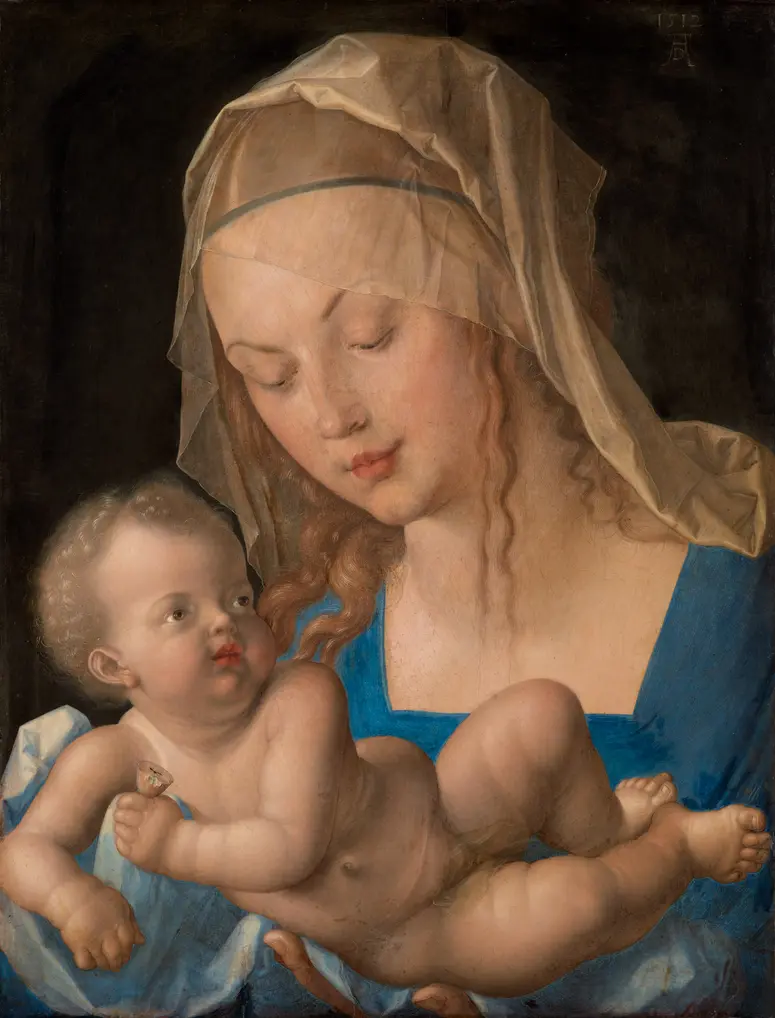
Madonna with the Pear Albrecht Dürer 1512
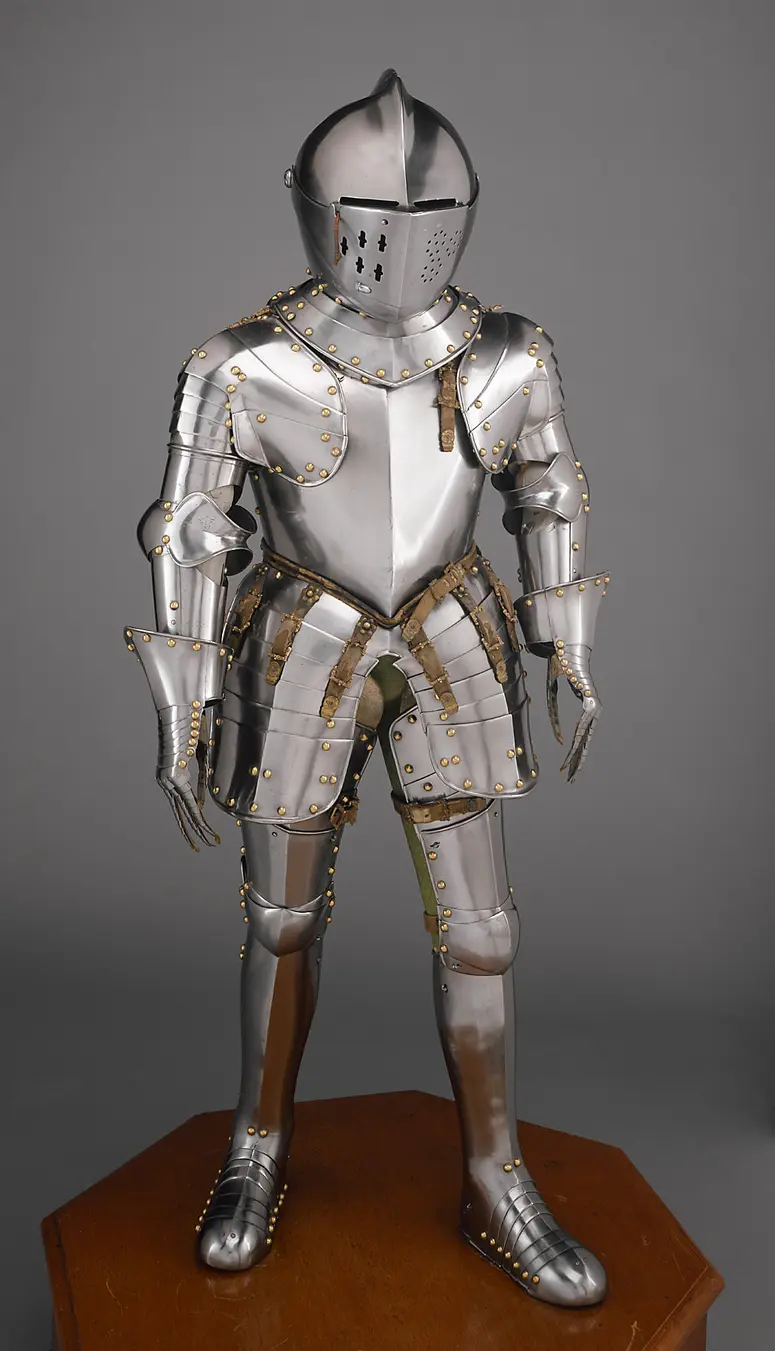

Statuette: Knabe mit Keule (Herakliskos) Römisch, Mittlere Kaiserzeit 2. Jh. n. Chr., nach hellenistischem Vorbild
The Holy Family with St. Anna and the Boy John Agnolo di Cosimo, gen. Bronzino about 1540