Knabe mit Traube
2. Jh. n. Chr.
On a circular, ancient base sits a young boy clutching a bunch of grapes with both hands. The head is missing but we know from similar statuettes that he is enjoying some of the fruit. Depictions of young children are first introduced in Hellenistic art. As his head is missing, we do not know if this is a portrayal of Dionysus as a child. Grapes also functioned as symbolic motifs in funerary works
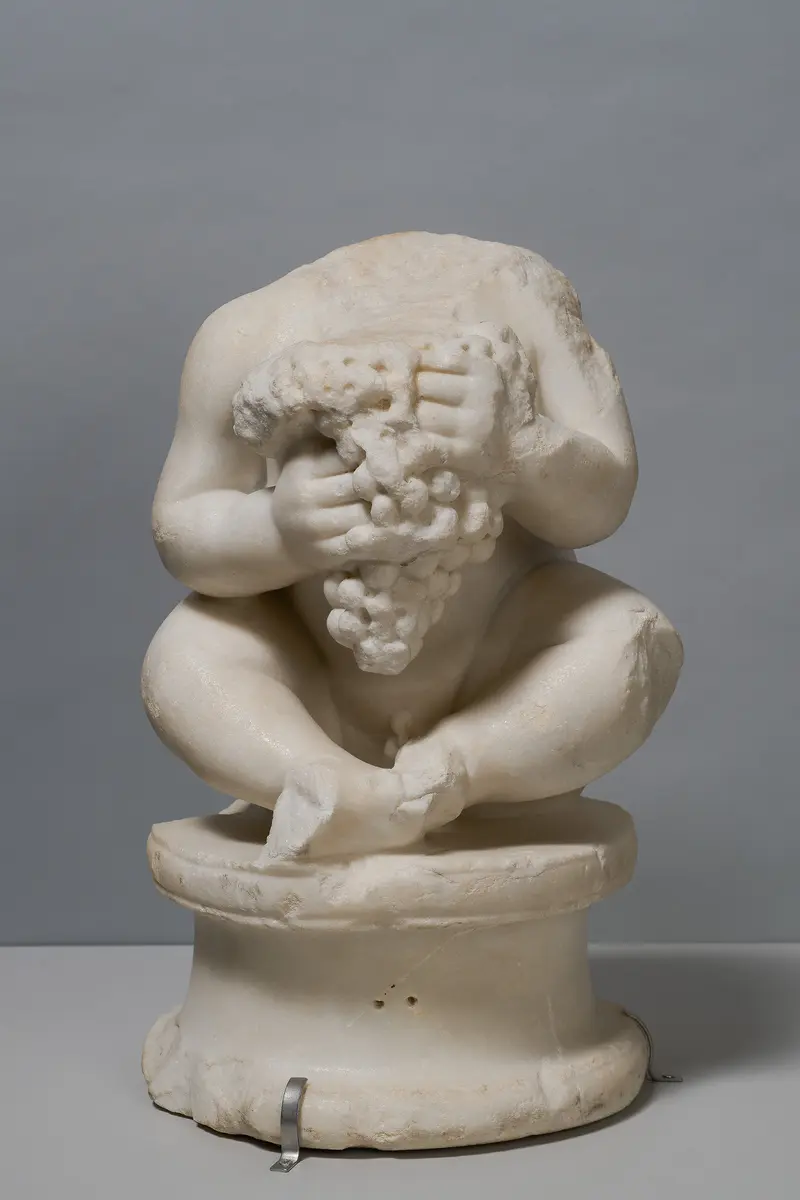
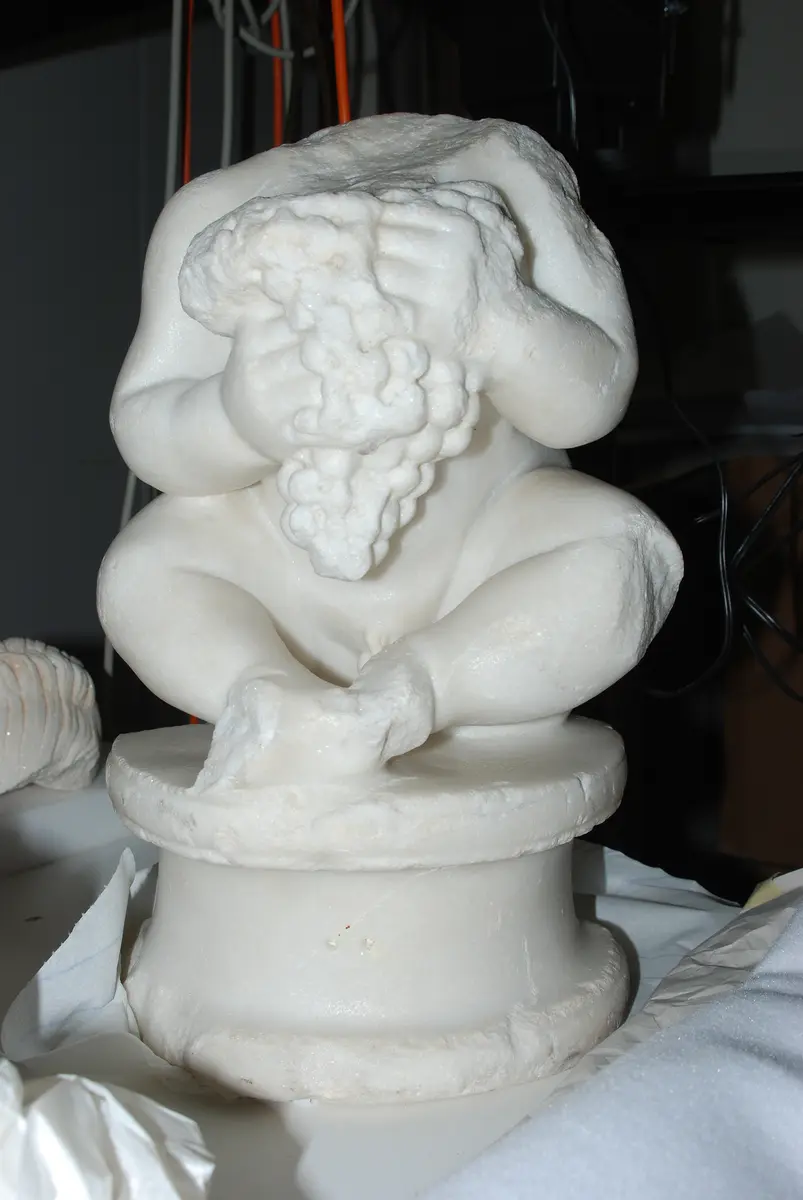
On a circular, ancient base sits a young boy clutching a bunch of grapes with both hands. The head is missing but we know from similar statuettes that he is enjoying some of the fruit. Depictions of young children are first introduced in Hellenistic art. As his head is missing, we do not know if this is a portrayal of Dionysus as a child. Grapes also functioned as symbolic motifs in funerary works
Time:
2. Jh. n. Chr.
Object Name
Statuettentorso
Culture
Römisch
Location of discovery:
Ephesos Kuretenstraße beim Oktogon (Selçuk, Kleinasien, Türkei)
Material/technology:
Marmor
Dimensions:
L/H 40 cm
Copyright
Kunsthistorisches Museum, Antikensammlung
Invs.
Antikensammlung, I 839
Provenance
Sultan, Abdul, Hamid, II.; Österreichische Ausgrabungen in Ephesos; Geschenk an Kaiser Franz Joseph; 1911 nachträglich inventarisiert
Browse more
Similar items you might be interested in

Statuette: Fragmente einer Statuettengruppe: Jünglingsraubende Sphinx Römisch, Mittlere Kaiserzeit 2. Jh. n. Chr., nach griechischem Original des Phidias um 440 v. Chr.
Bauchamphora: Dionysos und Ikarios Griechisch, Attisch, schwarzfigurig um 540 v. Chr.

Glockenkrater: Mänade und Dionysos Unteritalisch, Apulisch, rotfigurig 350 - 340 v. Chr.
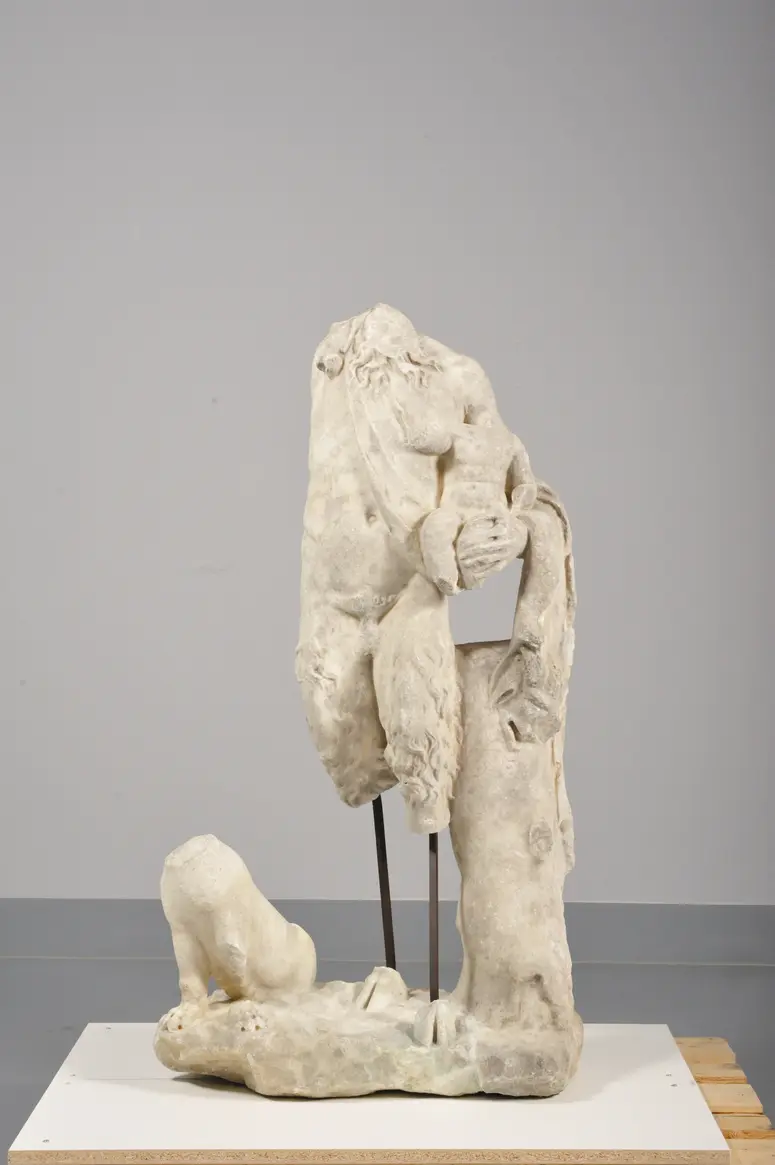
Statuentorso: Pan mit Dionysoskind Römisch, Mittlere Kaiserzeit 2. Jh. n. Chr.

Kelchkrater: Dionysos zwischen Himeros, Mänaden und Silenen Griechisch, Attisch, rotfigurig 4. Viertel 5. Jh. v. Chr.
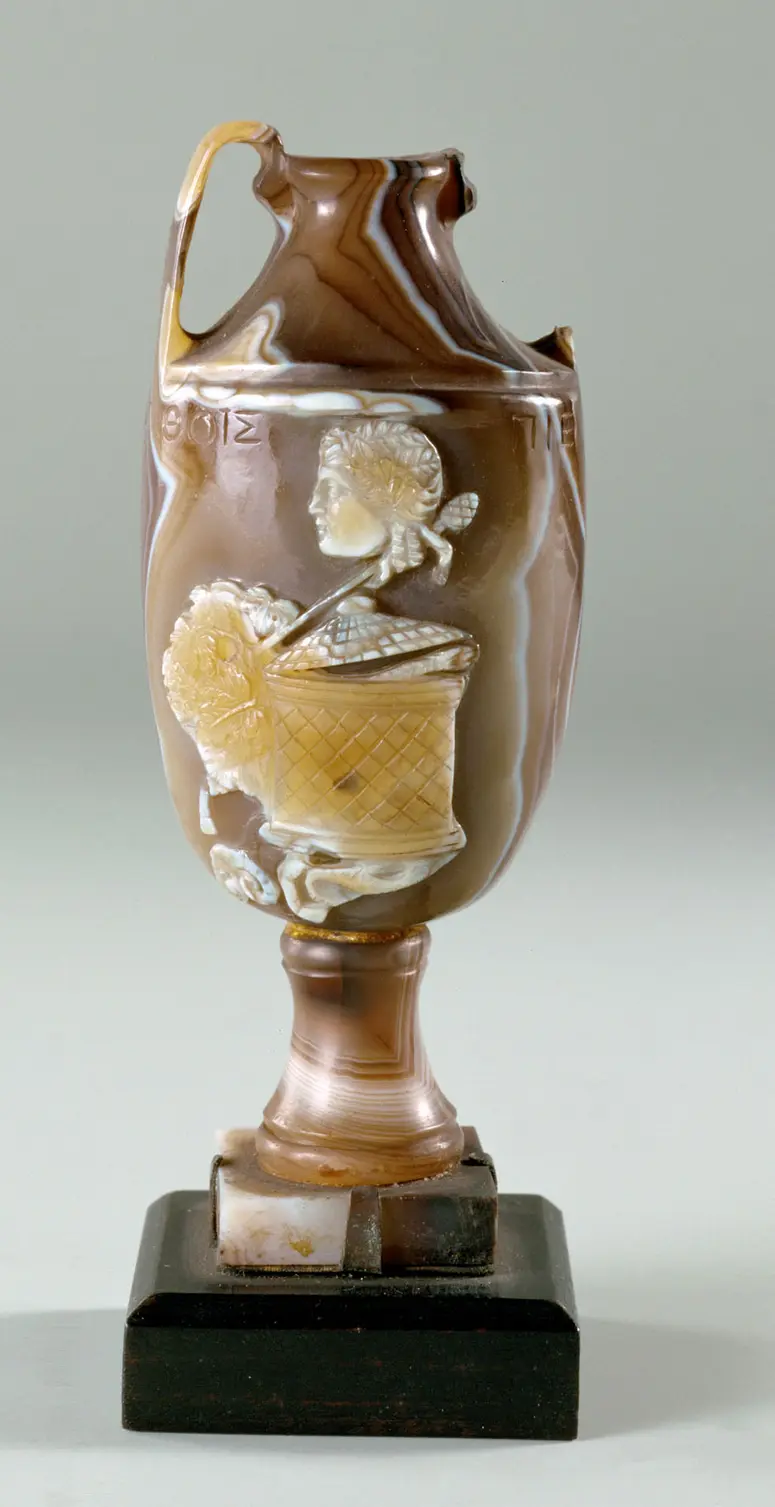
Amphoriskos: Cista mystica mit Schlange Römisch, Frühe Kaiserzeit Mitte 1. Jh. n. Chr.
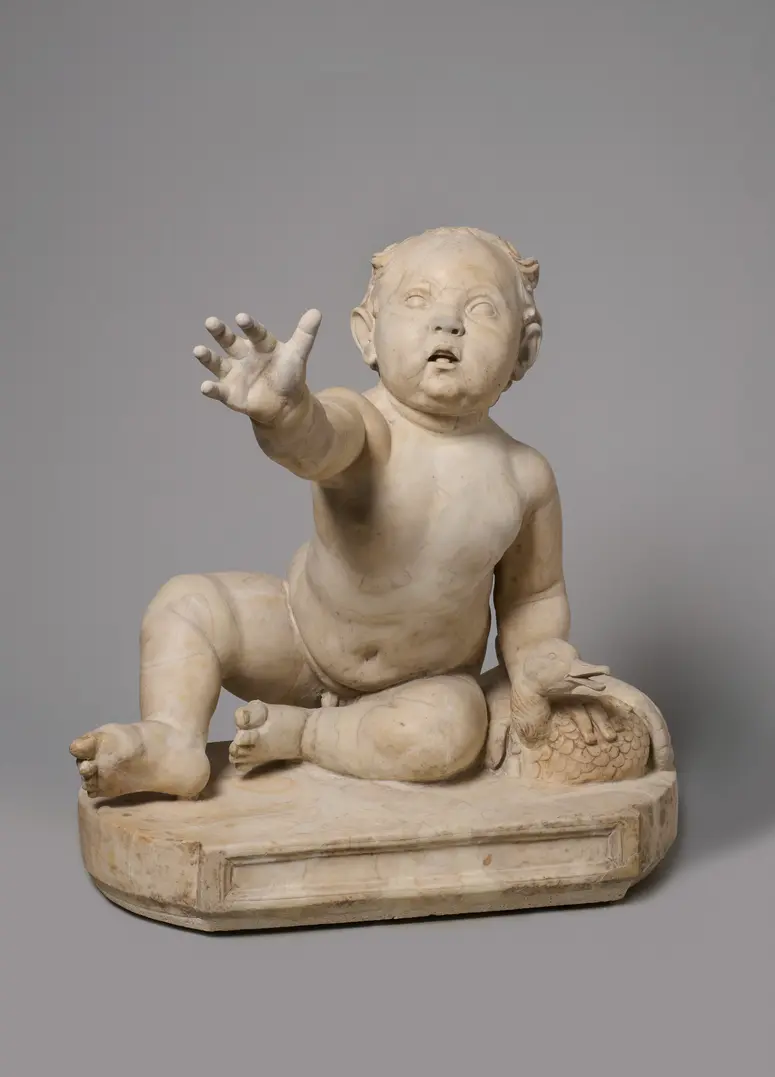
Statue: Knabe mit Fuchsgans Römisch, Mittlere Kaiserzeit 2. Jh. n. Chr., nach Bronzeoriginal aus dem 3. Jh. v. Chr.
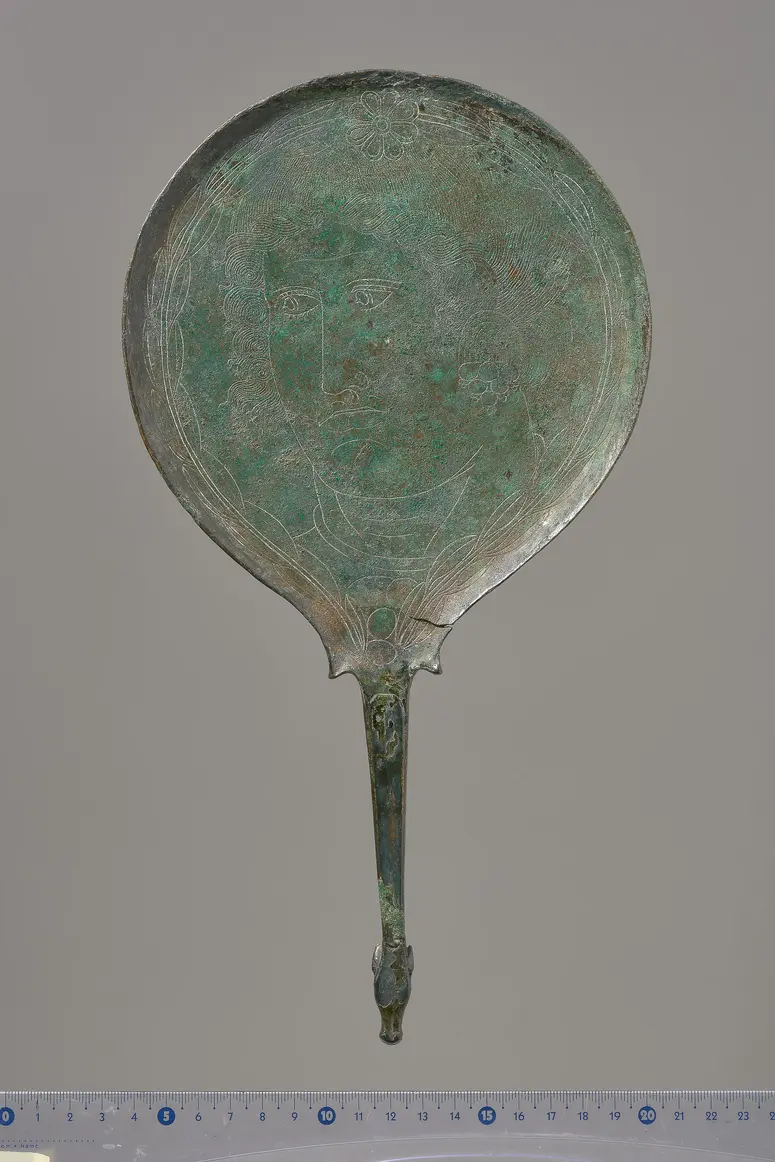
Spiegel: Griffspiegel praenestinischer Form: Kopf einer Frau mit traubenförmigem Ohrschmuck und Halsreif italisch, praenestinisch 2. Hälfte 4. Jh. v. Chr.
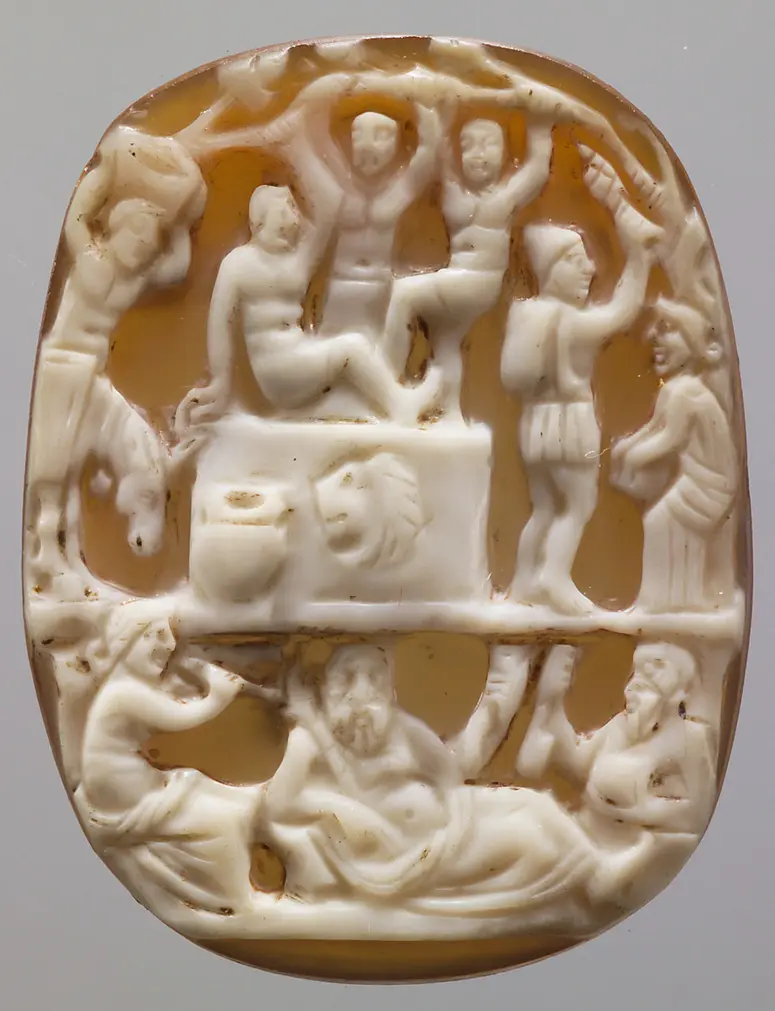
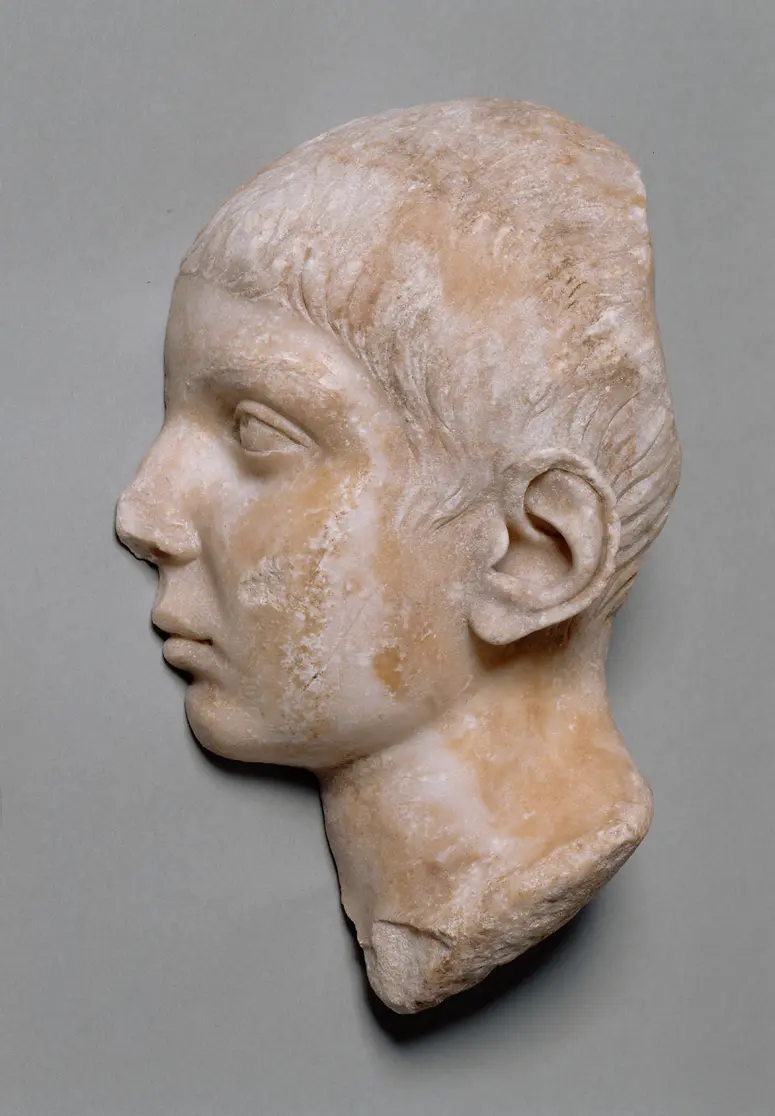
Relief: Porträtkopf eines Knaben Römisch, Späte Kaiserzeit Mitte 3. Jh. n. Chr.

Sarkophag: Fragment eines Sarkophages: Knabenbüste Römisch, Kaiserzeit 2. - 3. Jh. n. Chr.
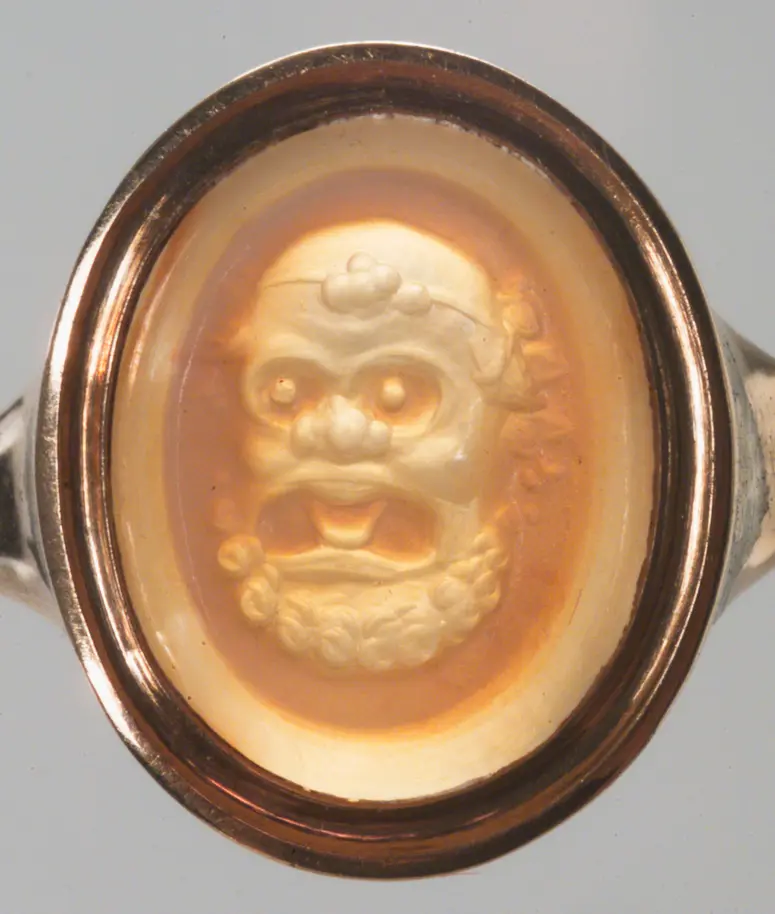
Gemme: Komödienmaske eines kahlköpfigen Alten Römisch, Republikanisch 3. Viertel 1. Jh. v. Chr.