Fragmente einer Statuettengruppe: Jünglingsraubende Sphinx
2. Jh. n. Chr., nach griechischem Original des Phidias um 440 v. Chr.
Archaeologists were able to reconstruct two identical groups depicting a sphinx devouring a boy from over 70 extant fragments that are now in Vienna and London. The depiction references the myth that a sphinx guarded the entrance to the Greek city of Thebes and would kill travellers unable to solve her riddle. The model for this group is a detail from the chryselephantine statue of Zeus at Olympia, one of the Seven Wonders of the Ancient World. Around 440 B.C., the celebrated sculptor Phidias decorated the armrest of Zeus’ throne with such a group.
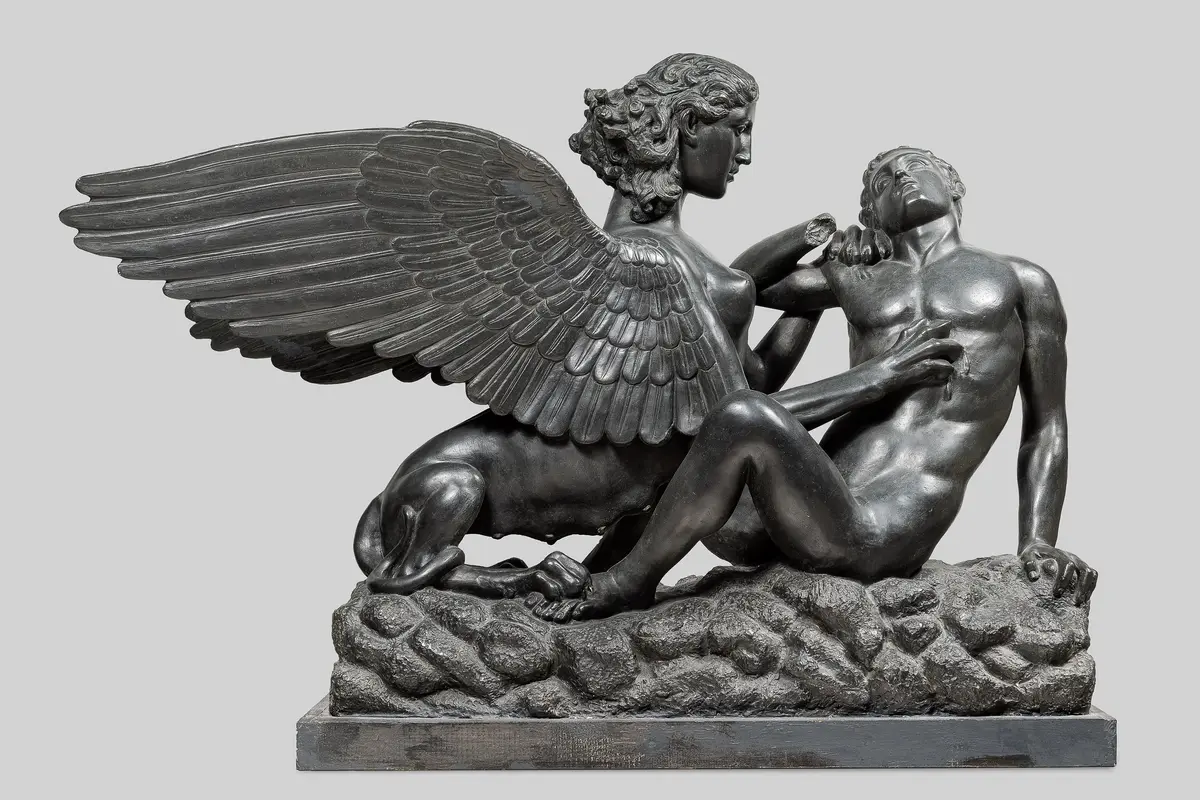
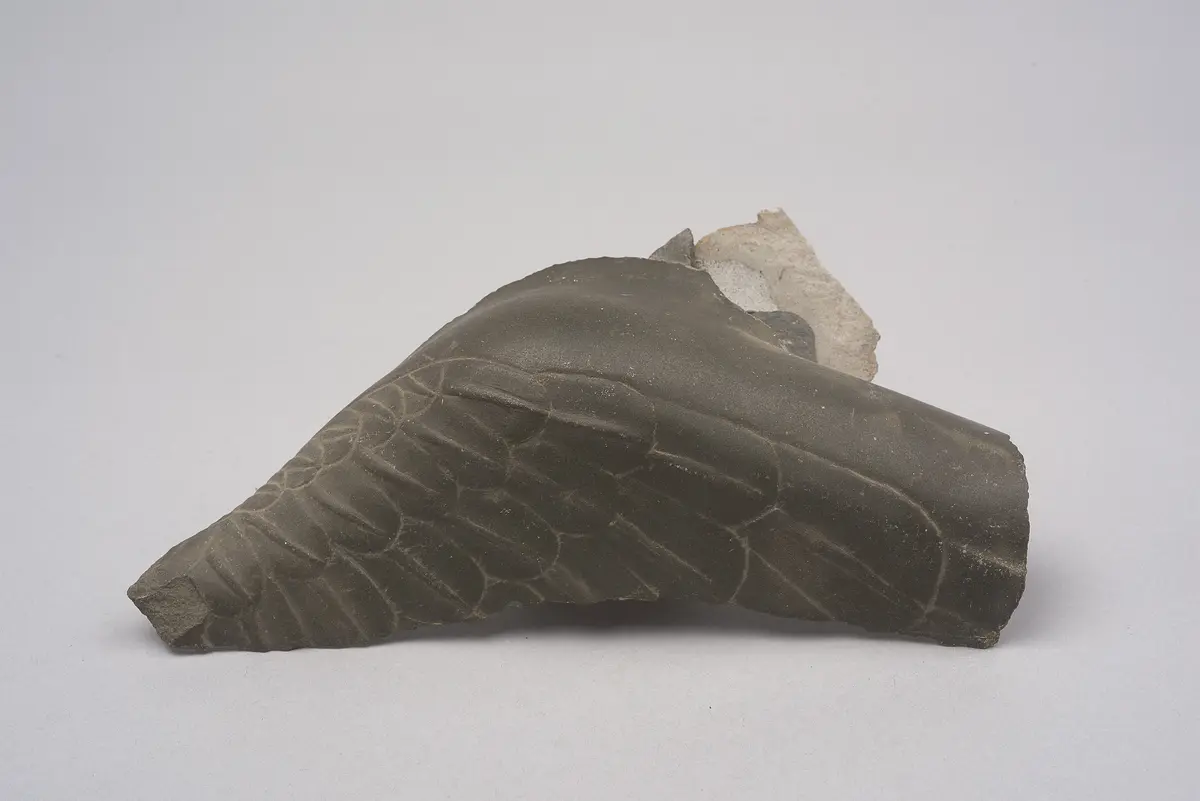
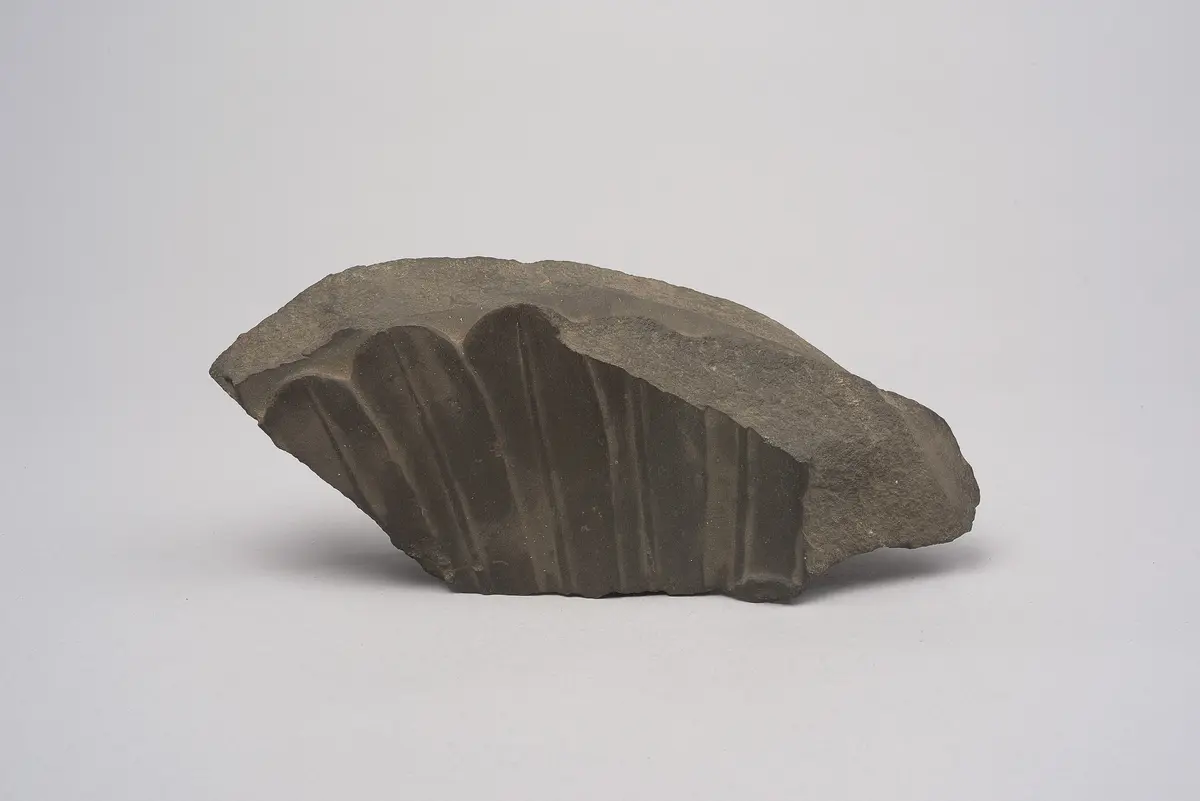
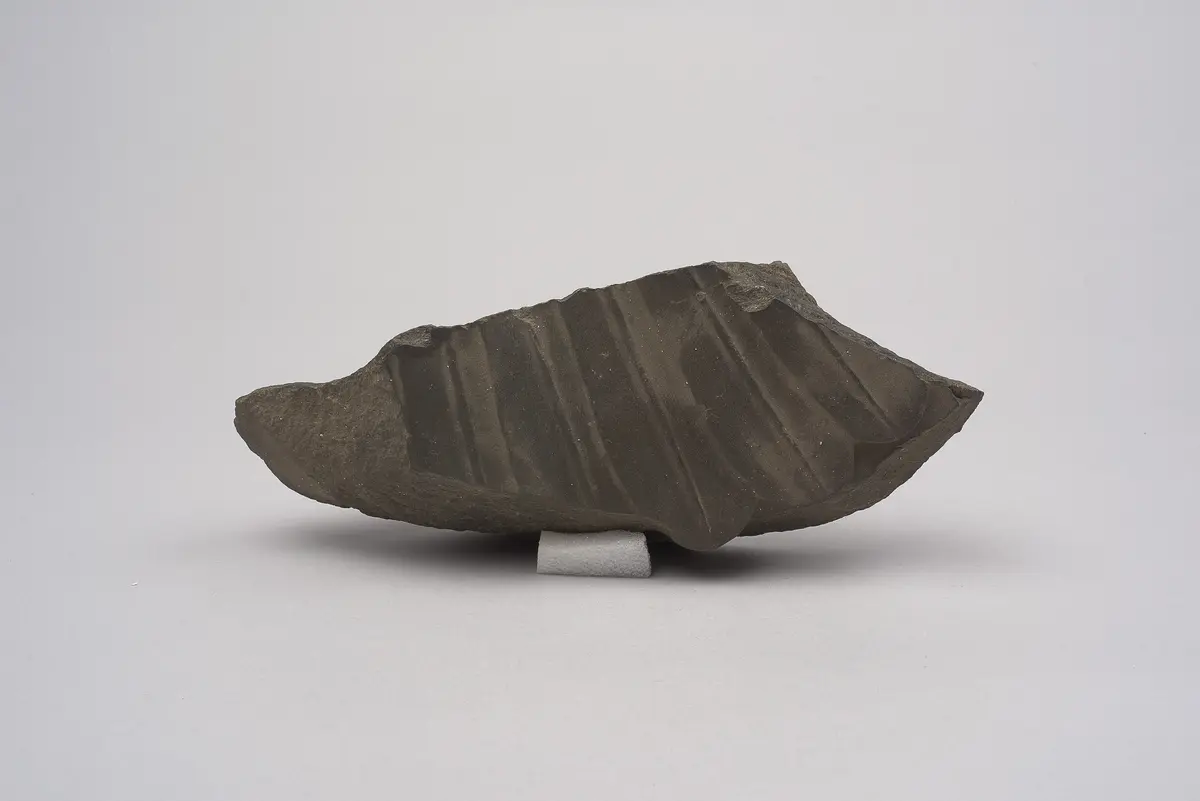
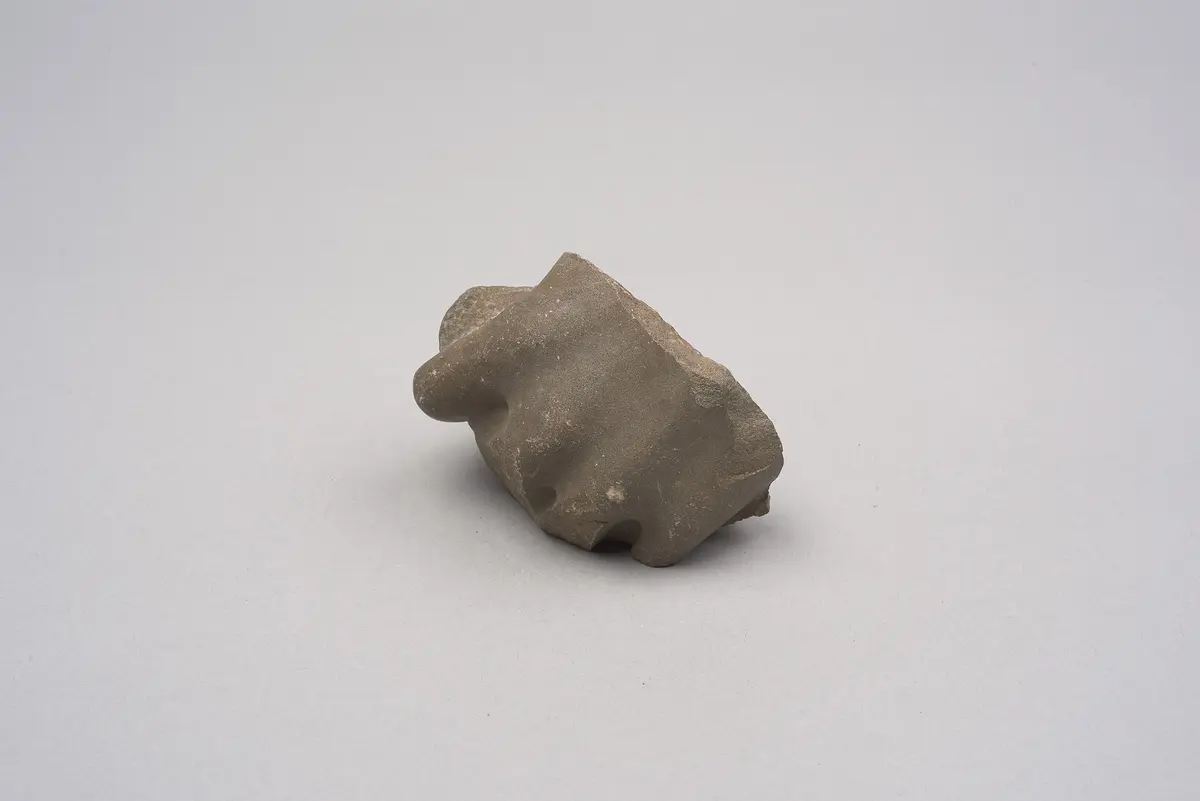
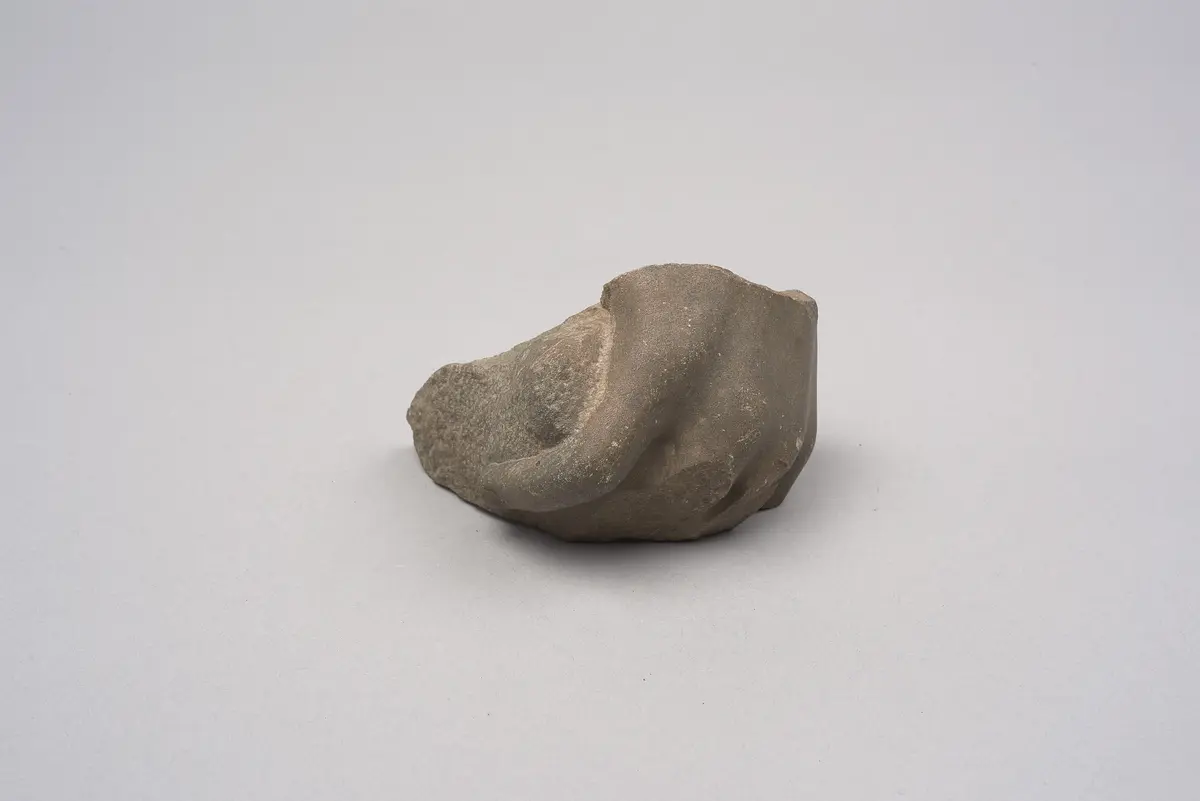
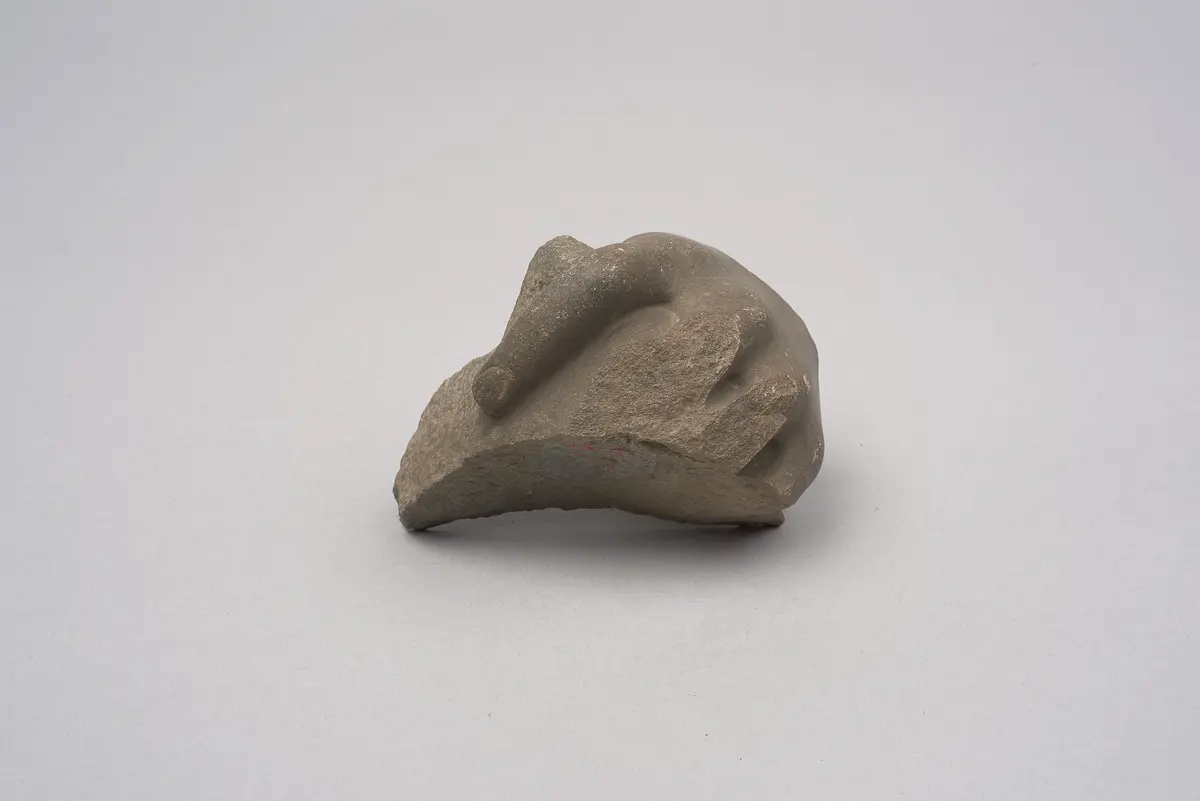
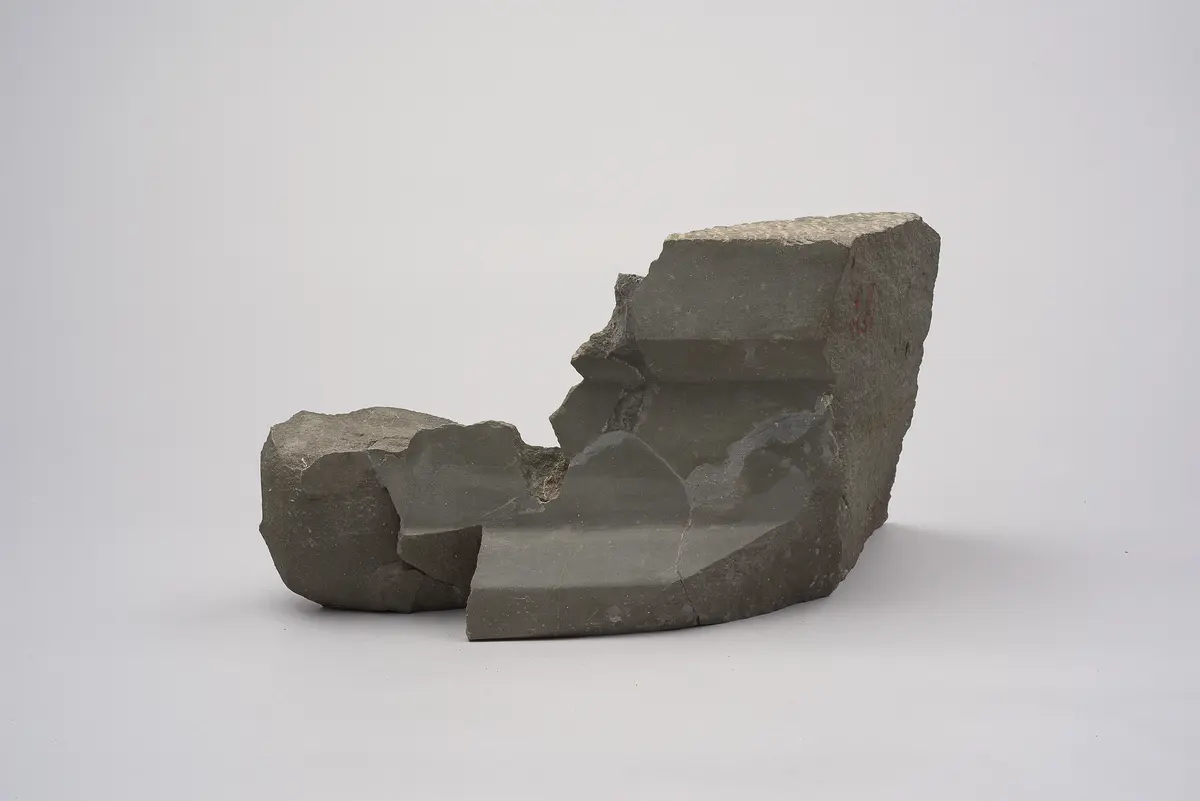
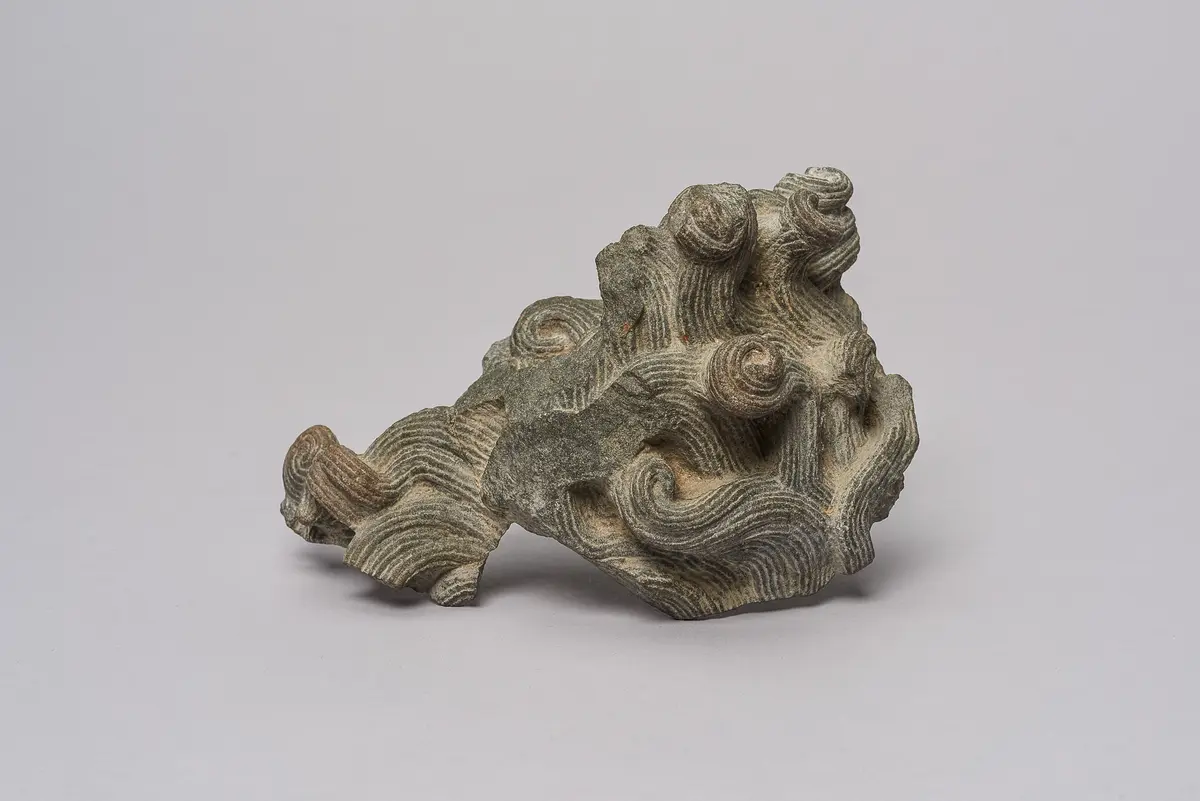
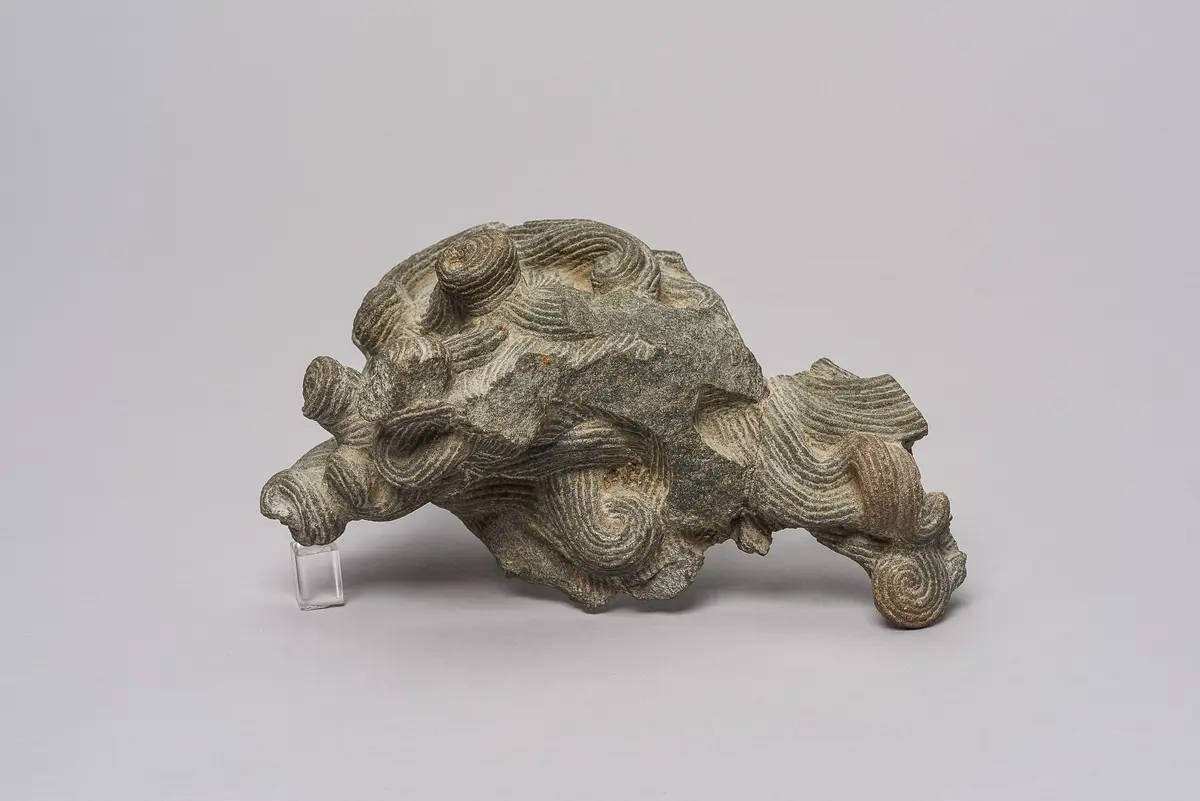
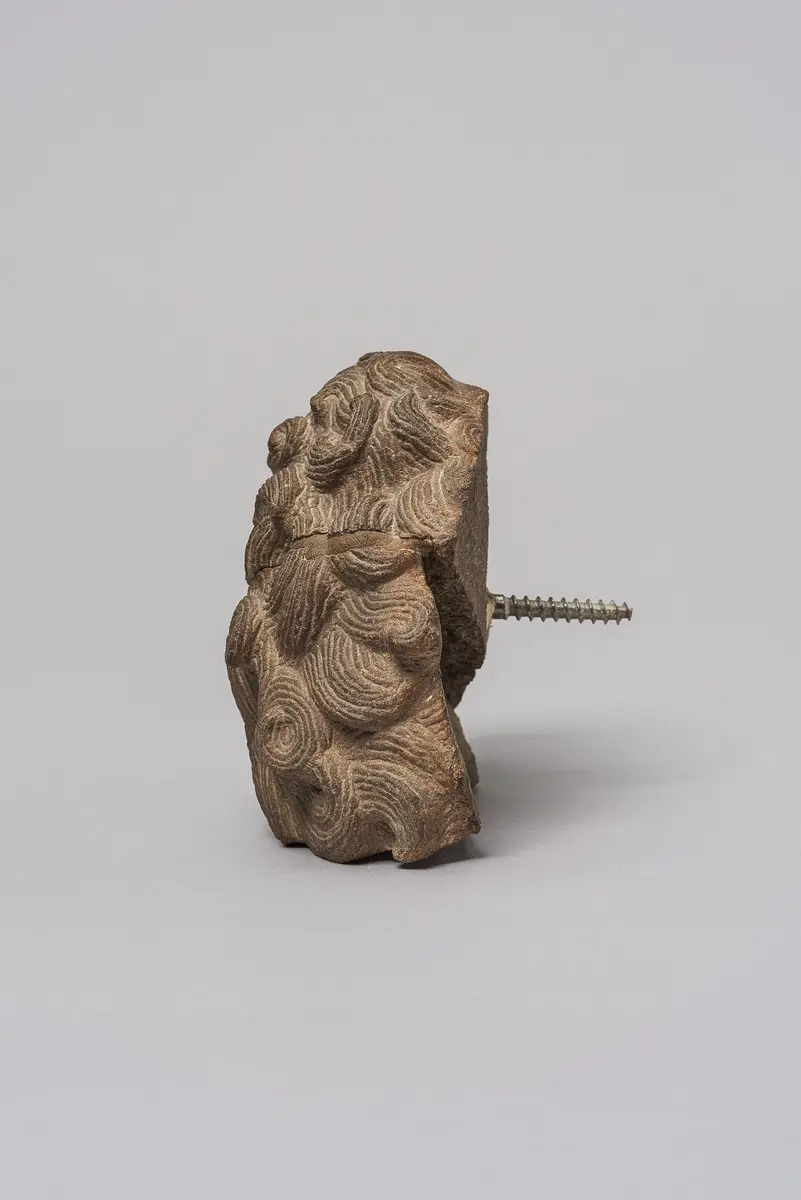
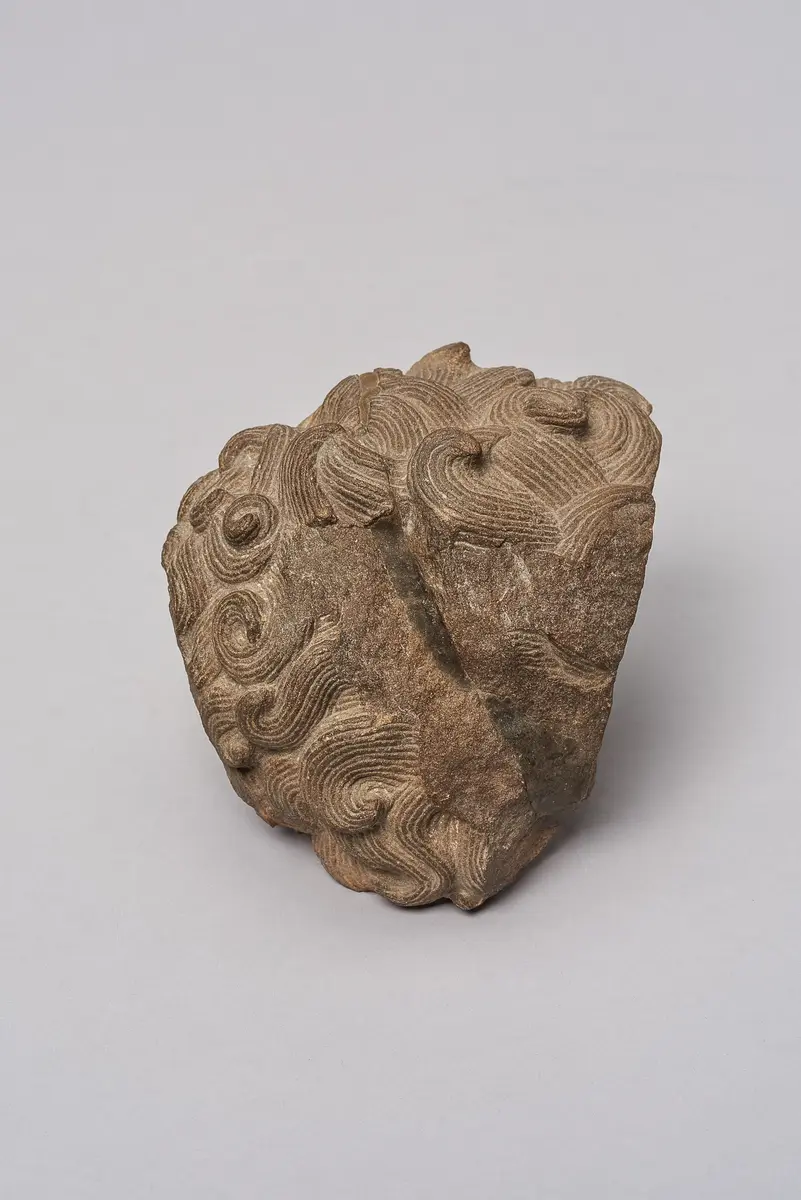
Archaeologists were able to reconstruct two identical groups depicting a sphinx devouring a boy from over 70 extant fragments that are now in Vienna and London. The depiction references the myth that a sphinx guarded the entrance to the Greek city of Thebes and would kill travellers unable to solve her riddle. The model for this group is a detail from the chryselephantine statue of Zeus at Olympia, one of the Seven Wonders of the Ancient World. Around 440 B.C., the celebrated sculptor Phidias decorated the armrest of Zeus’ throne with such a group.
Time:
2. Jh. n. Chr., nach griechischem Original des Phidias um 440 v. Chr.
Object Name
Statuette
Culture
Römisch
Location of discovery:
Ephesos Hafengymnasium Marmorsaal (Selçuk, Kleinasien, Türkei)
Material/technology:
Grauwacke oder Diabas
Copyright
Kunsthistorisches Museum, Antikensammlung
Invs.
Antikensammlung, I 1536
Provenance
Sultan, Abdul, Hamid, II.; Österreichische Ausgrabungen in Ephesos; Geschenk an Kaiser Franz Joseph; 1933 nachträglich inventarisiert
Browse more
Similar items you might be interested in
Statue group of Wah-ib with his wife Teri and a son Fundort unbekannt 18th Dynasty, reign of Amenhotep III, ca. 1410–1372 BC
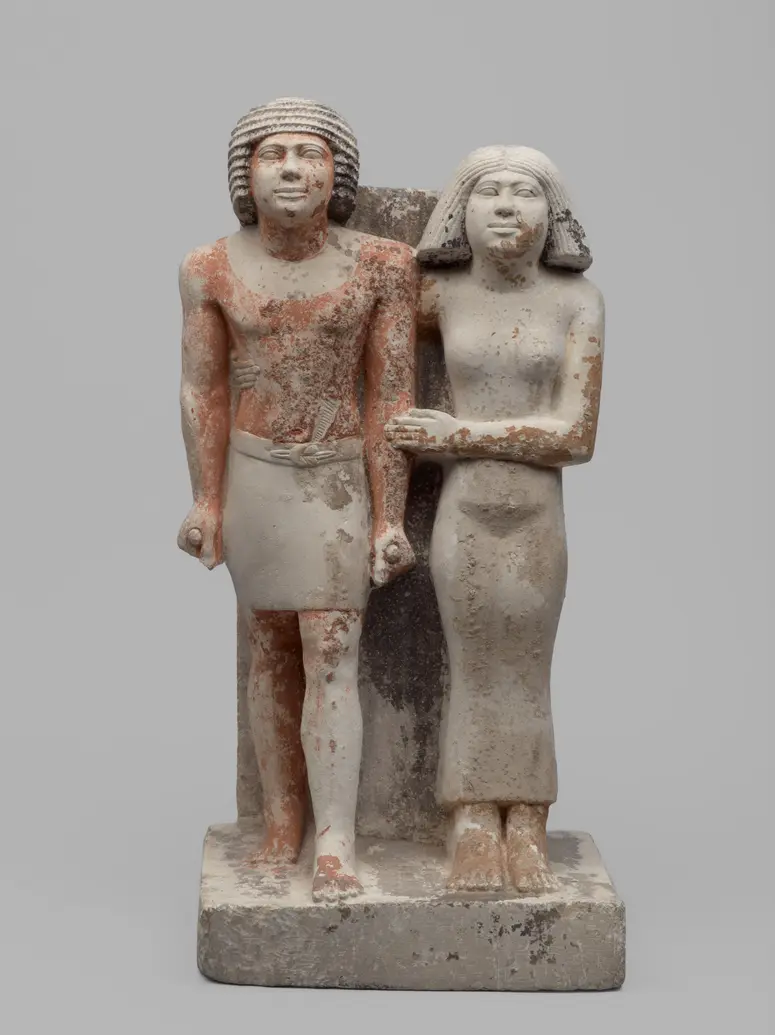
Statue group of Kai-pu-ptah and Ipep Giza, Mastaba des Kai-pu-ptah (G. 4461), Eingang zur Kultkammer late 5th Dynasty, ca. 2400 BC

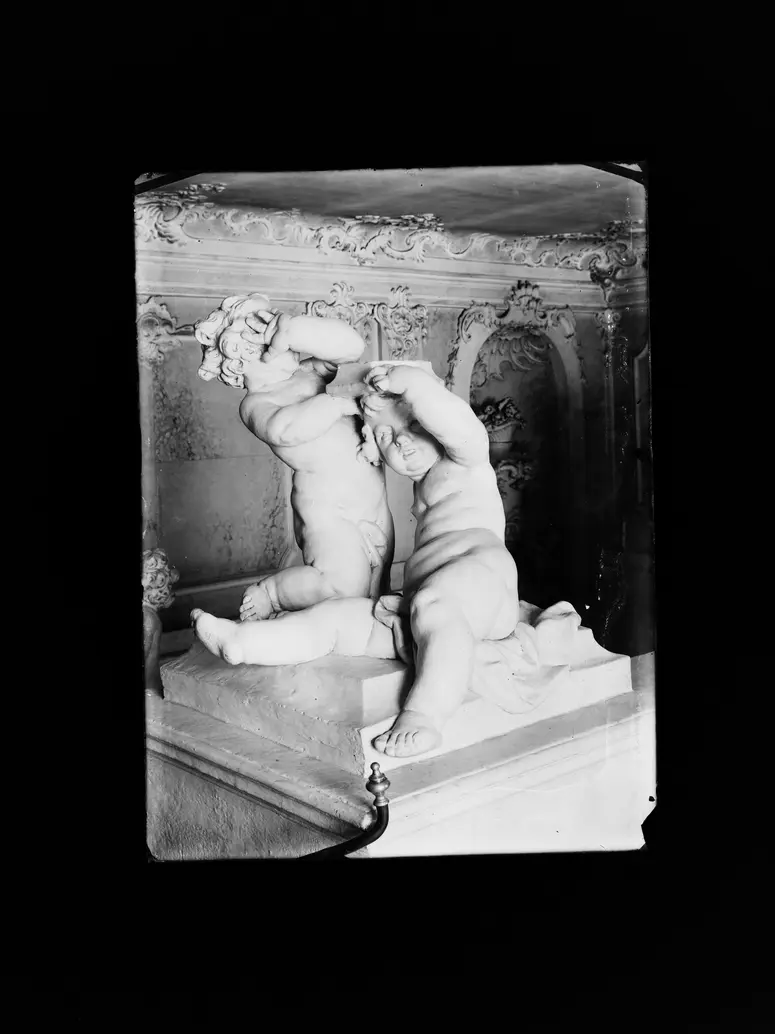
Puttengruppe J. Löwy, K. und K. Hof-Photograph, Kunst- und Verlagsanstalt (Wien) 1888 bis 1910
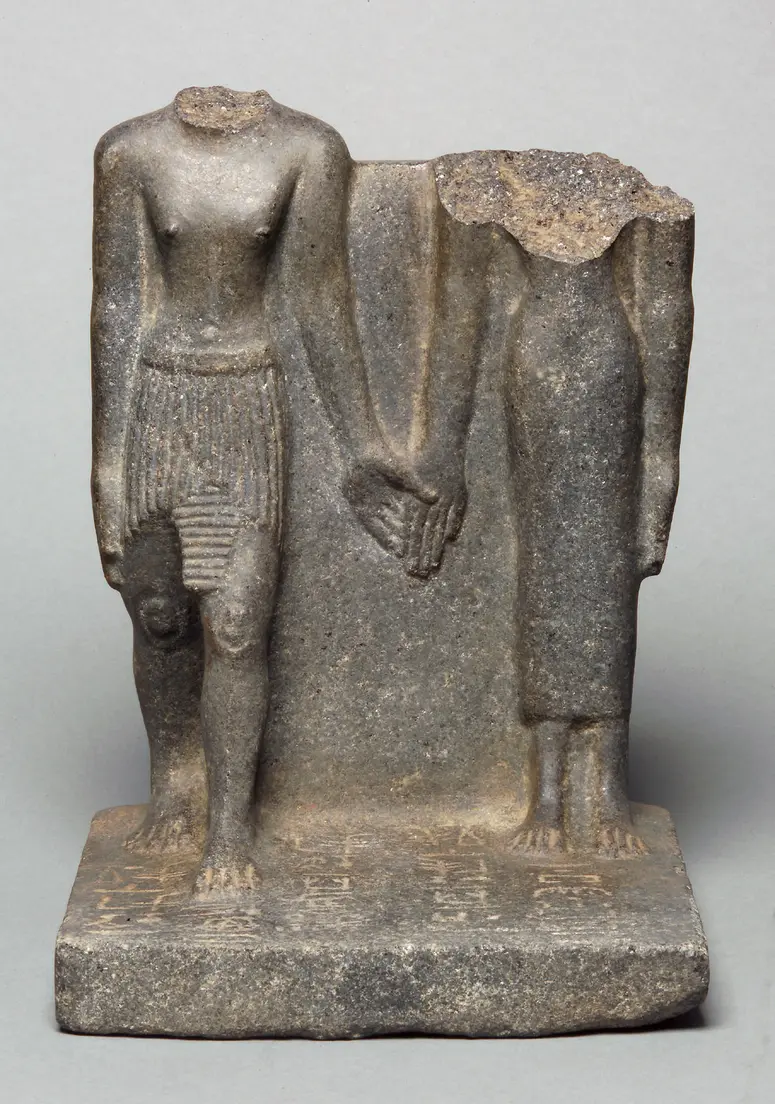
Statuengruppe des Nefer-heb und der Dedet-nebu Elkab (vermutlich) Ca. 1700-1650 v. Chr.
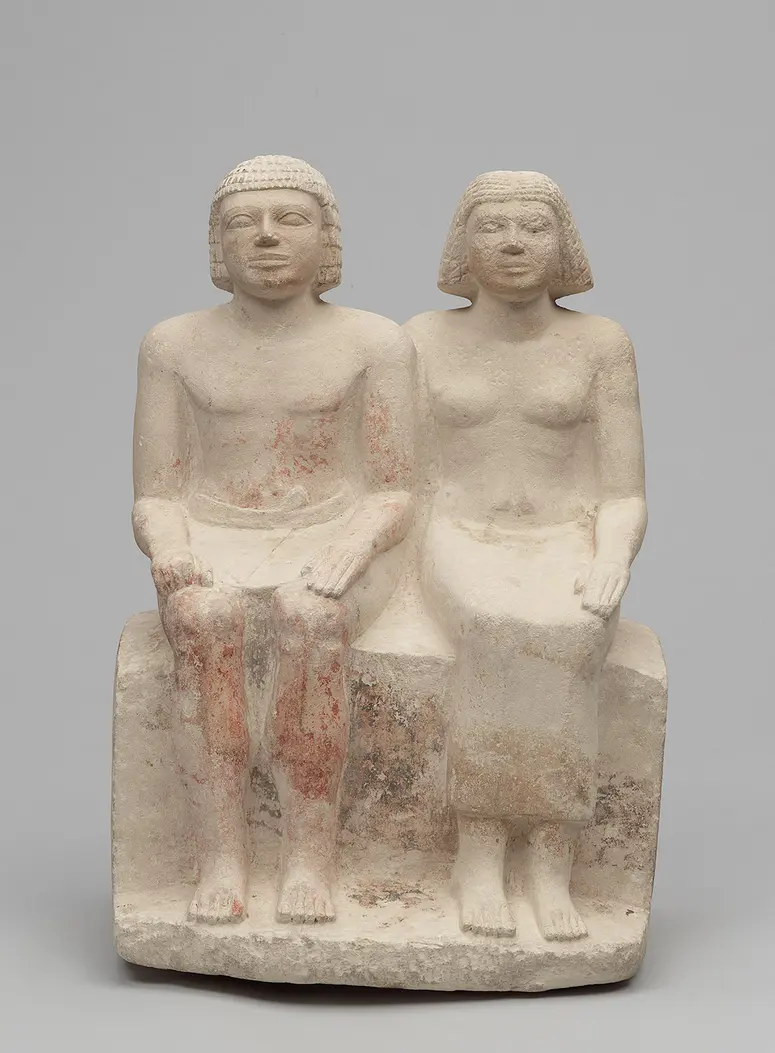
Two persons sitting side by side Giza, Ziegelmastaba S 4419, Korridor late 6th Dynasty to 1st Intermediate Period, ca. 2374-2040 BC;
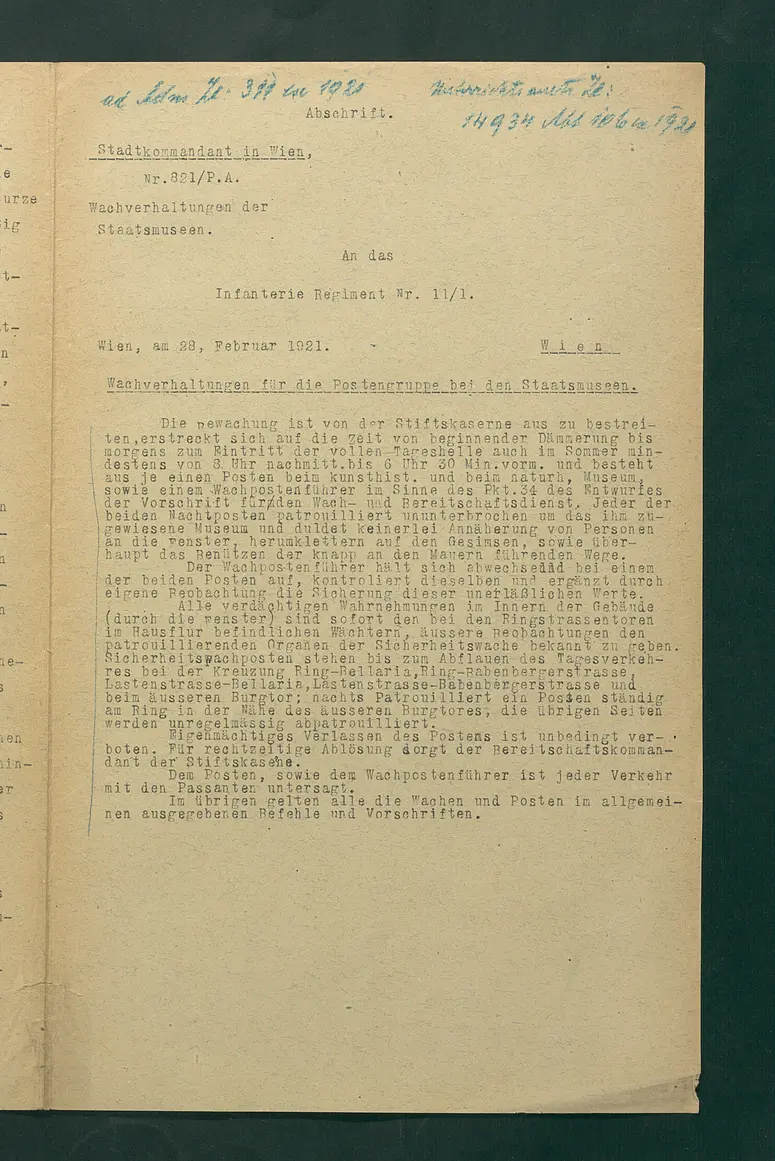
Instruktion: Wachverhaltungen für die Postengruppe bei den Staatsmuseen (Abschrift) Kunsthistorisches Museum Wien, Wien 28.02.1921
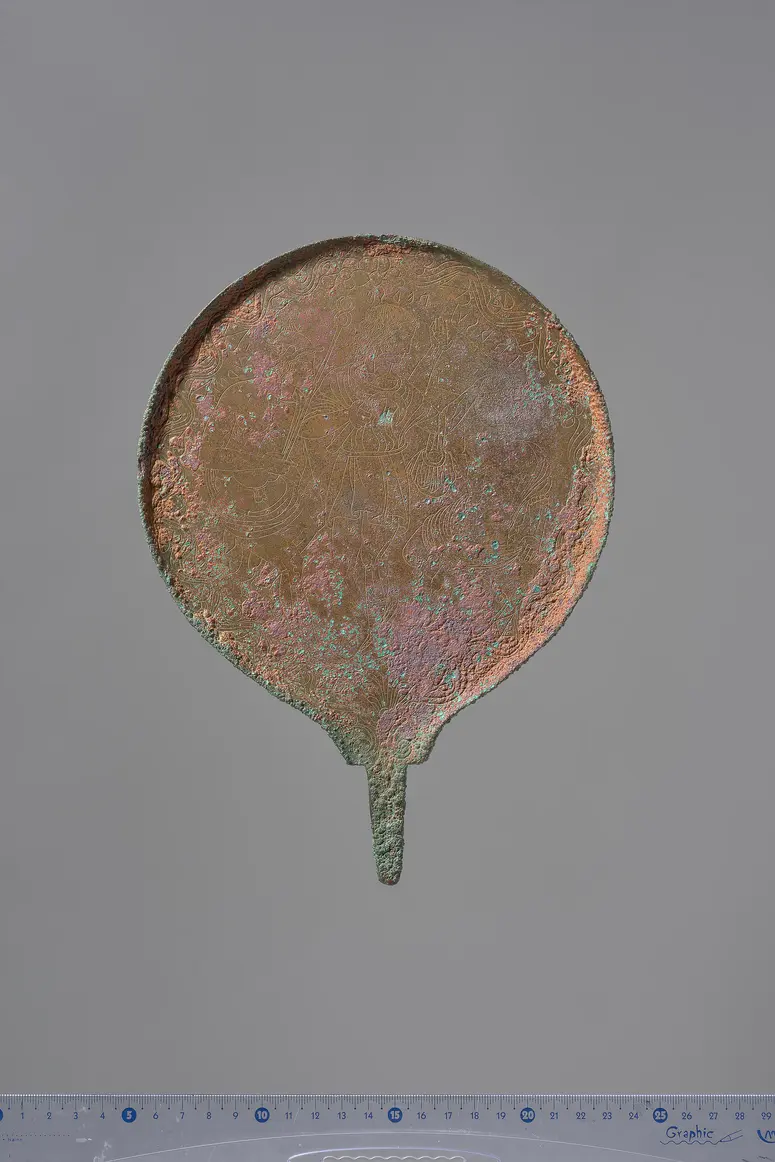
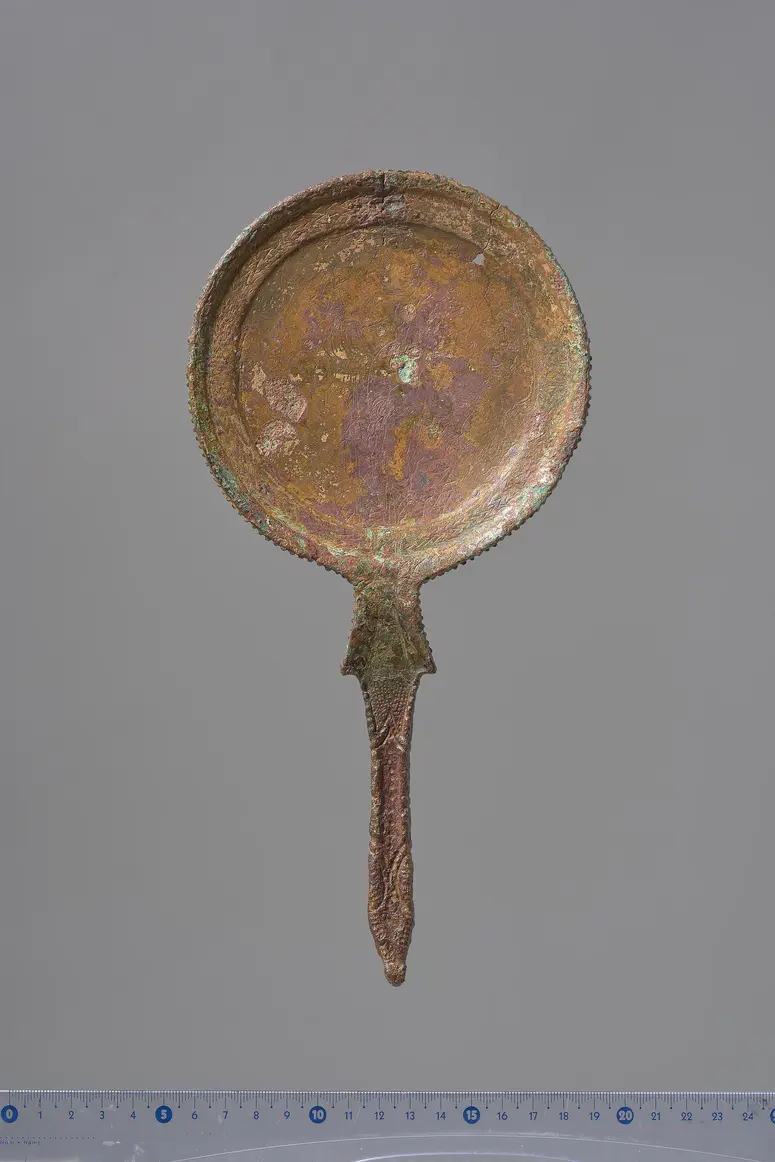
Spiegel: Spiegel mit Griffzapfen: Dreifigurengruppe (Turms, Perse, Tarsu, mit Namensbeischriften) Etruskisch 2. Hälfte 4. Jh. v. Chr.