Vierköpfige Sphinx
2. Hälfte 2. Jh. n. Chr.
Bedeutung und Funktion der vierköpfigen Sphinx, der ursprünglich Flügel eingesetzt waren, sind ungeklärt. Die weiblichen Gesichter weisen porträthafte Züge auf und unterscheiden sich voneinander. Stilistische Kriterien legen eine Datierung in antoninische Zeit nahe.
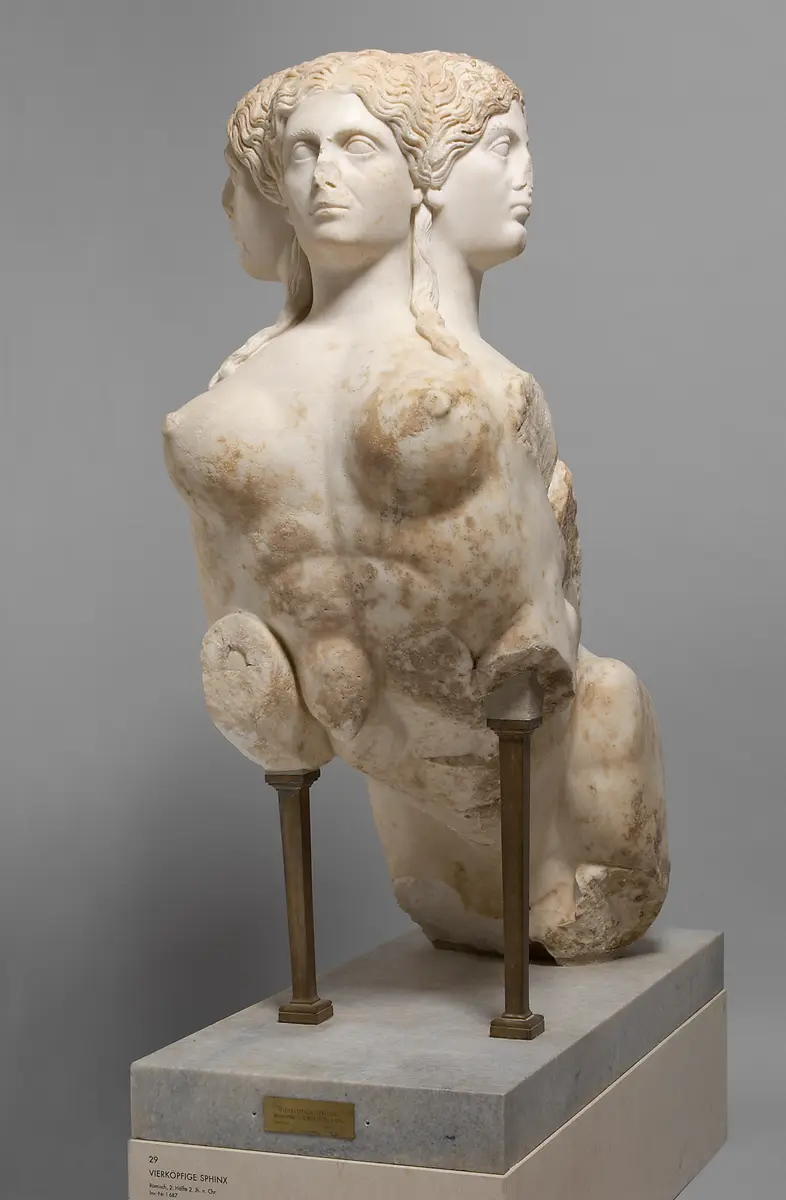
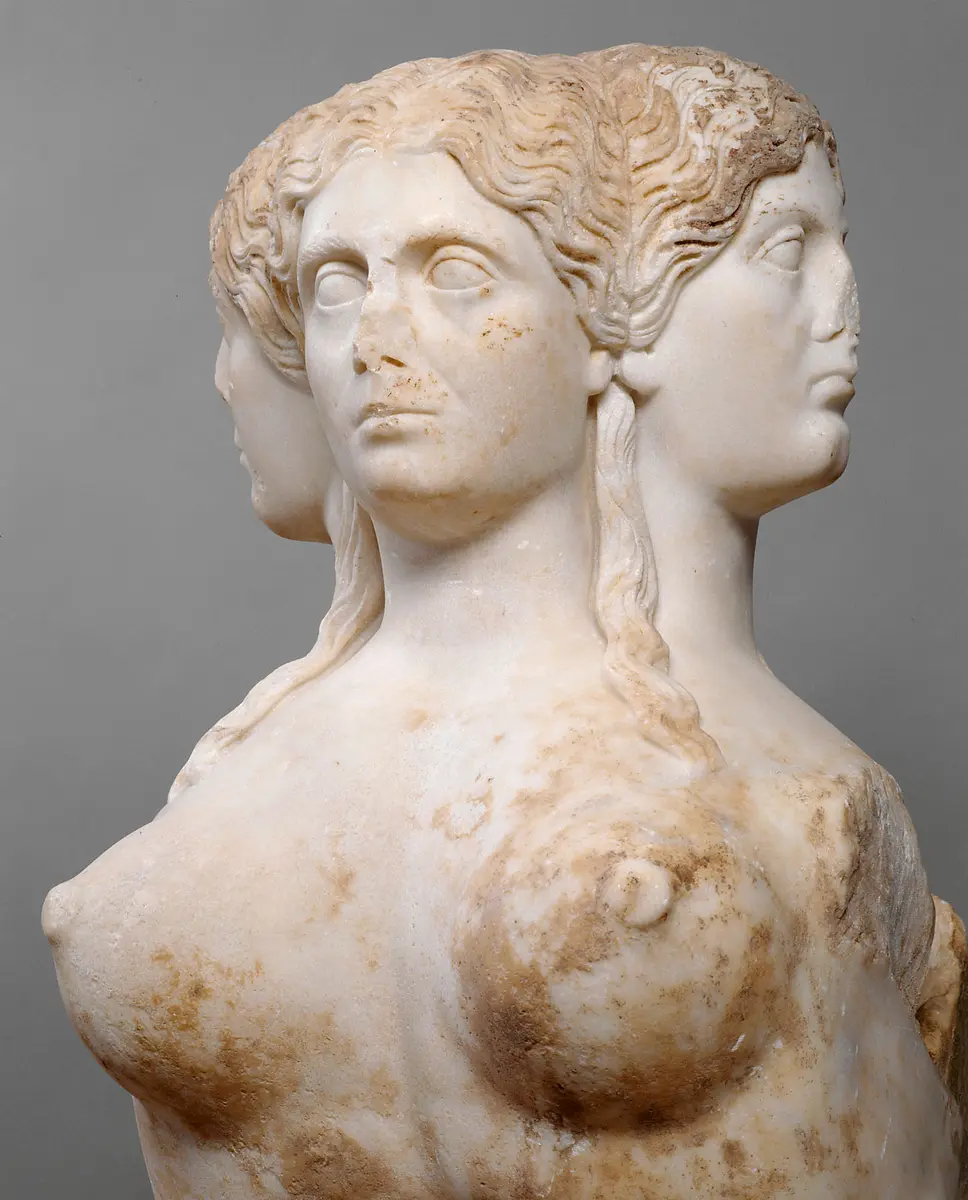
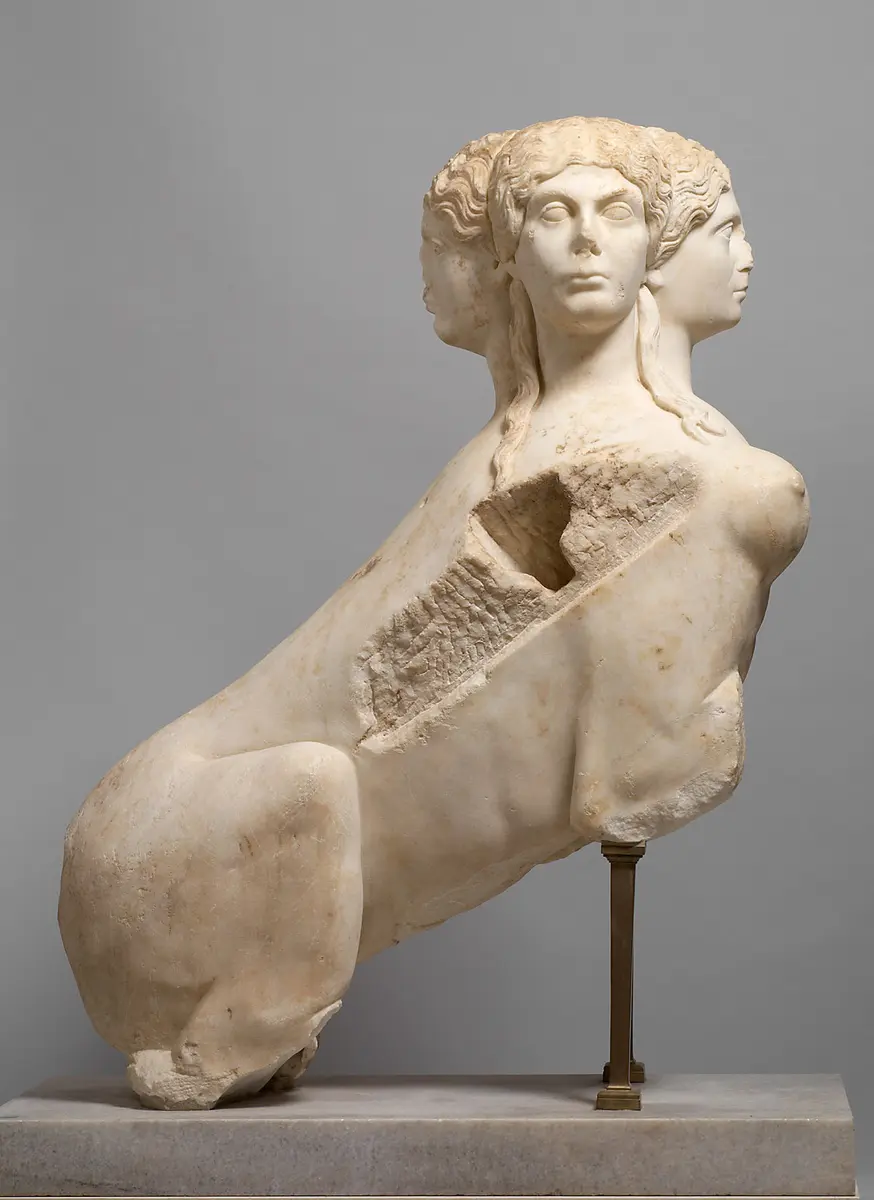
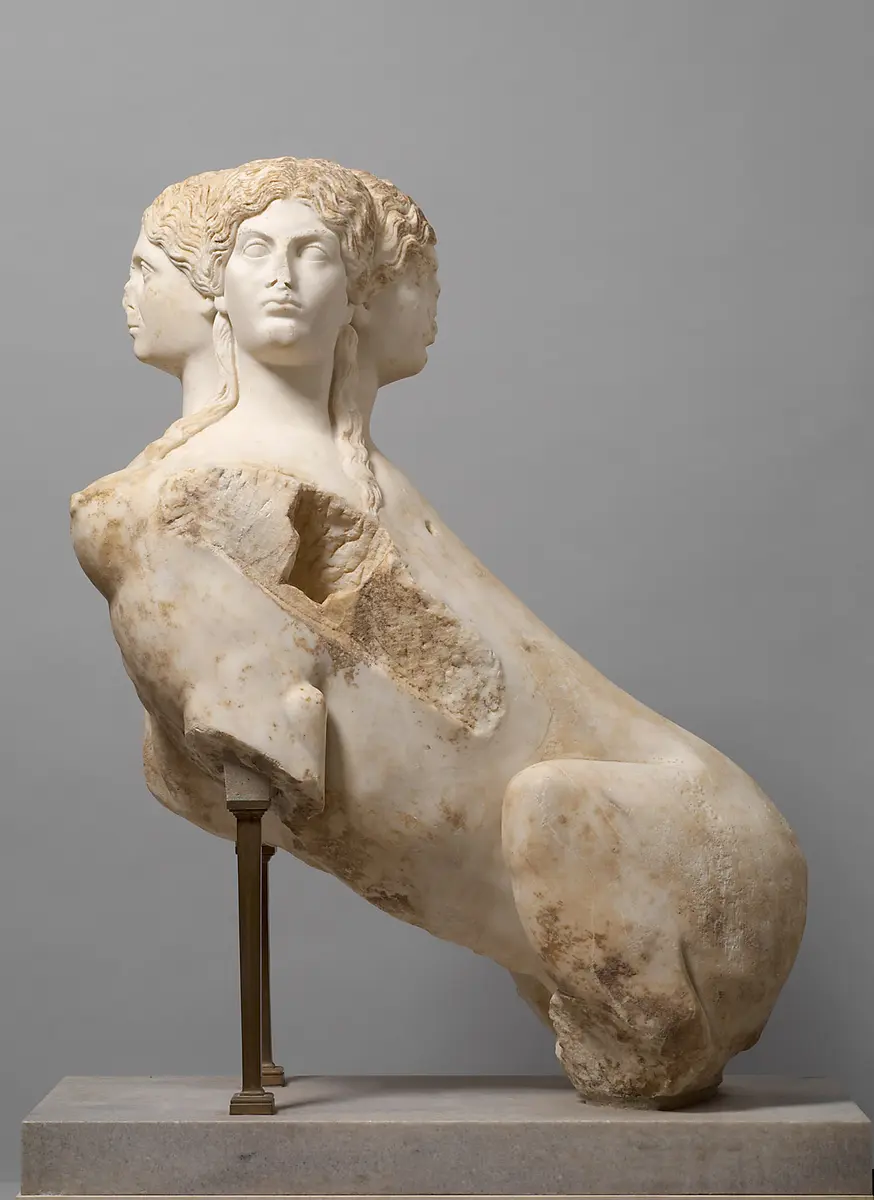
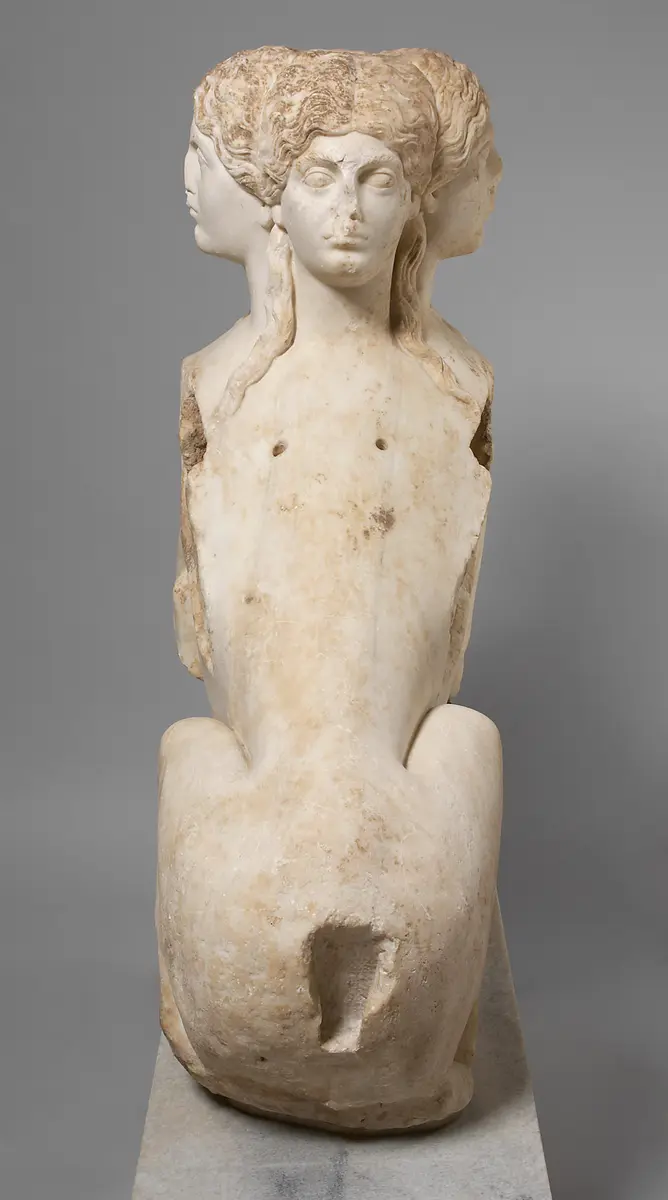
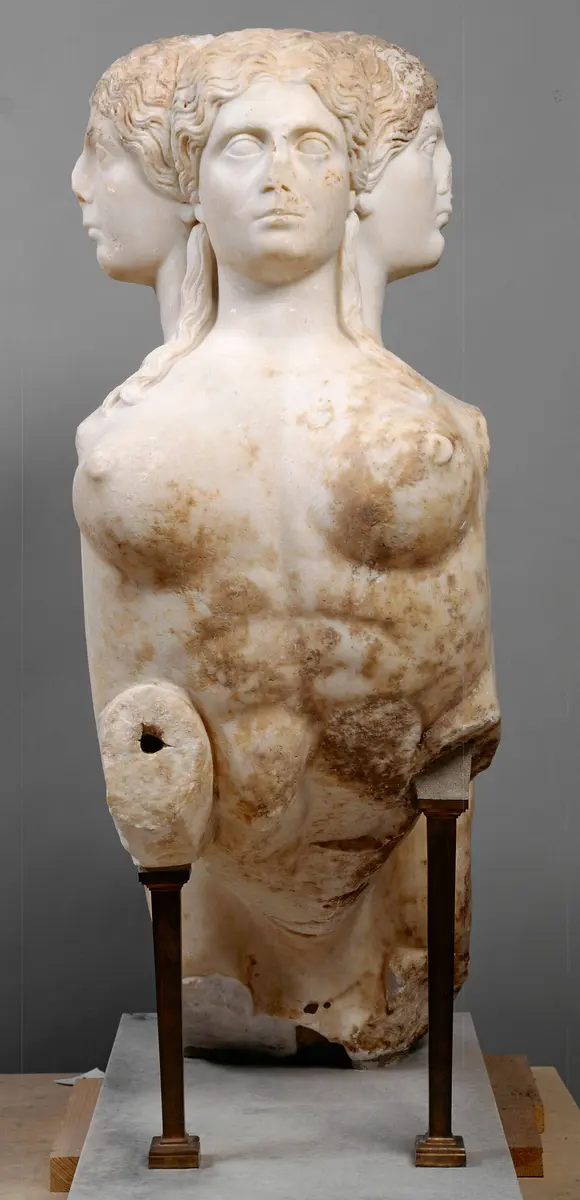
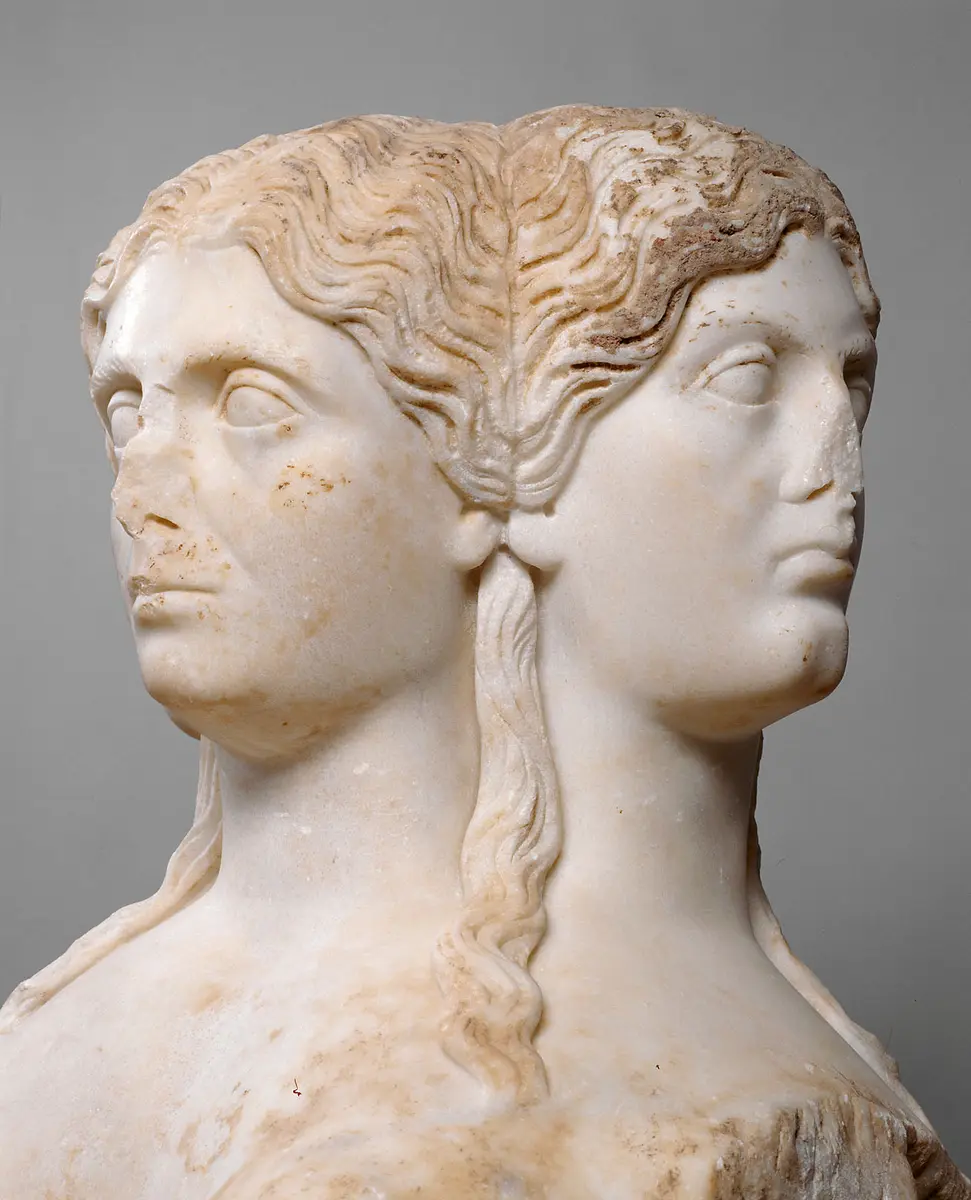
Bedeutung und Funktion der vierköpfigen Sphinx, der ursprünglich Flügel eingesetzt waren, sind ungeklärt. Die weiblichen Gesichter weisen porträthafte Züge auf und unterscheiden sich voneinander. Stilistische Kriterien legen eine Datierung in antoninische Zeit nahe.
Time:
2. Hälfte 2. Jh. n. Chr.
Object Name
Statue
Culture
Römisch
Location of discovery:
Ägypten
Material/technology:
Marmor
Dimensions:
H. 121 cm, B. 100 cm
Copyright
Kunsthistorisches Museum, Antikensammlung
Invs.
Antikensammlung, I 687
Provenance
Ägyptische Sammlung; 1821 Geschenk von Jussuf, Peter, Triest; 1891 Übernahme
Browse more
Similar items you might be interested in
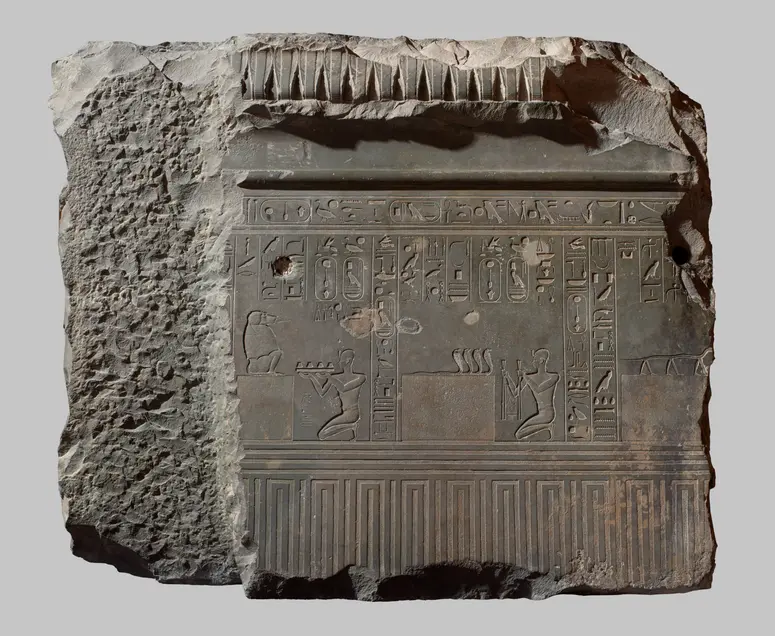
Barricade from a New Year’s pavilion Sais (vermutlich) 26th Dynasty, reigns of Psammetichus I and II, 664–589 BC
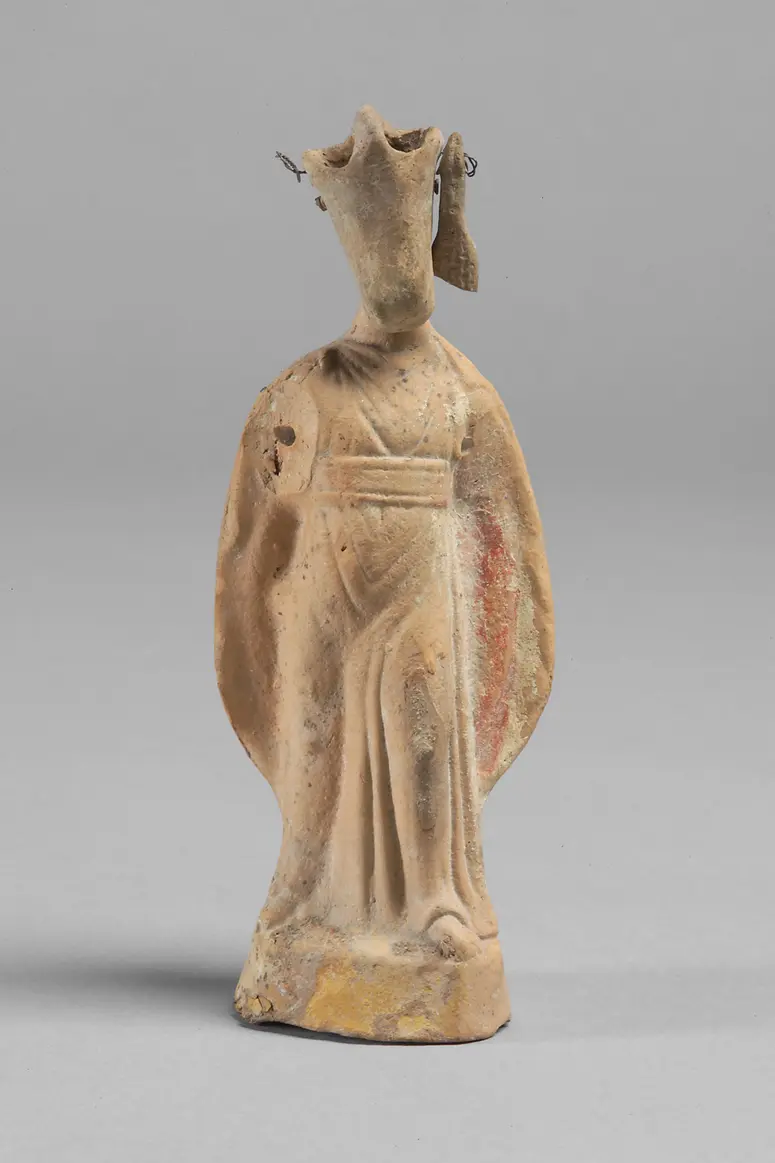
Statuette: Schauspieler der Komödie Kleinasiatisch, Hellenistisch, Myrina 3. Jh. - 2. Jh. v. Chr.
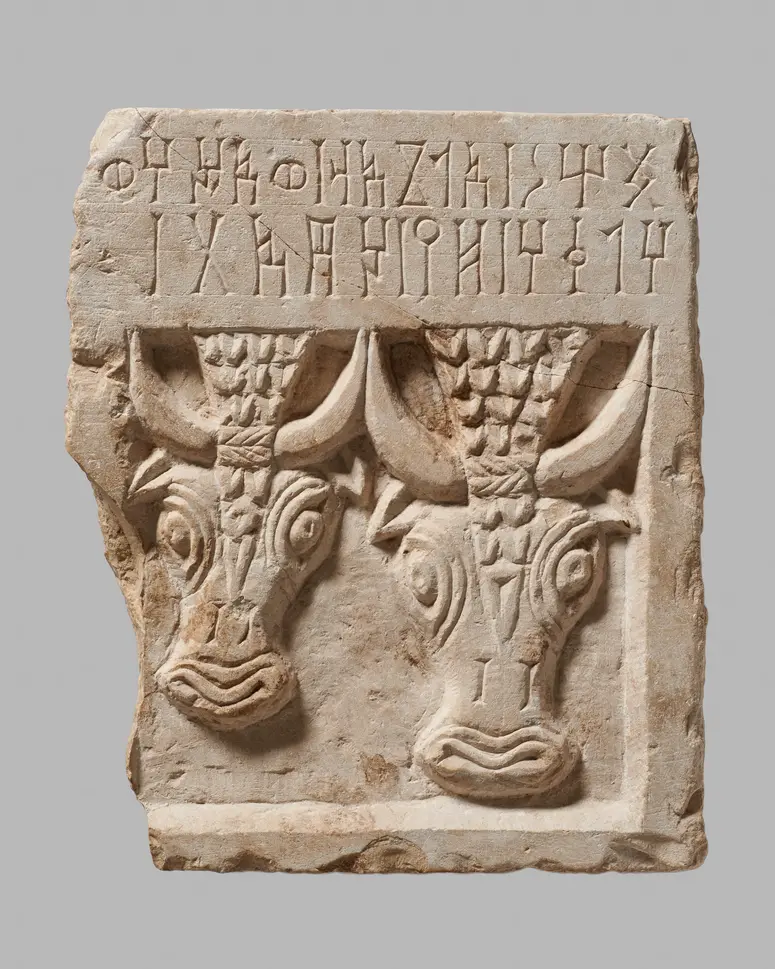
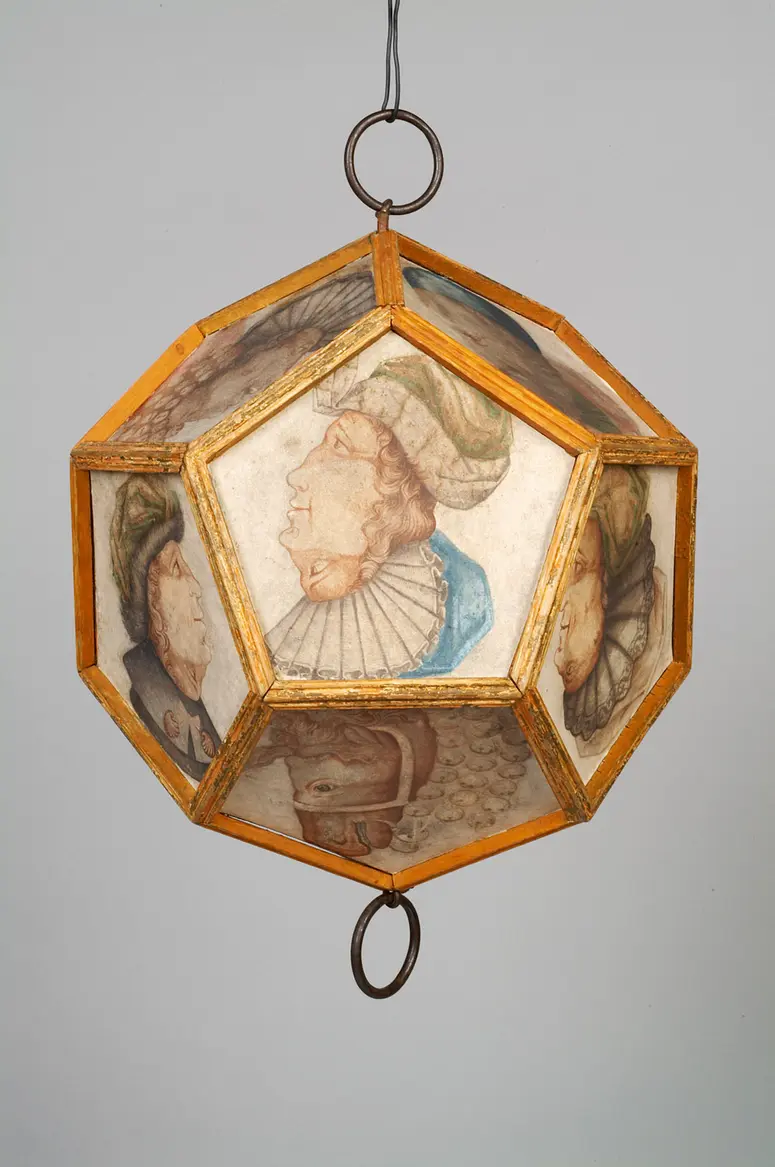
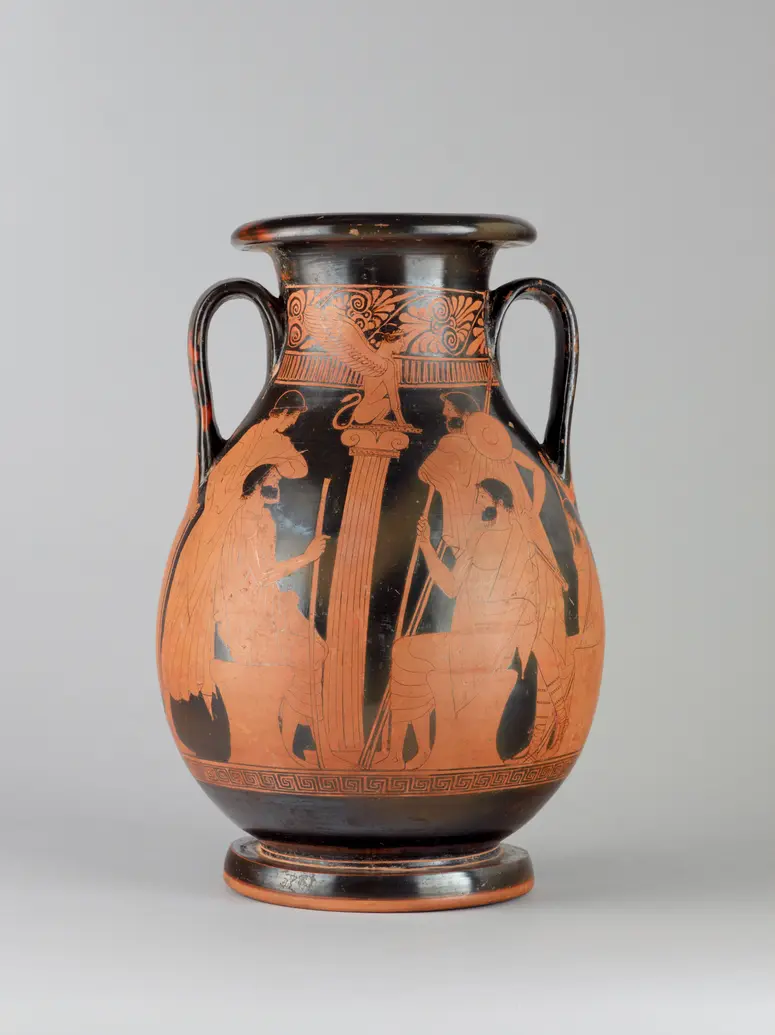
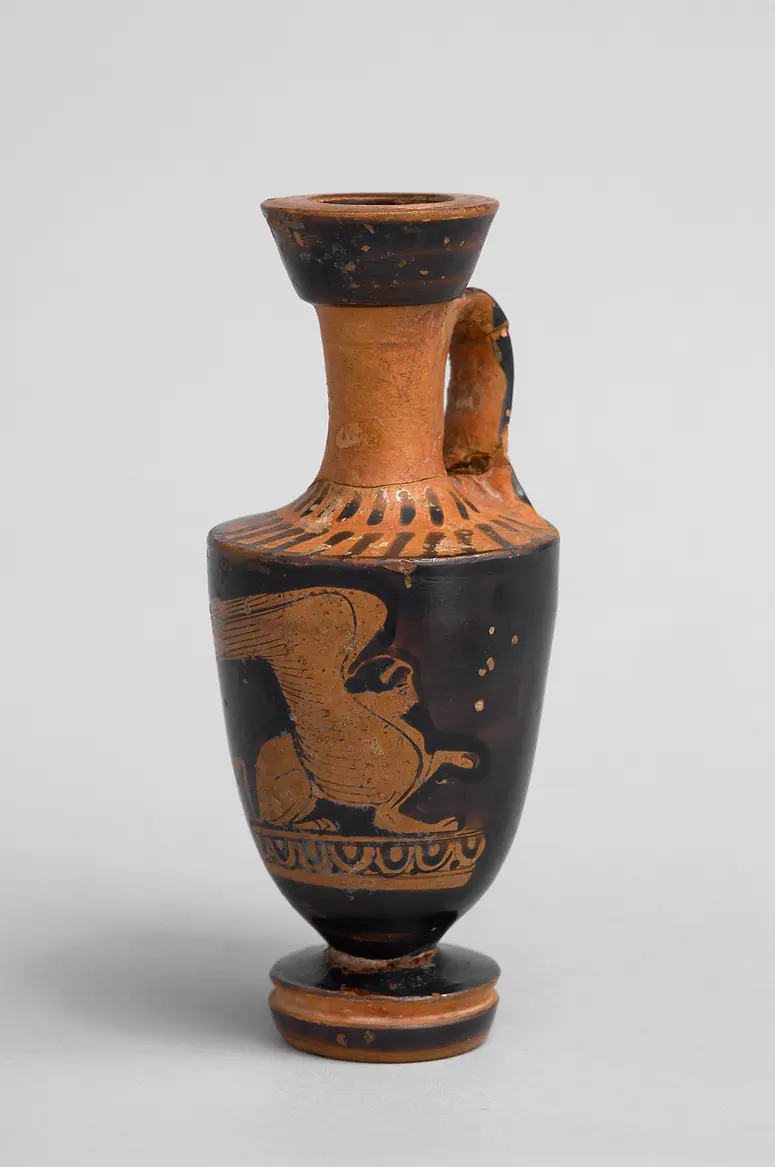
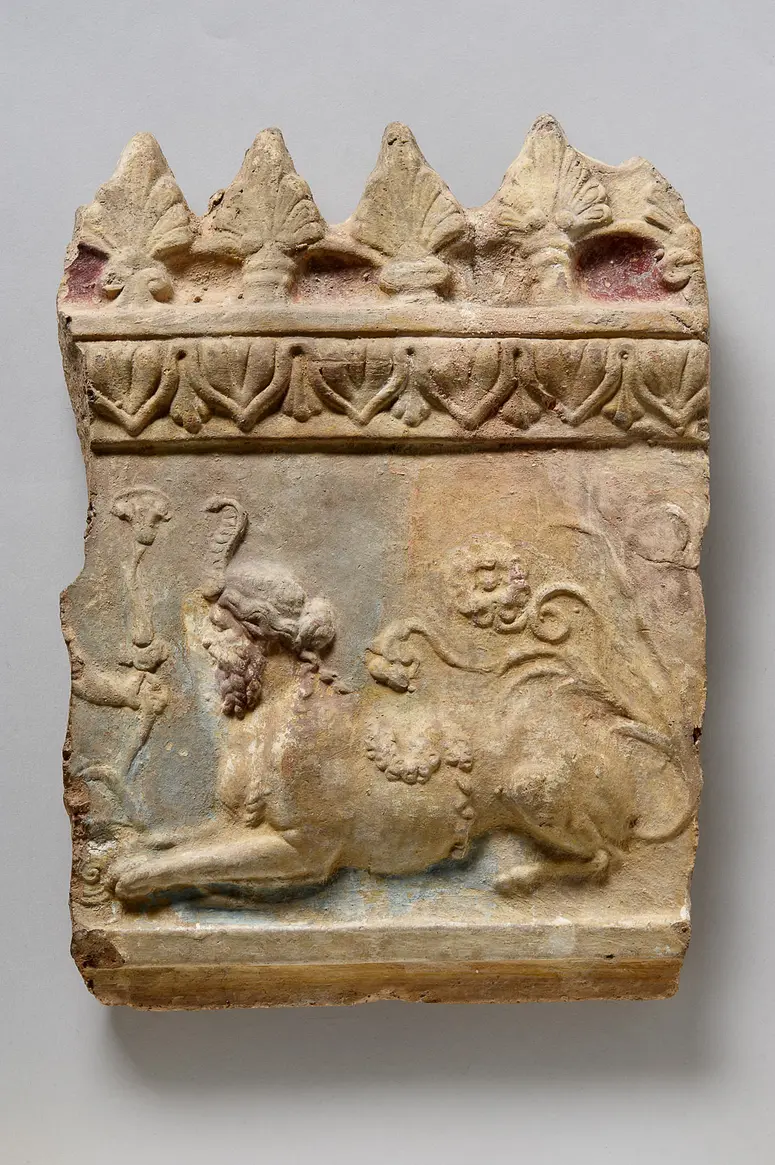
Campanarelief: Rechte Hälfte einer Aufsatzplatte mit Darstellung einer Besfigur zwischen ruhenden Sphingen: Männlicher Sphinx Römisch, Frühe Kaiserzeit 1. Hälfte 1. Jh. n. Chr.

Statuette: Fragmente einer Statuettengruppe: Jünglingsraubende Sphinx Römisch, Mittlere Kaiserzeit 2. Jh. n. Chr., nach griechischem Original des Phidias um 440 v. Chr.

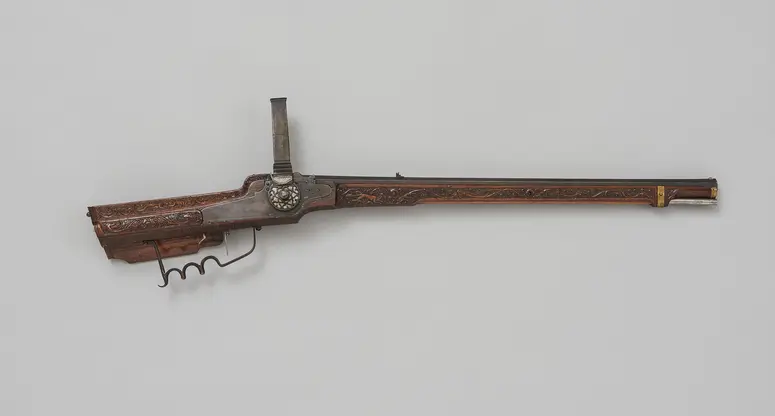
Ferdinand III. (1637-1657), Kaiser datiert 1638
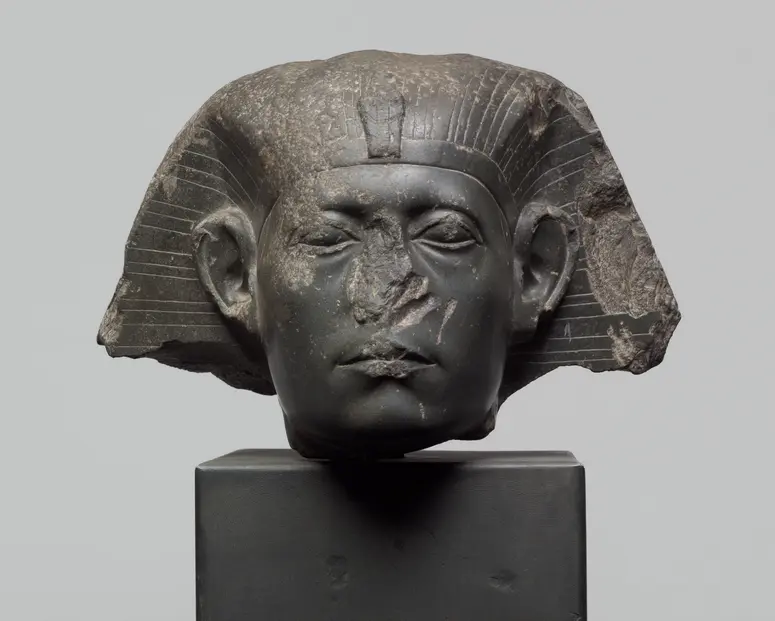
Head from a sphinx of Senwosret III Fundort unbekannt 12th Dynasty, reign of Senwosret III, ca. 1878-1843 BC;

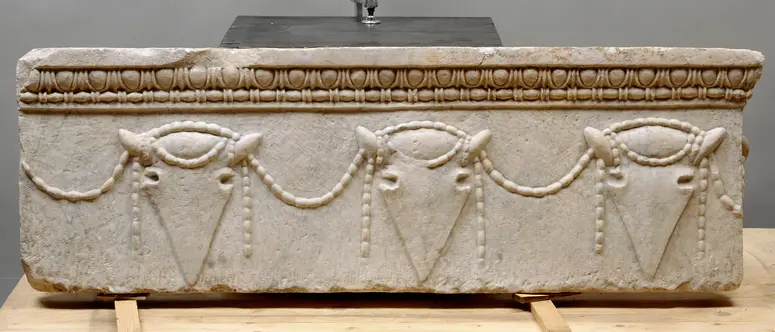
Relief: Stierkopf-Girlandenfries Römisch, Mittlere Kaiserzeit Mitte 2. Jh. n. Chr.
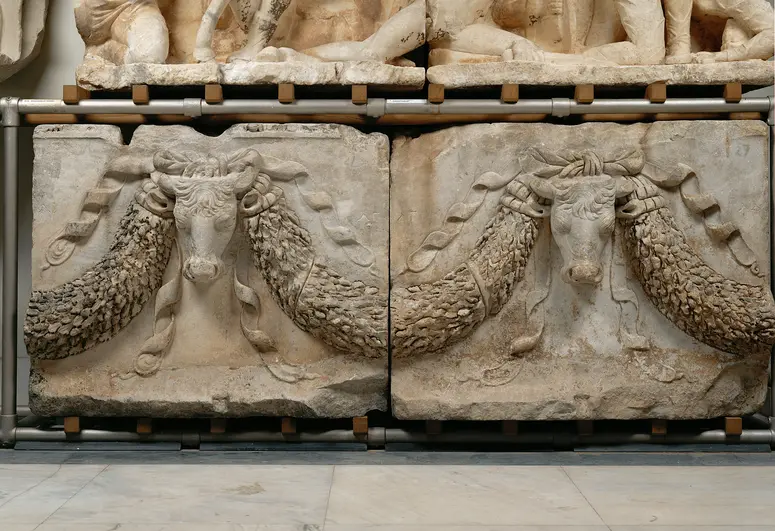
Relief: Stierkopf-Girlandenfries Römisch, Mittlere Kaiserzeit Mitte 2. Jh. n. Chr.