Titus Livius
c. 1550
Livius (or Liry), the most important Roman historian of the Augustan period, came from Padua, where he had been enthusiastically revered from the beginning of the Renaissance. In 1546/47, a monument was erected to him in the Palazzo della Ragione and decorated with a bust “all’antica”, which was of great significance for the development of this genre in Padua and Venice. Demand for more depictions of Livius soon increased, mainly among the city’s university scholars.
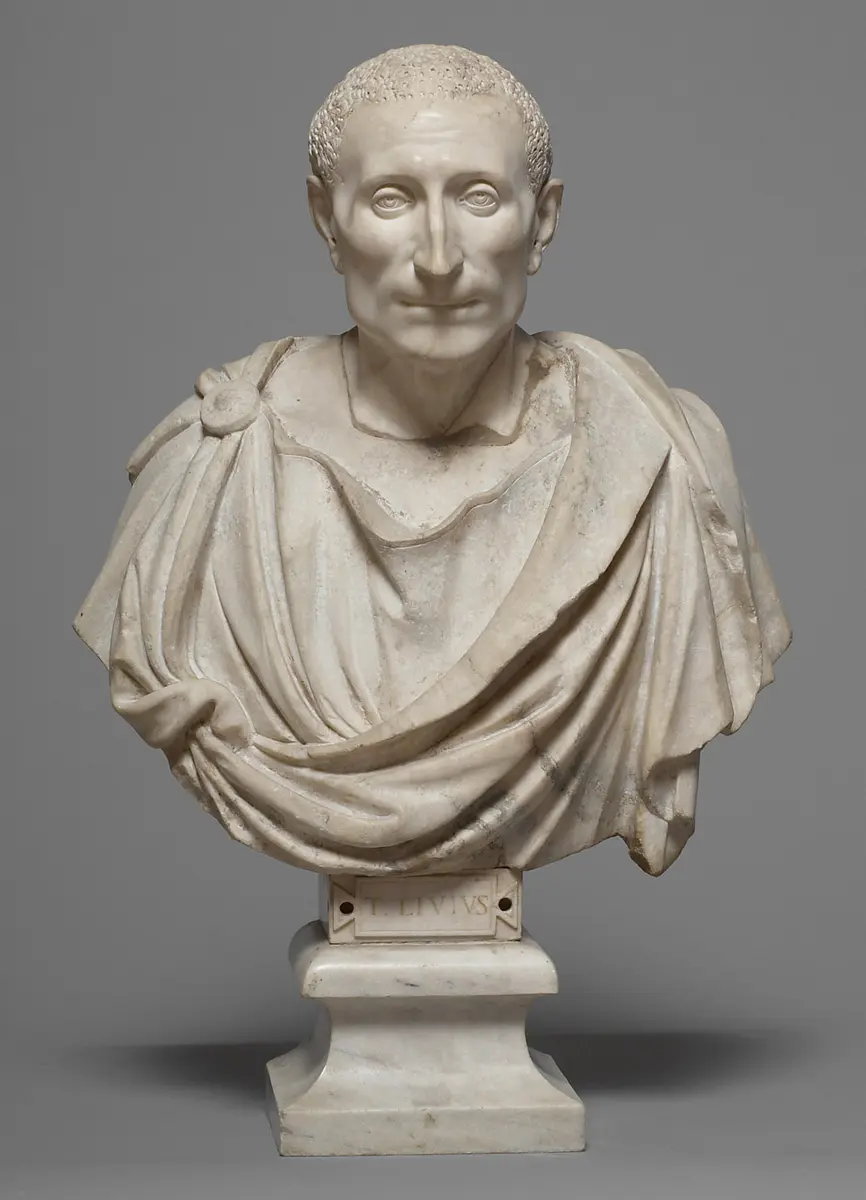
Livius (or Liry), the most important Roman historian of the Augustan period, came from Padua, where he had been enthusiastically revered from the beginning of the Renaissance. In 1546/47, a monument was erected to him in the Palazzo della Ragione and decorated with a bust “all’antica”, which was of great significance for the development of this genre in Padua and Venice. Demand for more depictions of Livius soon increased, mainly among the city’s university scholars.
Time:
c. 1550
Object Name
Statue
Culture
Padua
Material/technology:
Marble
Dimensions:
h. 67 cm; with base H. 85 cm, W. 56 cm, D. 28 cm; base plinth: 23 x 20,5 cm
Height of the head to the insertion into the shoulder: 22 cm
Copyright
Kunsthistorisches Museum, Kunstkammer
Invs.
Kunstkammer, 7499
Provenance
(48/PL/1922); from the Estensian Collection; 1872 Catajo Inv., No.1230; 1803 Catajo Inv., p.2
Browse more
Similar items you might be interested in
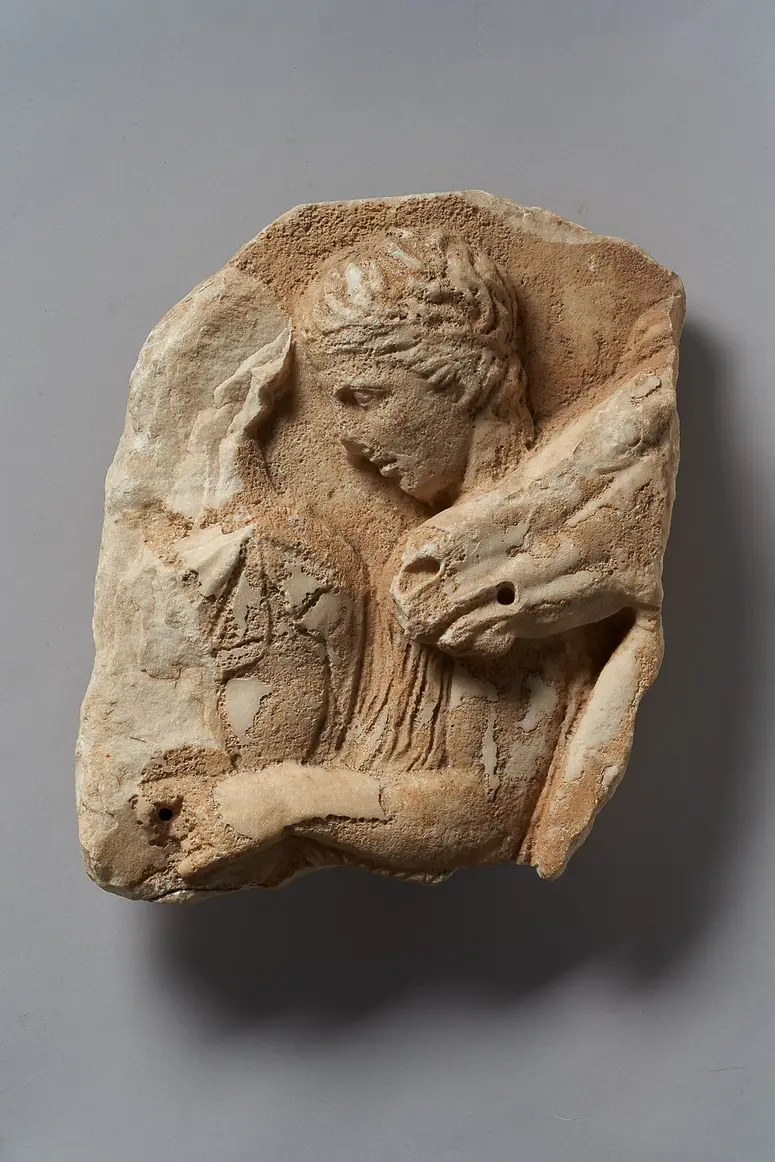
Relief: Fragment vom Nordfries des Parthenon, Reiter Griechisch, Attisch 442 - 438 v. Chr.
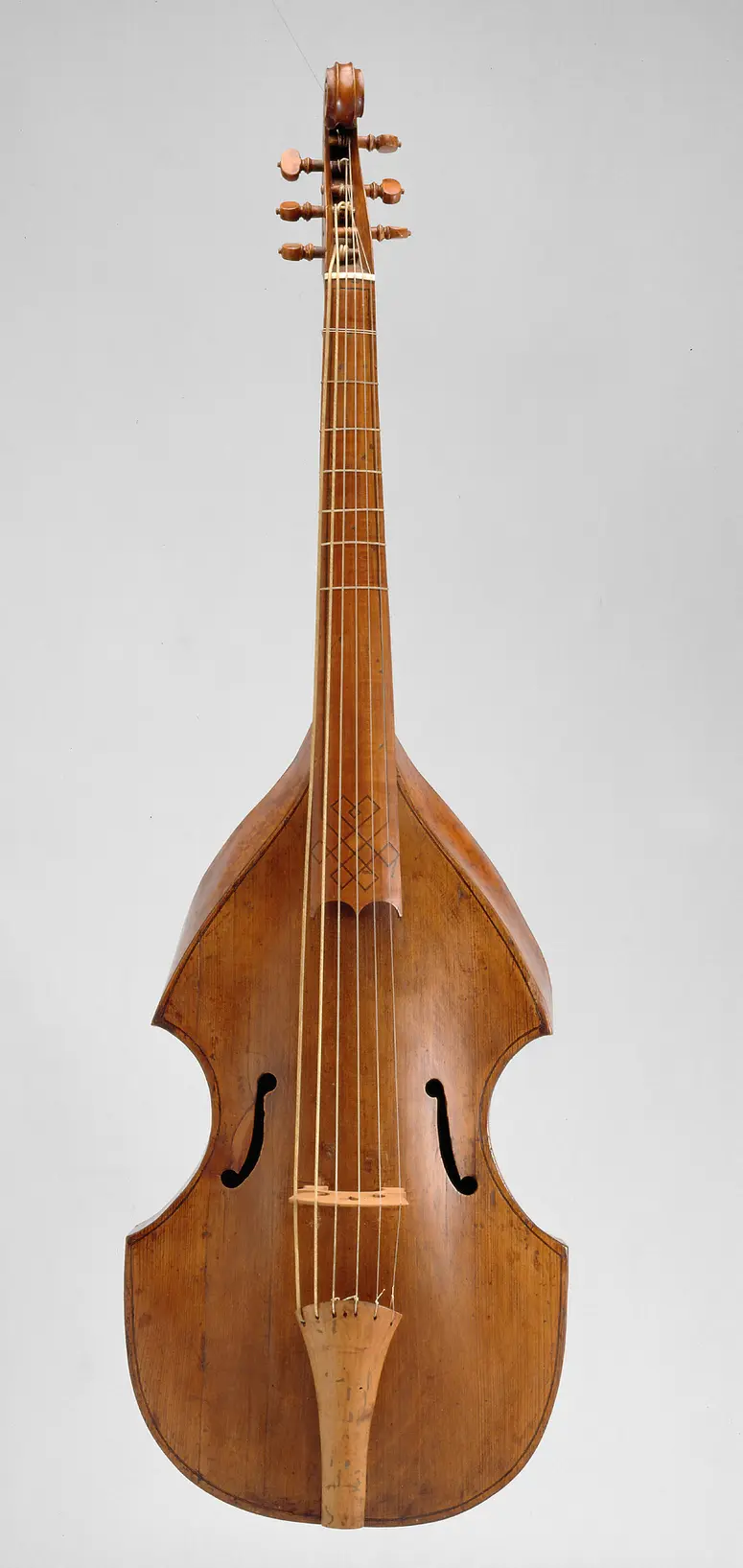
Manufacturer: Antonio Ciciliano presumably after 1602
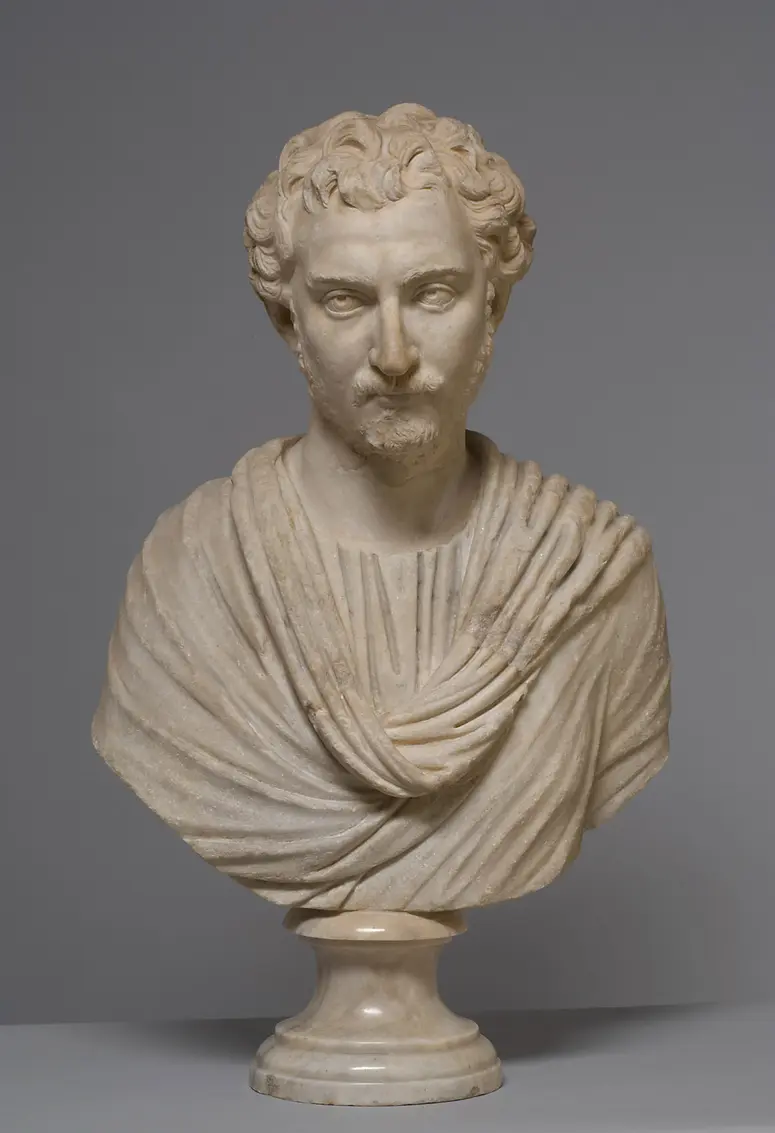
Porträtkopf, Büste ergänzt: Porträt eines bärtigen Mannes (Grieche) Römisch, Späte Kaiserzeit 3. Jh. n. Chr.
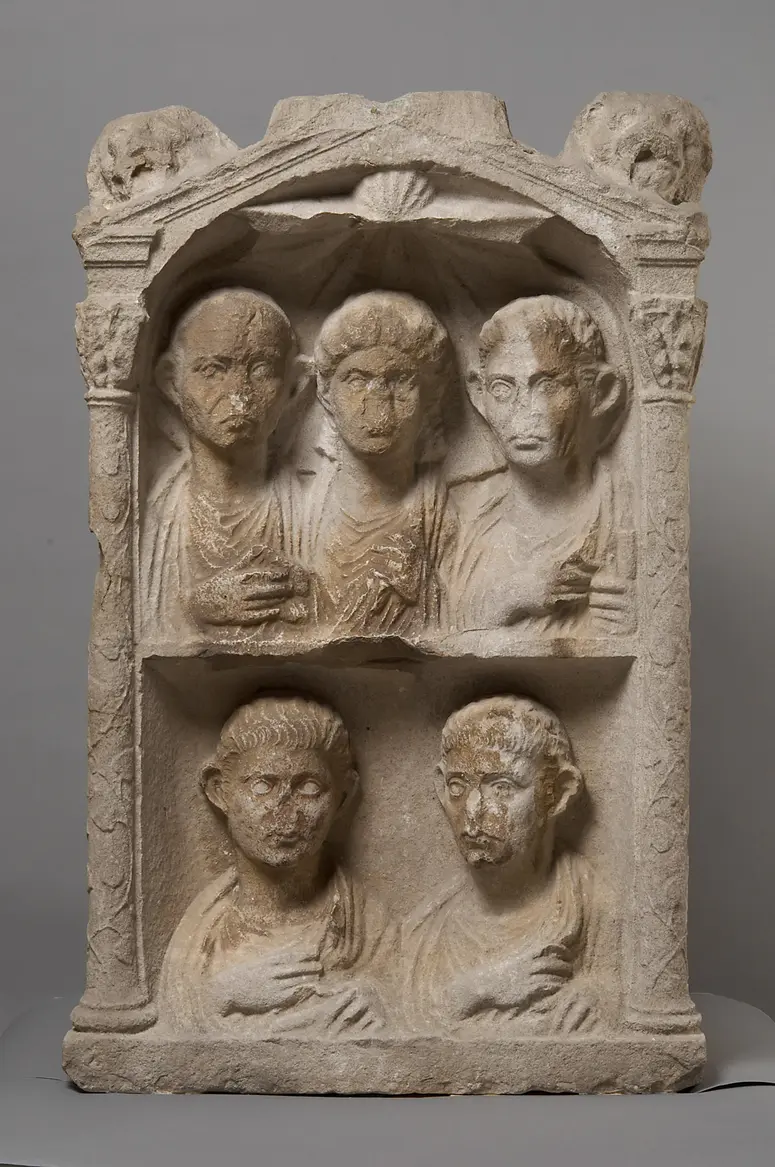
Grabdenkmal: Grabstein: Aediculastele mit fünf Porträtbüsten Römisch, Frühe Kaiserzeit 3. Viertel 1. Jh. n. Chr.
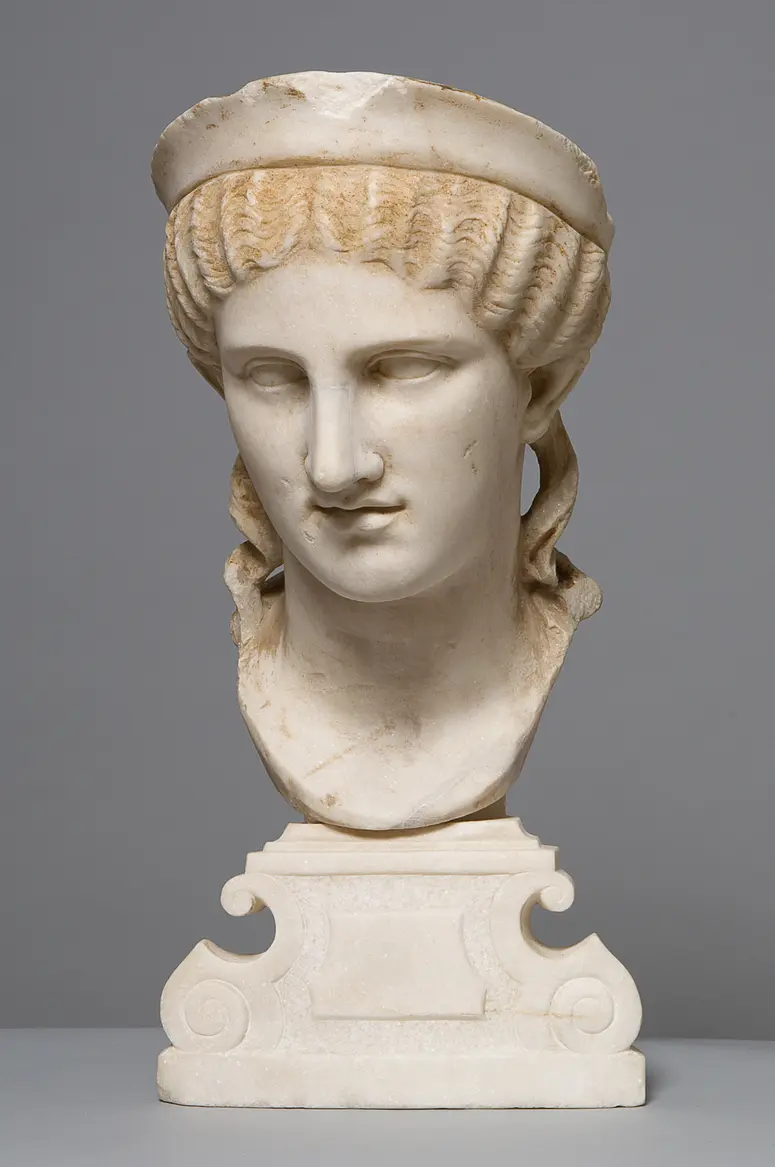
portrait head: Antonia Minor Römisch, Frühe Kaiserzeit Roman Imperial period, 1st cent.
Aschenurne: Aschenkiste: Kampf des Kadmos mit dem Drachen Etruskisch, Volterra 2. Jh. v. Chr.
Manufacturer: Antonio Ciciliano 2nd half of the 16th century
portrait bust: Bust of a Child Römisch, Kaiserzeit Roman Imperial period, 1st–2nd cent., nose and bust added in the 16th cent.
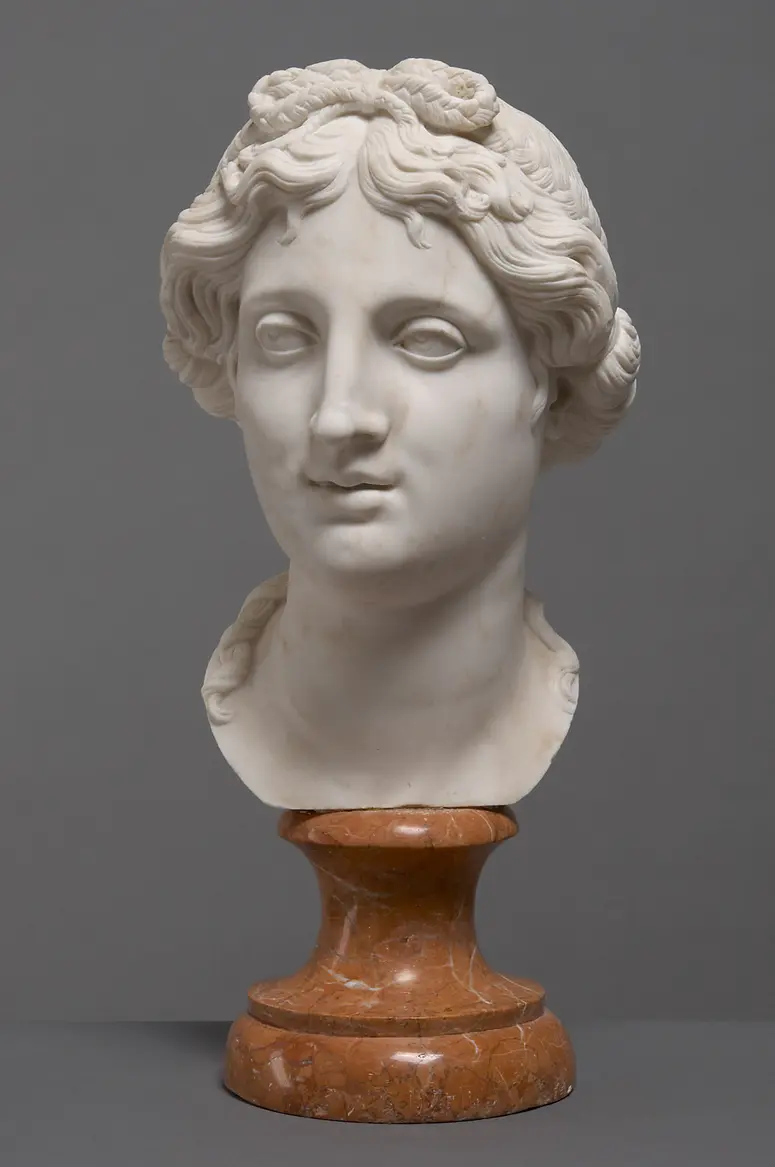
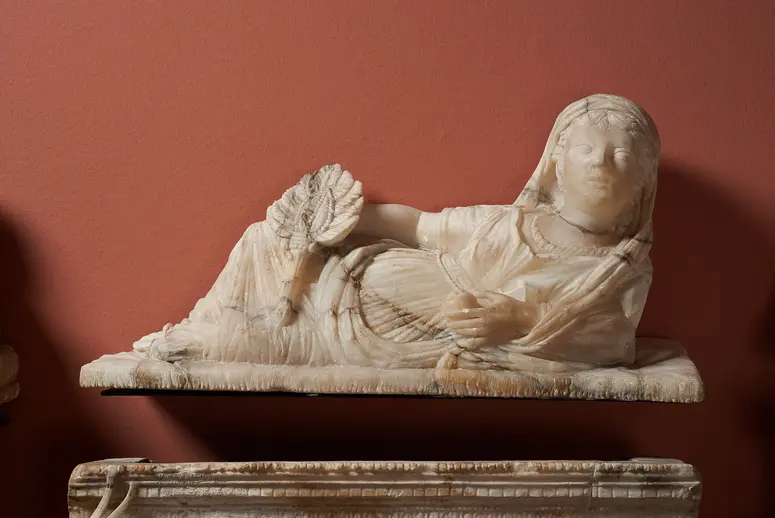
Aschenurne: Deckel einer Aschenurne: Gelagerte Frau Etruskisch, Volterra 2. Hälfte 2. Jh. v. Chr.
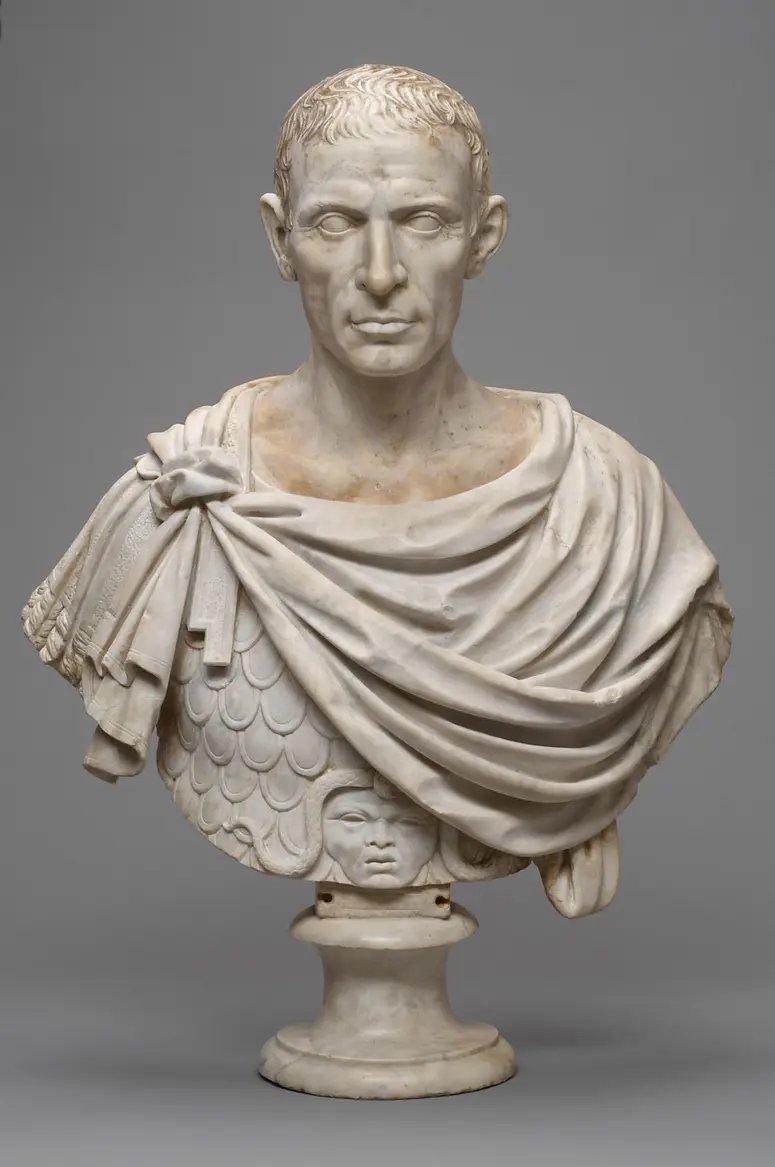
Porträtkopf, Büste ergänzt: Imperator C. Julius Caesar Römisch, Frühe Kaiserzeit 100 v.C.-100 n.C.
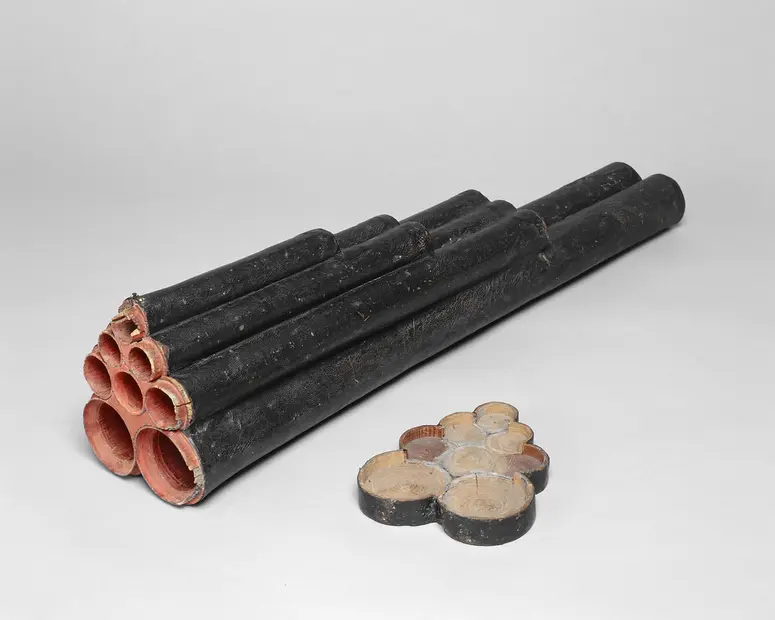
Manufacturer: anonym 16th century
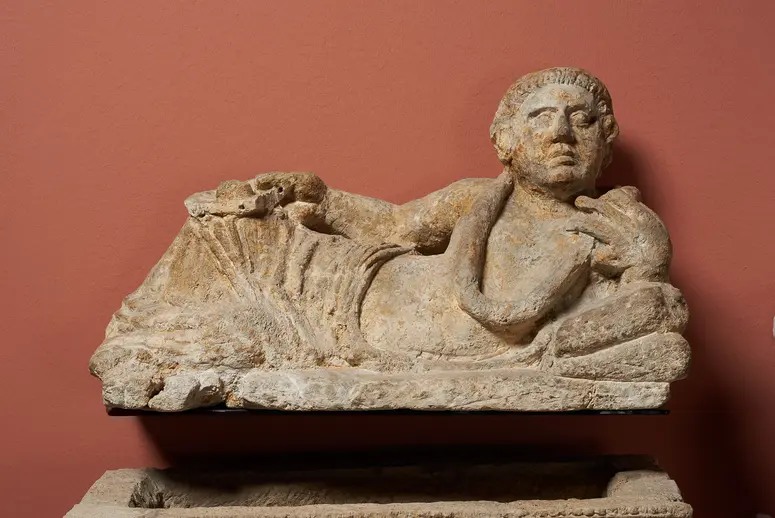
Aschenurne: Deckel einer Aschenurne: Gelagerter Mann Etruskisch, Volterra 3. - 2. Jh. v. Chr.
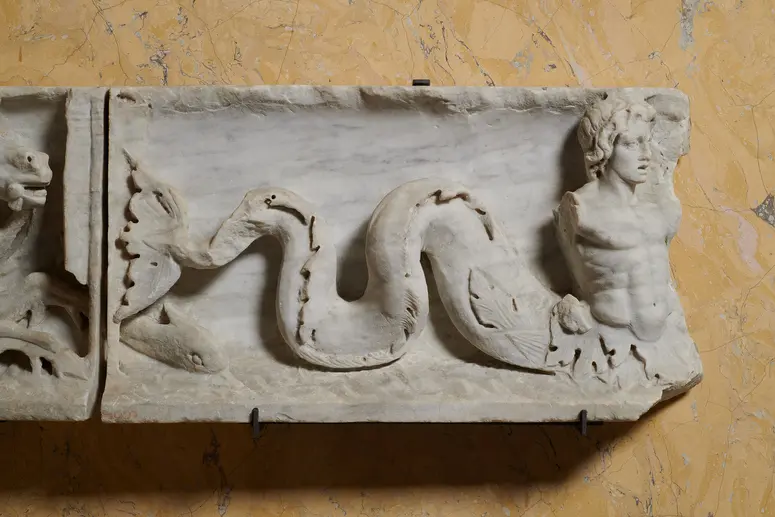
Relief: Fries mit Nereiden und Tritonen Römisch, Mittlere Kaiserzeit 2. Hälfte 2. Jh. n. Chr.
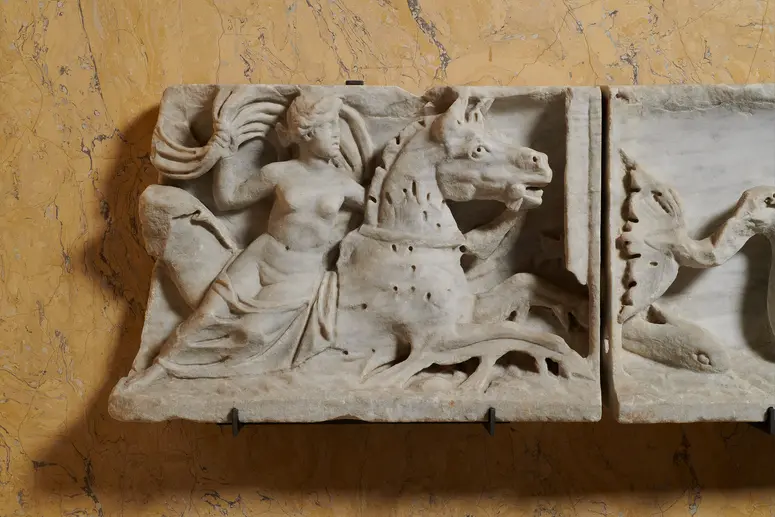
Relief: Fries mit Nereiden und Tritonen Römisch, Mittlere Kaiserzeit 2. Hälfte 2. Jh.n. Chr.
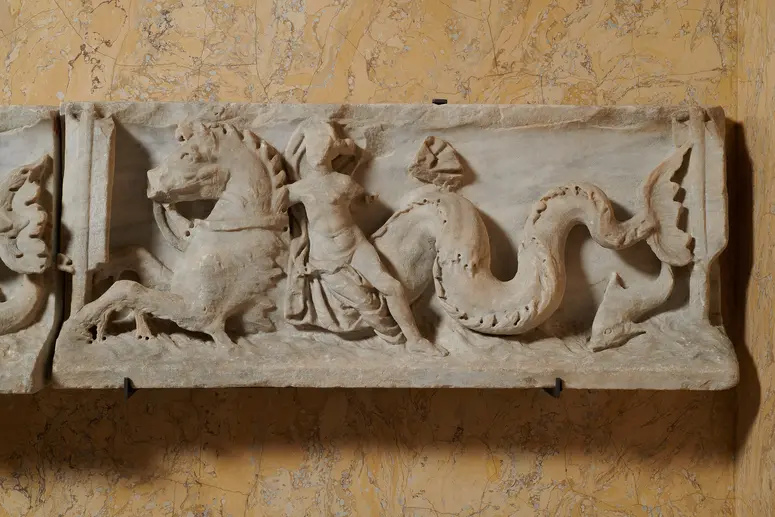
Relief: Fries mit Nereiden und Tritonen Römisch, Mittlere Kaiserzeit 2. Hälfte 2. Jh.n. Chr.
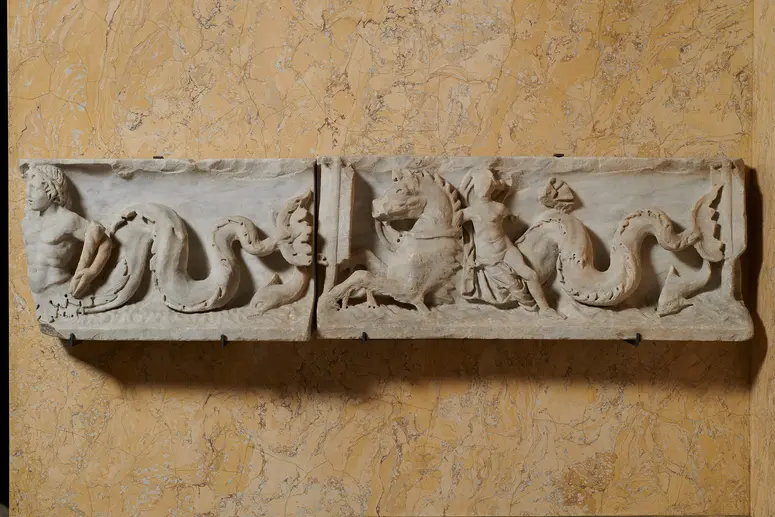
Relief: Fries mit Nereiden und Tritonen Römisch, Mittlere Kaiserzeit 2. Hälfte 2. Jh.n. Chr.