Female Allegory
Early 16th cent. | Simone Bianco
This charming sculpture with a sophisticated hairstyle and finely modelled features is reminiscent of a private portrait. The “Greek” nose, however, is not typical of an individual portrait and – like the highly detailed hair – is indebted to the depictions of gods and goddesses of classical antiquity. Thus this is most likely a decorative allegory, perhaps of one of the virtues or a personification, such as Spring or Youth. There must have been more precise indications of the meaning on the bust, which has been lost.
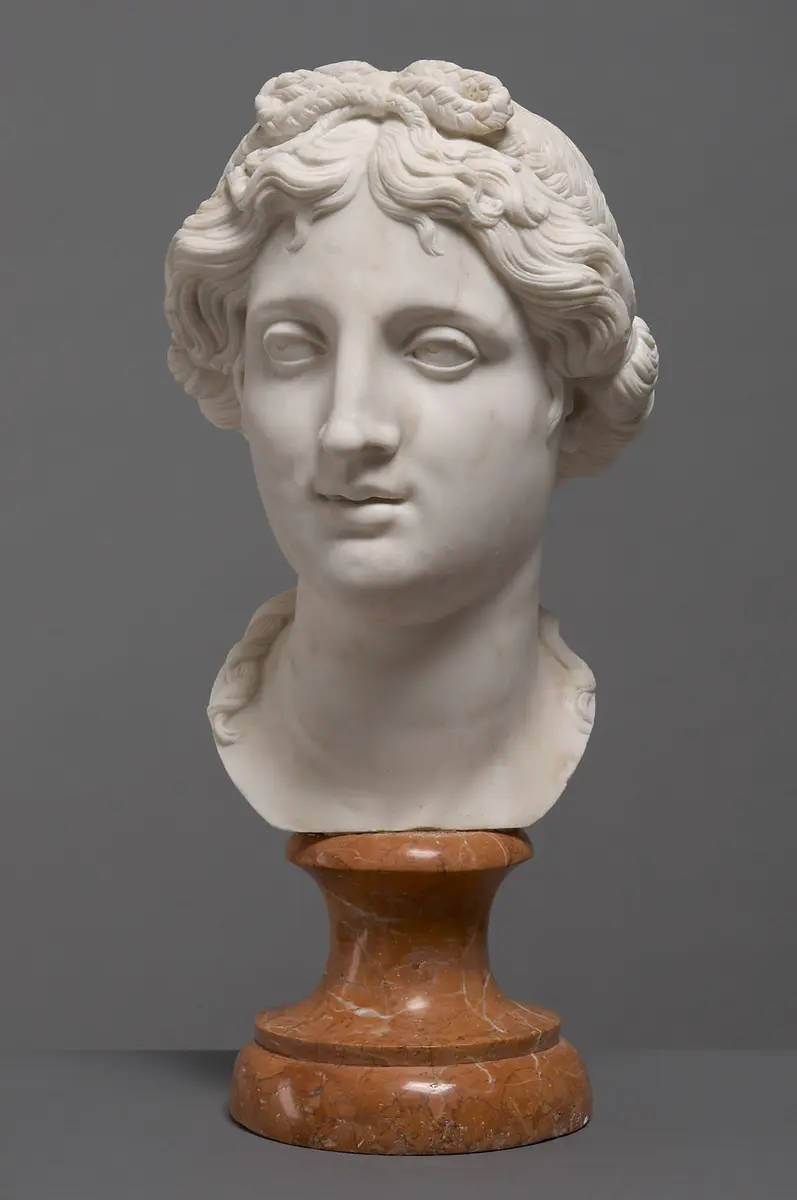
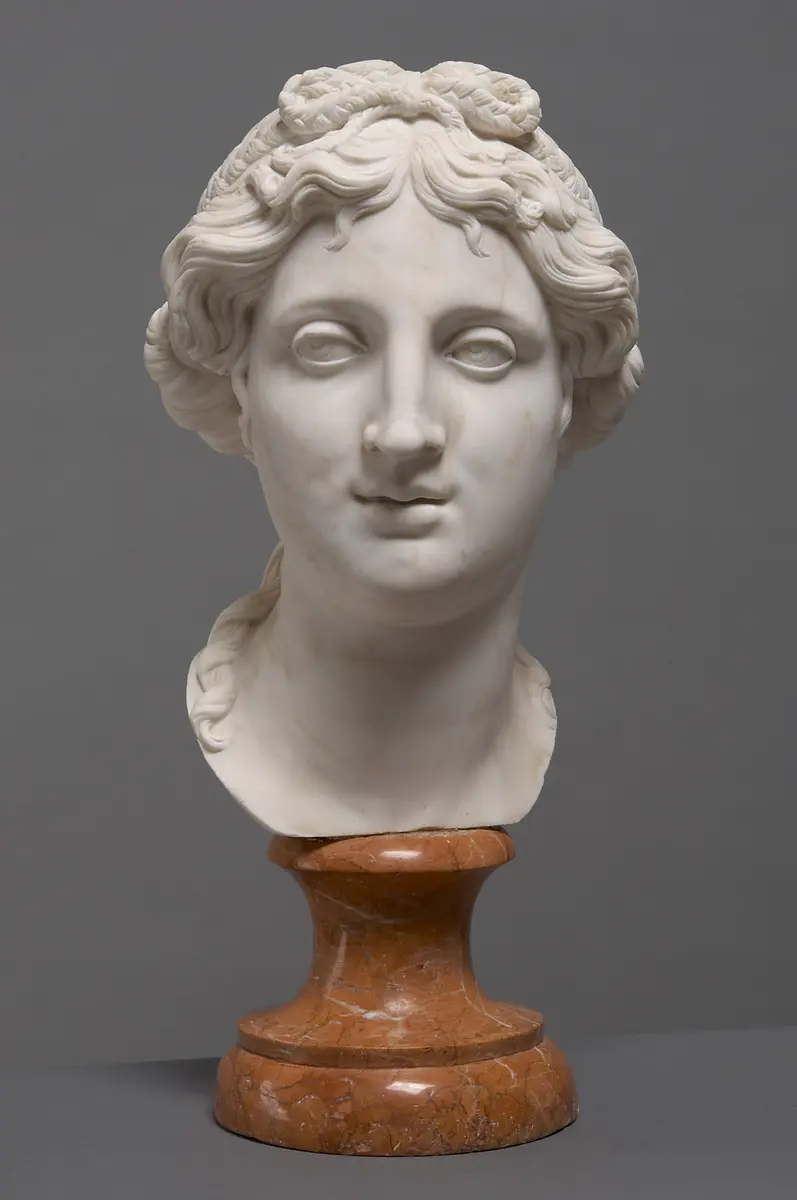
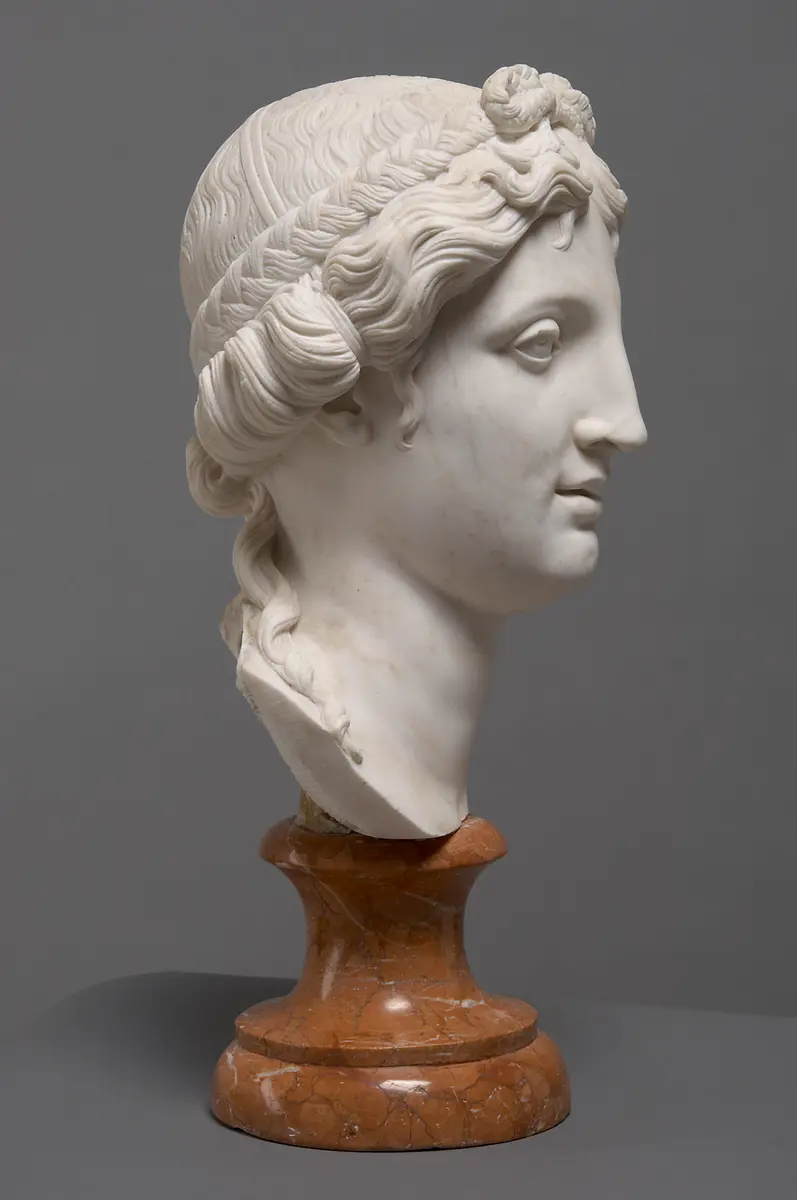
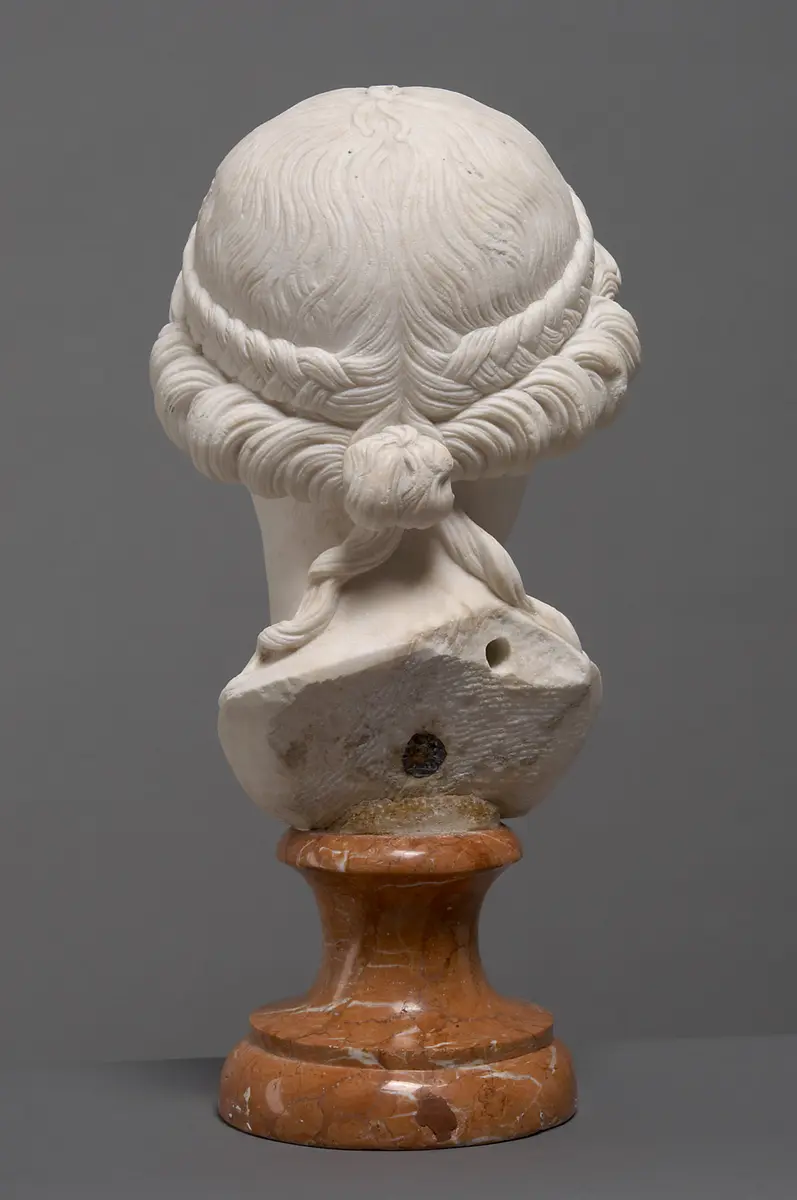
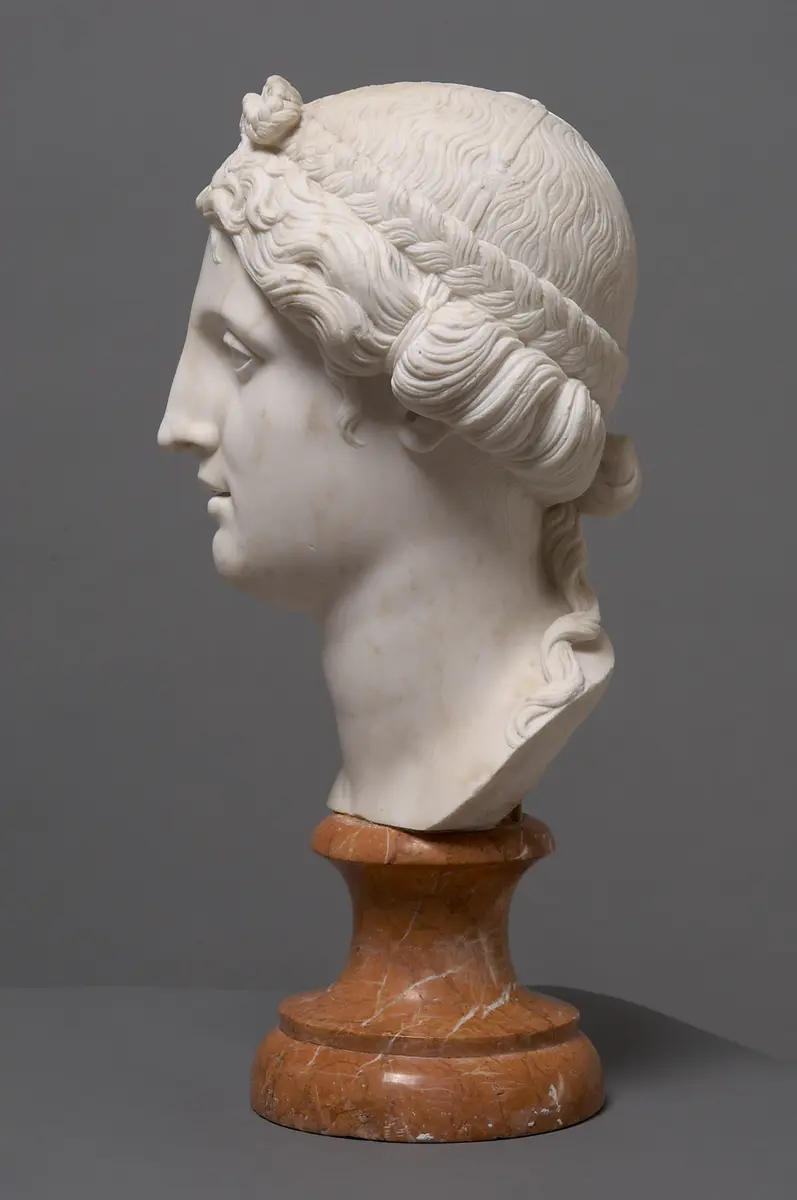
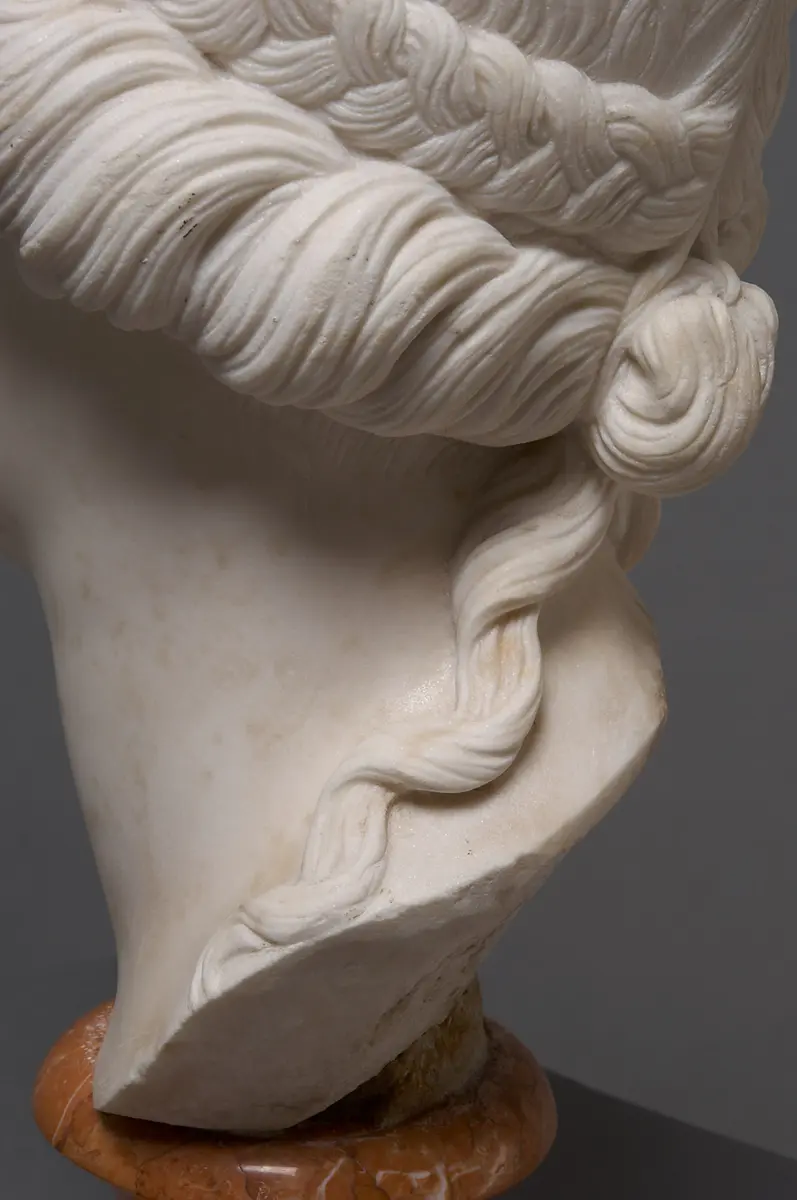
This charming sculpture with a sophisticated hairstyle and finely modelled features is reminiscent of a private portrait. The “Greek” nose, however, is not typical of an individual portrait and – like the highly detailed hair – is indebted to the depictions of gods and goddesses of classical antiquity. Thus this is most likely a decorative allegory, perhaps of one of the virtues or a personification, such as Spring or Youth. There must have been more precise indications of the meaning on the bust, which has been lost.
Attributed to:
Simone Bianco (um 1480/90 Loro Ciuffenna - nach 1553 Venedig) DNB
Time:
Early 16th cent.
Object Name
Head
Culture
Neuzeitlich
Location of discovery:
Unbekannt
Material/technology:
Marble
Dimensions:
H.: 36 cm
Copyright
Kunsthistorisches Museum, Antikensammlung
Invs.
Antikensammlung, I 1490
Provenance
Coll. Este - Catajo; in the possession of Archduke Franz Ferdinand; 1923 added to the inventory
Browse more
Similar items you might be interested in
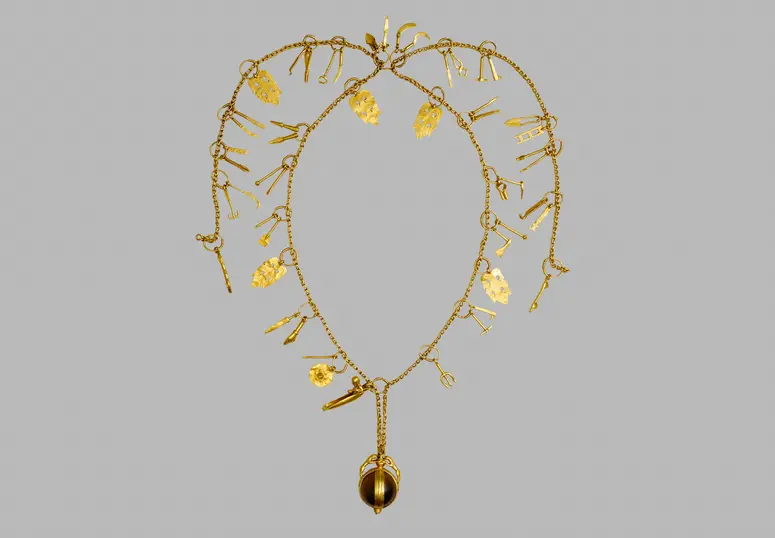
Goldkette mit 52 Anhängern: Goldkette mit 52 Anhängern Völkerwanderungszeit, Ostgermanisch (gepidisch?) Deponierung etwa 2. Viertel 5. Jh. n. Chr.
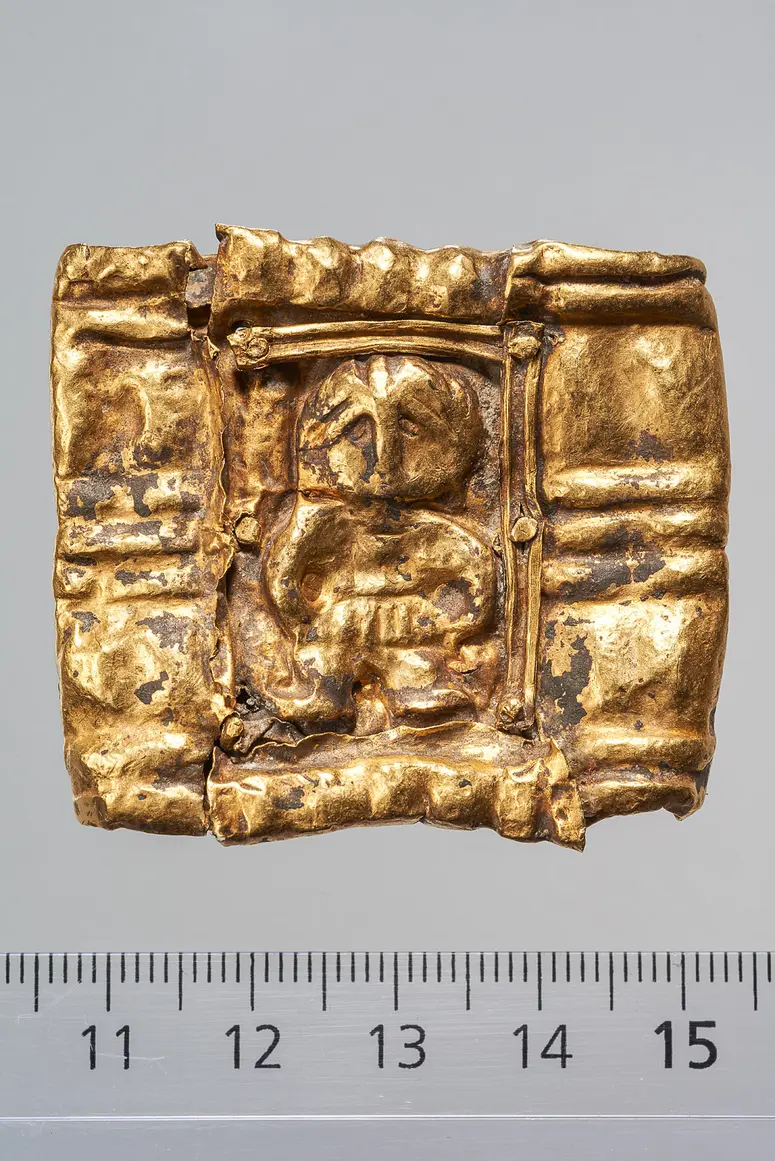
Zierglied mit Menschendarstellung Völkerwanderungszeit, Ostgermanisch (gepidisch?) Deponierung etwa 2. Viertel 5. Jh. n. Chr.
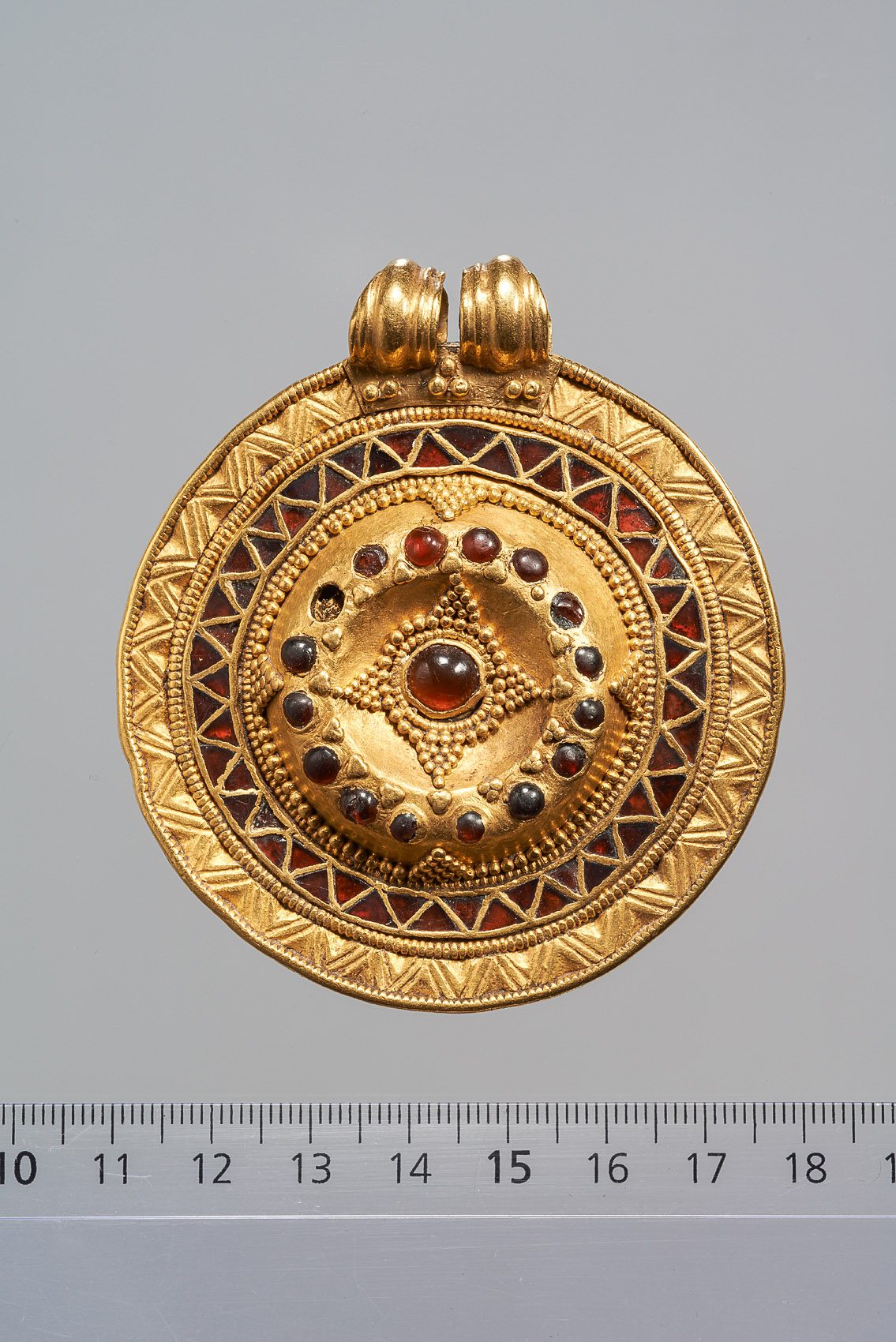
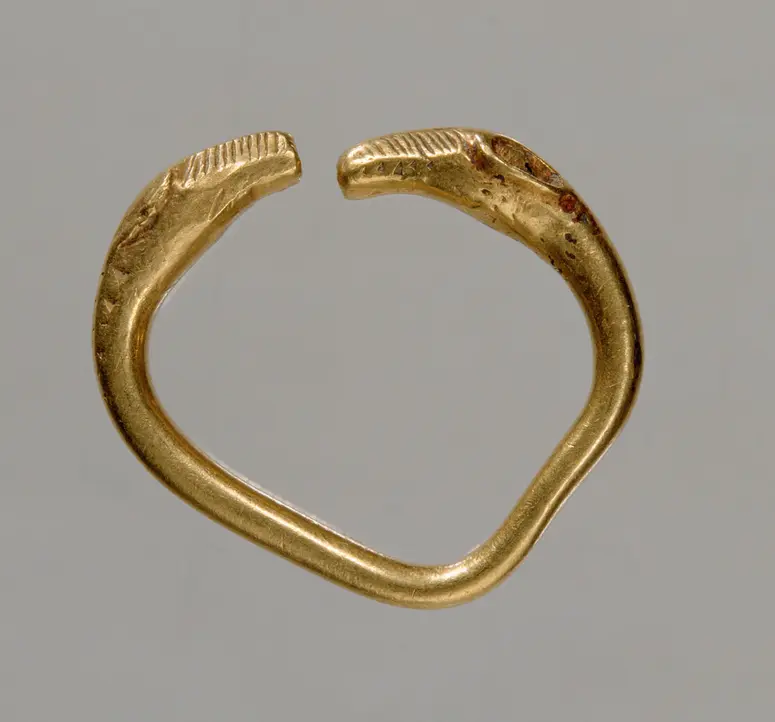
Völkerwanderungszeit, Ostgermanisch (gepidisch?) Deponierung etwa 2. Viertel 5. Jh. n. Chr.
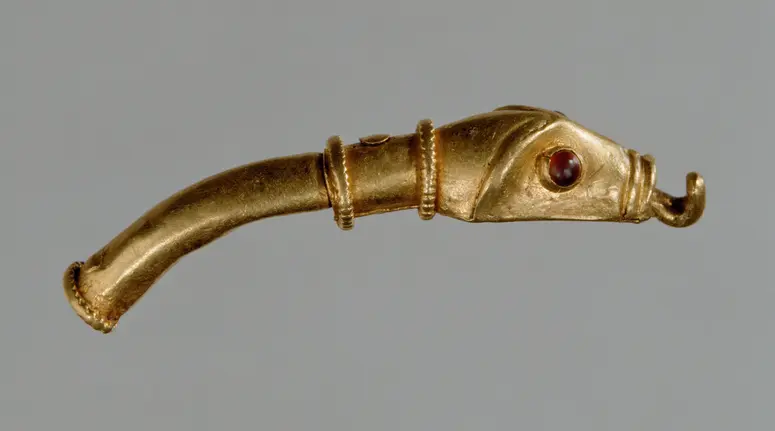
Armschmuck: Fragment eines Armringes mit Tierkopfschließe Völkerwanderungszeit, Ostgermanisch (gepidisch?) Deponierung etwa 2. Viertel 5. Jh. n. Chr.
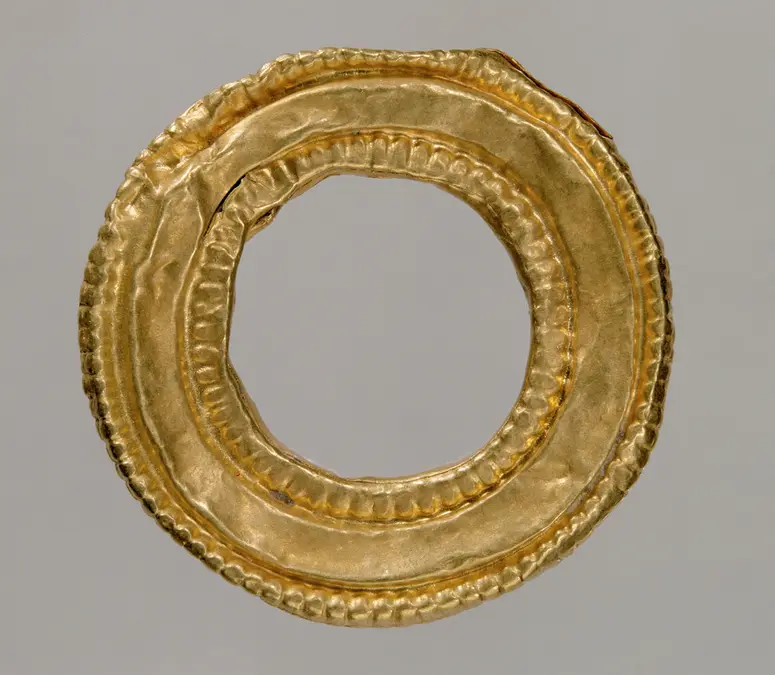
Blechring, gerillt Völkerwanderungszeit, Ostgermanisch (gepidisch?) Deponierung etwa 2. Viertel 5. Jh. n. Chr.
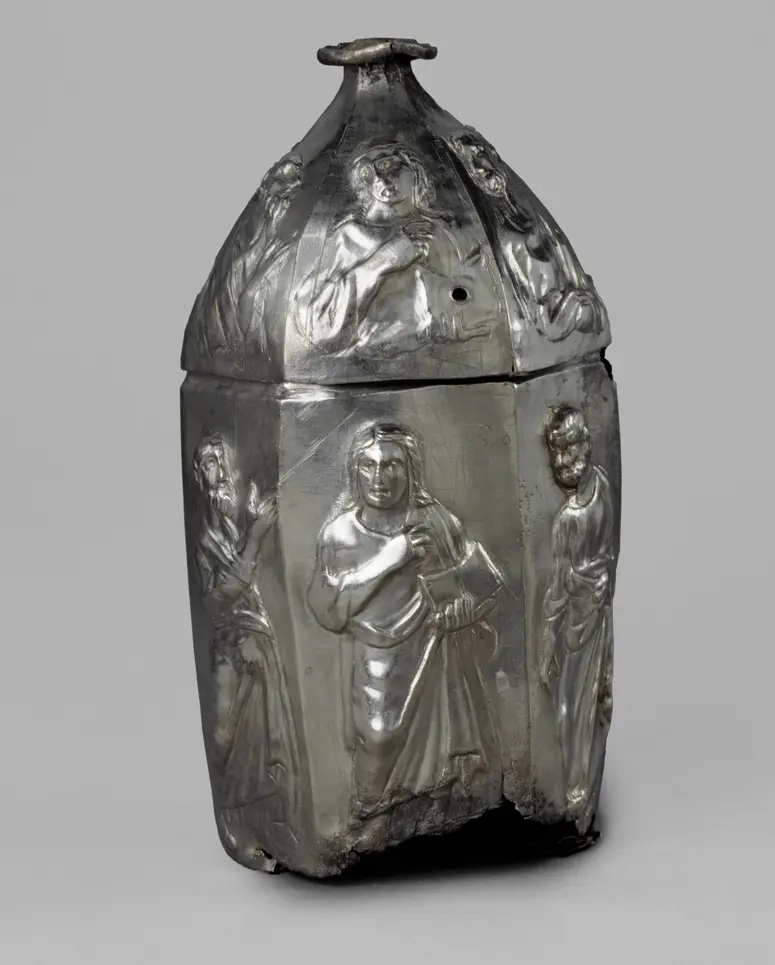
Reliquienbehälter: Christus mit den Aposteln Frühchristlich, Spätantike Anfang 5. Jh. n. Chr.
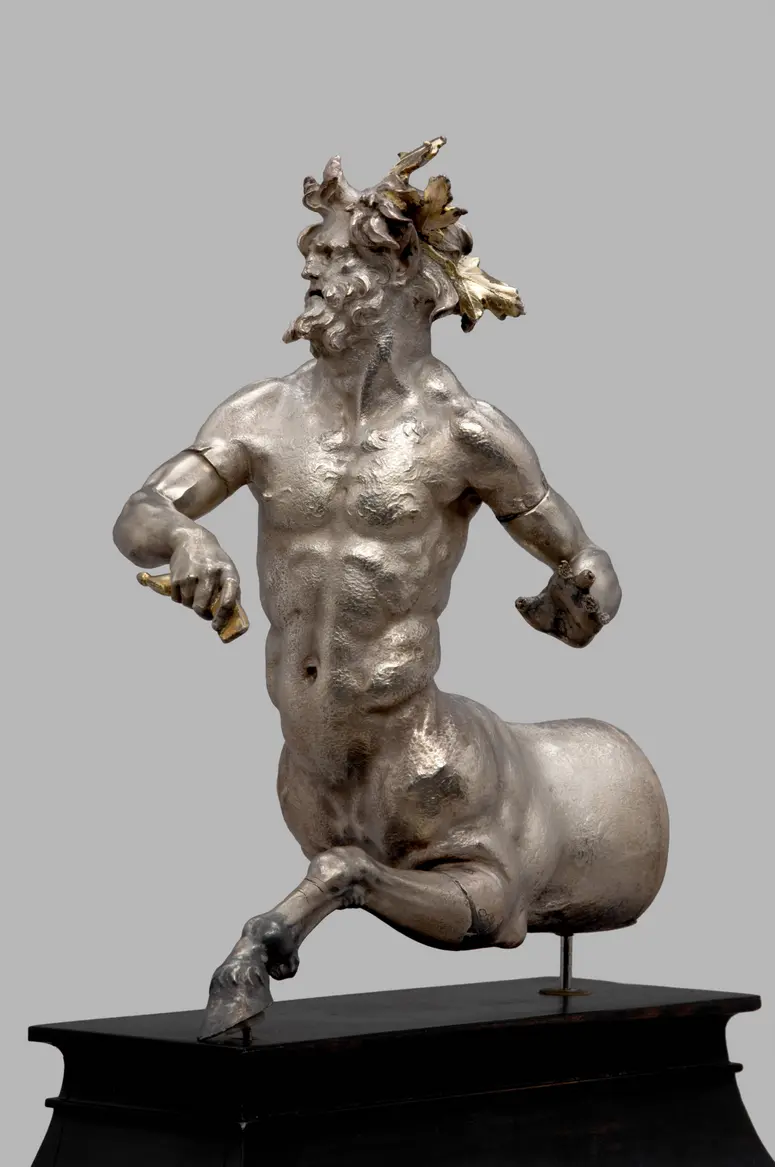
Teil eines Rhyton: Silberkentaur Griechisch, Hellenistisch (seleukidisch) um 160 v. Chr.