Thronender Serapis
2. Jh. n. Chr.
The pose of this fragmented dark-grey marble statue identifies it as a canonical depiction of the Ancient Egyptian deity Serapis. His raised left hand once held a sceptre, his right rested on the head of Cerberus, the hound that guards the gates of the Underworld, of which only fragments have survived. Note examples of coarse chisel work in some areas such as, for instance, the armrests of the throne – the statue was obviously never completed. The veneration of Serapis was introduced during the Hellenistic period and spread throughout the ancient world.

The pose of this fragmented dark-grey marble statue identifies it as a canonical depiction of the Ancient Egyptian deity Serapis. His raised left hand once held a sceptre, his right rested on the head of Cerberus, the hound that guards the gates of the Underworld, of which only fragments have survived. Note examples of coarse chisel work in some areas such as, for instance, the armrests of the throne – the statue was obviously never completed. The veneration of Serapis was introduced during the Hellenistic period and spread throughout the ancient world.
Time:
2. Jh. n. Chr.
Object Name
Statuette
Culture
Römisch
Location of discovery:
Ephesos Theater (Selçuk, Kleinasien, Türkei)
Material/technology:
Marmor, dunkelgrau (?)
Dimensions:
46 cm x 28 cm x 31 cm
Copyright
Kunsthistorisches Museum, Antikensammlung
Invs.
Antikensammlung, I 832
Provenance
Sultan, Abdul, Hamid, II.; Österreichische Ausgrabungen in Ephesos; Geschenk an Kaiser Franz Joseph; 1911 nachträglich inventarisiert
Browse more
Similar items you might be interested in
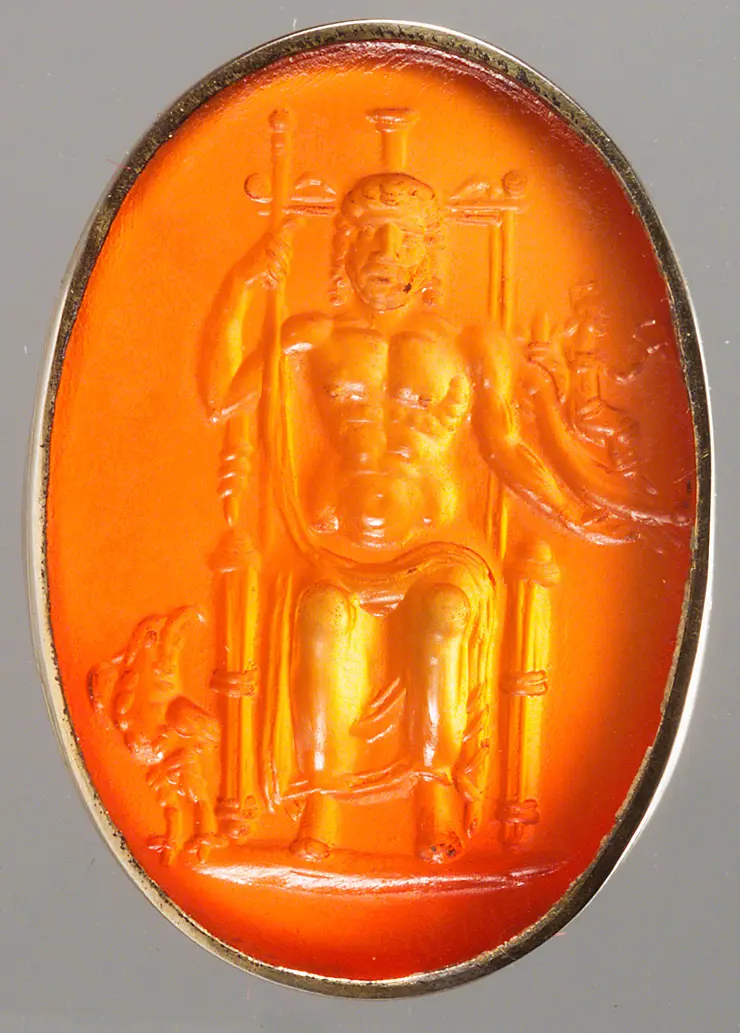
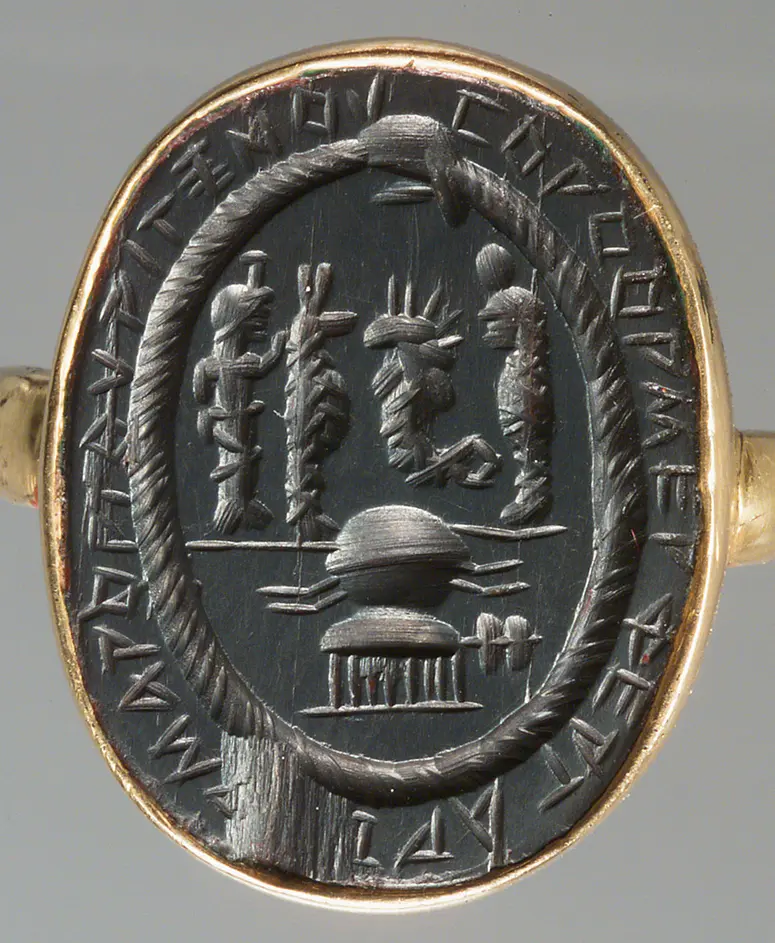
Magische Gemme: Ägyptische Gottheiten und Uterussymbol, umgeben von der Uroborosschlange Römisch, Kaiserzeit 2. Hälfte 2. - 1. Hälfte 3. Jh. n. Chr.
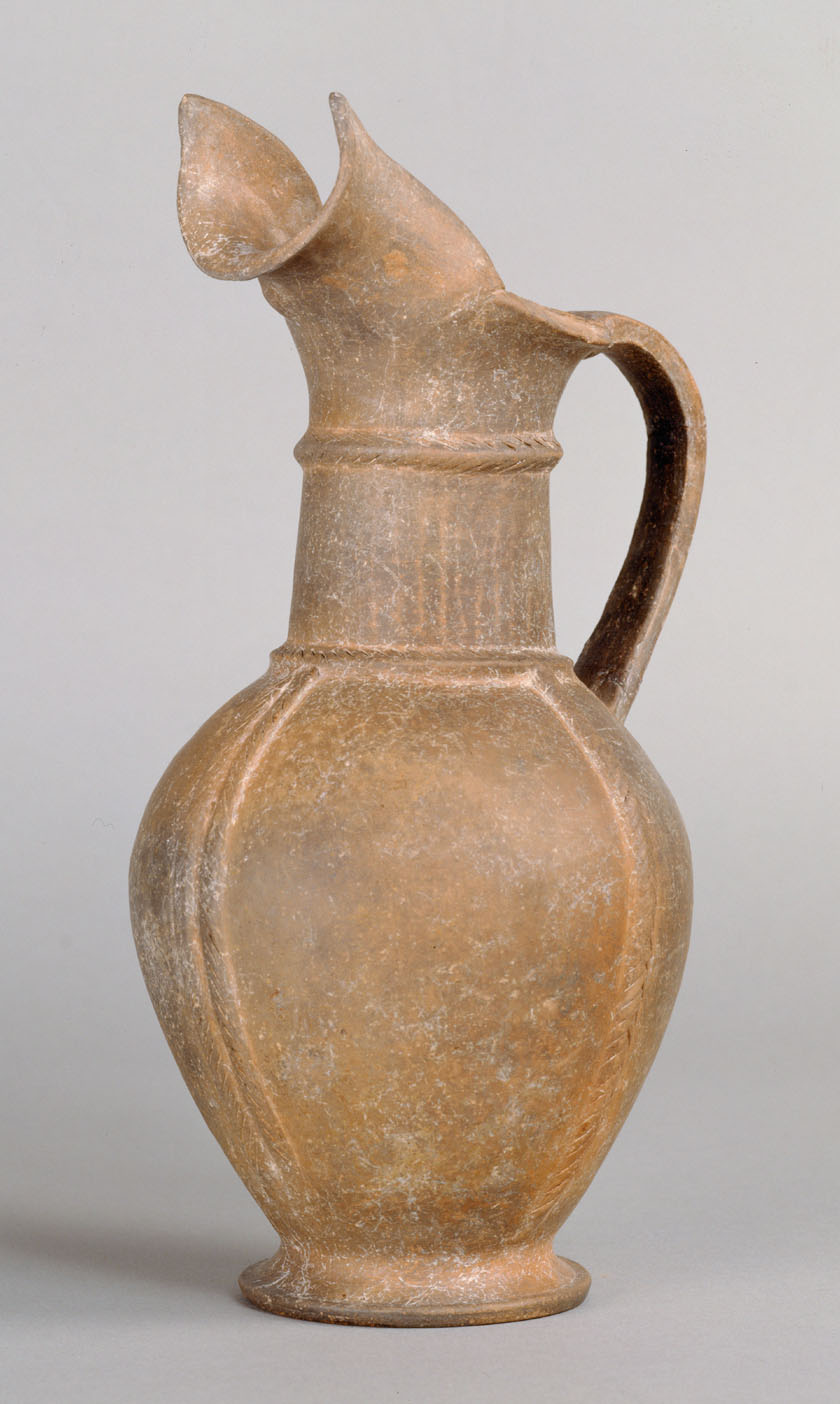
Schnabelkanne der Base-Ring I Ware: Bänder mit Ritzornamenten Zyprisch, Bronzezeit, Spätzyprisch 1625 - 1450 v. Chr.
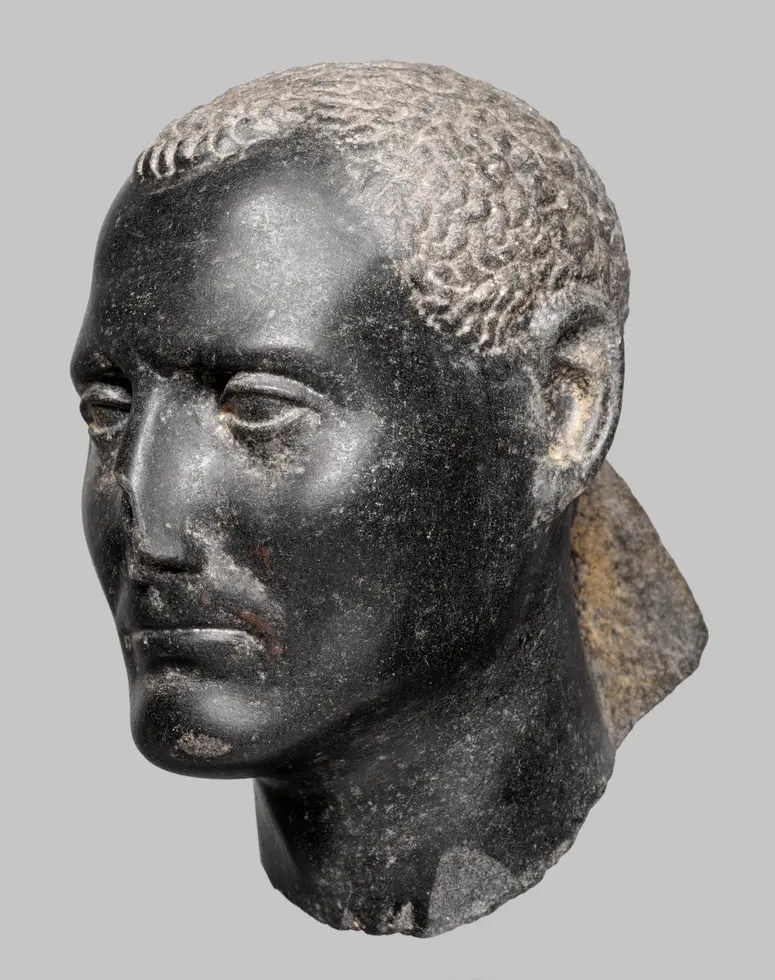
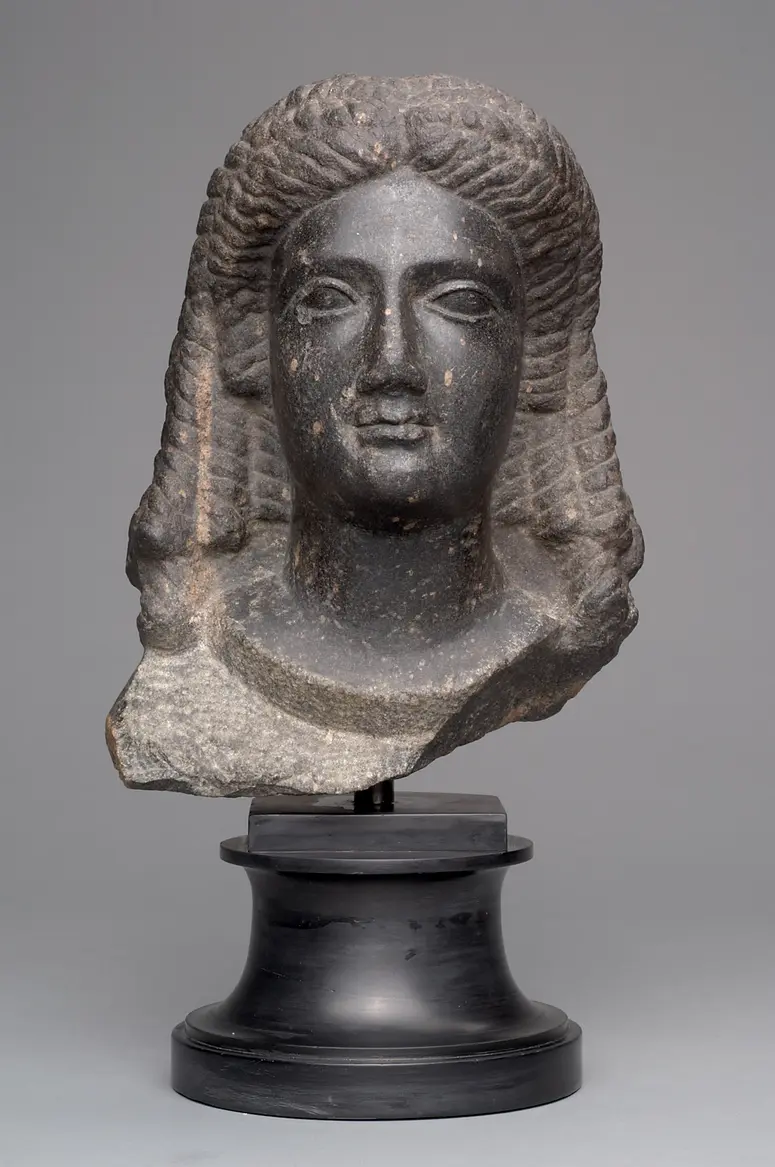

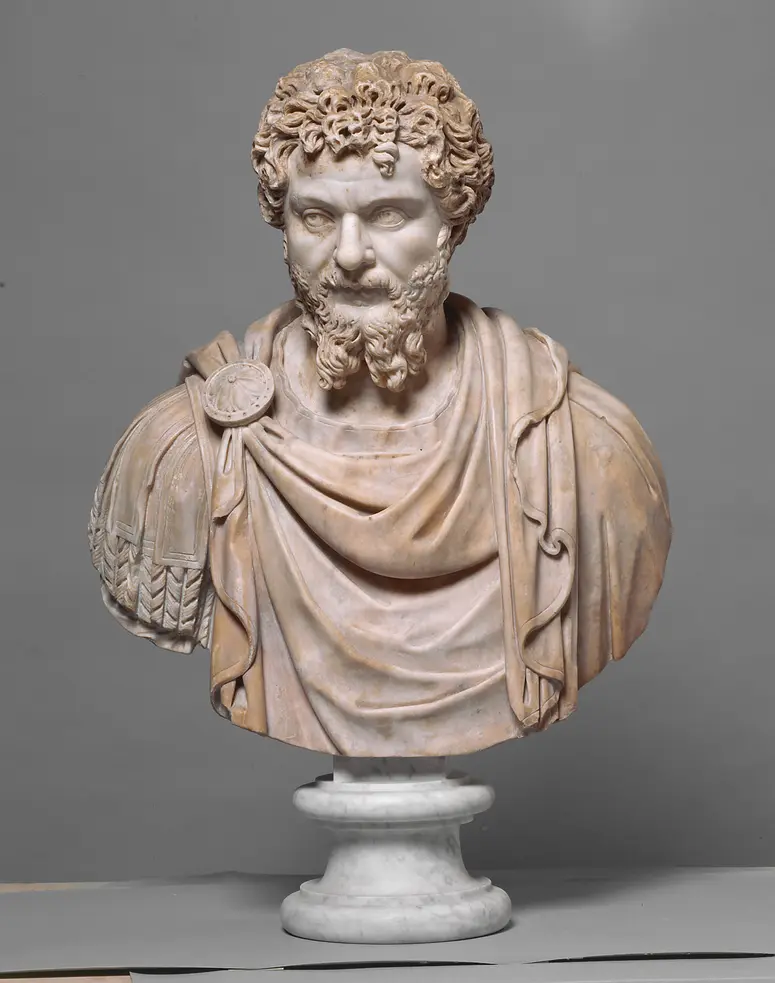
Porträtkopf, Büste ergänzt: Kaiser Septimius Severus Römisch, Späte Kaiserzeit um 200 n. Chr.
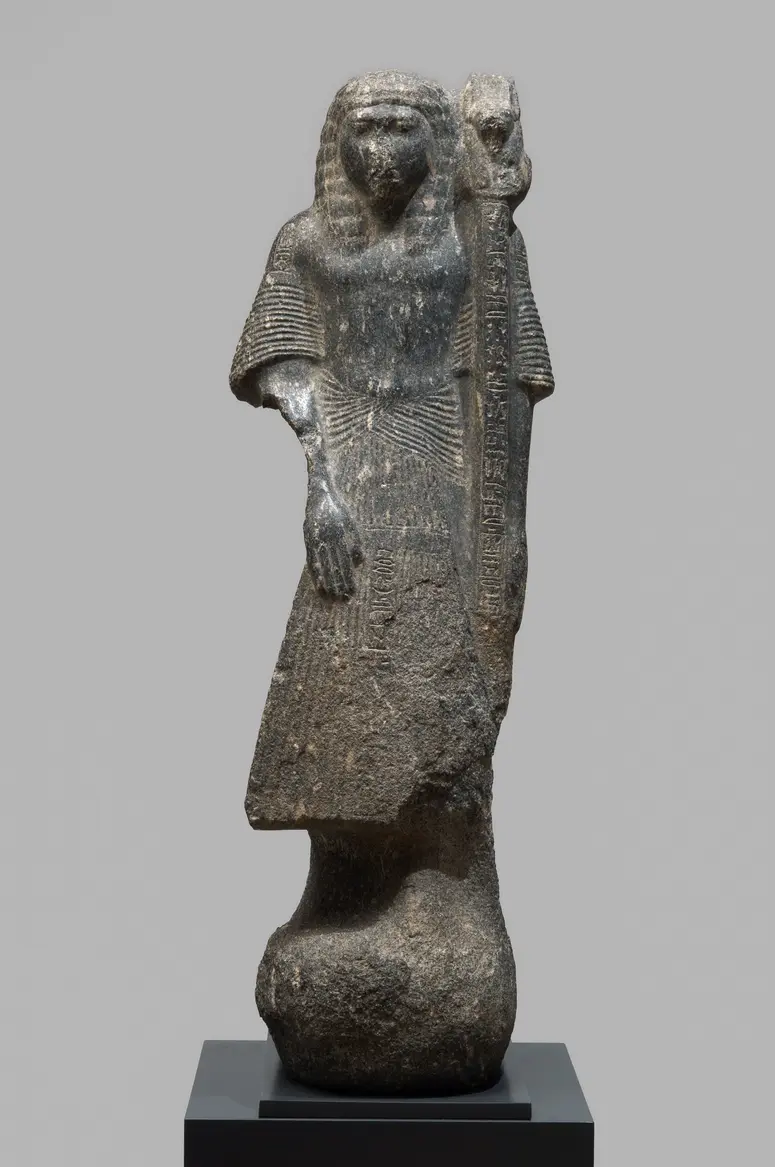
Standard-bearing statue of Sa-aset Assiut (vermutlich) 19th Dynasty, reign of Merenptah, ca. 1235 BC