The Fall of Man
ca. 1520/30 | I. P. Meister
Art historians have assigned the geographically imprecise term “Danube School” to a number of highly individual artists active in southern Germany, Austria and Bohemia, whose works exhibit a completely new sensitivity to nature. Late-Gothic elements blend with a radically new depiction of bodies and space. For the first time the landscape becomes an integral part of the composition or is even made a subject of its own.
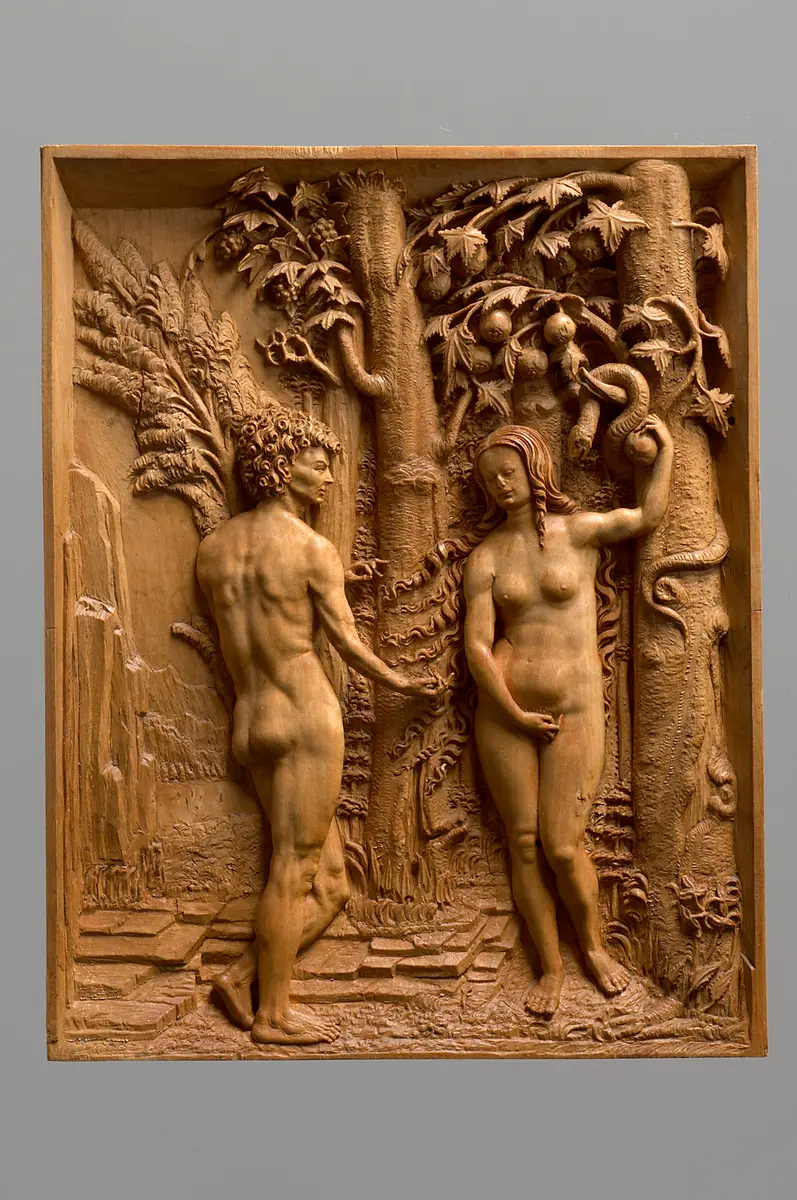
Art historians have assigned the geographically imprecise term “Danube School” to a number of highly individual artists active in southern Germany, Austria and Bohemia, whose works exhibit a completely new sensitivity to nature. Late-Gothic elements blend with a radically new depiction of bodies and space. For the first time the landscape becomes an integral part of the composition or is even made a subject of its own.
Artist:
I. P. Meister (1. Drittel16. Jahrhundert)
Time:
ca. 1520/30
Object Name
Relief; wood carving
Culture
Passau
Material/technology:
Pear wood
Dimensions:
16,5 cm × 13,5 cm × 1,4 cm
Inscribed
"von Engelharden Ettenharder Ewer Fr. Dht. Hof Canczley Verwandten 1591" (RS)
Copyright
Kunsthistorisches Museum, Kunstkammer
Invs.
Kunstkammer, 3984
Browse more
Similar items you might be interested in
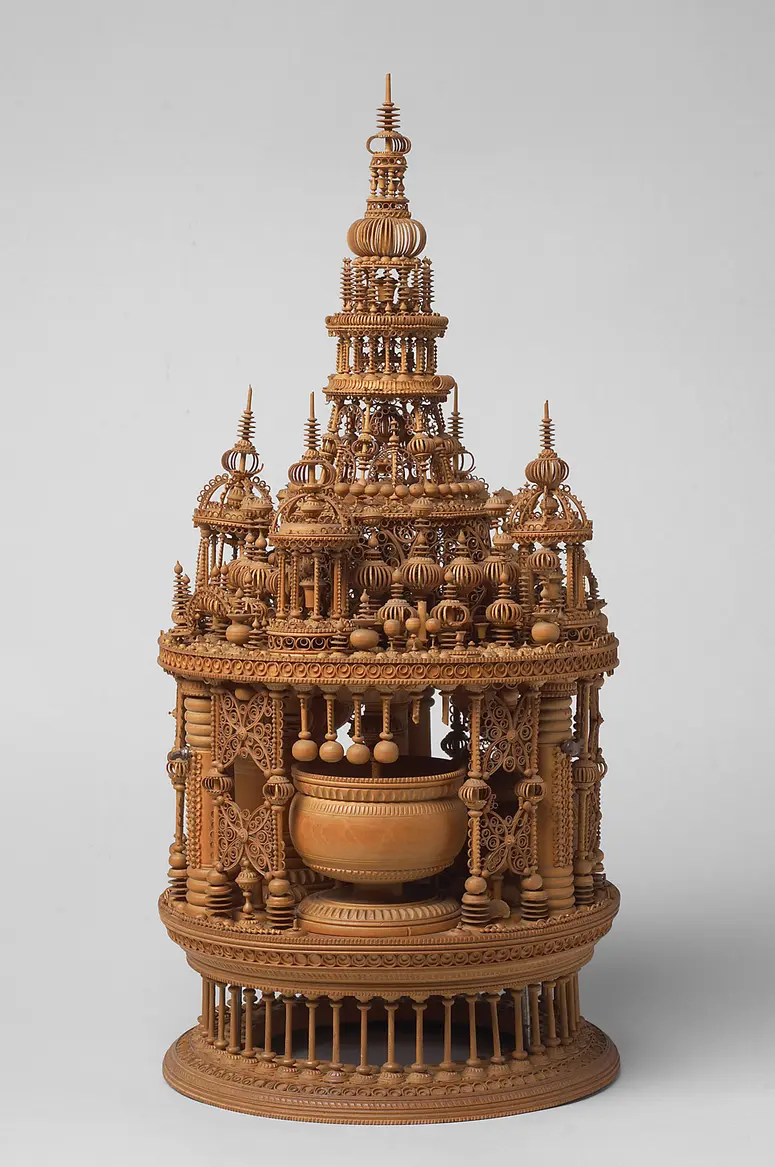
Schreibzeug, Aufsatz, Mikroschnitzerei, Drechselarbeit, Holzarbeit 2. Hälfte 16. Jahrhundert
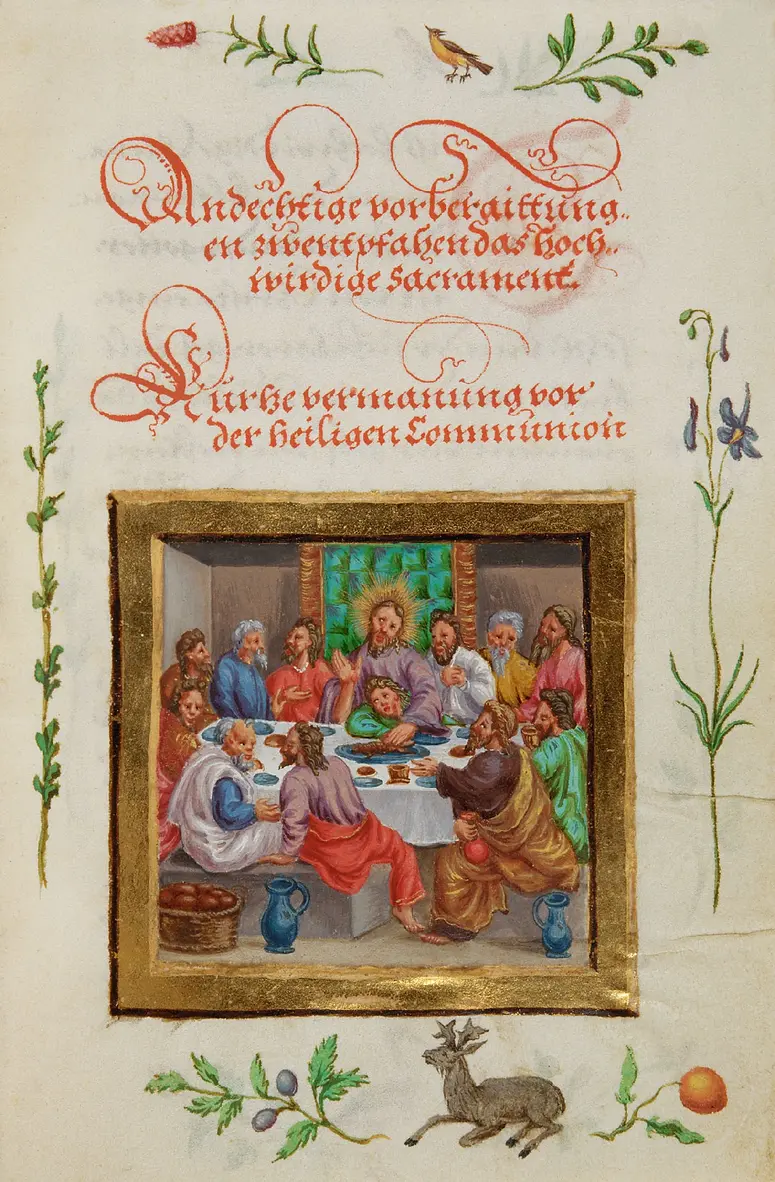
Miniatur, Gebetbuch der Philippine Welser, Gebetbuch kurz nach 1557 oder nach 1567
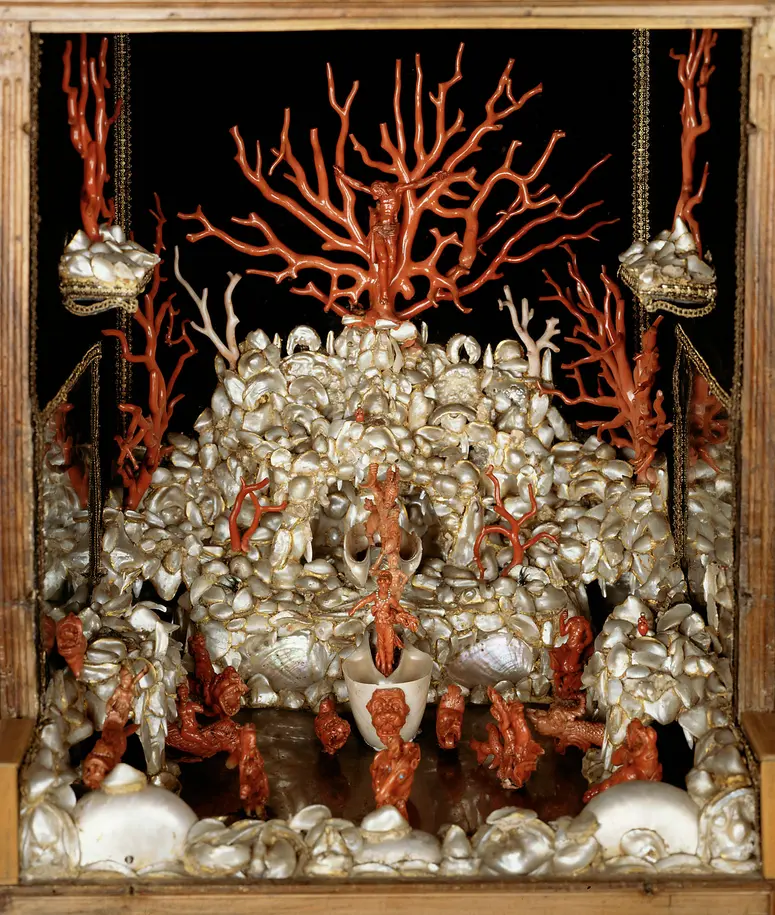
Korallenkabinett, Kabinettschrank mit Korallen 2. Hälfte 16. Jahrhundert