Save object
You may download and use the image for private purposes. Nutzungsbedingungen & AGBs
To request to use the image for commercial or academic purposes, please send us a reproduction request
Save object
You may download and use the image for private purposes. Nutzungsbedingungen & AGBs
To request to use the image for commercial or academic purposes, please send us a reproduction request
Save object
You may download and use the image for private purposes. Nutzungsbedingungen & AGBs
To request to use the image for commercial or academic purposes, please send us a reproduction request
Save object
You may download and use the image for private purposes. Nutzungsbedingungen & AGBs
To request to use the image for commercial or academic purposes, please send us a reproduction request
Save object
You may download and use the image for private purposes. Nutzungsbedingungen & AGBs
To request to use the image for commercial or academic purposes, please send us a reproduction request
Save object
You may download and use the image for private purposes. Nutzungsbedingungen & AGBs
To request to use the image for commercial or academic purposes, please send us a reproduction request
Torment of Job
ca. 1525 | I. P. Meister
Art historians have assigned the geographically imprecise term “Danube School” to a number of highly individual artists active in southern Germany, Austria and Bohemia, whose works exhibit a completely new sensitivity to nature. Late-Gothic elements blend with a radically new depiction of bodies and space. For the first time the landscape becomes an integral part of the composition or is even made a subject of its own.
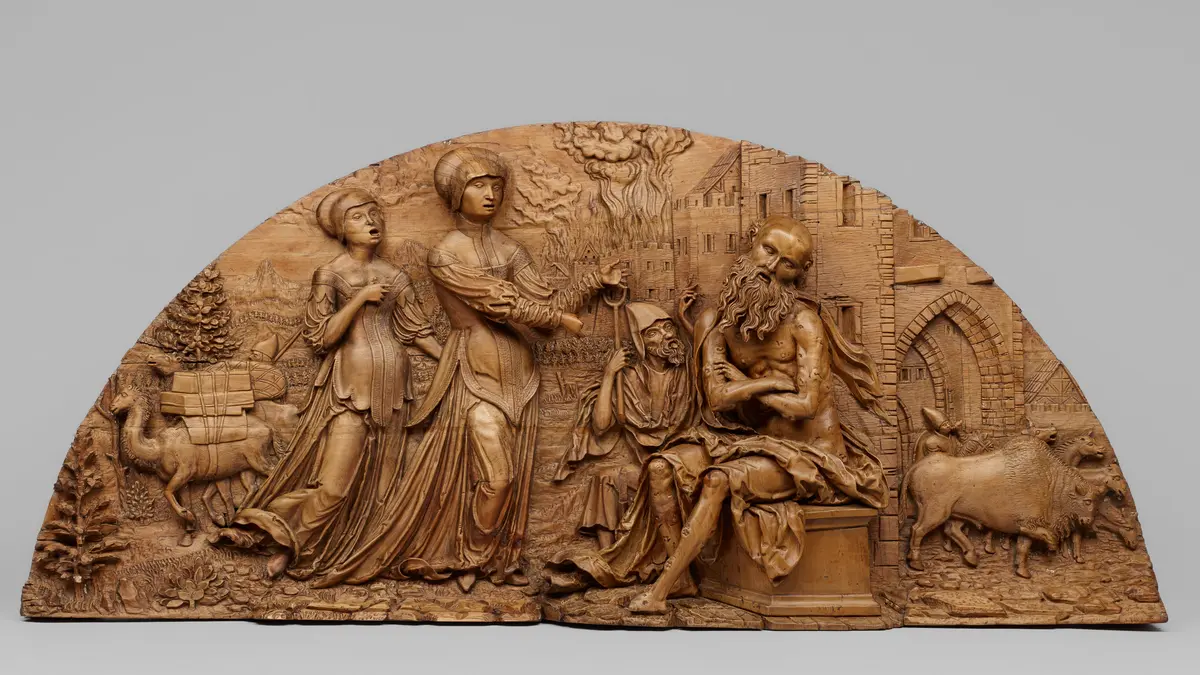
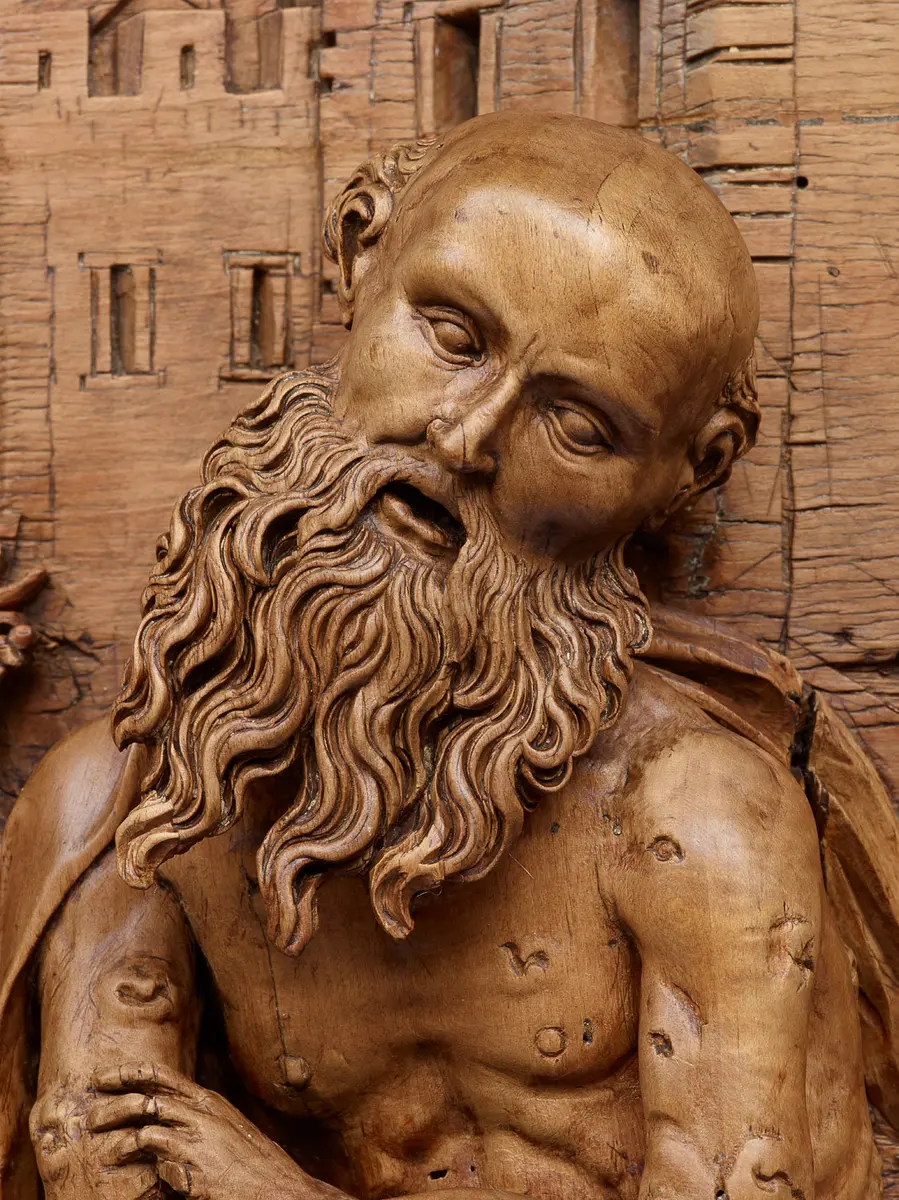
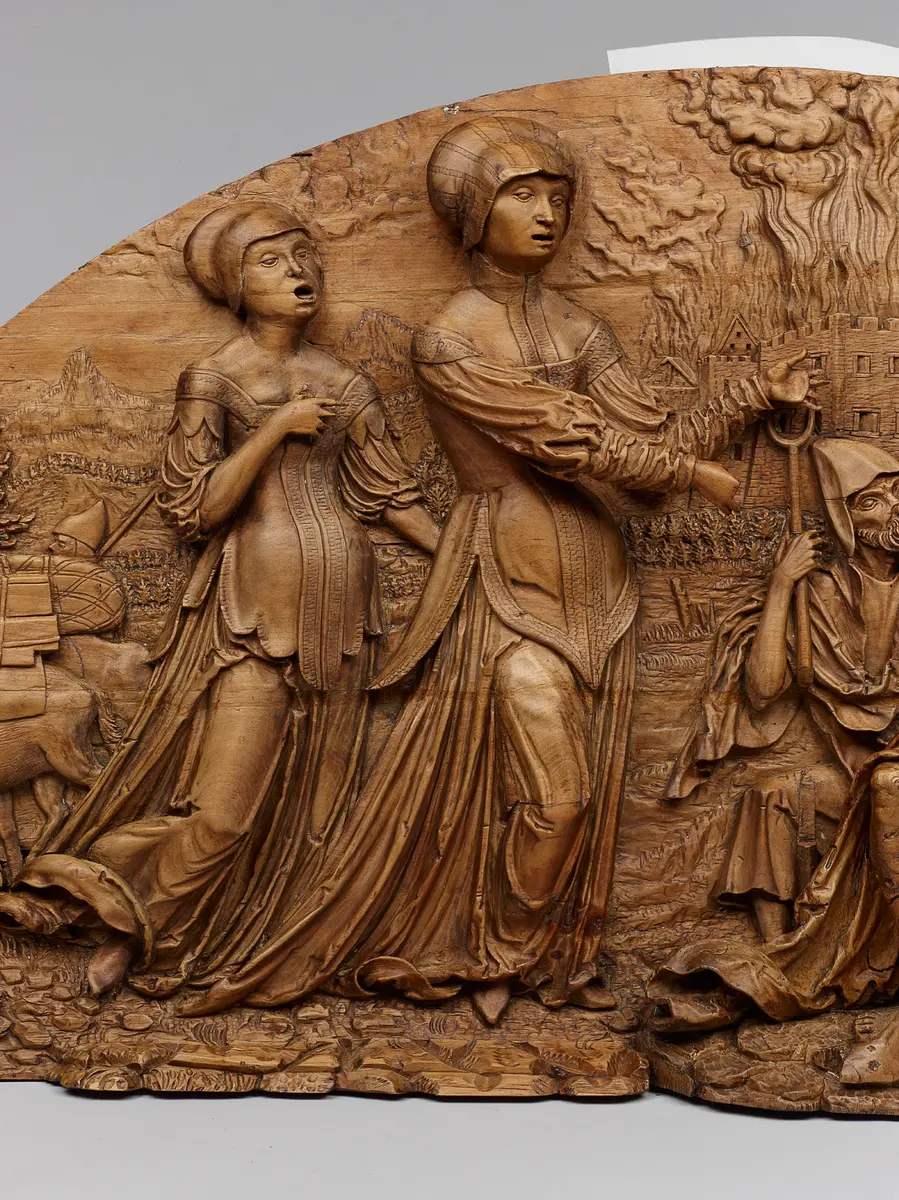
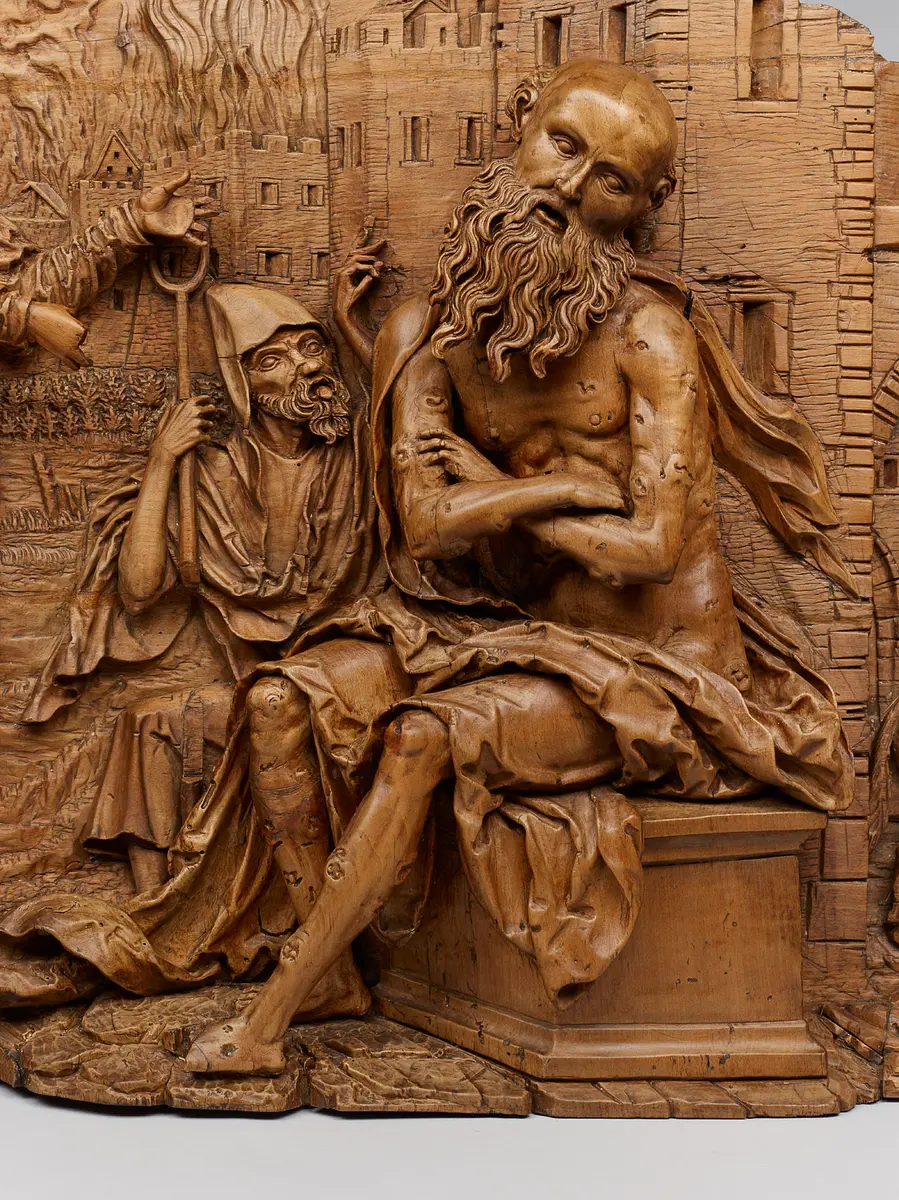
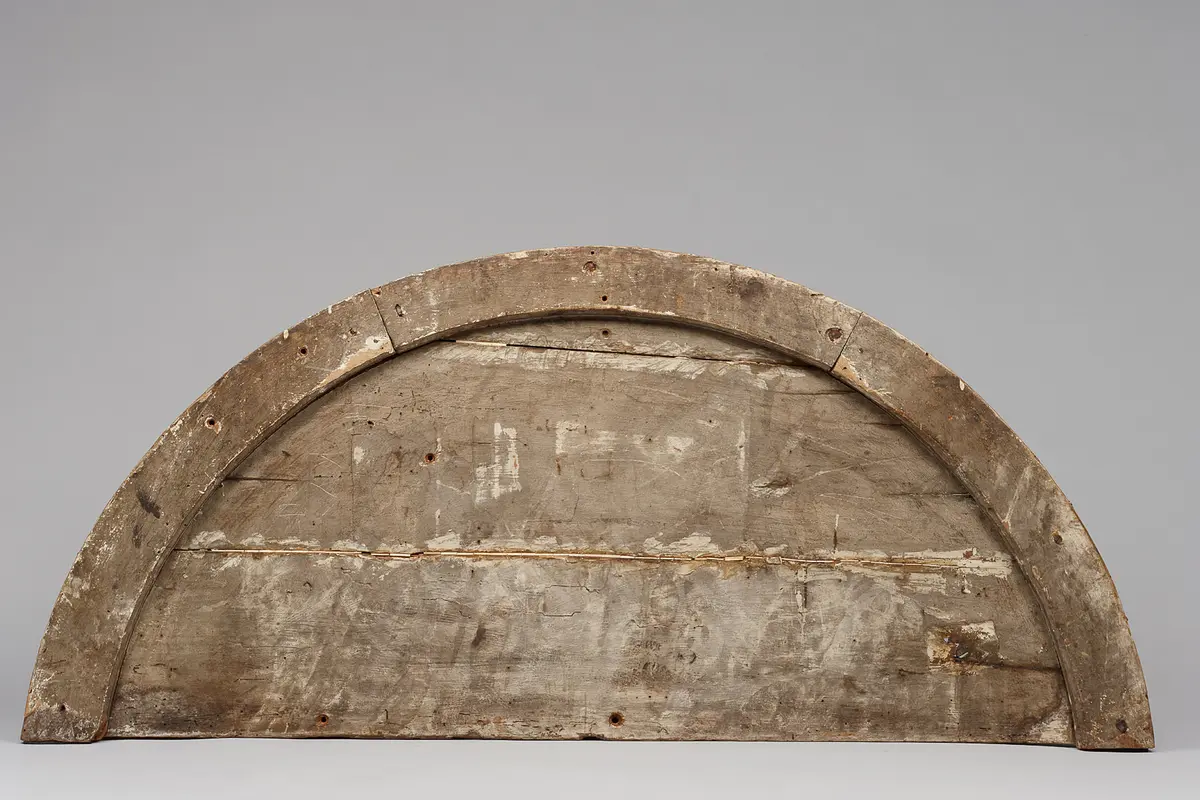
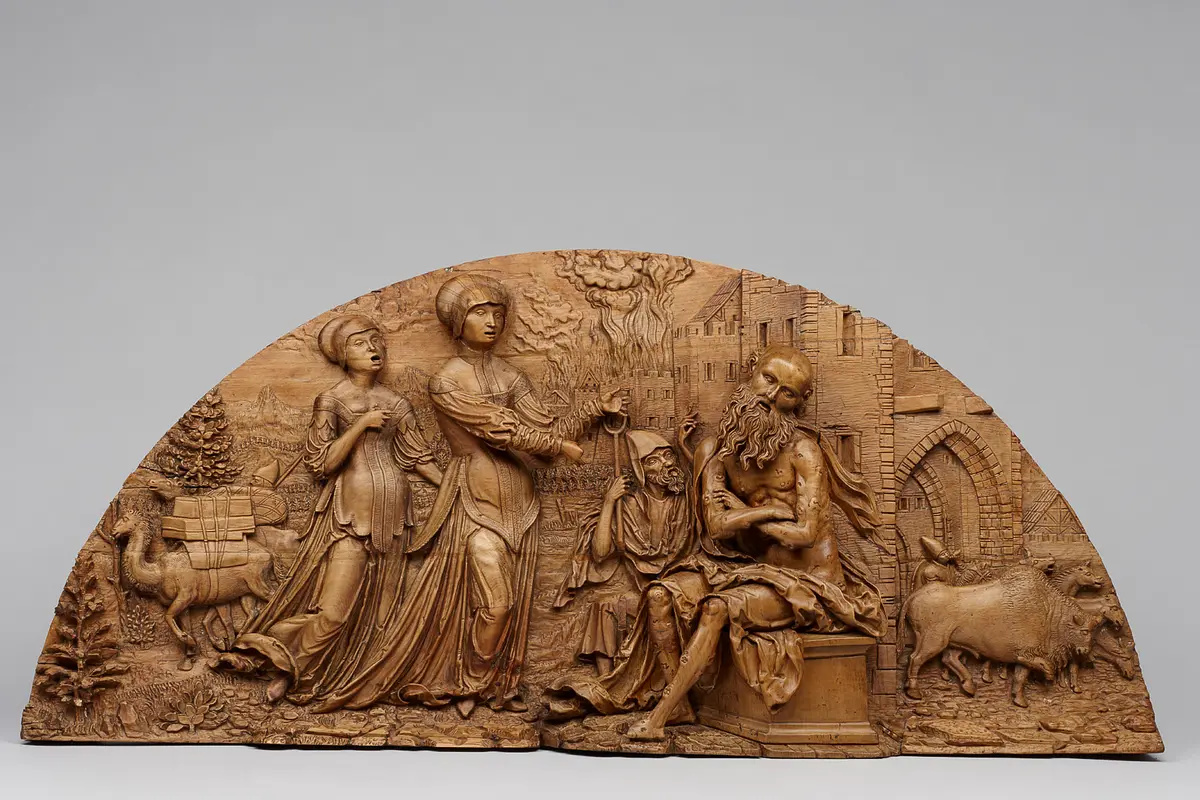
Art historians have assigned the geographically imprecise term “Danube School” to a number of highly individual artists active in southern Germany, Austria and Bohemia, whose works exhibit a completely new sensitivity to nature. Late-Gothic elements blend with a radically new depiction of bodies and space. For the first time the landscape becomes an integral part of the composition or is even made a subject of its own.
Artist:
I. P. Meister (1. Drittel16. Jahrhundert)
Time:
ca. 1525
Object Name
Relief
Culture
Passau
Material/technology:
Limewood
Dimensions:
51,5 cm × 113,8 cm × 12,8 cm
Copyright
Kunsthistorisches Museum, Kunstkammer
Invs.
Kunstkammer, 10183
Browse more
Similar items you might be interested in
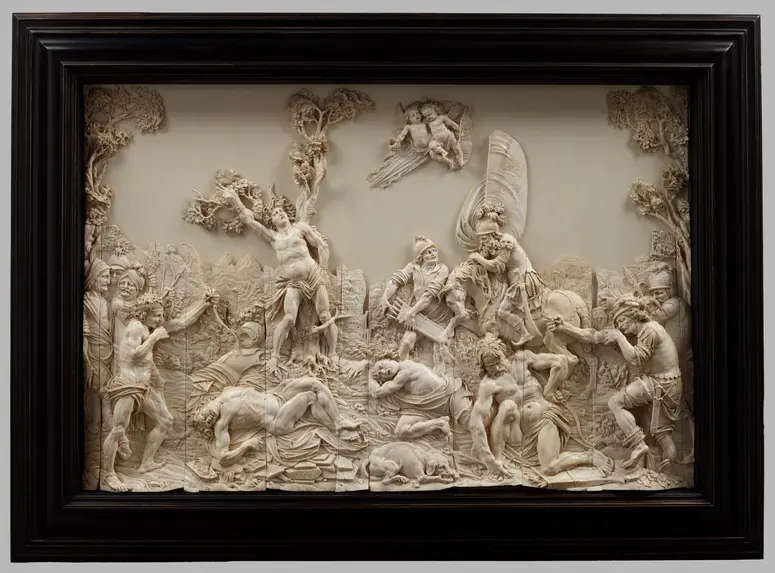
Fury Furienmeister ca. 1610/20

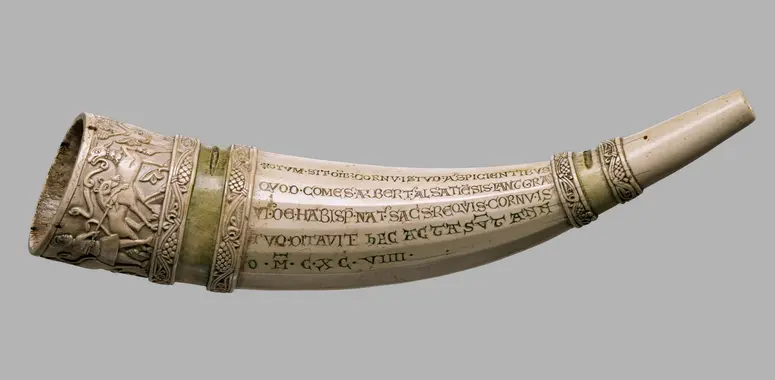
Hunting Horn (Oliphant) of Count Albrecht III of Habsburg 2nd half 11th c.

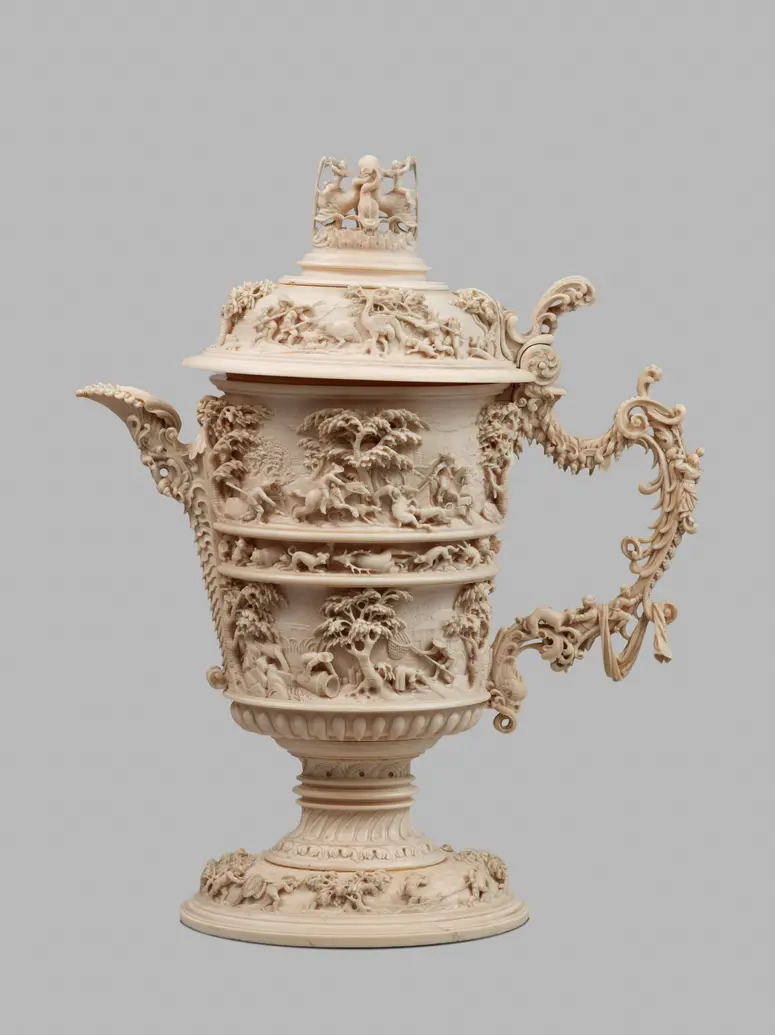
Lidded Ewer with Hunting and Fishing Scenes Balthasar Grießmann 3rd quarter 17th c.

Table Cabinet of Archduke Ferdinand II Ferdinand II. (1564-1595), Erzherzog von Österreich und Landesherr von Tirol ca. 1582
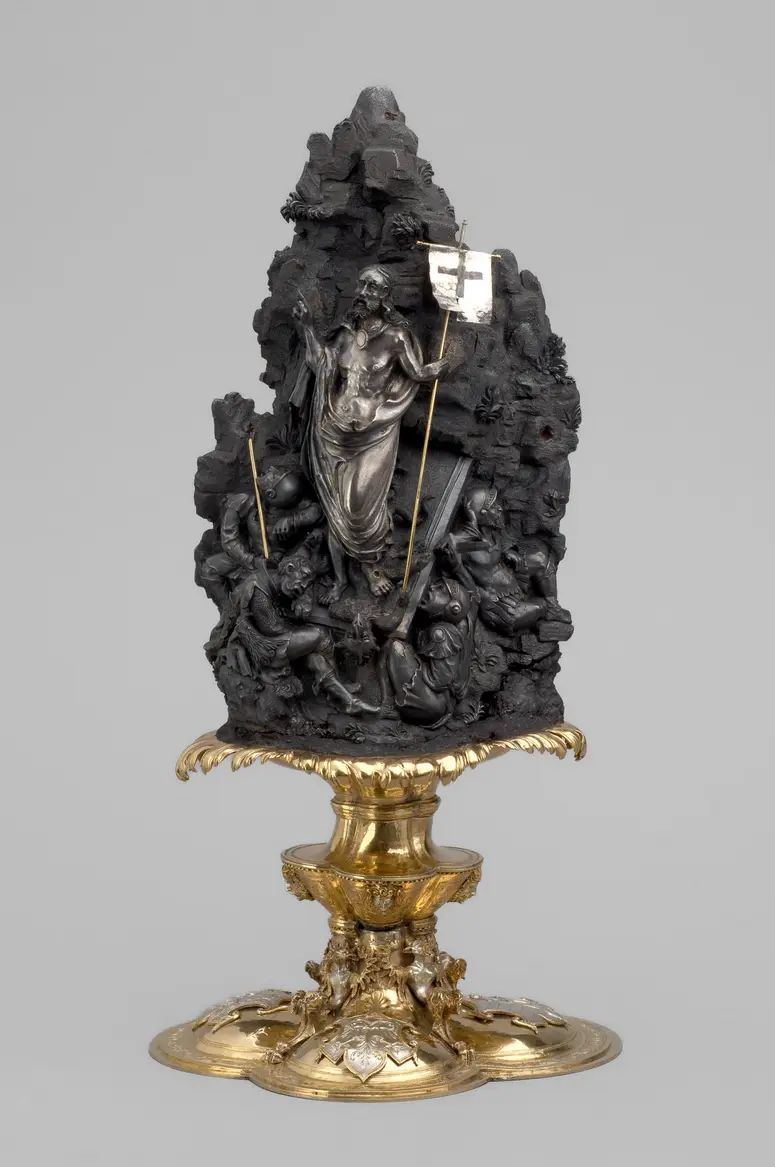
Handstone with the Resurrection and Emperor Charles V after the Battle of Pavia Caspar Ulich ca. 1560
Venus Urania or Allegory of Astronomy Giovanni Bologna, gen. Giambologna ca. 1575