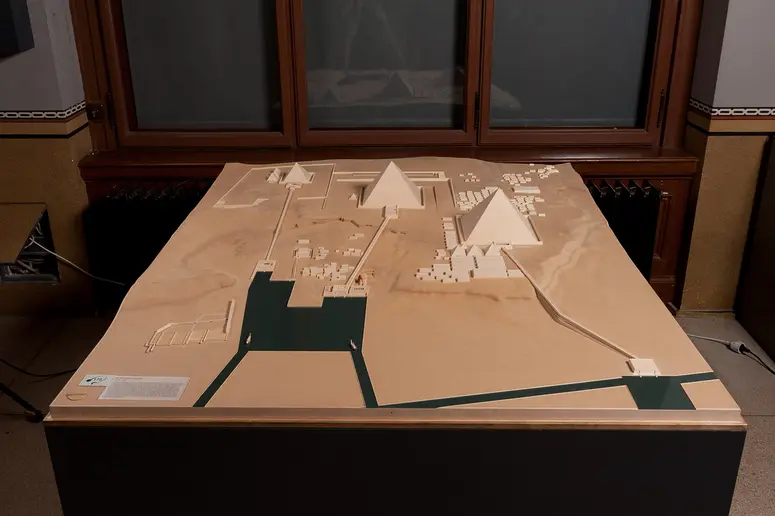
Model of Ka-ni-nisut’s mastaba
2001
The mastaba of the royal official Ka-ni-nisut (I) in the western cemetery at Giza was enlarged to the south to include a chapel with relief-decorated walls. On the plan, yellow designates those parts of the chapel that have been re-erected in the museum. The serdab – a hidden chamber for the cult statue of the tomb owner – lay behind the principal cult niche in the added chapel. A vestibule constructed of mud brick protected the entrance to the chapel. The shaft providing access to the subterranean burial complex was driven down through the core of the mastaba. Ka-ni-nisut’s like-named son, Ka-ni-nisut (II), built his modest tomb on the east side of his father’s mastaba. It, too, possessed a chapel above ground and a subterranean burial chamber. The tomb of the grandson who also bore the name Ka-ni-nisut (III) was located on the north side of the large mastaba. Its plan included a chapel with a large antechamber and two subterranean burial complexes. The increasing modesty of the tombs of Ka-ni-nisut’s de- scendants reveals the declining social and economic status of the family. The chapel of Ka-ni-nisut (I) has been cut out of the model and displayed separately in order to provide visitors a view of its interior. The surrounding mastabas are indicated on the model as slightly raised rectangles. Once they were faced with stone and the interior filled with debris.

The mastaba of the royal official Ka-ni-nisut (I) in the western cemetery at Giza was enlarged to the south to include a chapel with relief-decorated walls. On the plan, yellow designates those parts of the chapel that have been re-erected in the museum. The serdab – a hidden chamber for the cult statue of the tomb owner – lay behind the principal cult niche in the added chapel. A vestibule constructed of mud brick protected the entrance to the chapel. The shaft providing access to the subterranean burial complex was driven down through the core of the mastaba. Ka-ni-nisut’s like-named son, Ka-ni-nisut (II), built his modest tomb on the east side of his father’s mastaba. It, too, possessed a chapel above ground and a subterranean burial chamber. The tomb of the grandson who also bore the name Ka-ni-nisut (III) was located on the north side of the large mastaba. Its plan included a chapel with a large antechamber and two subterranean burial complexes. The increasing modesty of the tombs of Ka-ni-nisut’s de- scendants reveals the declining social and economic status of the family. The chapel of Ka-ni-nisut (I) has been cut out of the model and displayed separately in order to provide visitors a view of its interior. The surrounding mastabas are indicated on the model as slightly raised rectangles. Once they were faced with stone and the interior filled with debris.
Time:
2001
Object Name
Model
Material/technology:
Wood, MDF panels, acrylic glass
Dimensions:
Maße: Modell: 110 x 60 cm, H. 14 cm; Acrylglashaube: 112 x 62 cm, H. 26,5 cm.
Unterbau (aus MDF-Platten): 113 x 63 cm, H. 96 cm, Gesamthöhe 122,5 cm, Fenster an der Vorderseite des Unterbaues. B. 50 cm, H. 26 cm
Copyright
Kunsthistorisches Museum, Ägyptisch - Orientalische Sammlung
Invs.
Ägyptische Sammlung, INV 10232
Provenance
2001 Ankauf
Browse more
Similar items you might be interested in
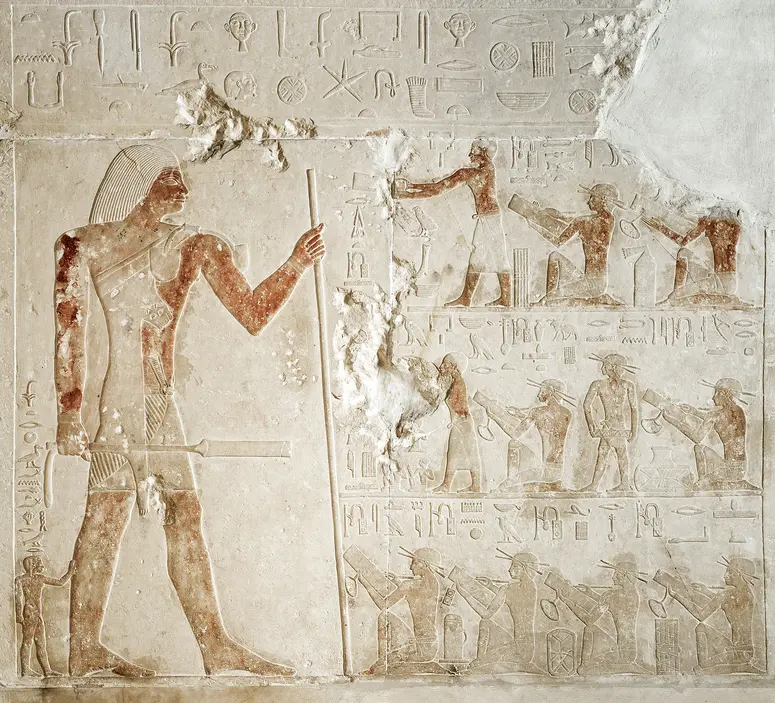
Chapel of Ka-ni-nisut Giza, Westfriedhof, Mastaba des Ka-ni-nisut early 5th Dynasty, ca. 2500 BC
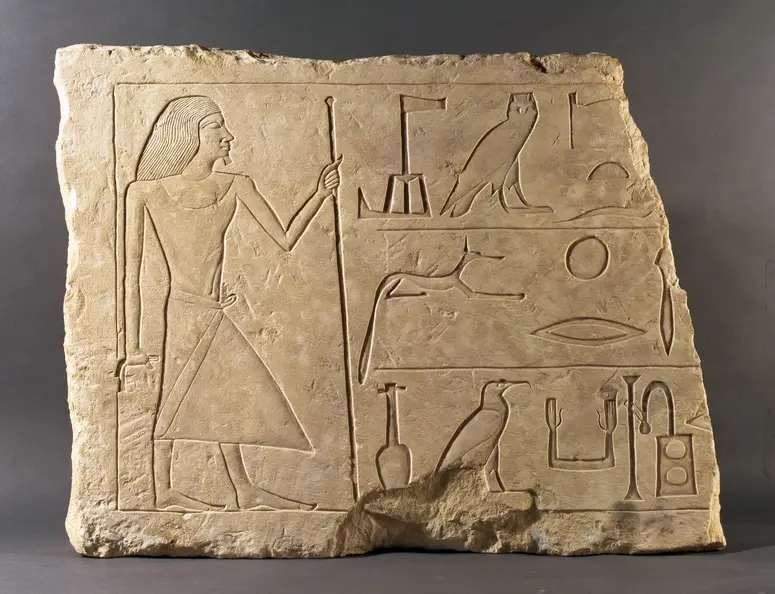
Fragmentierter Architrav des Kai-nefer Giza, Westfriedhof, Mastaba des Kai-nefer Späte 6. Dynastie, um 2200 v. Chr.
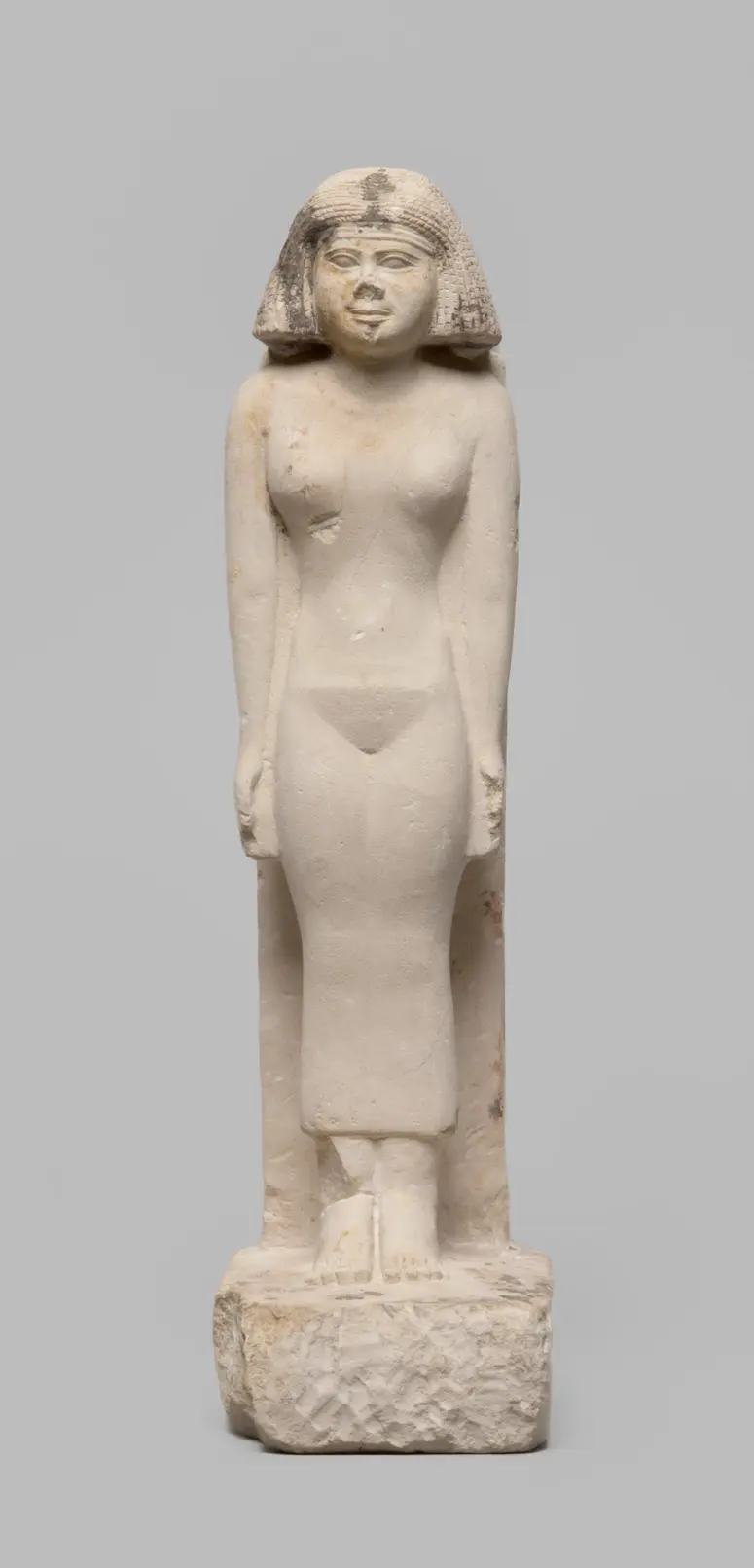
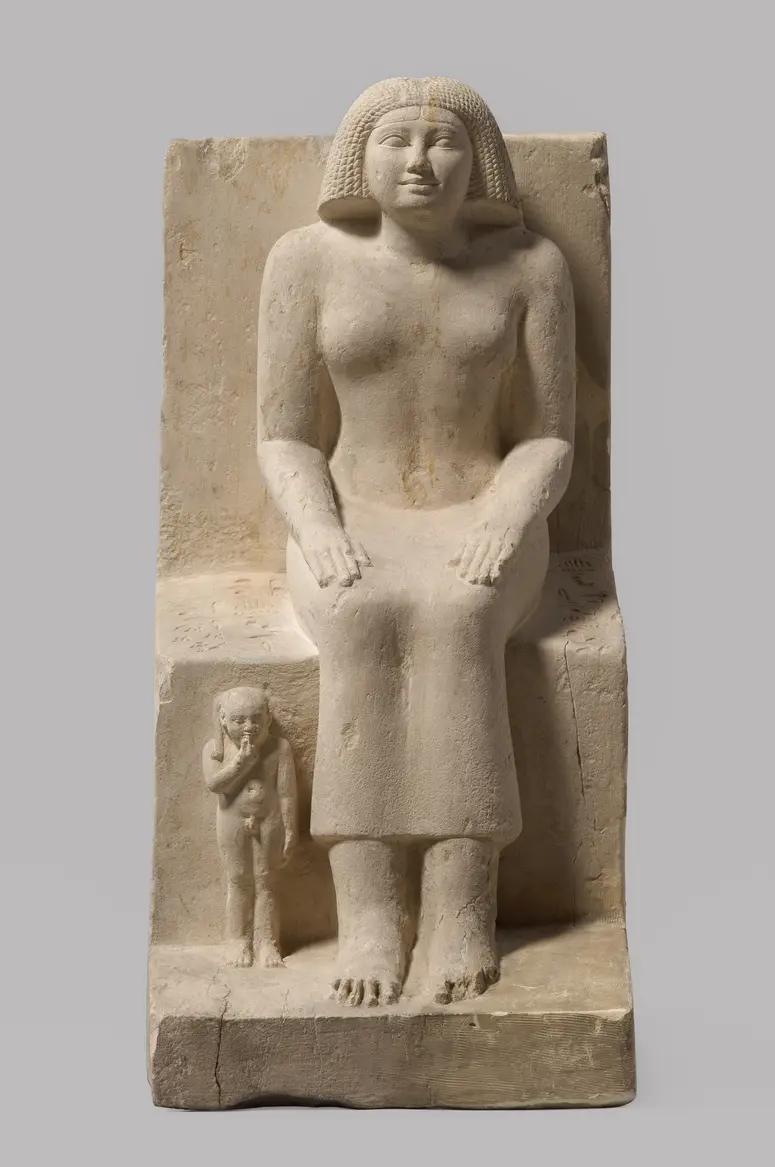
Seated statue of Chent with her son Rudju Giza, Mastaba des Nisut-nefer (G. 4970), nördlicher Serdab early 5th Dynasty, ca. 2500 BC
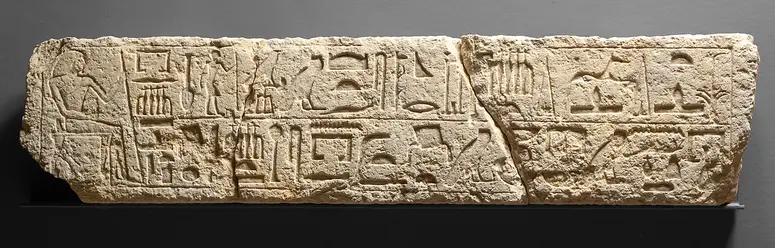
Architrave of Hetepi Giza, Westfriedhof, Mastaba des Hetepi 6th Dynasty, ca. 2374-2191 BC
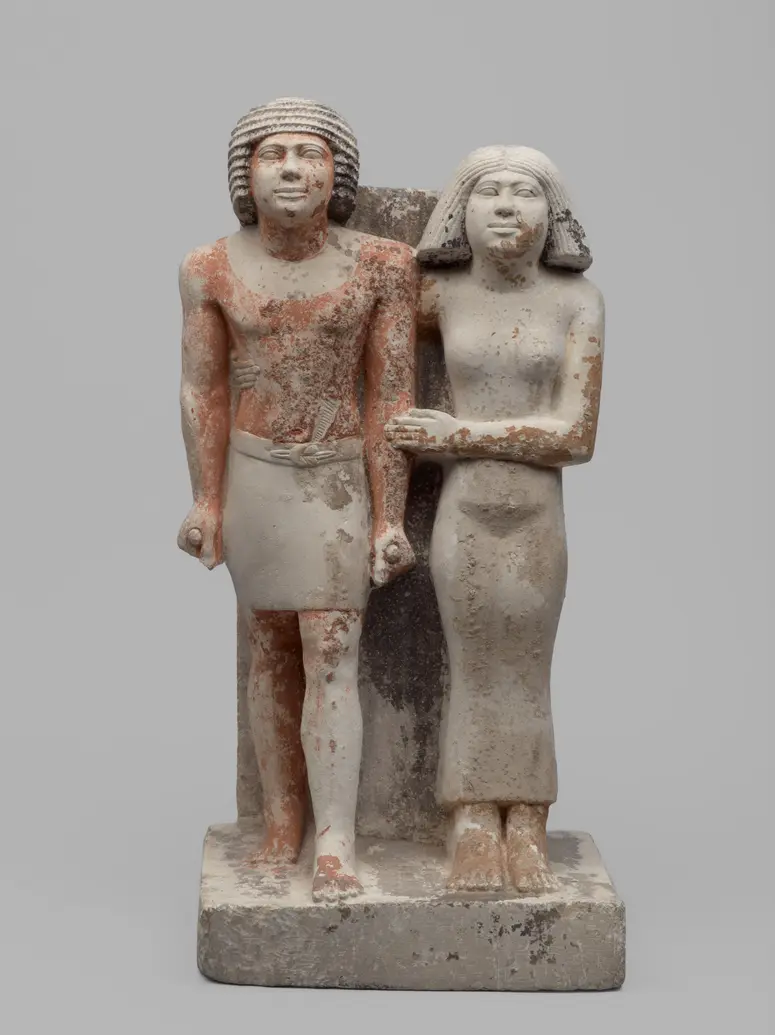
Statue group of Kai-pu-ptah and Ipep Giza, Mastaba des Kai-pu-ptah (G. 4461), Eingang zur Kultkammer late 5th Dynasty, ca. 2400 BC
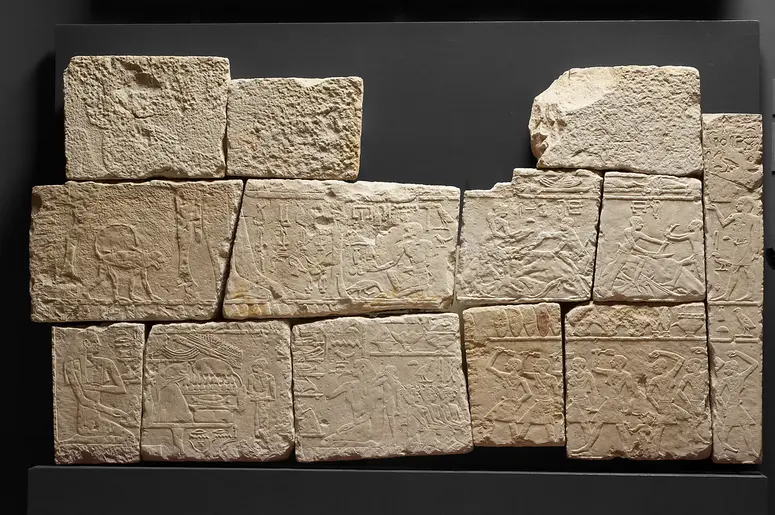
Wall relief of Ni-ui-netjer Giza, Mastaba des Ni-ui-netjer 6th Dynasty, ca. 2374-2191 BC;
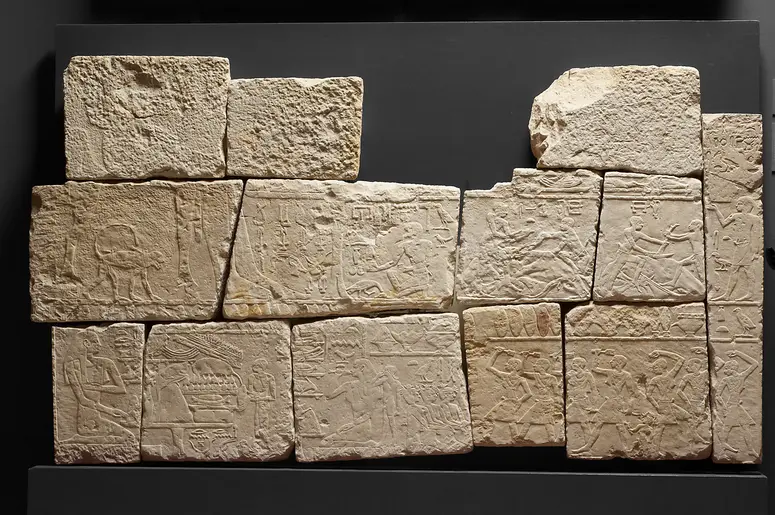
Wall relief of Ni-ui-netjer Giza, Mastaba des Ni-ui-netjer 6th Dynasty, ca. 2374-2191 BC;
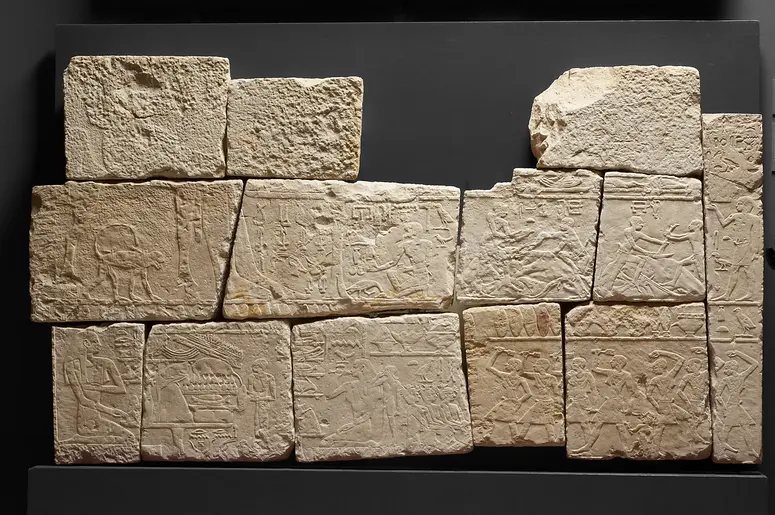
Wall relief of Ni-ui-netjer Giza, Mastaba des Ni-ui-netjer 6th Dynasty, ca. 2374-2191 BC;
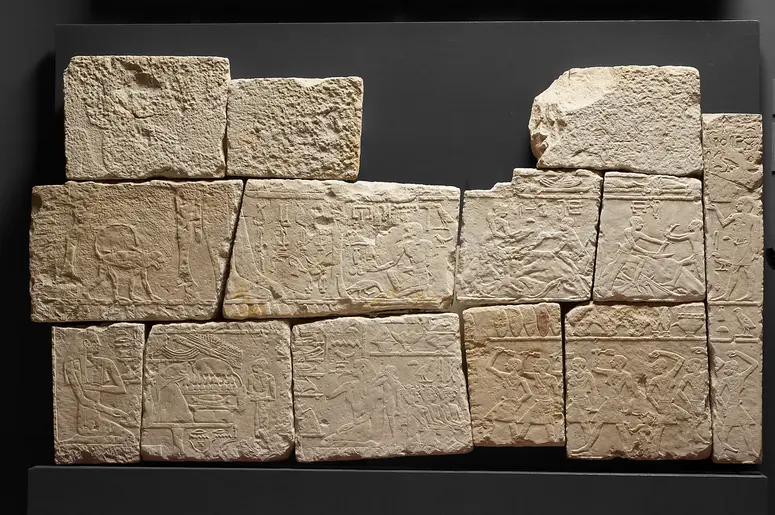
Wall relief of Ni-ui-netjer Giza, Mastaba des Ni-ui-netjer 6th Dynasty, ca. 2374-2191 BC;
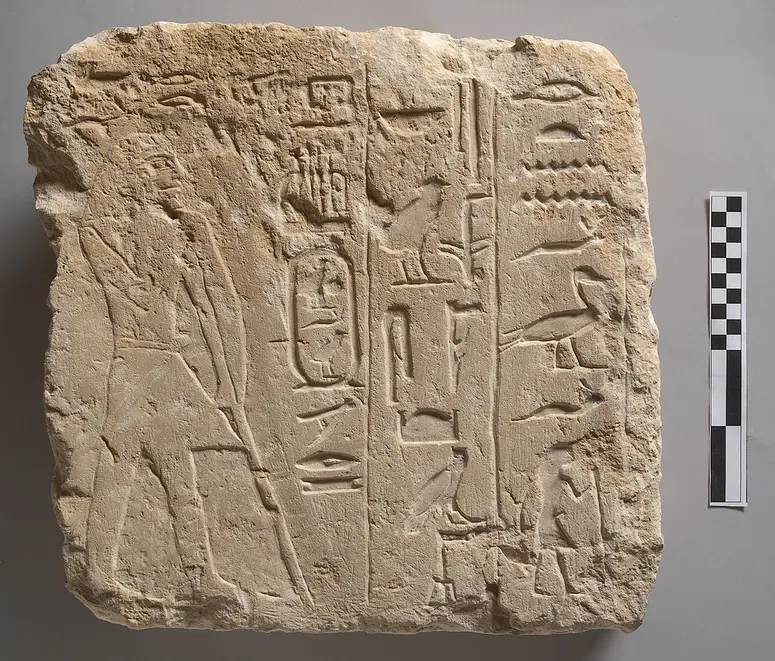
Relief mit Stiftungsformel, Wandteil Giza, Mastaba des Nisu-kedu, nördlicher Schacht 6. Dynastie oder später, ca. 2200-2100 v. Chr.