Kolossales Porträt: Kaiser Licinius
300-325 n. Chr.
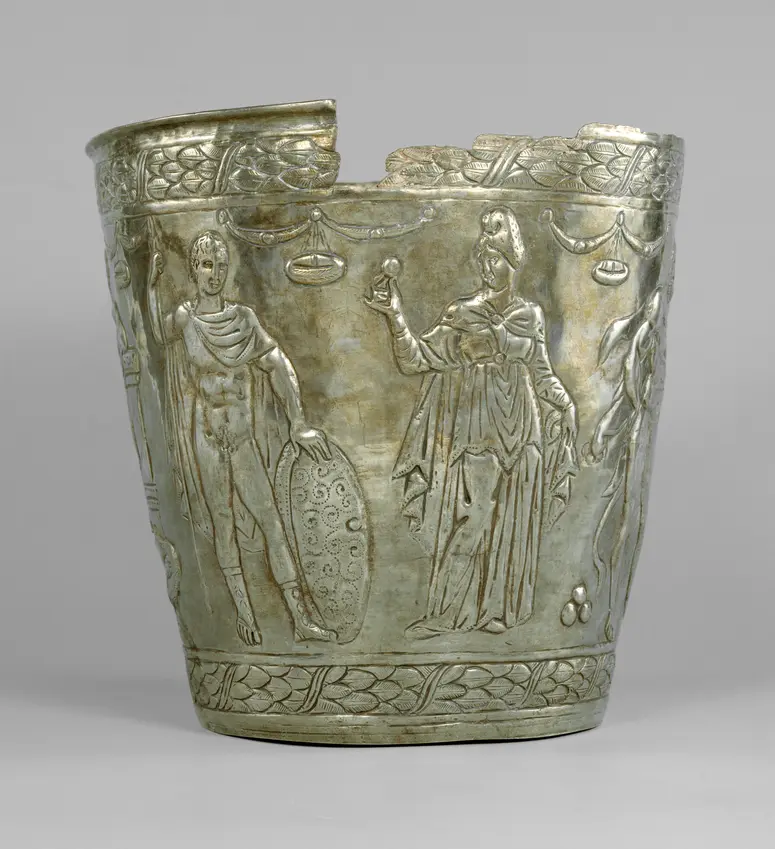
With the help of portraits on coins and silver vessels this colossal head of a bearded elderly man – originally intended to be inserted into a statue or bust – was identified as a likeness of Emperor Licinus I, who ruled the eastern part of the Empire; an adversary of Constantine the Great, he was murdered in AD 323. The portrait shows him sporting a cropped beard of the type favoured by soldiers, with large protruding eyes and a grimacing mouth; it was presumably originally inserted into a cuirassed statue originally around five metres tall.
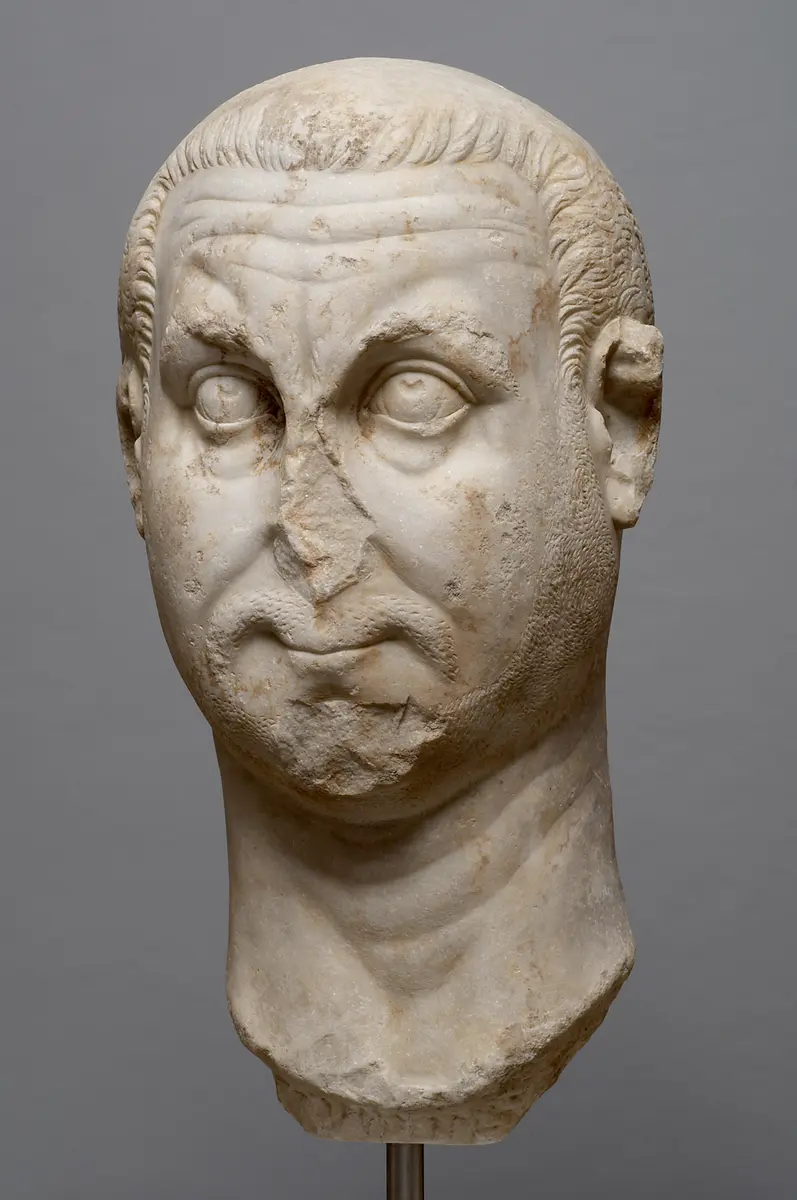
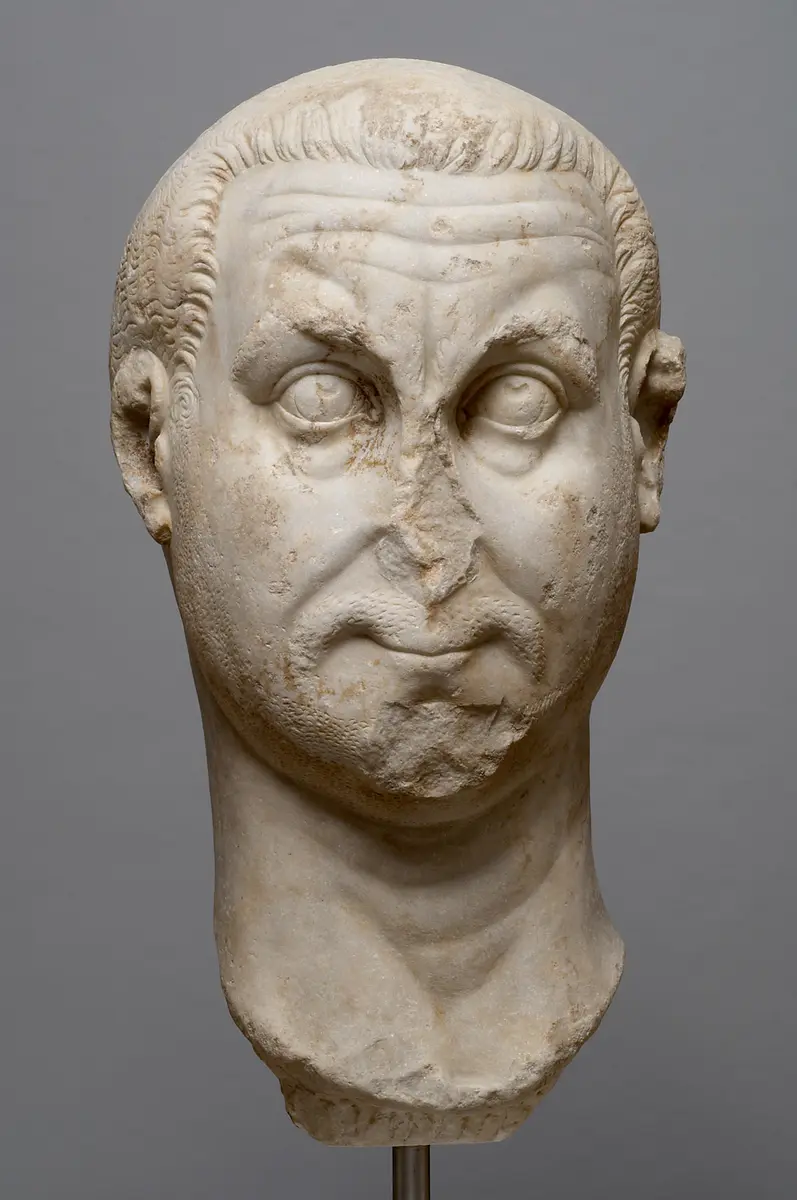
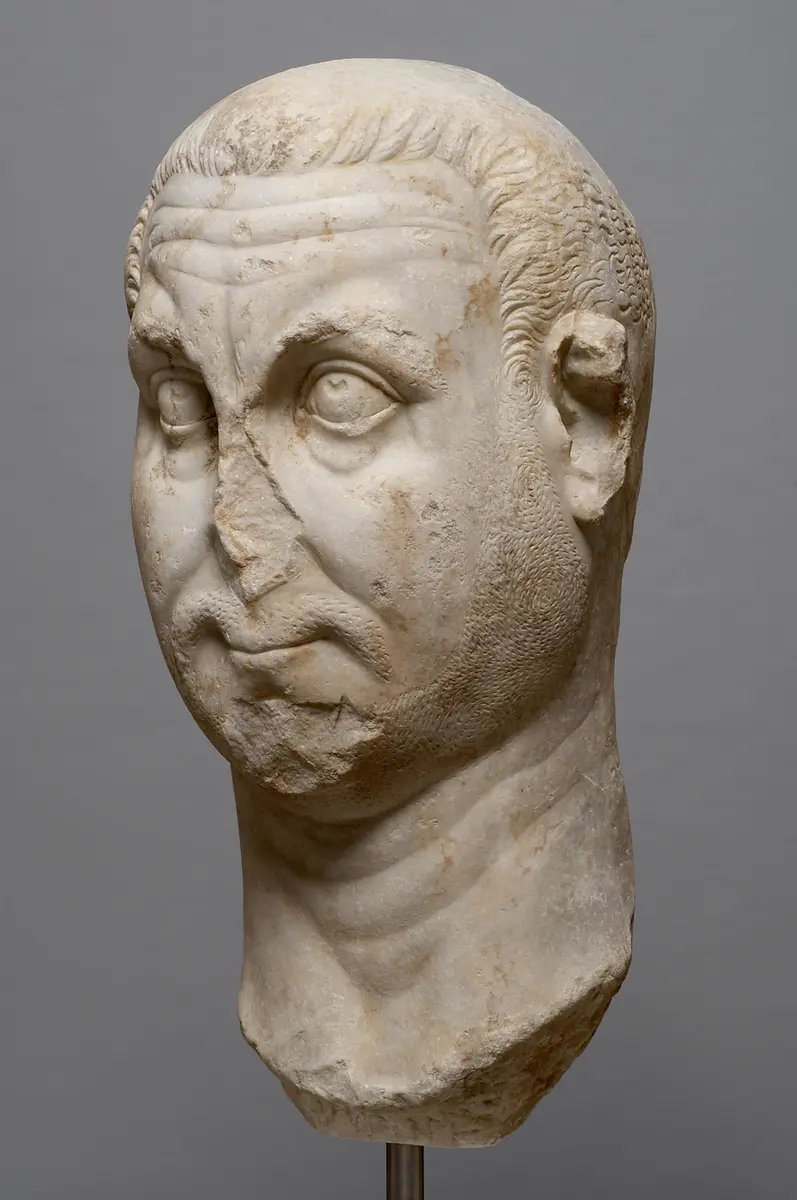
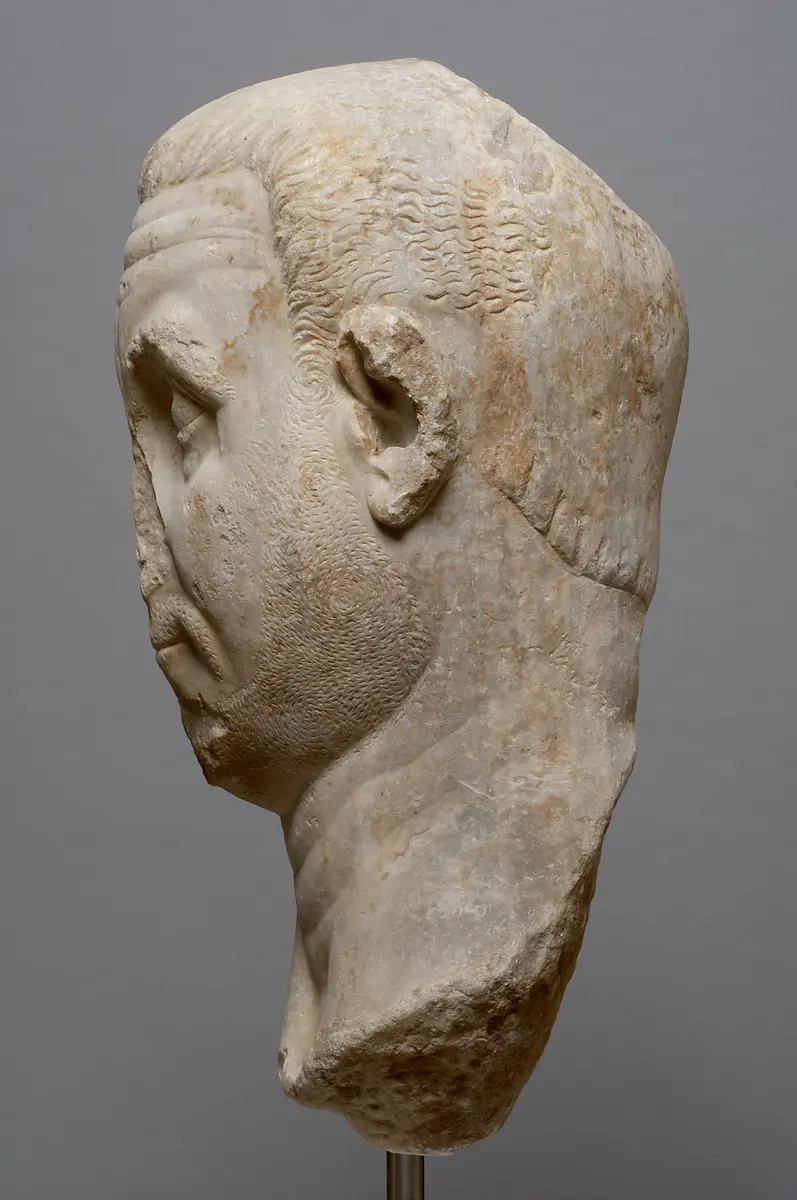
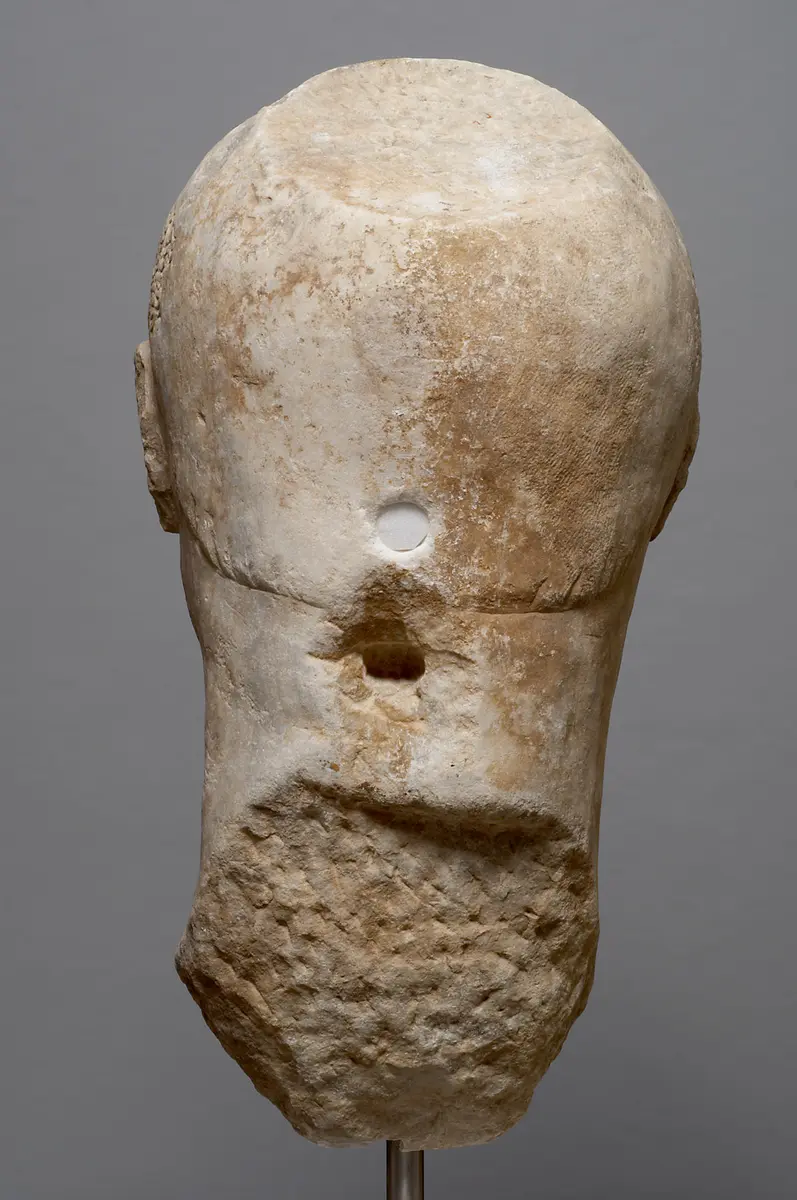
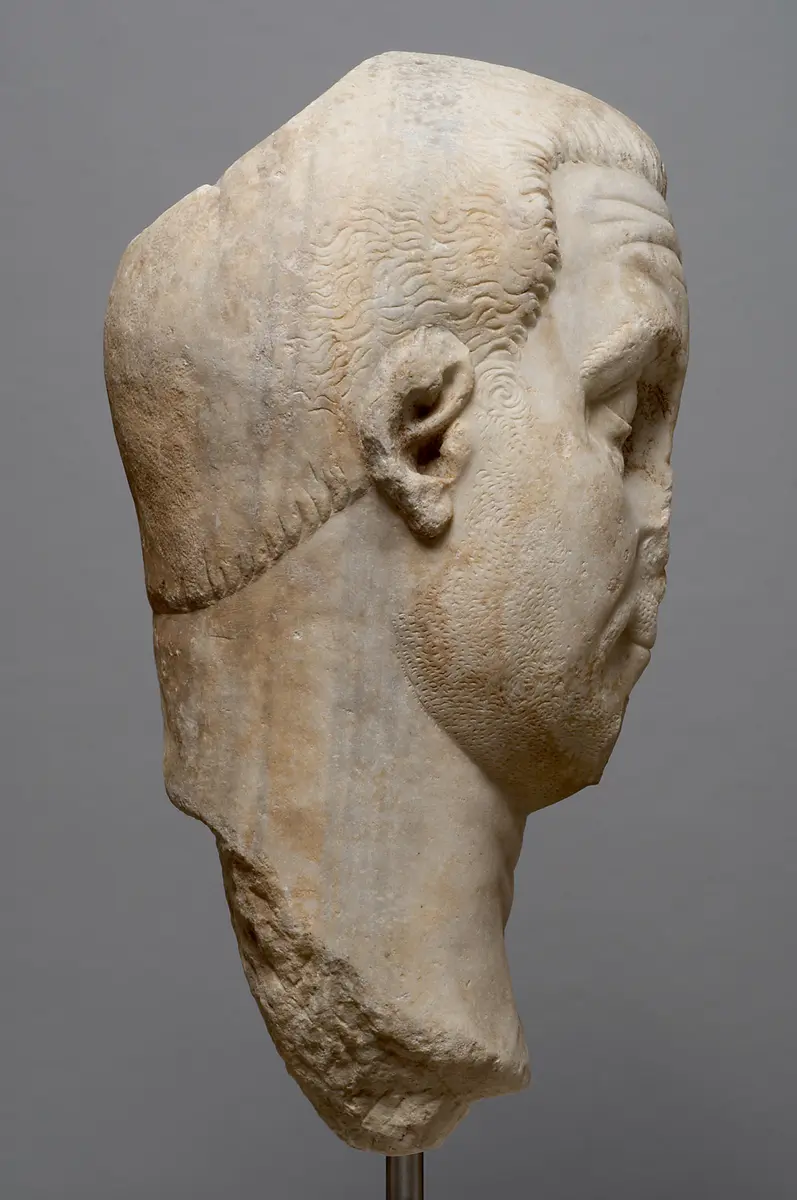
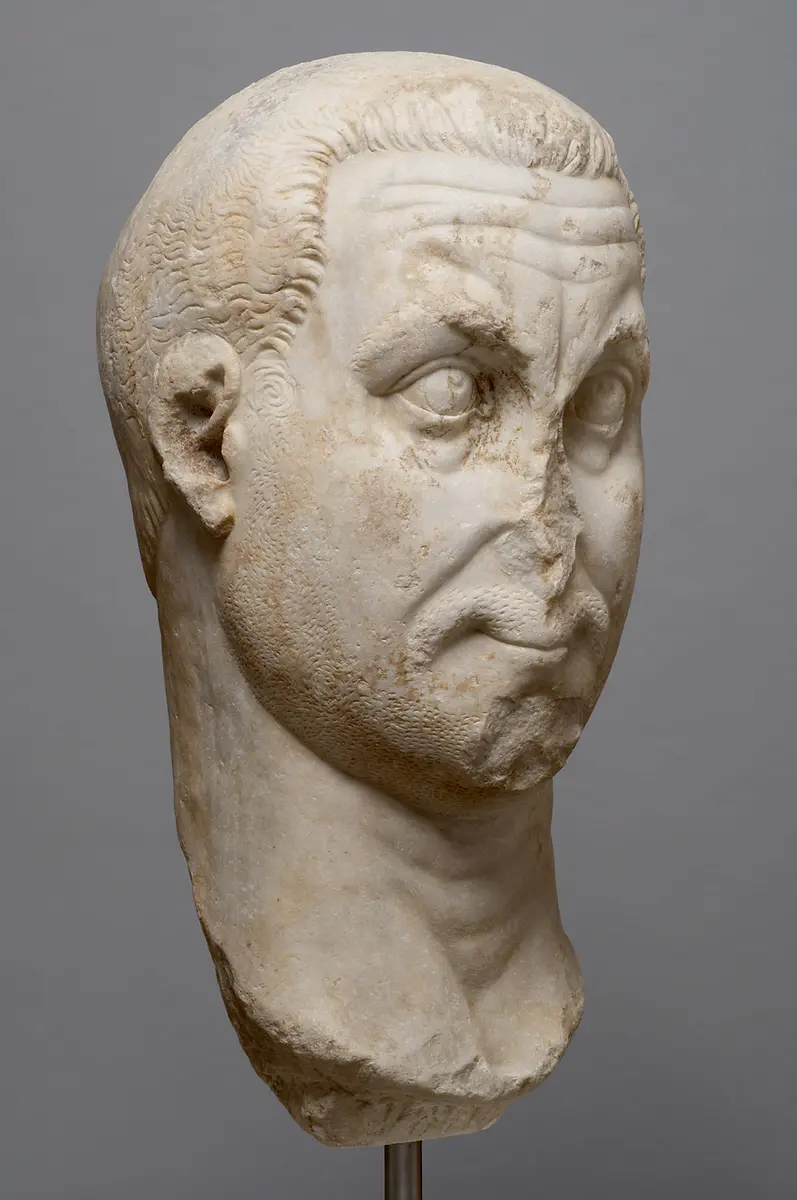
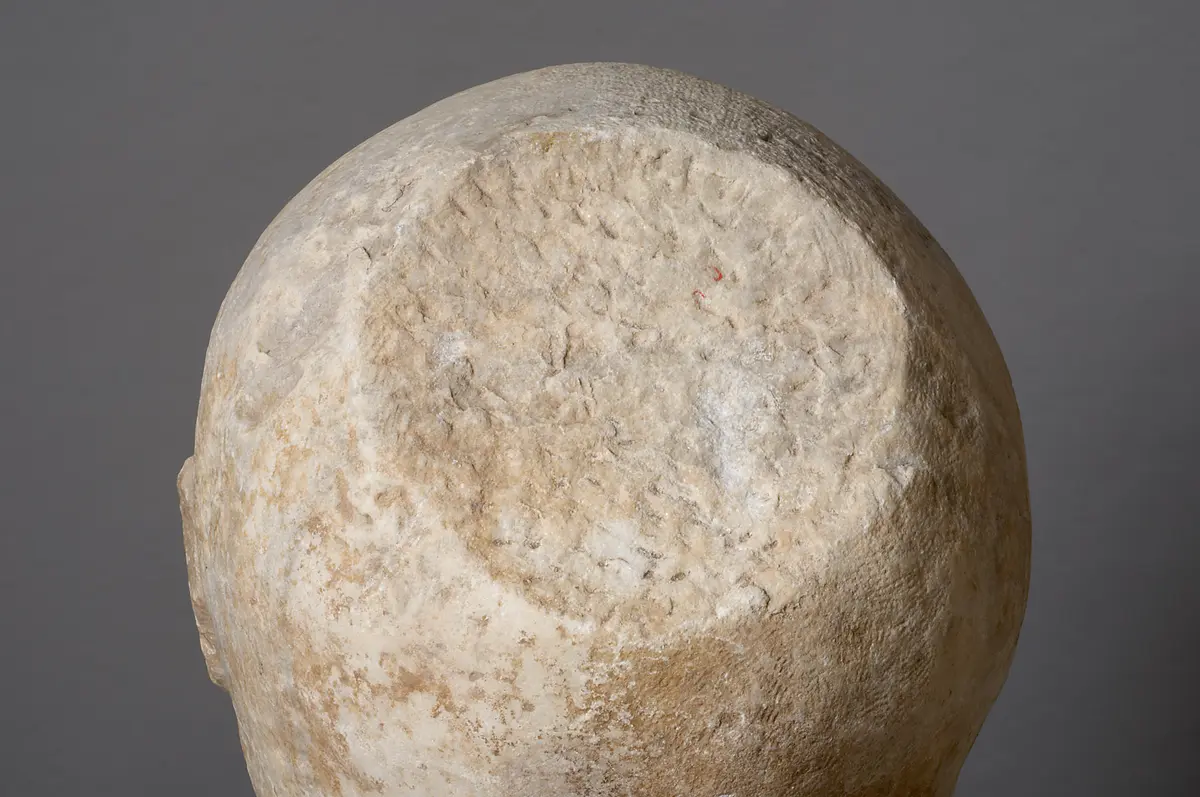
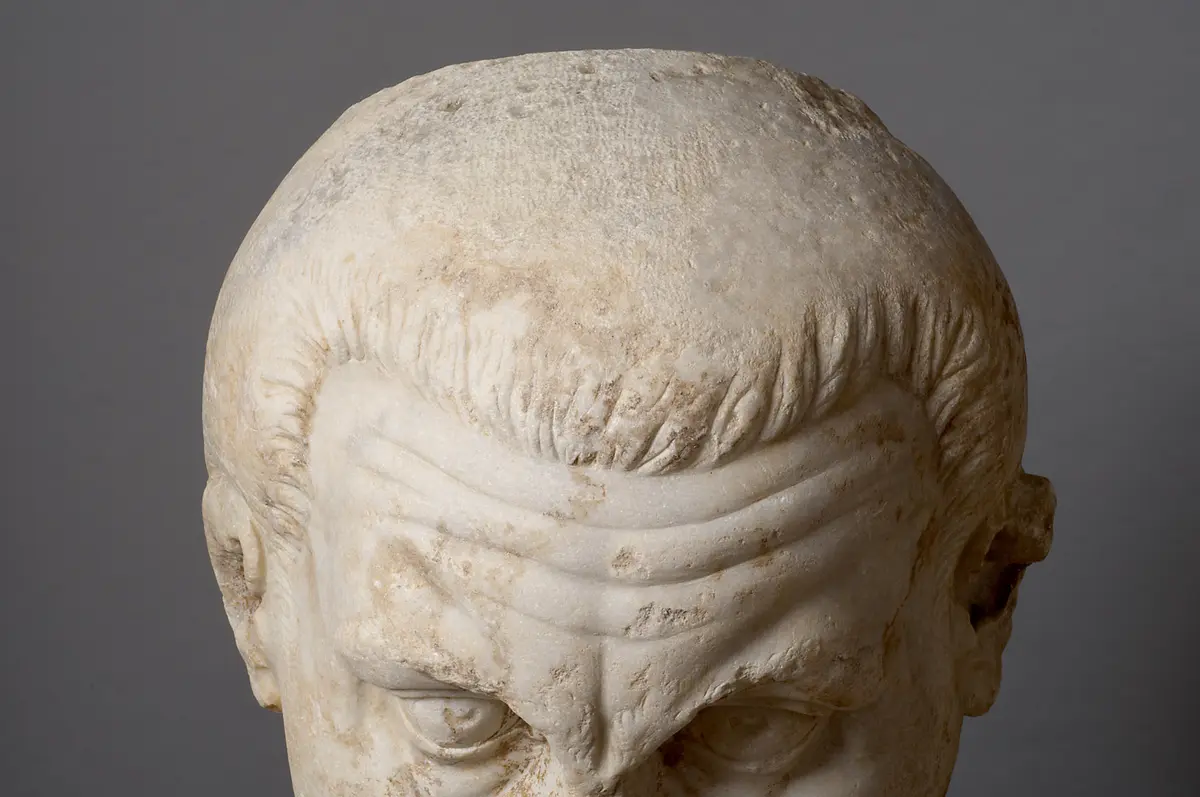
With the help of portraits on coins and silver vessels this colossal head of a bearded elderly man – originally intended to be inserted into a statue or bust – was identified as a likeness of Emperor Licinus I, who ruled the eastern part of the Empire; an adversary of Constantine the Great, he was murdered in AD 323. The portrait shows him sporting a cropped beard of the type favoured by soldiers, with large protruding eyes and a grimacing mouth; it was presumably originally inserted into a cuirassed statue originally around five metres tall.
Time:
300-325 n. Chr.
Object Name
Porträtkopf
Culture
Römisch
Location of discovery:
Ephesos Theater (Selçuk, Kleinasien, Türkei)
Material/technology:
Marmor
Dimensions:
L/H 86 cm
Copyright
Kunsthistorisches Museum, Antikensammlung
Invs.
Antikensammlung, I 932
Provenance
Sultan, Abdul, Hamid, II.; Österreichische Ausgrabungen in Ephesos; Geschenk an Kaiser Franz Joseph; 1914 nachträglich inventarisiert
Browse more
Similar items you might be interested in
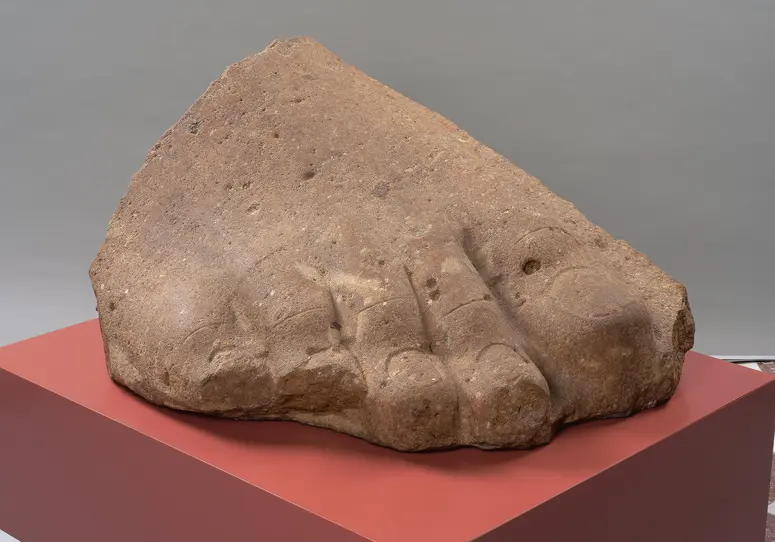
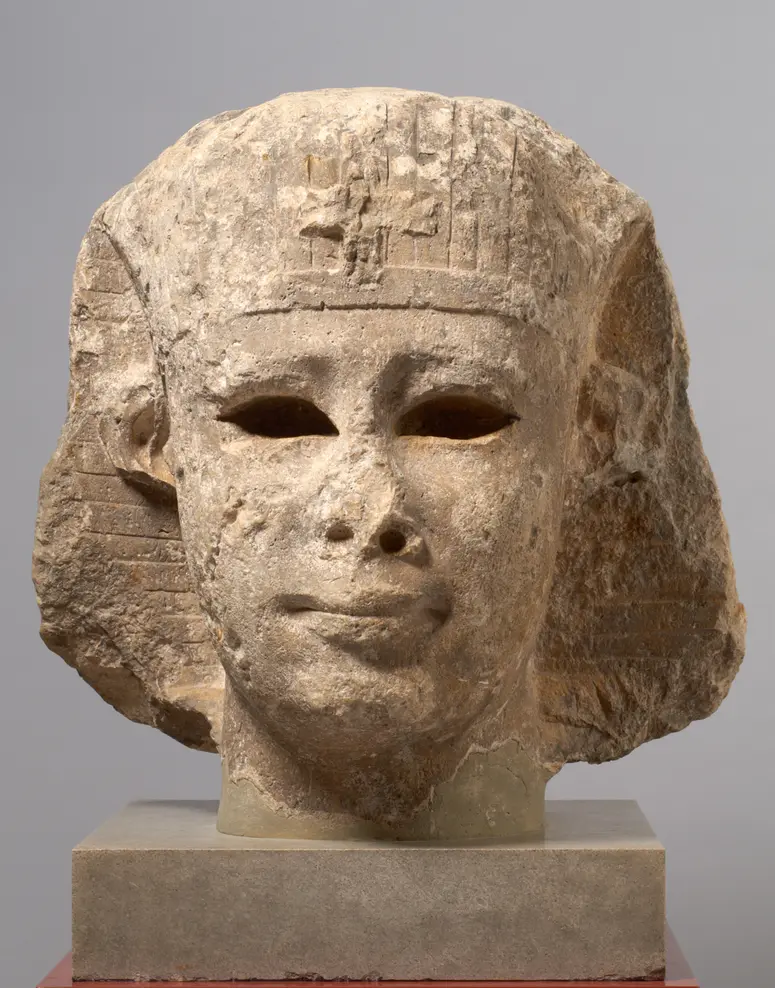
Colossal head from a royal statue Alexandria (vermutlich) reigns of Ptolemy I–III, 305–222 BC
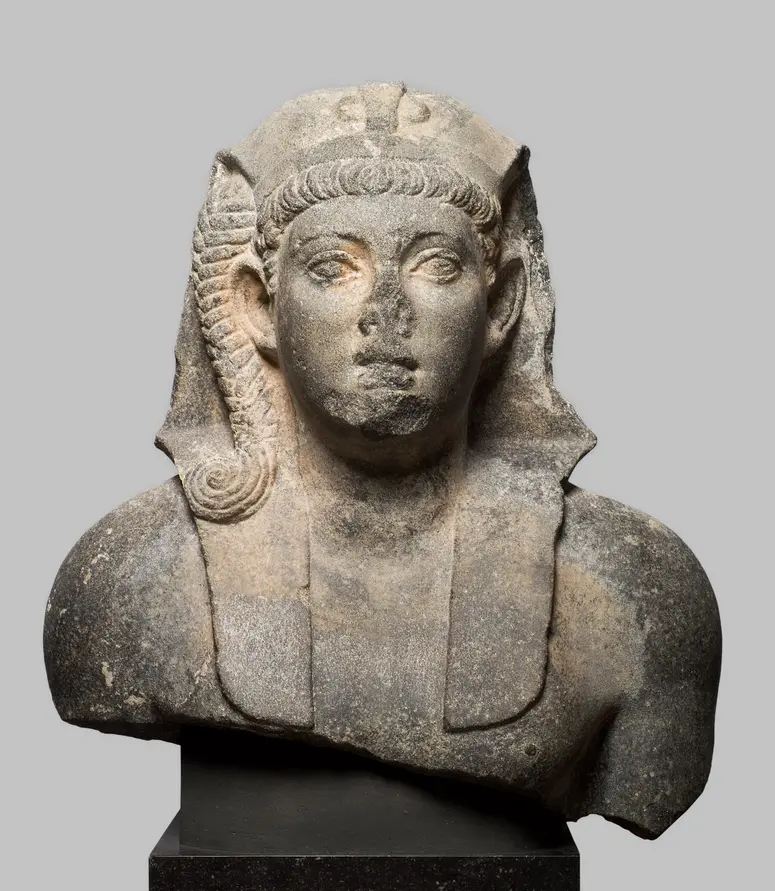
Bust of a youthful king Alexandria (vermutlich) 2nd /1st century BC or 1st century AD;

Colossal head from a royal statue Alexandria (vermutlich) reigns of Ptolemy I–III, 305–222 BC
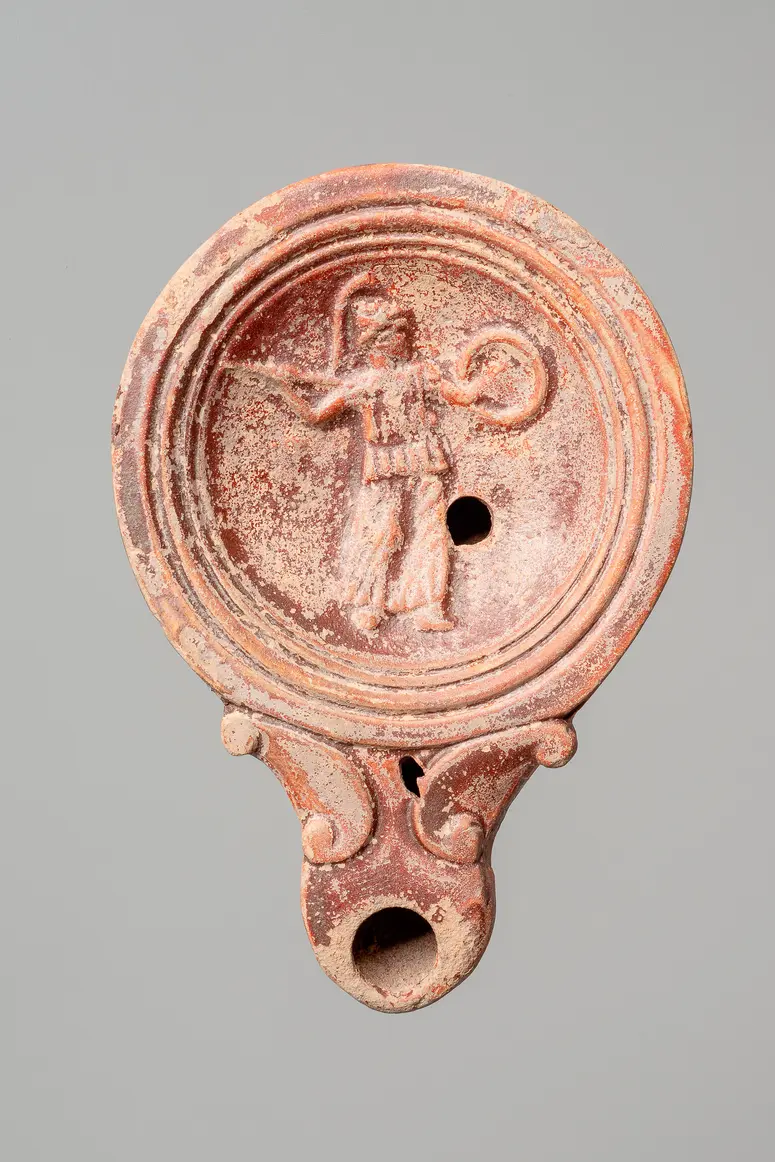
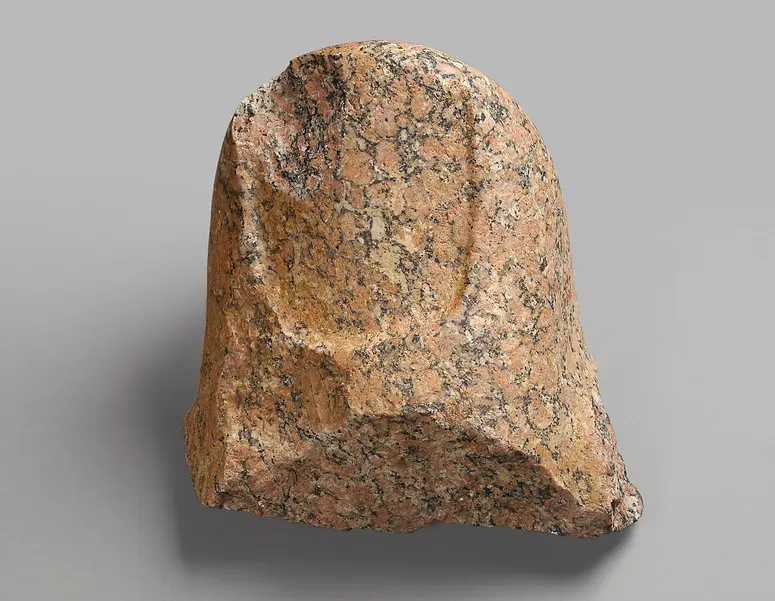
Fingerspitze einer Kolossalstatue Fundort unbekannt 18. bis frühe 19. Dynastie, ca. 1530-1300 v. Chr.

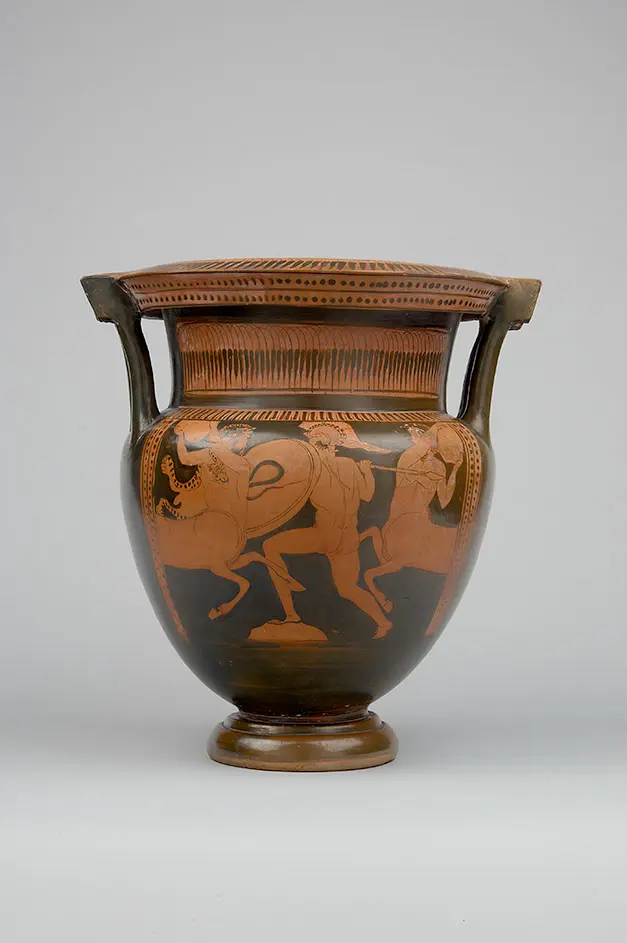
Kolonettenkrater: Kentaurenkampf Griechisch, Attisch, rotfigurig Mitte 5. Jh. v. Chr.

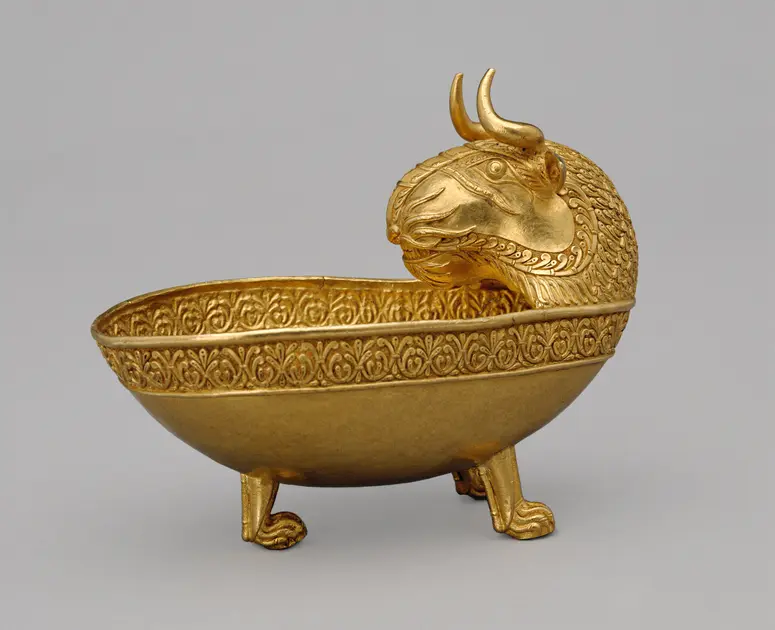
Stierkopfschale: Stierkopfschale Frühes Mittelalter 7. - 9. Jh. n. Chr. (2. Hälfte 8. Jh. n. Chr.?)