Kaiserpriesterin
130-150
Female members of powerful Roman families could also assume public office or official roles as a benefactor of games. The fragment of a head with expressive eyes sports a curly fringe and hair tightly combed back into a turban-like braid. This popular hairstyle was made fashionable by Sabina, the wife of Emperor Hadrian, and continued to be en vogue until the middle of the second century ad. Only one of the five busts comprising her bust-crown has survived intact.
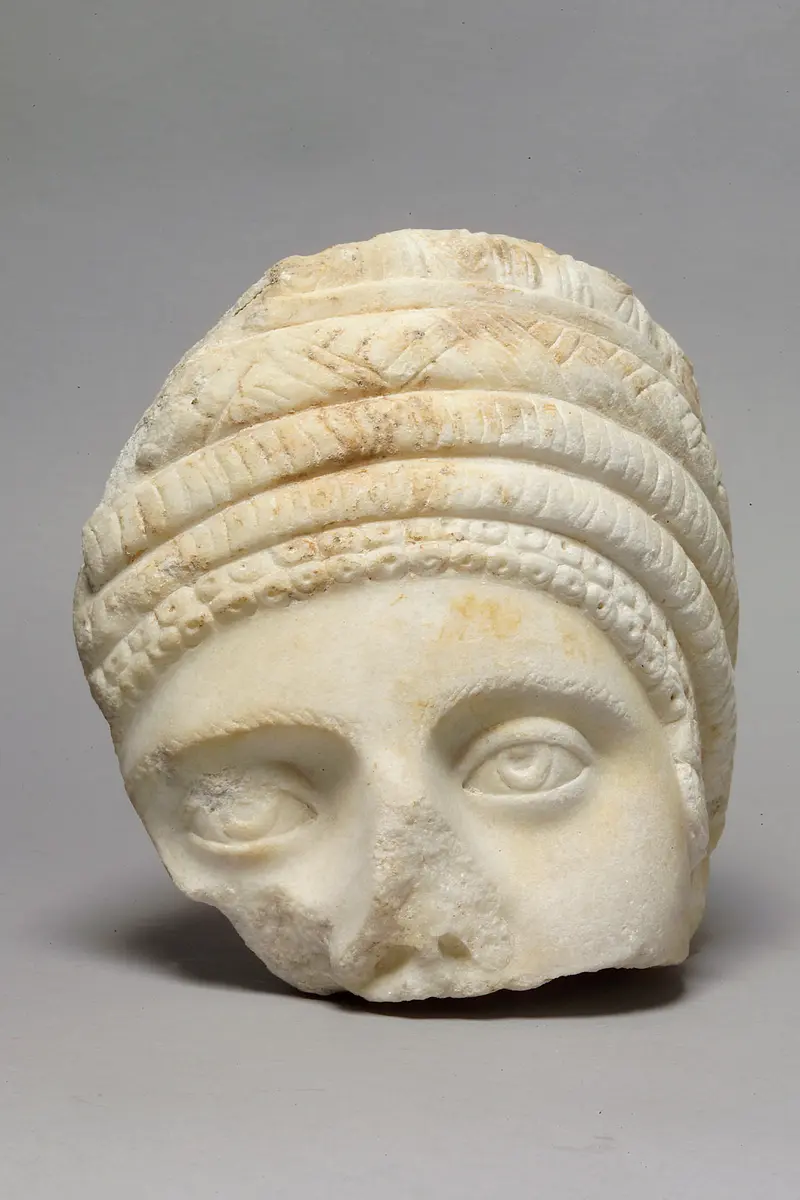
Female members of powerful Roman families could also assume public office or official roles as a benefactor of games. The fragment of a head with expressive eyes sports a curly fringe and hair tightly combed back into a turban-like braid. This popular hairstyle was made fashionable by Sabina, the wife of Emperor Hadrian, and continued to be en vogue until the middle of the second century ad. Only one of the five busts comprising her bust-crown has survived intact.
Time:
130-150
Object Name
Porträtkopffragment
Culture
Römisch
Location of discovery:
Ephesos sog. römische Agora (Selçuk, Kleinasien, Türkei)
Material/technology:
Marmor
Dimensions:
20,5 cm × 12,5 cm × 24 cm
Copyright
Kunsthistorisches Museum, Antikensammlung
Invs.
Antikensammlung, I 923
Provenance
Sultan, Abdul, Hamid, II.; Österreichische Ausgrabungen in Ephesos; Geschenk an Kaiser Franz Joseph; 1914 nachträglich inventarisiert
Browse more
Similar items you might be interested in

Relief: Kopf eines bärtigen Mannes Zyprisch, Eisenzeit, klassisch 2. Hälfte 5. Jh. v. Chr.
Statue: Fragmente von einer Statue: Kopffragment und Fingerfragment (zu Inv. VI 2441) Römisch, Mittlere Kaiserzeit 2. Jh. n. Chr.

Relieffragment: Tanzende Mänade Römisch, Kaiserzeit 1. - 3. Jh. n. Chr.
Relieffragment: Füsse einer Mänade Römisch, Kaiserzeit 1. - 3. Jh. n. Chr.

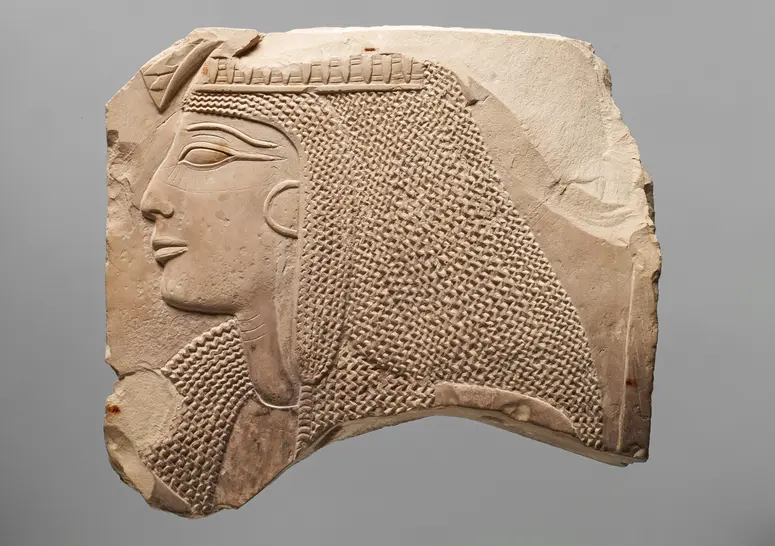
Relieffragment mit dem Kopf einer Dame Fundort unbekannt 19. Dynastie, Anfang 13. Jh. v. Chr.
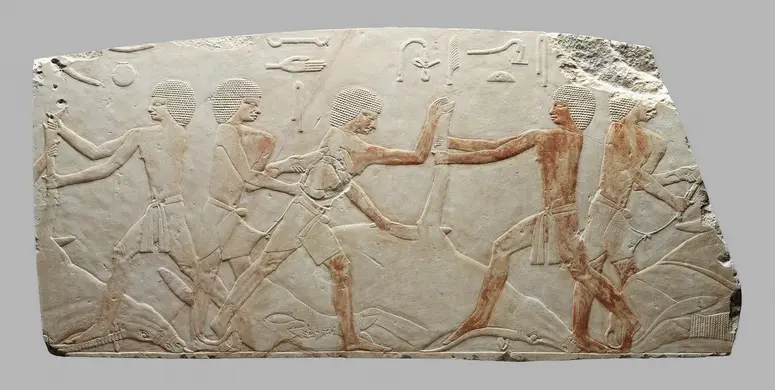
Fragment of relief with a butchering scene Abusir (vermutlich) 5th Dynasty, ca. 2400 BC
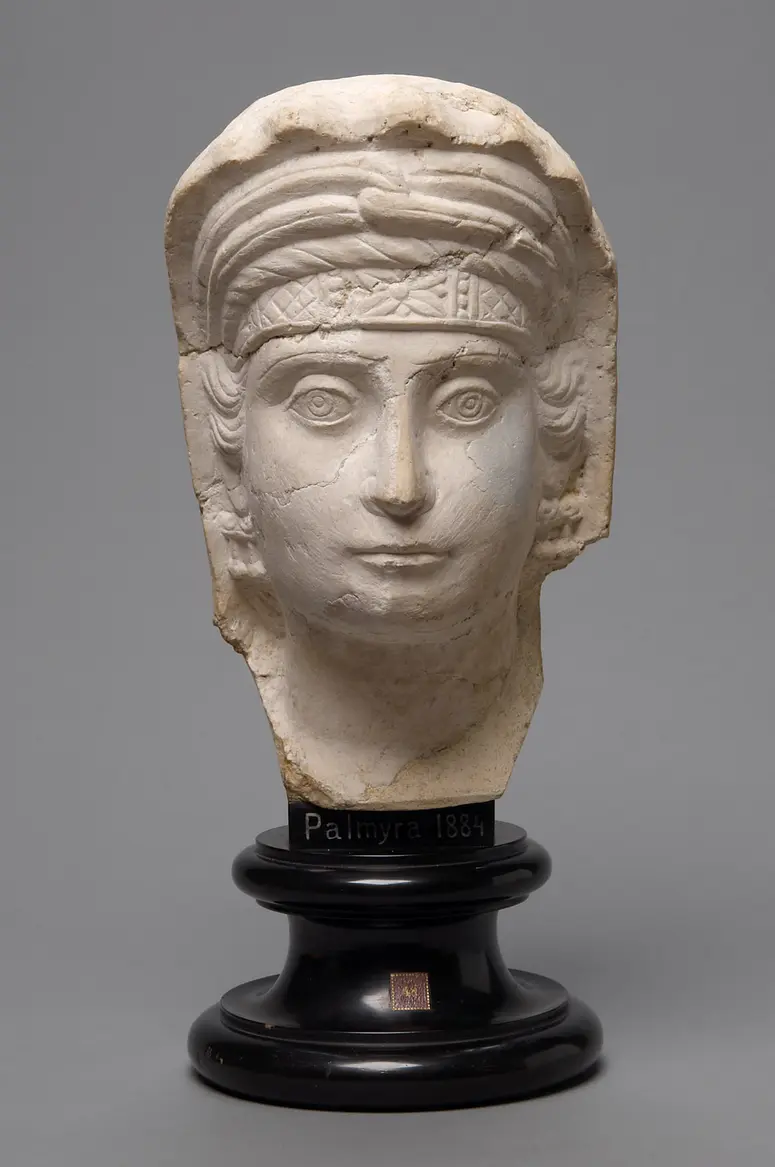
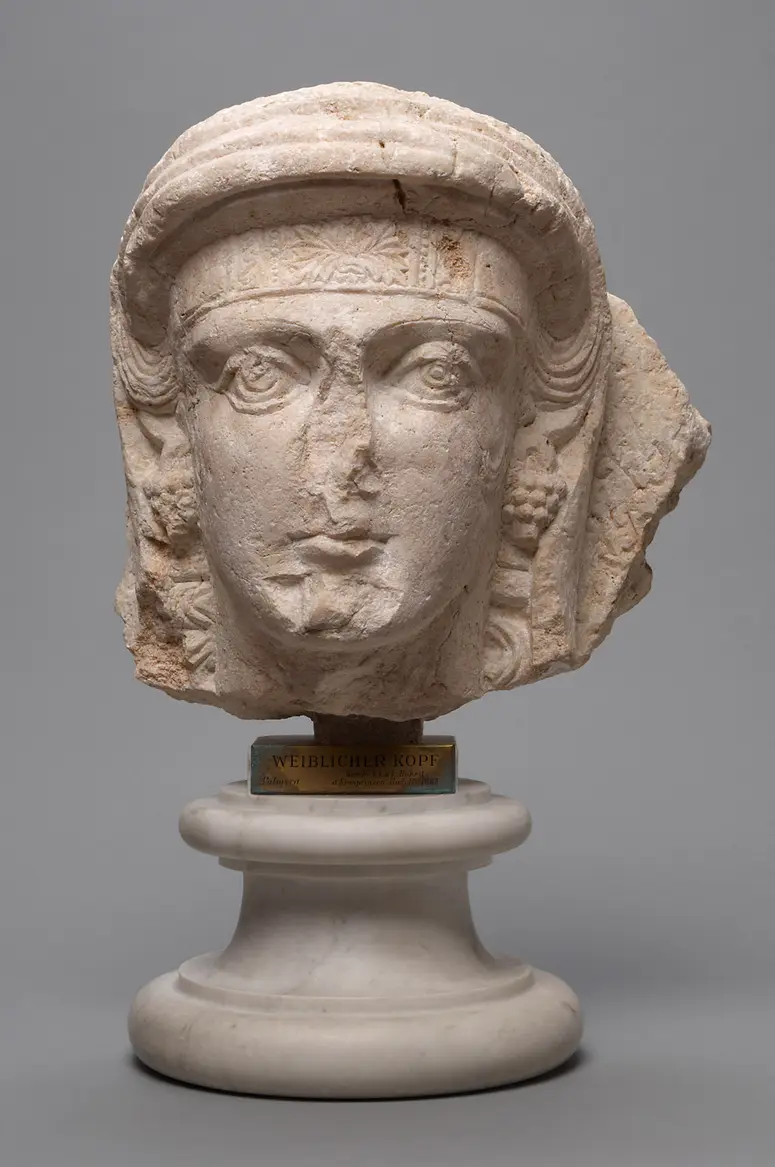
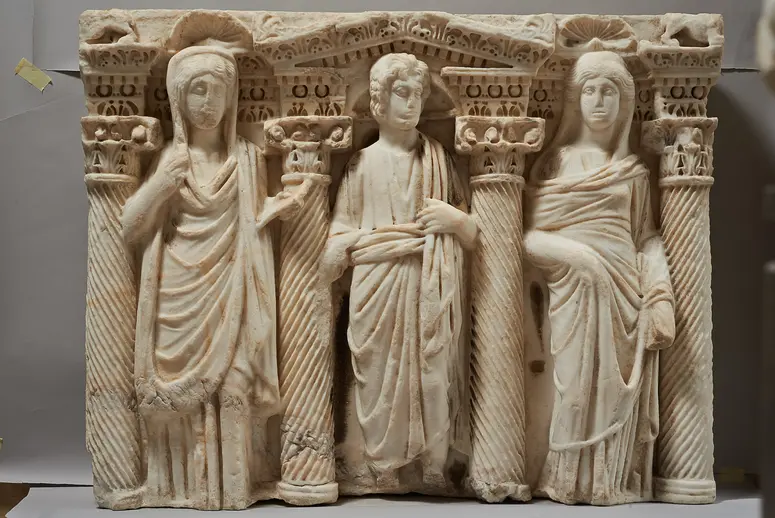
Sarkophag: Schmalseite eines kleinasiatischen Säulensarkophags Römisch, Mittlere Kaiserzeit 180/190 n. Chr.
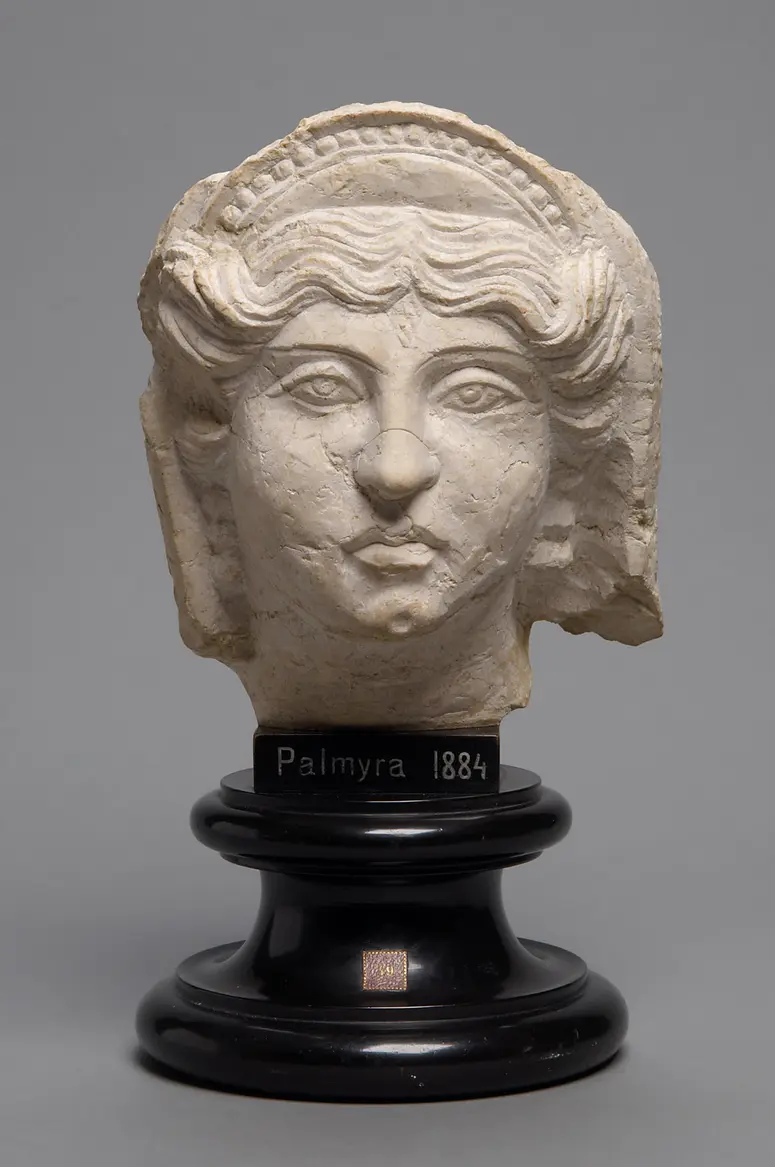
Relief: Relieffragment: Kopf eines palmyrenischen Priesters Palmyrenisch 1. Hälfte 3. Jh. n. Chr.
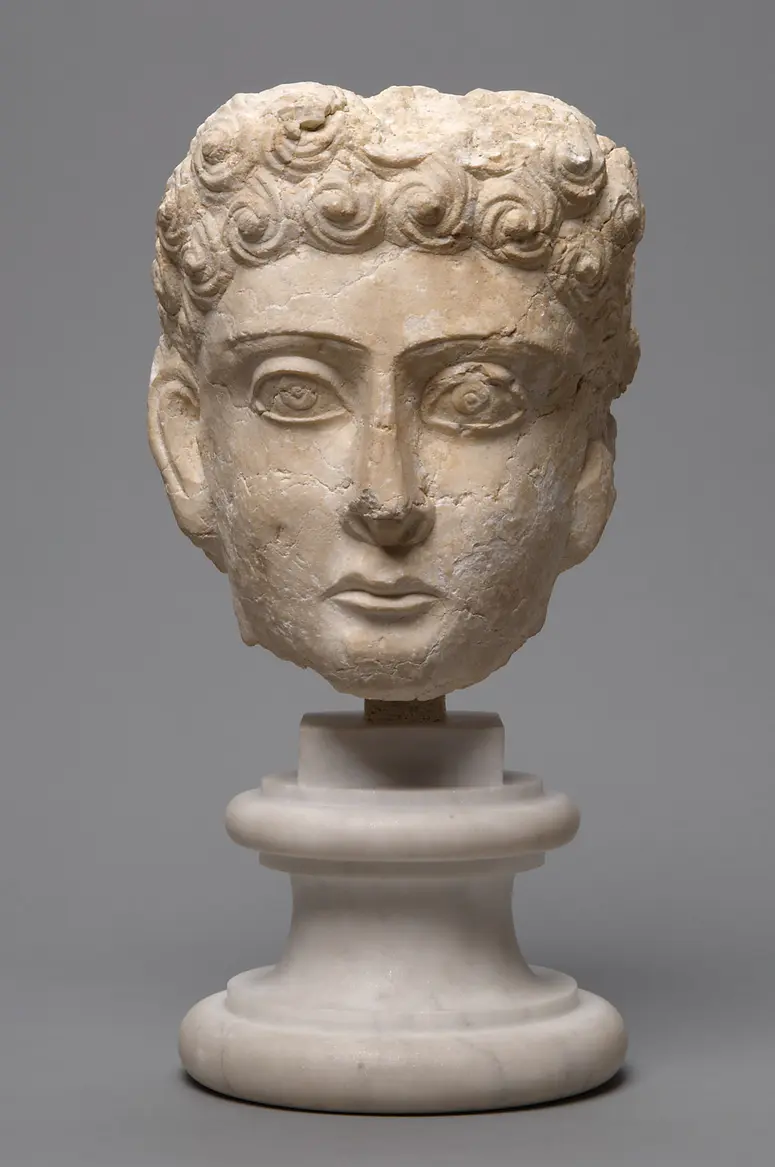
Relief: Relieffragment: Kopf eines jungen Mannes Palmyrenisch 1. Hälfte 2. Jh. n. Chr.
Relieffragment des Sakai Saqqara (vermutlich) 19. Dynastie, ca. Zeit Sethos' I., 1314-1304 v. Chr.
Relief: Relieffragment: Kopf eines jungen Mannes Palmyrenisch 1. Hälfte 3. Jh. n. Chr.