Tanzende Mänade
1. - 3. Jh. n. Chr.
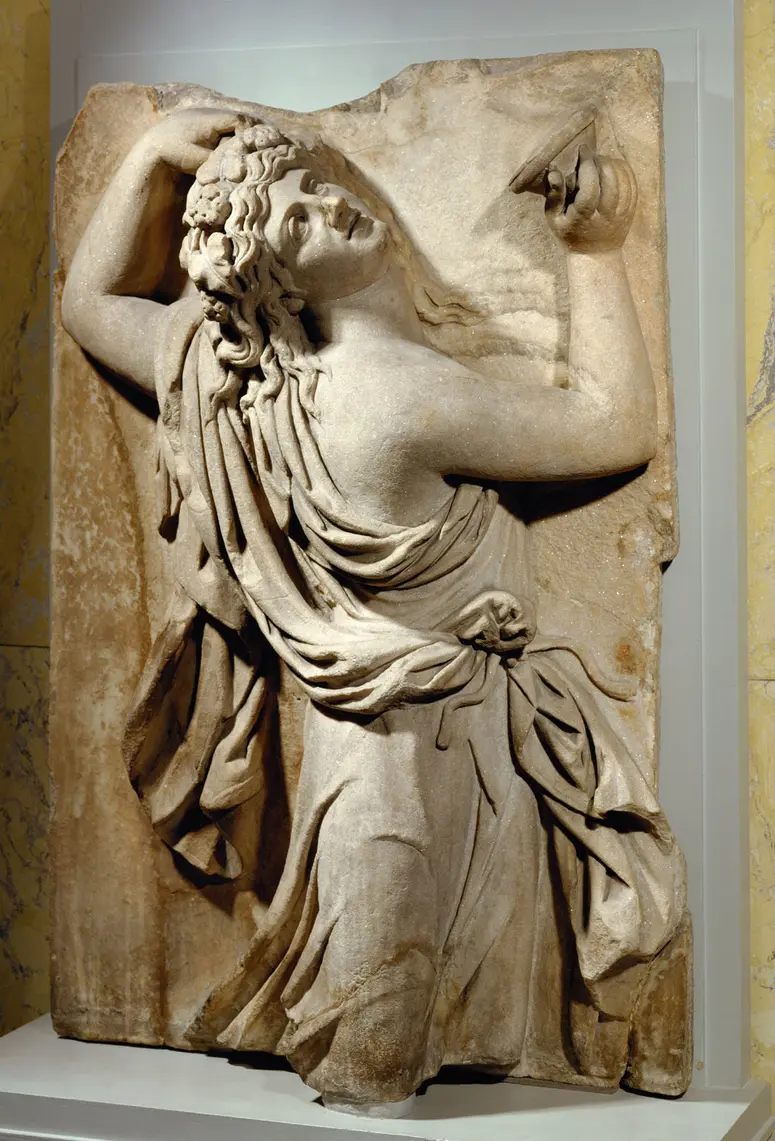
These fragments come from a relief that depicts a procession of dancing maenads; they are informed by figurative motifs from the late fifth century BC attributed to the sculptor Callimachus. He produced a procession of dancing maenads who, as part of the retinue of Dionysus, venerate the deity in expressive, ecstatic gestures. He created a template that would remain popular for a long time and that was among the most copied models in classical antiquity. Arranged in various sequences, they decorate reliefs and marble vessels, both small-scale and, like here, almost live-sized. A relief now in the Museo Barracco in Rome is very similar in format and arrangement to the fragments found at Ephesus; to make the composition easier to read a photograph of it is displayed behind the fragments.
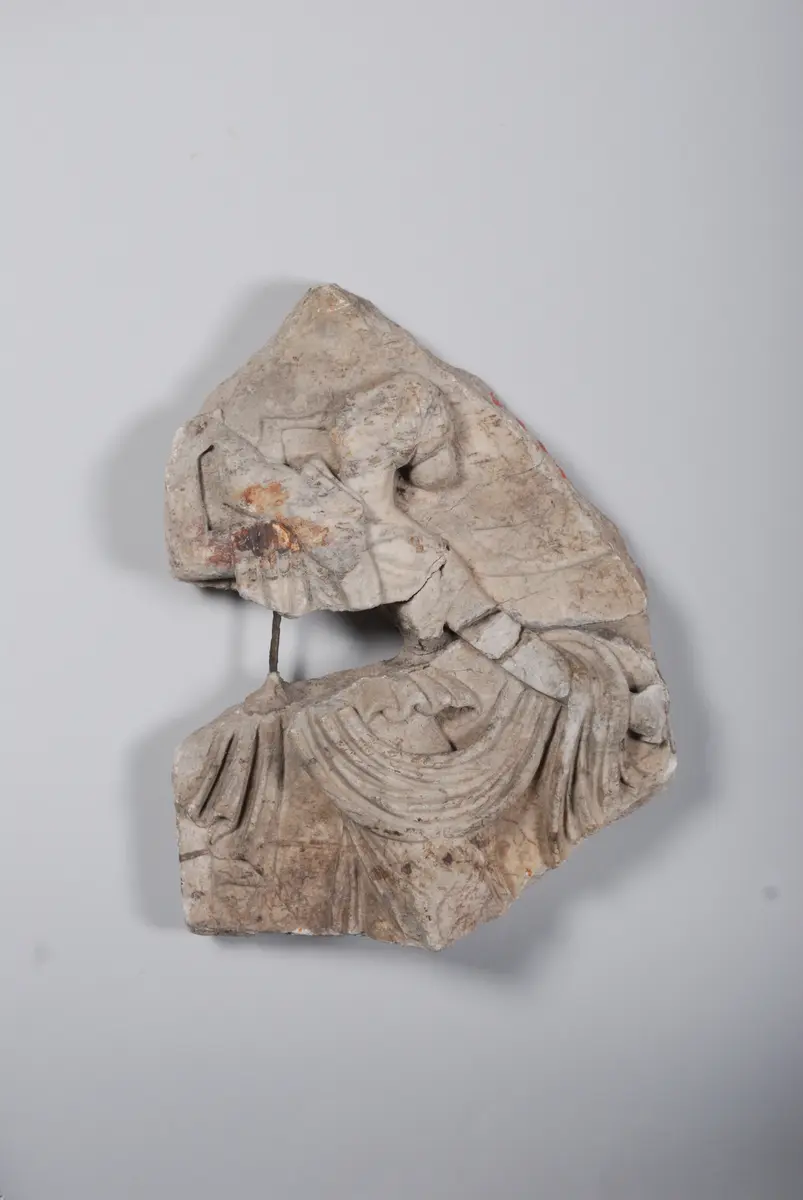
These fragments come from a relief that depicts a procession of dancing maenads; they are informed by figurative motifs from the late fifth century BC attributed to the sculptor Callimachus. He produced a procession of dancing maenads who, as part of the retinue of Dionysus, venerate the deity in expressive, ecstatic gestures. He created a template that would remain popular for a long time and that was among the most copied models in classical antiquity. Arranged in various sequences, they decorate reliefs and marble vessels, both small-scale and, like here, almost live-sized. A relief now in the Museo Barracco in Rome is very similar in format and arrangement to the fragments found at Ephesus; to make the composition easier to read a photograph of it is displayed behind the fragments.
Time:
1. - 3. Jh. n. Chr.
Object Name
Relieffragment
Culture
Römisch
Location of discovery:
Ephesos Hafengymnasium Marmorsaal (Selçuk, Kleinasien, Türkei)
Material/technology:
Marmor
Dimensions:
25 cm × 19,5 cm × 5 cm
Copyright
Kunsthistorisches Museum, Antikensammlung
Invs.
Antikensammlung, I 912 a
Provenance
Sultan, Abdul, Hamid, II.; Österreichische Ausgrabungen in Ephesos; Geschenk an Kaiser Franz Joseph; 1914 nachträglich inventarisiert
Browse more
Similar items you might be interested in
Relieffragment: Füsse einer Mänade Römisch, Kaiserzeit 1. - 3. Jh. n. Chr.

Fragment eines Sarkophages: Dionysische Szene Römisch, Mittlere Kaiserzeit 2. Hälfte 2. Jh. n. Chr.
Relief: Scheibenförmiges Relief (oscillum): Tanzende Mänade Römisch, Frühe Kaiserzeit 1. Hälfte 1. Jh. n. Chr.
Campanarelief: Fragment einer Verkleidungsplatte mit Darstellung des Dionysosknaben im Liknon: Tanzendes Satyrmädchen Römisch, Frühe Kaiserzeit Anfang 1. Jh. n. Chr.

Kelchkrater: Dionysos zwischen Himeros, Mänaden und Silenen Griechisch, Attisch, rotfigurig 4. Viertel 5. Jh. v. Chr.
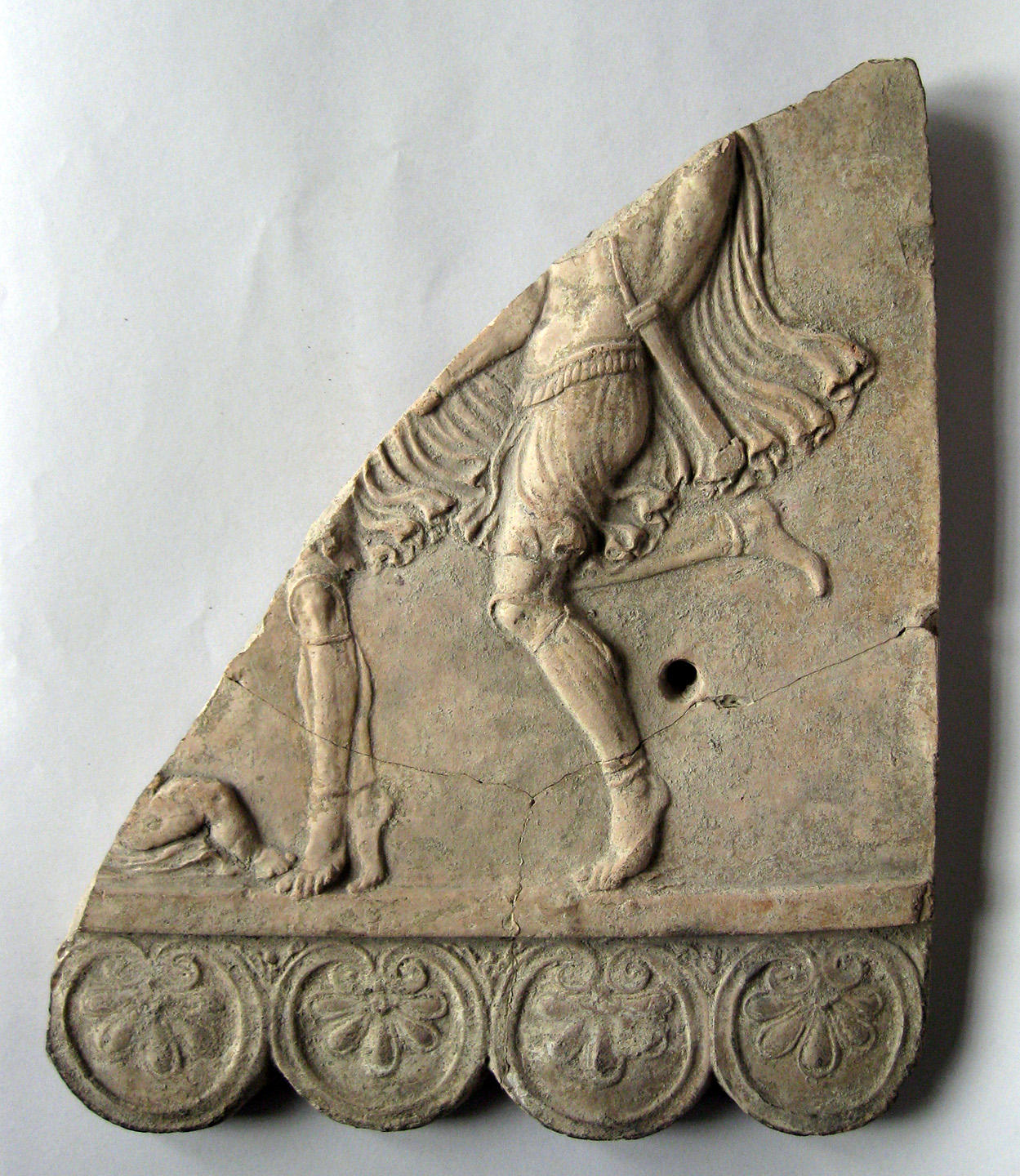
Campanarelief: Fragment aus dem rechten Teil einer Verkleidungsplatte: Um das Zeuskind tanzende Kureten Römisch, Frühe Kaiserzeit 1. Hälfte 1. Jh. n. Chr.
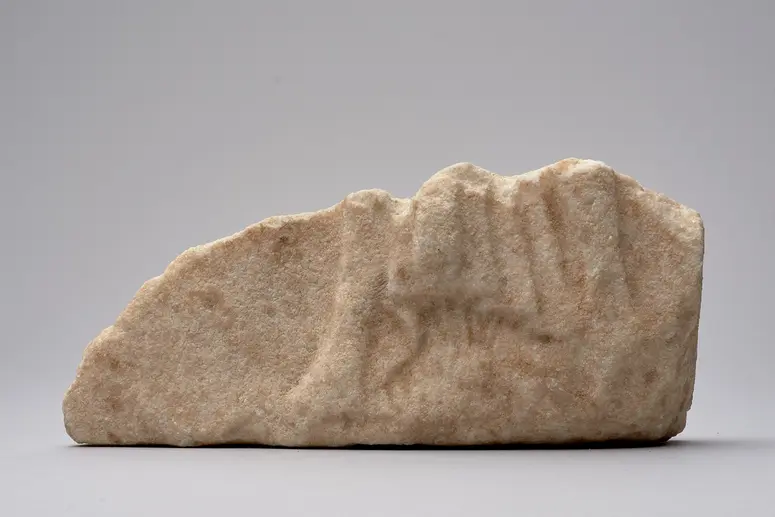
Relief: Tänzerinnenfriesfragment Griechisch um 340 v. Chr.
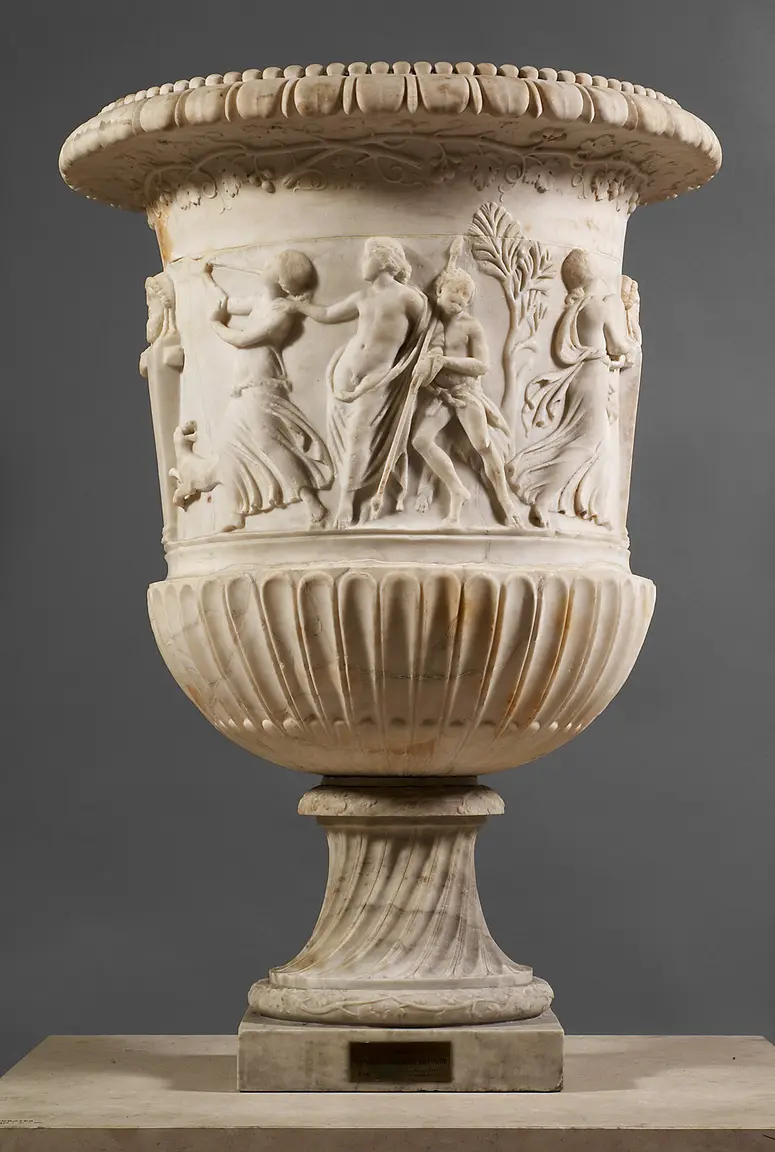
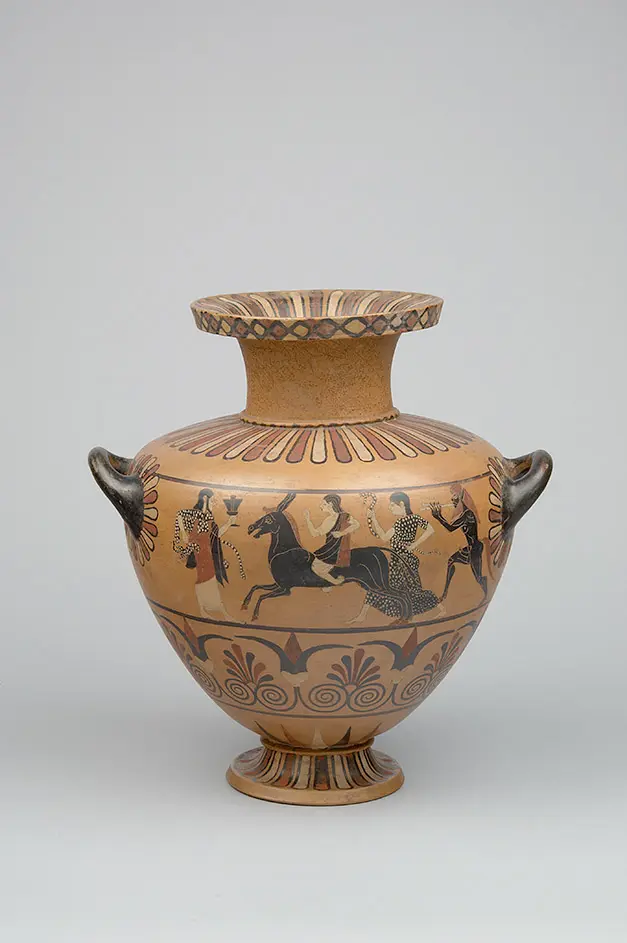
Hydria: Rückführung des Hephaistos in den Olymp Griechisch, Ostgriechisch, Caere um 525 v. Chr.

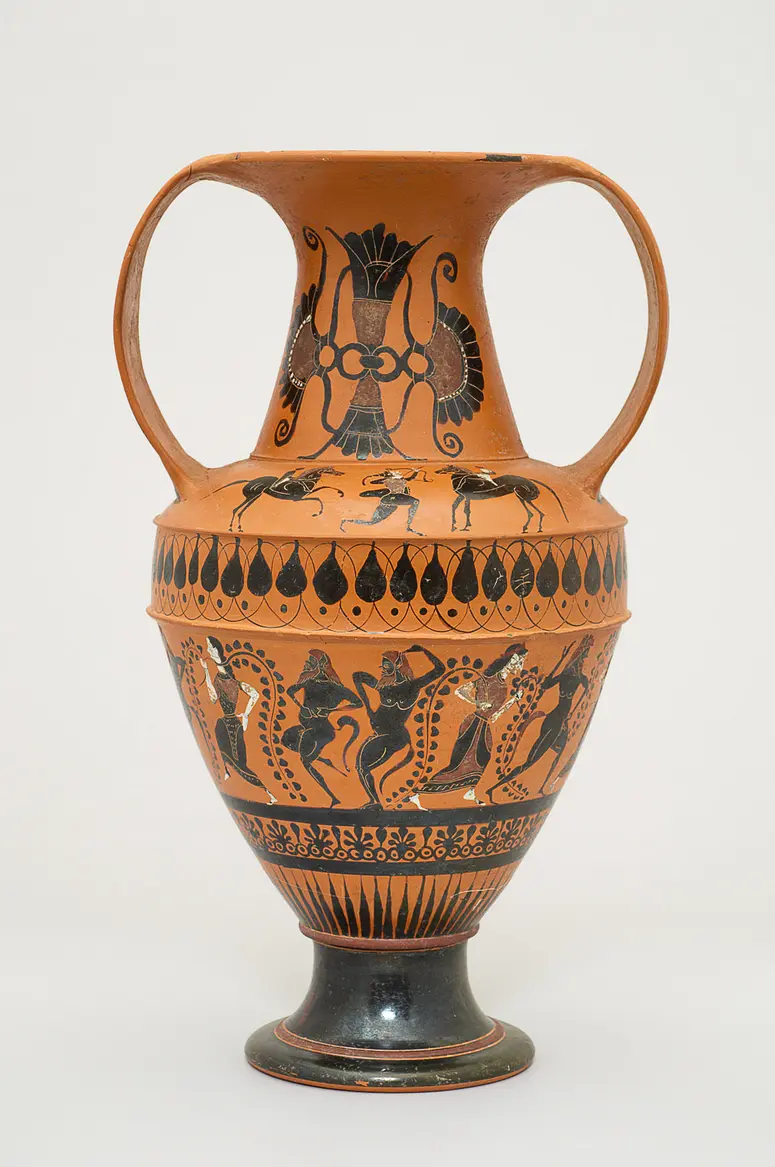
Bandhenkelamphora: Mänaden und Silene Griechisch, Attisch, schwarzfigurig um 530 v. Chr.

Grabdenkmal: Grabstein mit fünf Porträtbüsten Römisch, Frühe Kaiserzeit 2. Drittel 1. Jh. n. Chr.
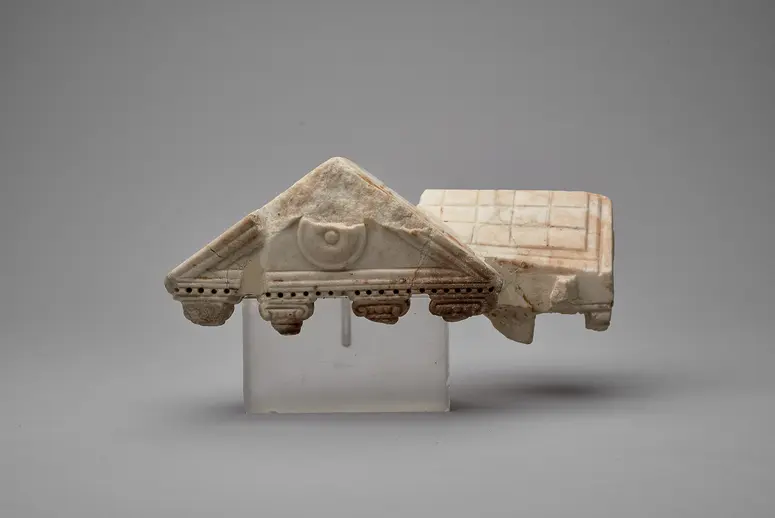
Statuenfragment: Polosfragment Römisch, Kaiserzeit 1. - 3. Jh. n. Chr.

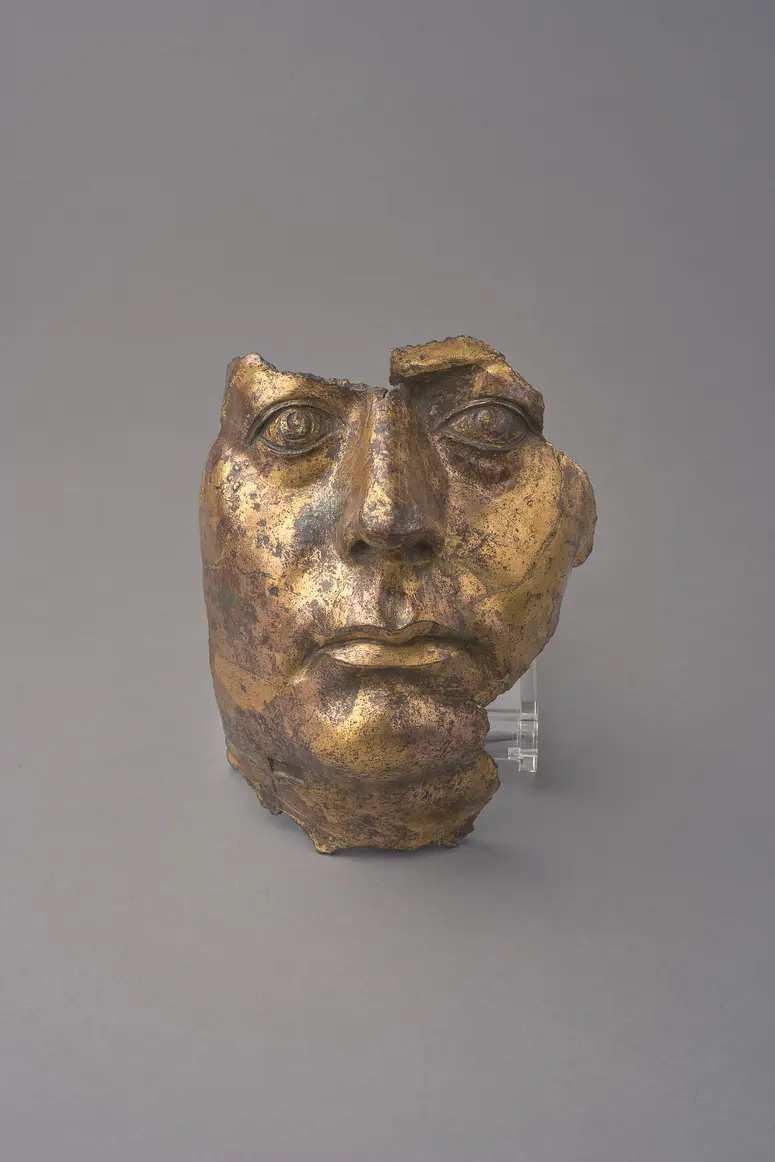
Statue: Fragmente von einer Statue: Kopffragment und Fingerfragment (zu Inv. VI 2441) Römisch, Mittlere Kaiserzeit 2. Jh. n. Chr.

Porträtkopffragment: Kaiserpriesterin Römisch, Mittlere Kaiserzeit 130-150
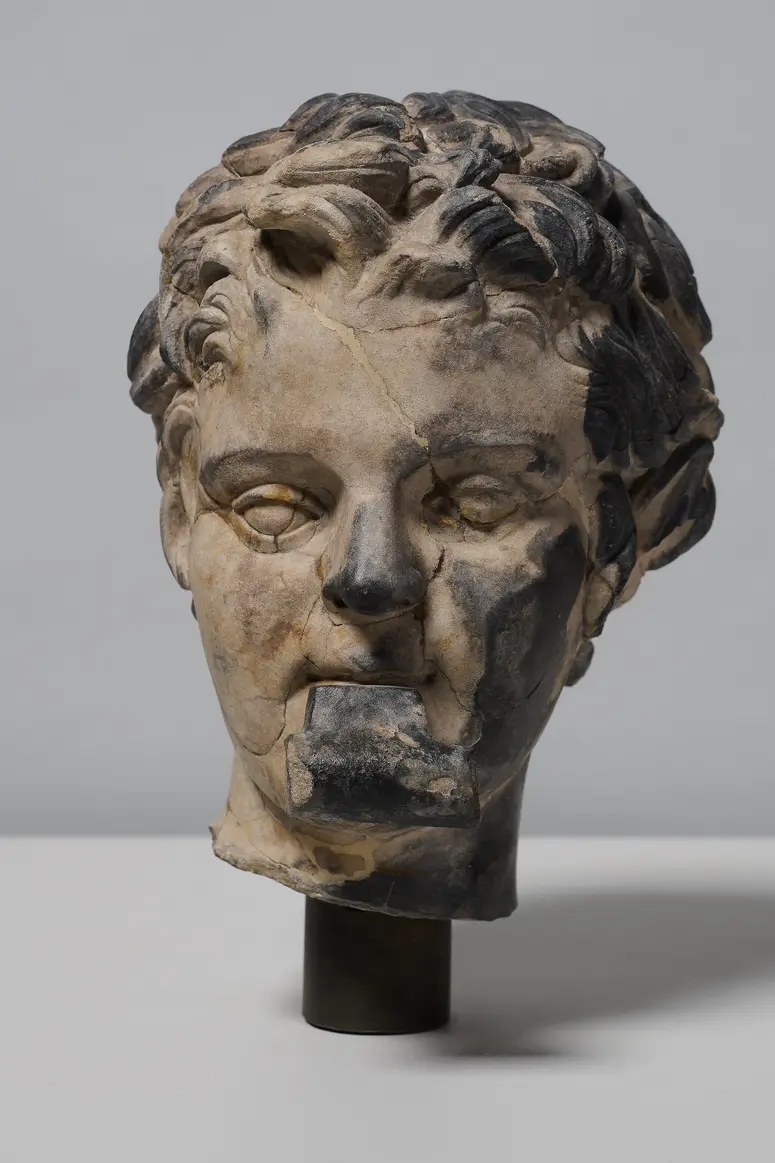
Kopf: Kopf eines flötenblasenden Satyrknaben Römisch, Mittlere Kaiserzeit 2. Jh. n. Chr., nach griechischem Vorbild des 4. Jh.v. Chr.