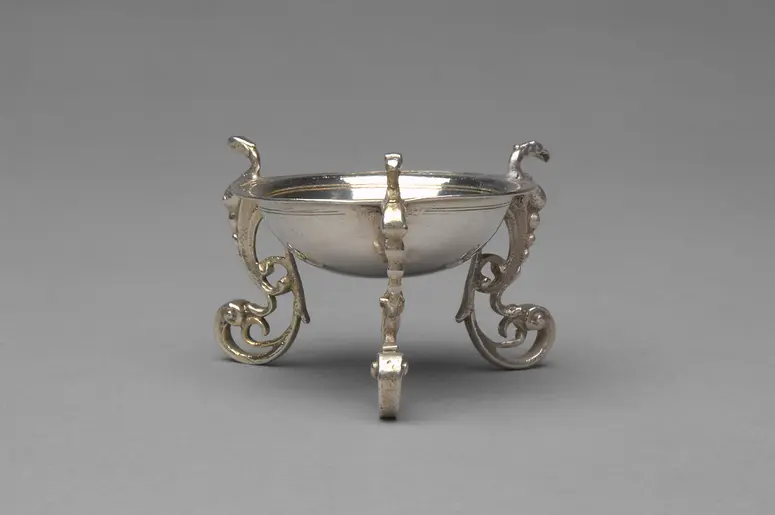
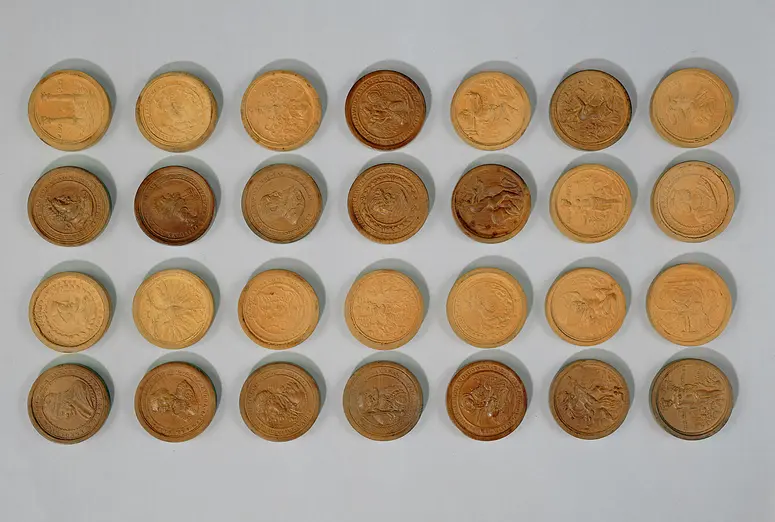
Grablegung Christi
17. Jahrhundert
From the middle of the 15th century Augsburg proved to be the most important centre of German silversmith-art. Along with its close contacts to Italy, allowing the Renaissance to gain ground in Augsburg very early on, Dutch influences, formed by the School of Fontainebleau, could also be found by the second half of the 16th century. After the Reformation Augsburg became the main supplier of Catholic liturgical objects, such as chalices, cruets, and incense thuribles. Since the middle of the 17th century silver objects from Augsburg had been popular export articles. The objects from Ambras were mentioned in the inventory of 1882 and a summary listing of Church silver can be found already in the inventory of 1730.
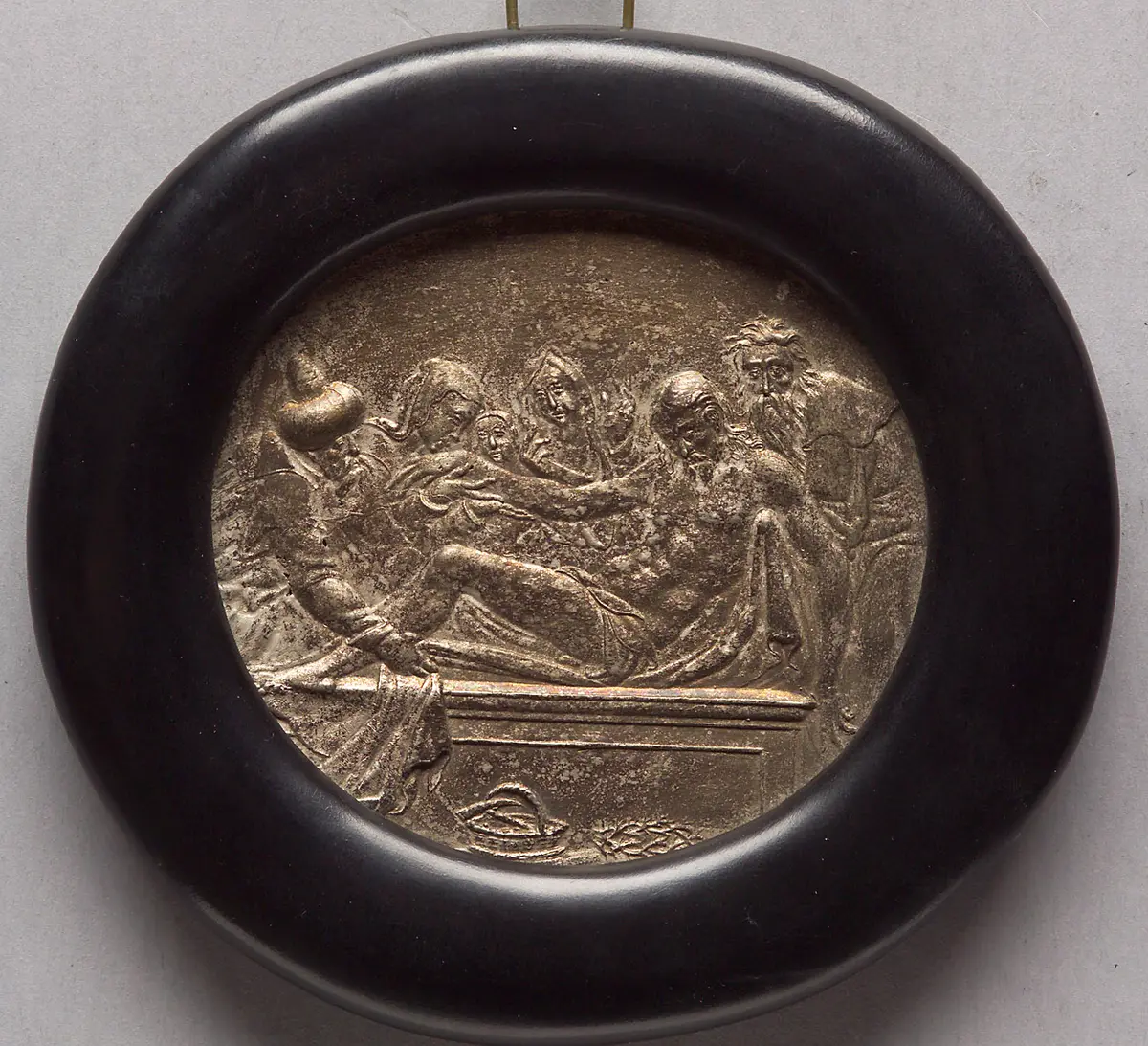
The relief shows Christ sitting on a stone holding a reed, which alludes to scripture Mt. 12,20 (He won’t break a bruised reed. He won’t quench a smoking flax, until he leads justice to victory.).
From the middle of the 15th century Augsburg proved to be the most important centre of German silversmith-art. Along with its close contacts to Italy, allowing the Renaissance to gain ground in Augsburg very early on, Dutch influences, formed by the School of Fontainebleau, could also be found by the second half of the 16th century. After the Reformation Augsburg became the main supplier of Catholic liturgical objects, such as chalices, cruets, and incense thuribles. Since the middle of the 17th century silver objects from Augsburg had been popular export articles. The objects from Ambras were mentioned in the inventory of 1882 and a summary listing of Church silver can be found already in the inventory of 1730.
The relief shows Christ sitting on a stone holding a reed, which alludes to scripture Mt. 12,20 (He won’t break a bruised reed. He won’t quench a smoking flax, until he leads justice to victory.).
Time:
17. Jahrhundert
Object Name
Relief
Culture
Augsburg
Material/technology:
Silber
Dimensions:
H. 8,5 cm × B. 8 cm
Copyright
Schloss Ambras Innsbruck
Invs.
Schloss Ambras Innsbruck, PA 1021
Browse more
Similar items you might be interested in
Münzschrank, Kabinettschrank, Möbel Ende 16. Jahrhundert
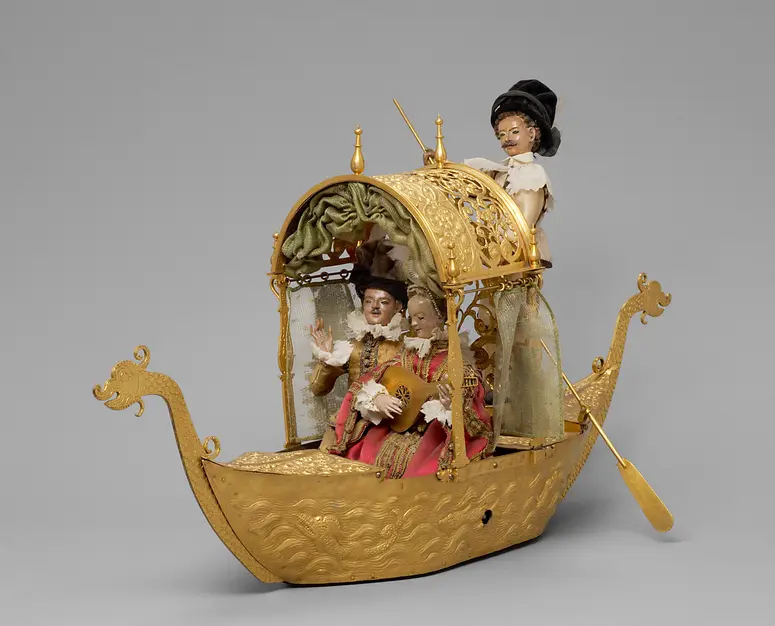
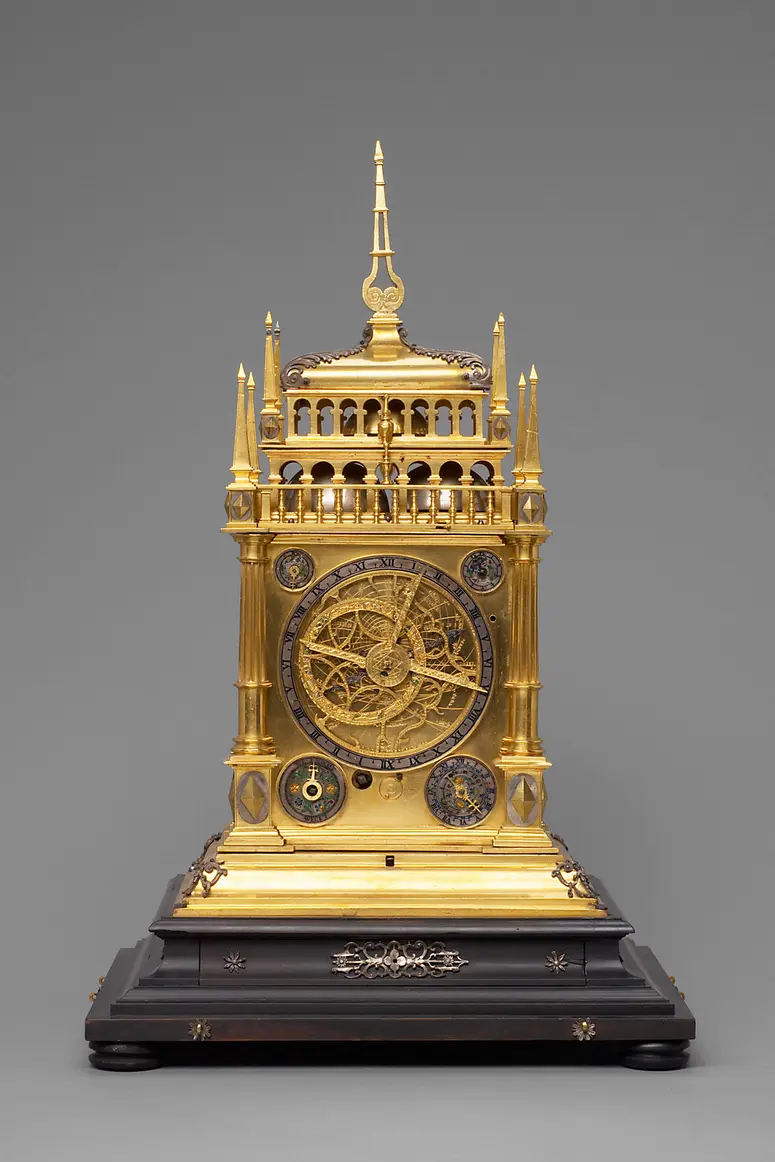
Gondelautomat, Automat, Tafelaufsatz Joachim Fries (auch Friss) um 1600

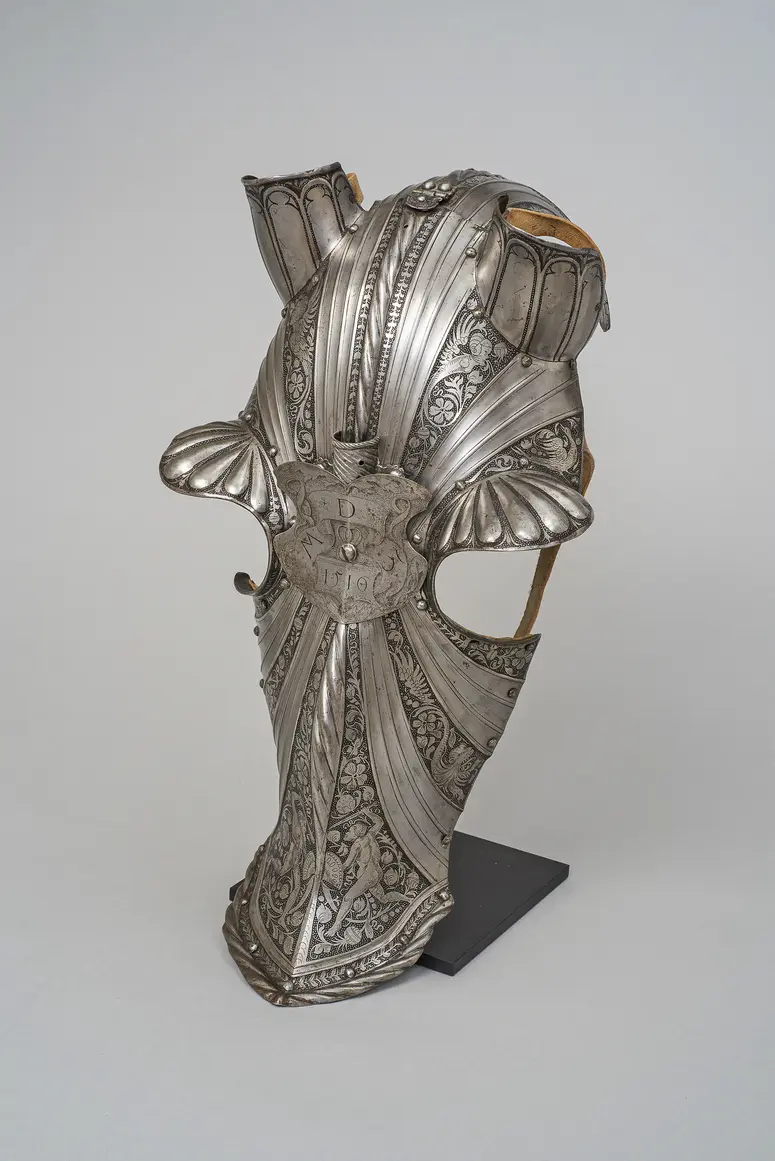
Otto Heinrich Sohn d. Ruprecht von der Pfalz 1516 (Stirnschild), 1523 (Rossstirn)
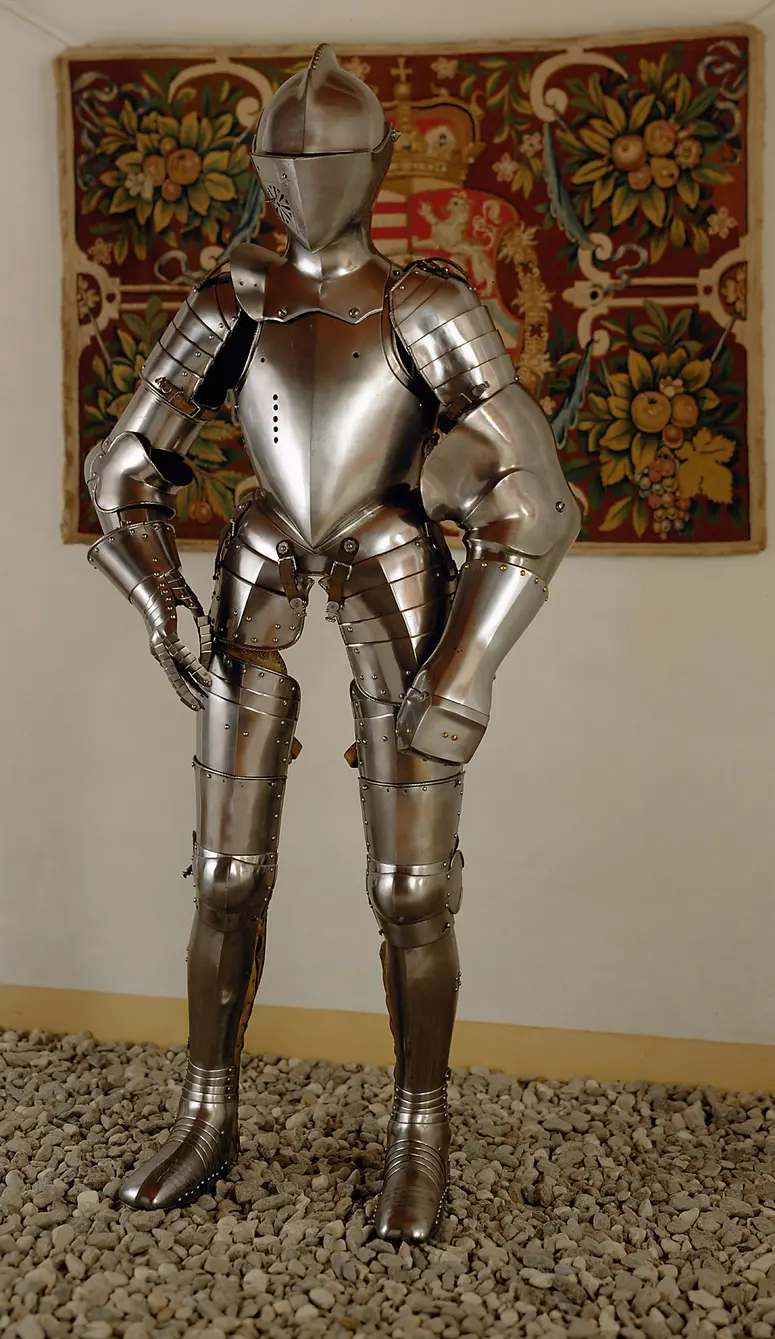
Ganzer blanker Harnisch, Rüstung zum Plankenstechen / Freirennen Anton Peffenhauser um 1570
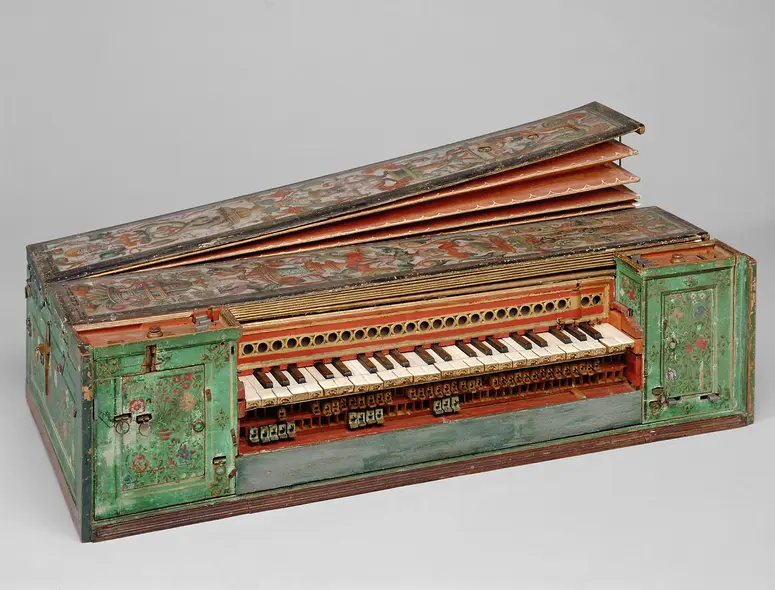
Servatius Rorif between 1564 - 1569
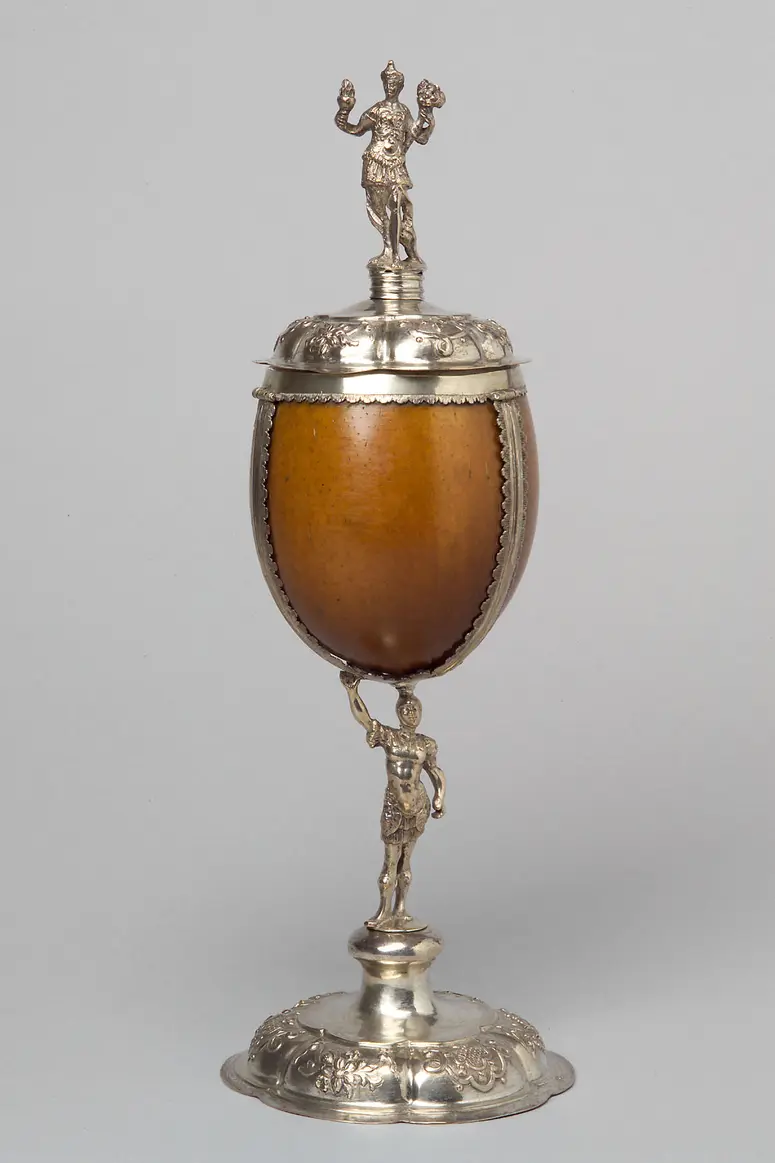
Pokal, Deckelpokal, Kokosnuss-Pokal Lorenz Biller vor 1720
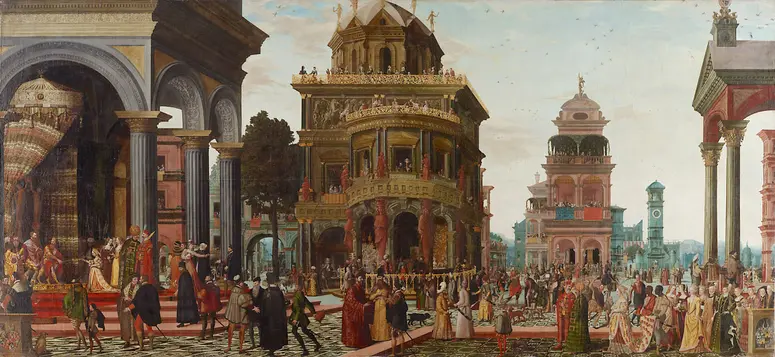
Esther und Ahasver Süddeutsch 3. Viertel 16. Jahrhundert
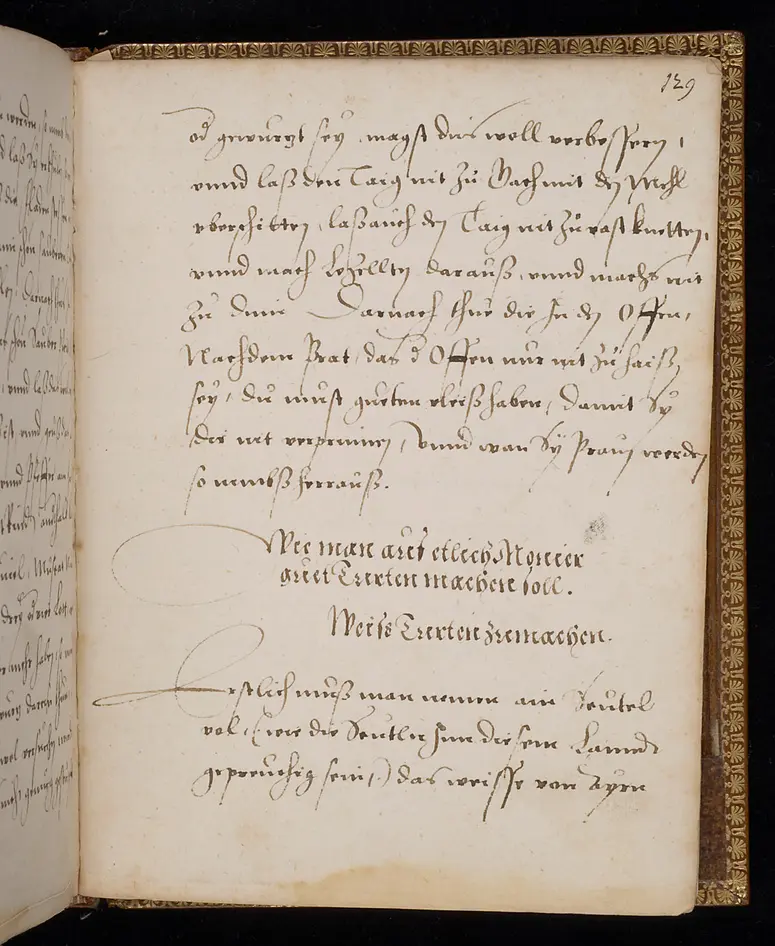
Kochbuch der Philippine Welser, Manuskript, Kochbuch um 1543/44
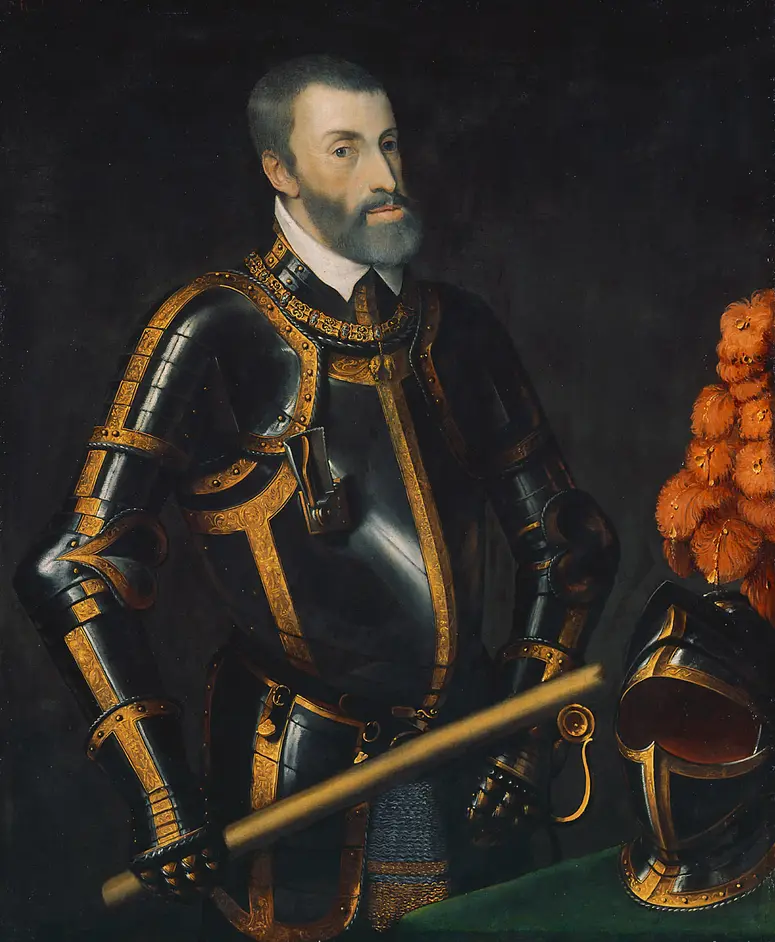
Kaiser Karl V. (1500-1558) im Harnisch, Bildnis in halber Figur Tiziano Vecellio, gen. Tizian Mitte 16. Jahrhundert
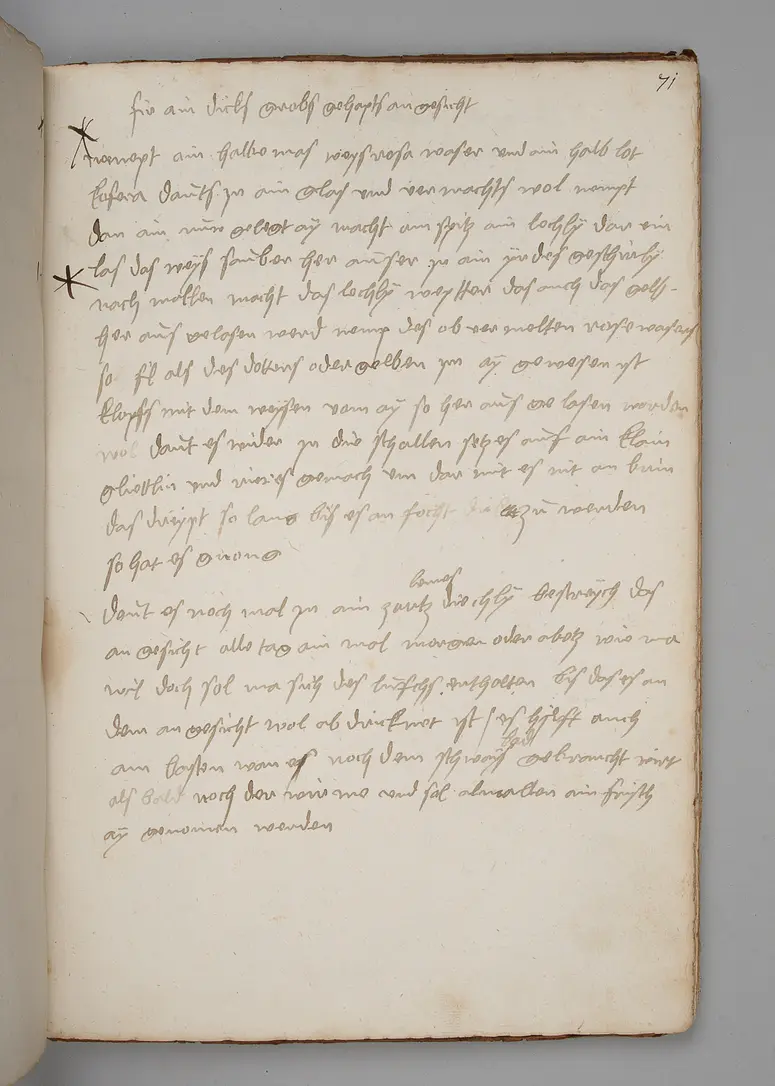
Arzneimittelbuch der Philippine Welser, Arzneimittelbuch Anna Welser 1560-1570
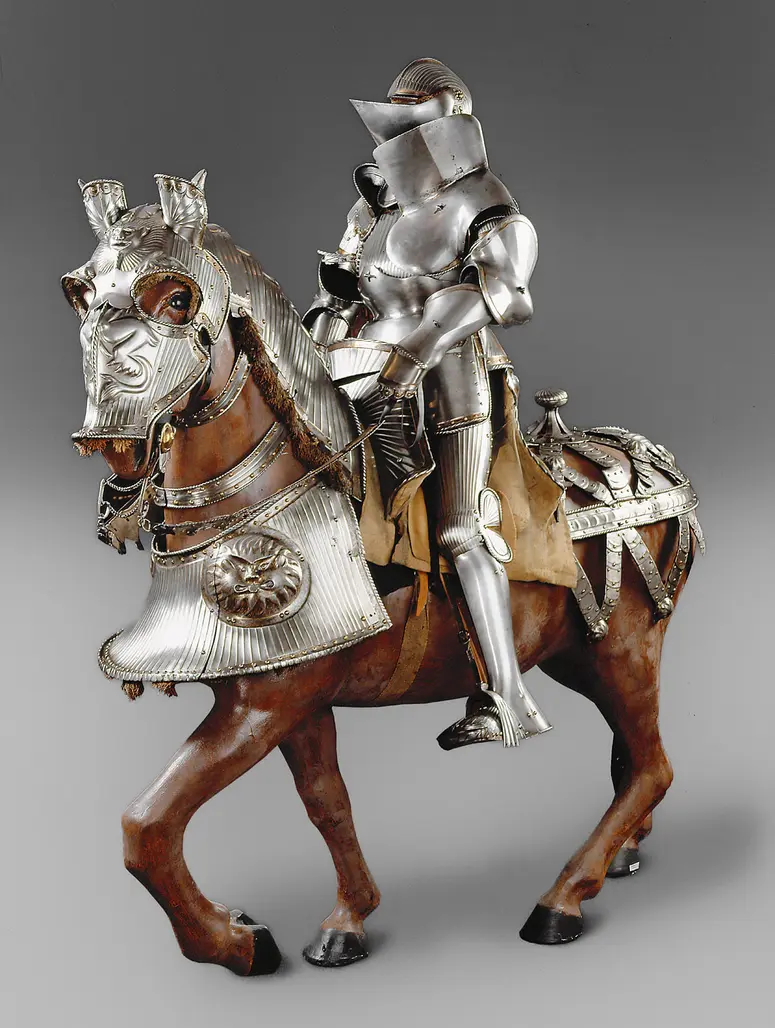
Ferdinand I. (1521-1564), Erzherzog, seit 1531 König und seit 1558 Kaiser nach 1526
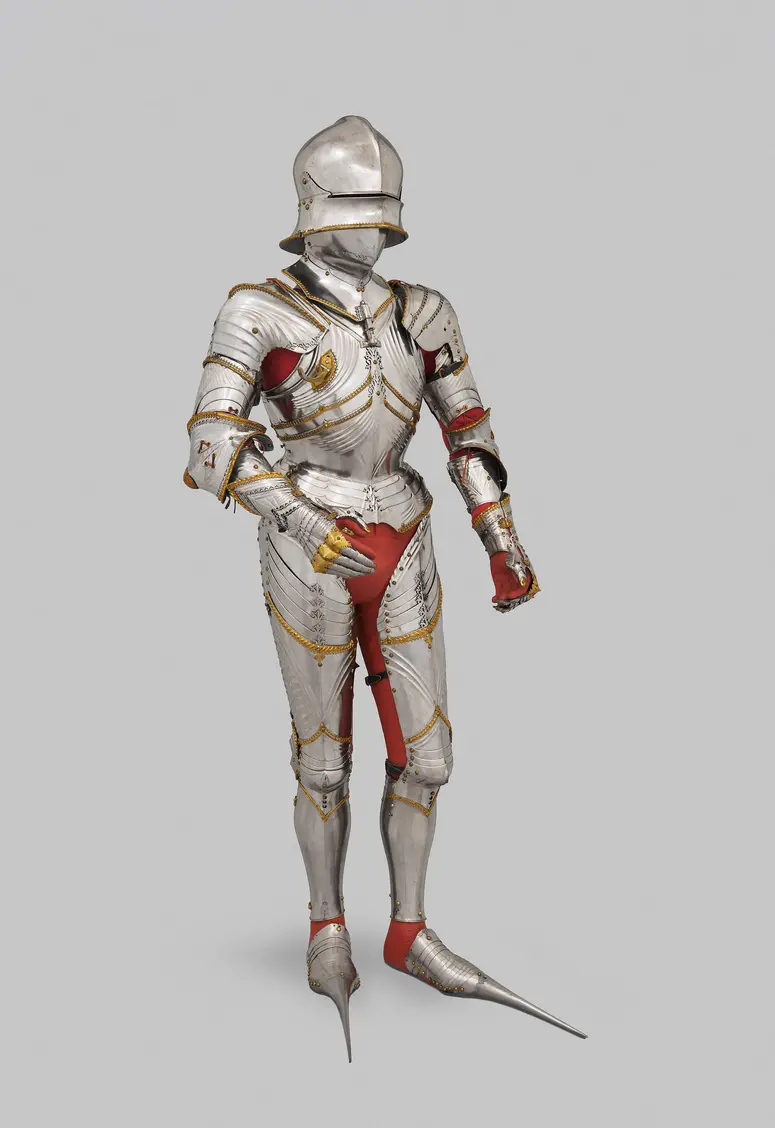
Maximilian I. (1477-1519), seit 1493 deutscher König, 1508 Kaiser um 1485
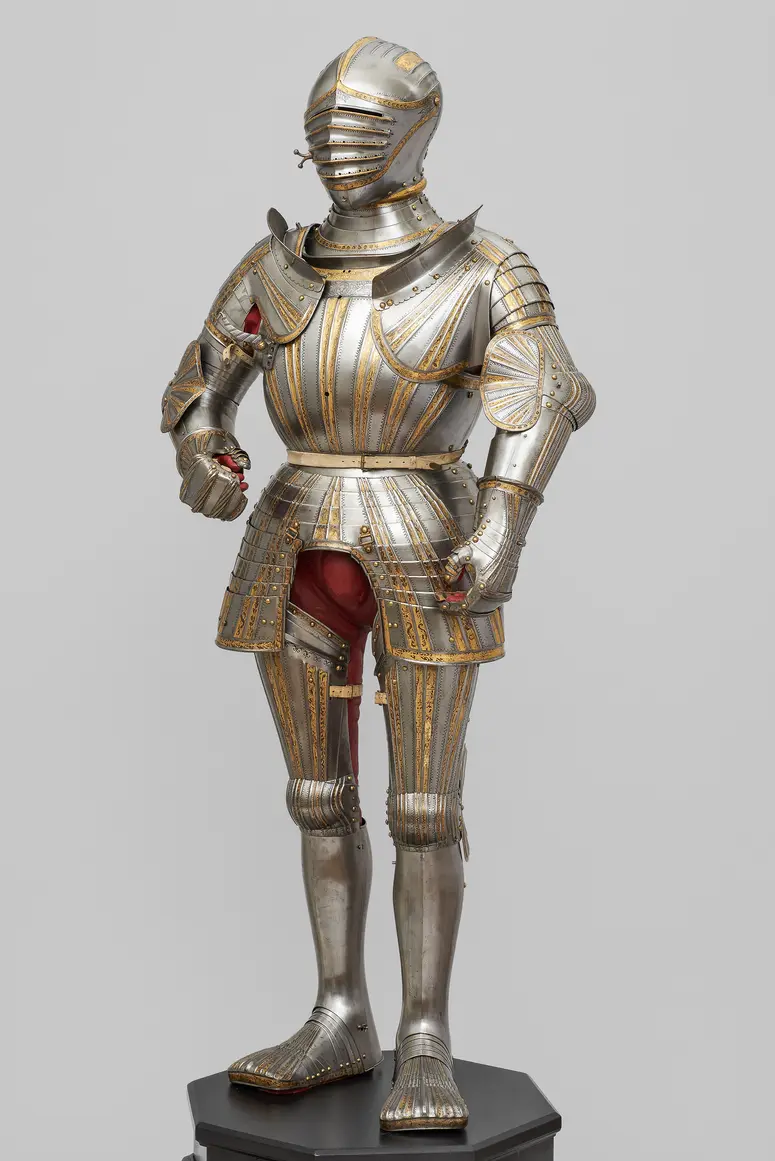
Matthäus Lang von Wellenburg (1519-1540), Erzbischof von Salzburg 1511

Philipp II. (1556-1598), König von Spanien, seit 1580 als Philipp I. König von Portugal 1544