Bow-carving Amor
after 1603 | Joseph Heintz d. Ä.
It wasn’t until 1603 that Emperor Rudolf II was able to purchase Parmigiano’s original painting. Rudolf’s court painter Josef Heintz produced this copy which was preserved together with the original over the following centuries. Both in the painting technique and in Heintz’s pictorial conception differences to the model have manifested themselves: through thinly applied translucent paint over an ochre coloured background the artist was able to achieve a stronger integration of Amor into the background, while Parmigianino, using a compacted painting style and cooler colours, places his bow carver more like a painted sculpture on a black background.
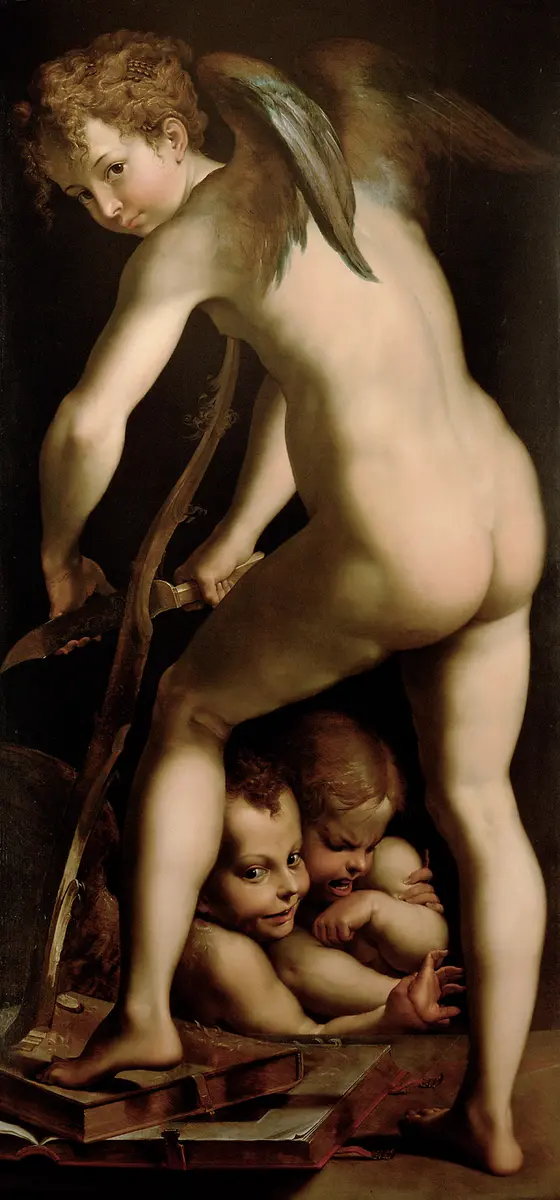
It wasn’t until 1603 that Emperor Rudolf II was able to purchase Parmigiano’s original painting. Rudolf’s court painter Josef Heintz produced this copy which was preserved together with the original over the following centuries. Both in the painting technique and in Heintz’s pictorial conception differences to the model have manifested themselves: through thinly applied translucent paint over an ochre coloured background the artist was able to achieve a stronger integration of Amor into the background, while Parmigianino, using a compacted painting style and cooler colours, places his bow carver more like a painted sculpture on a black background.
Artist:
Joseph Heintz d. Ä. (1564 Basel - 1609 Prag) DNB
Time:
after 1603
Object Name
Painting
Culture
German
Material/technology:
wood
Dimensions:
135 cm × 64 cm
Framed: 156,4 cm × 85,6 cm × 8,2 cm
Copyright
Kunsthistorisches Museum, Gemäldegalerie
Invs.
Gemäldegalerie, 1588
Provenance
ca 1610-1619 Imperial Collection Vienna
Browse more
Similar items you might be interested in
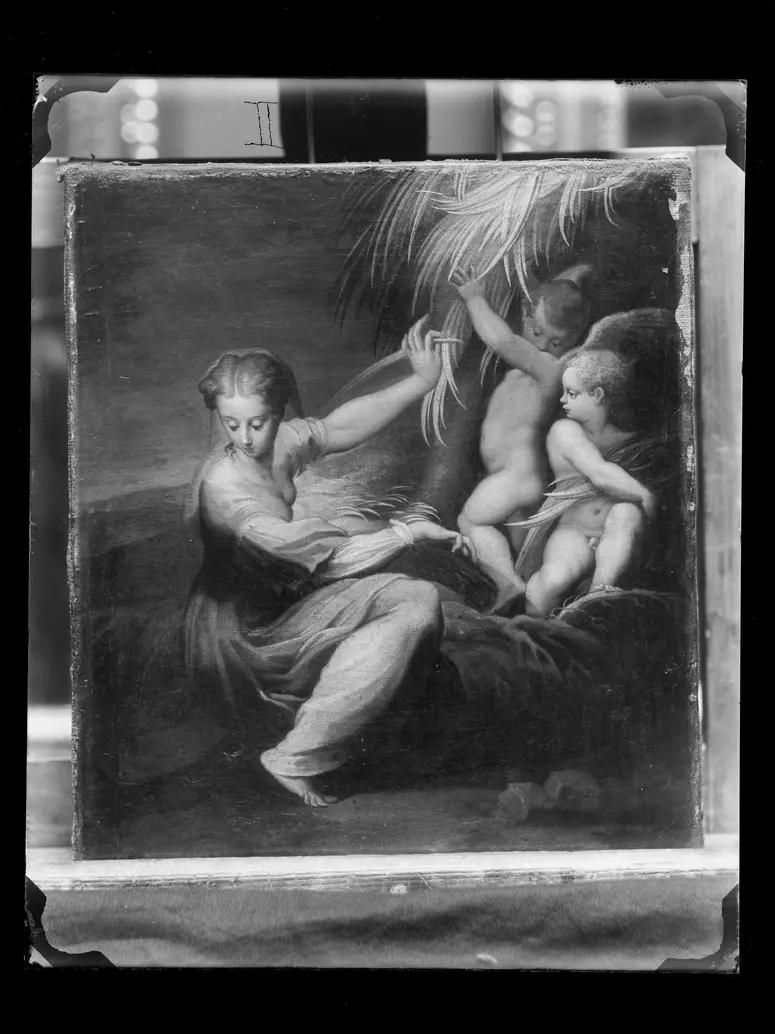
Hl. Katharina J. Löwy, K. und K. Hof-Photograph, Kunst- und Verlagsanstalt (Wien) 1888 bis 1891
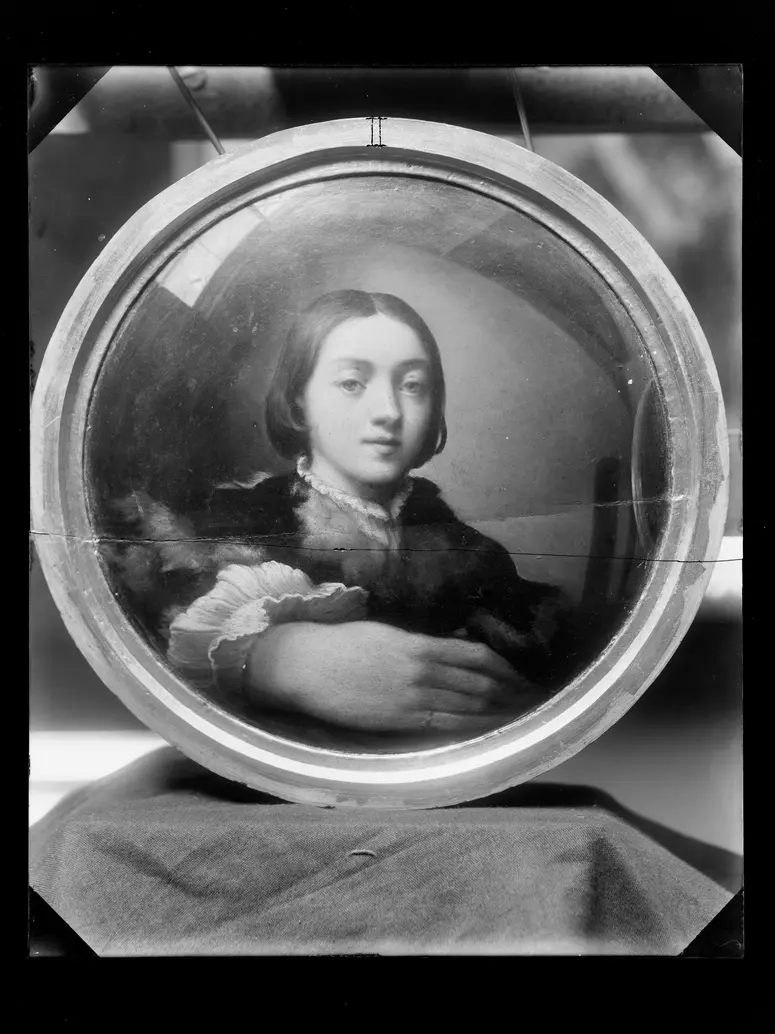
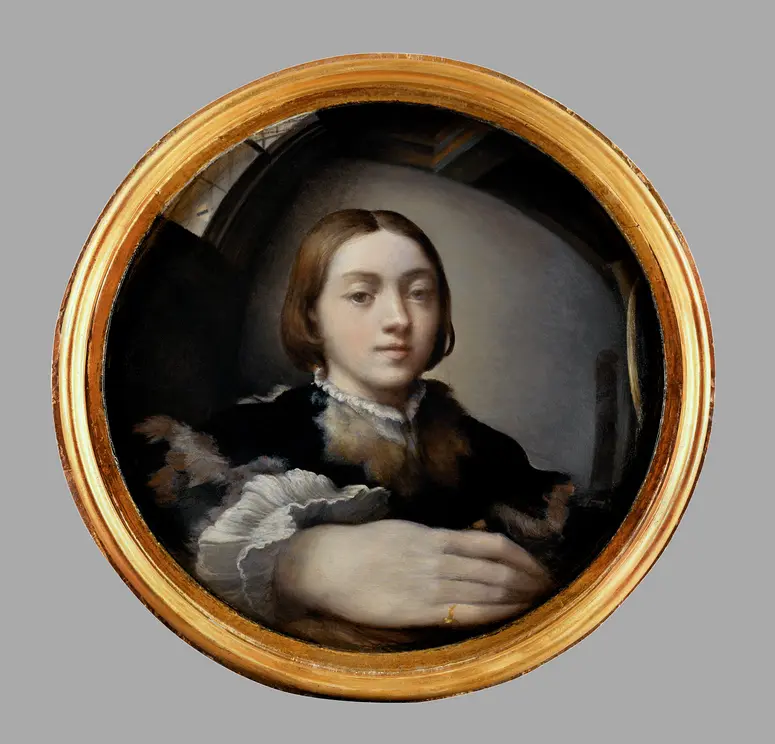
Selbstbildnis im Konvexspiegel J. Löwy, K. und K. Hof-Photograph, Kunst- und Verlagsanstalt (Wien) 1888 bis 1891
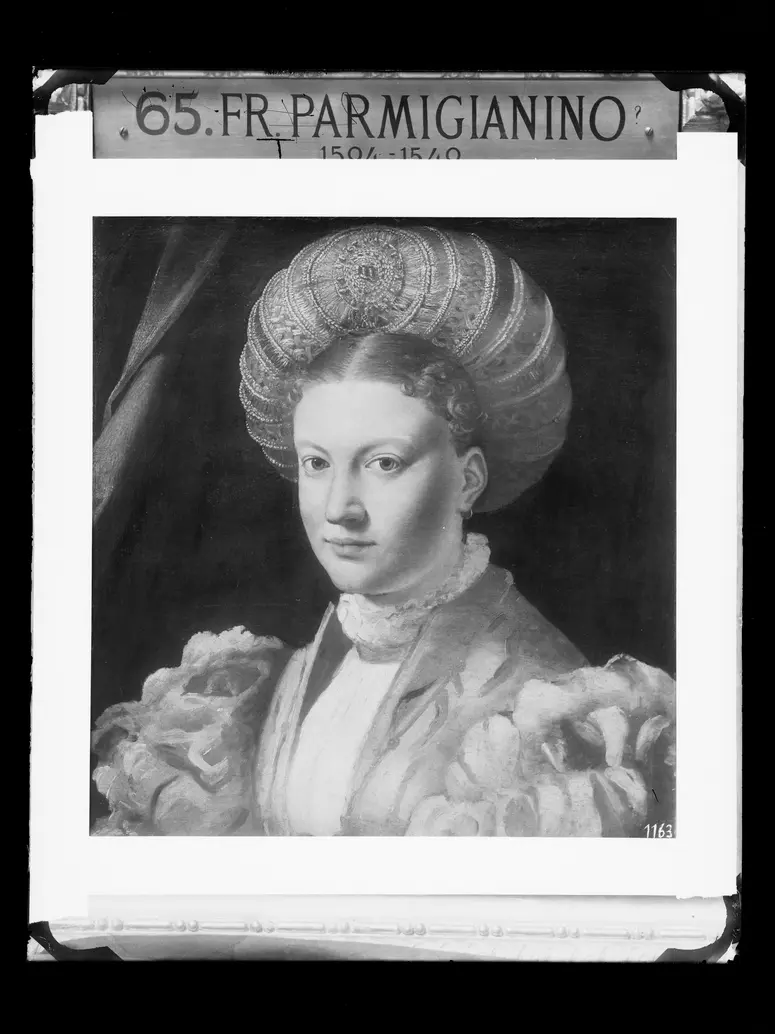
Bildnis einer jungen Dame J. Löwy, K. und K. Hof-Photograph, Kunst- und Verlagsanstalt (Wien) 1888 bis 1891

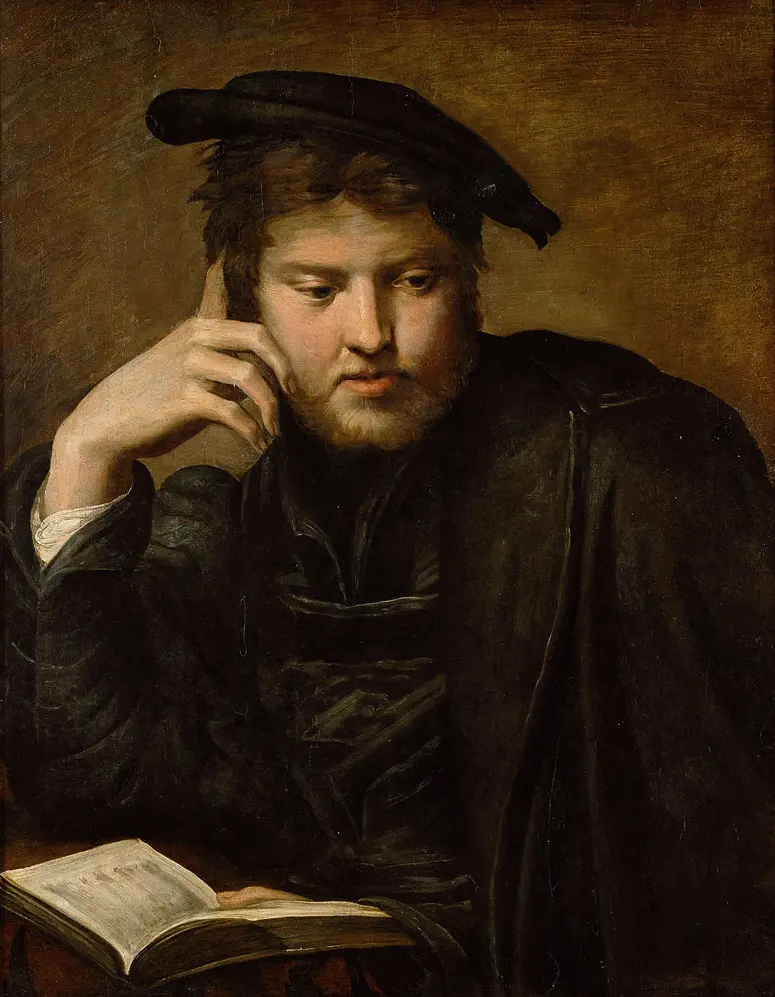
Bildnis eines Mannes mit Buch J. Löwy, K. und K. Hof-Photograph, Kunst- und Verlagsanstalt (Wien) 1888 bis 1891
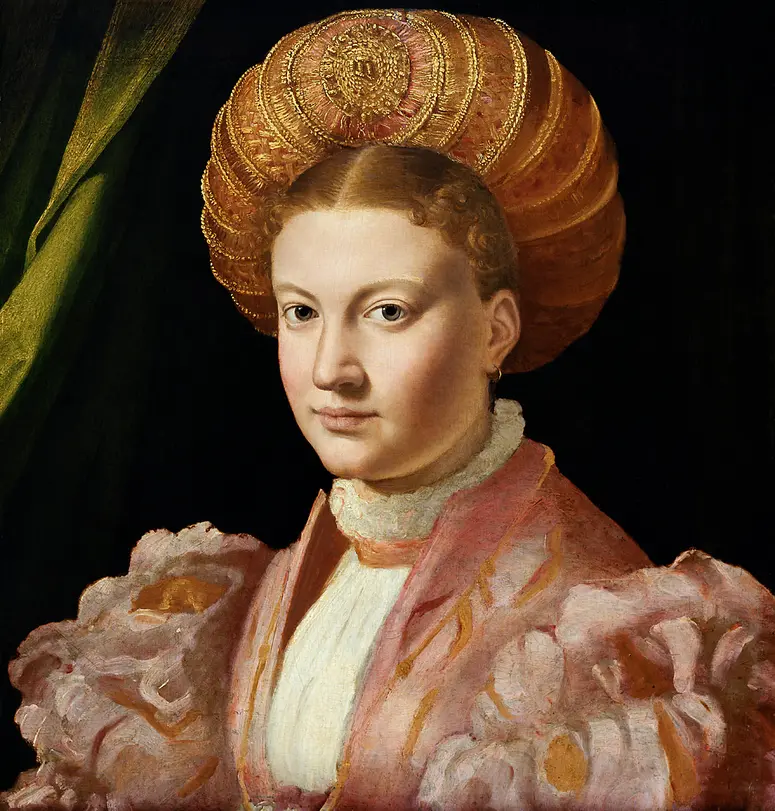

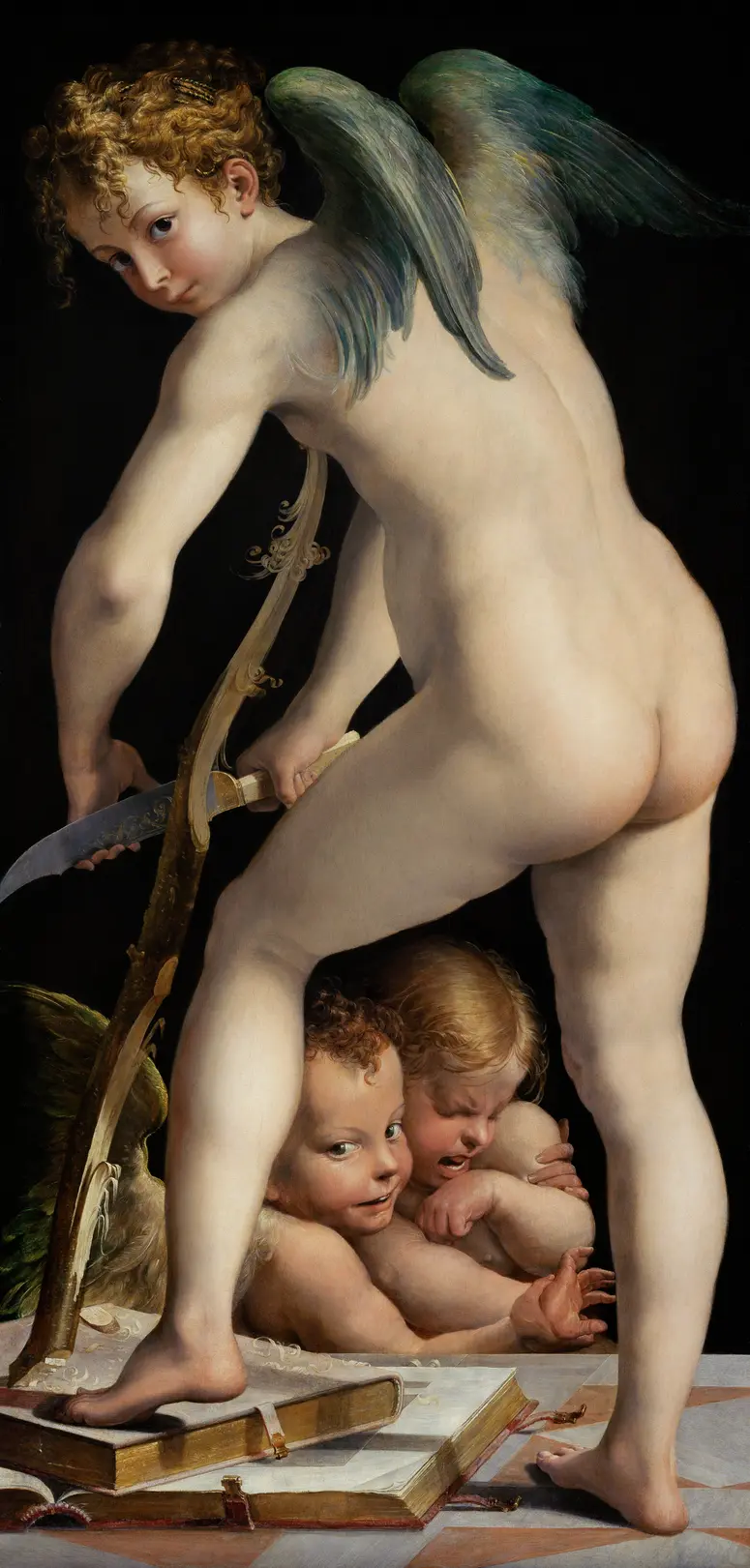
Bogenschnitzender Amor J. Löwy, K. und K. Hof-Photograph, Kunst- und Verlagsanstalt (Wien) 1888 bis 1891
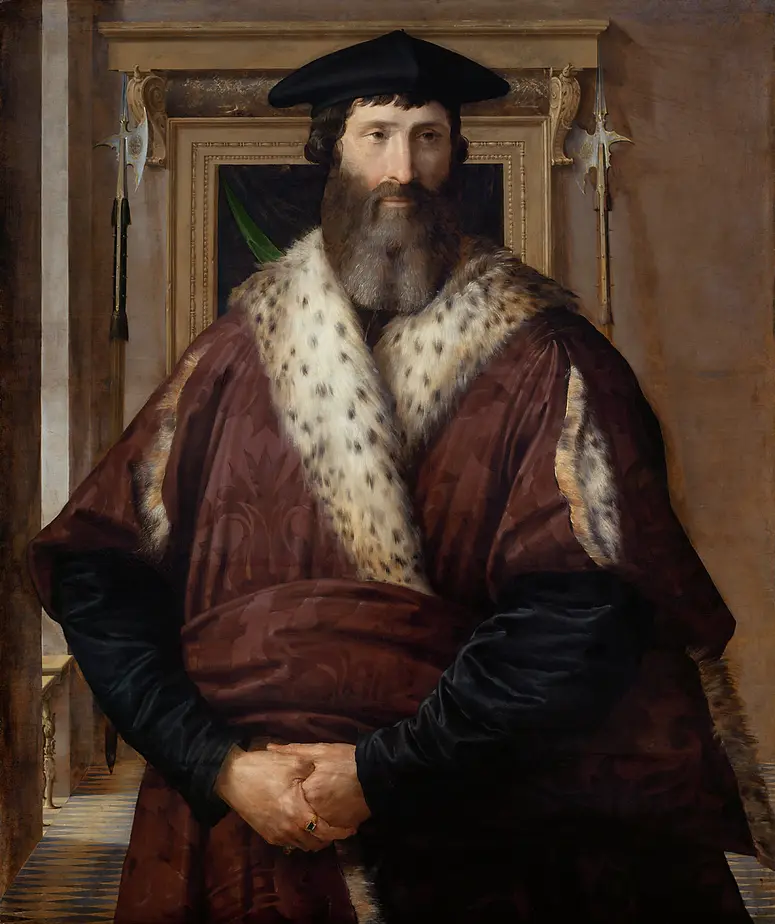
Bildnis eines Würdenträgers (früher: Condottiere Malatesta Baglione?) J. Löwy, K. und K. Hof-Photograph, Kunst- und Verlagsanstalt (Wien) 1888 bis 1891
Saint Mary Appears to the Saints Jacob and Anthony of Egypt Giovanni Lanfranco around 1623/24
Opfer Abrahams J. Löwy, K. und K. Hof-Photograph, Kunst- und Verlagsanstalt (Wien) 1888 bis 1910
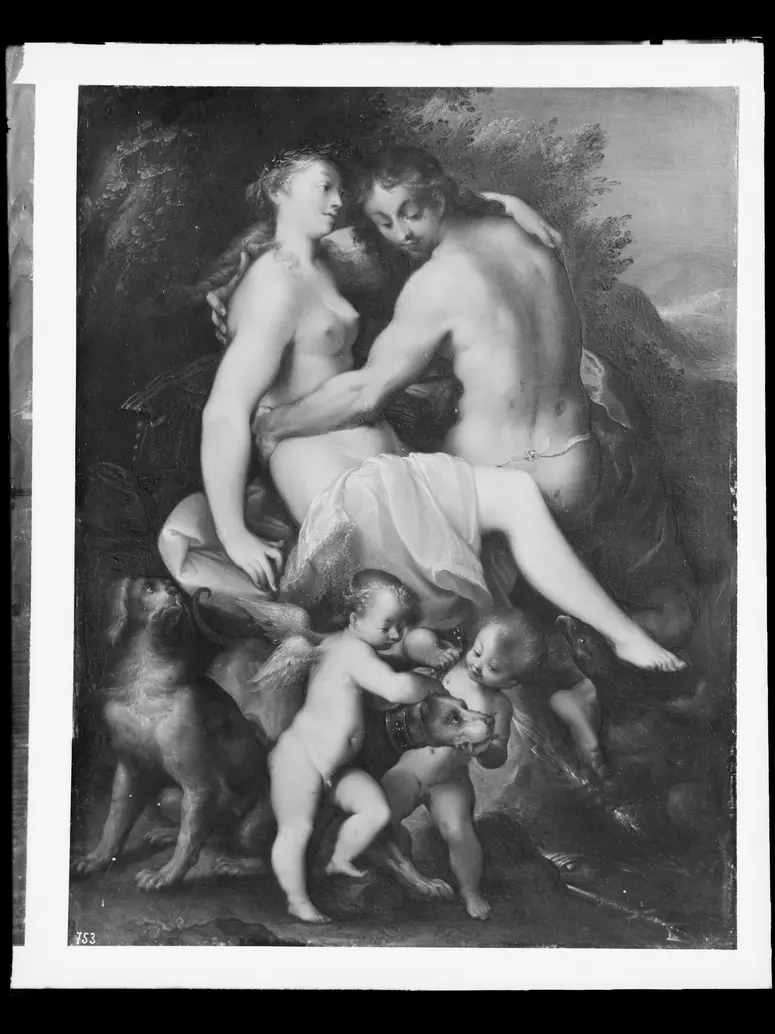
Zeus und Kallisto J. Löwy, K. und K. Hof-Photograph, Kunst- und Verlagsanstalt (Wien) 1888 bis 1891
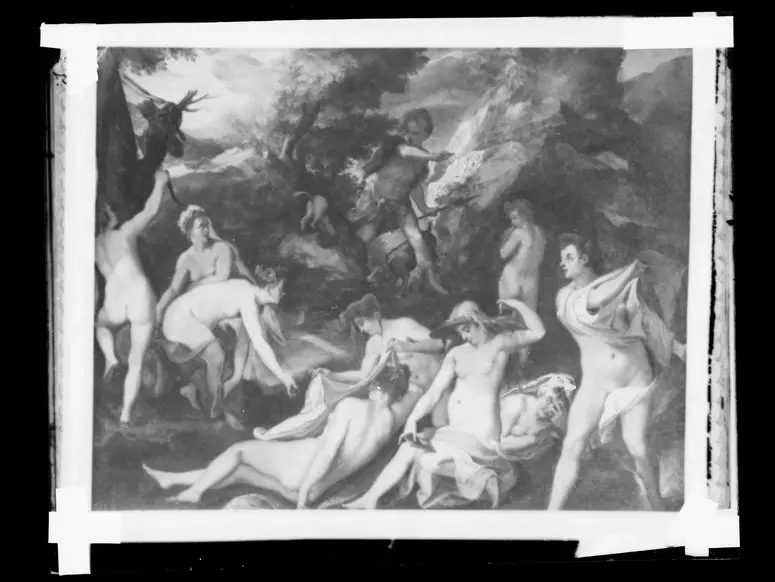
Diana und Aktaeon J. Löwy, K. und K. Hof-Photograph, Kunst- und Verlagsanstalt (Wien) 1888 bis 1891
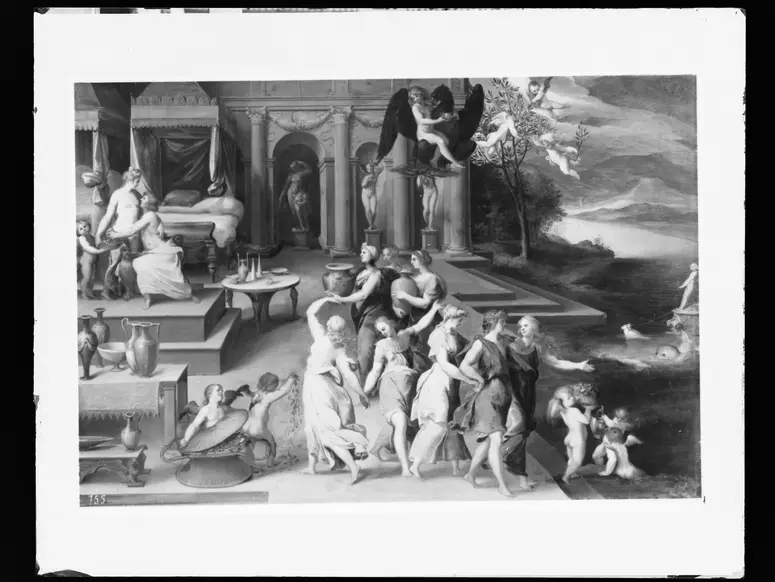
Mythologische Hochzeit J. Löwy, K. und K. Hof-Photograph, Kunst- und Verlagsanstalt (Wien) 1888 bis 1891