So-called Second Rolling-Ball Clock
dated 1599 | Christoph Margraf
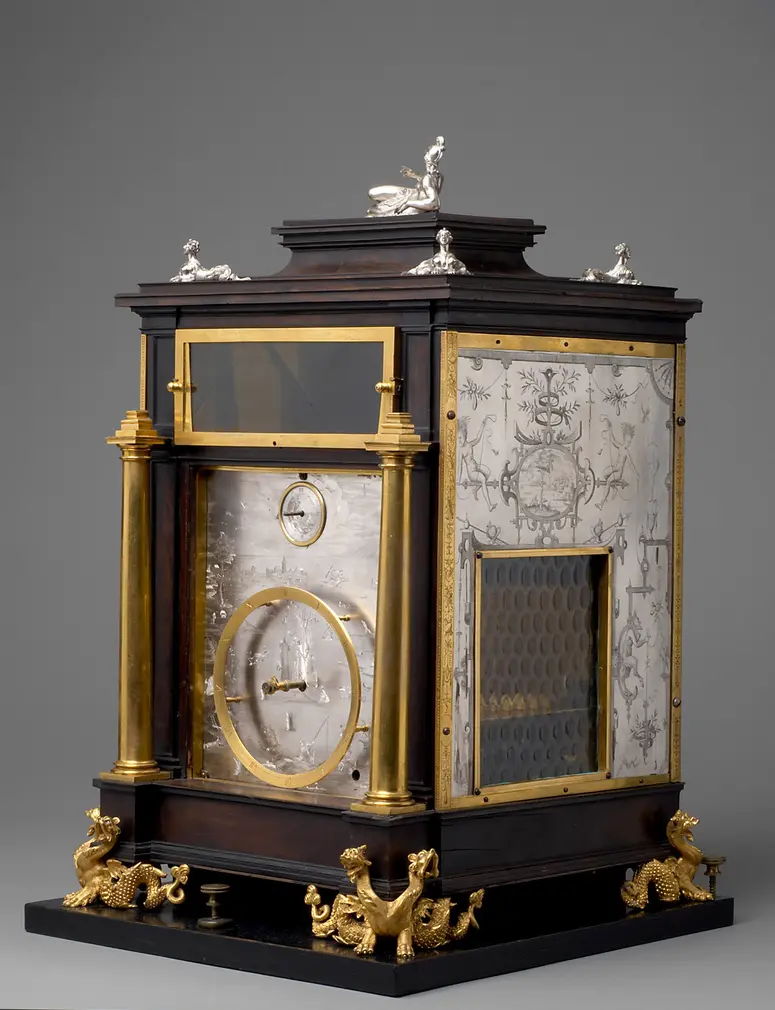
The Rolling-Ball Clock: Invented for Emperor Rudolf II The court clockmaker Christoph Margraf invented the rolling-ball clockwork, which featured a new principle of timekeeping. A ball runs down a slope between two wires, sets a second ball in motion, and then is raised back to its initial position. A counting mechanism transfers the information to a clock face. The three such clocks that have been preserved are mounted in cases with reflecting mirrors and scenery.
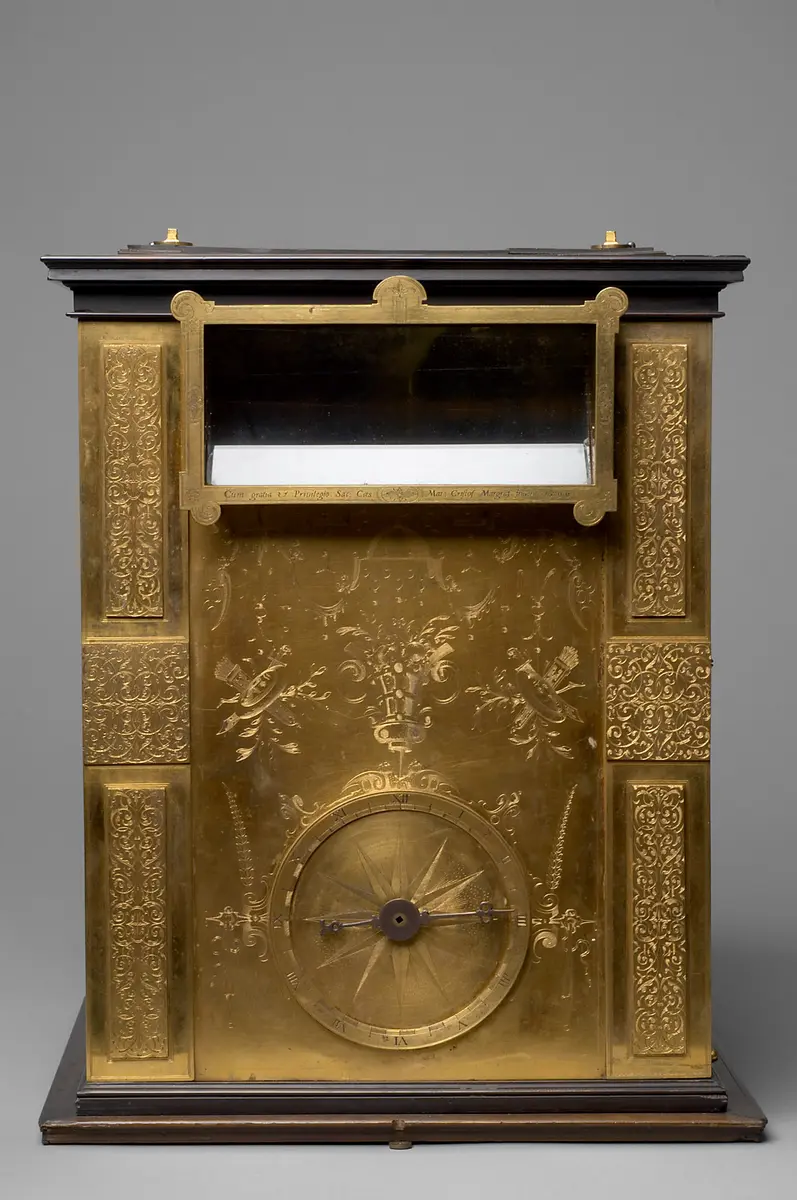
The Rolling-Ball Clock: Invented for Emperor Rudolf II The court clockmaker Christoph Margraf invented the rolling-ball clockwork, which featured a new principle of timekeeping. A ball runs down a slope between two wires, sets a second ball in motion, and then is raised back to its initial position. A counting mechanism transfers the information to a clock face. The three such clocks that have been preserved are mounted in cases with reflecting mirrors and scenery.
Artist:
Christoph Margraf (nachweisbar Prag 1595 - 1612)
Time:
dated 1599
Object Name
Rolling-Ball Clock
Culture
Prague
Material/technology:
Wood, gilded copper alloy, glass, wax, iron
Dimensions:
H. 39,8 cm, B. 31,4 cm, T. 31,8 cm
Signed
Cum gratia & Privilegio Sac: Caes: Mai: Cristof Margraf Invent: 1599
Copyright
Kunsthistorisches Museum, Kunstkammer
Invs.
Kunstkammer, 840
Browse more
Similar items you might be interested in

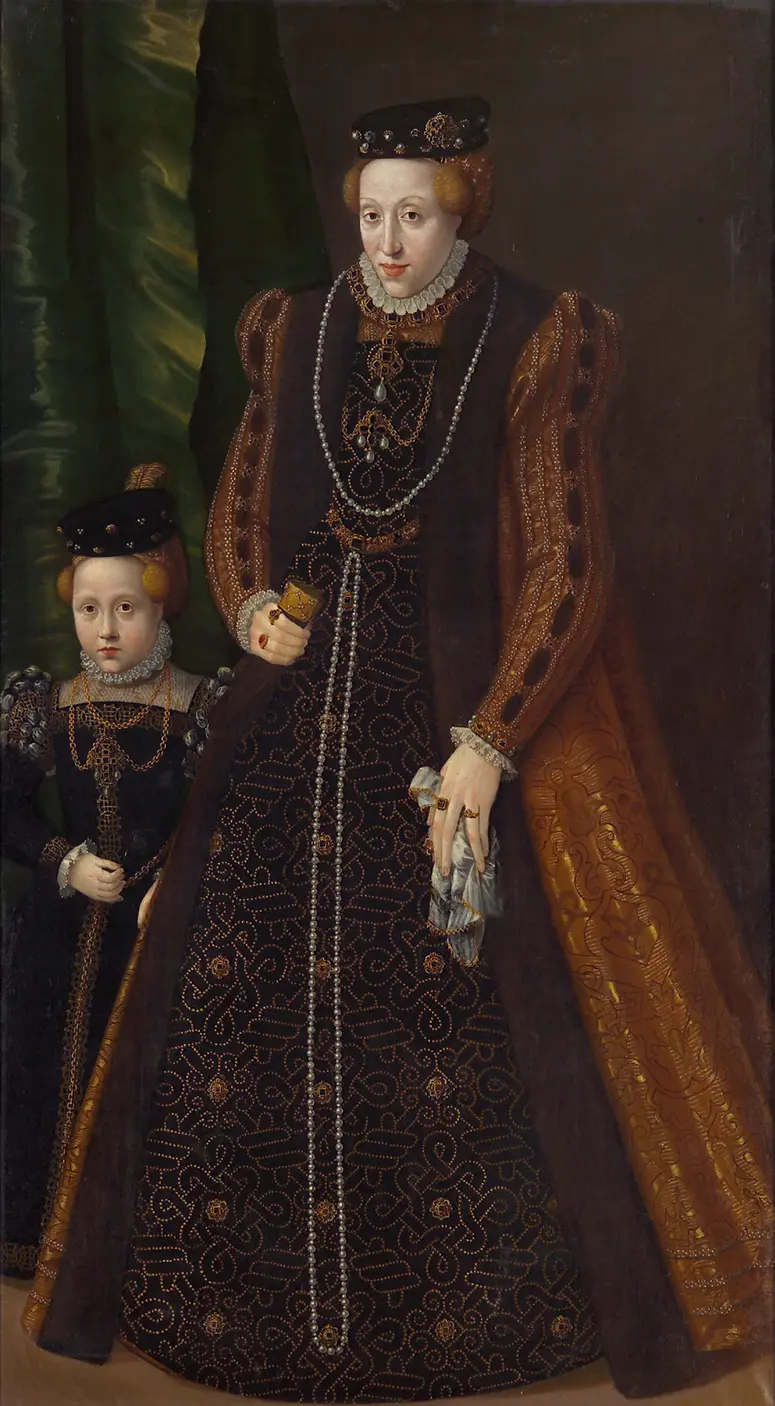
Erzherzogin Maria (1531-1581), Herzogin von Jülich, Cleve und Berg, Bildnis in ganzer Figur mit ihrer erstgeborenen Tochter Maria Eleonore Hans Besser um 1555
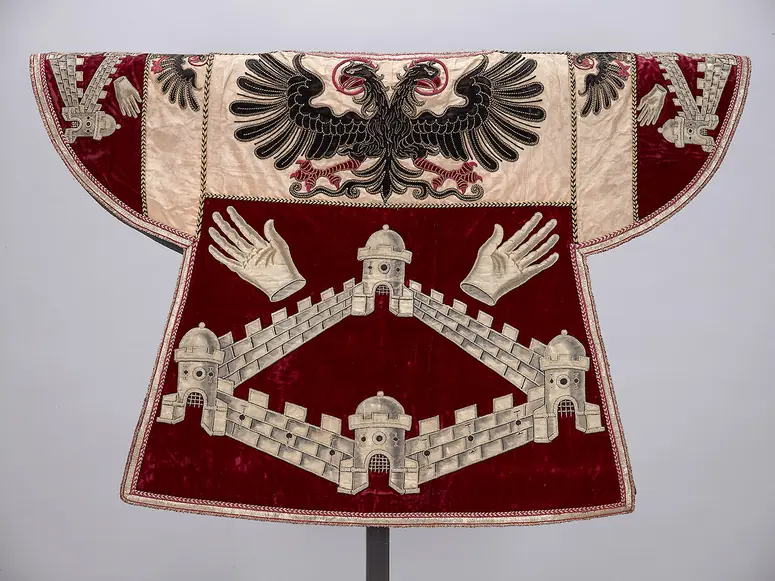
Herald’s tabard for the Margraviate of Antwerp Louis Aimé 1600–1700
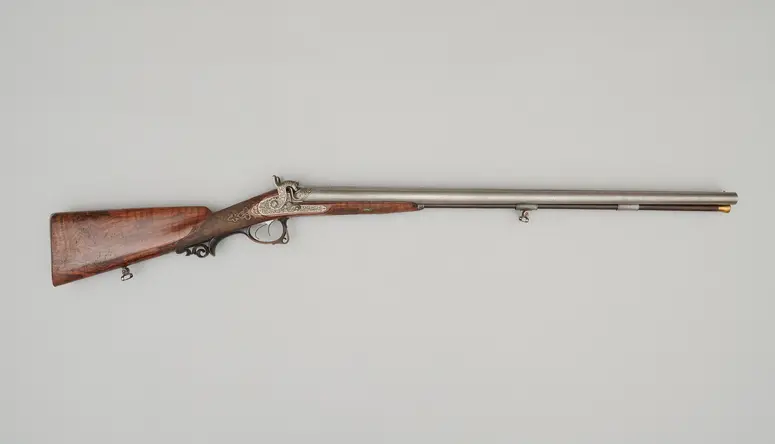
Franz Joseph I. (1848-1916), Kaiser von Österreich, König von Böhmen und Ungarn um 1850
Franz Joseph I. (1848-1916), Kaiser von Österreich, König von Böhmen und Ungarn um 1850
Franz Joseph I. (1848-1916), Kaiser von Österreich, König von Böhmen und Ungarn um 1850

Glockenkrater: Zeus und Apollon (A), Drei Jünglinge (B) Griechisch, Attisch, rotfigurig 1. Hälfte 4. Jh. v. Chr.
Statuette: Stehende Frau mit Kantharos (Trinkgefäß) Zyprisch, Eisenzeit, archaisch um 550 v. Chr.
Polyeder, Elfenbeinkugel, Kugel 2. Hälfte 16. Jahrhundert

Leopold V. (1619-1632), Erzherzog und Graf von Tirol, Bischof von Passau und Straßburg 1628
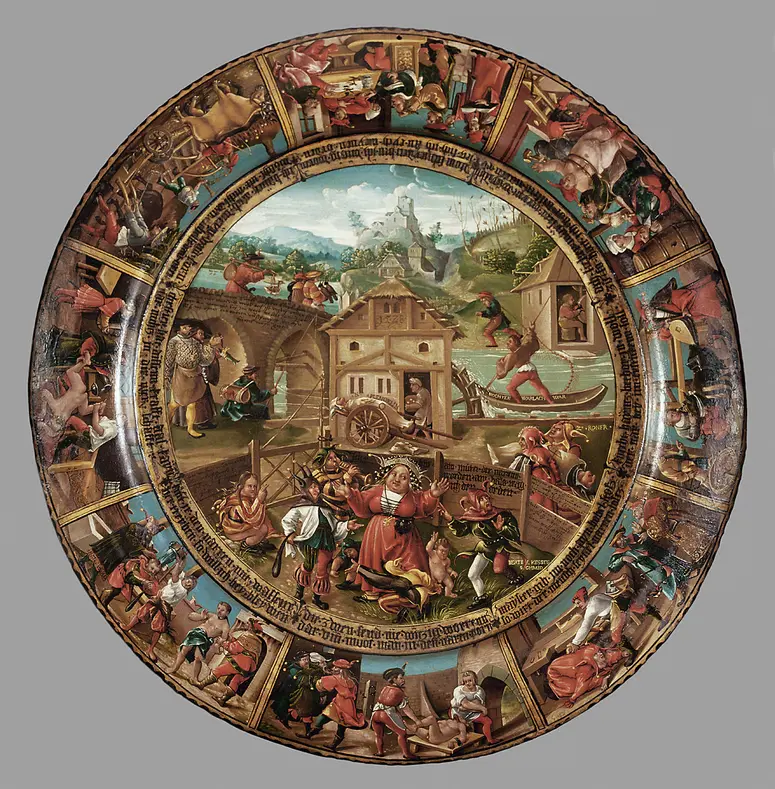
Teller; Miniatur, Narrenteller Jörg Breu d. Ä. 1528 datiert
