Senatus Consultum de Bacchanalibus
186 v. Chr.
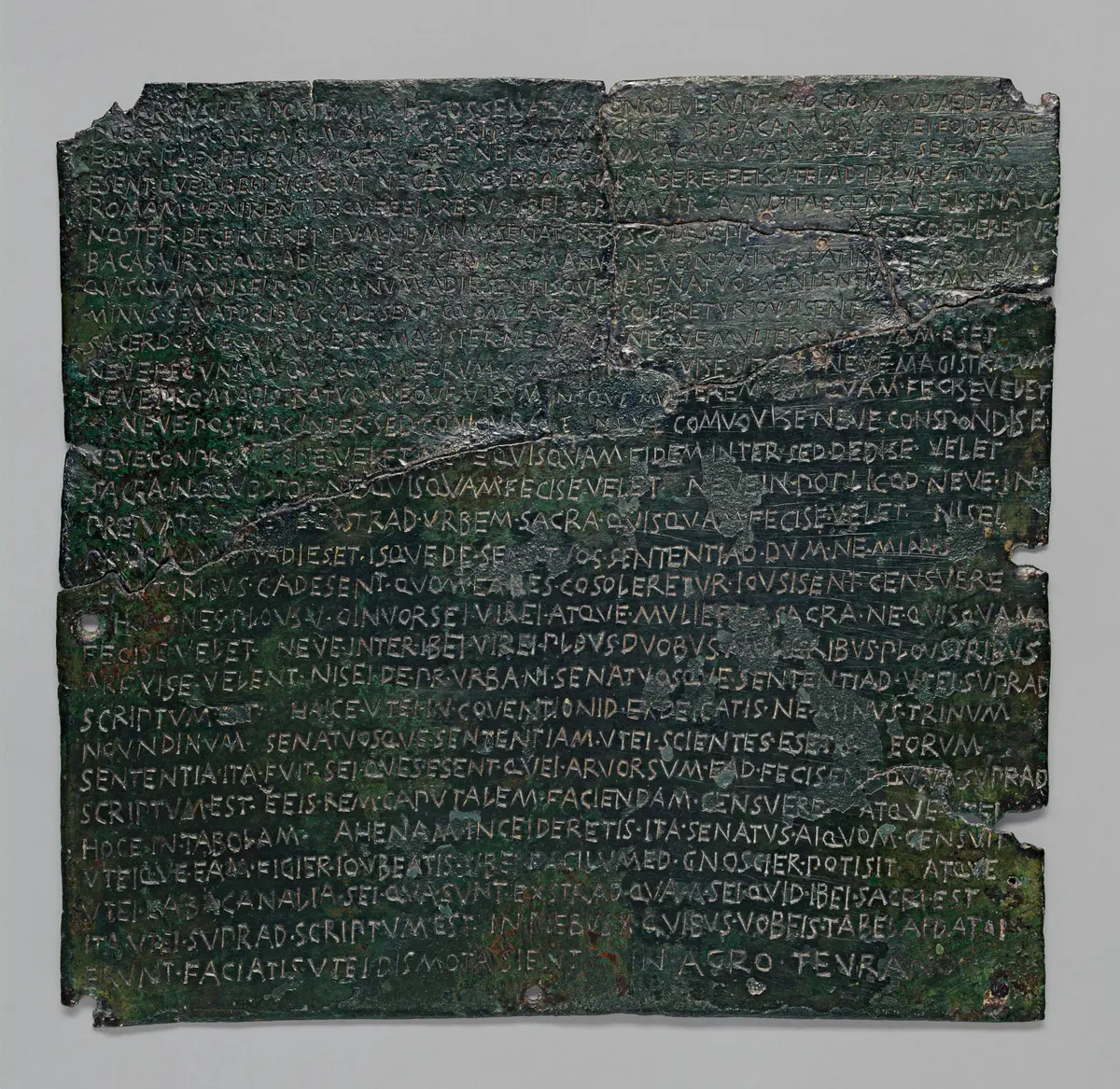
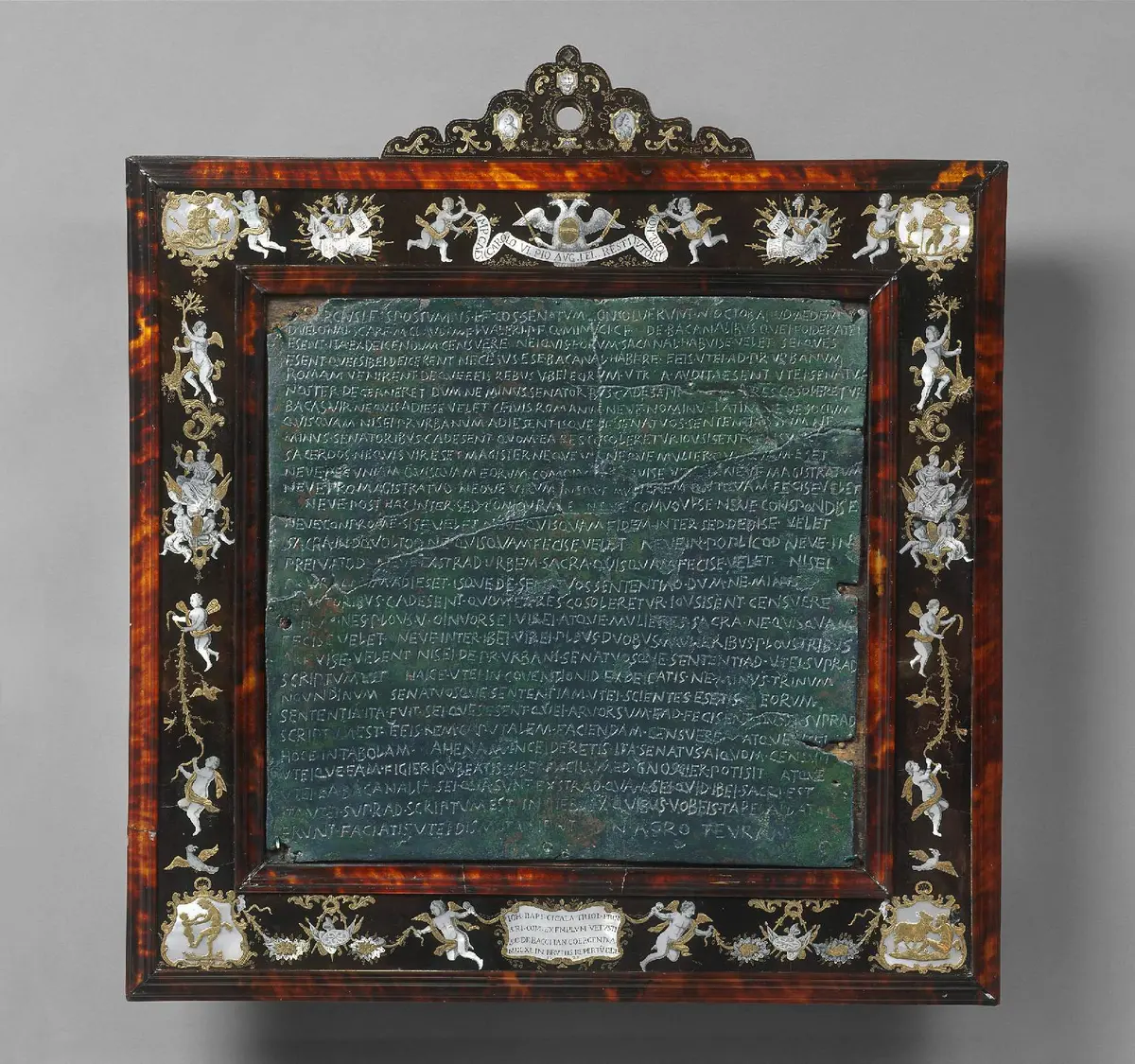
The famous bronze tablet contains the oldest surviving Senatorial decree in the Latin language. It prohibits the observance of the Bacchanalia festival, rites related to the cult of Dionysus/Bacchus. The mystery cult of Dionysus was celebrated in secret ceremonies and rituals. Festivals to honour the god sometimes led to ecstatic excesses, and the adherents of the cult were also accused of involvement in a conspiracy that threatened the state. This decree was designed to bring about the final dissolution of the cult of Bacchus. The present tablet is the only surviving copy of the edict, it also contains a command to announce the decree as well as its stipulations and penalties and to publish it in a readily accessible place. The tablet was found in 1640 during construction of a palace for the princes of Cigala in Tiriolo and was given a Baroque tortoise-shell frame that is inlaid with mother-of-pearl and gold. On the precious frame is a Latin dedication to Emperor Charles VI from the year 1727.
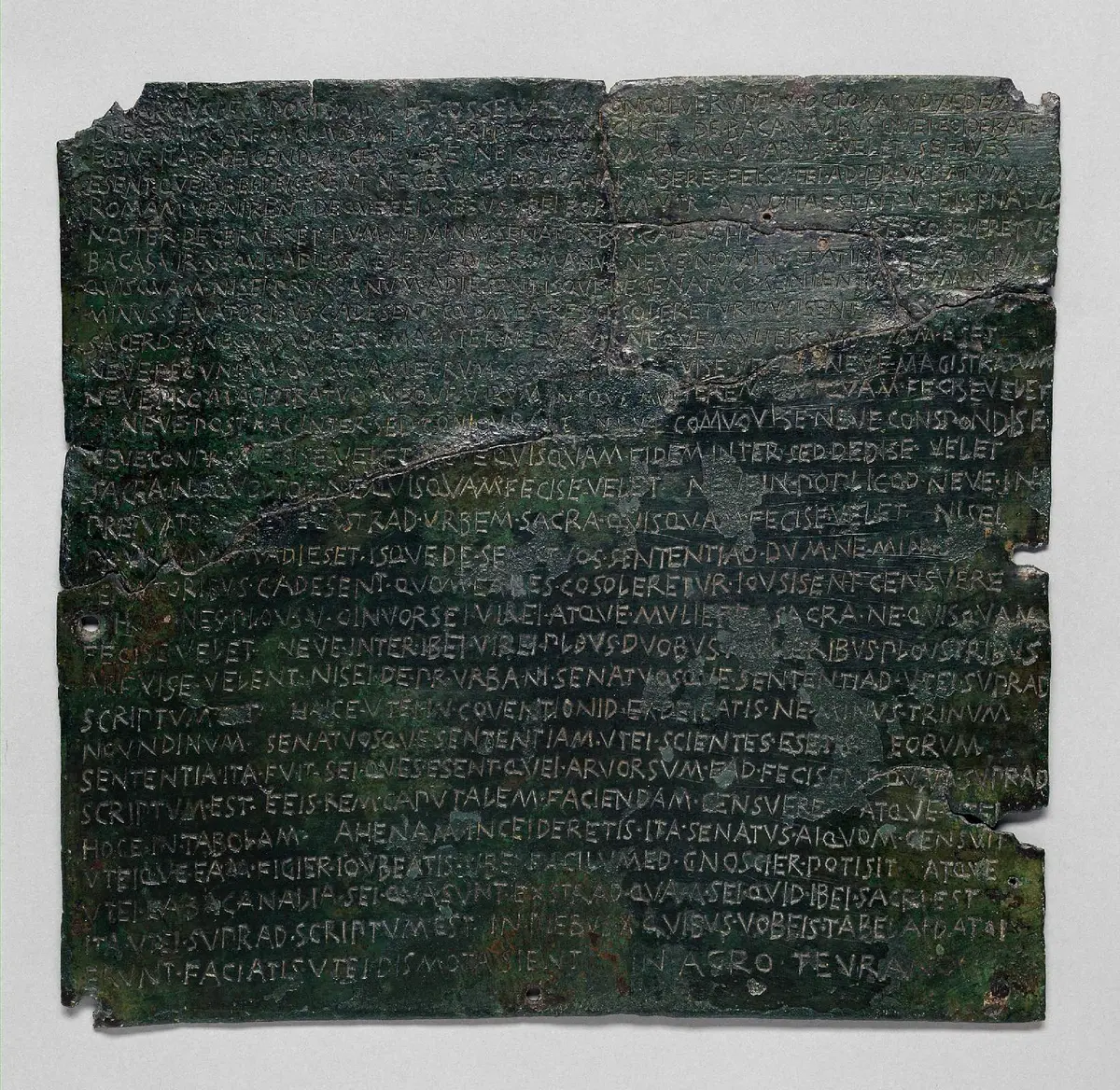
The famous bronze tablet contains the oldest surviving Senatorial decree in the Latin language. It prohibits the observance of the Bacchanalia festival, rites related to the cult of Dionysus/Bacchus. The mystery cult of Dionysus was celebrated in secret ceremonies and rituals. Festivals to honour the god sometimes led to ecstatic excesses, and the adherents of the cult were also accused of involvement in a conspiracy that threatened the state. This decree was designed to bring about the final dissolution of the cult of Bacchus. The present tablet is the only surviving copy of the edict, it also contains a command to announce the decree as well as its stipulations and penalties and to publish it in a readily accessible place. The tablet was found in 1640 during construction of a palace for the princes of Cigala in Tiriolo and was given a Baroque tortoise-shell frame that is inlaid with mother-of-pearl and gold. On the precious frame is a Latin dedication to Emperor Charles VI from the year 1727.
Time:
186 v. Chr.
Object Name
Inschrift
Culture
Römisch
Location of discovery:
Tiriolo (Kalabrien, Italien)
Material/technology:
Bronze
Dimensions:
27,3 cm × 28,5 cm × 0,4 cm
Copyright
Kunsthistorisches Museum, Antikensammlung
Invs.
Antikensammlung, III 168
Provenance
Kaiser Karl VI. (Geschenk 1727); Hofbibliothek; 1847 Übernahme
Browse more
Similar items you might be interested in
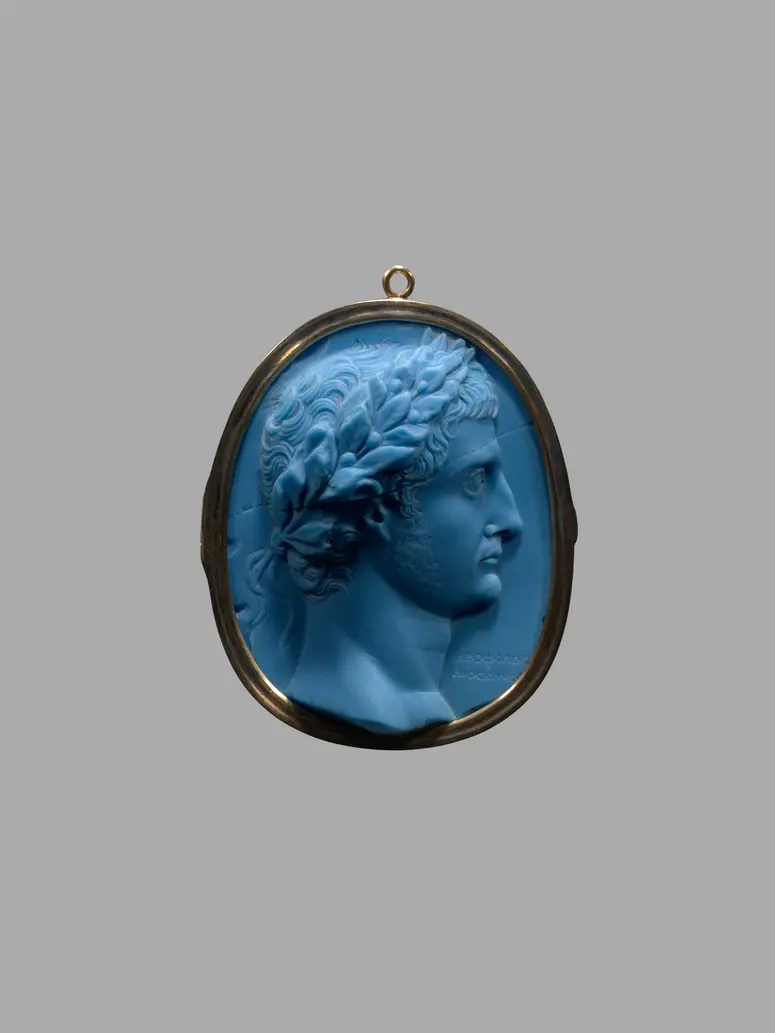
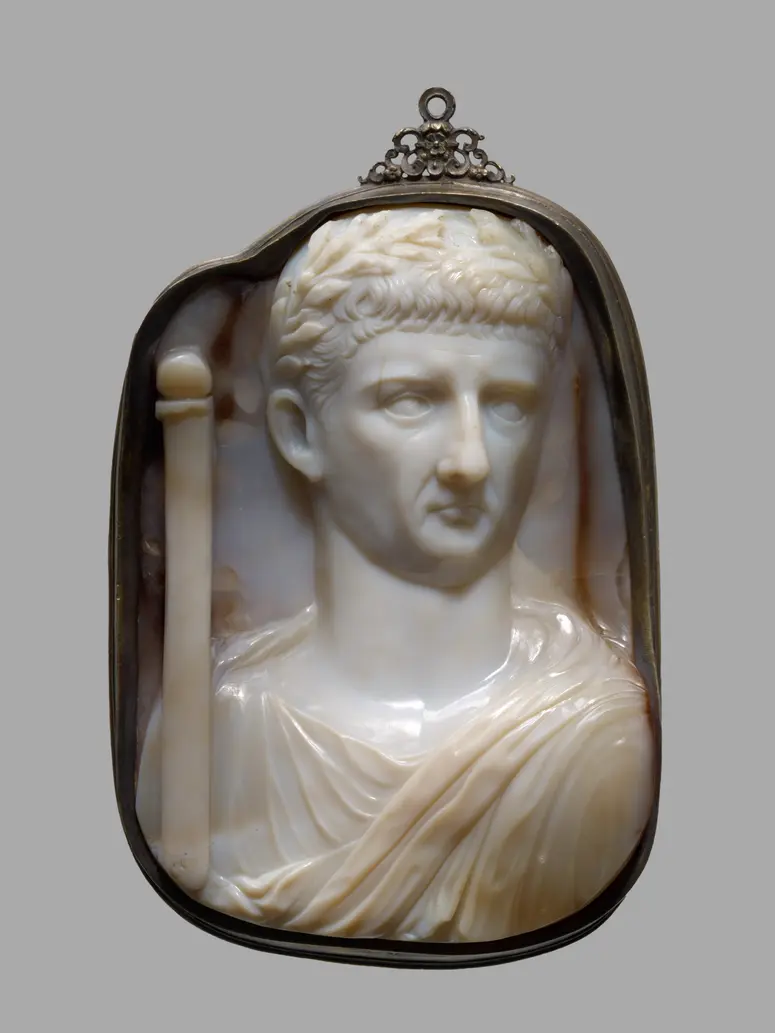
Glaskameo des Herophilos: Porträt des Drusus maior Römisch, Frühe Kaiserzeit um 20 n. Chr.
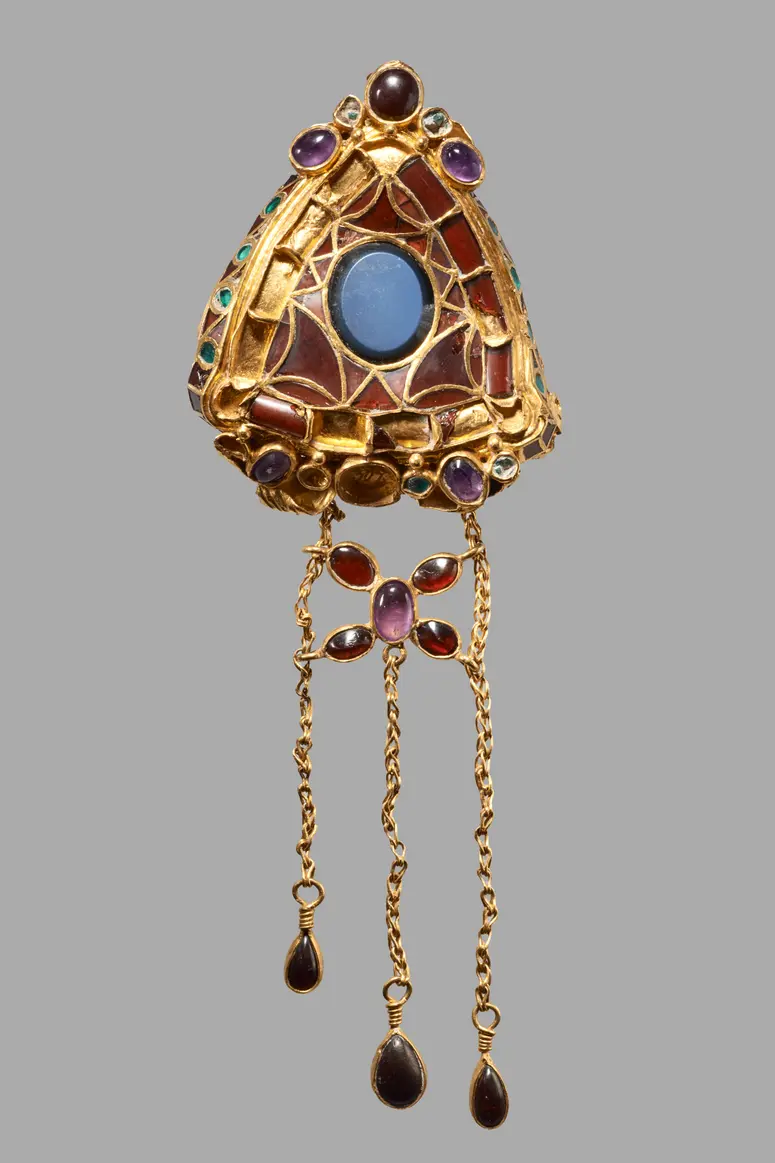
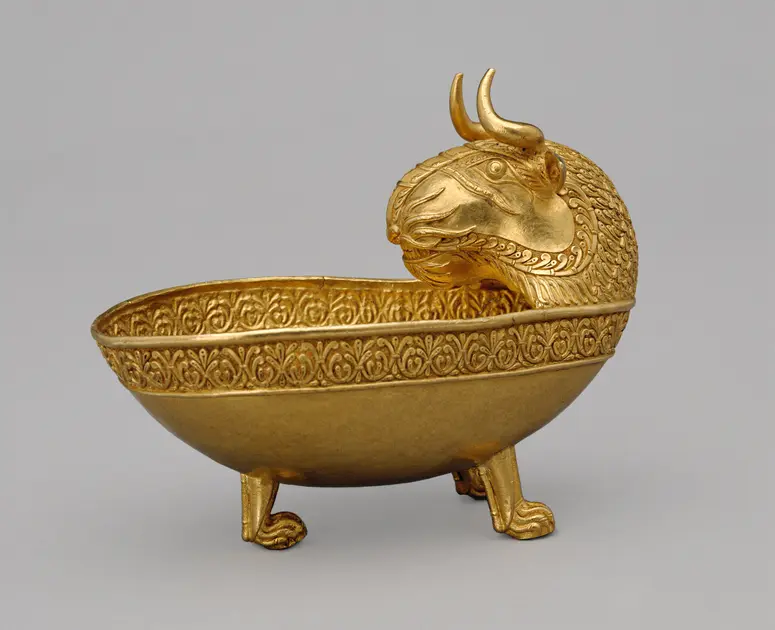
Stierkopfschale: Stierkopfschale Frühes Mittelalter 7. - 9. Jh. n. Chr. (2. Hälfte 8. Jh. n. Chr.?)
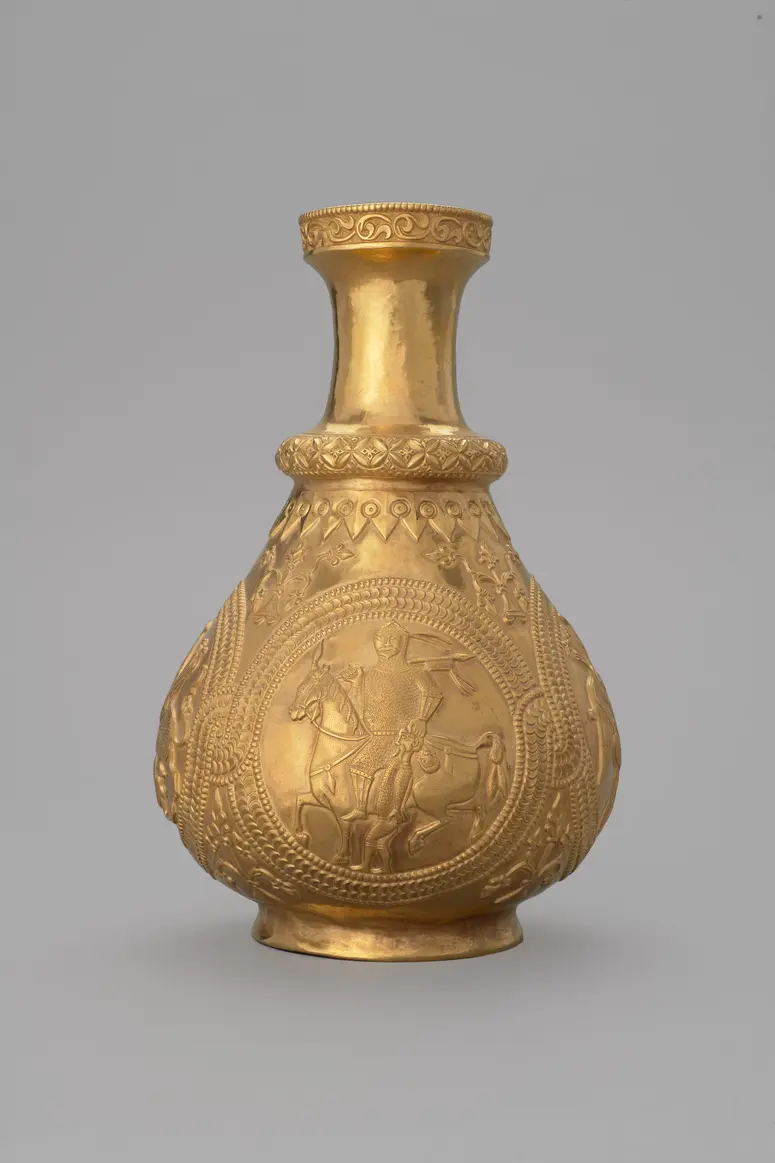
Medaillonkrug: Medaillonkrug Frühes Mittelalter 7. - 9. Jh. n. Chr. (1. Hälfte 8. Jh. n. Chr.?)
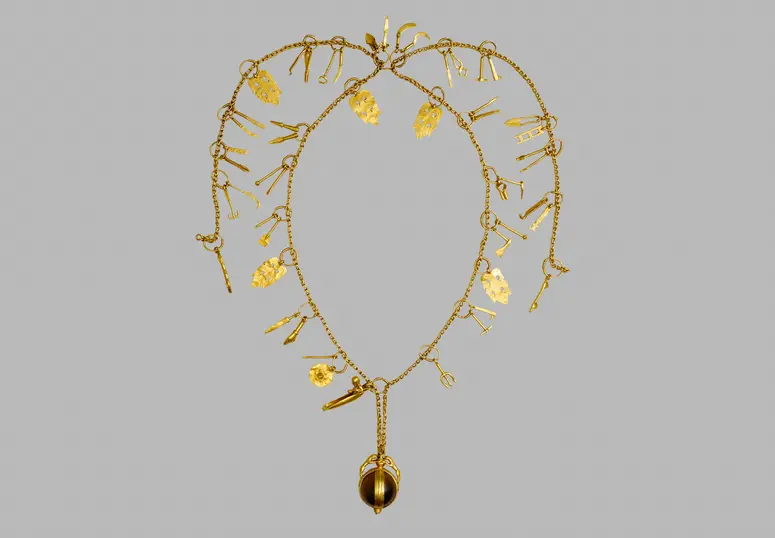
Goldkette mit 52 Anhängern: Goldkette mit 52 Anhängern Völkerwanderungszeit, Ostgermanisch (gepidisch?) Deponierung etwa 2. Viertel 5. Jh. n. Chr.

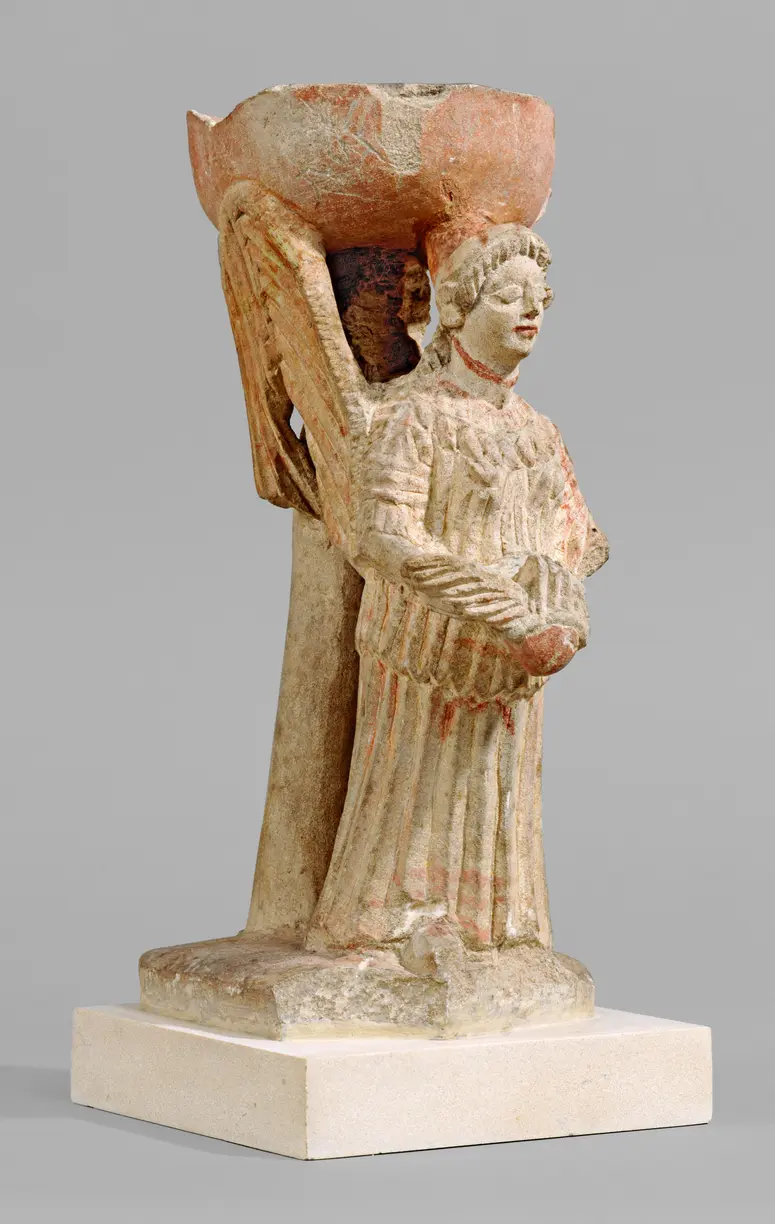
Räuchergefäß: Flügelfrau mit Räucherbecken Zyprisch, Eisenzeit, archaisch 1. Viertel 5. Jh. v. Chr.
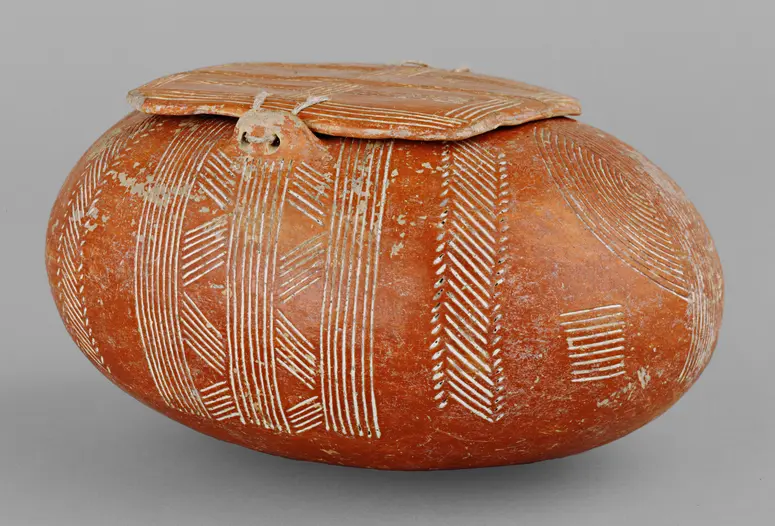
Deckelbüchse (Pyxis) der Red Polished III Ware: Ritzdekor Zyprisch, Bronzezeit, Früh- bis Mittelzyprisch 2000 - 1800 v. Chr.