Lucretia
around 1580/83 | Paolo Caliari, gen. Veronese
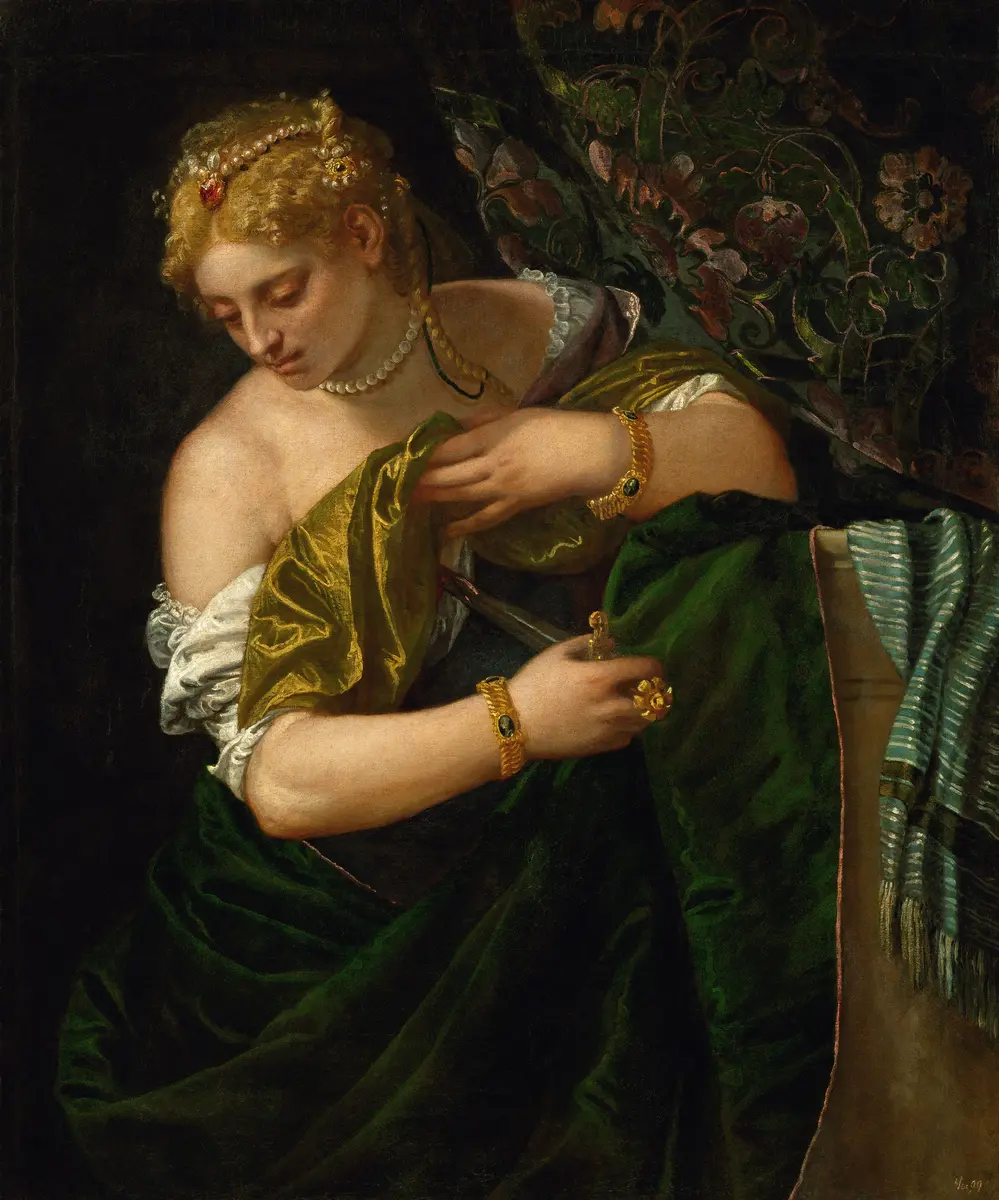
Lucretia commits suicide because she was raped by the king’s son Tarquinius. This picture may well be the companion picture to the biblical Judith – both acts belong to the oft-repeated examples of female heroism. Veronese reinterprets the moment of suicide, creating a theatrical and decorative depiction of the beautiful heroine. Only her face overshadowed by grief and the dagger which resembles an item of jewellery give away what has just happened.
Lucretia commits suicide because she was raped by the king’s son Tarquinius. This picture may well be the companion picture to the biblical Judith – both acts belong to the oft-repeated examples of female heroism. Veronese reinterprets the moment of suicide, creating a theatrical and decorative depiction of the beautiful heroine. Only her face overshadowed by grief and the dagger which resembles an item of jewellery give away what has just happened.
Artist:
Paolo Caliari, gen. Veronese (1528 Verona - 1588 Venedig) DNB
Time:
around 1580/83
Object Name
Painting
Culture
Italian, Venetian
Material/technology:
Canvas
Dimensions:
oben beschnitten: Overall: 109,5 cm x 90,5 cm x 2,5 cm
Framed: 128 cm x 109 cm x 6,5 cm
Copyright
Kunsthistorisches Museum, Gemäldegalerie
Invs.
Gemäldegalerie, 1561
Provenance
1663 proven in Ambras collection (?); 1733 Imperial Collection Vienna;
Browse more
Similar items you might be interested in
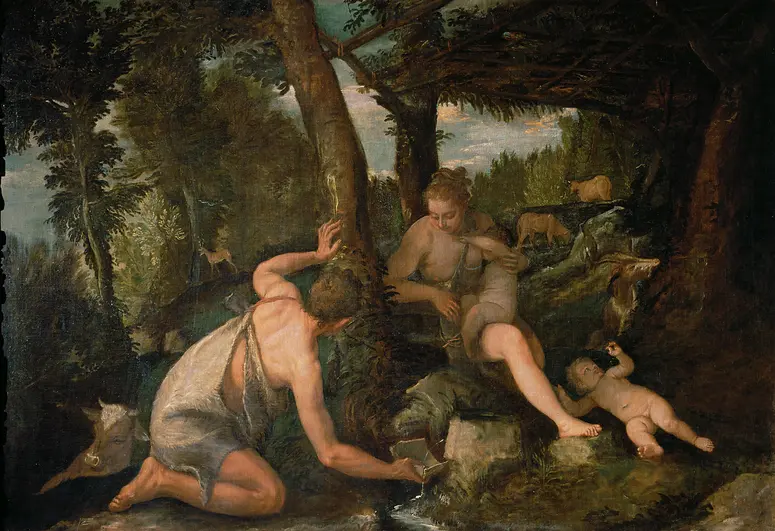
Adam and Eve after the Expulsion from Paradise Paolo Caliari, gen. Veronese about 1588/90
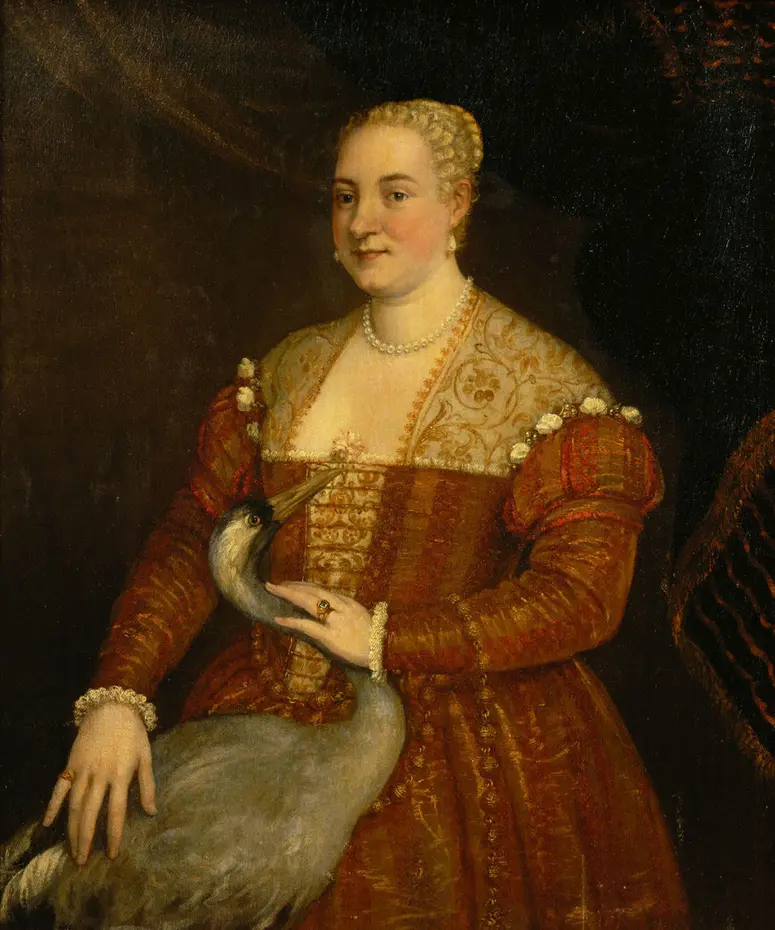
Bildnis einer Dame mit einem Kranich Paolo Caliari, gen. Veronese 60er Jahre 16. Jahrhundert
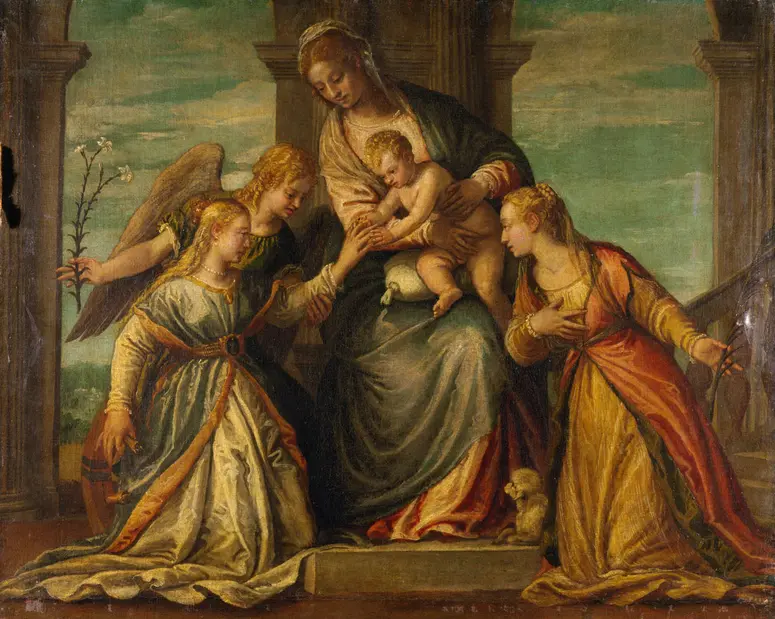
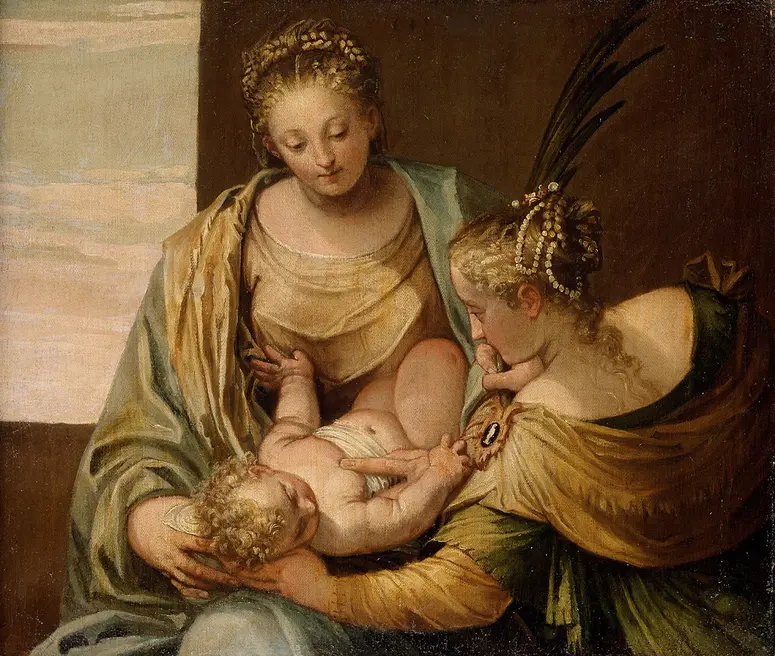
Mystische Vermählung der hl. Katharina und die hl. Agnes Paolo Caliari, gen. Veronese um 1590
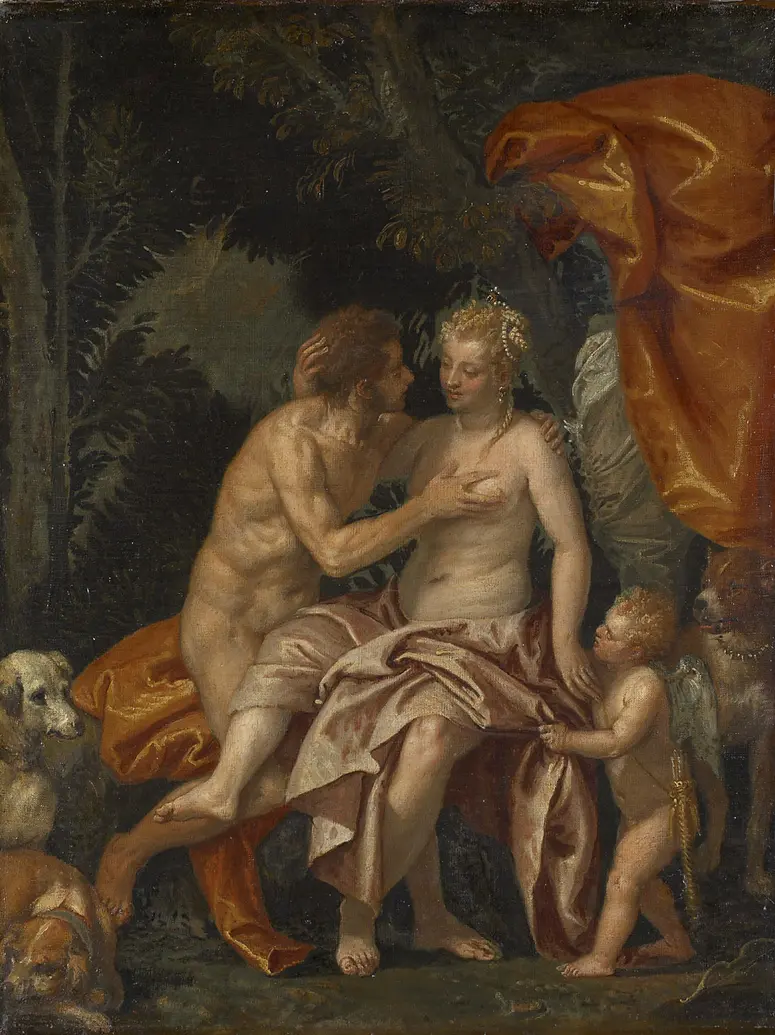
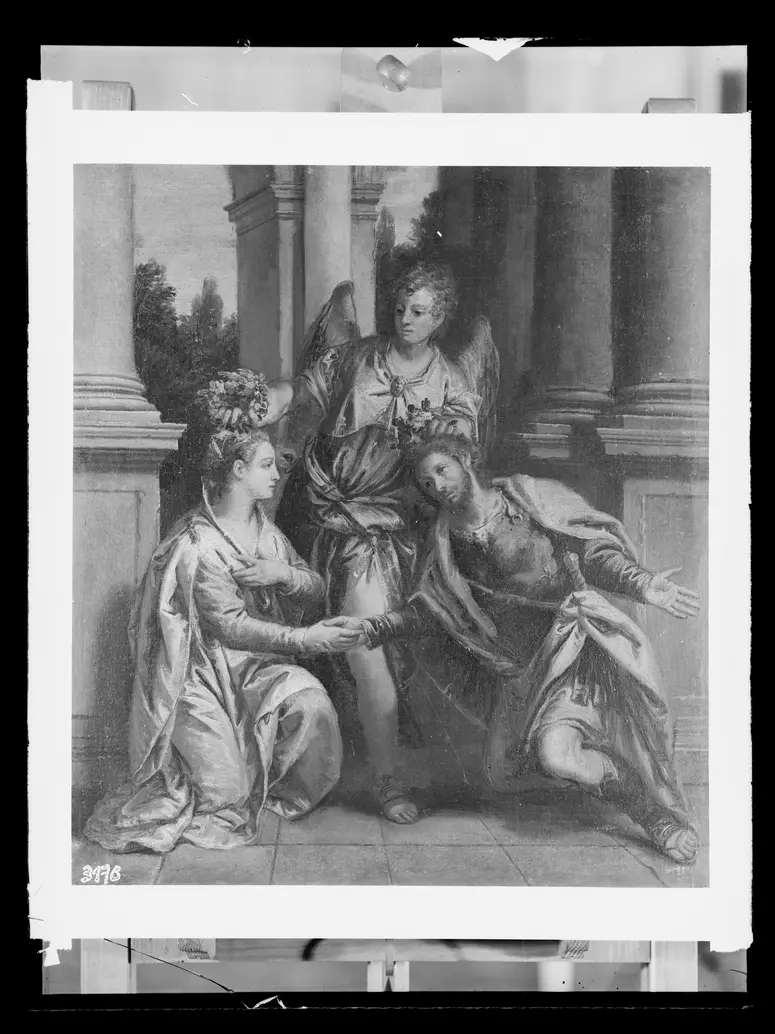
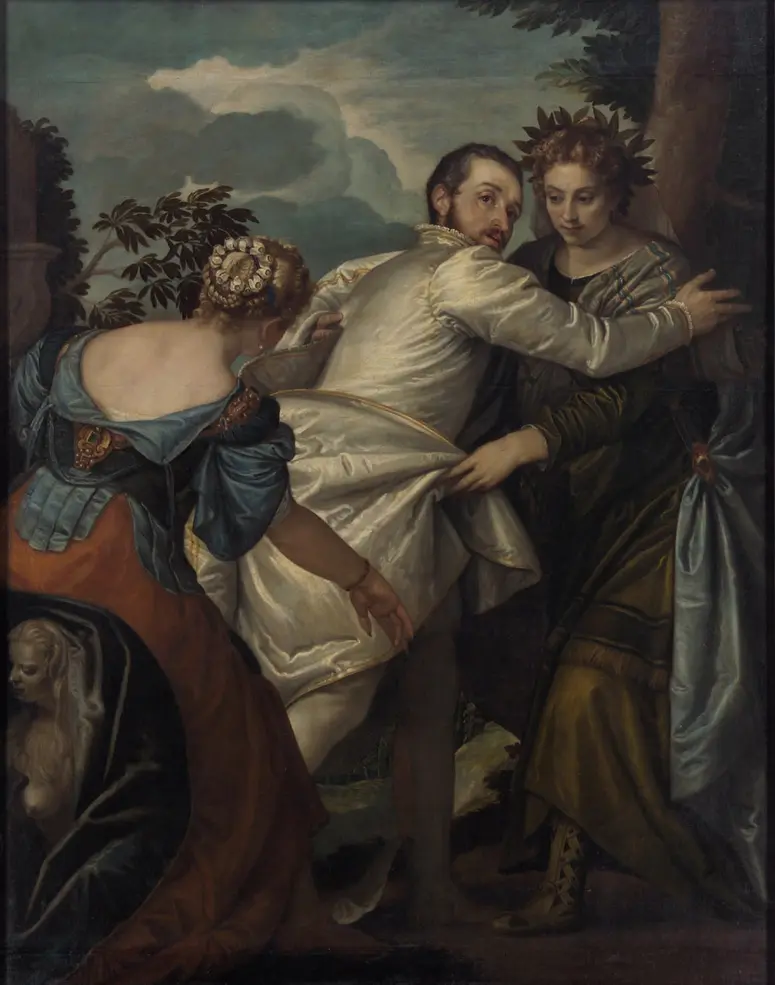
Vermählung J. Löwy, K. und K. Hof-Photograph, Kunst- und Verlagsanstalt (Wien) 1888 bis 1910