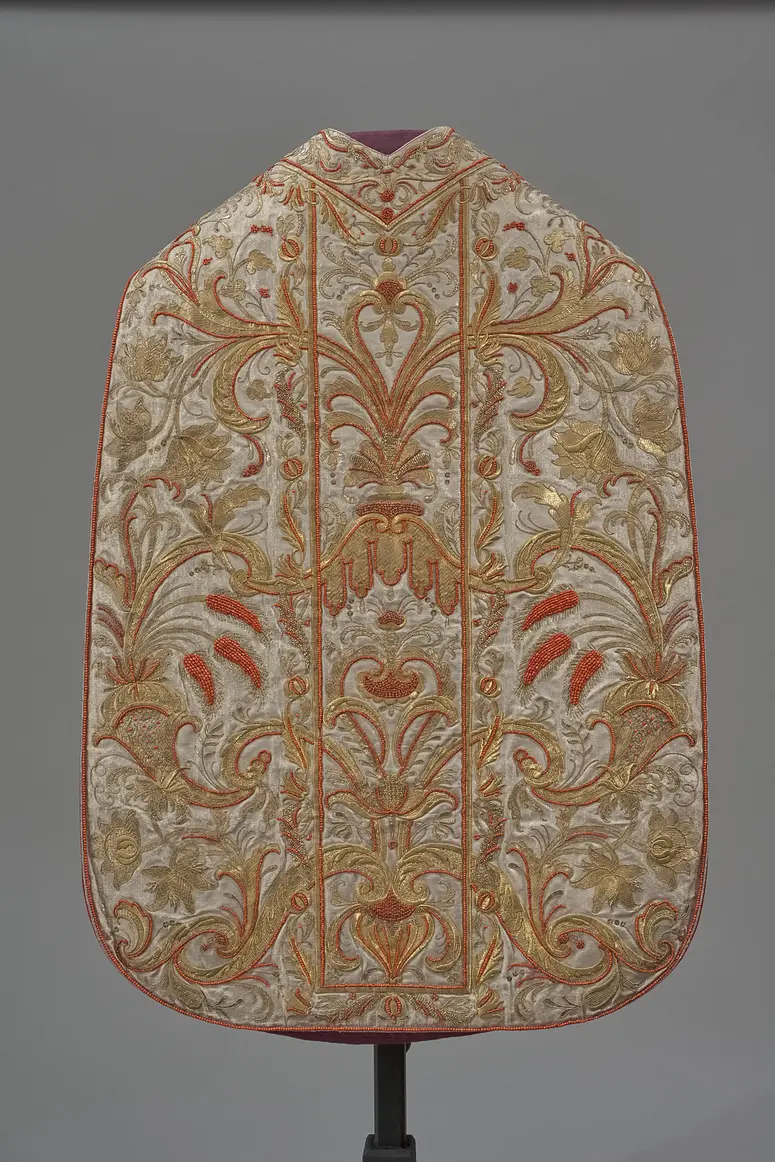
Korallensäbel, Kordelatsch, Coltelaggio, Malchus, Malchus (mit Scheide)
This is undoubtedly the most magnificent example of a Renaissance coral sabre, few of which have survived. A large, solid piece of coral has been repurposed as grip and crossguard. Such swords were never used on the battlefield; rather, they were cherished objets d’art displayed in a Kunstkammer – rare, precious, and fragile treasures designed to elicit admiration and astonishment.
According to Ovid’s Metamorphoses (4.1081–85), corals came into being when Perseus placed Medusa’s severed head on some leaves and aquatic plants, which soaked up the Gorgon’s blood and with it her mythical powers. ‘The pliant sprays of coral yet declare their stiff'ning Nature, when expos'd to air’ he tells us, ‘those sprays, which did, like bending osiers, move, snatch'd from their element, obdurate prove, and shrubs beneath the waves, grow stones above.’ Although by the sixteenth century the classing of corals as a plant or a stone (Greek: lithodendron, stone tree) had been repudiated, belief in their apotropaic power continued undiminished. Red corals especially were credited with the ability to ward off hail and bad weather, and to protect their wearer against evil spirits, ghosts, and the evil eye.
The slightly curved blade of this coral sabre must be seen in the same Classical tradition. Perseus’ sword had a ‘curved blade’ (Ovid called it a falcato, a crescent sword; Metamorphoses 4.727). In the sixteenth century, such swords – called coltelaggio (Italian for ‘long knife’), popular in the early Renaissance – were erroneously believed to be antique, and noblemen wore them at parades, processions, and other festivities at which they donned Classicizing disguises.

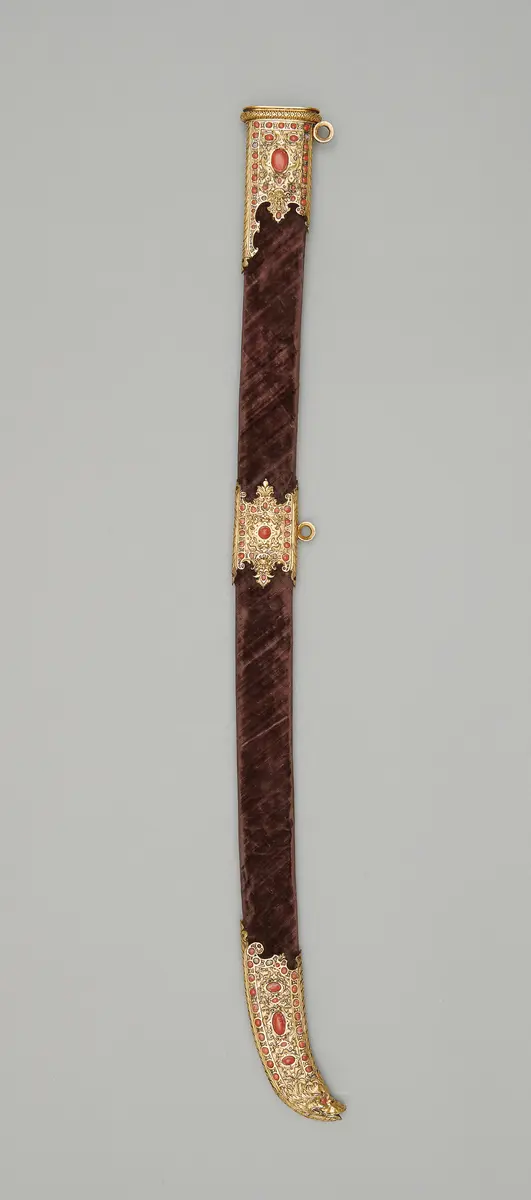
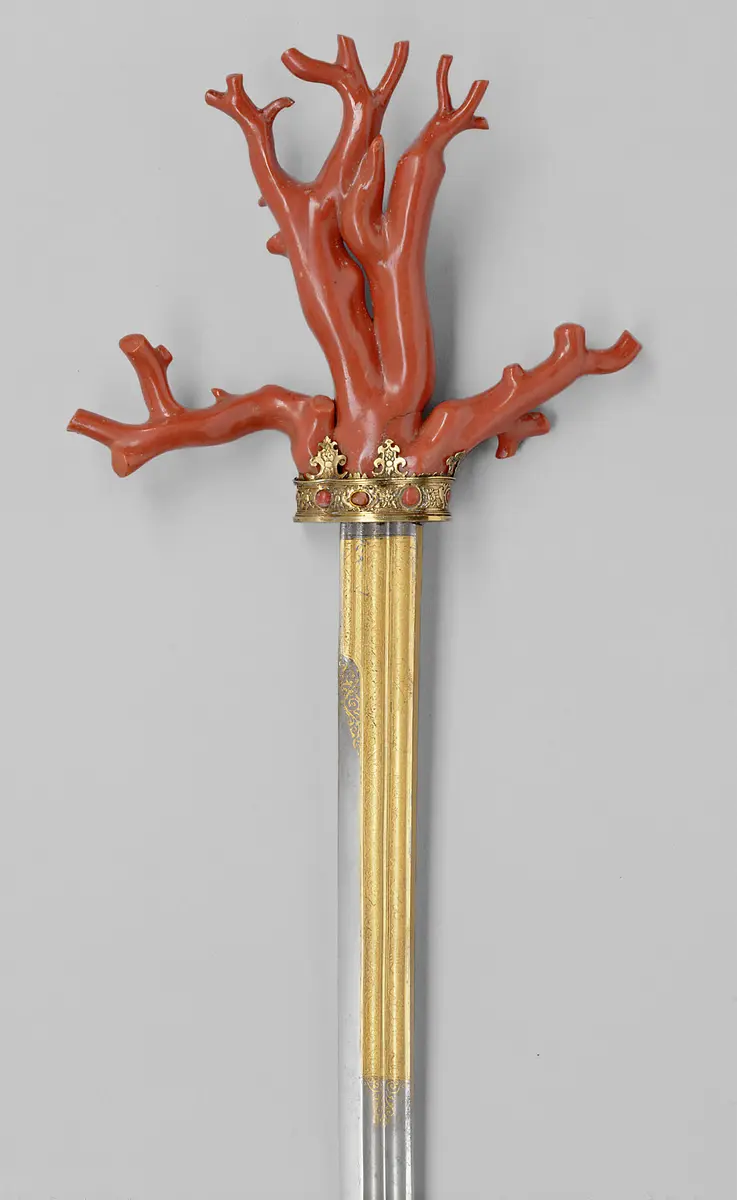
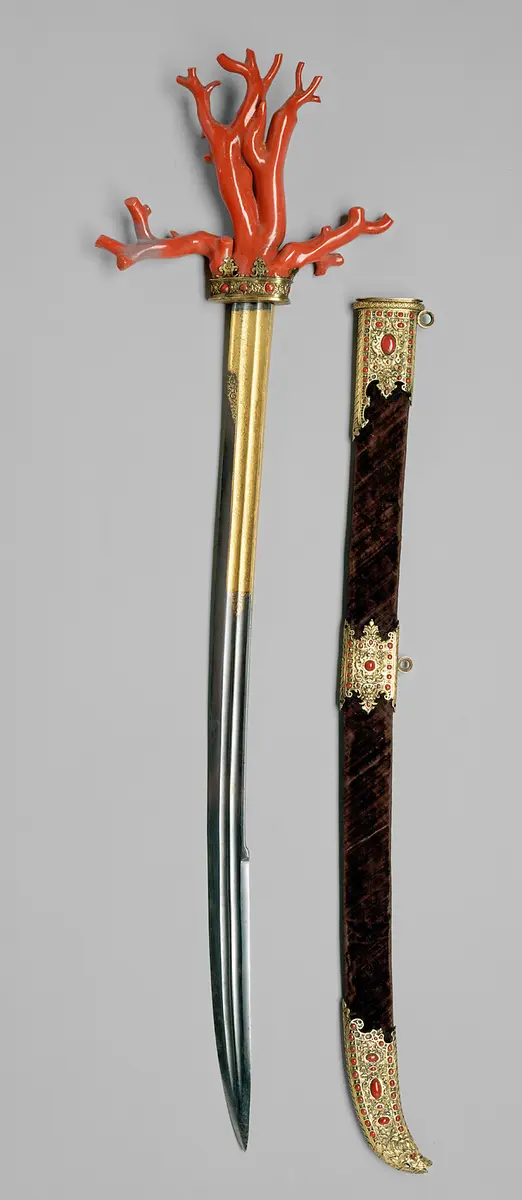
This is undoubtedly the most magnificent example of a Renaissance coral sabre, few of which have survived. A large, solid piece of coral has been repurposed as grip and crossguard. Such swords were never used on the battlefield; rather, they were cherished objets d’art displayed in a Kunstkammer – rare, precious, and fragile treasures designed to elicit admiration and astonishment.
According to Ovid’s Metamorphoses (4.1081–85), corals came into being when Perseus placed Medusa’s severed head on some leaves and aquatic plants, which soaked up the Gorgon’s blood and with it her mythical powers. ‘The pliant sprays of coral yet declare their stiff'ning Nature, when expos'd to air’ he tells us, ‘those sprays, which did, like bending osiers, move, snatch'd from their element, obdurate prove, and shrubs beneath the waves, grow stones above.’ Although by the sixteenth century the classing of corals as a plant or a stone (Greek: lithodendron, stone tree) had been repudiated, belief in their apotropaic power continued undiminished. Red corals especially were credited with the ability to ward off hail and bad weather, and to protect their wearer against evil spirits, ghosts, and the evil eye.
The slightly curved blade of this coral sabre must be seen in the same Classical tradition. Perseus’ sword had a ‘curved blade’ (Ovid called it a falcato, a crescent sword; Metamorphoses 4.727). In the sixteenth century, such swords – called coltelaggio (Italian for ‘long knife’), popular in the early Renaissance – were erroneously believed to be antique, and noblemen wore them at parades, processions, and other festivities at which they donned Classicizing disguises.
Owner:
Ferdinand II. (1564-1595), Erzherzog von Österreich und Landesherr von Tirol (1529 - 1595) DNB
Time:
um 1560
Object Name
Korallensäbel, Kordelatsch, Coltelaggio, Malchus, Malchus (mit Scheide)
Culture
Deutsch
Material/technology:
Klinge: Eisen, geschmiedet, teils geätzt. Ätzdekor: teils feuervergoldet. Griff: Korallenast, gefasst. Fassung: Silberblech, teils ziseliert, teils graviert,
feuervergoldet. Korallencabochons. Scheide: Holz. Textil (Seidensamt). Silber, teils gegossen, teils ziseliert, teils graviert, feuervergoldet.
Korallencabochons.
Dimensions:
Säbel: L 83 cm x B 22,7 cm x T 5,5 cm
Gewicht Säbel: 1,00 kg
Scheide: L 66,6 cm x B 6,3 cm x T 2,6 cm
Gewicht Scheide: 0,25 kg
Stamp / markings
Klinge: einseitig zweimal drei Klingenschmiedzeichen (Stern und gekröntes A)
Copyright
Kunsthistorisches Museum, Hofjagd- und Rüstkammer
Invs.
Hofjagd- und Rüstkammer, A 791
Browse more
Similar items you might be interested in
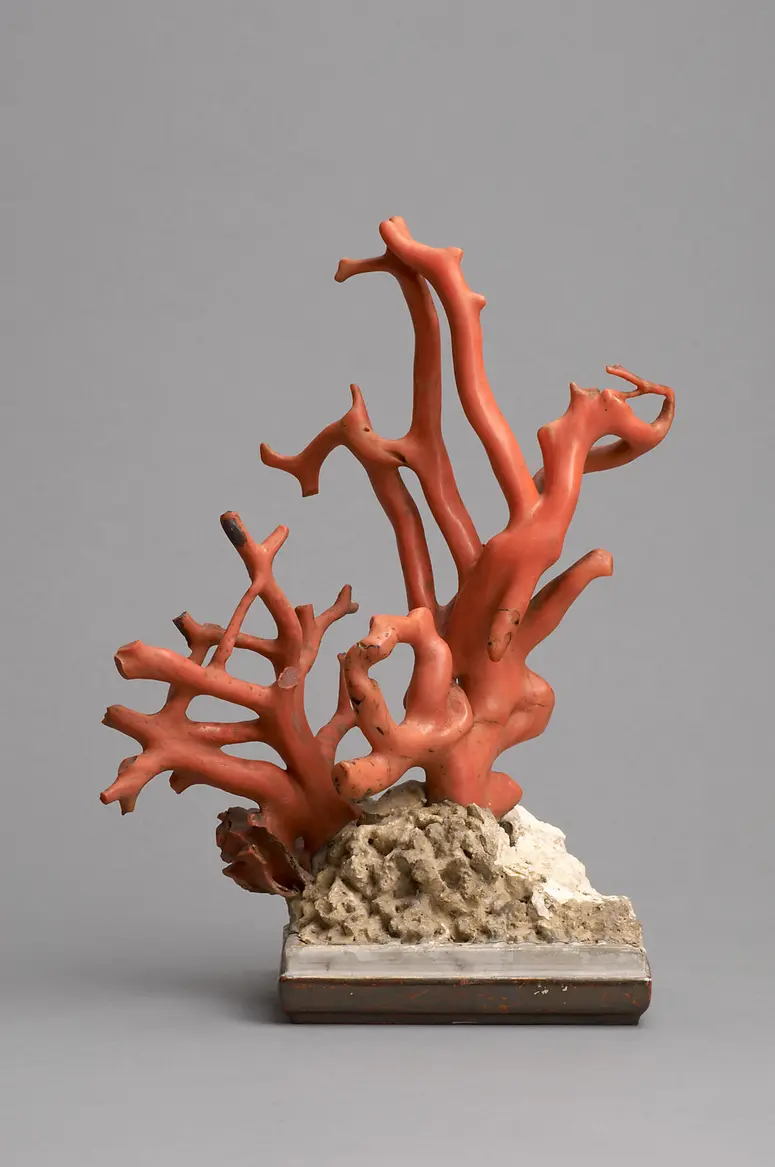
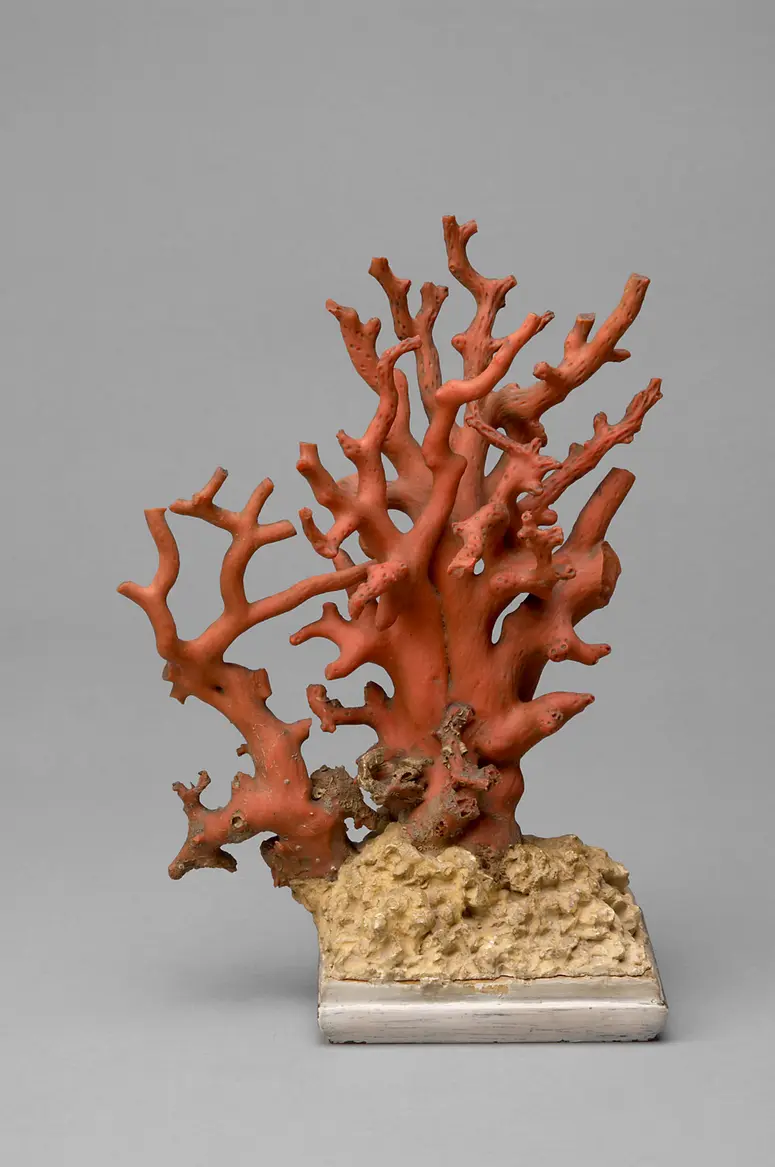
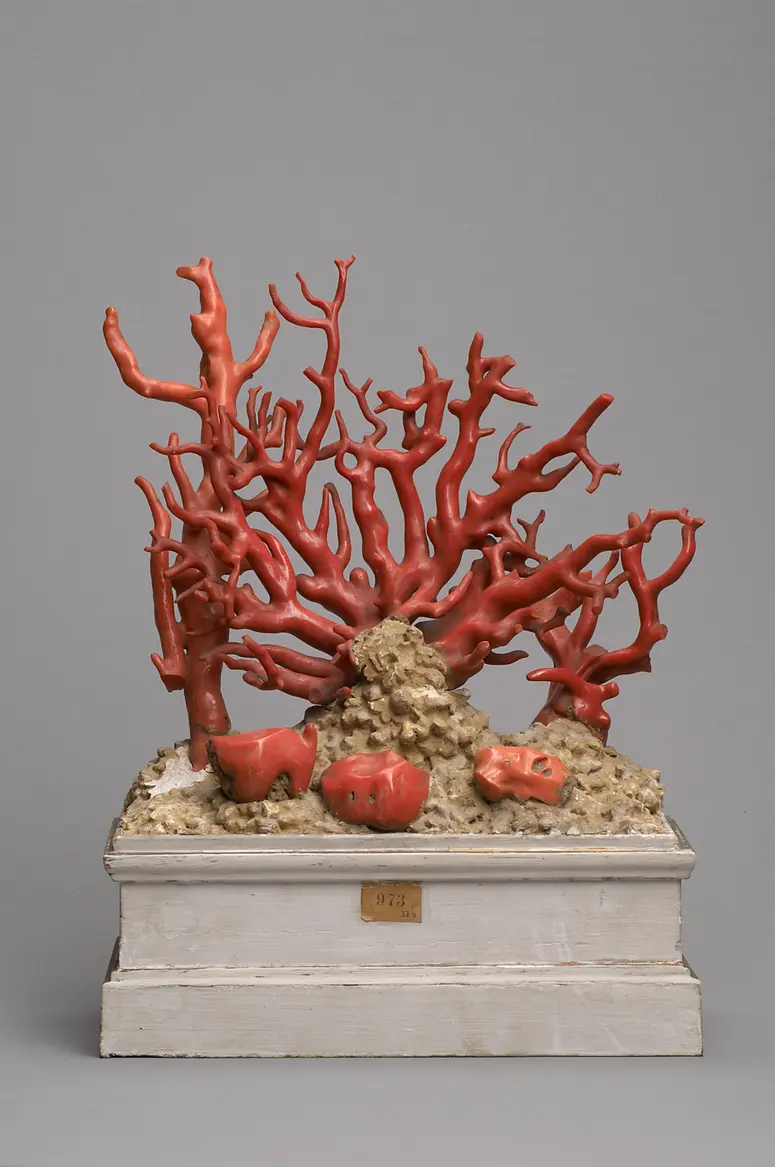
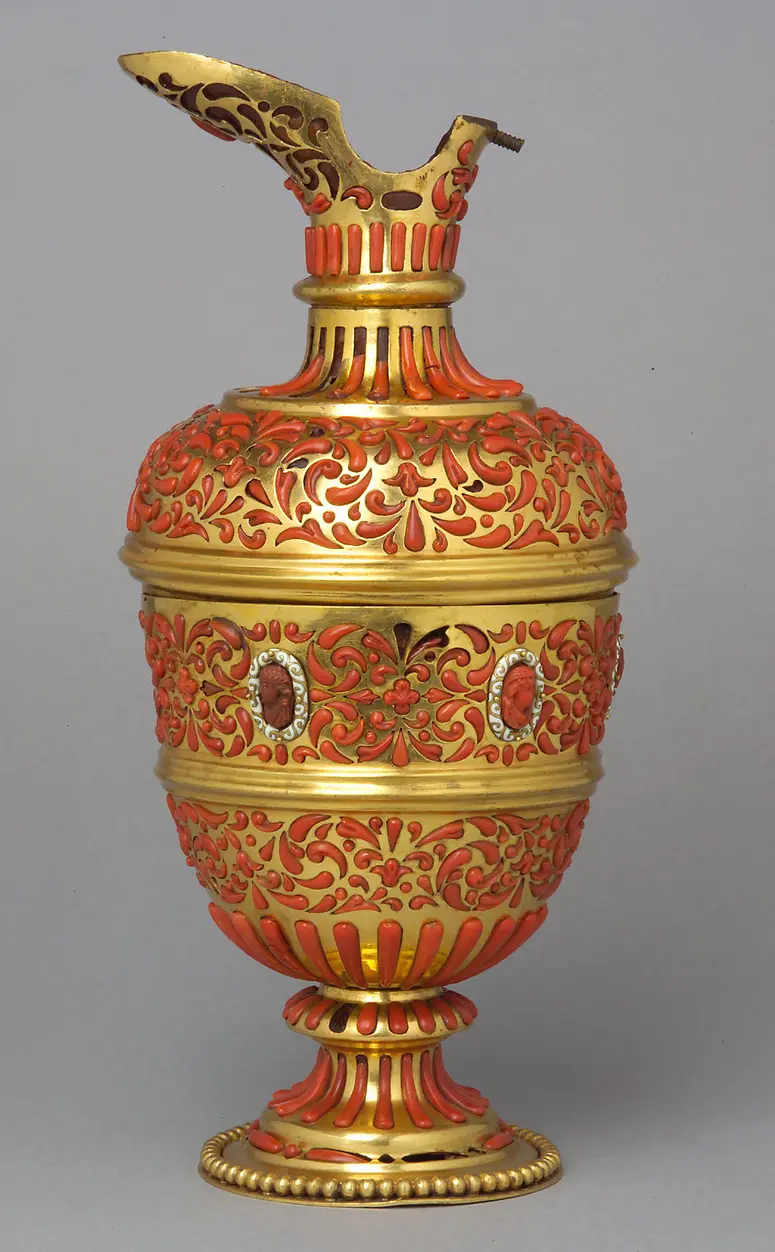
Gefäß; Krug, Kanne, Korallenmosaik, Einlegearbeit Ende 16. Jahrhundert / Anfang 17. Jahrhundert
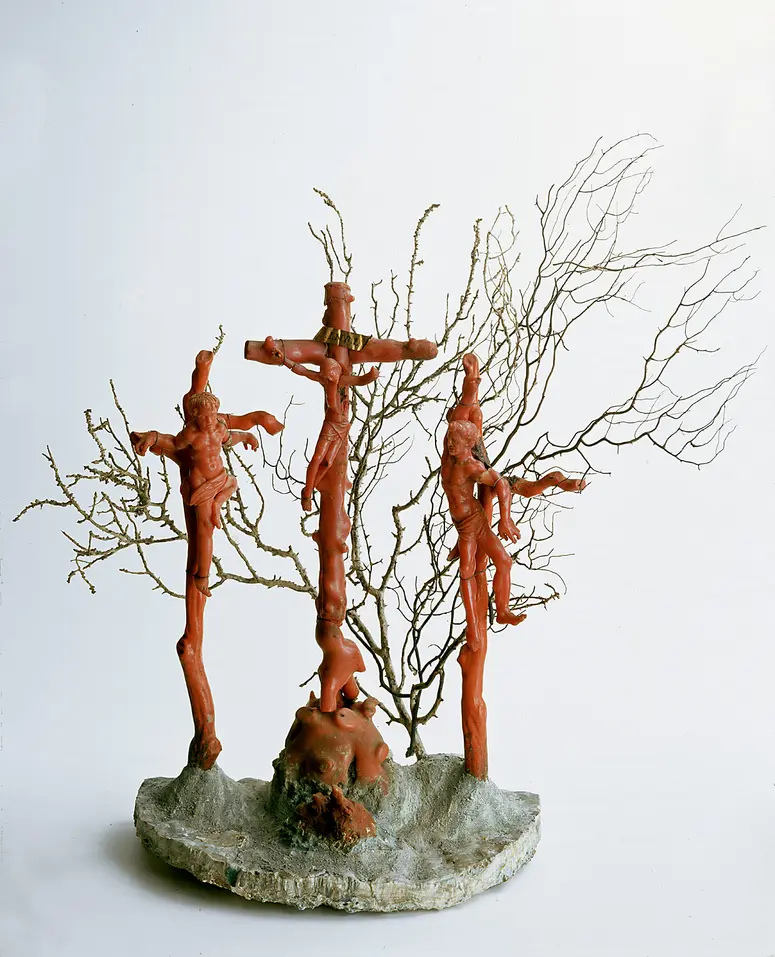
Korallenstamm, Koralle, Kreuzigungsgruppe, Kreuzigung 2. Hälfte 16. Jahrhundert
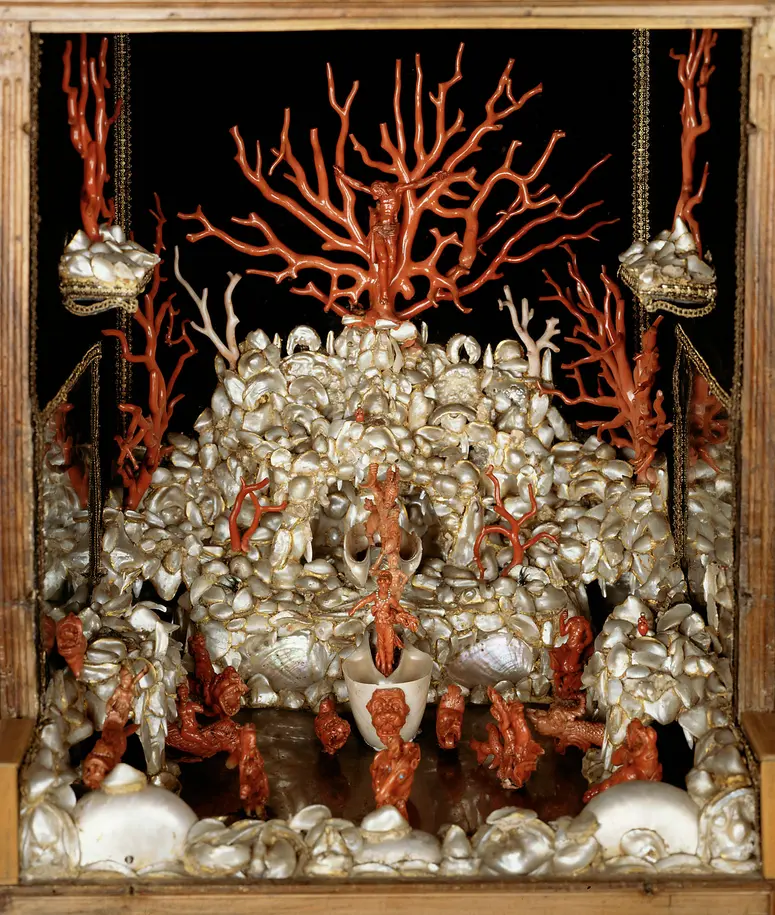
Korallenkabinett, Kabinettschrank mit Korallen 2. Hälfte 16. Jahrhundert
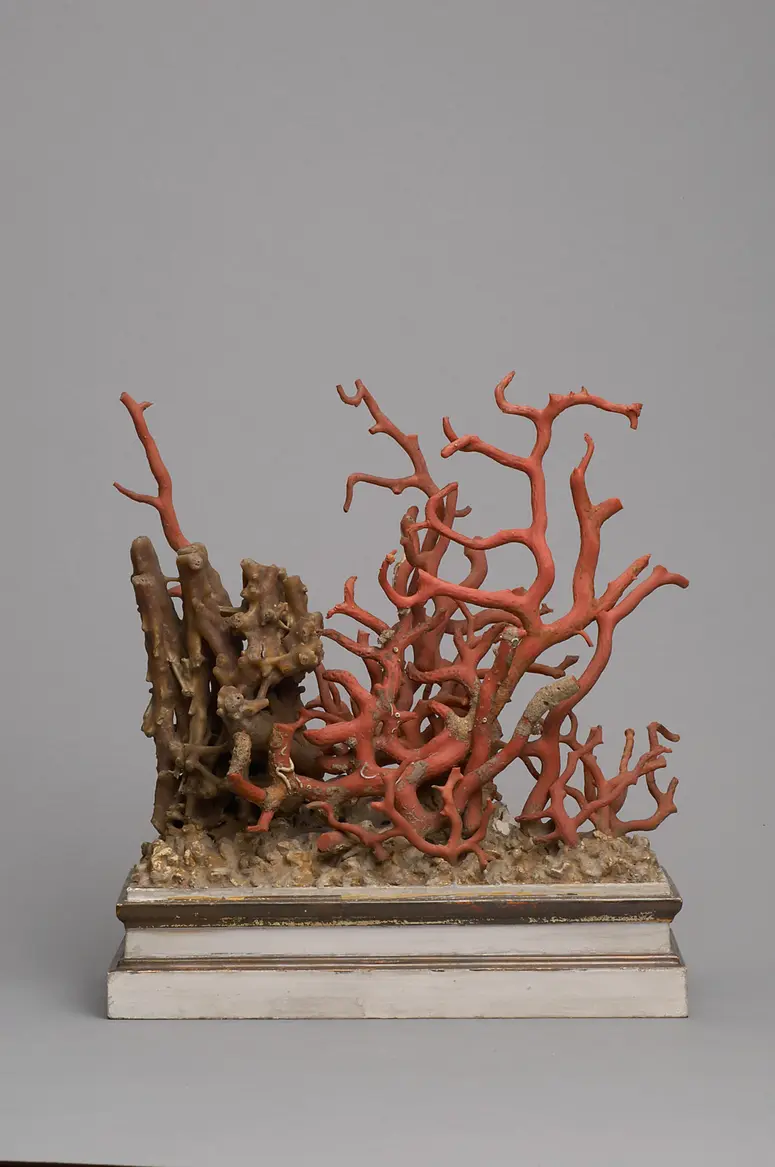

Wanddekoration, Platte, Teller, Einlegearbeit, Korallenmosaik, Maria Immaculata um 1650
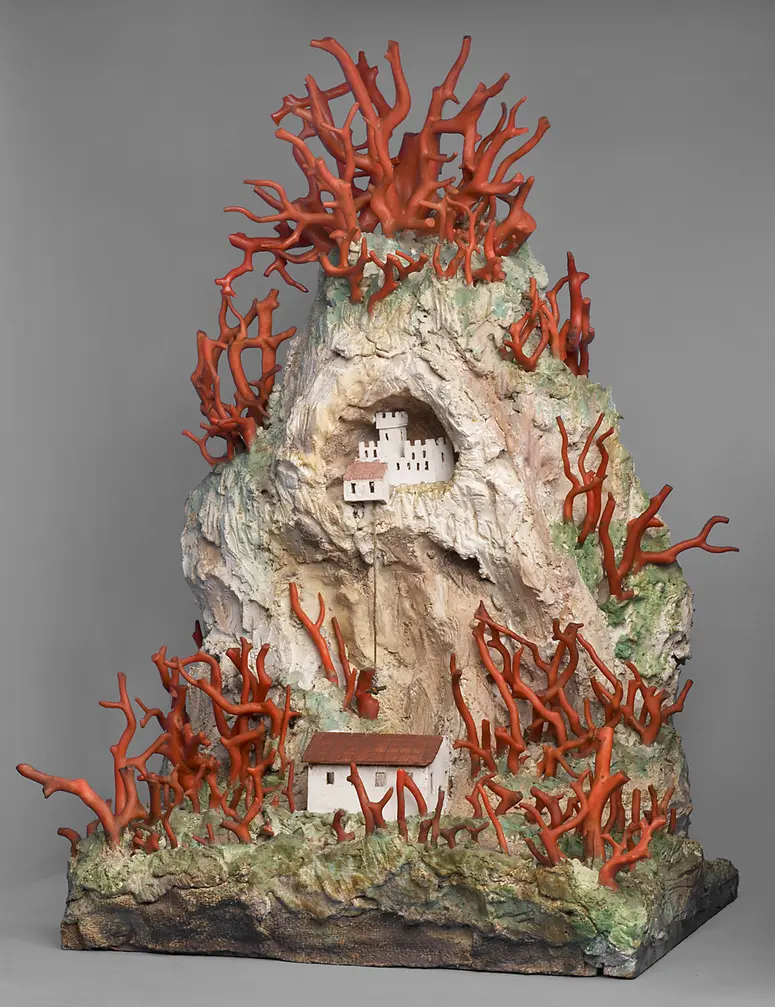
Korallenberg, Koralle, Schnitzarbeit, Höhlenburg Kofels 2. Hälfte 16. Jahrhundert
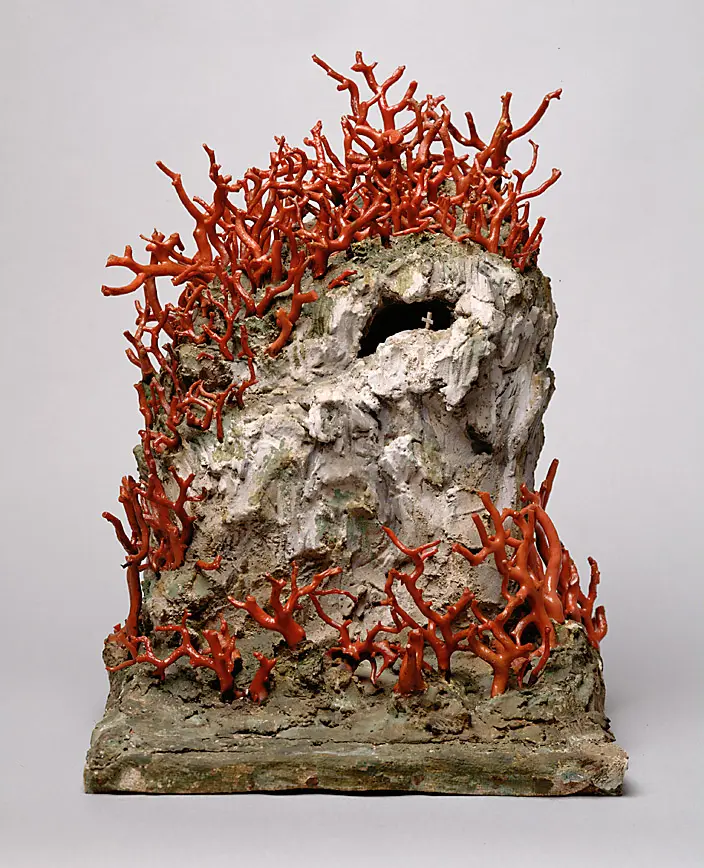
Martinswand bei Zirl, Koralle, Korallenberg, Naturalie 16. Jahrhundert
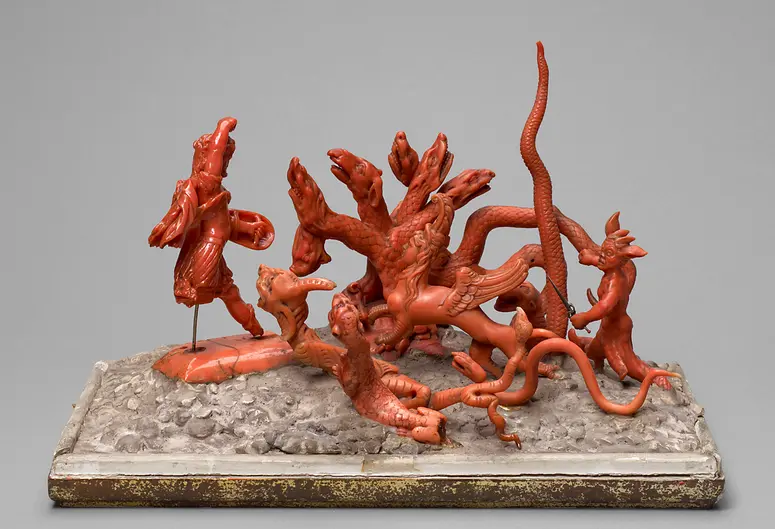
Statuette; Skulptur, Koralle, Naturalie, Herkules im Kampf mit der Hydra 2. Hälfte 16. Jahrhundert
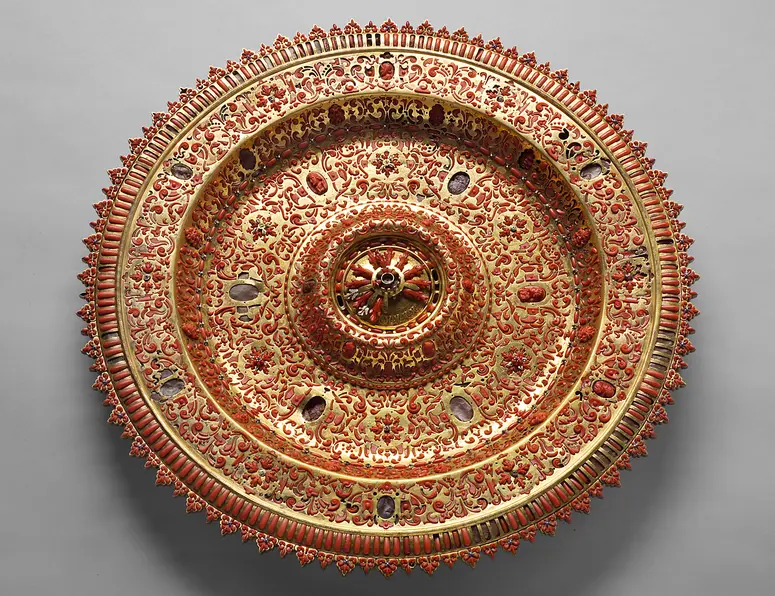
Becken, Teller, Rundteller, Platte, Korallenmosaik, Einlegearbeit Anfang 17. Jahrhundert

Korallenberg, Koralle, Schnitzarbeit, Talsperre Finstermünz 2. Hälfte 16. Jahrhundert
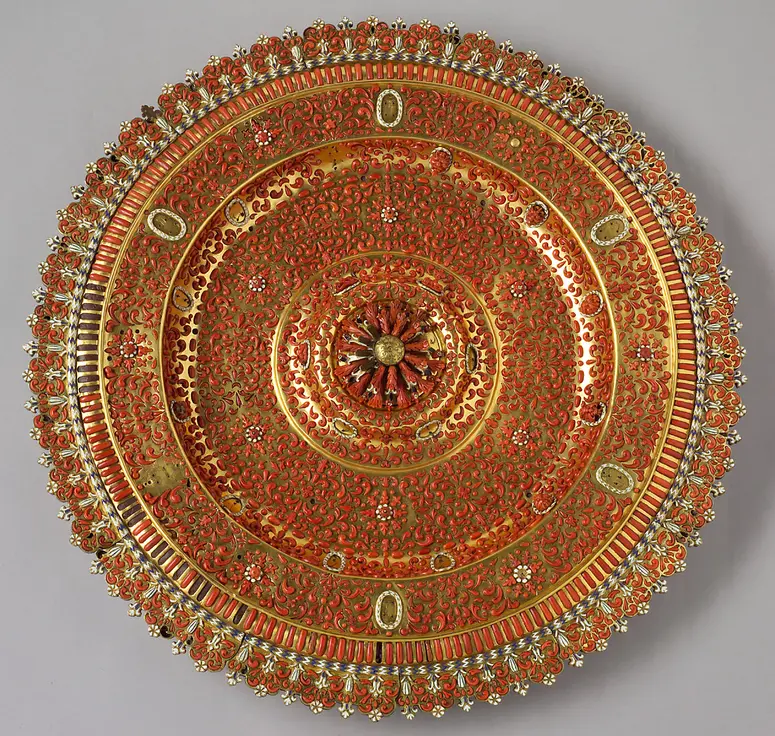
Becken mit durchbrochenen Verzierungen, Gefäß; Becken, Teller, Korallenmosaik, Einlegearbeit Anfang 17. Jahrhundert
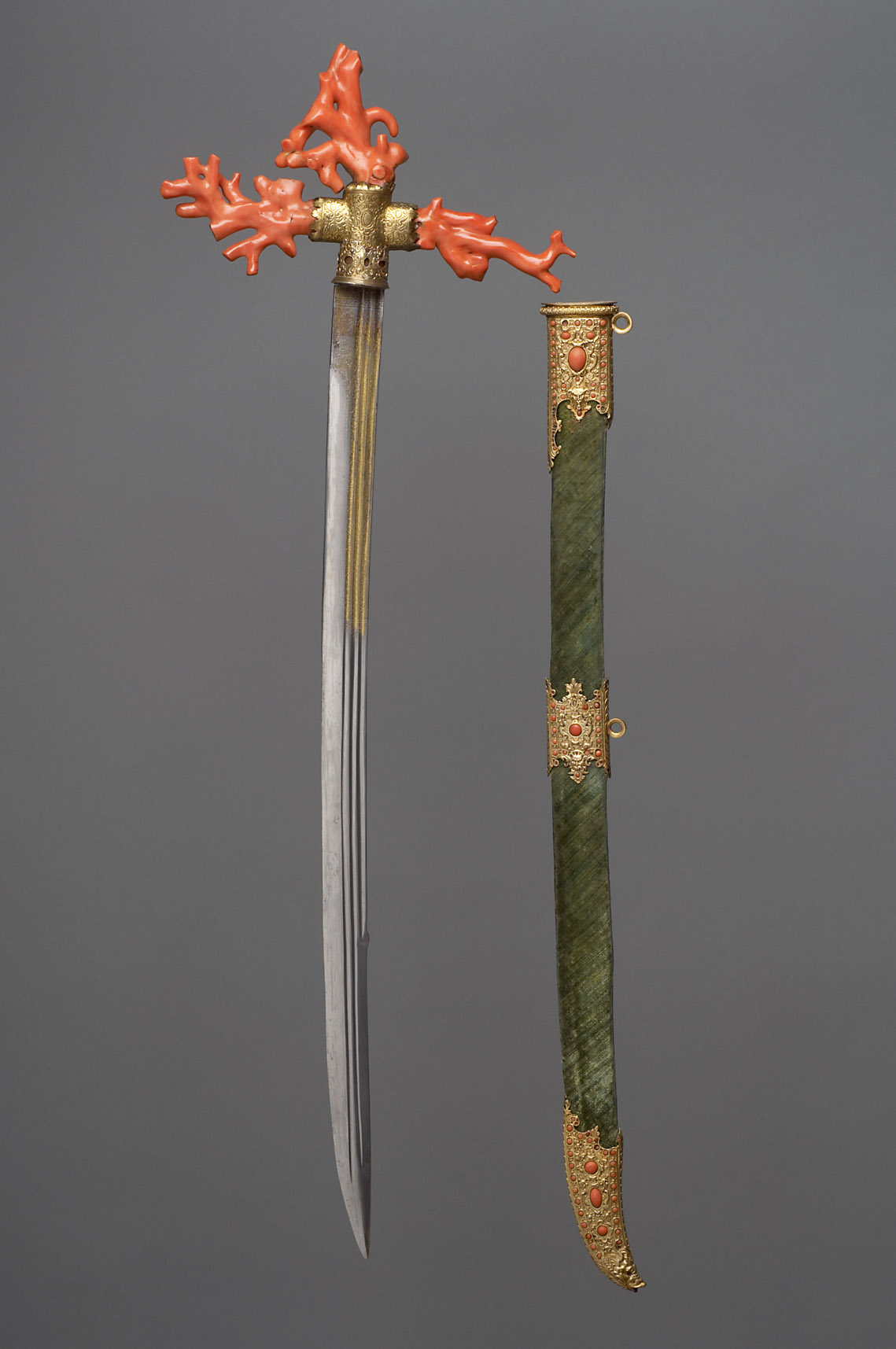
Korallensäbel, Kordelatsch, Coltelaggio, Malchus, Malchus (mit Scheide) um 1560
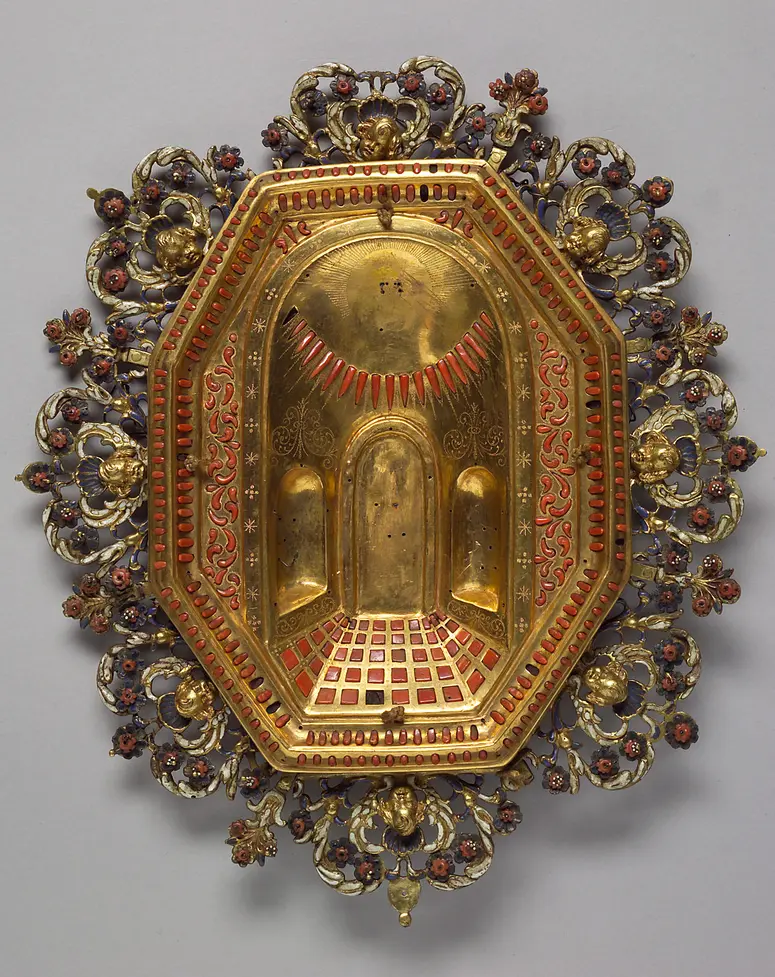
Wanddekoration, Platte, Teller, Einlegearbeit, Korallenmosaik 1. Hälfte 17. Jahrhundert
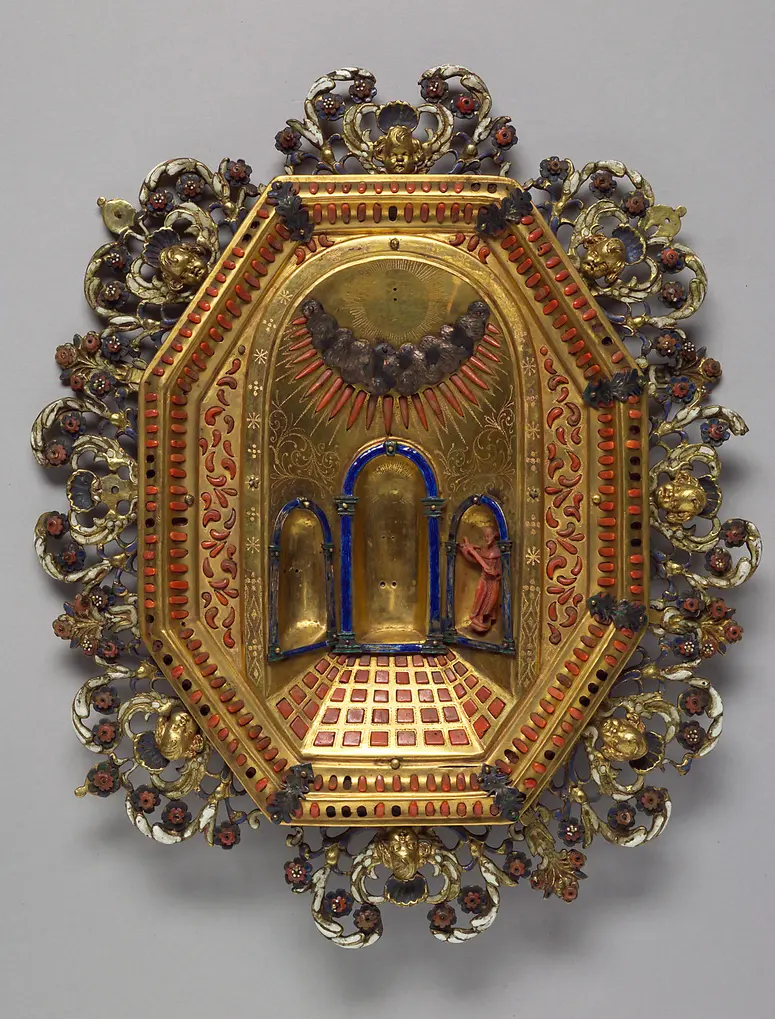
Wanddekoration, Relief, Einlegearbeit, Korallenmosaik 1. Hälfte 17. Jahrhundert
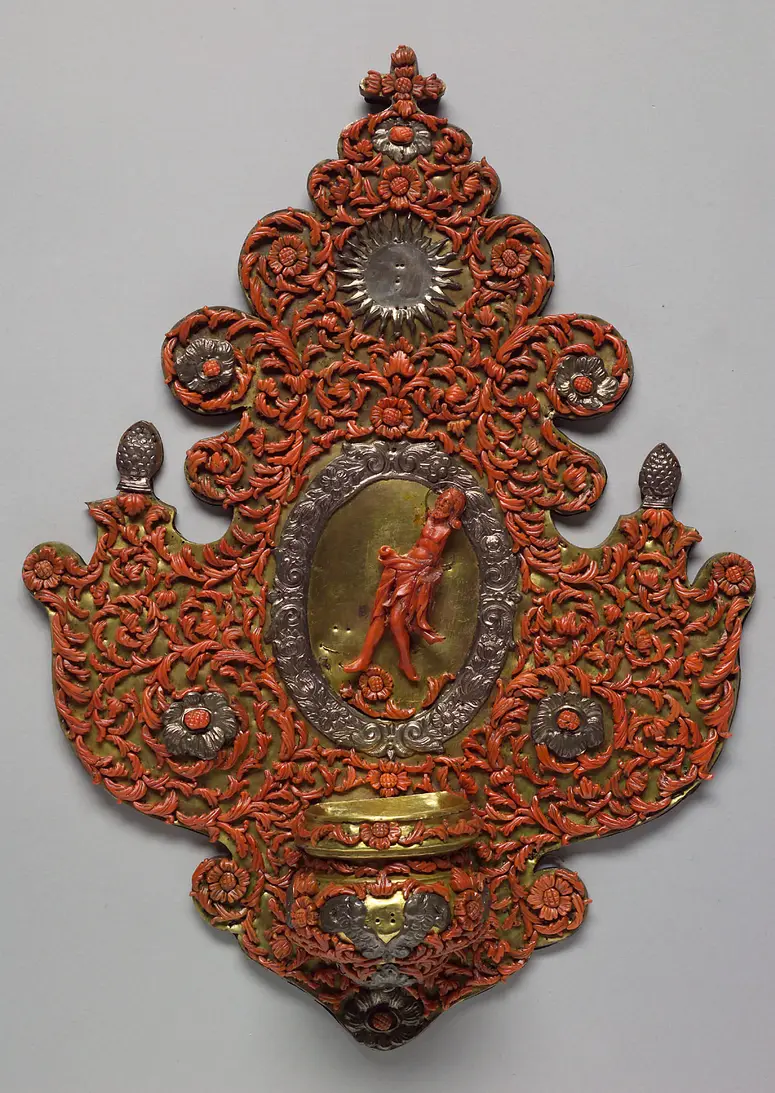
Weihwasserbecken, Gefäß; Becken, Weihwasserbecken, Korallenmosaik, Einlegearbeit 17. Jahrhundert ?, Anfang 18. Jahrhundert (?)
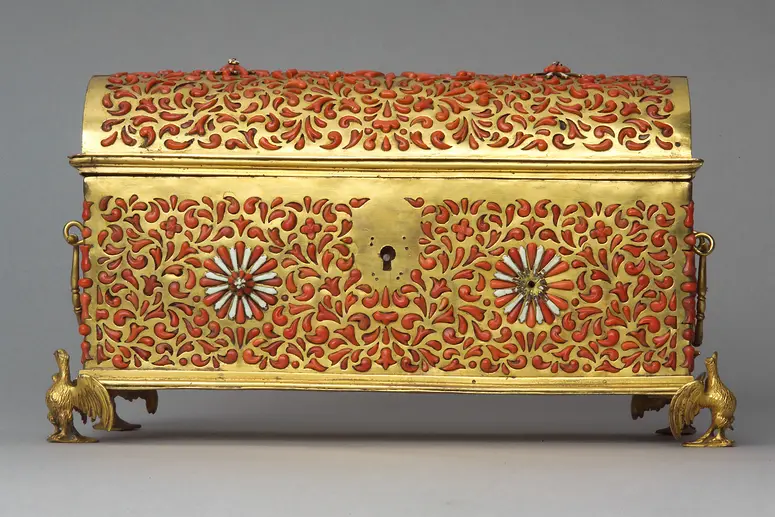
Kästchen mit Adlerfüßen, Korallenmosaik, Einlegearbeit Anfang 17. Jahrhundert