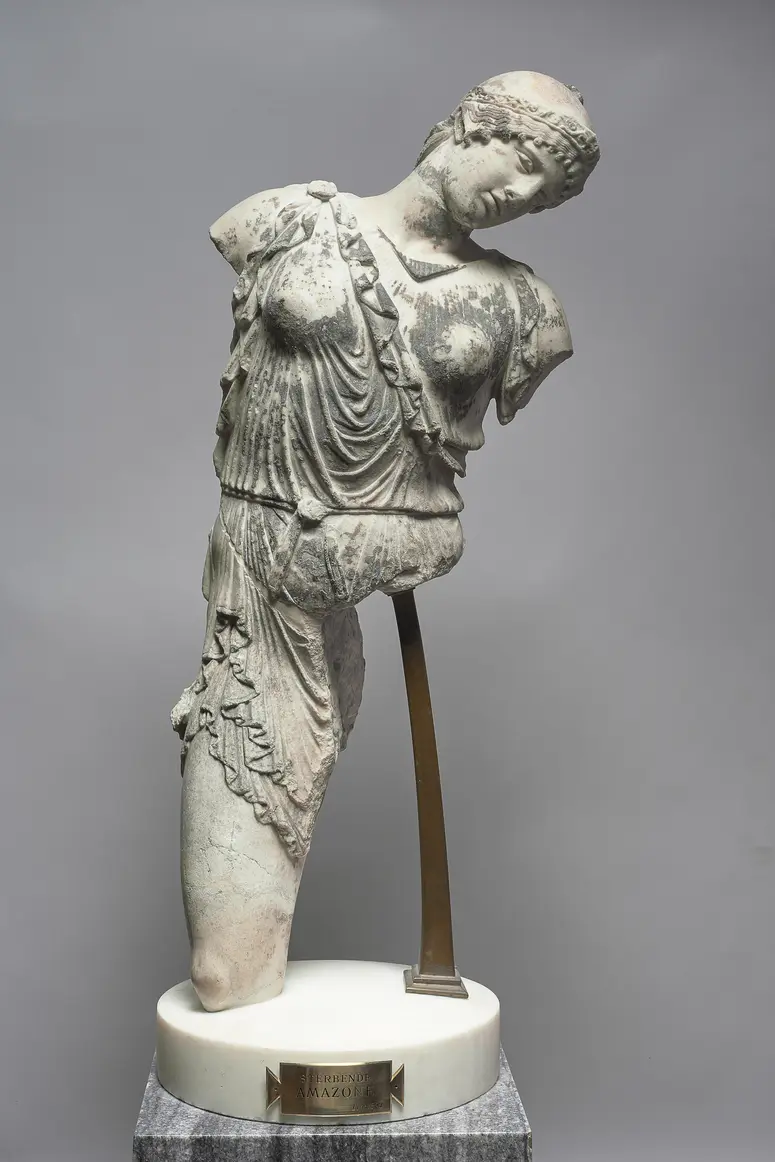
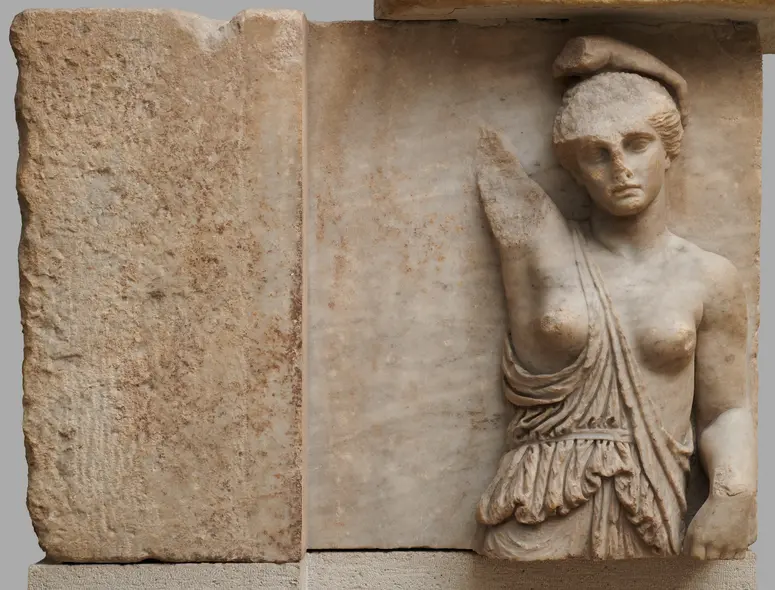
Hochrelief am Pfeiler: Verwundete Amazone
2. Jh. n. Chr., nach griechischem Bronzeoriginal um 440/430 v. Chr.
The scaenae frons, the elaborately decorated permanent architectural backdrop of the stage, was decorated with numerous sculptures set in niches; they depict deities, rulers and Roman emperors as well as, presumably, the wealthy citizens who financed the building. In addition, the splendid façade was embellished with reliefs and a continuous central frieze running the length of the building. The frieze featuring masks probably decorated the top storey. The masks represent stock characters in contemporary comedies: a woman is flanked by a young, beardless and an elderly, bearded man. We still do not know where exactly the pillars embellished with sculptures were situated; they feature in-the-round depictions of satyrs and amazons. The latter are informed by models connected with a 5th-century BC artistic competition recorded by Pliny the Elder: he tells us that Ephesus had offered a prize for the best rendering of a wounded Amazon, a competition allegedly won by Polycleitus who bested Phidias and Kresilas. The main, central frieze from the scaenae frons is among the highlight of Ephesian sculpture; it depicts cupids hunting wild animals, accompanied by their hounds. Their bag includes lions, wild boars, ibexes and hares. Some of the reliefs have been reconstituted from hundreds of tiny fragments. Note their exquisite handling and the wealth of details that enliven these hunting scenes - we know of only a handful of comparable examples produced in Rome. Note also the traces of polychromy on the carts and the cupids’ hair and cloaks. The scenes constituting the hunting frieze alternated with reliefs showing satyrs reclining on panther skins. The eight satyrs reconstructed from fragments in Vienna and London were presumably displayed on the aediculas that jutted out from the central storey.
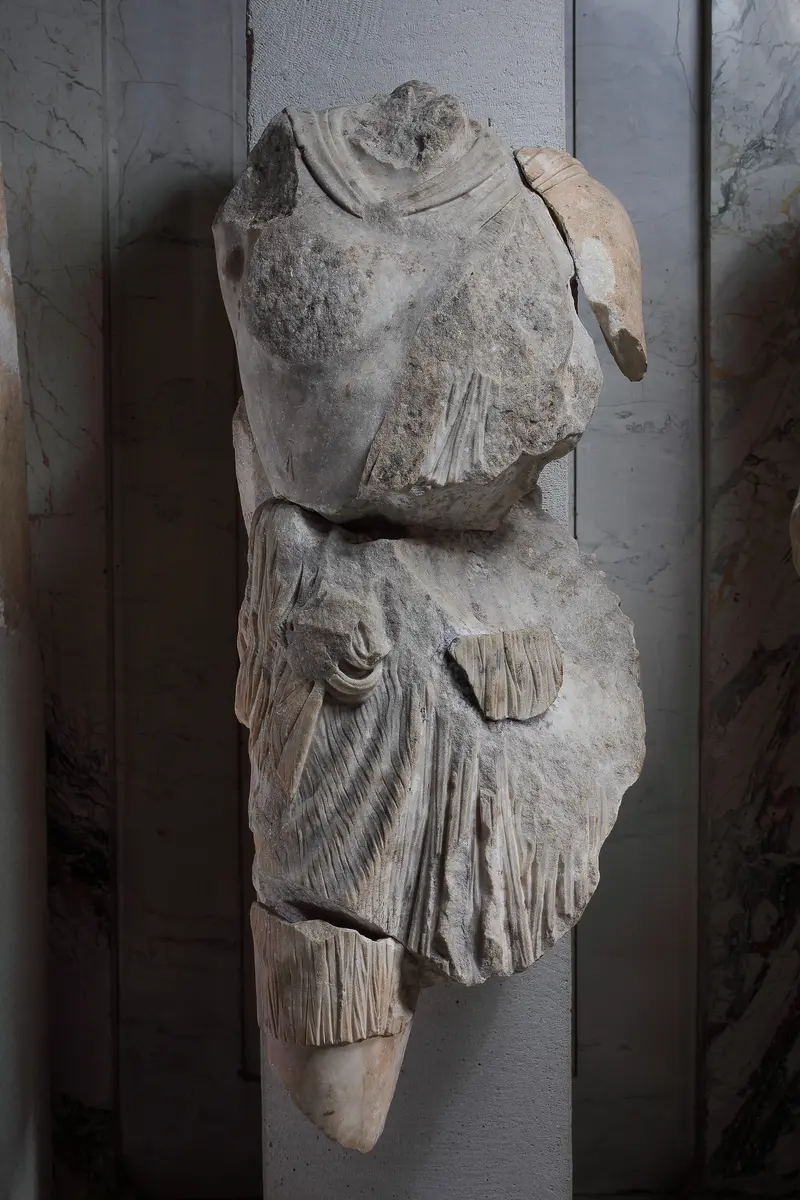
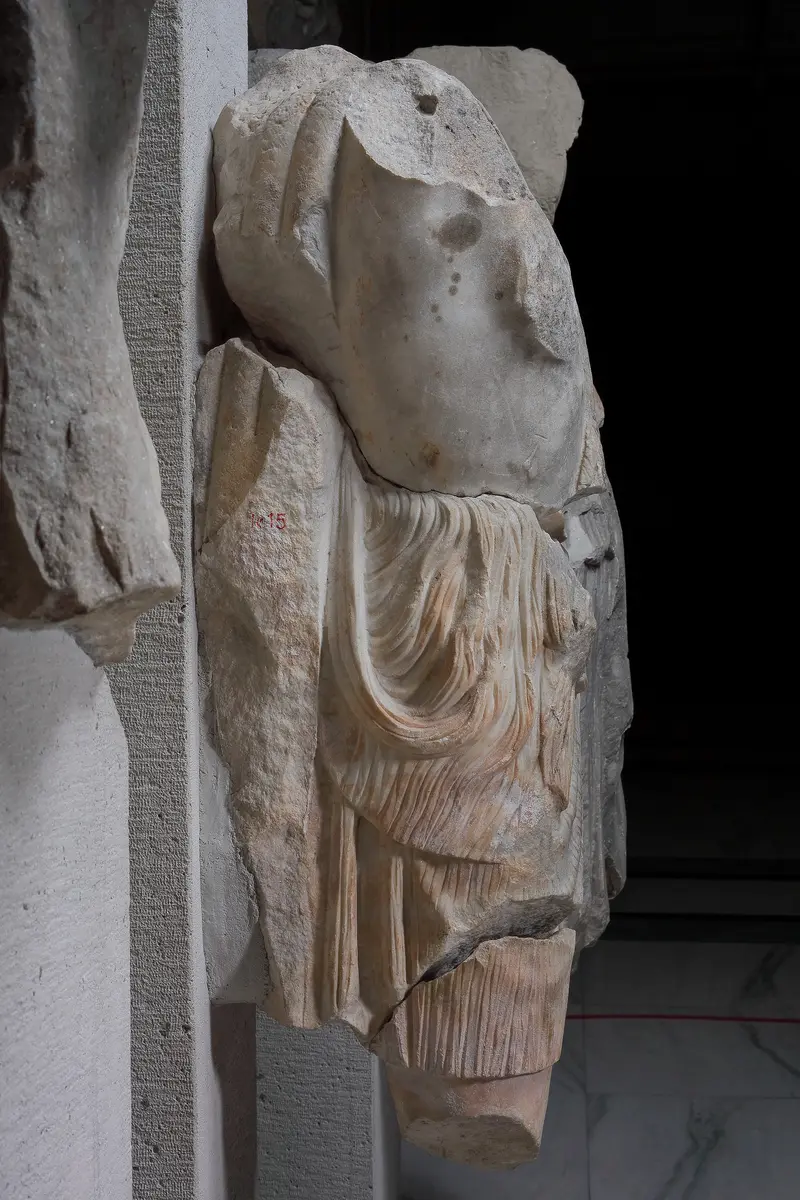
The scaenae frons, the elaborately decorated permanent architectural backdrop of the stage, was decorated with numerous sculptures set in niches; they depict deities, rulers and Roman emperors as well as, presumably, the wealthy citizens who financed the building. In addition, the splendid façade was embellished with reliefs and a continuous central frieze running the length of the building. The frieze featuring masks probably decorated the top storey. The masks represent stock characters in contemporary comedies: a woman is flanked by a young, beardless and an elderly, bearded man. We still do not know where exactly the pillars embellished with sculptures were situated; they feature in-the-round depictions of satyrs and amazons. The latter are informed by models connected with a 5th-century BC artistic competition recorded by Pliny the Elder: he tells us that Ephesus had offered a prize for the best rendering of a wounded Amazon, a competition allegedly won by Polycleitus who bested Phidias and Kresilas. The main, central frieze from the scaenae frons is among the highlight of Ephesian sculpture; it depicts cupids hunting wild animals, accompanied by their hounds. Their bag includes lions, wild boars, ibexes and hares. Some of the reliefs have been reconstituted from hundreds of tiny fragments. Note their exquisite handling and the wealth of details that enliven these hunting scenes - we know of only a handful of comparable examples produced in Rome. Note also the traces of polychromy on the carts and the cupids’ hair and cloaks. The scenes constituting the hunting frieze alternated with reliefs showing satyrs reclining on panther skins. The eight satyrs reconstructed from fragments in Vienna and London were presumably displayed on the aediculas that jutted out from the central storey.
Time:
2. Jh. n. Chr., nach griechischem Bronzeoriginal um 440/430 v. Chr.
Object Name
Relief
Culture
Römisch
Location of discovery:
Ephesos Theater (Selçuk, Kleinasien, Türkei)
Material/technology:
Marmor
Dimensions:
L/H 125 cm
Copyright
Kunsthistorisches Museum, Antikensammlung
Invs.
Antikensammlung, I 1615
Provenance
Sultan, Abdul, Hamid, II.; Österreichische Ausgrabungen in Ephesos; Geschenk an Kaiser Franz Joseph; 1948 nachträglich inventarisiert
Browse more
Similar items you might be interested in
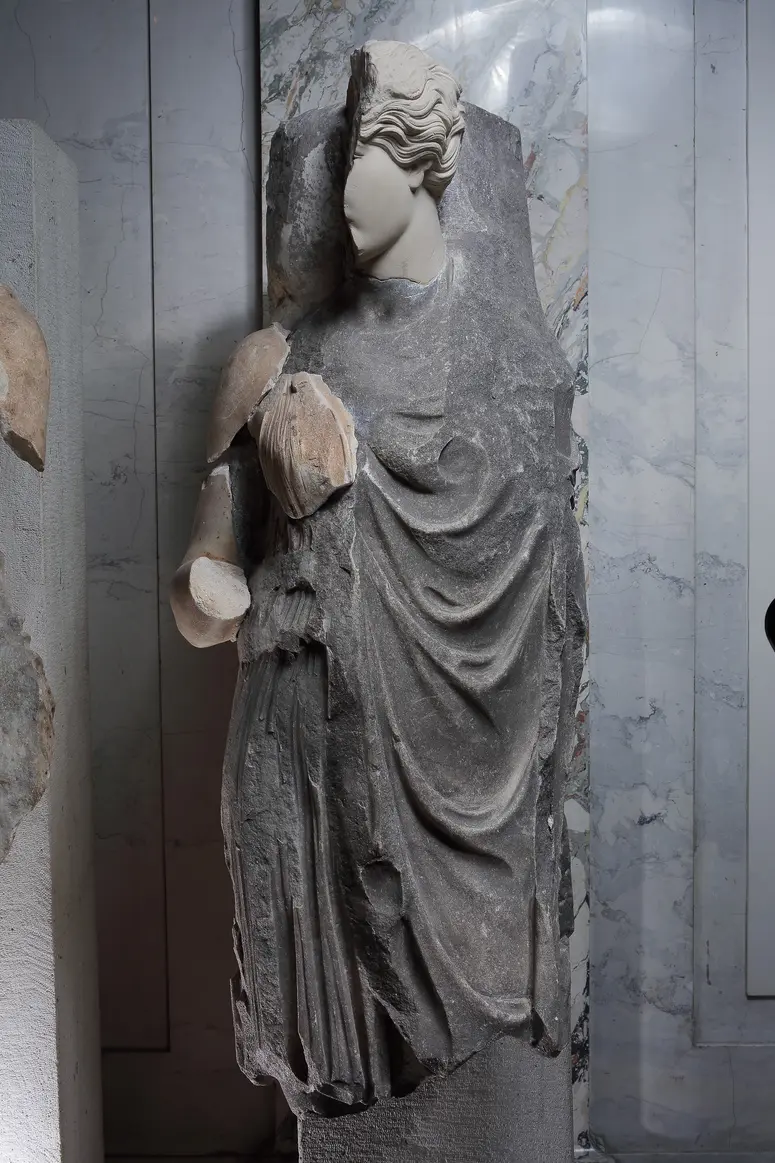
Relief: Hochrelief am Pfeiler: Stehende Amazone Römisch, Mittlere Kaiserzeit 2. Jh. n. Chr., nach griechischem Bronzeoriginal um 440/430 v. Chr.
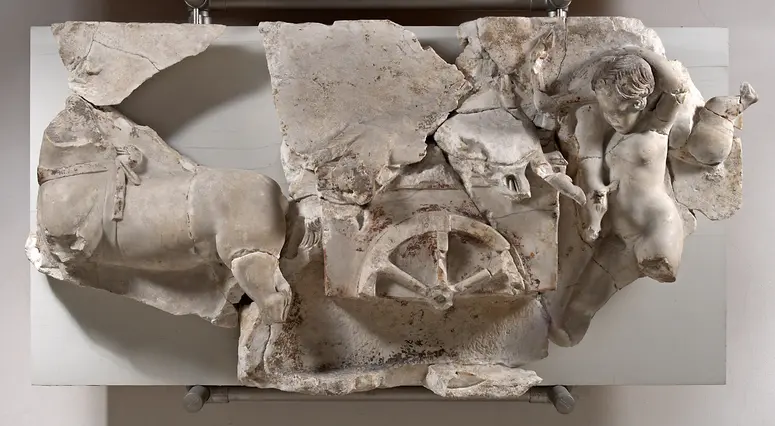
Relief: Erotenfries: Eroten mit Jagdbeute Römisch, Frühe Kaiserzeit 2. Hälfte 1. Jh. n. Chr.
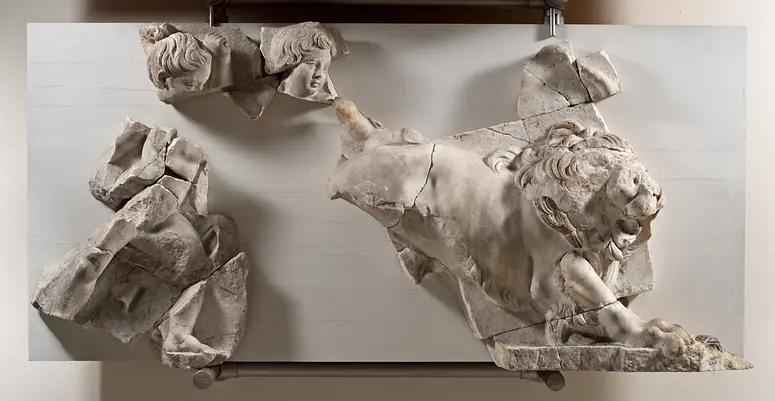
Relief: Erotenfries: Eroten auf Löwenjagd Römisch, Frühe Kaiserzeit 2. Hälfte 1. Jh. n. Chr.
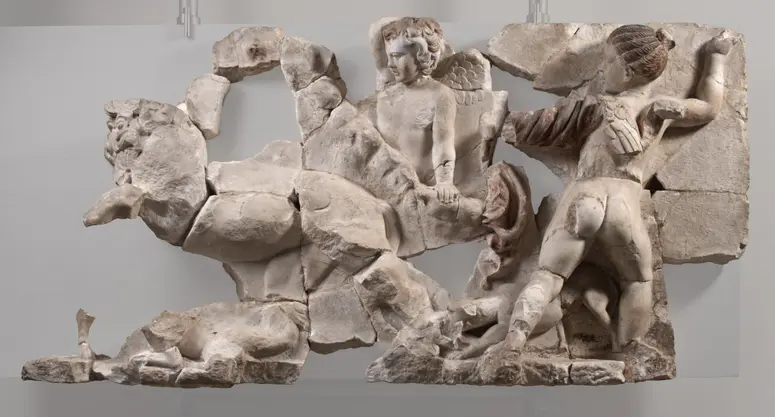
Relief: Erotenfries: Eroten auf Löwenjagd Römisch, Frühe Kaiserzeit 2. Hälfte 1. Jh. n. Chr.
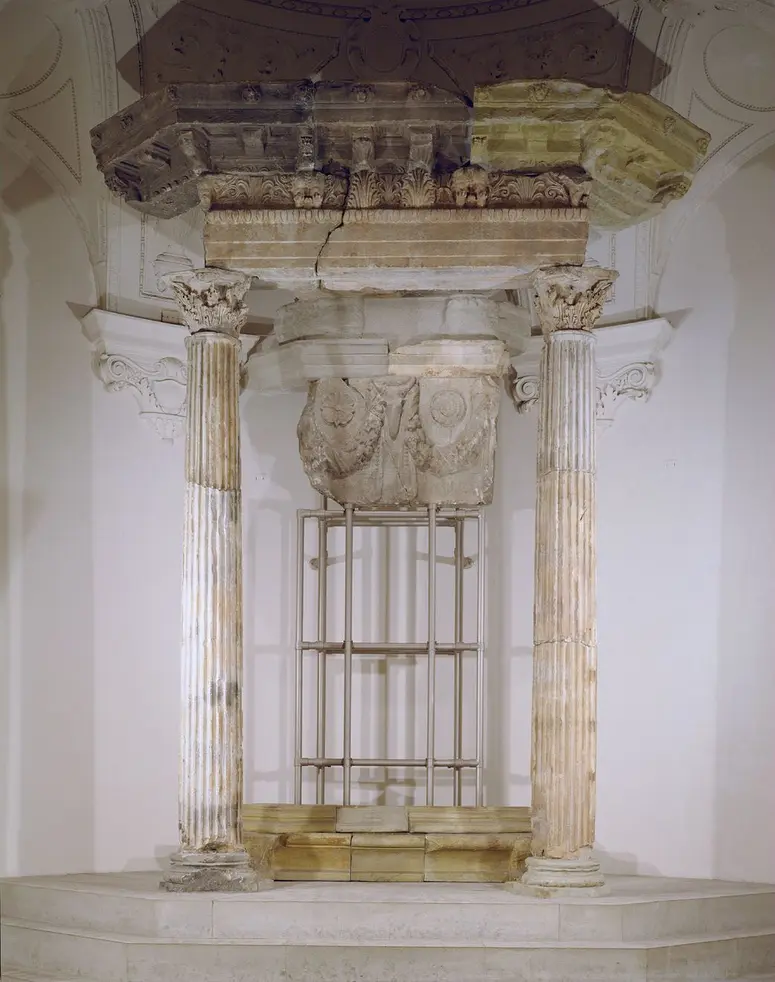
Architektur: Oktogon Römisch, Frühe Kaiserzeit 3. Drittel 1. Jh. v. Chr.
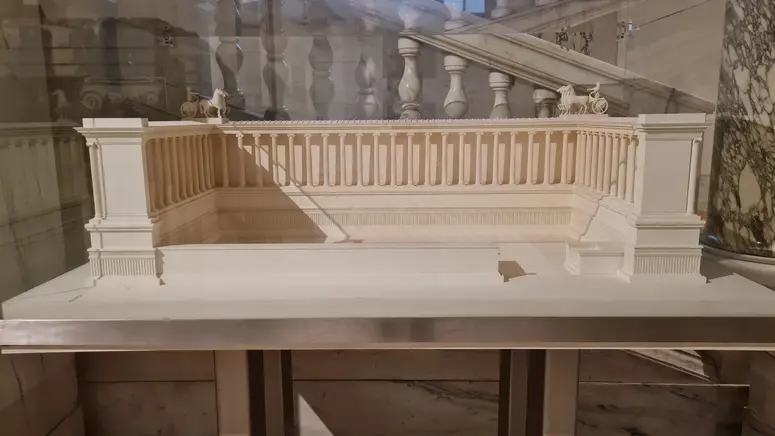
Zeichnungsinventar, Modell: Modell des Artemisionaltares.Plexiglas, weiß gespritzt Griechisch, Spätklassisch 4. Jh. v. Chr.
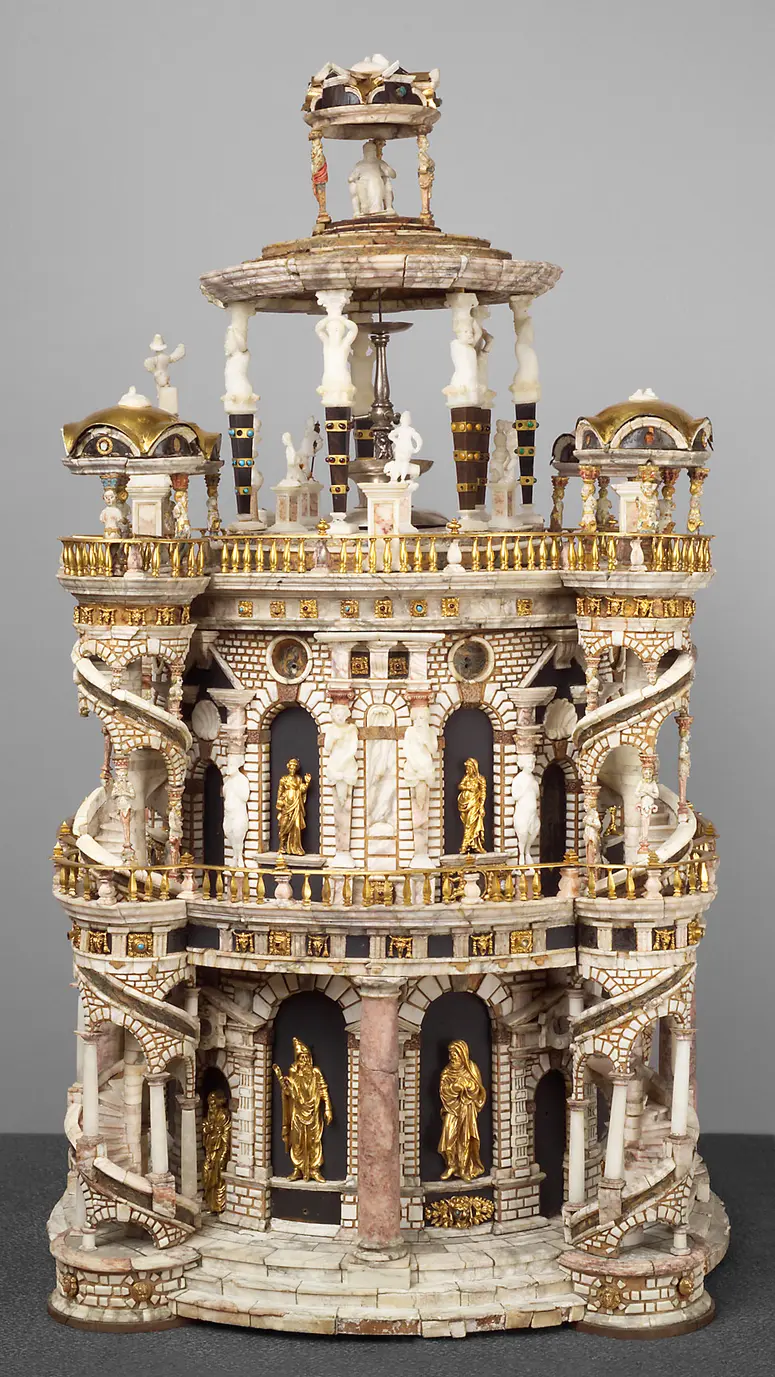
Münzschrank, Kabinettschrank, Möbel Ende 16. Jahrhundert
Plan: K. k. Hofburg. Dachgeschoss. Schematische Darstellung der Grinnell-Sprinkler-Feuerlösch-Anlage Kunsthistorisches Museum, Neue Burg, Wien vor 1918

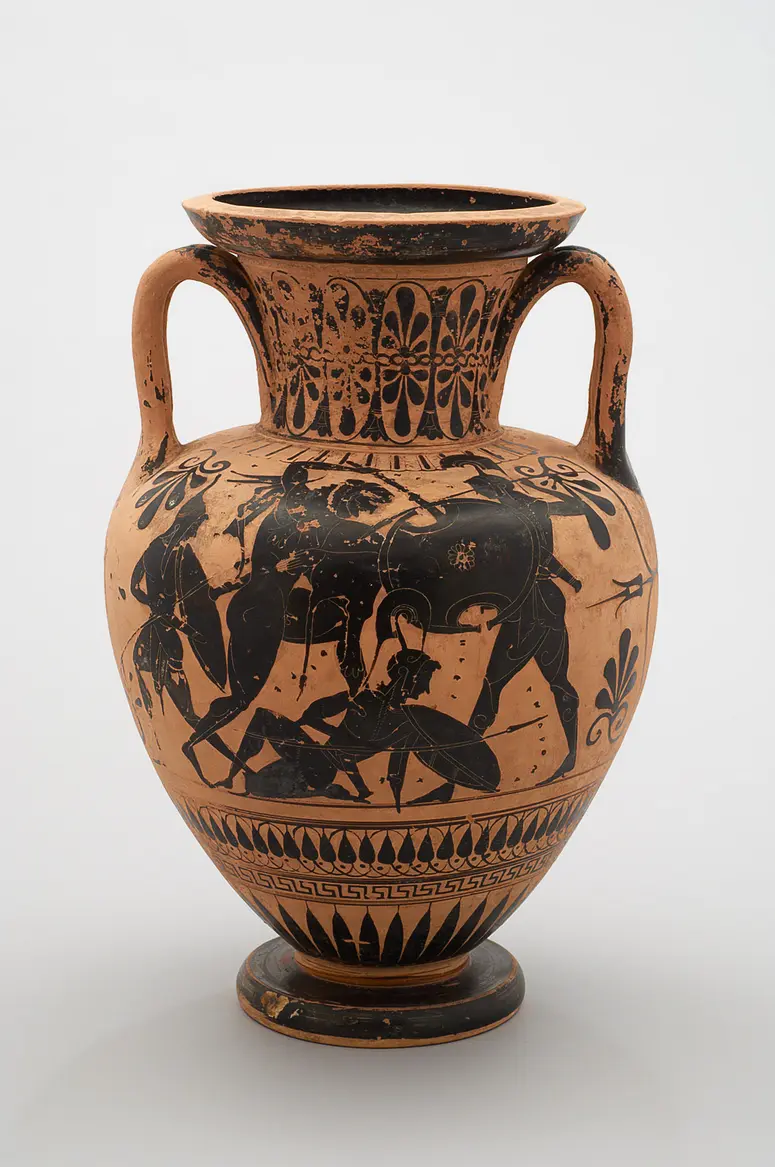
Halsamphora: Herakles und Amazonen (A), Dionysos (B) Griechisch, Attisch, schwarzfigurig um 500 v. Chr.
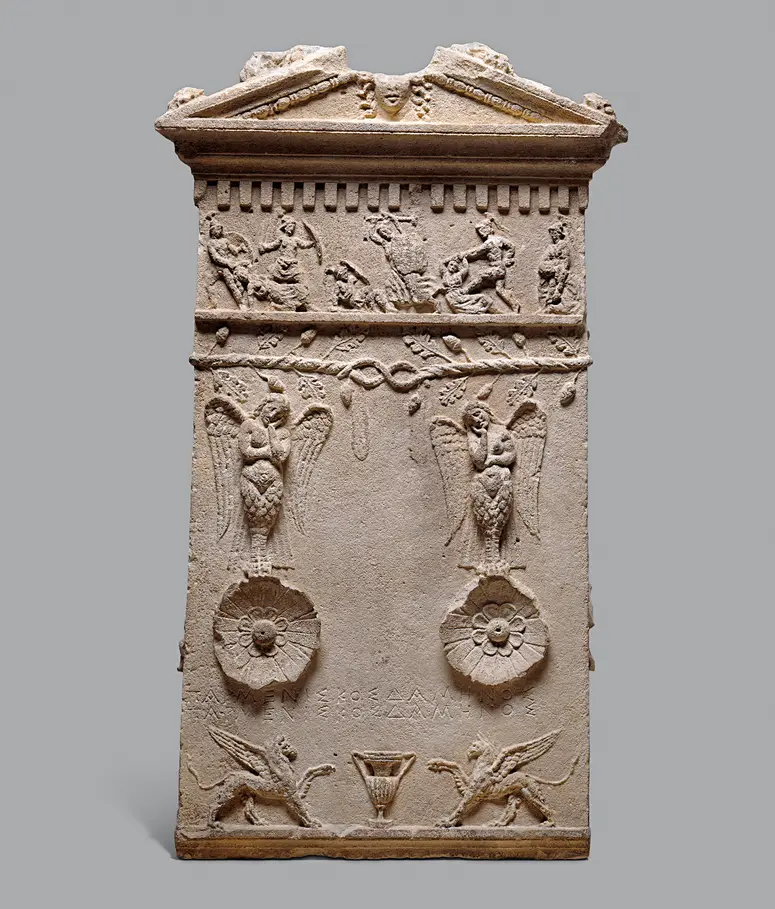
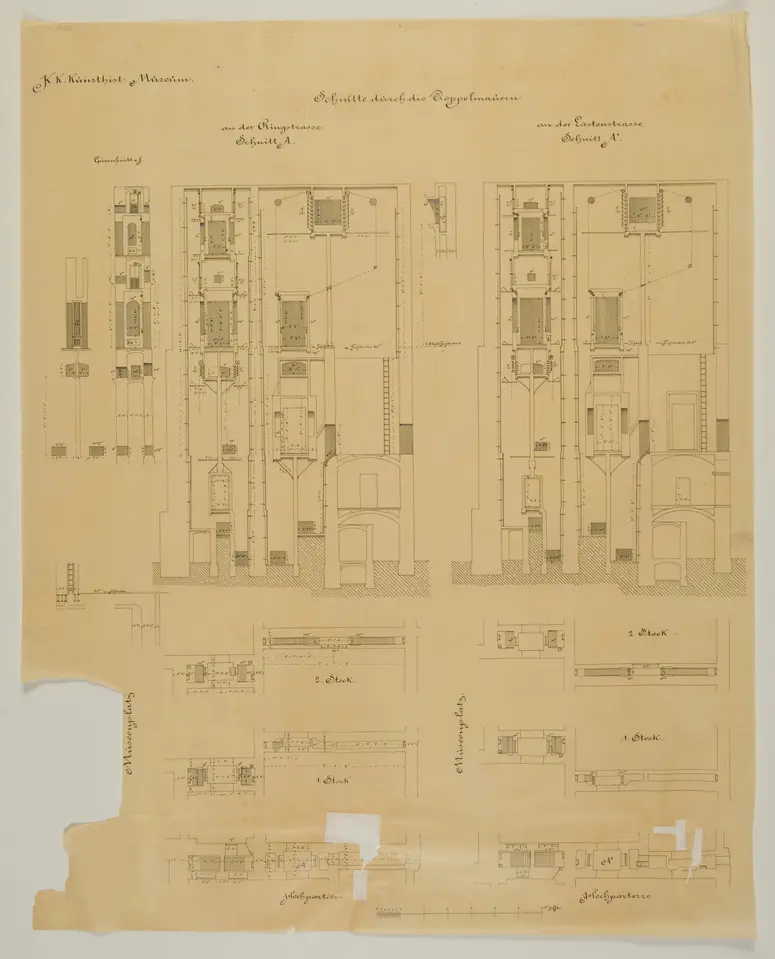
Plan: K. k. Kunsthistorisches Museum. Schnitte durch die Doppelmauern. An der Ringstraße. An der Lastenstraße k. k. Kunsthistorisches Hofmuseum vor 1891
Plan: Bau Sr. Majestät Hofburg. Zwischengeschoss.Raum No. 2 Kunsthistorisches Museum, Neue Burg, Wien 10.02.1909
Relief: Verwundete Amazone Griechisch 2. Hälfte 4. Jh. v. Chr.

Relief: Das Heroon von Trysa Kleinasiatisch, Griechisch-lykisch um 380 v. Chr.
![Bau Sr. Majestät Hofburg. Zwischengeschoss. Japan. Saal No. 7. Mezzanin [Weltreisesammlung]](/typo3temp/assets/_processed_/b/1/csm_AR_XI_1618_202405_9672573c6c.webp)
Plan: Bau Sr. Majestät Hofburg. Zwischengeschoss. Japan. Saal No. 7. Mezzanin [Weltreisesammlung] Kunsthistorisches Museum, Neue Burg, Wien 03.06.1910