Das Heroon von Trysa
um 380 v. Chr.
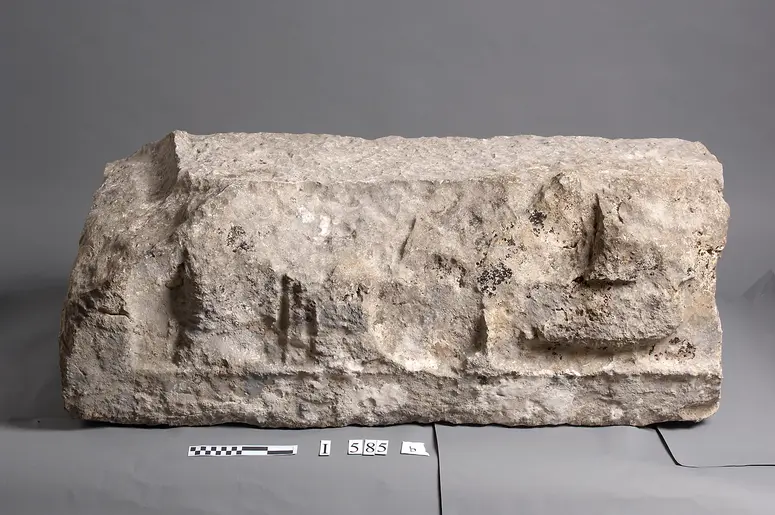
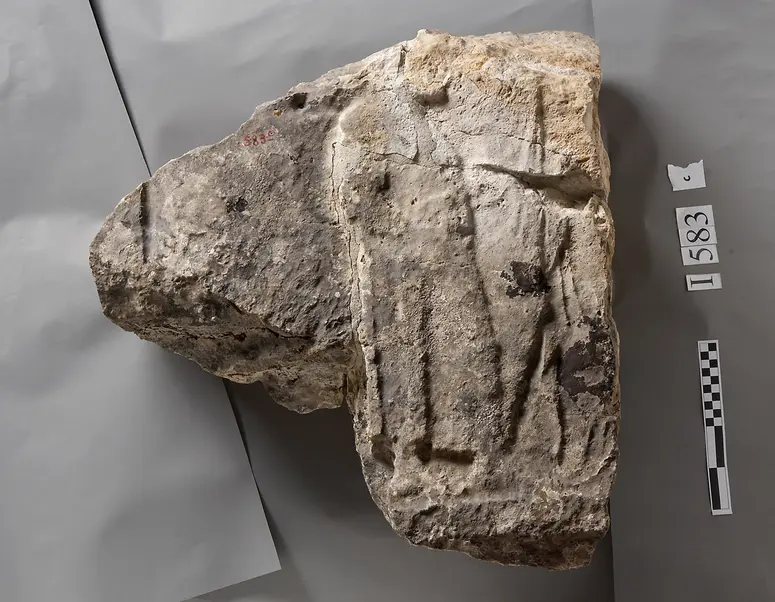
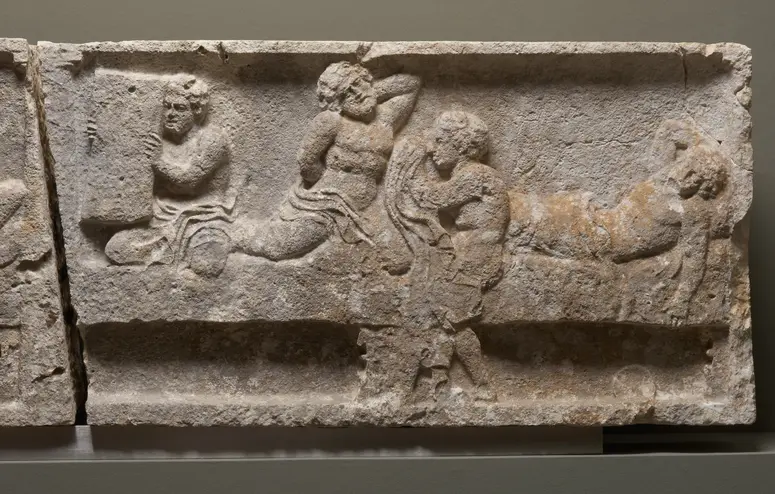
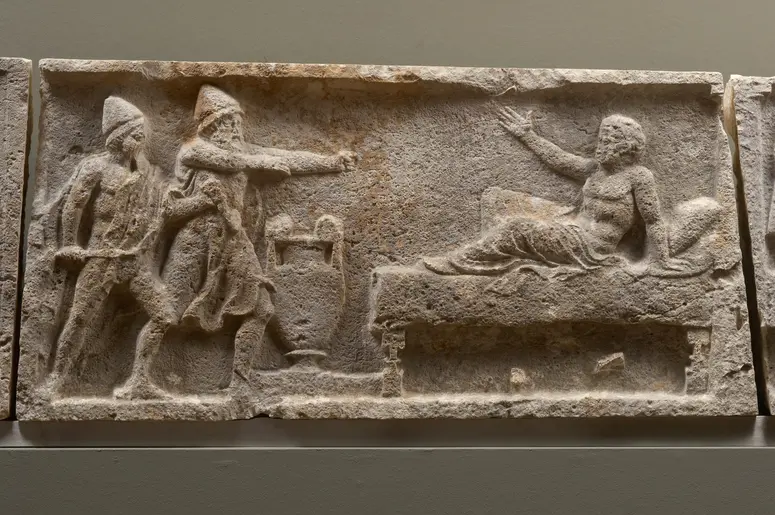
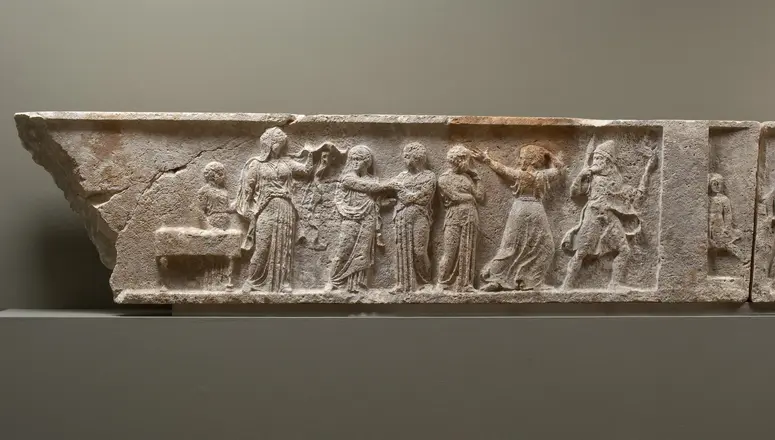
On a ridge in the rugged mountainous region of Lycia lies the ancient settlement of Trysa, a fortified castle with a village and several necropolises. Today it is famous for the magnificent figurative frieze that decorated the enclosing walls of the Heroon, the grave precinct of a local ruler venerated like a hero, located northeast of the castle hill. Together with his closest relatives, he was buried in a multi-storey tomb erected inside the precinct. The funerary cult was celebrated in an adjacent wooden building. We do not know the name of the tomb’s owner but he must have been one of the powerful dynasts of Lycia known from Lycian coinage. The originally polychrome reliefs combine myths and legends with episodes from the life of the ruler buried here. Note the unique conflation of local-Lycian and Persian culture, the intimations of linear perspective, and the art-historically remarkable arrangement of two relief zones superimposed upon one another, which at times recount separate narratives but occasionally also form part of a single composition. Stylistic criteria suggest the friezes were produced around 380 bc, but this has not been universally accepted.
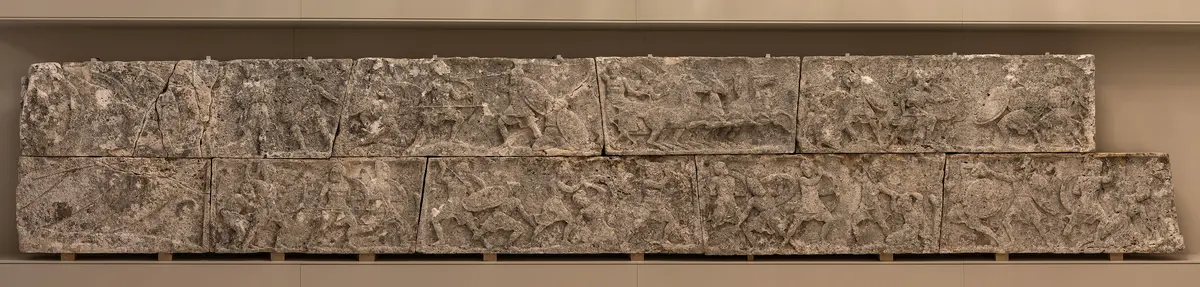
On a ridge in the rugged mountainous region of Lycia lies the ancient settlement of Trysa, a fortified castle with a village and several necropolises. Today it is famous for the magnificent figurative frieze that decorated the enclosing walls of the Heroon, the grave precinct of a local ruler venerated like a hero, located northeast of the castle hill. Together with his closest relatives, he was buried in a multi-storey tomb erected inside the precinct. The funerary cult was celebrated in an adjacent wooden building. We do not know the name of the tomb’s owner but he must have been one of the powerful dynasts of Lycia known from Lycian coinage. The originally polychrome reliefs combine myths and legends with episodes from the life of the ruler buried here. Note the unique conflation of local-Lycian and Persian culture, the intimations of linear perspective, and the art-historically remarkable arrangement of two relief zones superimposed upon one another, which at times recount separate narratives but occasionally also form part of a single composition. Stylistic criteria suggest the friezes were produced around 380 bc, but this has not been universally accepted.
Time:
um 380 v. Chr.
Object Name
Relief
Culture
Kleinasiatisch
Material/technology:
Kalkstein
Copyright
Kunsthistorisches Museum, Antikensammlung
Invs.
Antikensammlung, I Heroon Trysa
Provenance
Österreichische Expedition Prof. Benndorf; Ges. zur archäol. Erforschung Kleinasiens; 1883 Geschenk
Browse more
Similar items you might be interested in
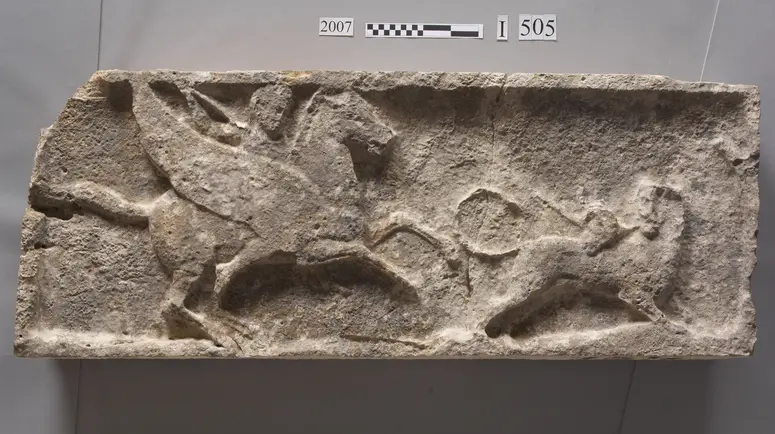
Relief: Bellerophon, Süd/Innen/Ost A9 Kleinasiatisch, Griechisch-lykisch um 380 v. Chr.
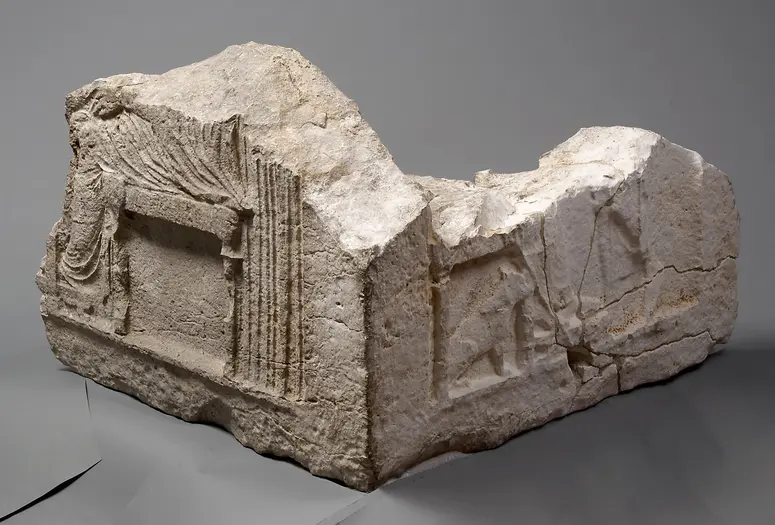
Fragment des Sarkophagkastens: Schreitende Figuren Kleinasiatisch, Griechisch-lykisch um 380 v. Chr.

Relief: Freiermord des Odysseus, Süd/Innen/West A4 Kleinasiatisch, Griechisch-lykisch um 380 v. Chr.
Votivrelief: Lykisches Zwölfgötter-Relief Römisch, Kaiserzeit 2. - 4. Jh. n. Chr.
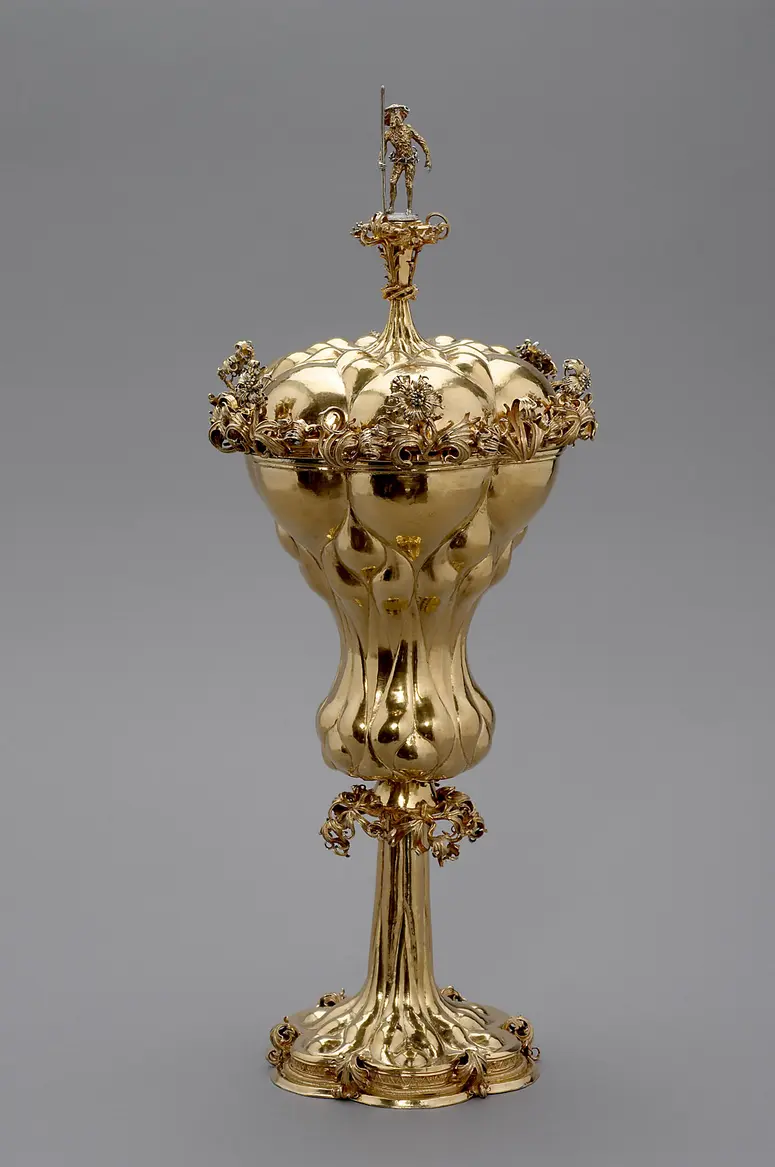

Nicolas Hortuno de Aguirre d. J. Klinge: um 1637; Fassung: 3. Viertel des 17. Jahrhunderts

Hofdegen; Hofdegen (Spadroon); Kurzer Hofdegen; Lehenschwert der Stadt Ungarisch-Hradisch mit Scheide; Hofdegen; Kurzer Hofdegen; Hofdegen J. Löwy, K. und K. Hof-Photograph, Kunst- und Verlagsanstalt (Wien) 1892
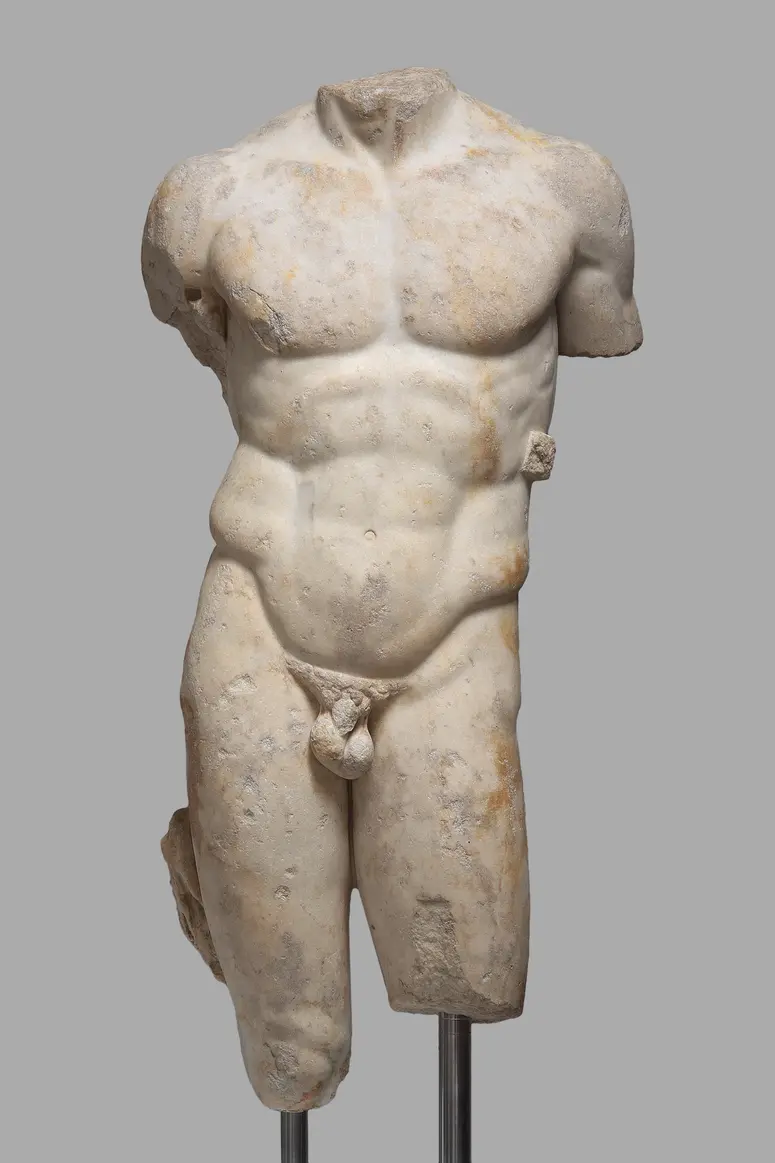
Statue: Torso des Speerträgers (Doryphoros) Römisch, Mittlere Kaiserzeit 2. Jh. n. Chr., nach griechischem Original des Polyklet um 440 v. Chr.
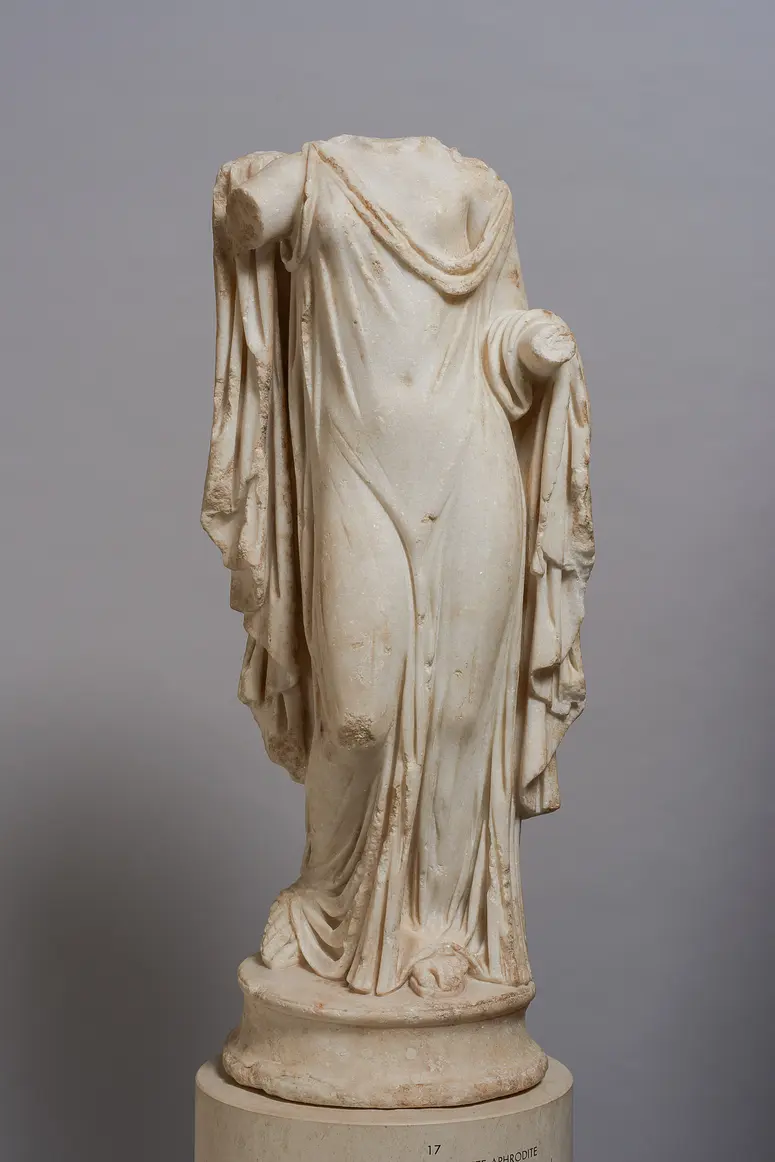
Statuette: Bekleidete Aphrodite (Typus Venus Genetrix) Römisch, Kaiserzeit 1. - 2. Jh. n. Chr., nach griechischem Vorbild des 5. Jh. v. Chr.
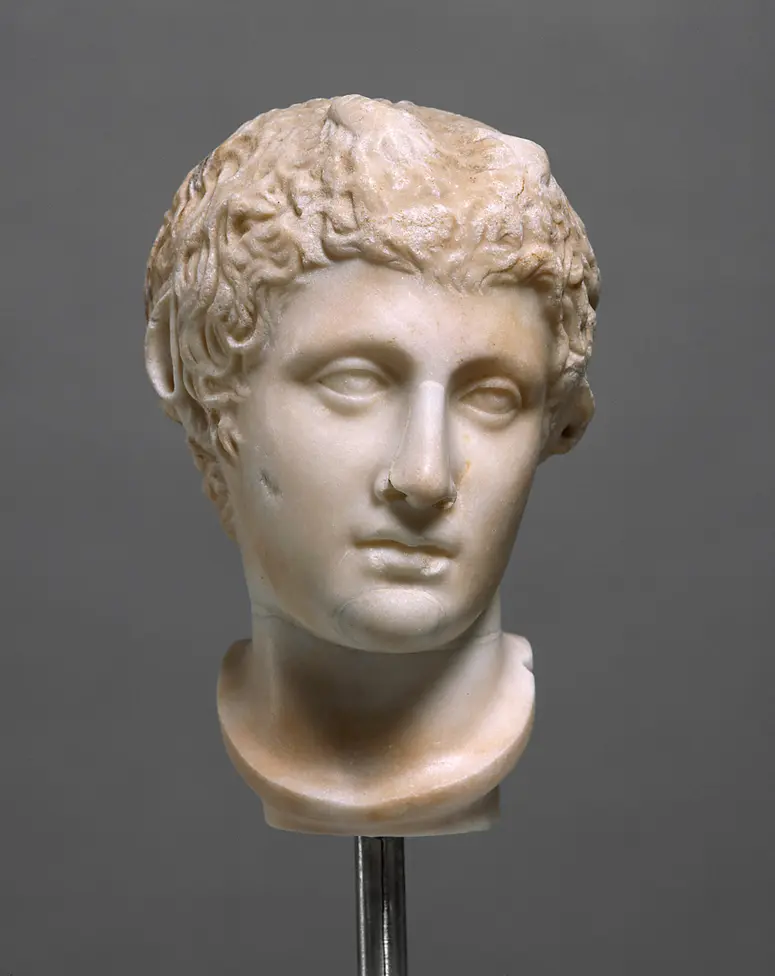
Kopf: Pan Römisch, Kaiserzeit 1. - 2. Jh. n. Chr., nach griechischem Original um 420 v. Chr.
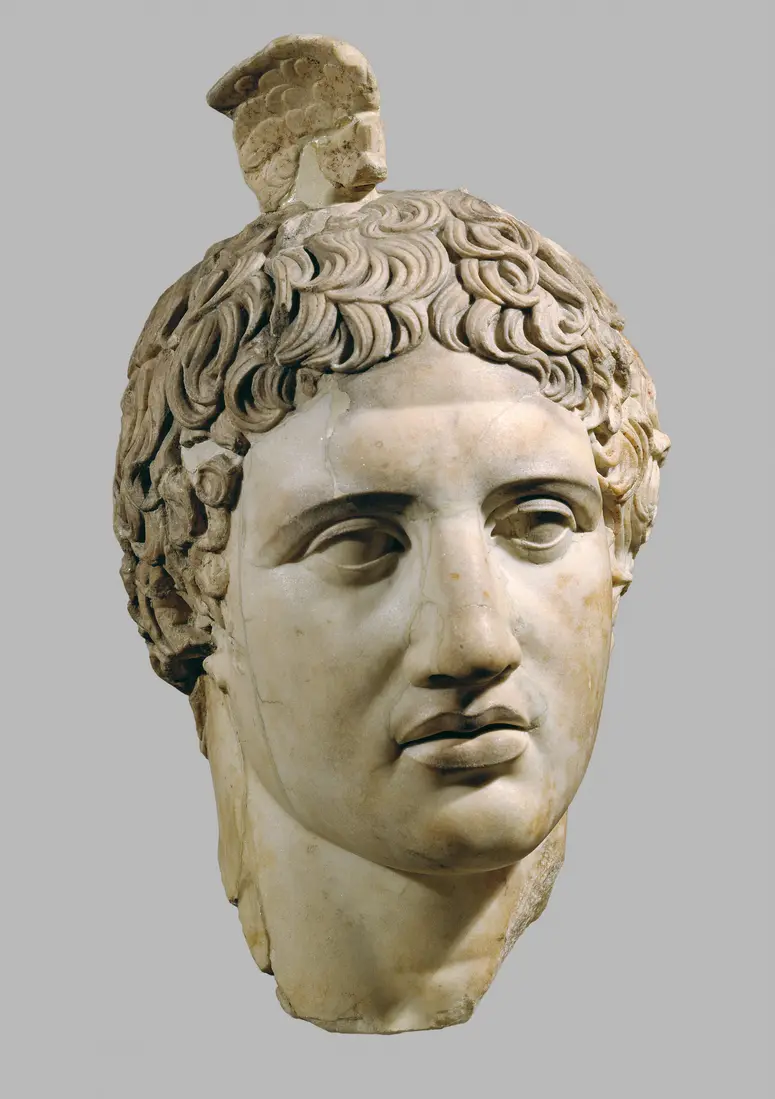
Kopf: Hermes Römisch, Mittlere Kaiserzeit Mitte des 2. Jhs. n. Chr., nach Bronzeoriginal um 430 v. Chr.
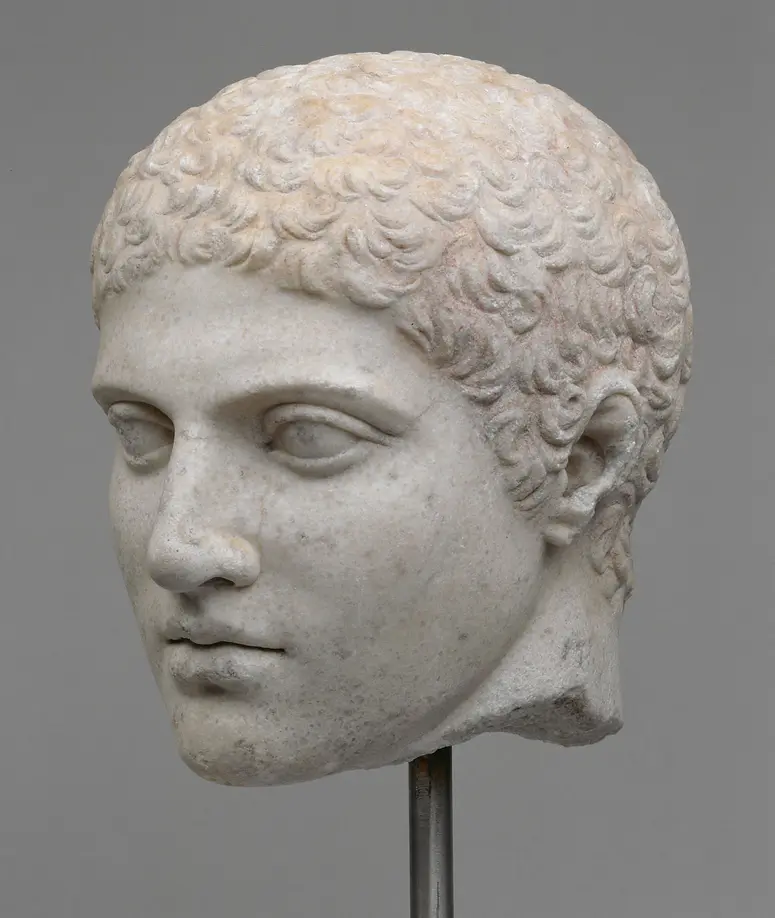
Kopf: Diskuswerfer Römisch, Mittlere Kaiserzeit 2. Jh. n. Chr., nach griechischem Original des Myron um 450 v. Chr.