Base for a god’s boat
19th Dynasty, reign of Sety I, 1314–1304 BC
On the occasion of festivals, a god’s cult statue was taken out of the Holy of Holies and carried in a boat which came to rest from time to time on a pedestal. Sety I commissioned this pedestal for the Temple of Seth in Avaris in the eastern delta. The king is shown worshipping Seth. Knotting the plants of Upper and Lower Egypt symbolized the unification.
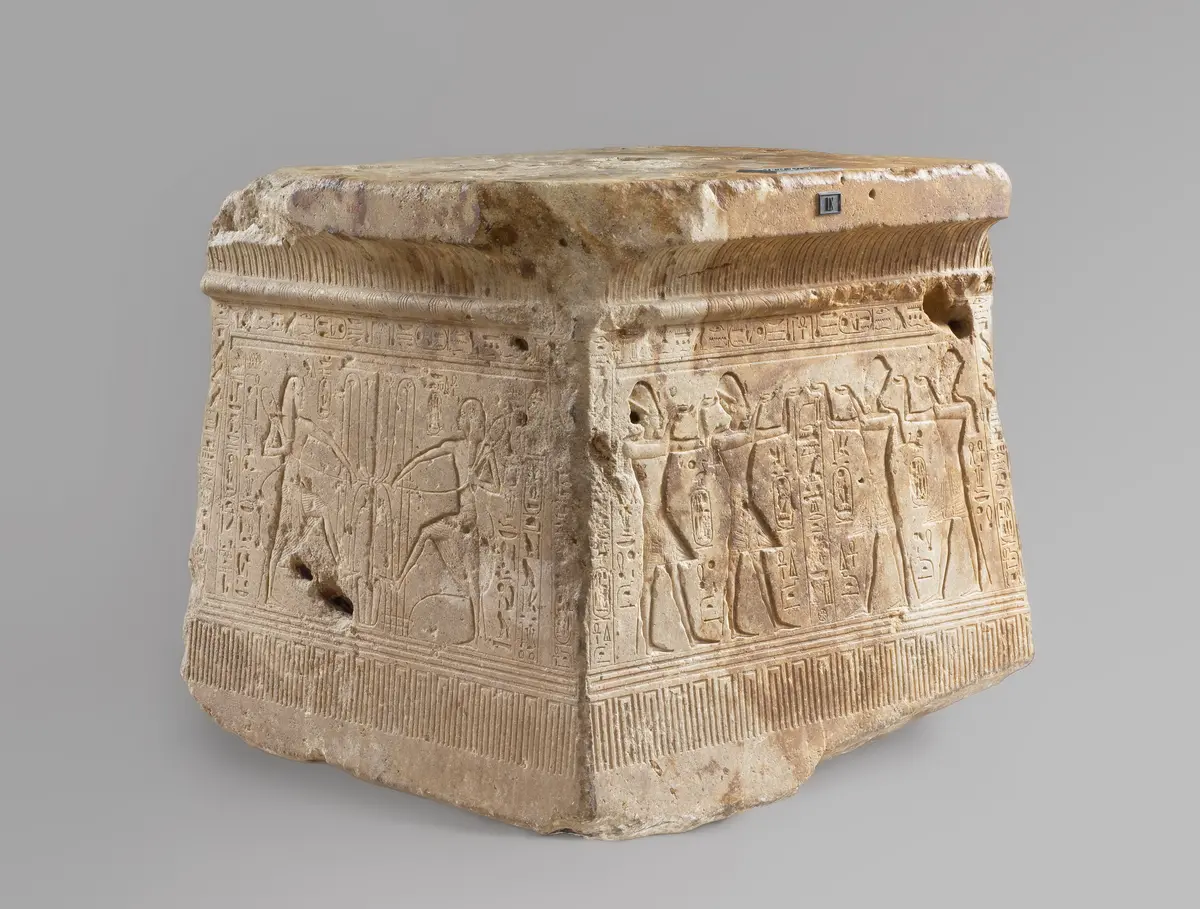
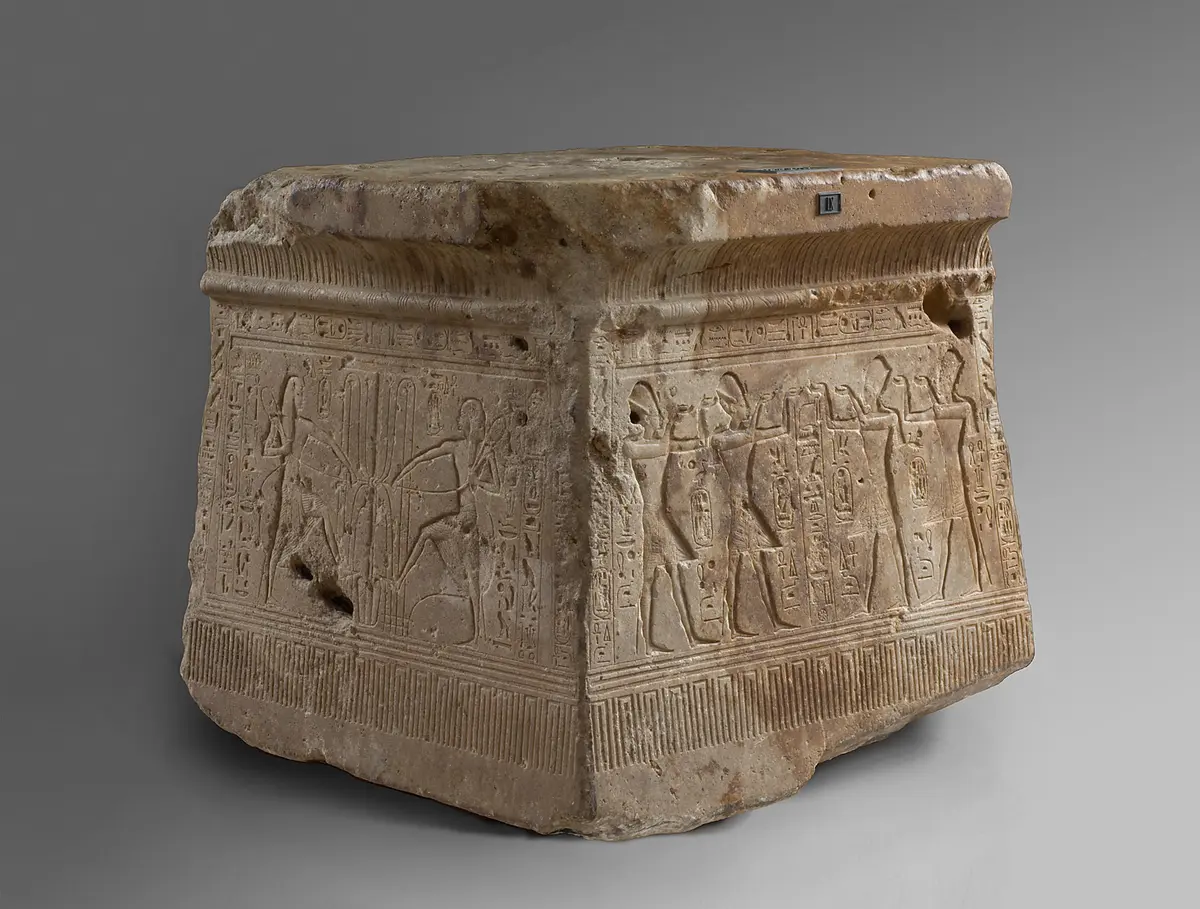
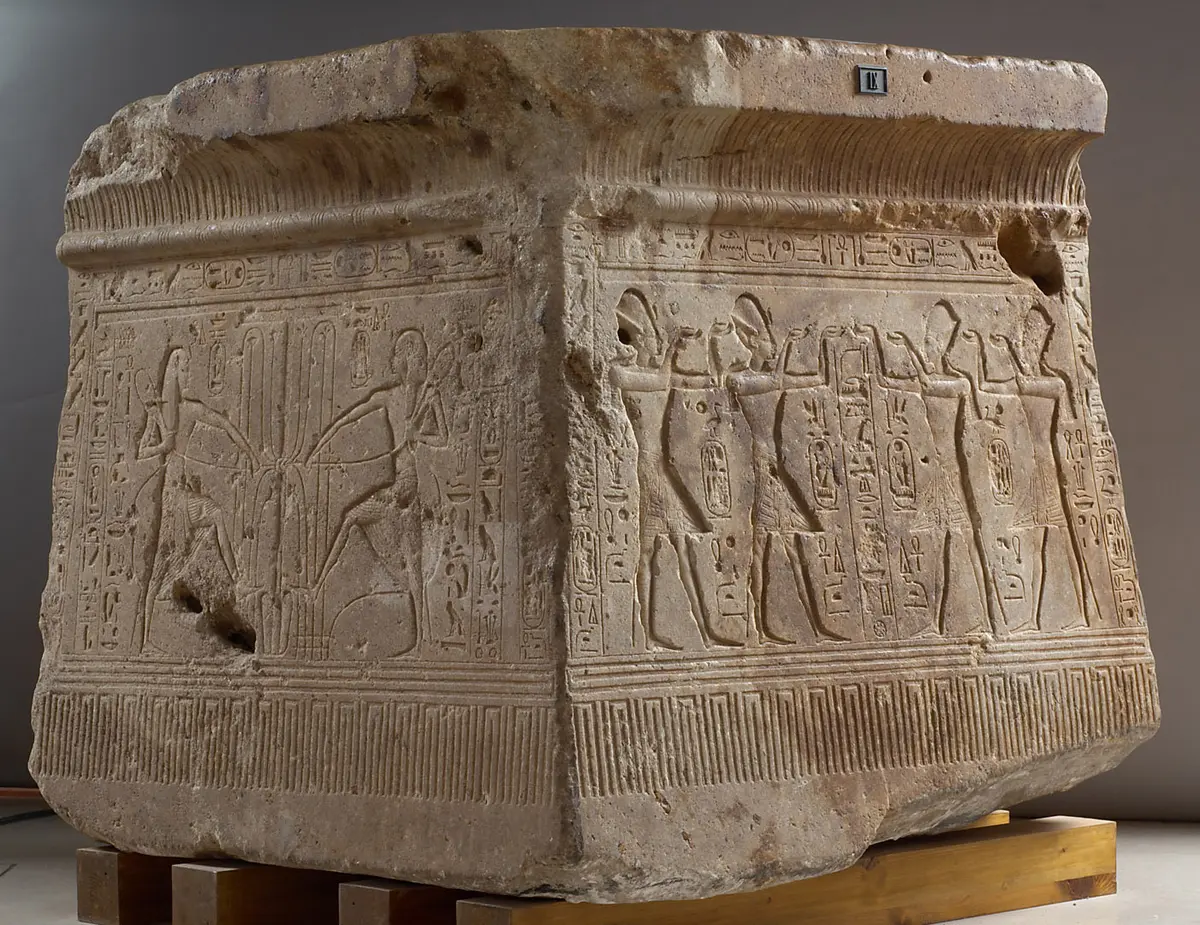
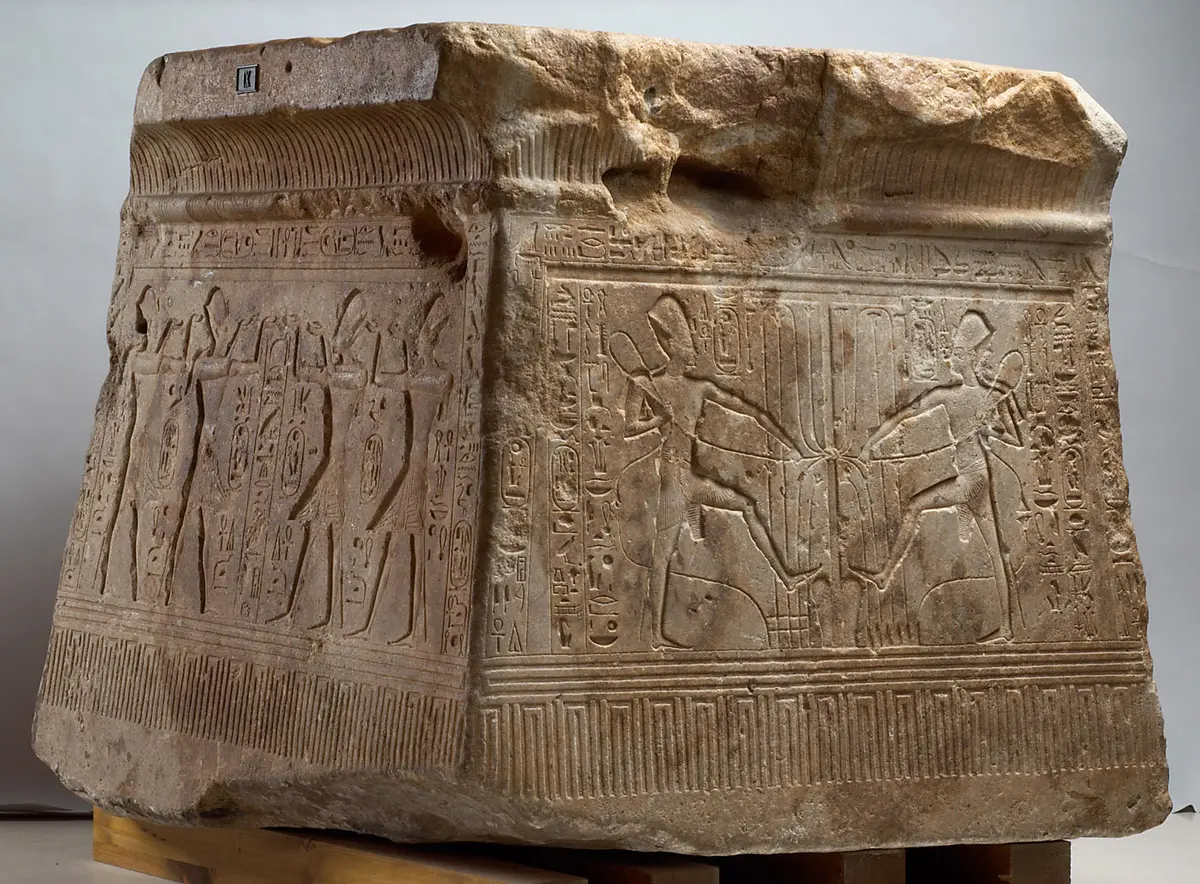
On the occasion of festivals, a god’s cult statue was taken out of the Holy of Holies and carried in a boat which came to rest from time to time on a pedestal. Sety I commissioned this pedestal for the Temple of Seth in Avaris in the eastern delta. The king is shown worshipping Seth. Knotting the plants of Upper and Lower Egypt symbolized the unification.
Time:
19th Dynasty, reign of Sety I, 1314–1304 BC
Object Name
Barque base
Culture
Ägyptisch
Location of discovery:
Auaris
Material/technology:
Silicified sandstone
Dimensions:
H 97 cm, B 106 cm, T 110 cm
Copyright
Kunsthistorisches Museum, Ägyptisch - Orientalische Sammlung
Invs.
Ägyptische Sammlung, INV 5106
Provenance
1878, acquired with the Miramar Collection
Browse more
Similar items you might be interested in

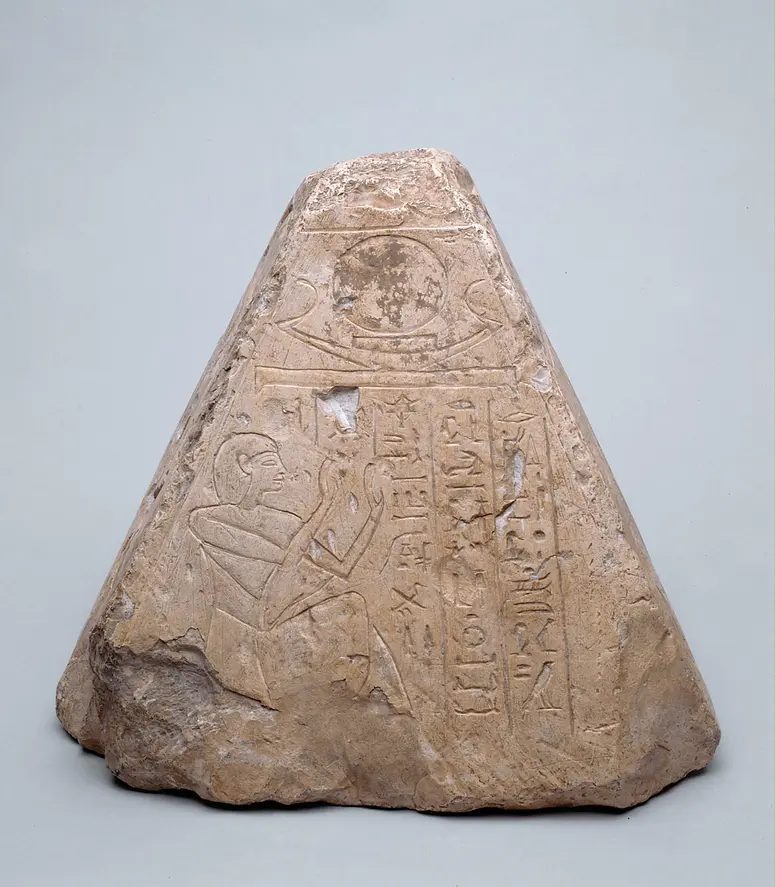
Grabkegel des Ra-mesi Theben-West, Scheich Abd el-Qurna, TT 132 25. Dynastie, Zeit des Taharqo, 690-664 v. Chr.
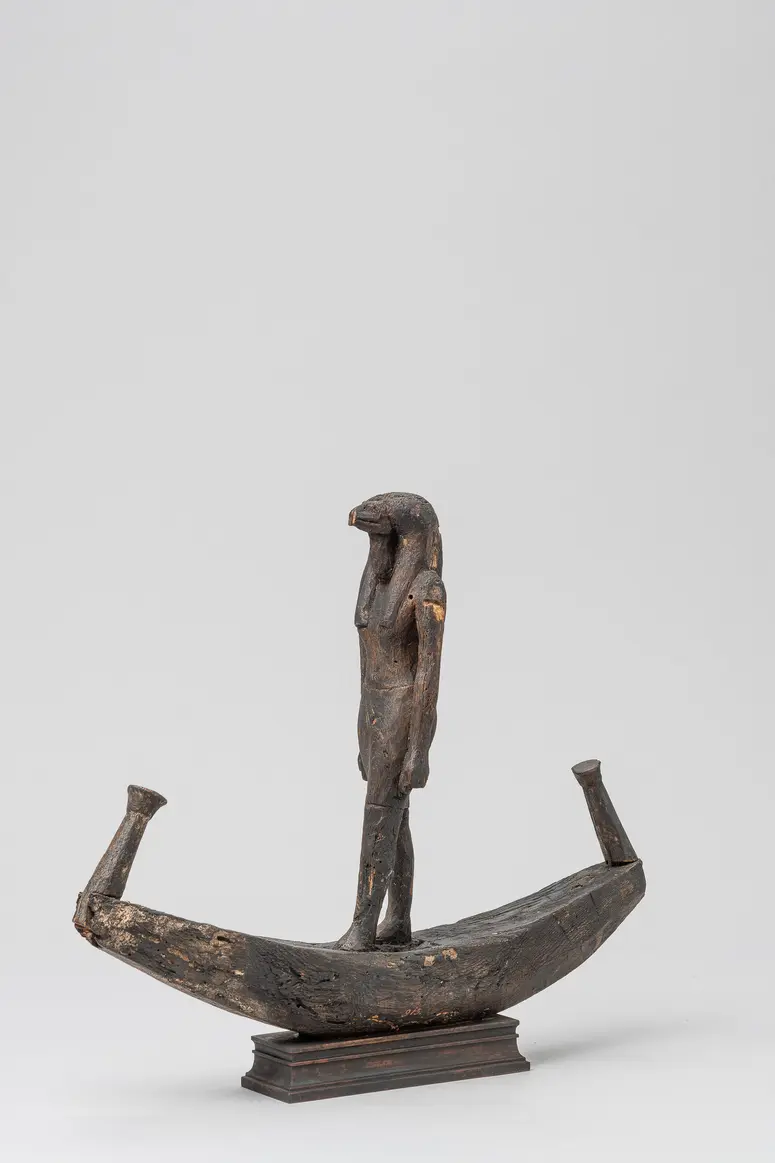
Figur des ibisköpfigen Gottes Thot, in einer Barke stehend Fundort unbekannt 8.-3. Jh. v. Chr.
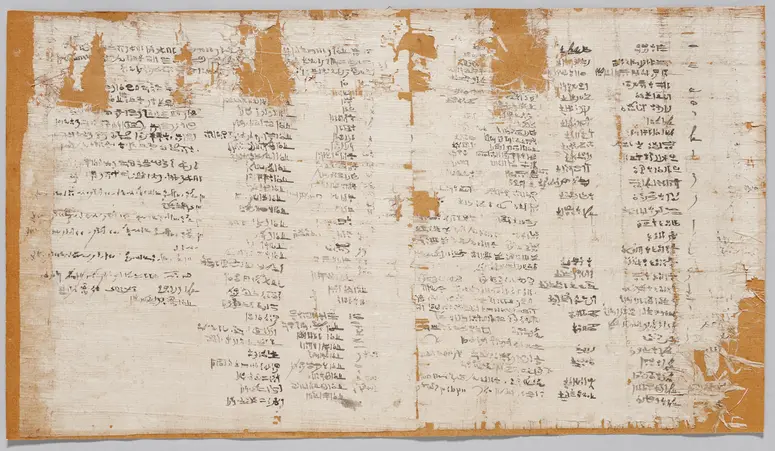
Liste von Götternamen, Kultorten, Kultanweisungen und heiligen Barken Fundort unbekannt 305-31 v. Chr.
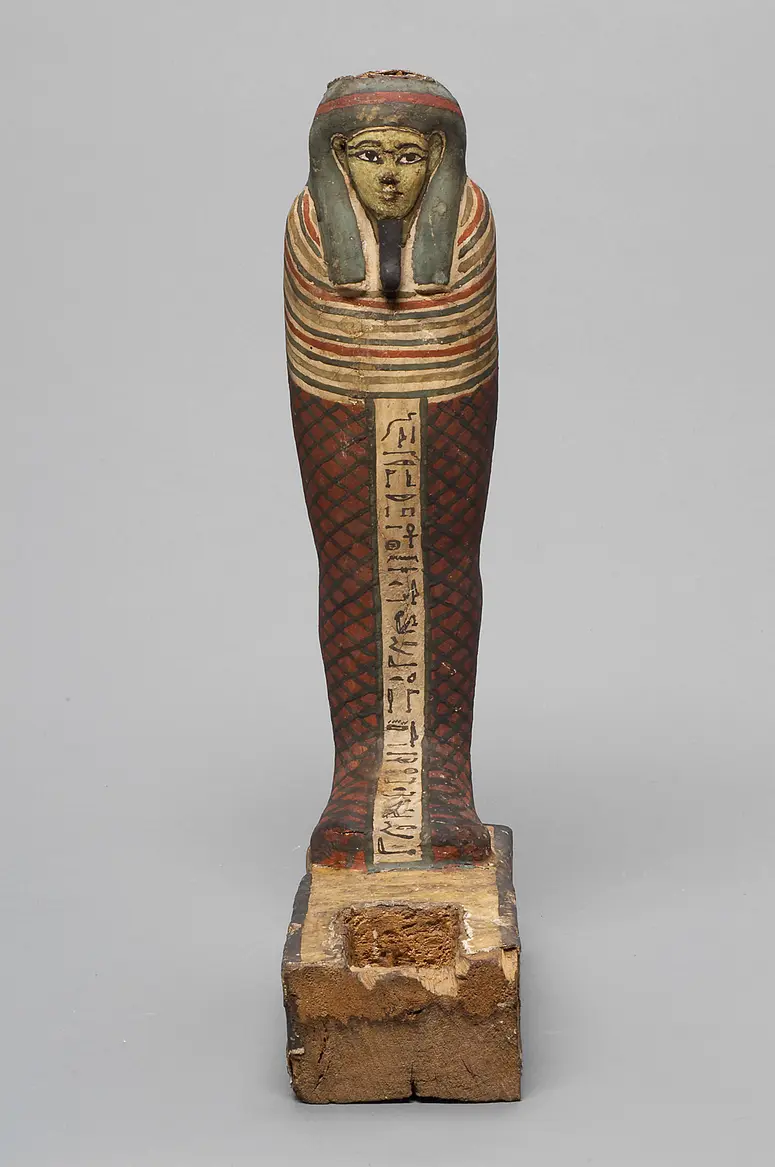
Ptah-Sokar-Osiris-Statuette der Hausherrin Anch-en-es-it-es auf Sockel Fundort unbekannt Ca. 7./6. Jh. v. Chr.
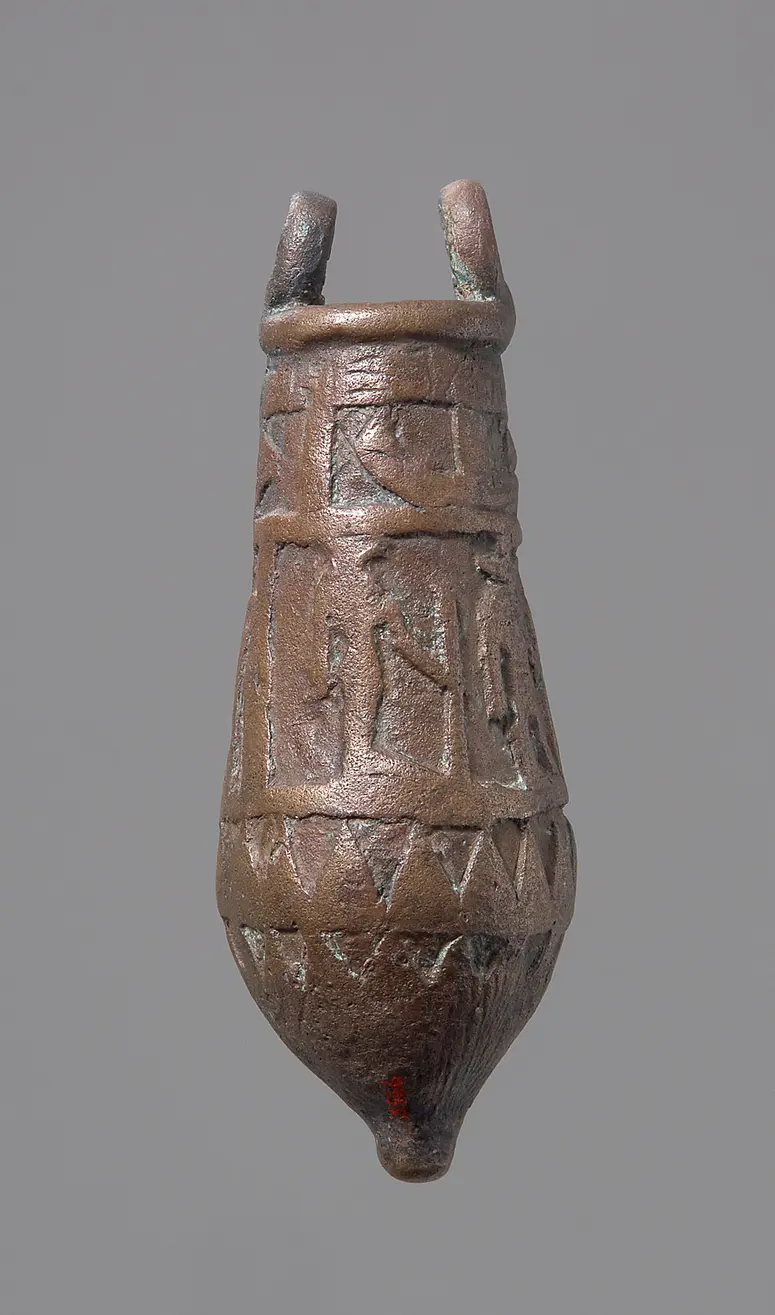
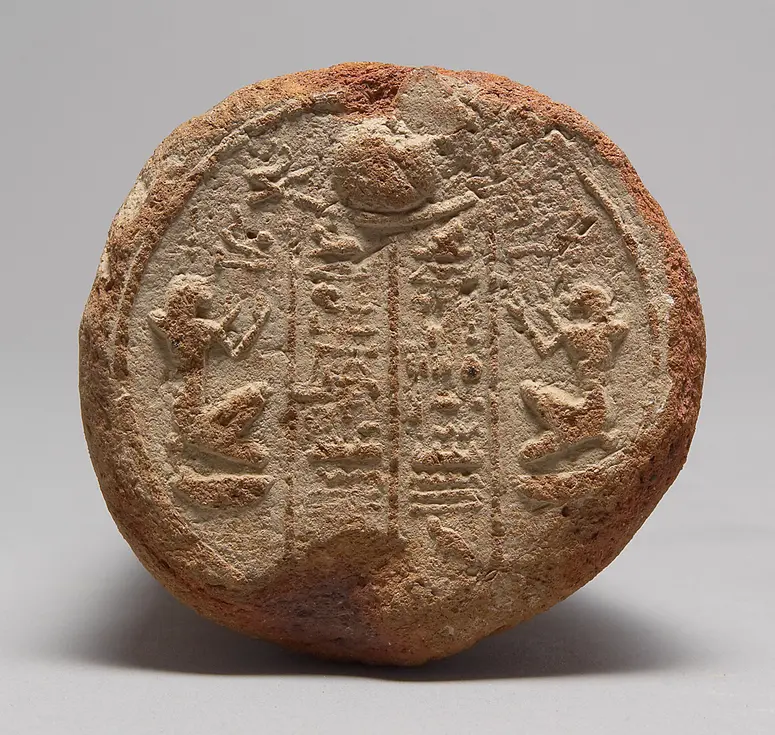
Grabkegel des Monthemhet Theben-West, Asasif, Grab 34 25. - 26. Dynastie, Taharqo bis Psammetich I., 690–610 v. Chr.
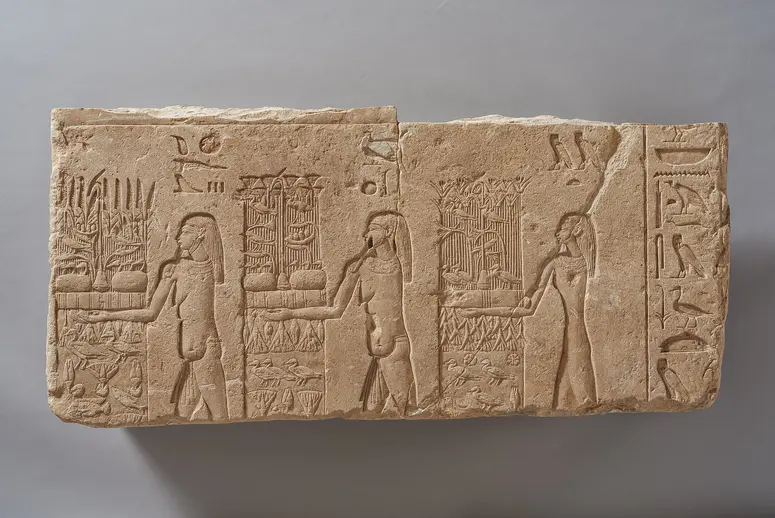
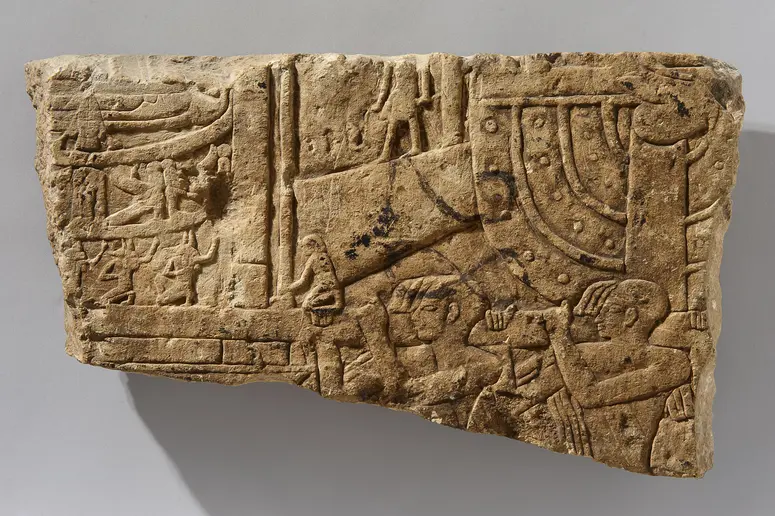
Wall relief from an offering procession Saqqara, Apis-Tempel des Serapeums (vermutlich) 19th Dynasty, reign of Ramesses II, ca. 1304–1237 BC
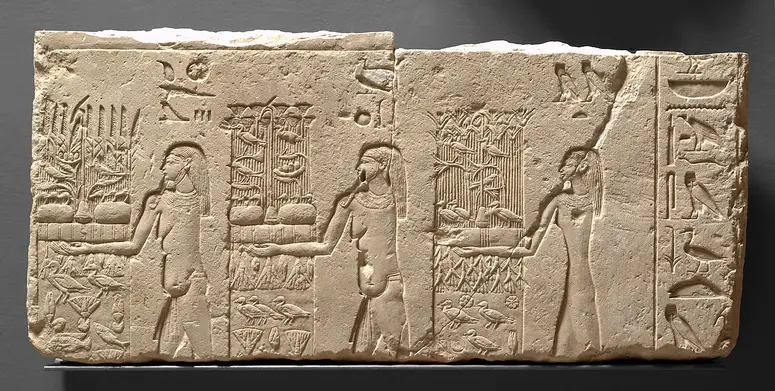
Wall relief from an offering procession Saqqara, Apis-Tempel des Serapeums (vermutlich) 19th Dynasty, reign of Ramesses II, ca. 1304–1237 BC
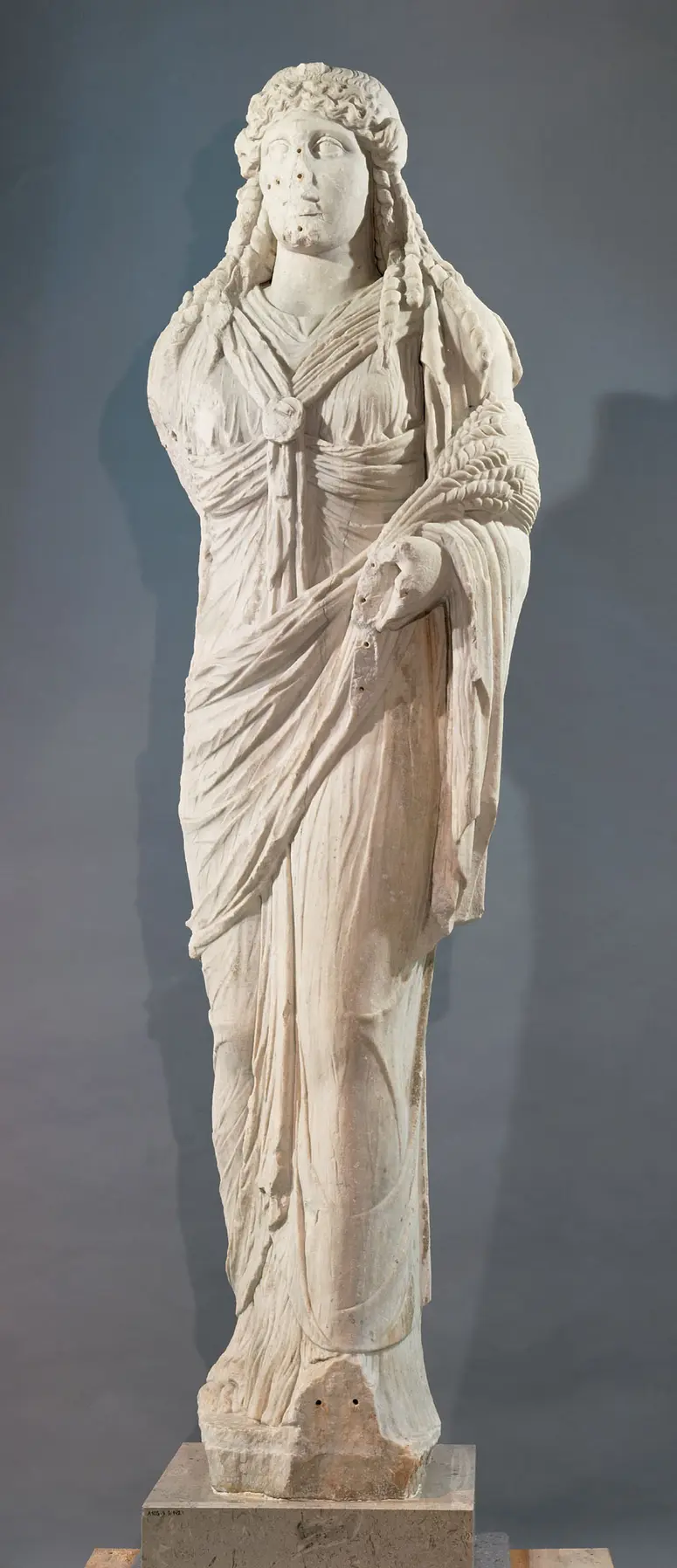
Statue: Isis Römisch, Kaiserzeit 1. - 2. Jh. n. Chr., nach griechischem Vorbild des 4. Jh. v. Chr.
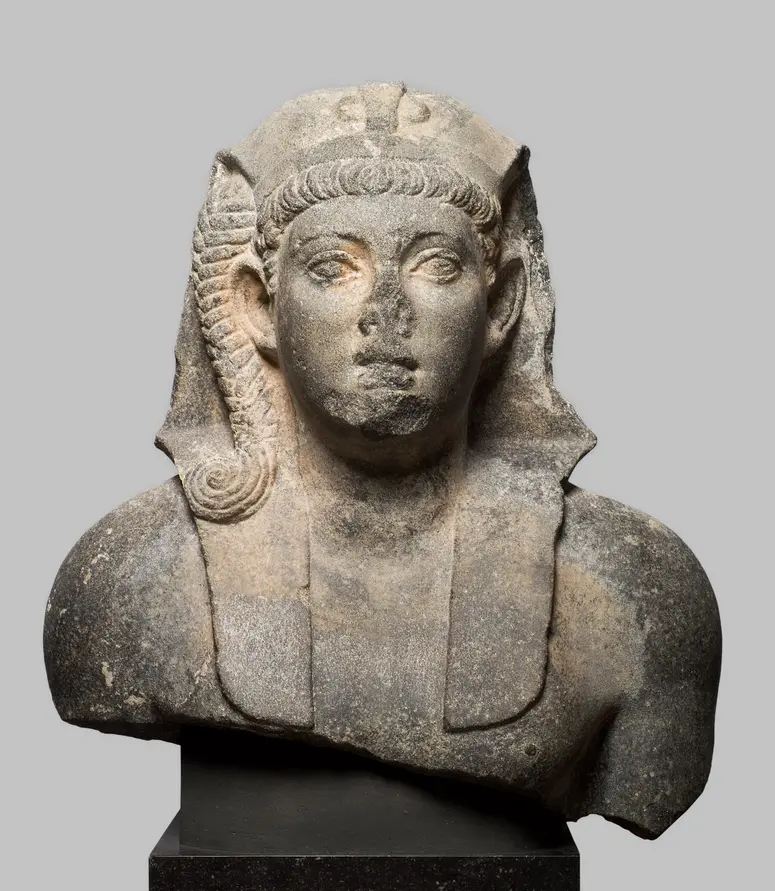
Bust of a youthful king Alexandria (vermutlich) 2nd /1st century BC or 1st century AD;

Hohe Schüssel mit Topfmarke Tura, Nord-Friedhof, Grab 11 p 8 1.-2. Dynastie, um 2800 v. Chr.
Squatting statue of Khai-hapi with a sistrum Vindobona, Wien III, Wr. Neustädter-Kanal, Landstraße 2nd half of the 19th Dynasty, ca. 1250-1200 BC