Salbschale in Form eines Tilapia-Fisches
Ca. 1569-1081 v. Chr.
Die Schale ist beidseitig in Fischform gearbeitet. Auf der Schalenseite ist der Körper vom Kopf bis zum Schwanzansatz eingetieft. Im Maul war ursprünglich ein Griff aus Kalzit eingesetzt. Die Flossen des Fisches sind mit Schraffur bedeckt, Details sind durch Ritzlinien angegeben. Die Schuppen sind nicht eingezeichnet, da die fein geäderte, wellige Maserung des Kalzits gleichsam natürlich dem Schuppenmuster entspricht. Der häufig im Nil auftretende Tilapia-Fisch wird oft in der ägyptischen Kunst dargestellt, auch weil er Symbol für Fruchtbarkeit und Wiederbelebung ist.
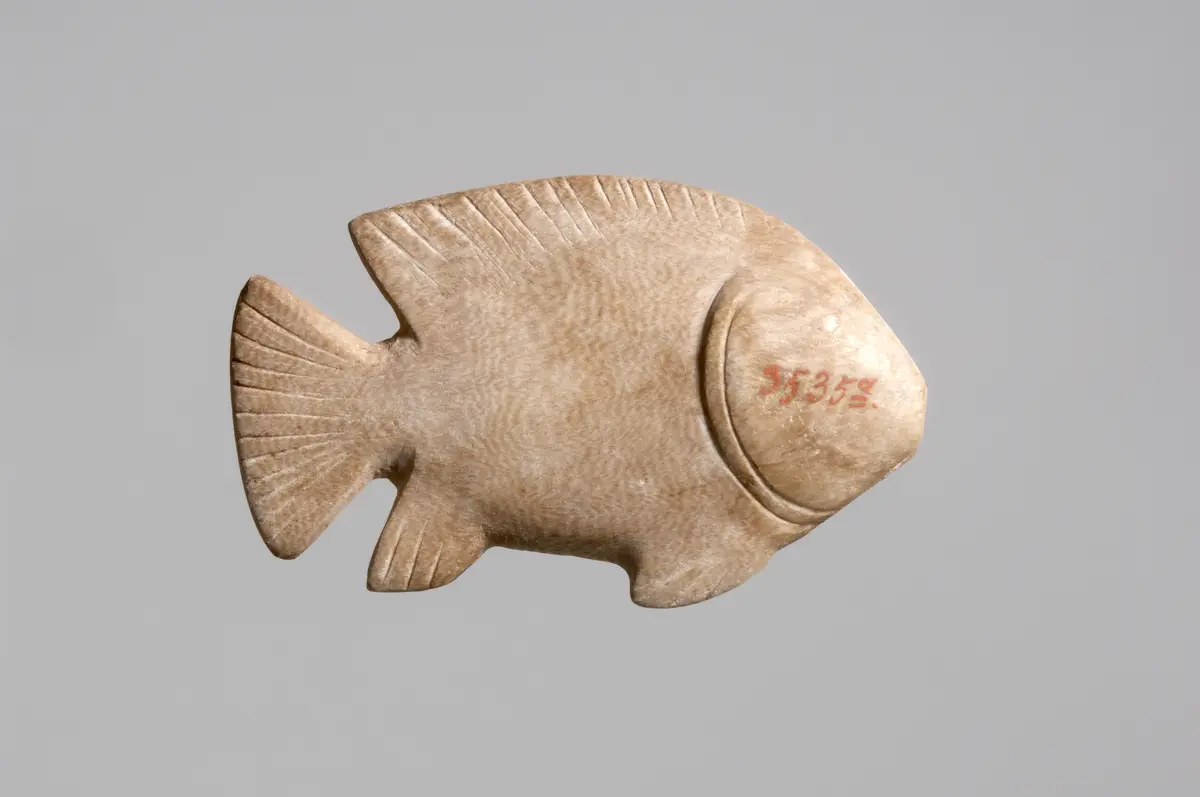
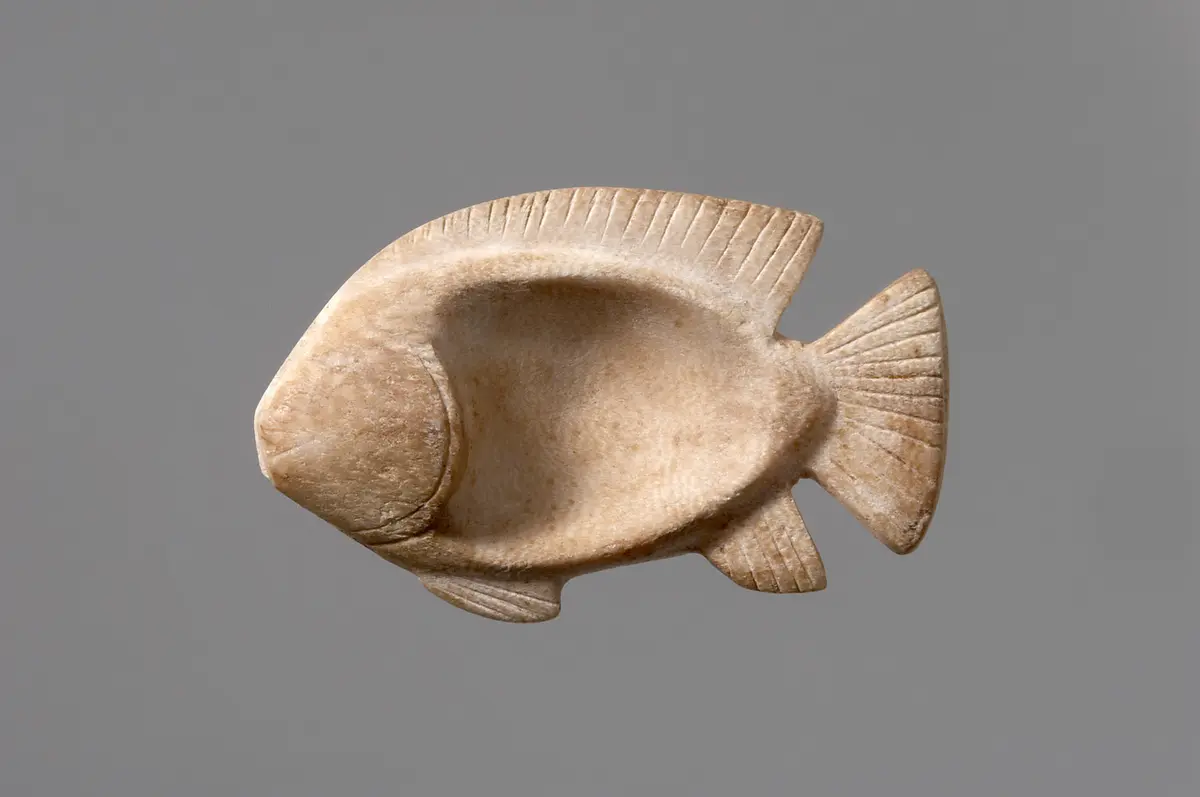
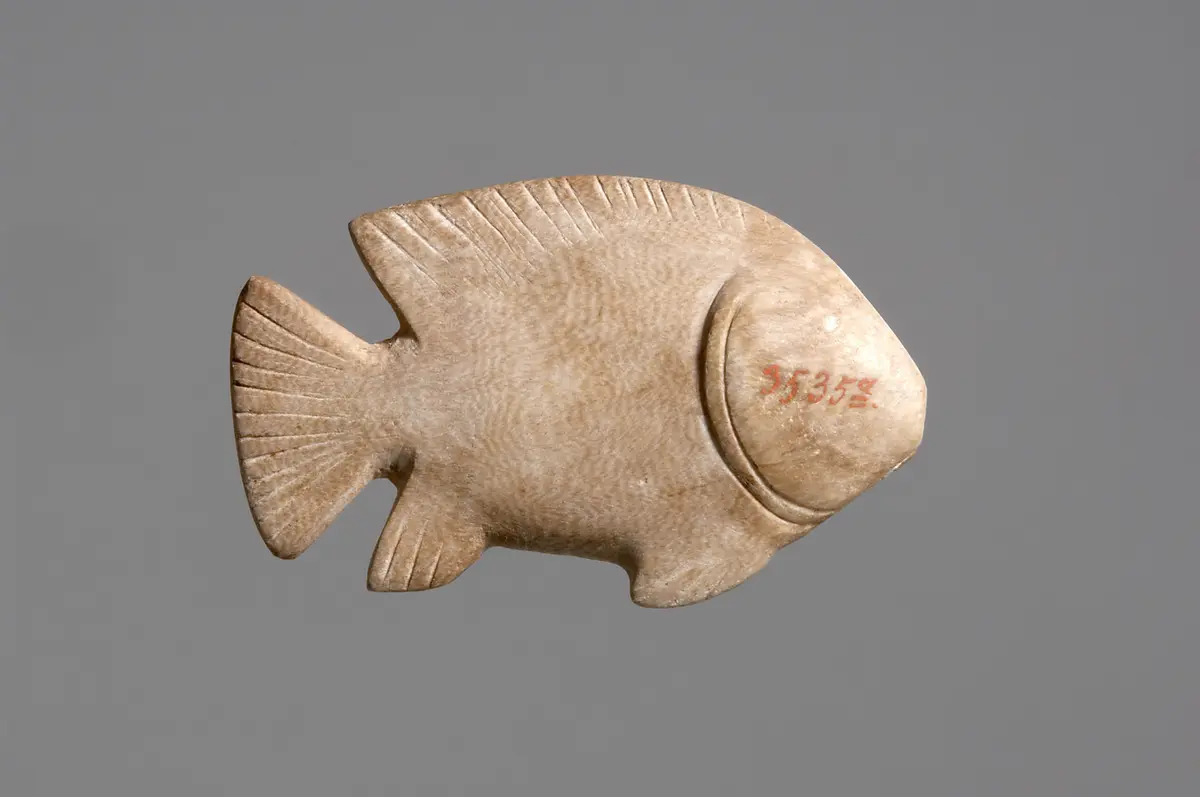
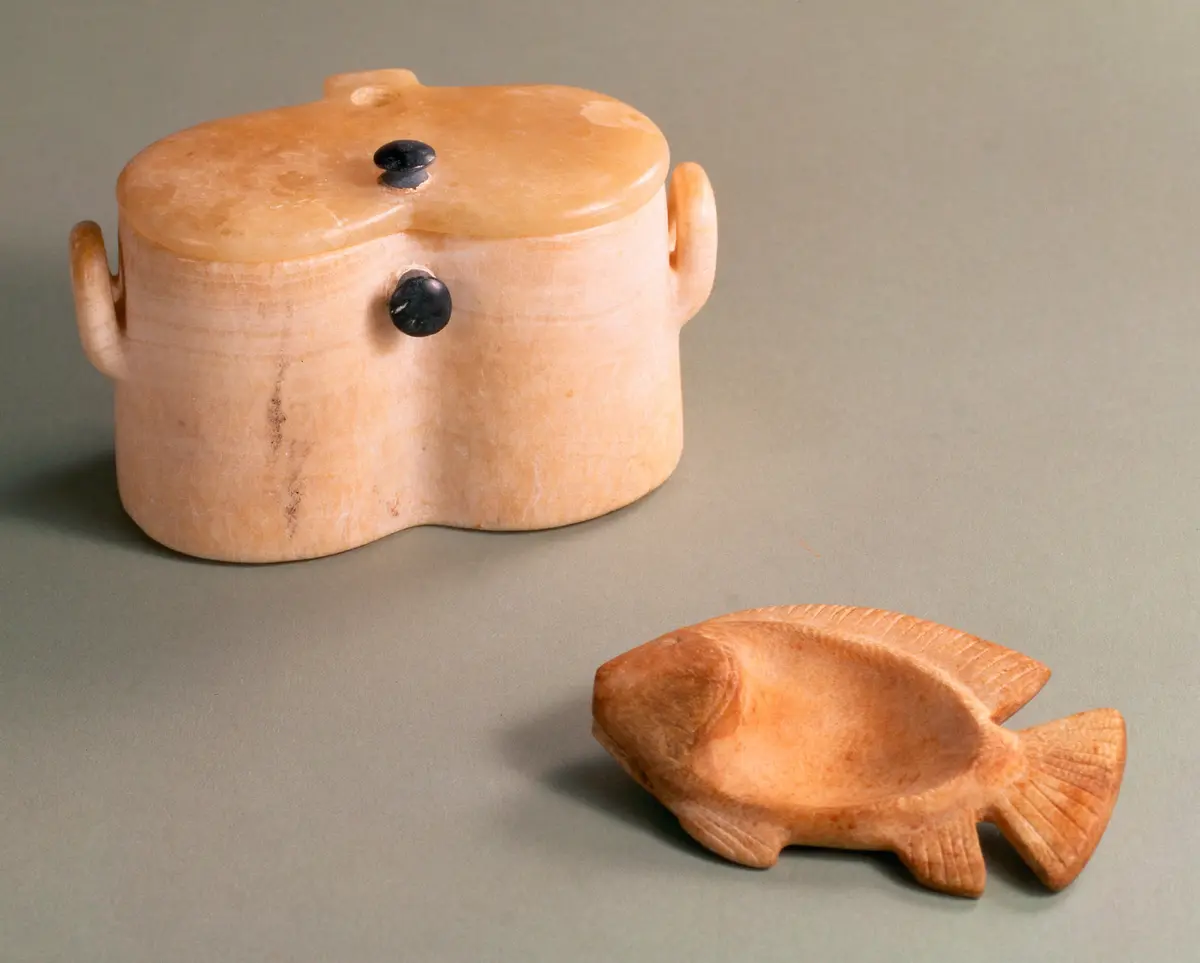
Die Schale ist beidseitig in Fischform gearbeitet. Auf der Schalenseite ist der Körper vom Kopf bis zum Schwanzansatz eingetieft. Im Maul war ursprünglich ein Griff aus Kalzit eingesetzt. Die Flossen des Fisches sind mit Schraffur bedeckt, Details sind durch Ritzlinien angegeben. Die Schuppen sind nicht eingezeichnet, da die fein geäderte, wellige Maserung des Kalzits gleichsam natürlich dem Schuppenmuster entspricht. Der häufig im Nil auftretende Tilapia-Fisch wird oft in der ägyptischen Kunst dargestellt, auch weil er Symbol für Fruchtbarkeit und Wiederbelebung ist.
Time:
Ca. 1569-1081 v. Chr.
Object Name
Gefäß
Culture
Ägyptisch
Location of discovery:
Fundort unbekannt
Material/technology:
Kalzit, sehr fein gemasert
Dimensions:
L 9,2 cm, B 5,6 cm, T 2,2 cm, G 80 g
Copyright
Kunsthistorisches Museum, Ägyptisch - Orientalische Sammlung
Invs.
Ägyptische Sammlung, INV 3535a
Provenance
Alter Bestand
Browse more
Similar items you might be interested in
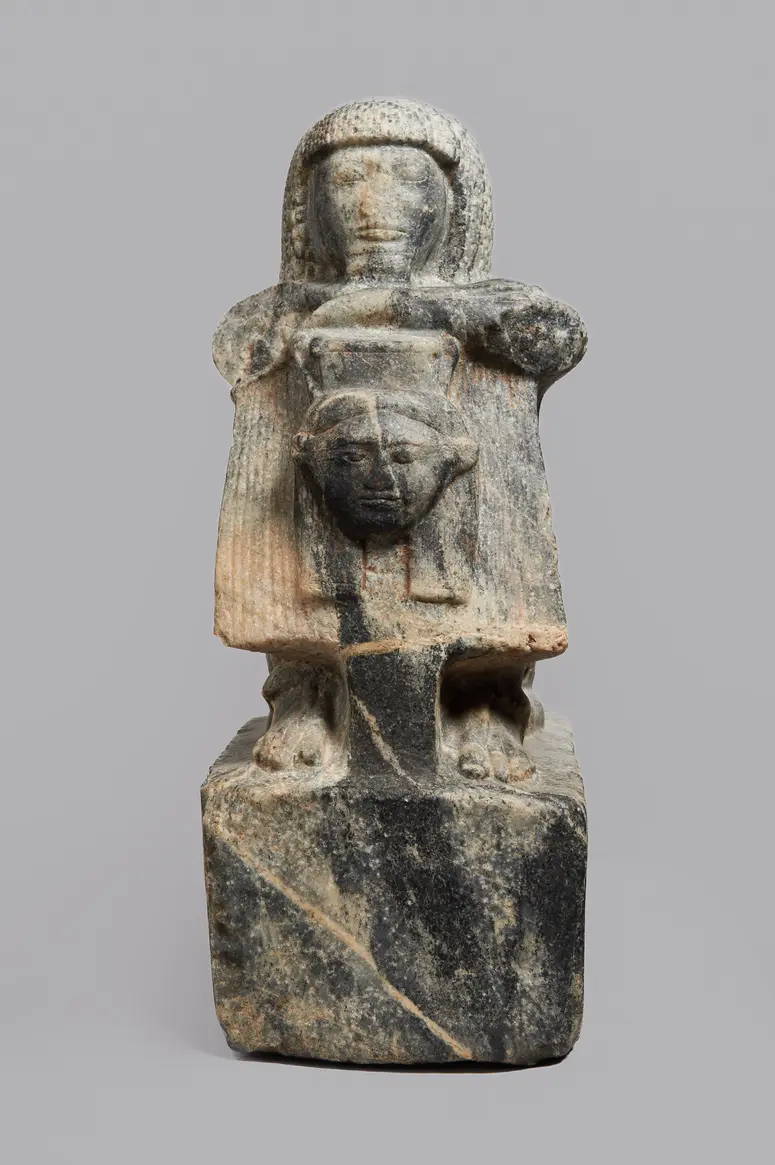
Squatting statue of Khai-hapi with a sistrum Vindobona, Wien III, Wr. Neustädter-Kanal, Landstraße 2nd half of the 19th Dynasty, ca. 1250-1200 BC
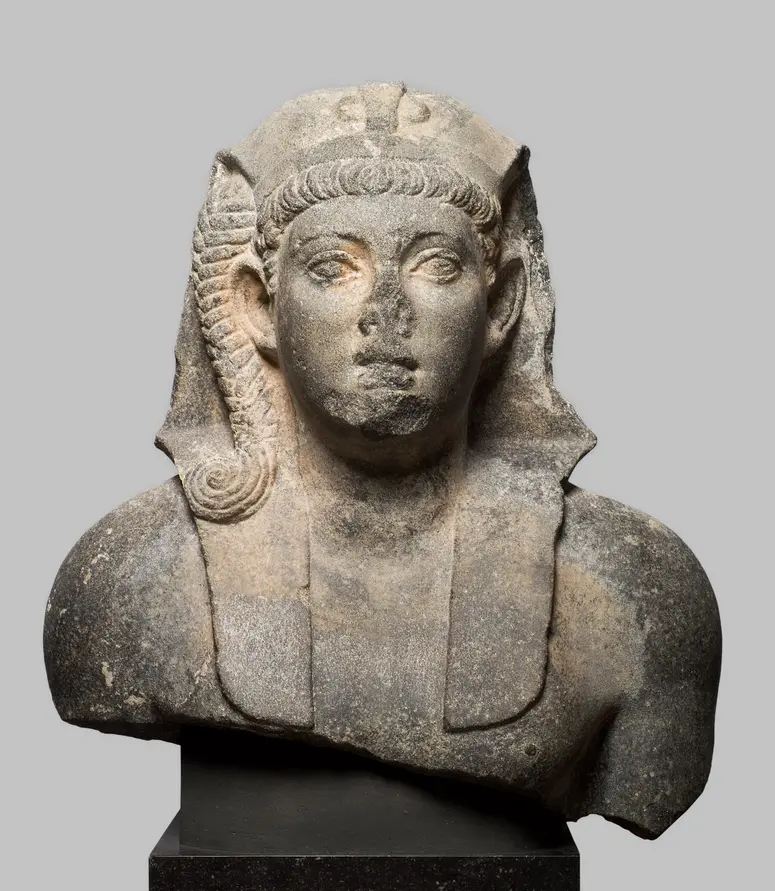
Bust of a youthful king Alexandria (vermutlich) 2nd /1st century BC or 1st century AD;
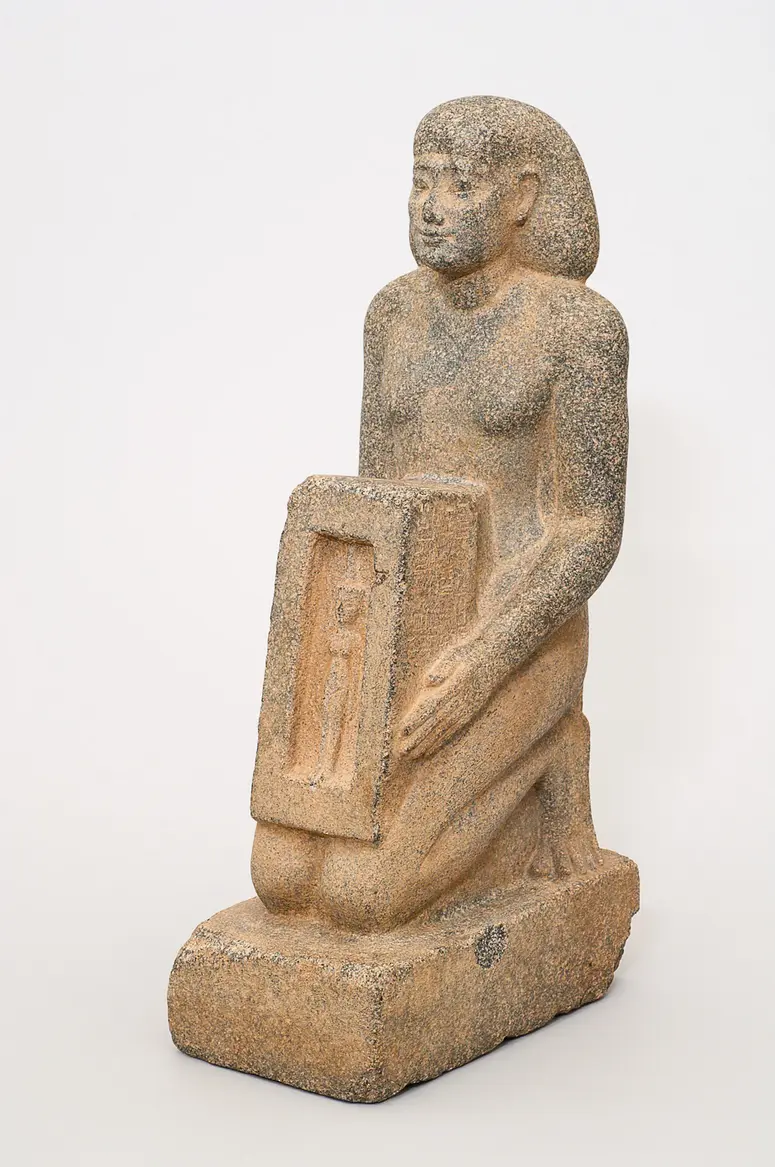
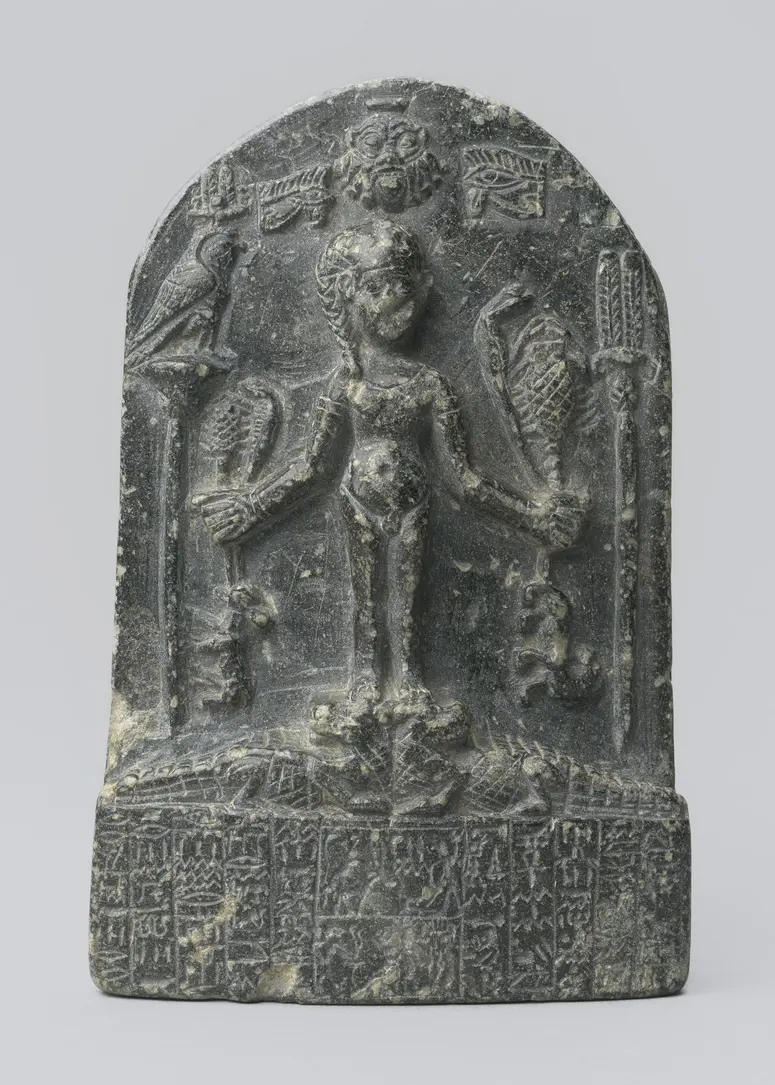
Naophorous statue of Gem-nef-hor-bak Sais (vermutlich) 30th Dynasty, 1st half of the 4th century BC
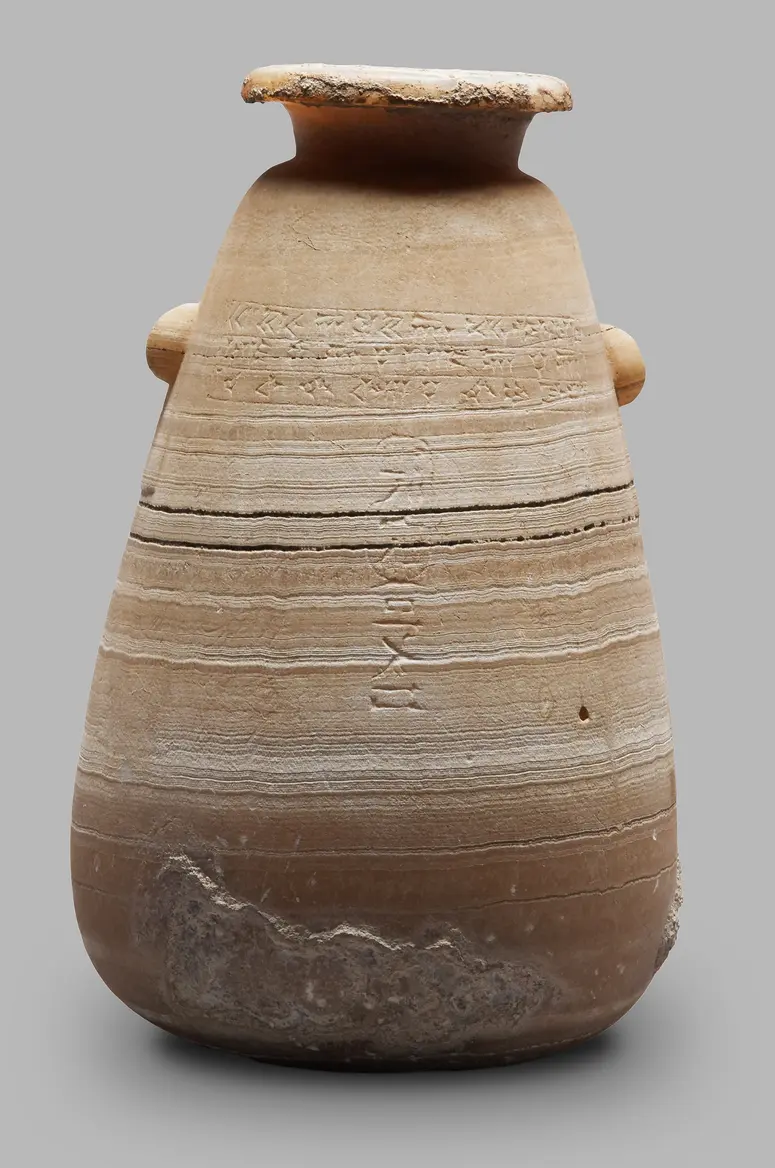
Großes Alabastron des Xerxes mit viersprachiger Inschrift Ägypten (vermutlich) Zeit des Xerxes, 486-466 v. Chr.
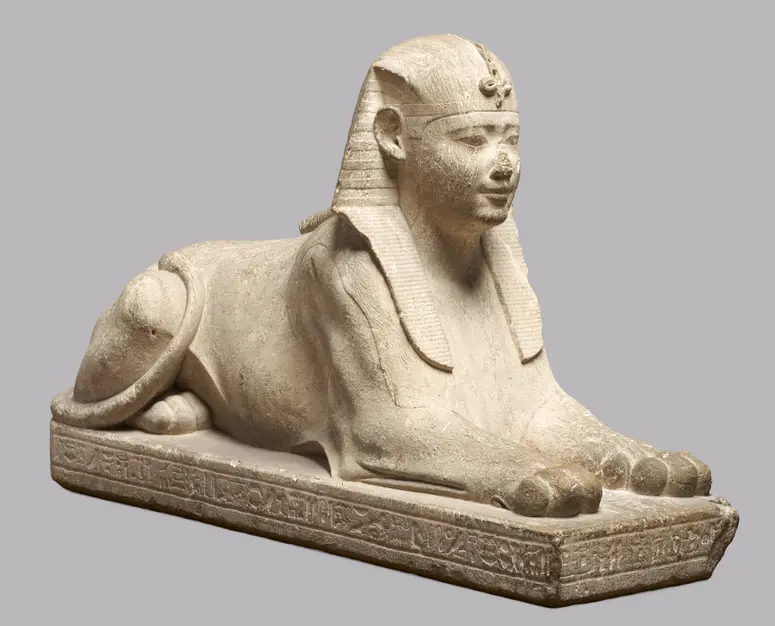
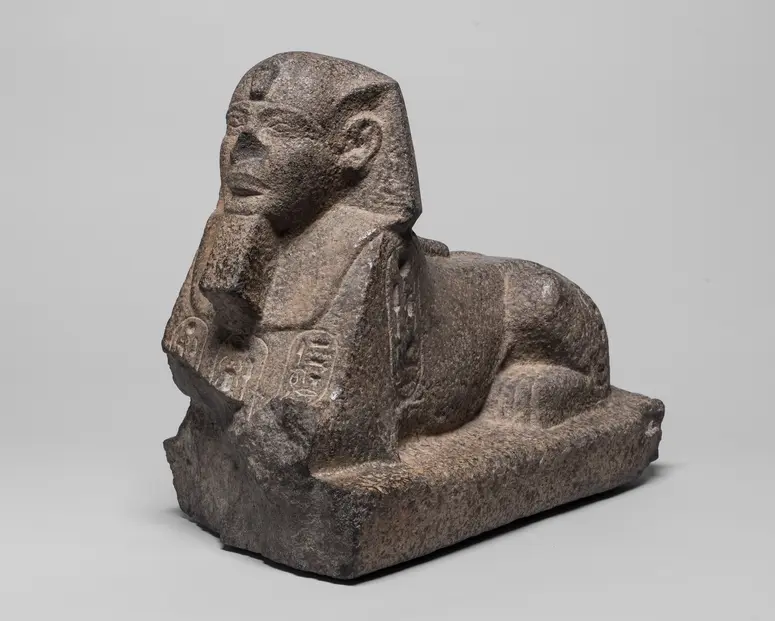
Sphinx of Osorkon I Unterägypten, Gebiet von Herakleopolis bis Bubastis (vermutlich) 22nd Dynasty, reign of Osorkon I, 910–896 BC
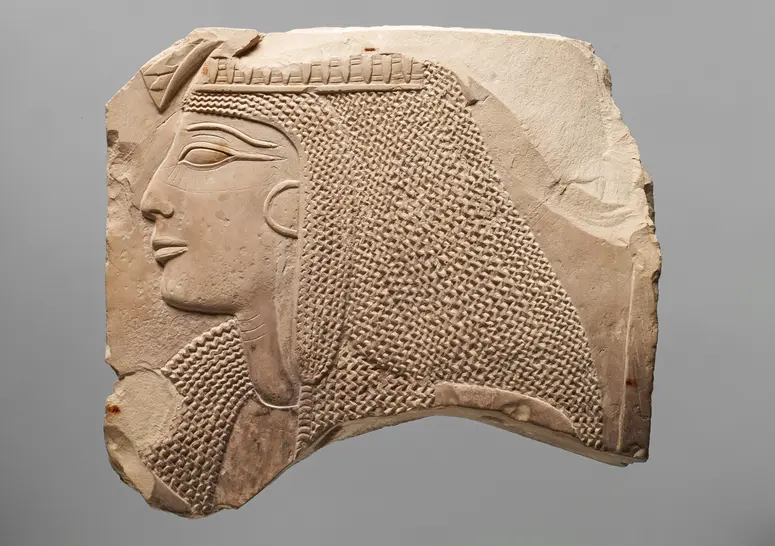
Relieffragment mit dem Kopf einer Dame Fundort unbekannt 19. Dynastie, Anfang 13. Jh. v. Chr.
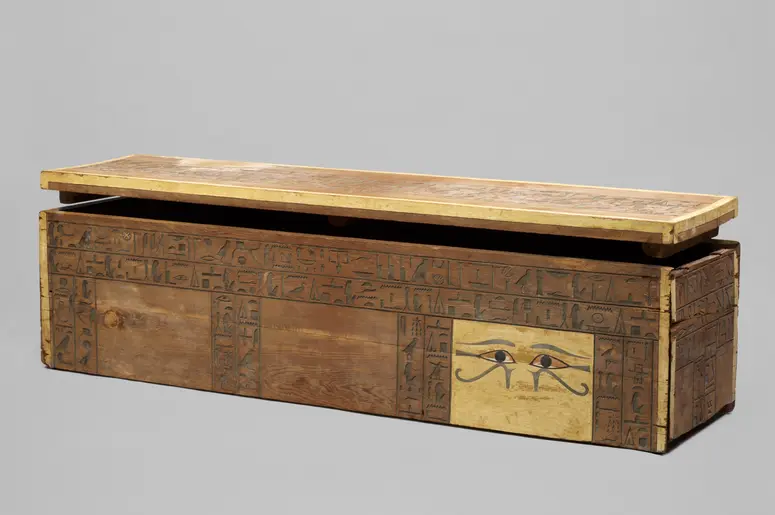
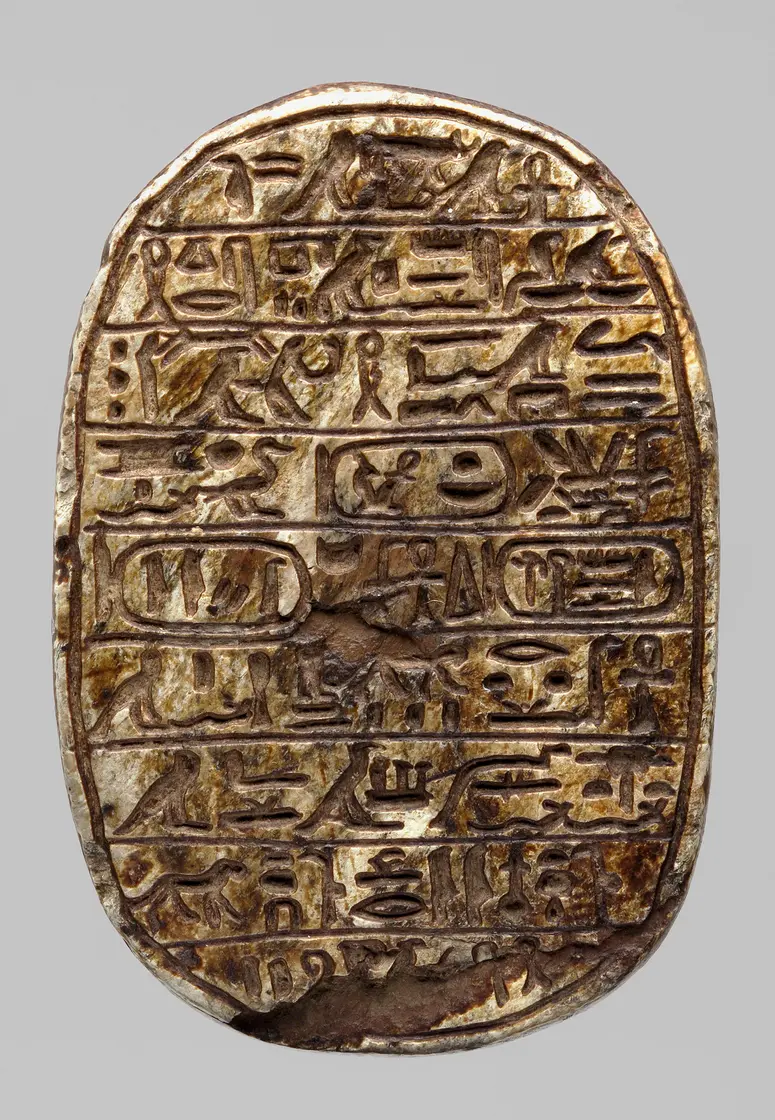
Löwenjagdskarabäus Amenophis' III. Fundort unbekannt 18. Dynastie, Zeit Amenophis' III., 1410-1372 v. Chr.
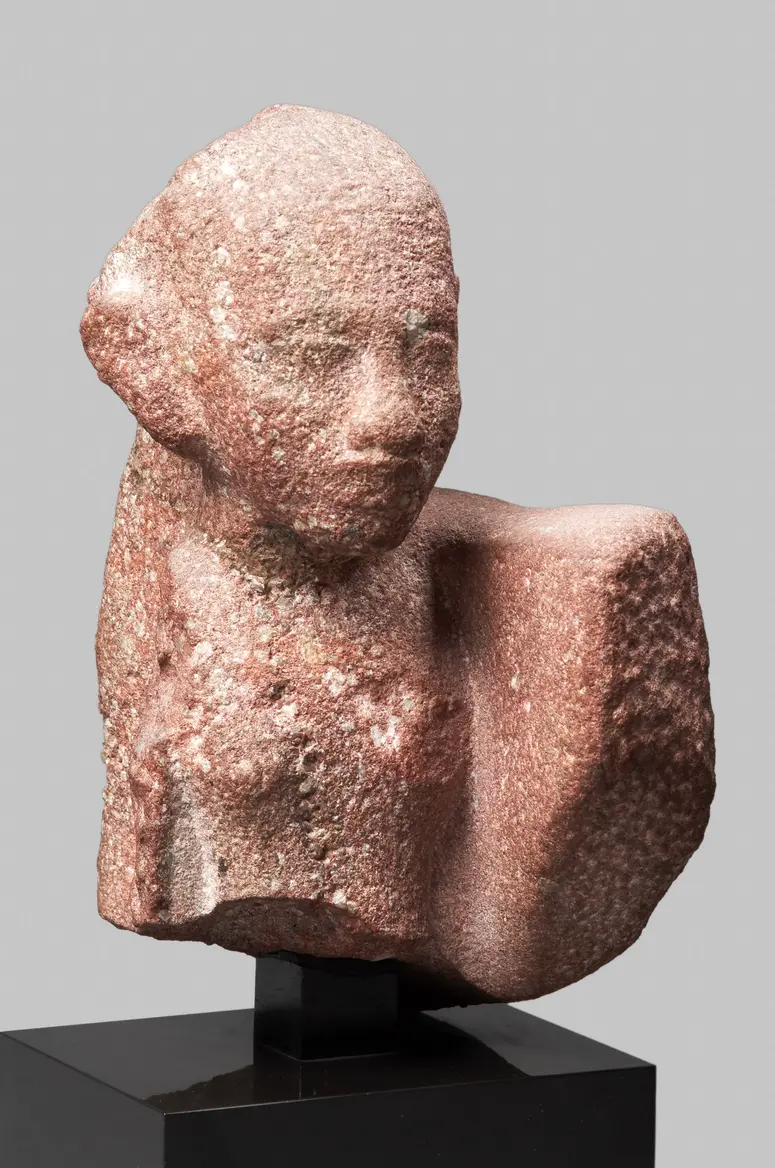
Fragmentierte Statuette einer Amarna-Prinzessin Amarna (vermutlich) 18. Dynastie, Zeit des Echnaton, 1372-1355 v. Chr.
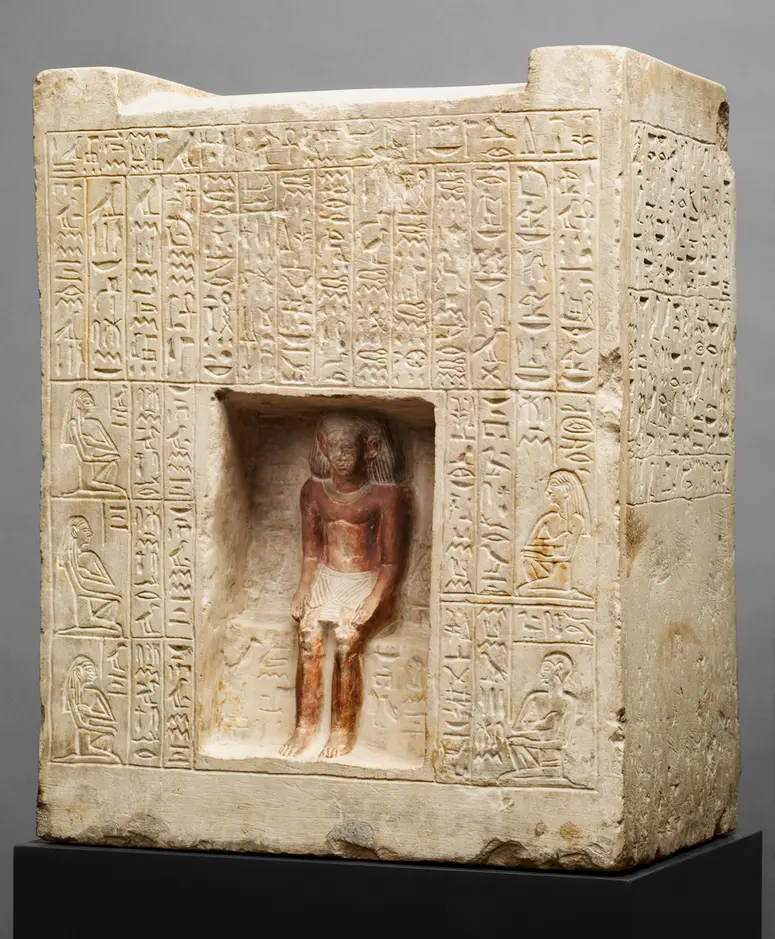
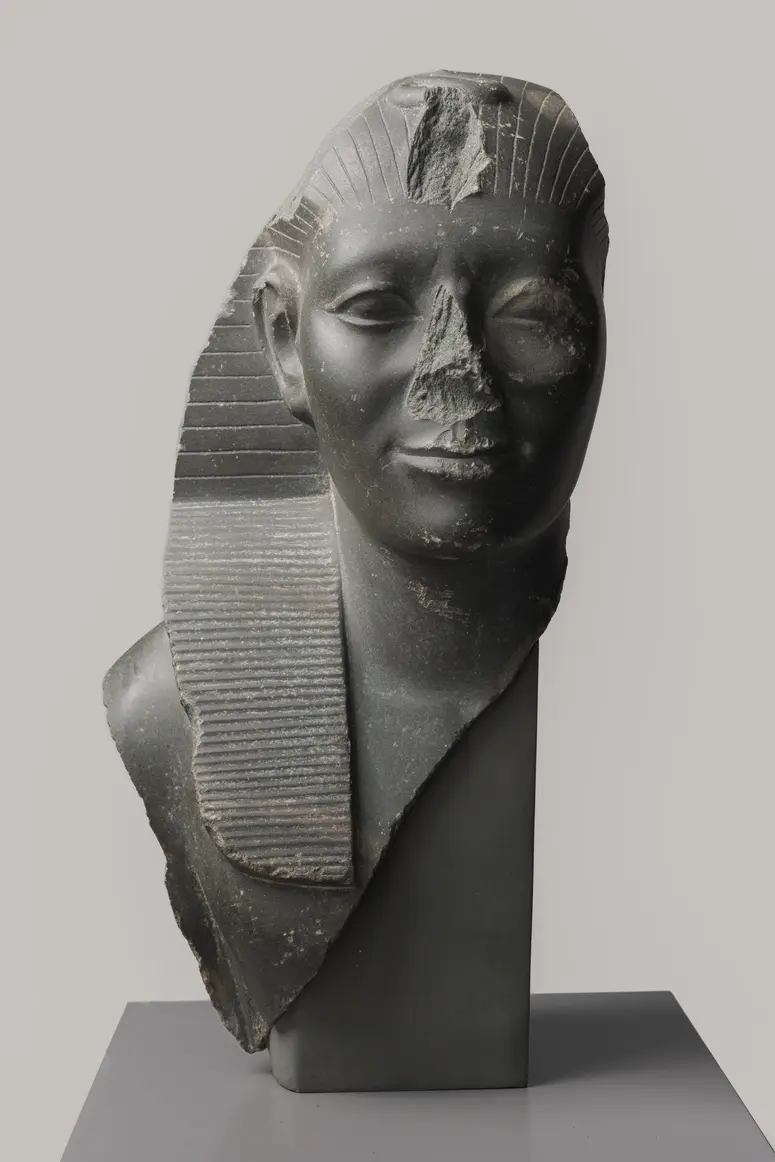
Bust from a statue of King Amenemhet V Sekhemkare Elephantine (vermutlich) 13th Dynasty, reign of Amenemhet V Sekhemkare, 1783-1780 BC
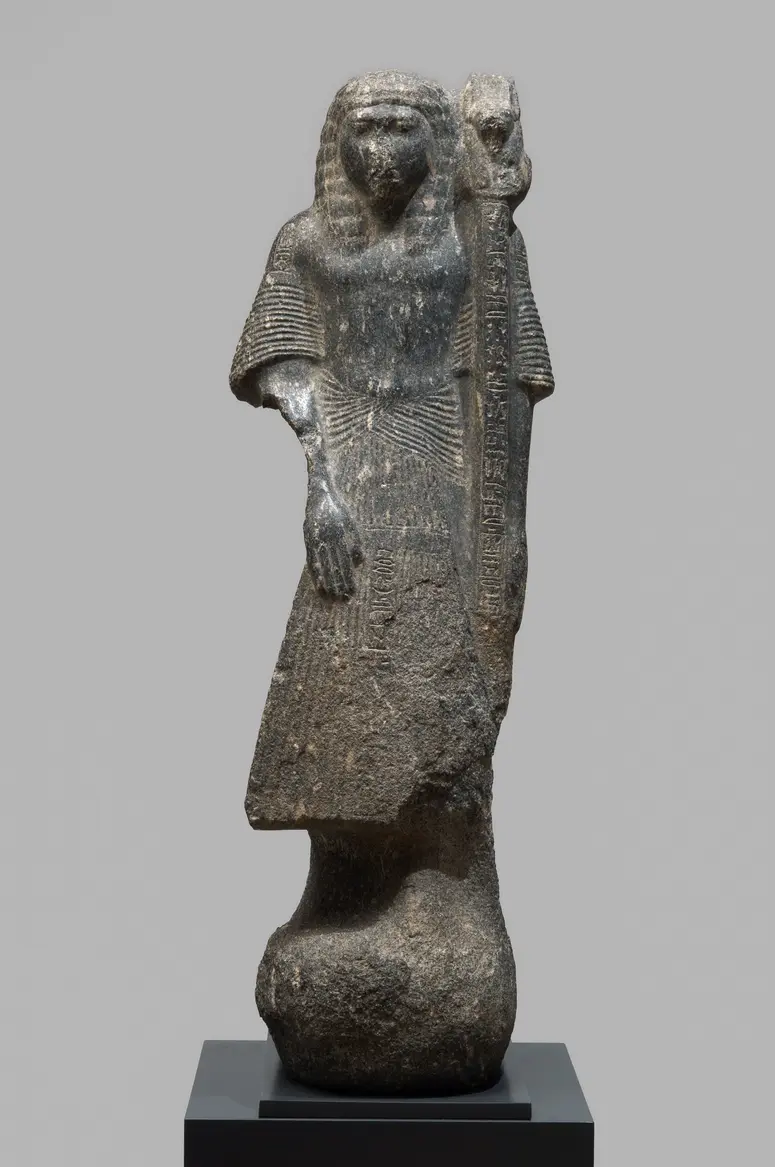
Standard-bearing statue of Sa-aset Assiut (vermutlich) 19th Dynasty, reign of Merenptah, ca. 1235 BC