Shrine of Hori
late 12th or 13th Dynasty, ca. 1800-1700 BC
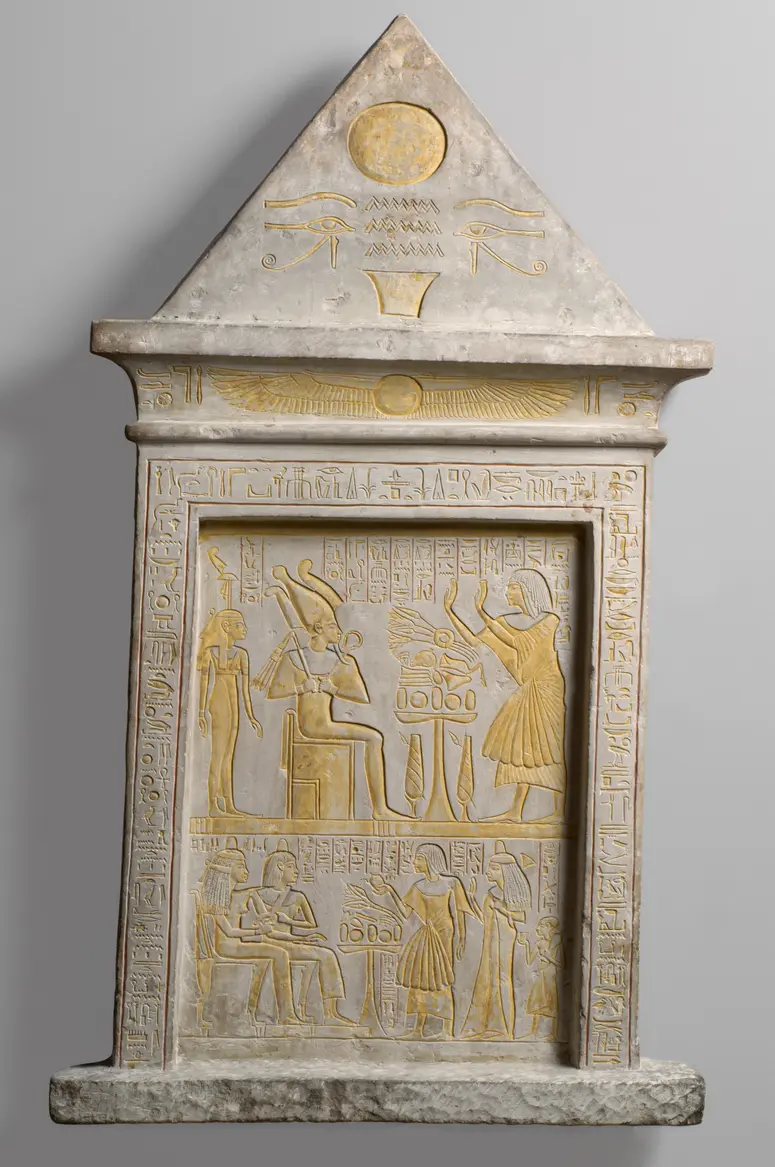
This shrine is a miniature memorial chapel which was erected in honor of the god Osiris at Abydos. The figure in the niche depicts Hori who dedicated this shrine for the benefit of his family, as well as himself, so that all might participate in the Osiris mysteries. The incised figures to the left and right of the niche depict family members; yet more are mentioned.
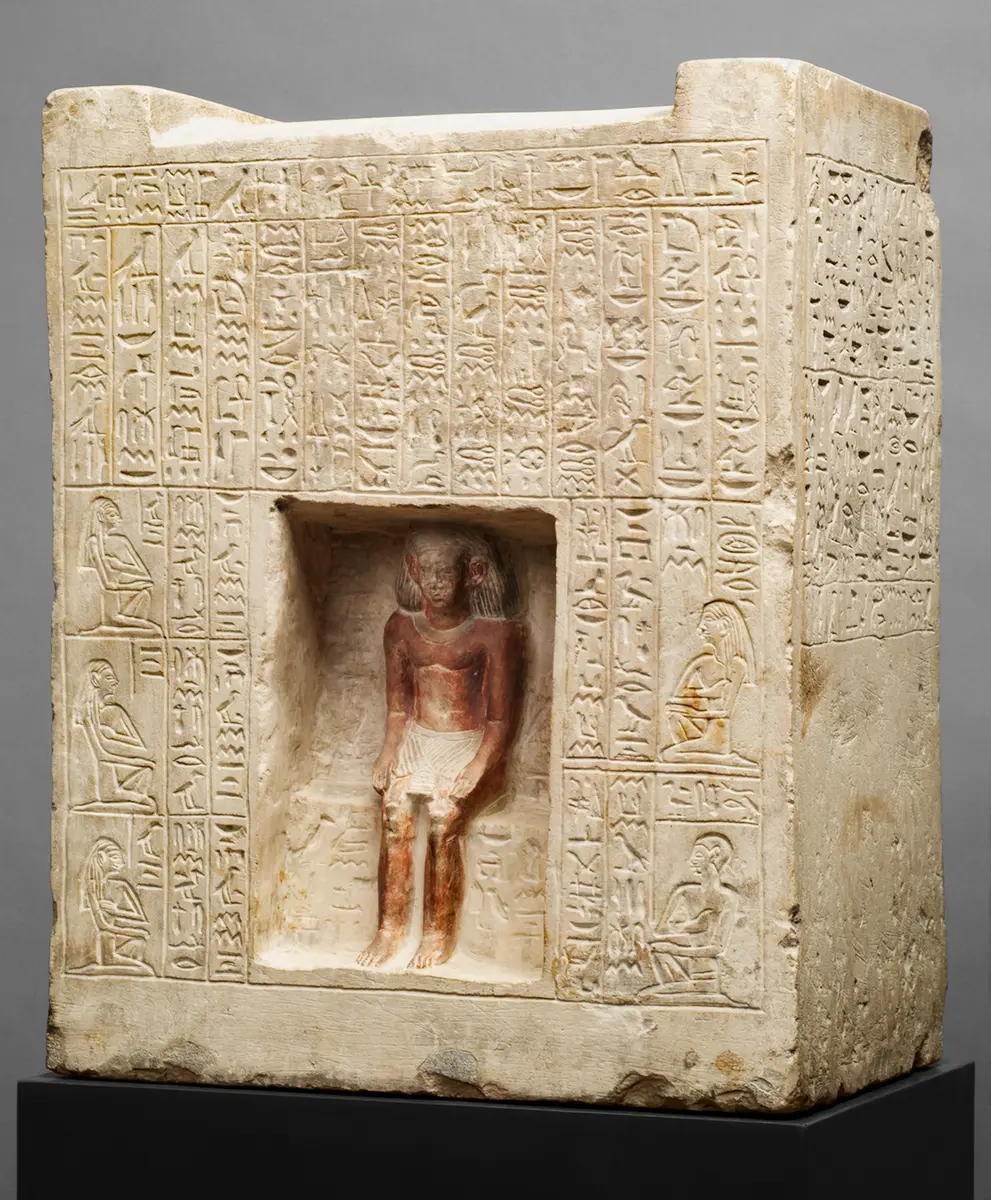
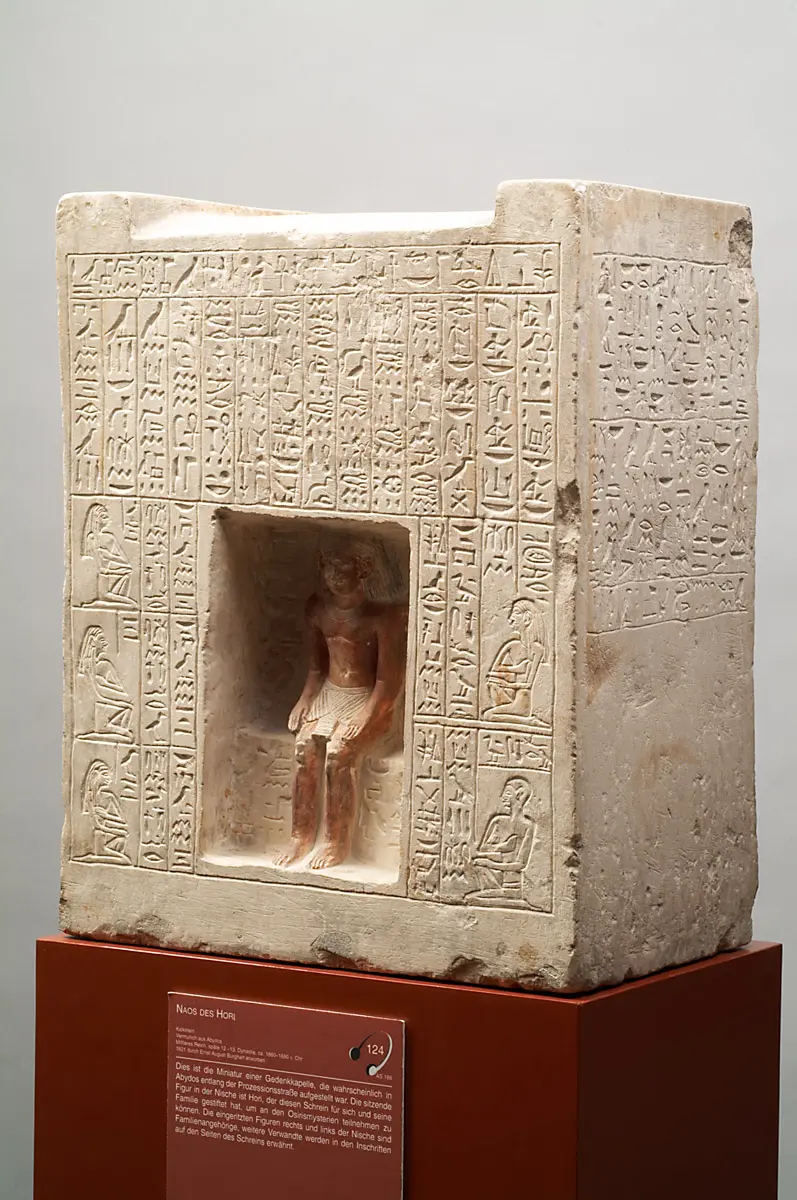
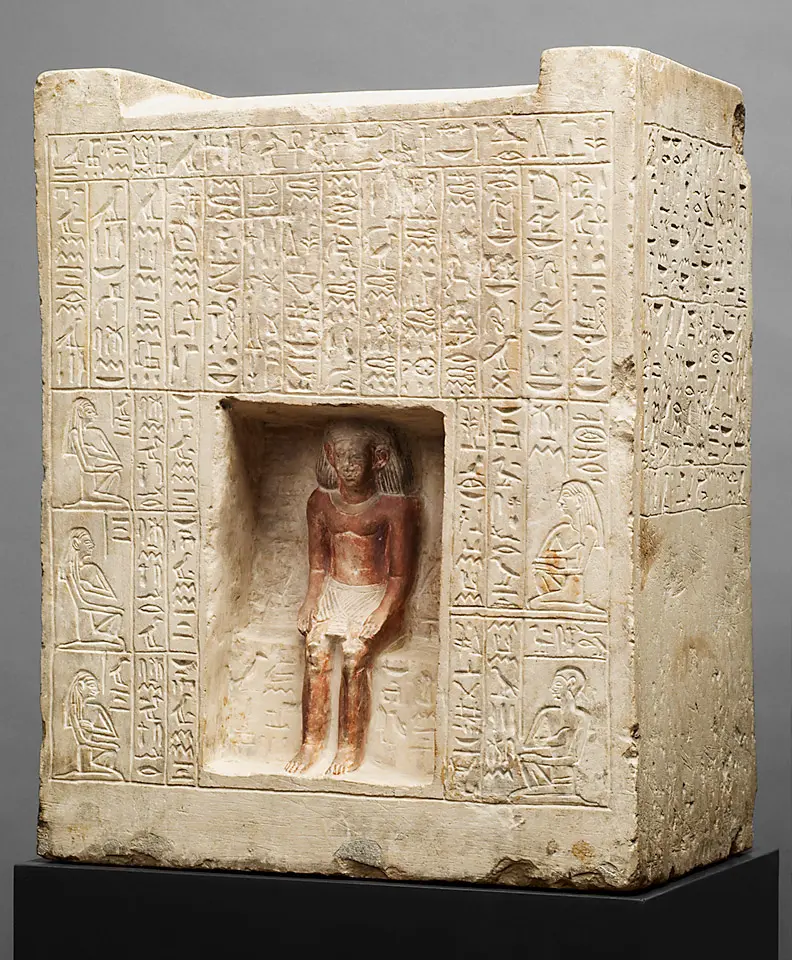
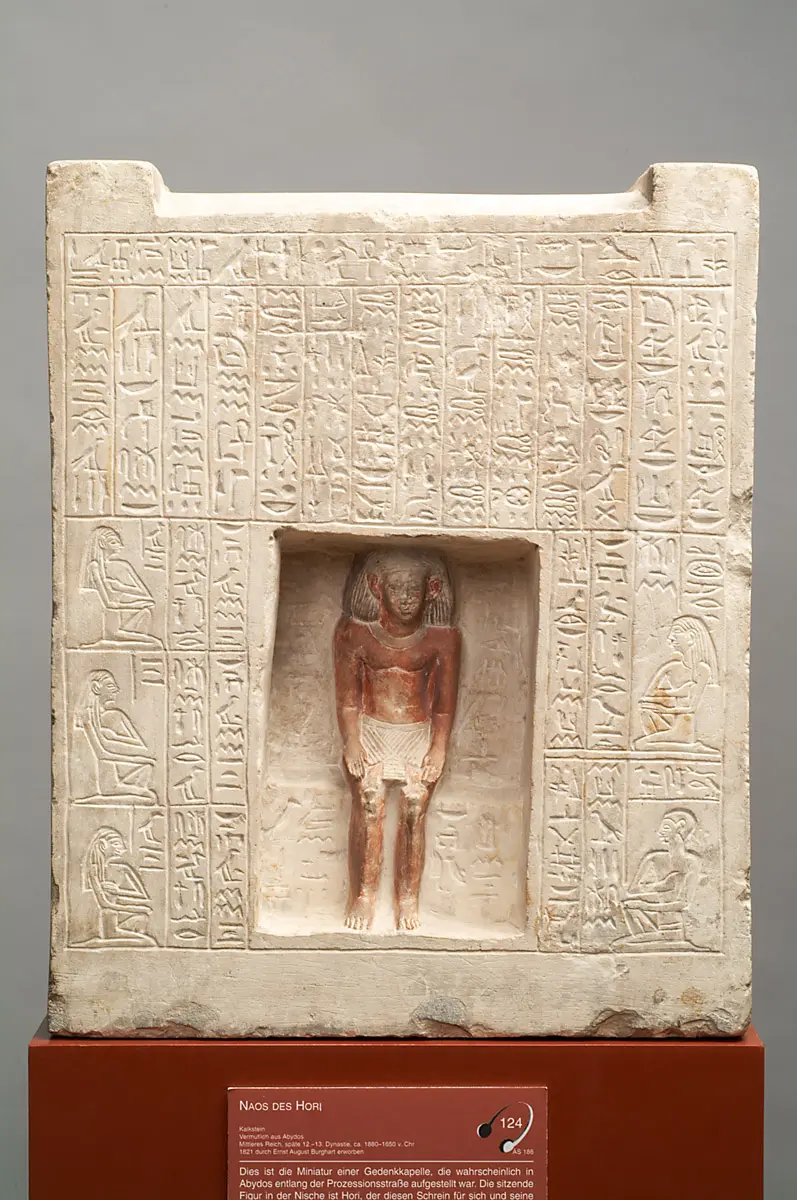
This shrine is a miniature memorial chapel which was erected in honor of the god Osiris at Abydos. The figure in the niche depicts Hori who dedicated this shrine for the benefit of his family, as well as himself, so that all might participate in the Osiris mysteries. The incised figures to the left and right of the niche depict family members; yet more are mentioned.
Time:
late 12th or 13th Dynasty, ca. 1800-1700 BC
Object Name
Stele
Culture
Ägyptisch
Location of discovery:
Abydos (vermutlich)
Material/technology:
Limestone
Dimensions:
H 49 cm, B 39 cm, T 25,5 cm
Copyright
Kunsthistorisches Museum, Ägyptisch - Orientalische Sammlung
Invs.
Ägyptische Sammlung, INV 186
Provenance
1821, purchased by Ernst August Burghart in Egypt
Browse more
Similar items you might be interested in
Squatting statue of Khai-hapi with a sistrum Vindobona, Wien III, Wr. Neustädter-Kanal, Landstraße 2nd half of the 19th Dynasty, ca. 1250-1200 BC
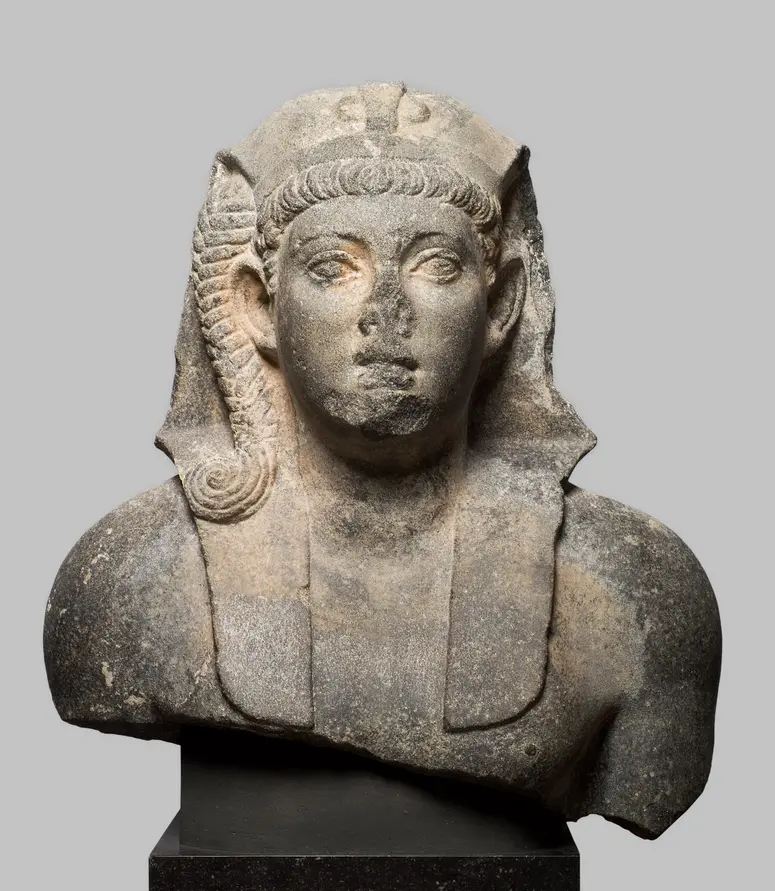
Bust of a youthful king Alexandria (vermutlich) 2nd /1st century BC or 1st century AD;
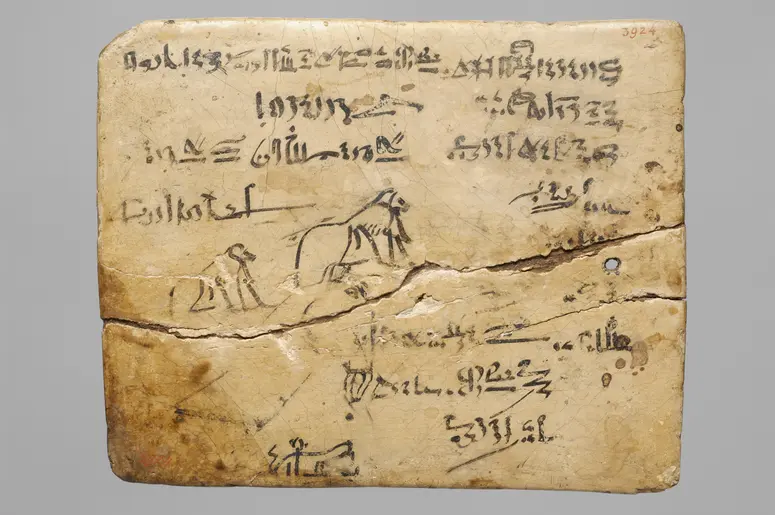
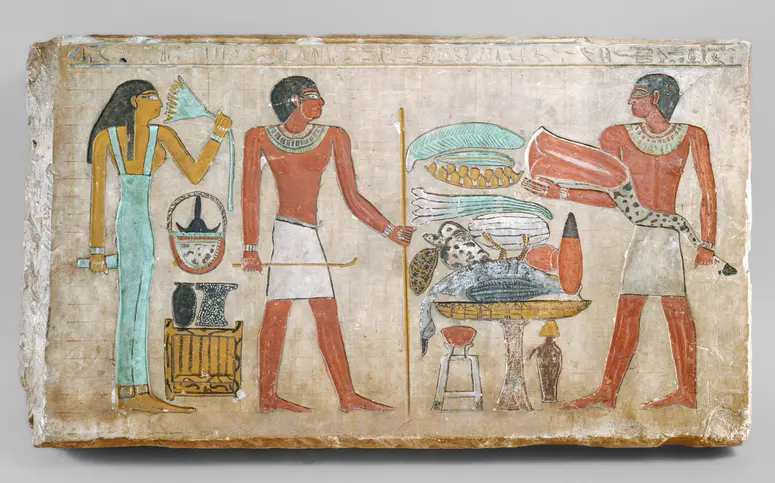
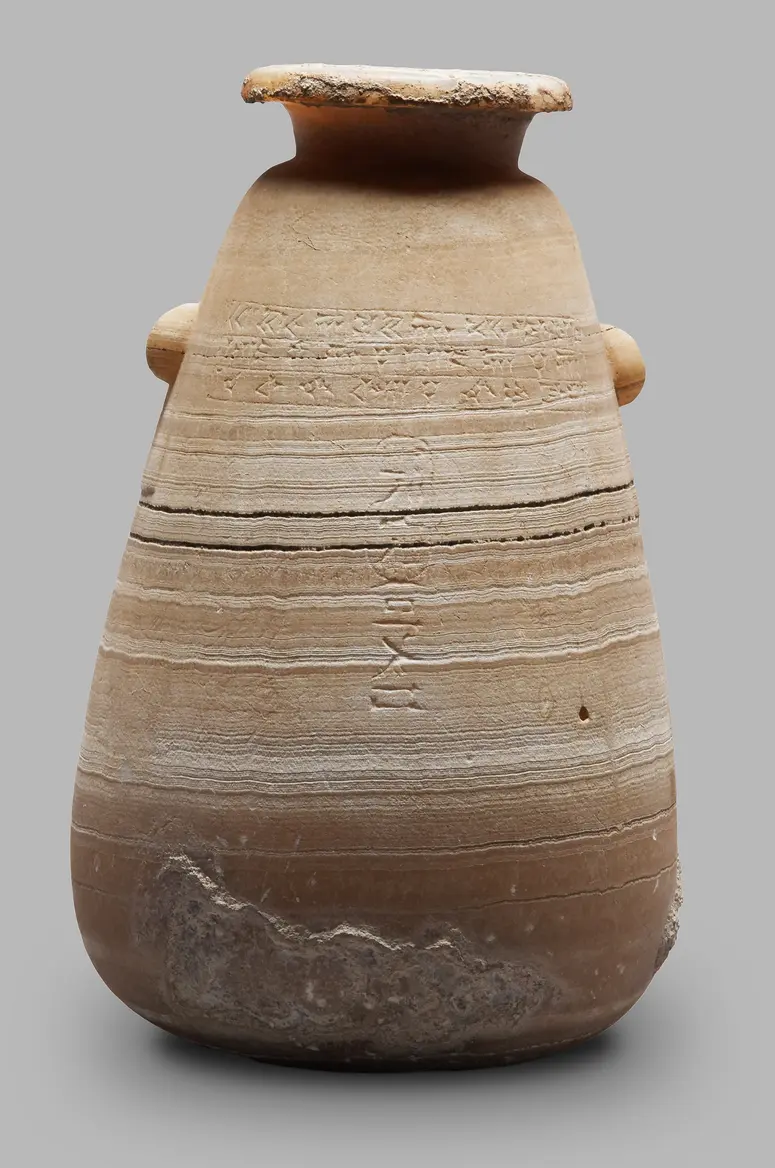
Großes Alabastron des Xerxes mit viersprachiger Inschrift Ägypten (vermutlich) Zeit des Xerxes, 486-466 v. Chr.
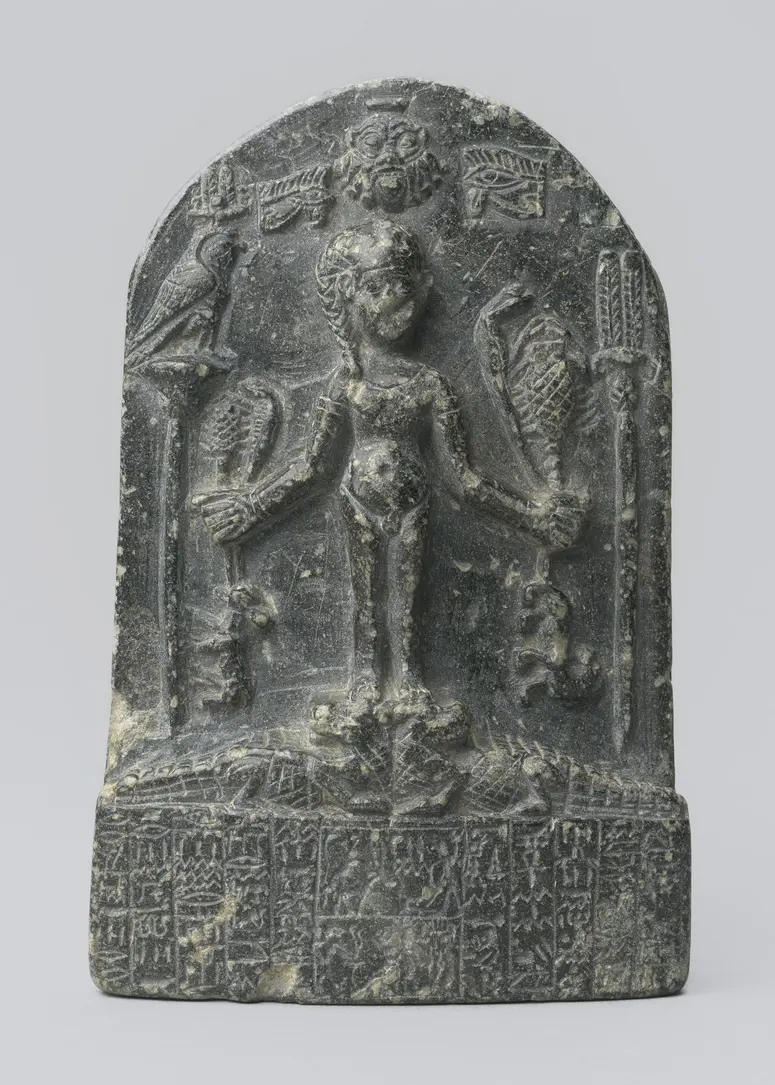
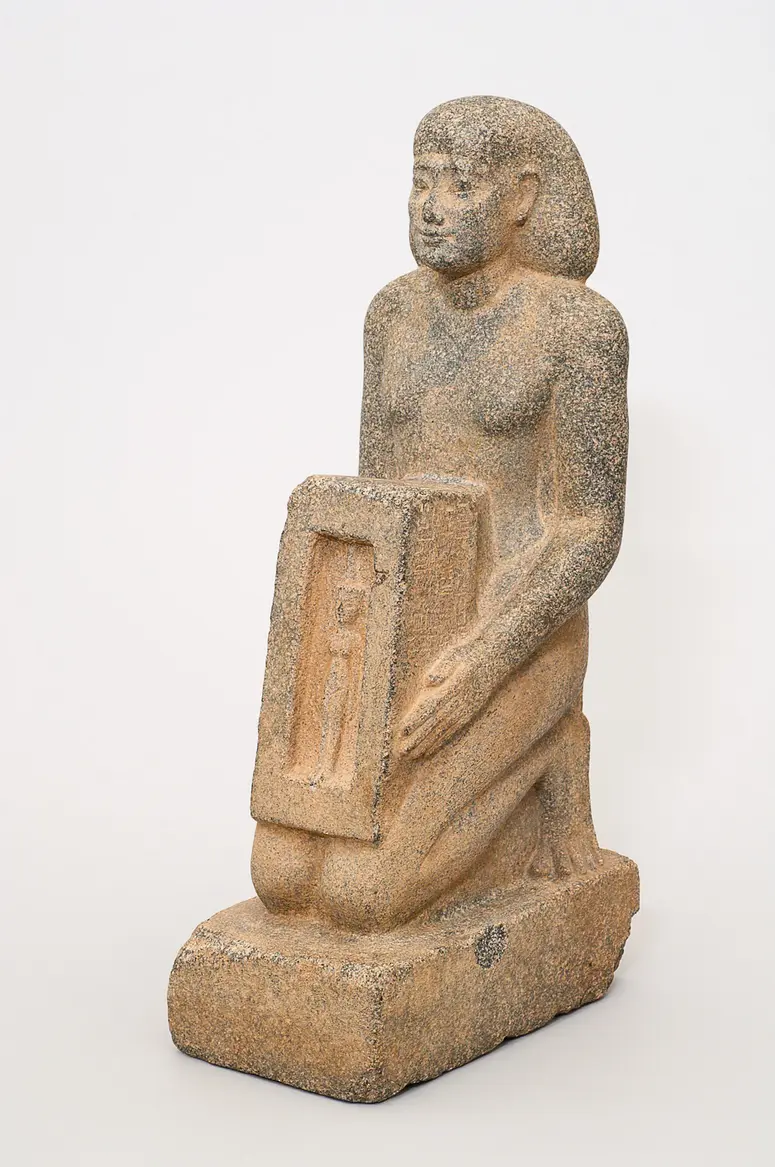
Naophorous statue of Gem-nef-hor-bak Sais (vermutlich) 30th Dynasty, 1st half of the 4th century BC
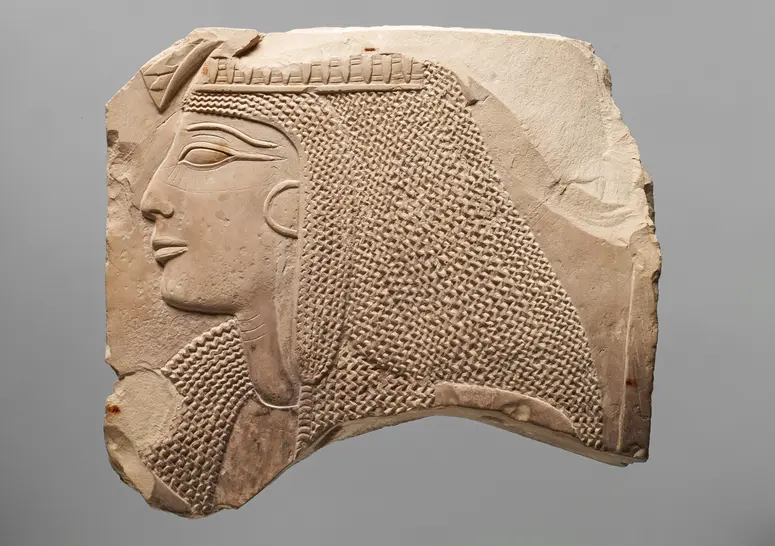
Relieffragment mit dem Kopf einer Dame Fundort unbekannt 19. Dynastie, Anfang 13. Jh. v. Chr.
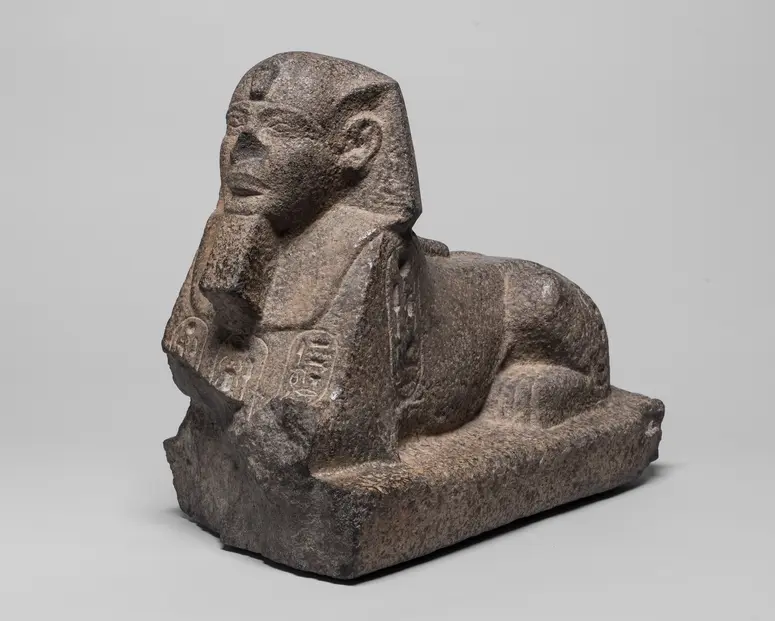
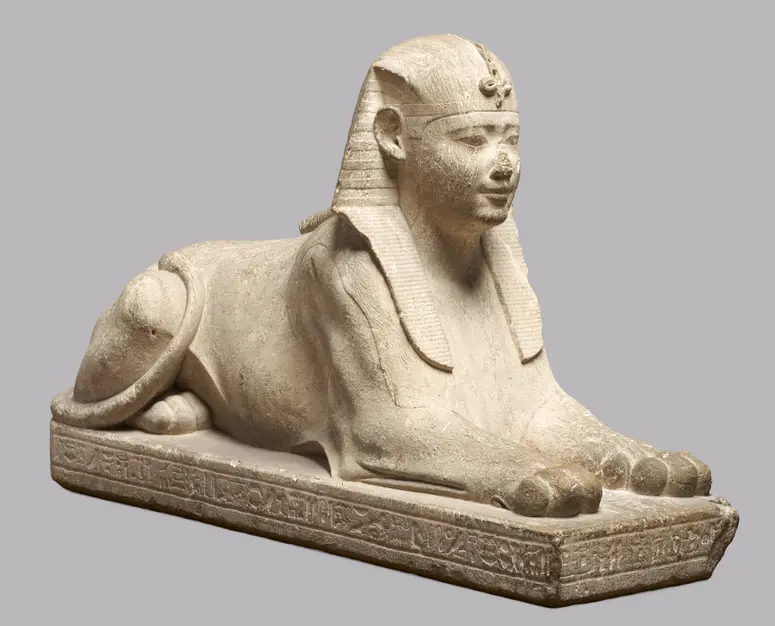
Sphinx of Osorkon I Unterägypten, Gebiet von Herakleopolis bis Bubastis (vermutlich) 22nd Dynasty, reign of Osorkon I, 910–896 BC
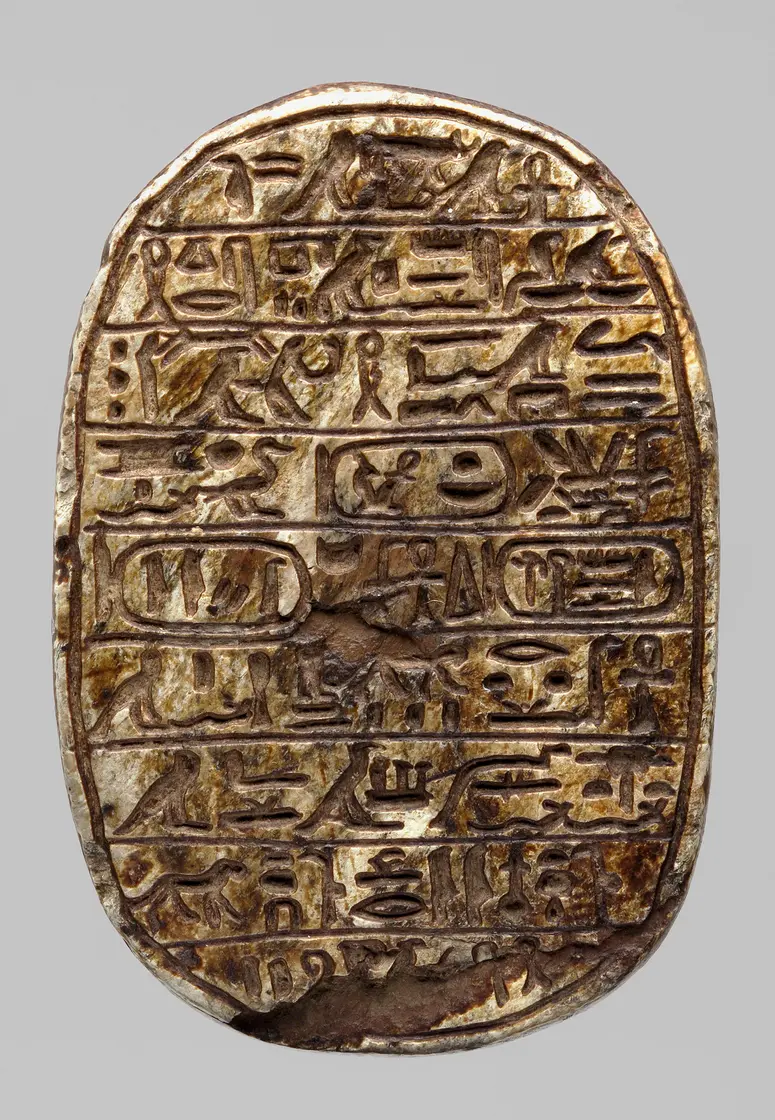
Löwenjagdskarabäus Amenophis' III. Fundort unbekannt 18. Dynastie, Zeit Amenophis' III., 1410-1372 v. Chr.
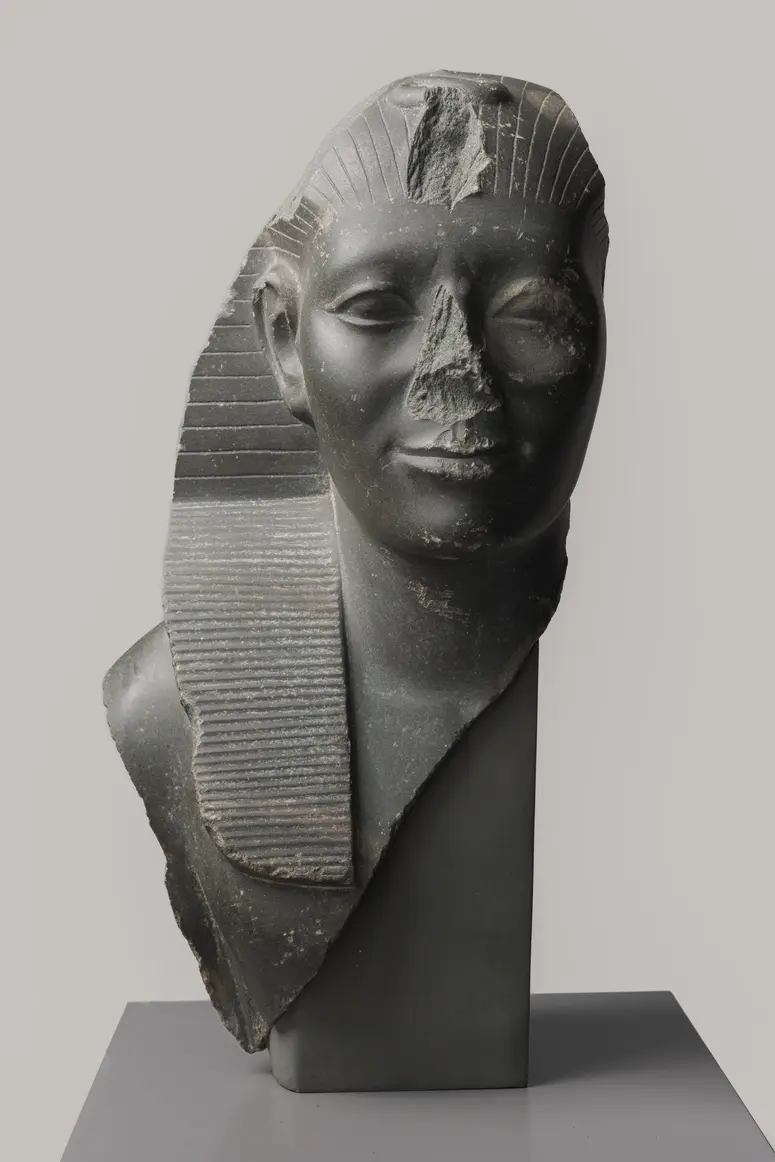
Bust from a statue of King Amenemhet V Sekhemkare Elephantine (vermutlich) 13th Dynasty, reign of Amenemhet V Sekhemkare, 1783-1780 BC
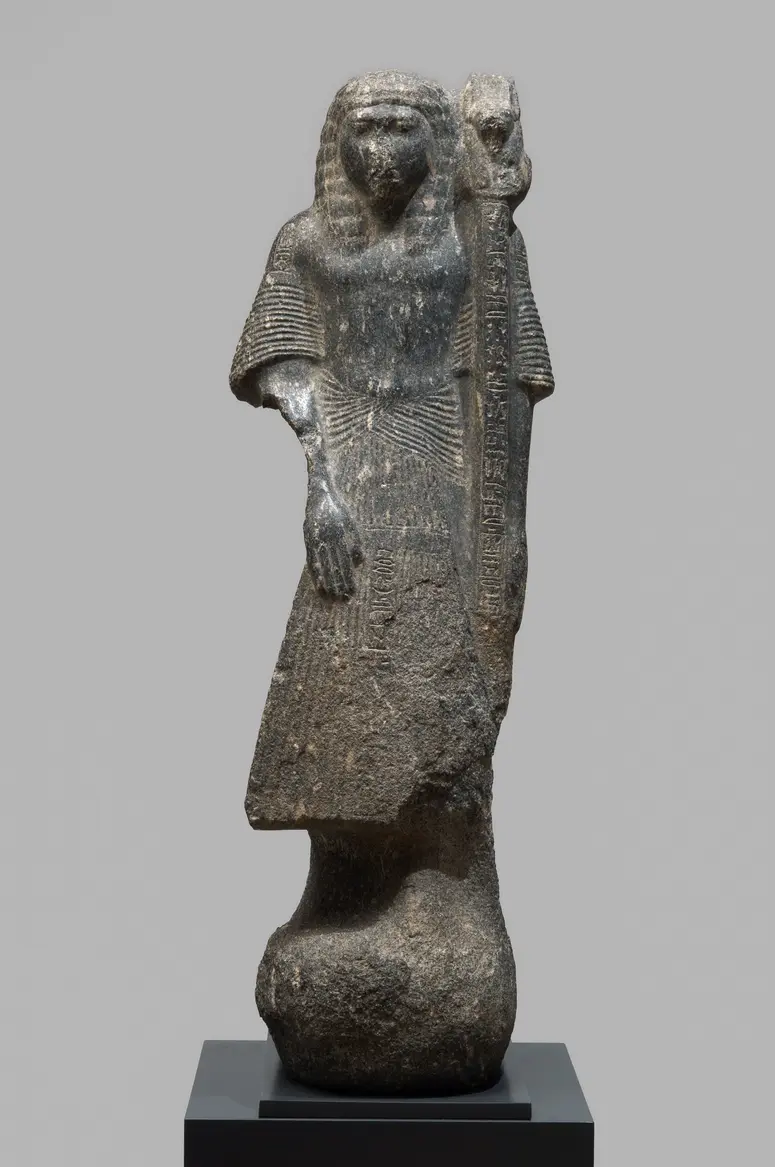
Standard-bearing statue of Sa-aset Assiut (vermutlich) 19th Dynasty, reign of Merenptah, ca. 1235 BC
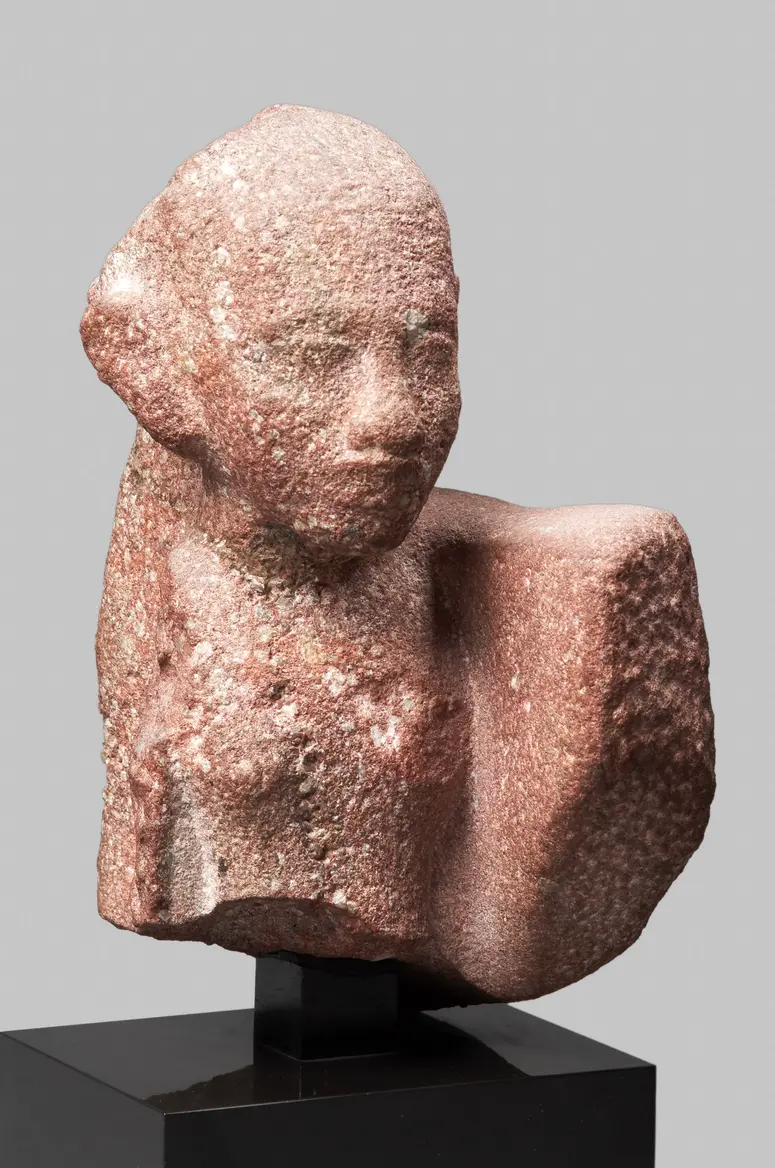
Fragmentierte Statuette einer Amarna-Prinzessin Amarna (vermutlich) 18. Dynastie, Zeit des Echnaton, 1372-1355 v. Chr.